Loading video…

 27 Concepts
 4.7K views

Video Summary: Pathophysiology in Hyperthyroidism Ii
Did you know your thyroid gland can essentially hijack your metabolism, forcing your heart to race even at rest? The pathophysiology in hyperthyroidism II concept unpacks exactly how this happens at the molecular level. In the US, Graves' disease accounts for roughly 70-80% of hyperthyroidism cases, making it a textbook example of autoimmune endocrine disruption. Watch the full video on JoVE Coach to master this concept with expert-led visuals and step-by-step explanations.
Hyperthyroidism is far more than a simple case of "too much hormone." The pathophysiology in hyperthyroidism II framework reveals a cascade of molecular, cellular, and systemic disruptions that explain why this condition touches nearly every organ system. For students in AP Biology, college physiology courses, or those preparing for the MCAT or USMLE, understanding this cascade is foundational to mastering endocrine pathology.
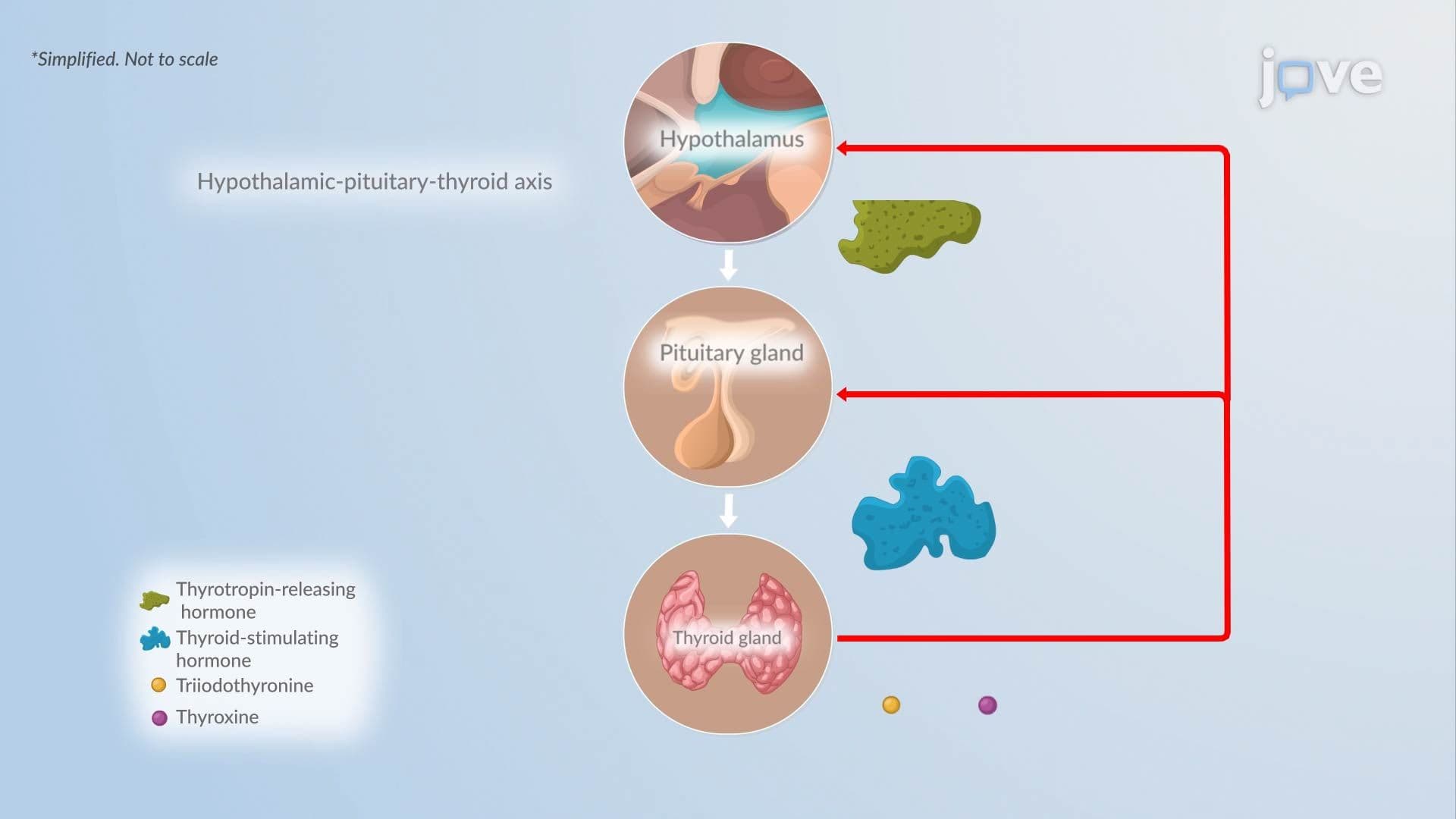
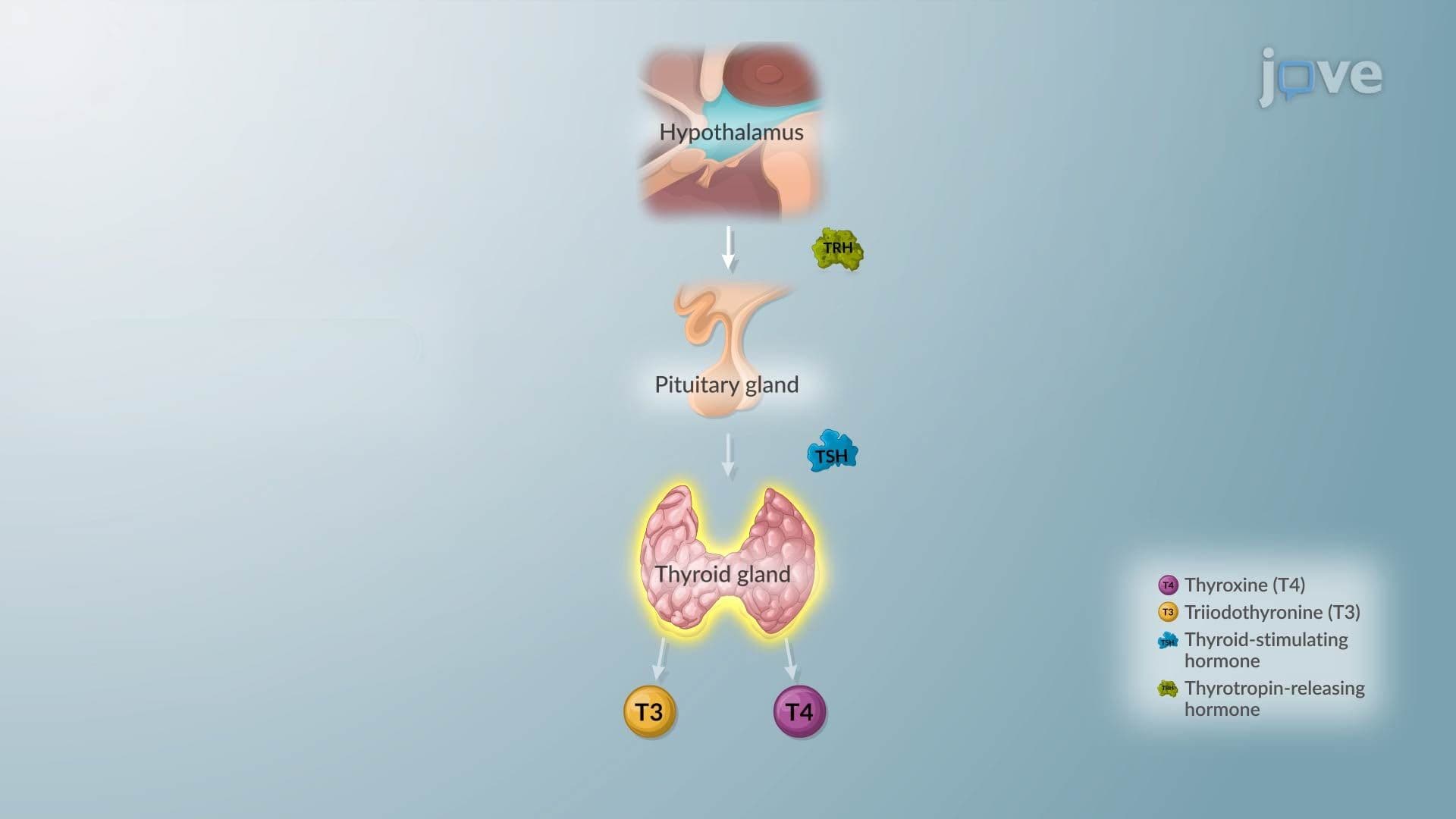
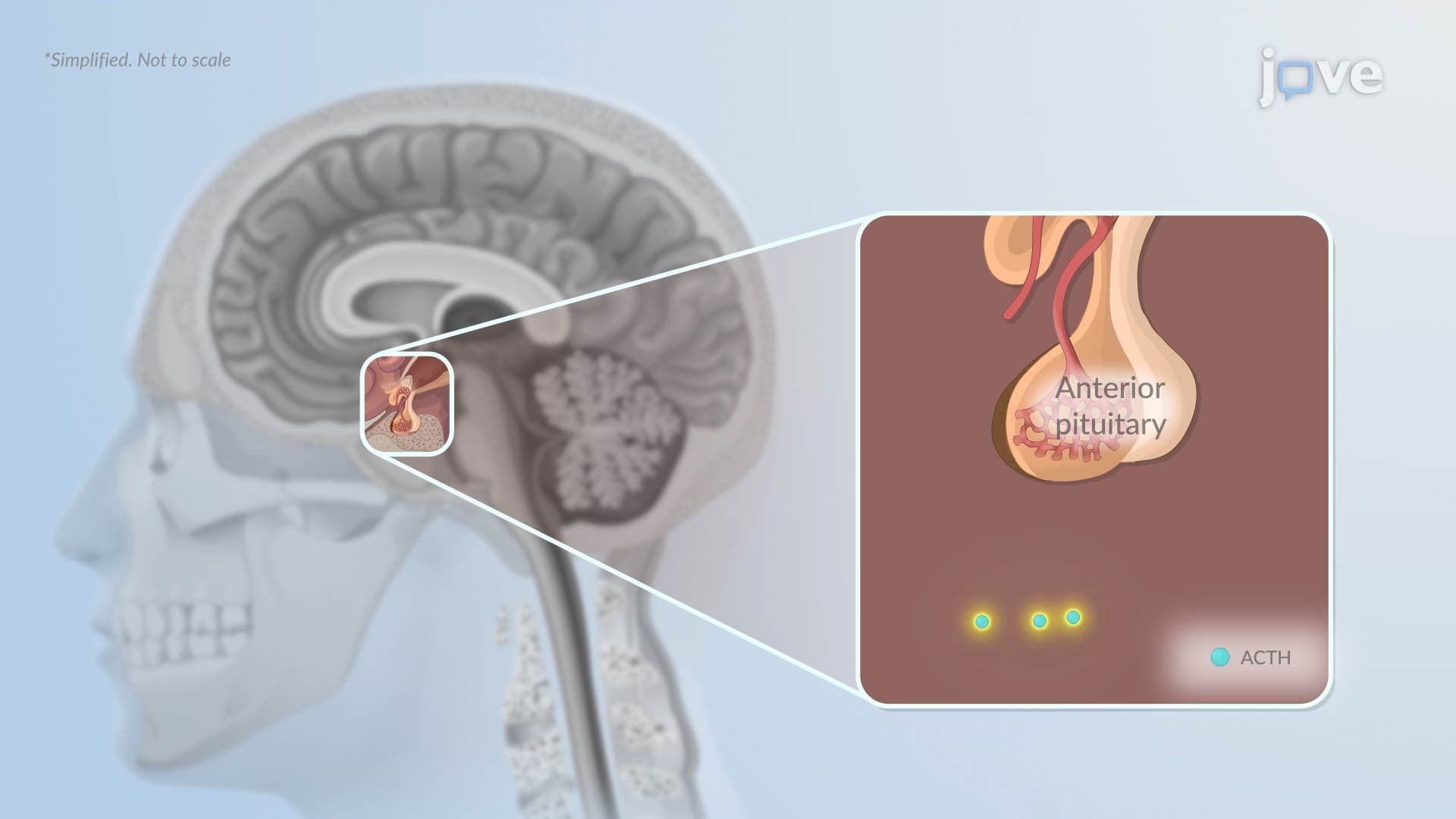
Under normal conditions, the hypothalamus releases thyrotropin-releasing hormone (TRH), which signals the anterior pituitary to secrete thyroid-stimulating hormone (TSH). TSH then binds to receptors on thyroid follicular cells, triggering T3 and T4 synthesis. Rising T3 and T4 levels then loop back to suppress both TRH and TSH, a classic negative feedback mechanism.
In hyperthyroidism, this elegant system is overridden. In Graves' disease, the most common cause in the US, affecting approximately 1 in 200 Americans, the immune system generates thyroid-stimulating immunoglobulins (TSIs). These antibodies bind and chronically activate TSH receptors, acting like a stuck "on" switch. Because TSIs are not subject to the same feedback suppression as TSH itself, thyroid hormone production becomes unregulated. The lab result: high free T4 and T3, with a suppressed TSH, a pattern that appears frequently on MCAT practice passages and USMLE Step 1 questions.
Not all hyperthyroidism is autoimmune. Toxic adenomas are benign tumors of thyroid follicular cells that produce hormone independently of TSH signaling. Similarly, toxic multinodular goiter involves multiple hyperactive nodules that collectively overproduce T3 and T4. Both conditions are TSH-independent, meaning TSH remains suppressed but the autoimmune antibody profile seen in Graves' disease is absent. Distinguishing these etiologies is a high-yield skill for NCLEX and college endocrinology midterms, often tested through clinical vignettes.
A rare but important cause is TSH-secreting pituitary adenoma, which floods the thyroid with excess TSH signal, a secondary (or central) cause of hyperthyroidism that paradoxically presents with elevated or inappropriately normal TSH alongside high thyroid hormones.
Thyroid hormones are powerful transcriptional regulators. At the cellular level, T3 enters the nucleus and binds thyroid hormone receptors, upregulating genes involved in mitochondrial biogenesis, oxidative phosphorylation, and metabolic enzyme production. This dramatically increases the basal metabolic rate (BMR), patients can lose significant weight despite eating more, a hallmark of hyperthyroidism.
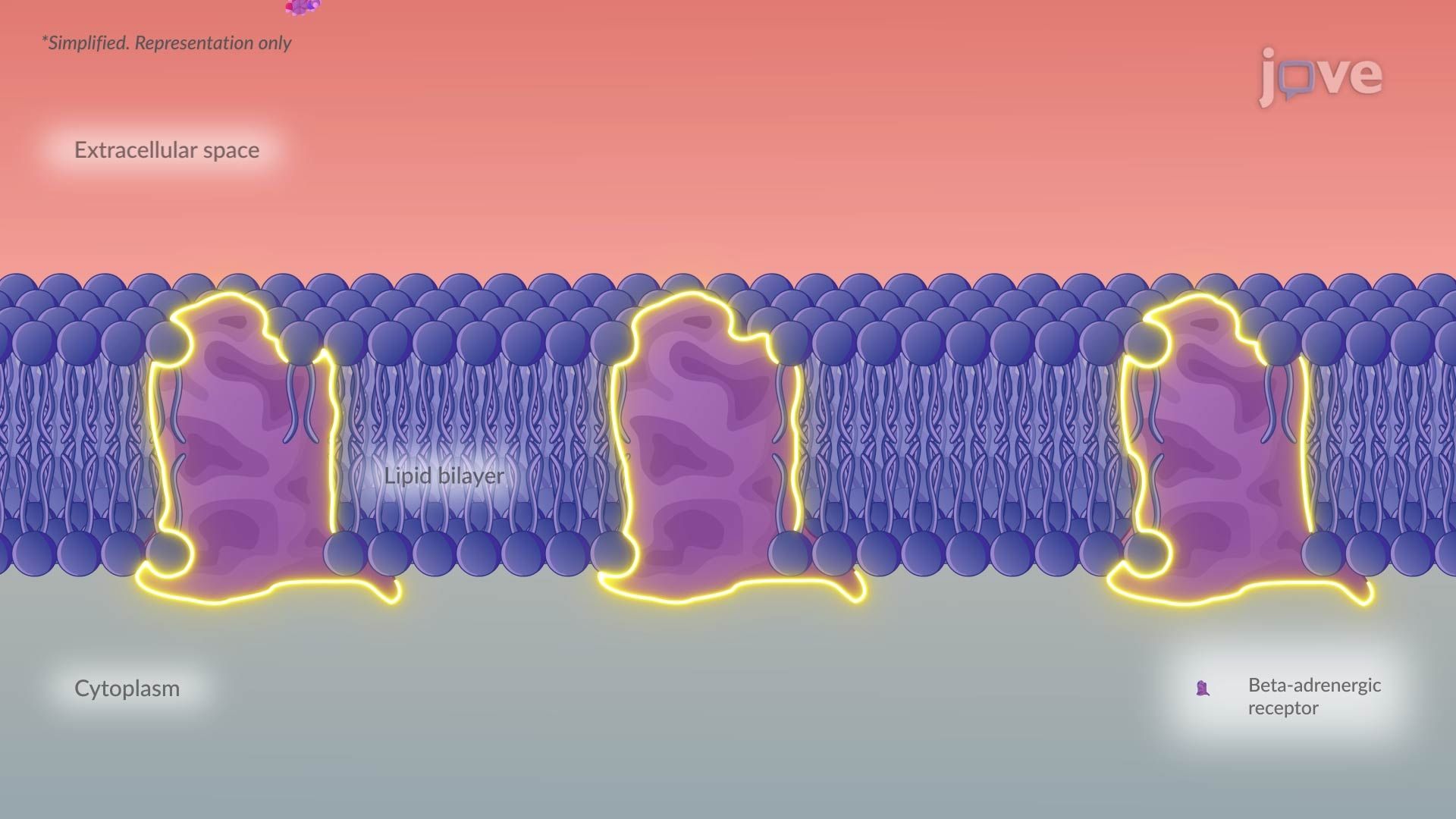
Equally important is the upregulation of beta-adrenergic receptors throughout the cardiovascular and nervous systems. Even with normal circulating catecholamine levels (like epinephrine and norepinephrine), the body becomes hypersensitive to their effects. This explains the clinical triad of tachycardia, tremors, and anxiety that characterizes hyperthyroid patients. Heat intolerance arises because increased metabolic activity generates excess heat, similar to an engine running at full throttle. These concepts connect directly to questions about hormonal imbalances and adrenergic physiology tested on AP exams and college biochemistry courses.
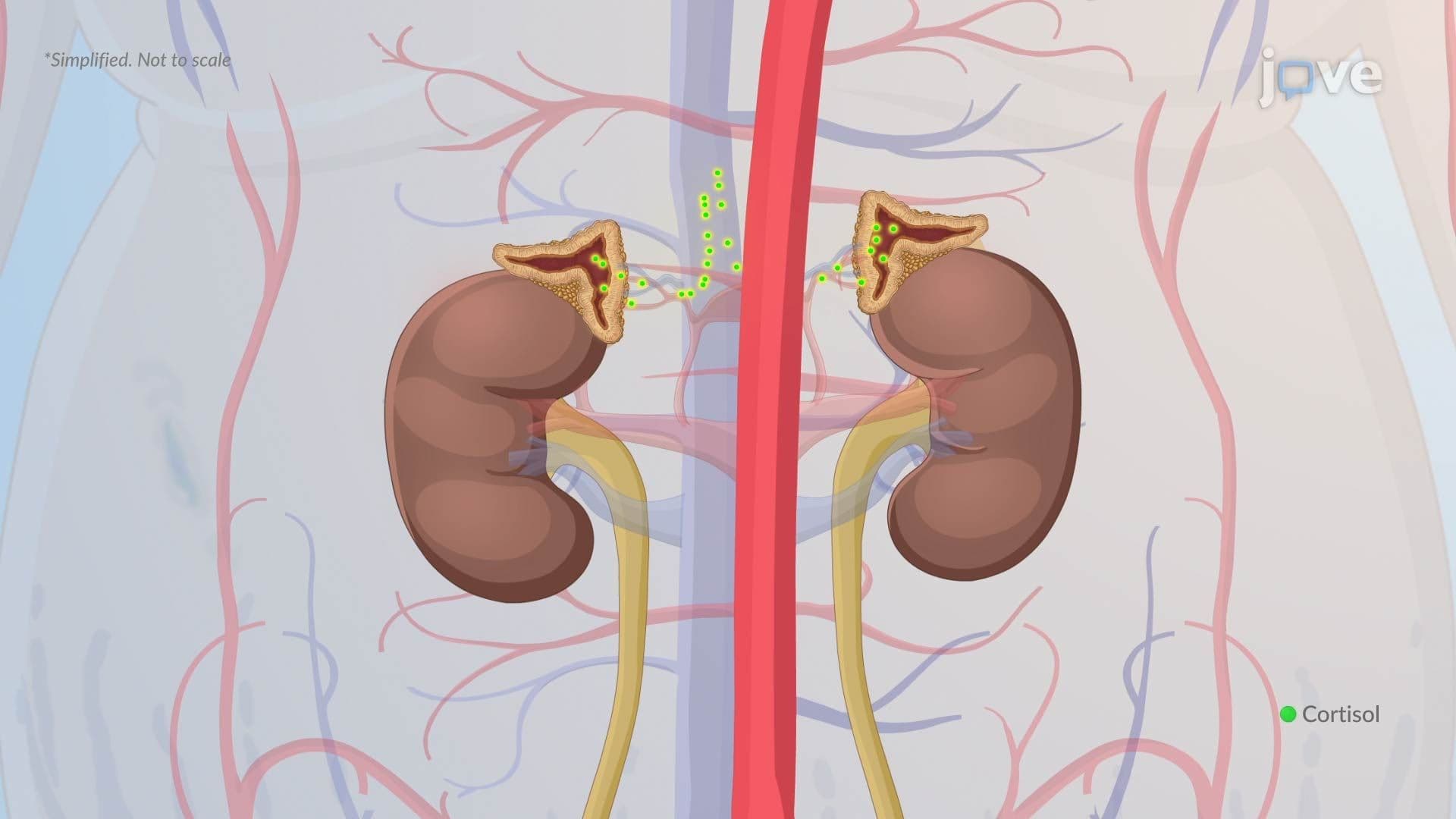
Understanding hyperthyroidism deepens your grasp of the entire endocrine system. Comparing it to hypothyroidism, where insufficient T3/T4 slows metabolism, reinforces how hormonal balance is essential. Similarly, studying how the HPT axis fails parallels how the HPA (hypothalamic-pituitary-adrenal) axis is dysregulated in adrenal insufficiency or Cushing's syndrome. Recognizing these structural similarities across endocrine axes is a powerful study strategy for any student facing MCAT biochemistry, TEAS Science, or college pathophysiology exams.
Related Micro-courses