Loading video…

 27 Concepts
 4.7K views

Video Summary: What Is Type I Diabetes I
Nearly 2 million Americans live with Type I Diabetes I, yet many don't realize it begins as an immune system mistake, not a lifestyle choice. Type I Diabetes I basics reveal how the body destroys its own insulin-producing cells, leaving blood sugar dangerously uncontrolled. Think of a teenager in Chicago suddenly experiencing extreme thirst and fatigue, that's often how T1DM first appears clinically. Watch the full video on JoVE Coach to master this concept with expert-led visuals and step-by-step explanations.
Type I Diabetes I (T1DM) is far more than a blood sugar problem, it is a complex autoimmune and metabolic disorder in which the immune system turns against the body's own insulin-producing cells. Unlike Type 2 diabetes, which is heavily influenced by lifestyle factors such as diet and physical activity, T1DM is driven by a genetic vulnerability that, when triggered by environmental factors, sets off a self-destructive immune response. Understanding this distinction is essential for students in biology, anatomy, and health science courses across the United States.
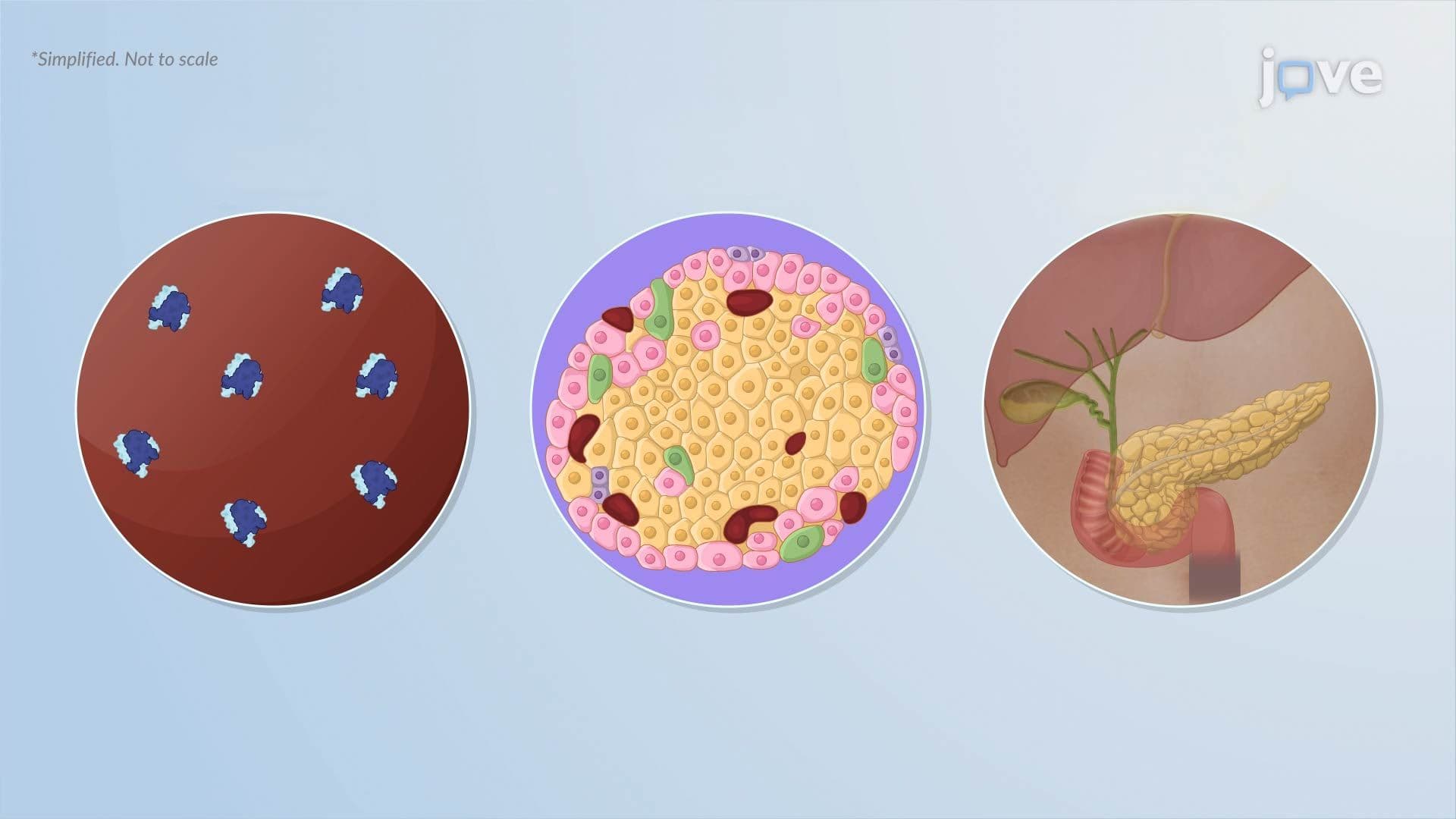
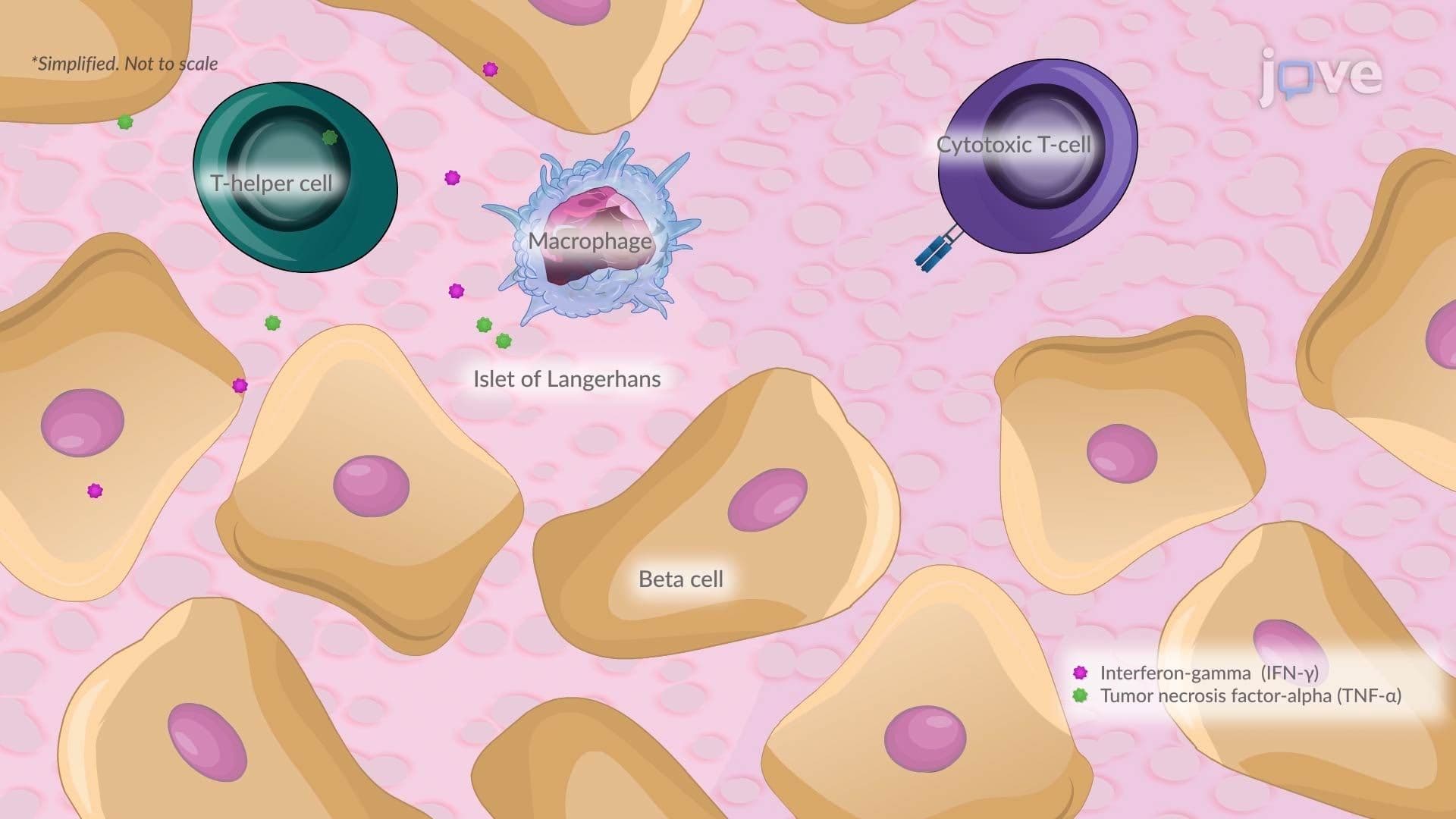
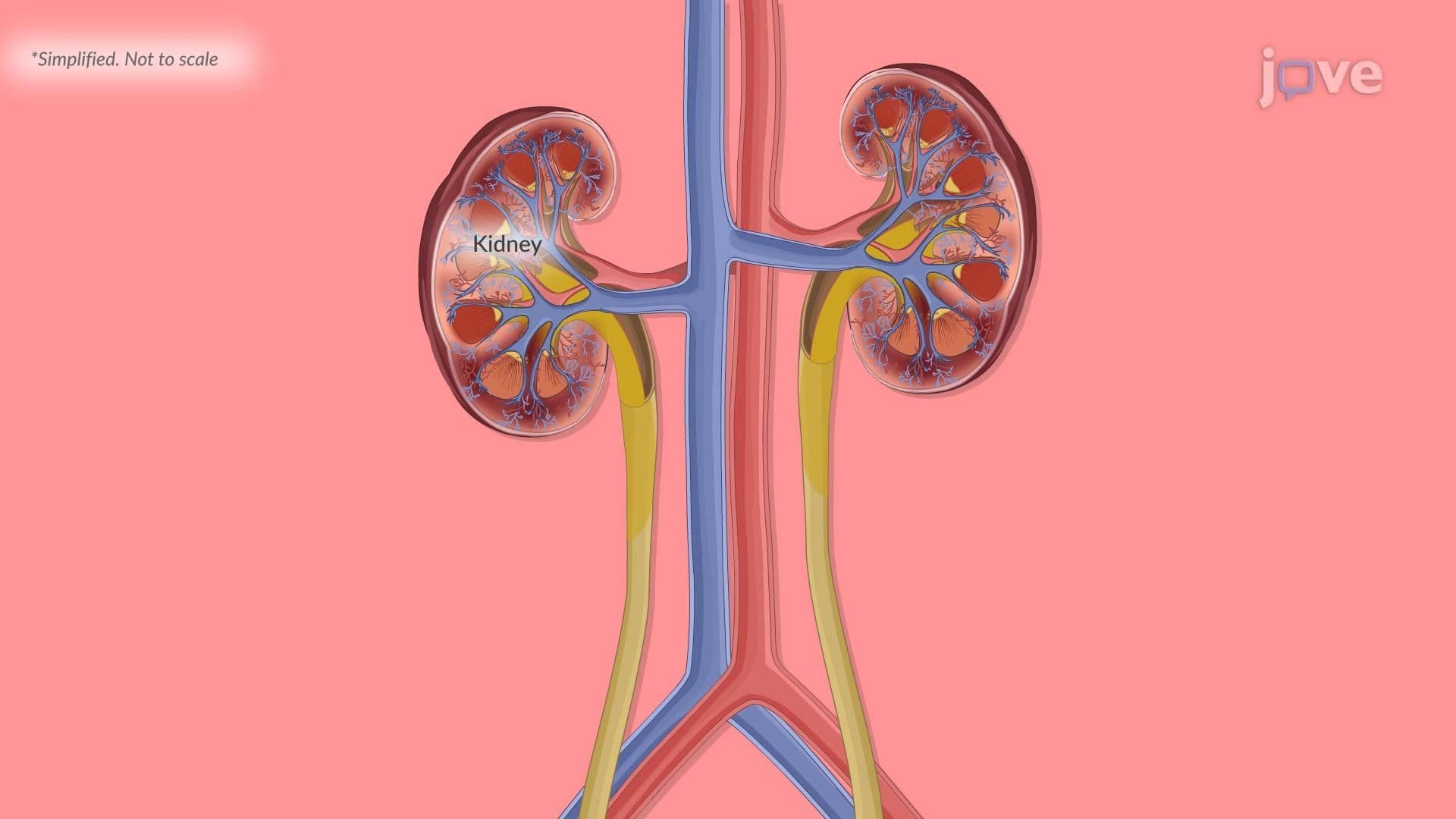
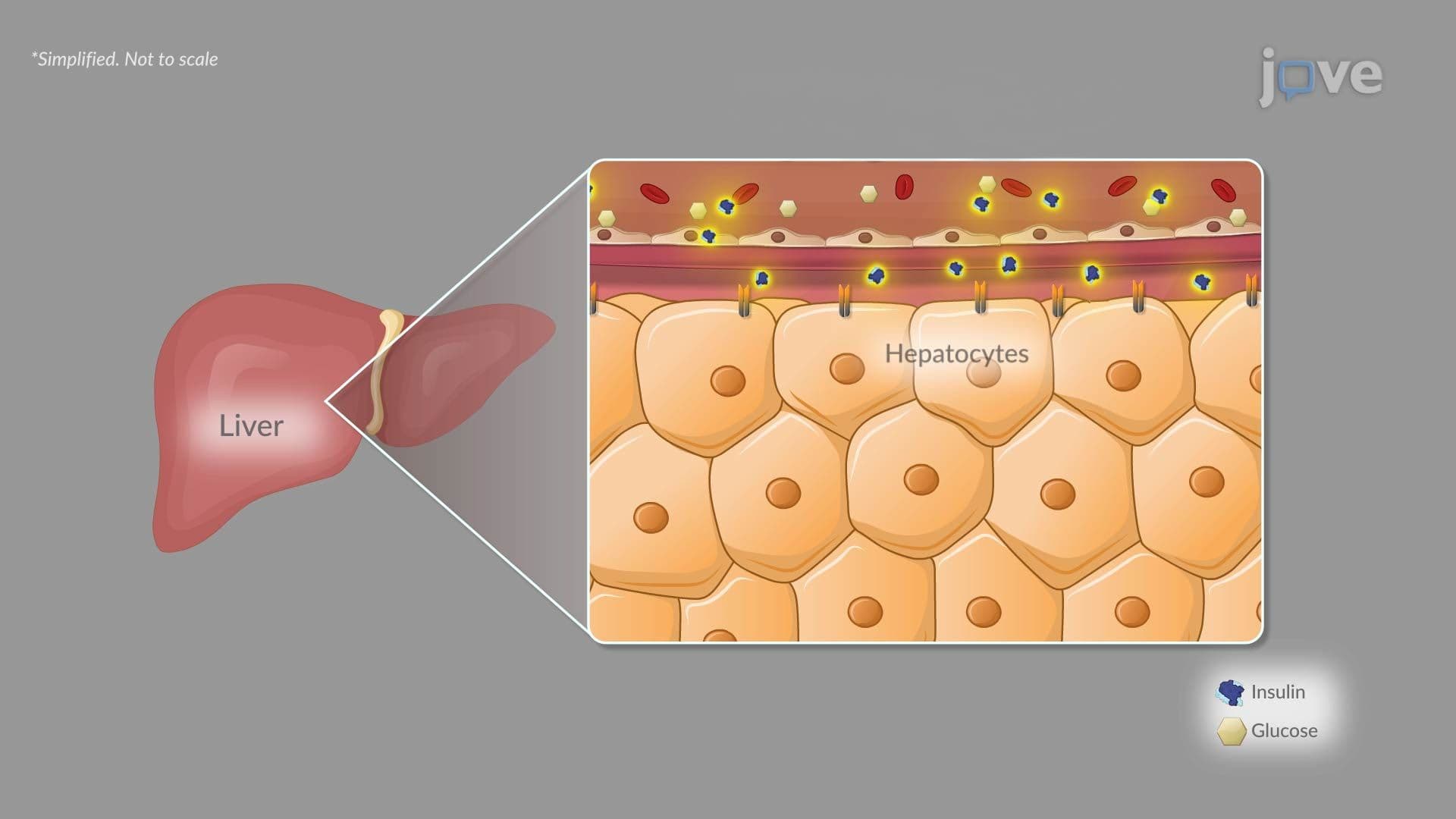
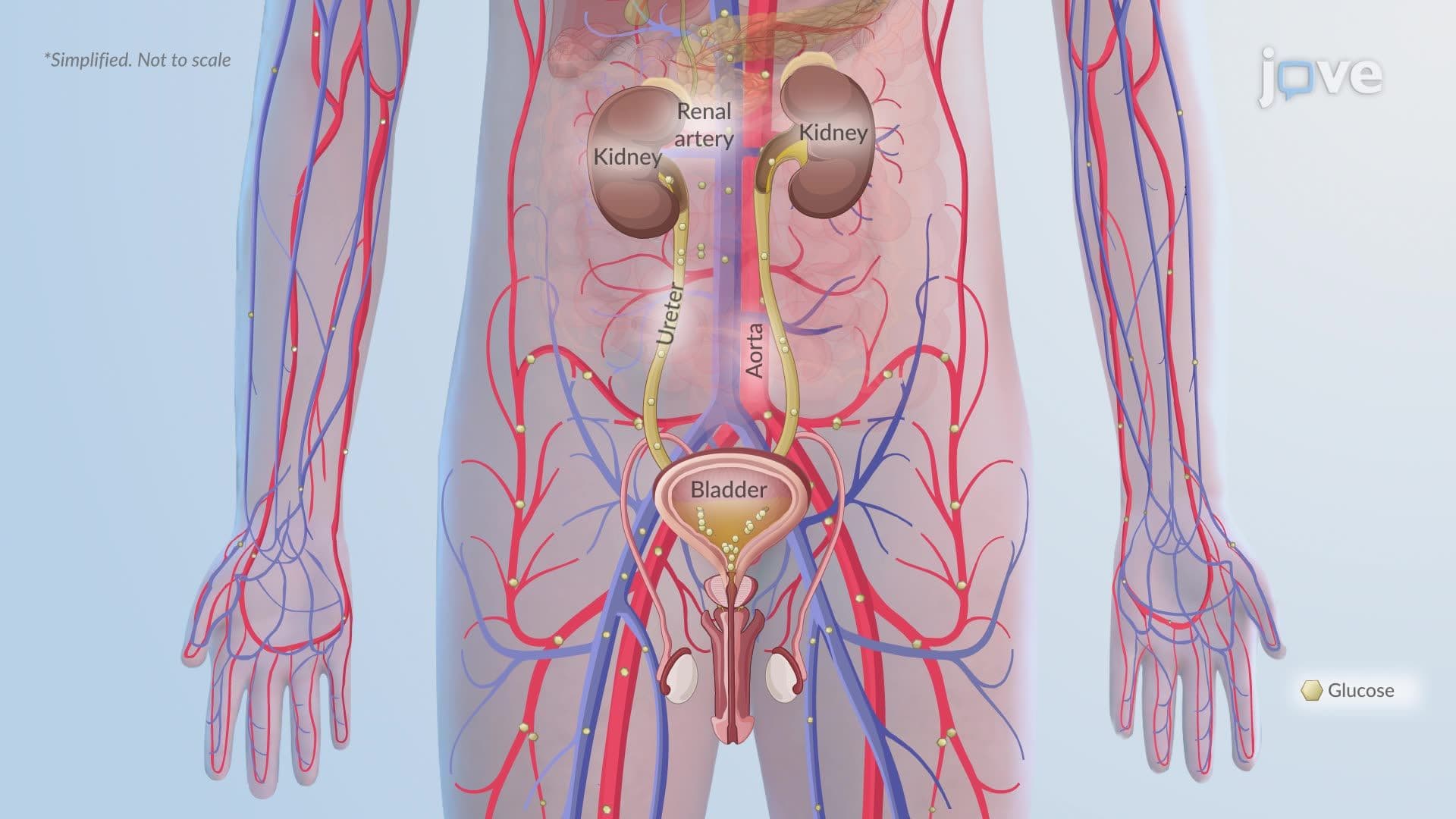
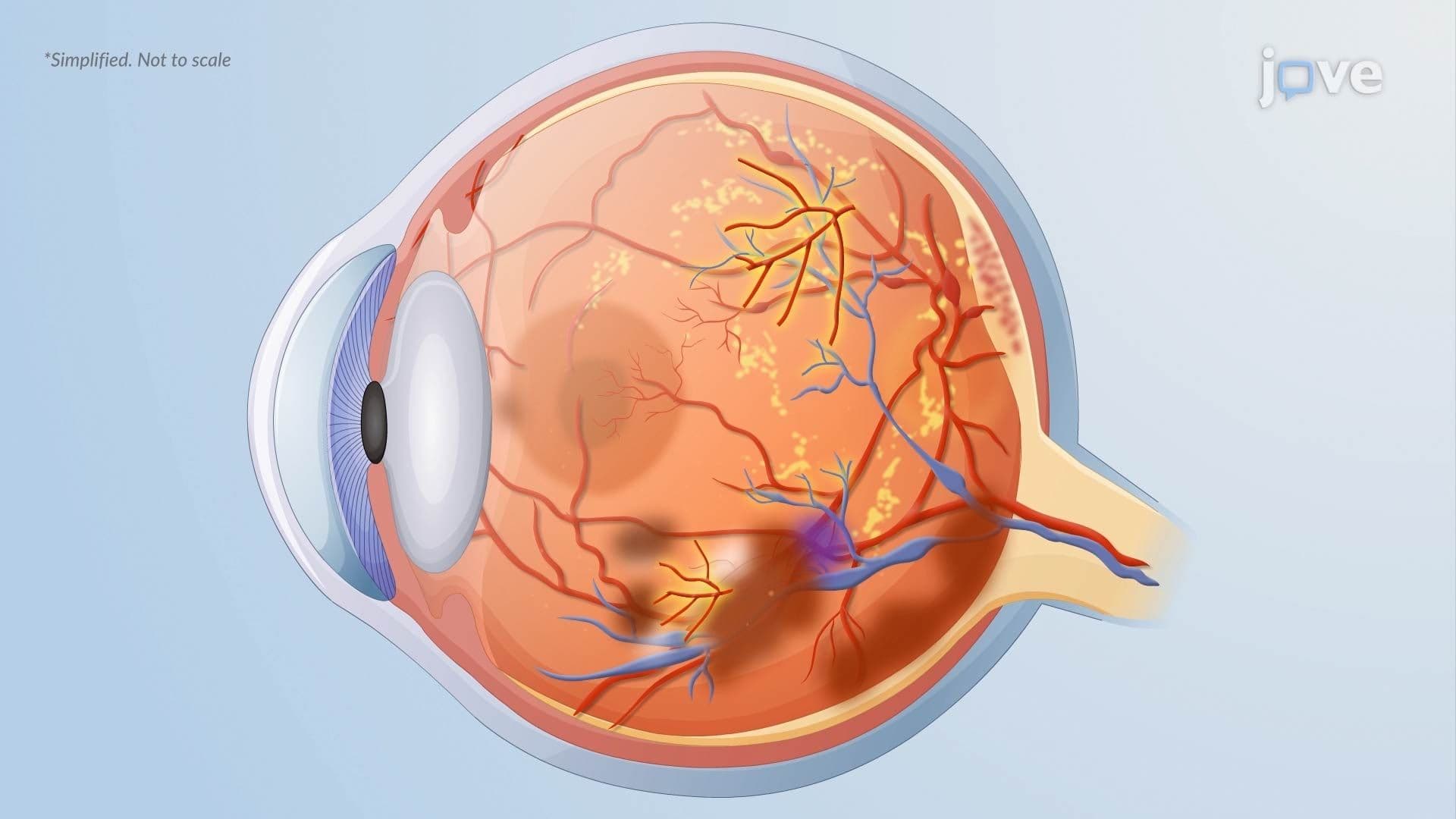
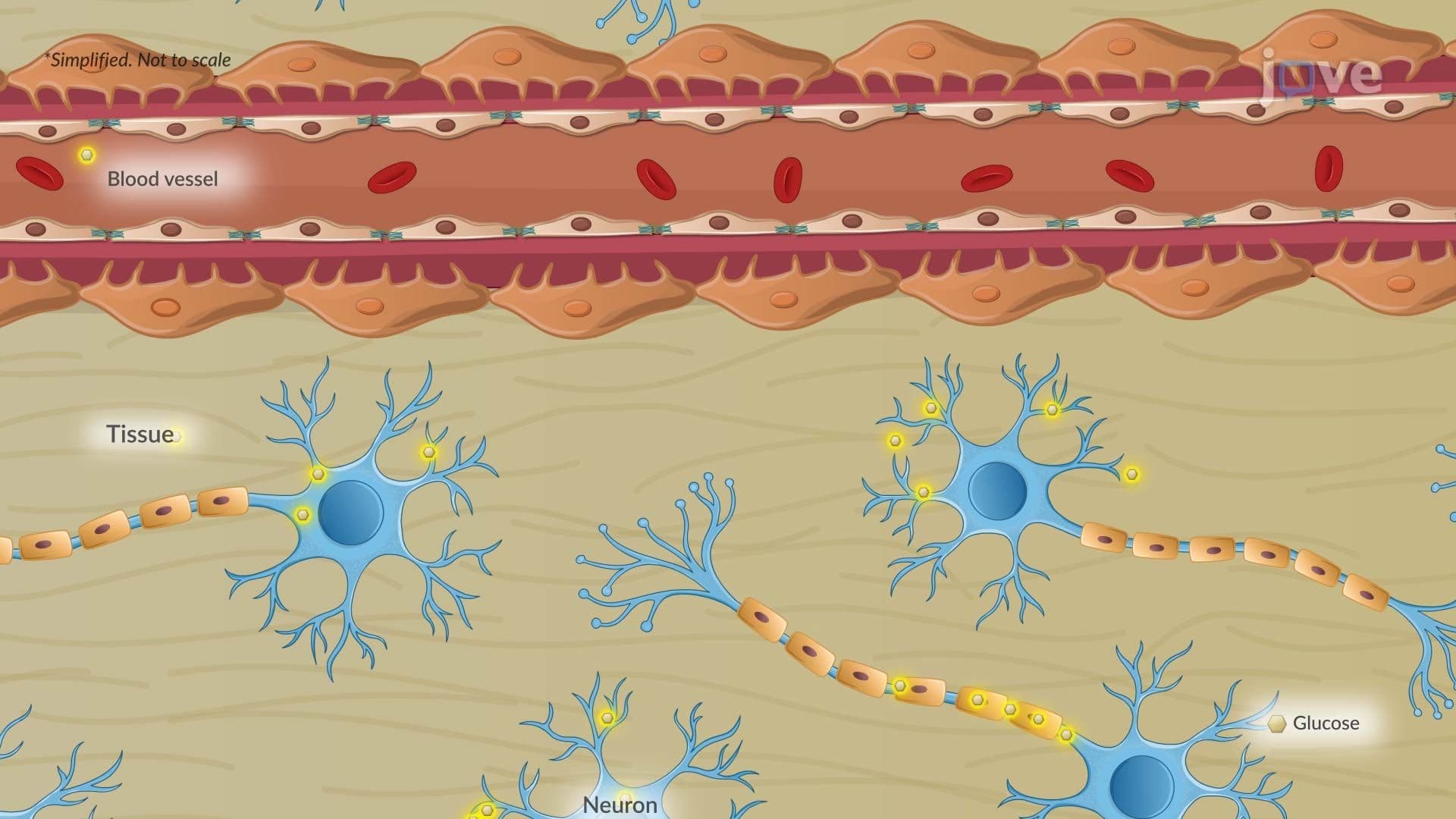
At the center of T1DM is the pancreas, specifically, clusters of cells known as the islets of Langerhans. Within these islets, beta cells are responsible for synthesizing and secreting insulin, the hormone that allows cells throughout the body to absorb glucose from the bloodstream. When beta cells are destroyed, insulin production drops to near zero. Without insulin, glucose cannot enter muscle, fat, or liver cells effectively, causing blood glucose levels to rise dangerously, a condition called chronic hyperglycemia. Over time, this uncontrolled hyperglycemia damages blood vessels, nerves, kidneys, and the eyes, creating serious long-term health consequences.
The autoimmune process in T1DM does not happen randomly. Specific genetic markers significantly raise a person's risk. The most well-studied are variants within the human leukocyte antigen (HLA) complex, particularly HLA-DR3 and HLA-DR4. The HLA complex plays a central role in immune system regulation, it helps the immune system distinguish between the body's own cells and foreign invaders. Certain HLA variants appear to impair this process, making it more likely that immune cells (specifically T lymphocytes) will incorrectly identify beta cells as threats and attack them.
Family history also matters. Having a first-degree relative, a parent or sibling, with T1DM meaningfully increases one's likelihood of developing the condition. However, genetics alone do not tell the full story. Researchers at institutions like the Joslin Diabetes Center in Boston have shown that environmental factors, including viral infections, gut microbiome changes, and early dietary exposures, may serve as triggers in genetically susceptible individuals. This gene-environment interaction is a high-yield concept in college-level pathophysiology and on standardized exams like the MCAT.
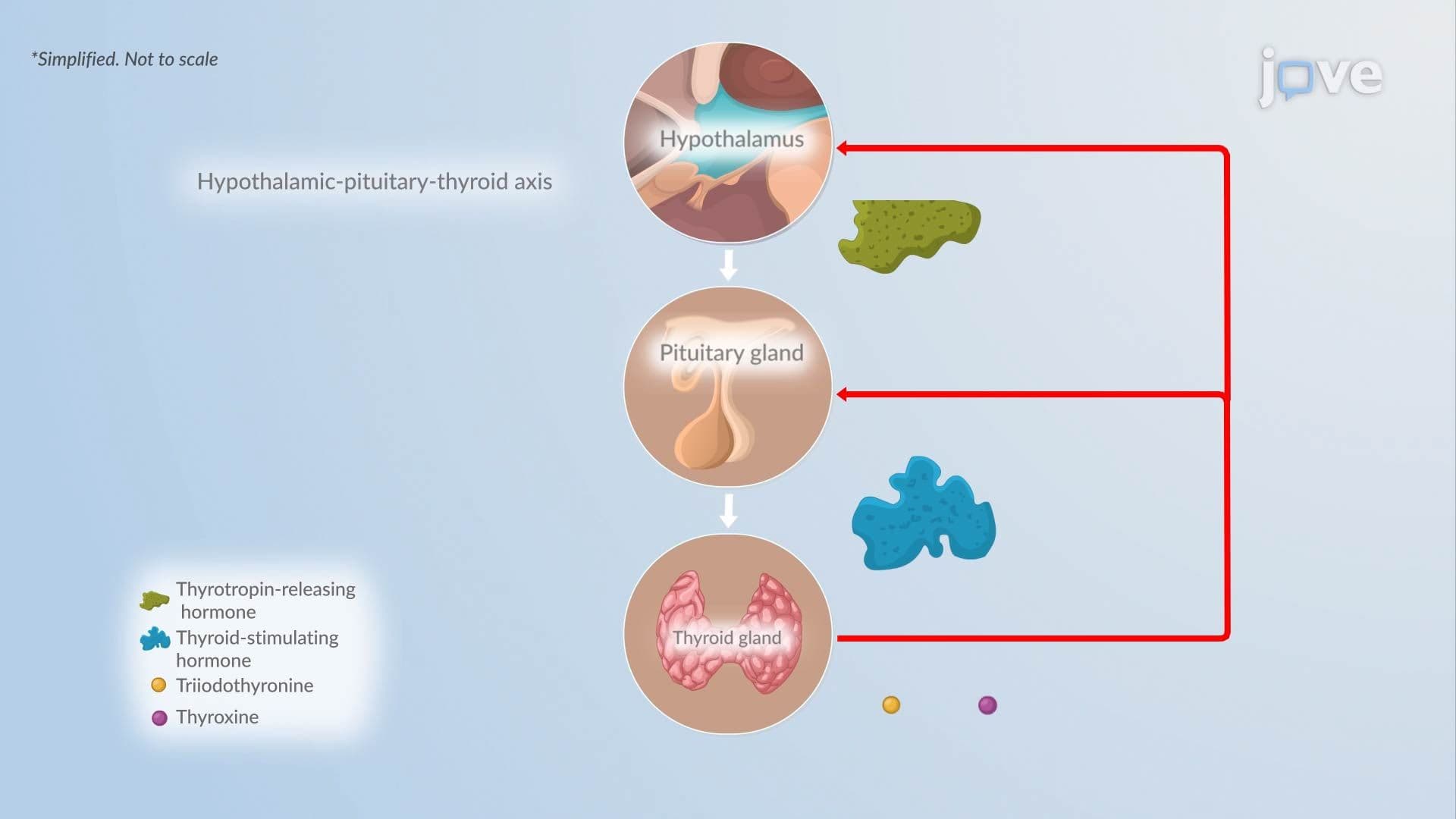
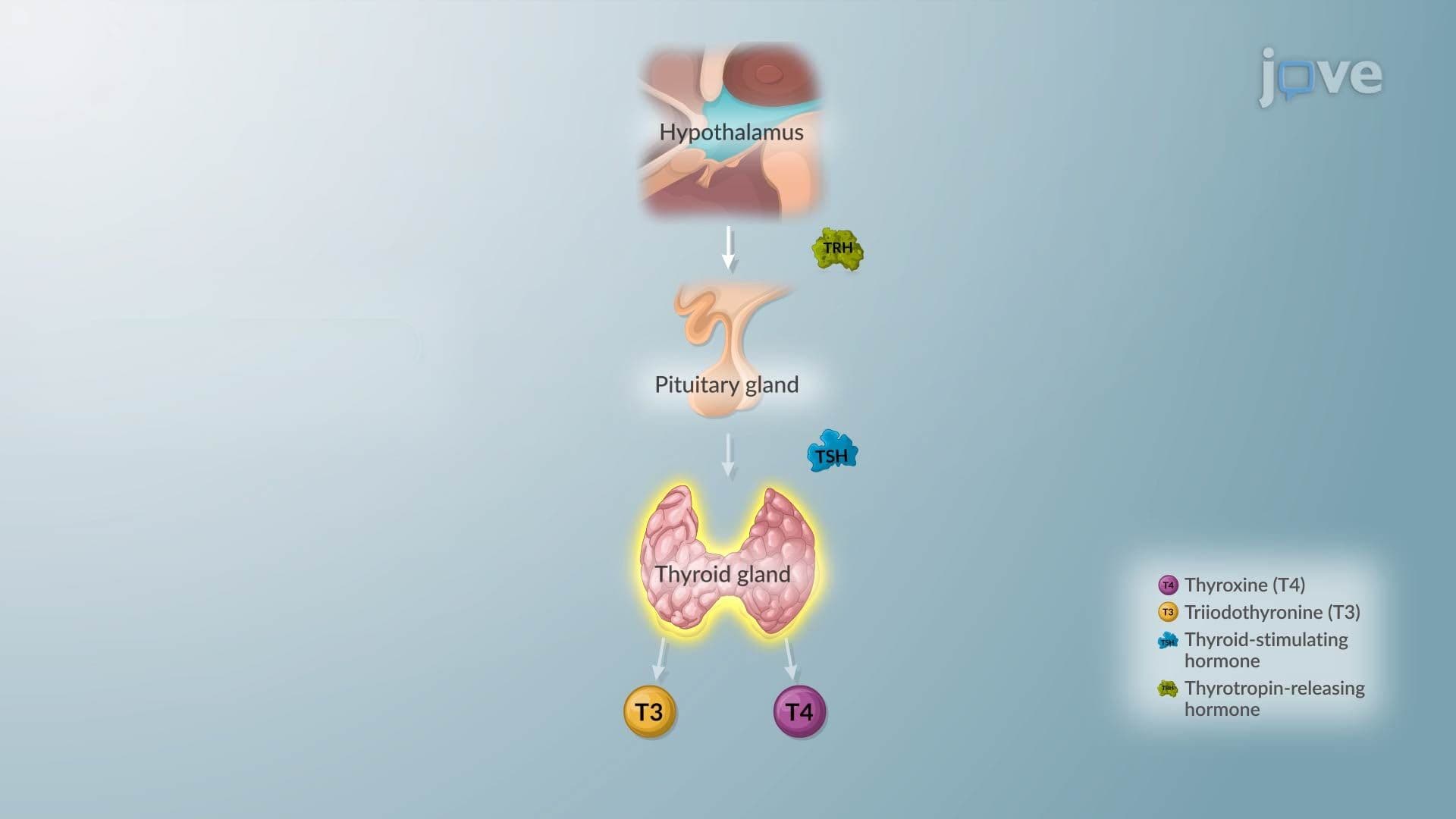
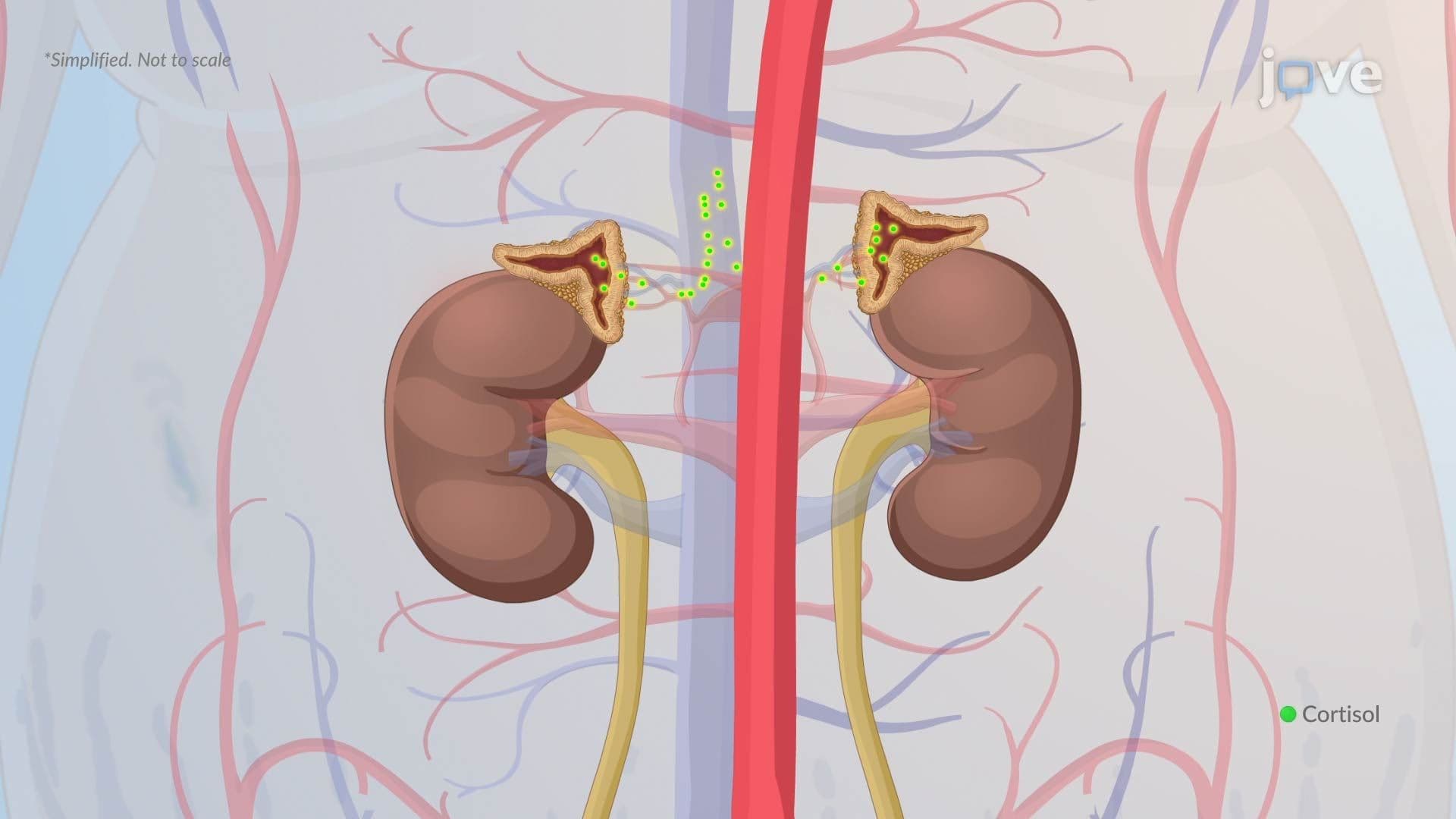
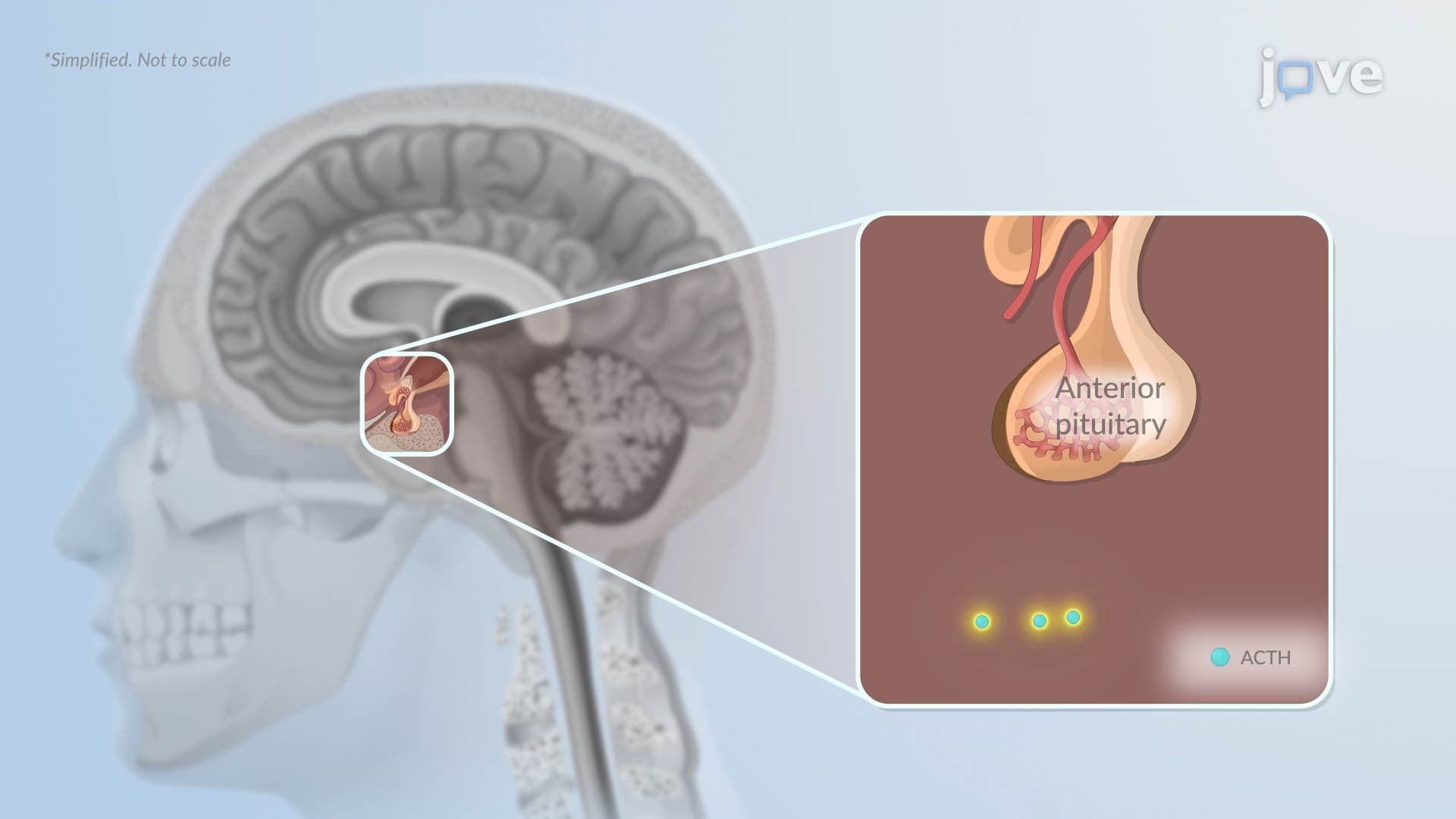
T1DM belongs to a broader family of endocrine system disorders, conditions defined by hormonal imbalances that disrupt normal body function. Students often encounter T1DM alongside other conditions such as hypothyroidism, hyperthyroidism, Cushing's syndrome, and adrenal insufficiency in AP Biology and undergraduate physiology courses. What these conditions share is a disruption in hormonal signaling that cascades through multiple organ systems.
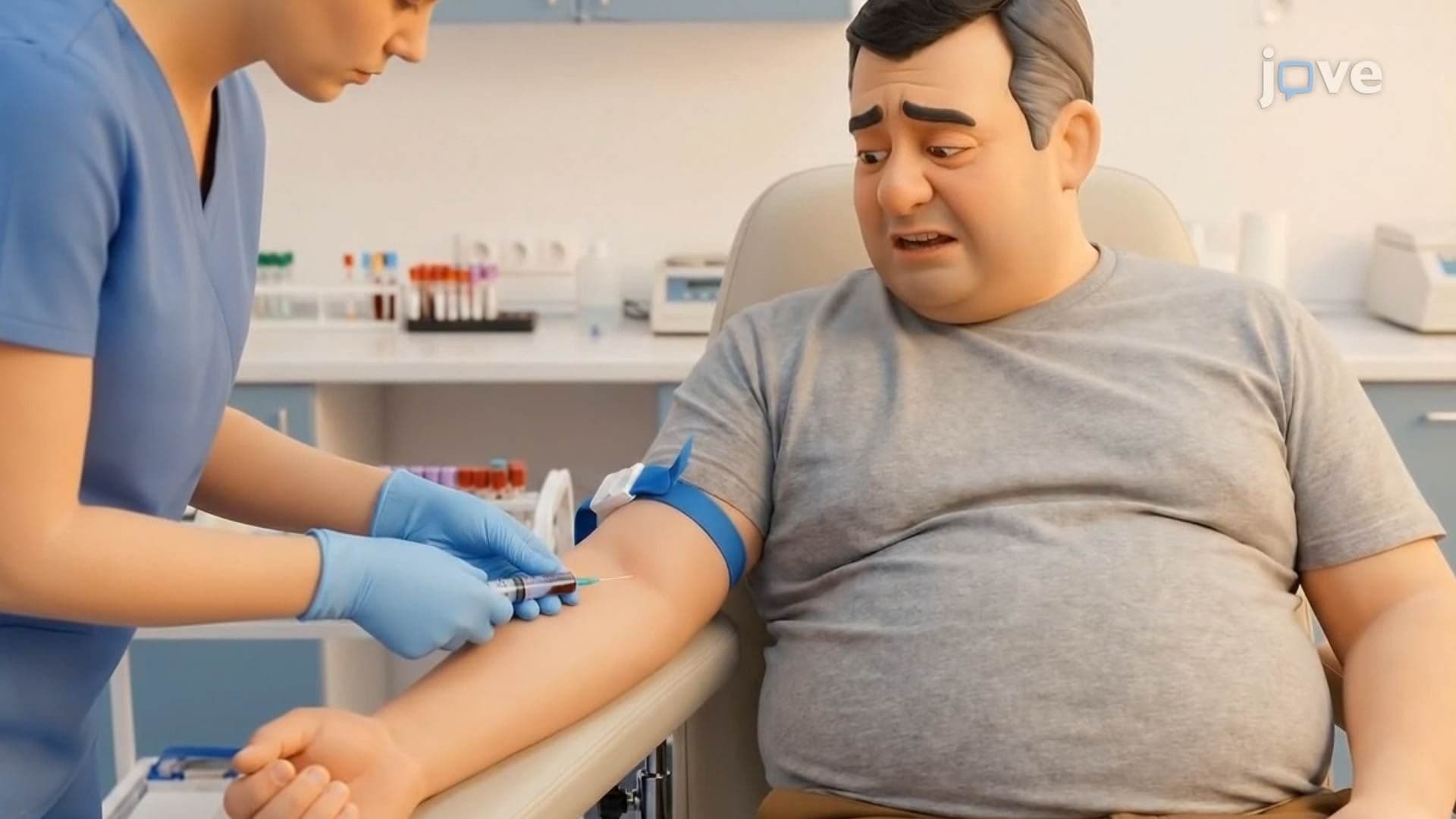
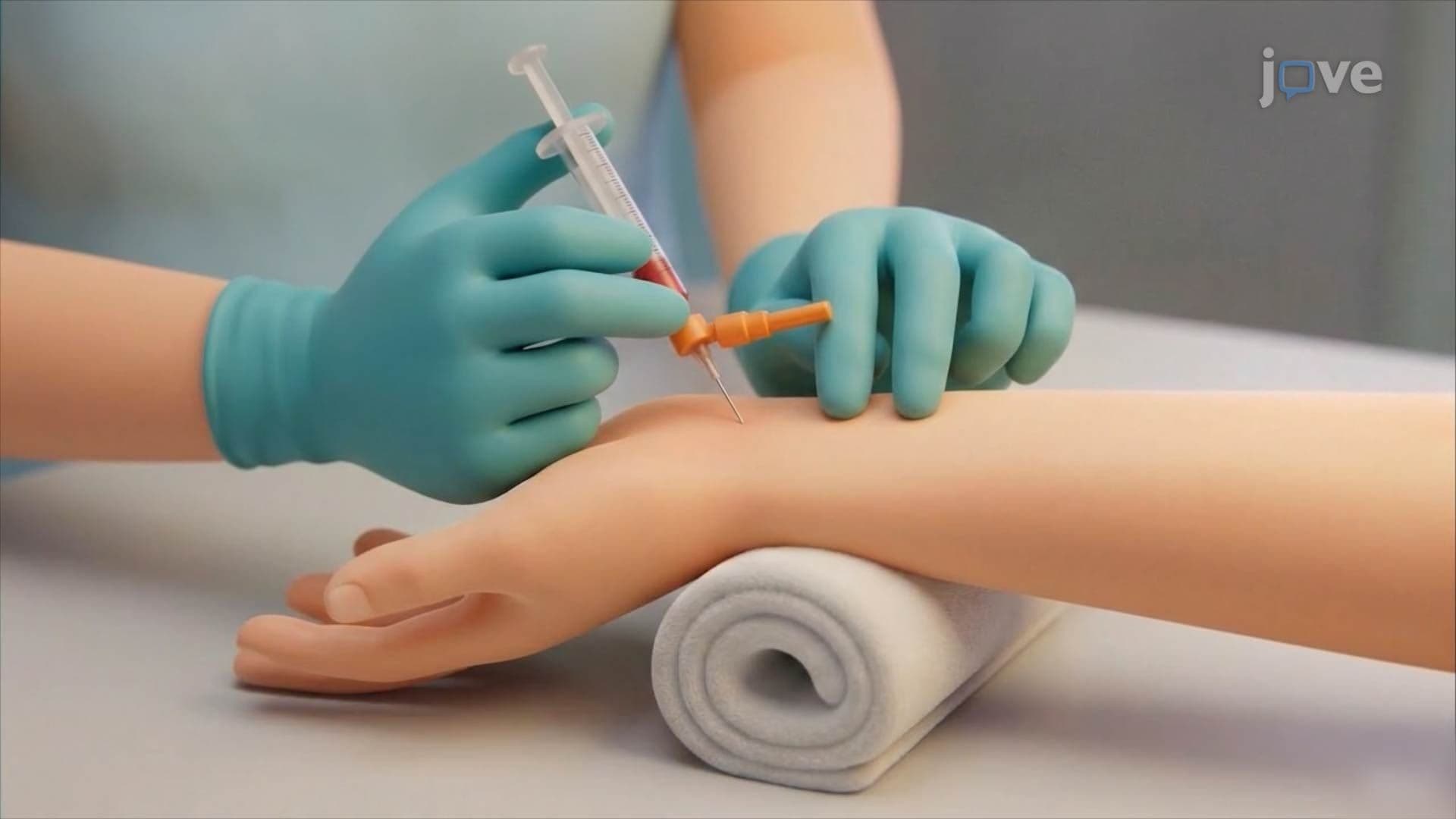
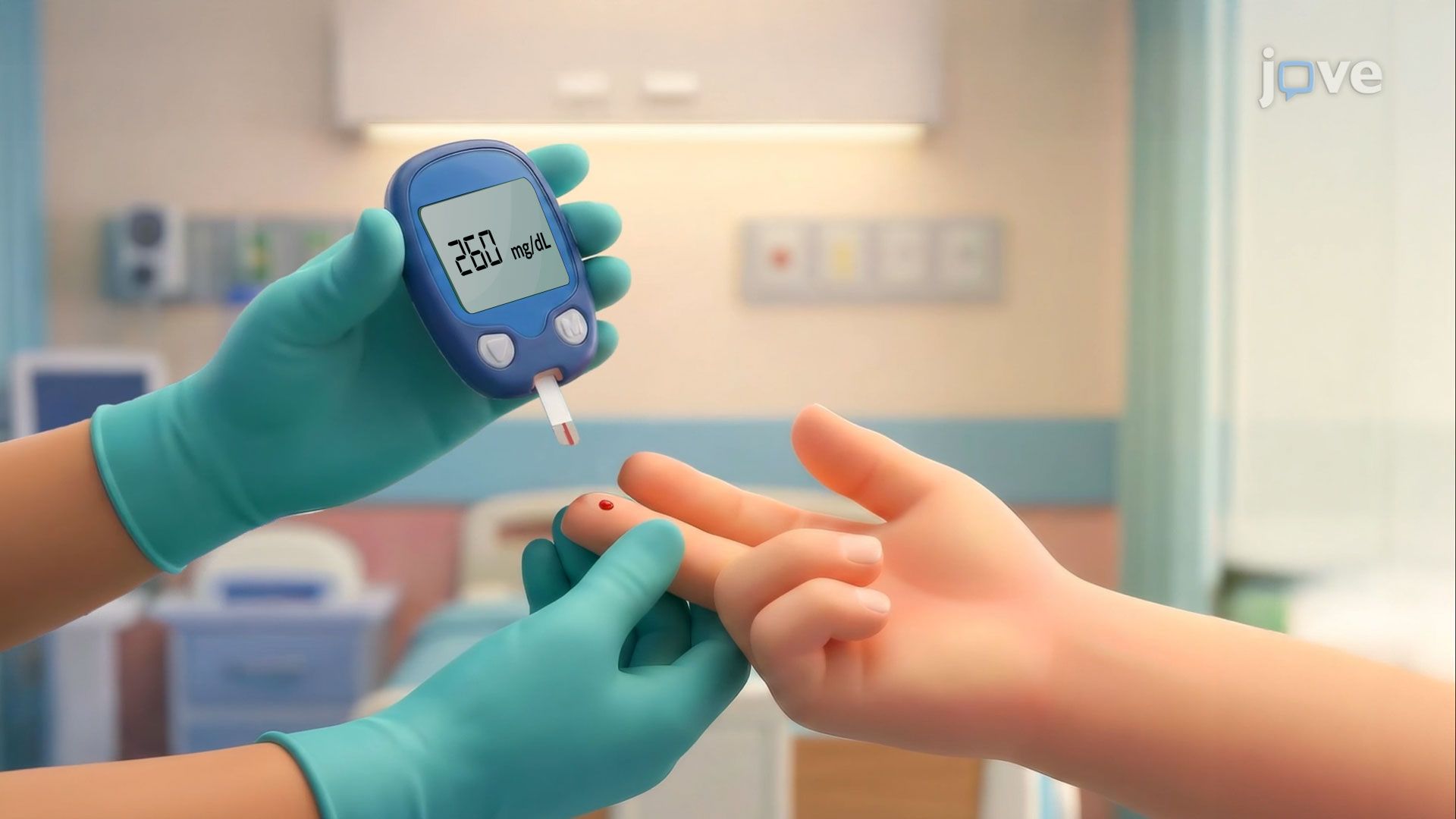
In clinical practice across the US, T1DM is diagnosed using fasting blood glucose tests, hemoglobin A1c measurements, and autoantibody panels that detect immune markers against beta cells. Treatment centers on exogenous insulin therapy, delivered via injections or insulin pumps, to replace what the body can no longer produce. Emerging research is also exploring immunotherapy approaches to slow or prevent beta-cell destruction earlier in the disease process.
For AP Biology students, understanding T1DM reinforces core concepts in immune system function and cell signaling. For pre-med undergraduates, it is a foundational topic that connects directly to MCAT content in biochemistry, organ systems, and disease mechanisms.
Related Micro-courses