Loading video…

 27 Concepts
 4.7K views

Video Summary: What Is Diabetic Nephropathy
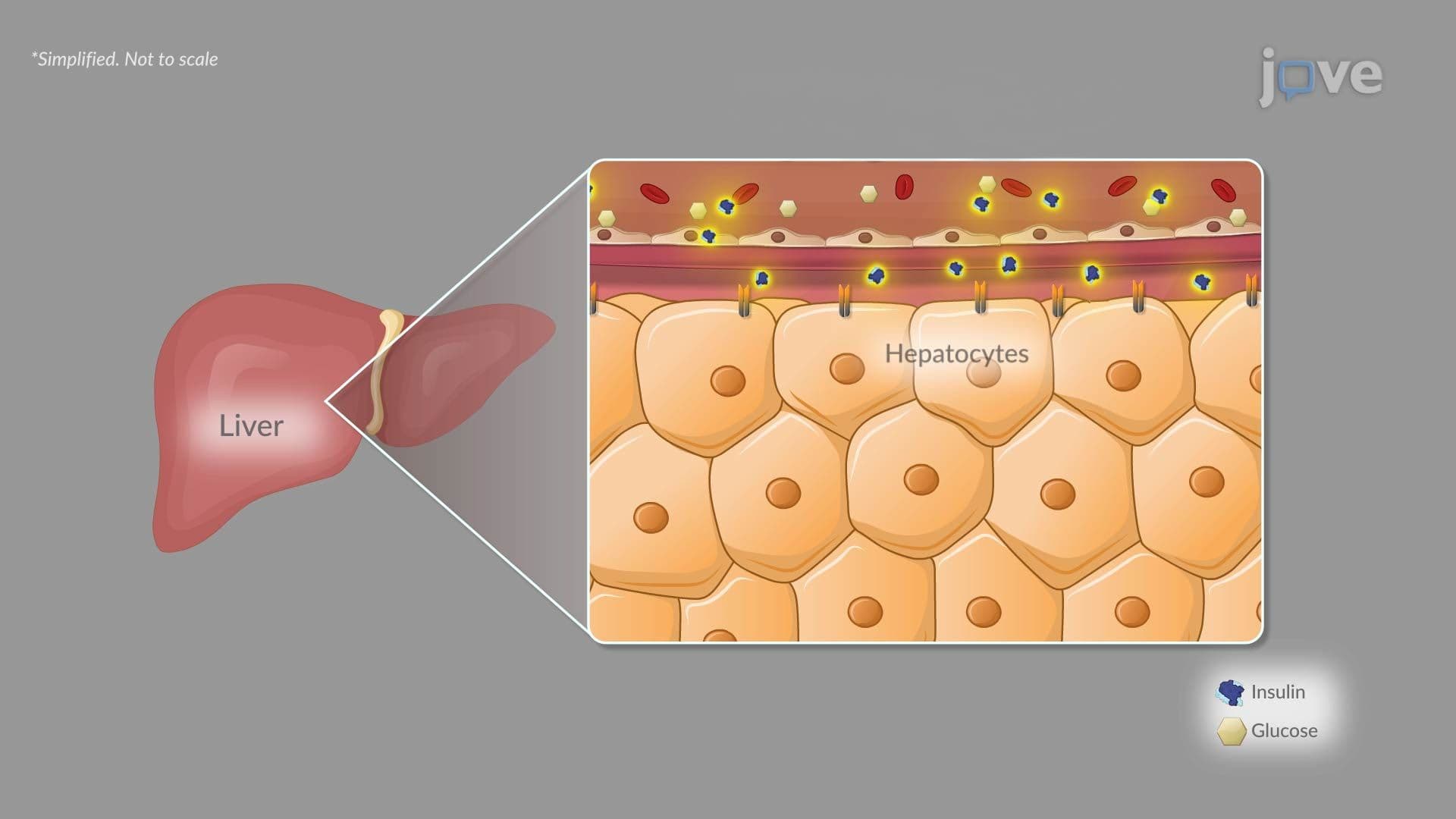
Over 37 million Americans have diabetes, and nearly half develop kidney damage without realizing it. Diabetic nephropathy is the leading cause of chronic kidney disease in the US, triggered when prolonged high blood sugar silently destroys the kidney's delicate filtration system. From glomerular hyperfiltration to irreversible scarring, this condition progresses in stages. Watch the full video on JoVE Coach to master this concept with expert-led visuals and step-by-step explanations.
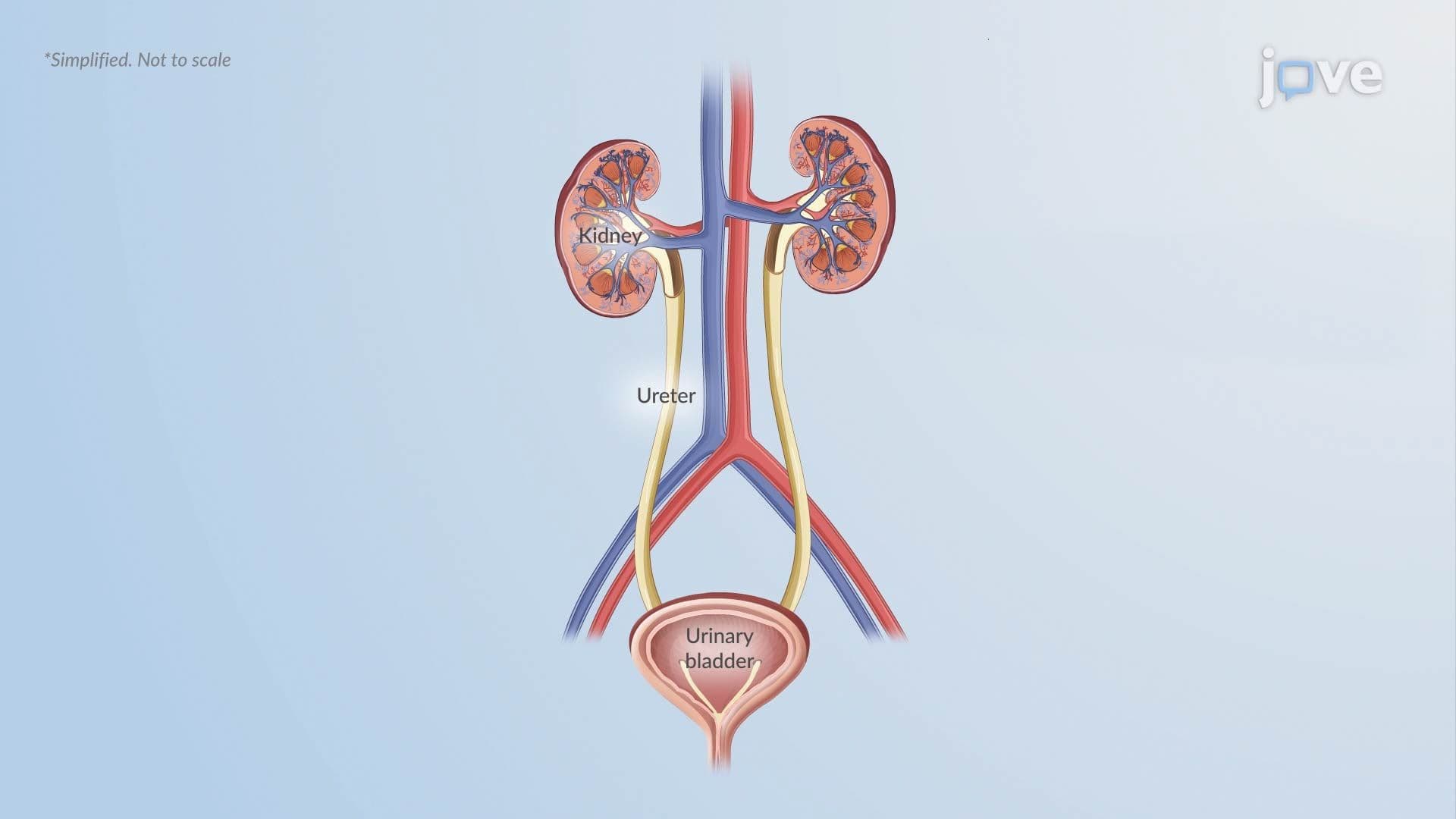
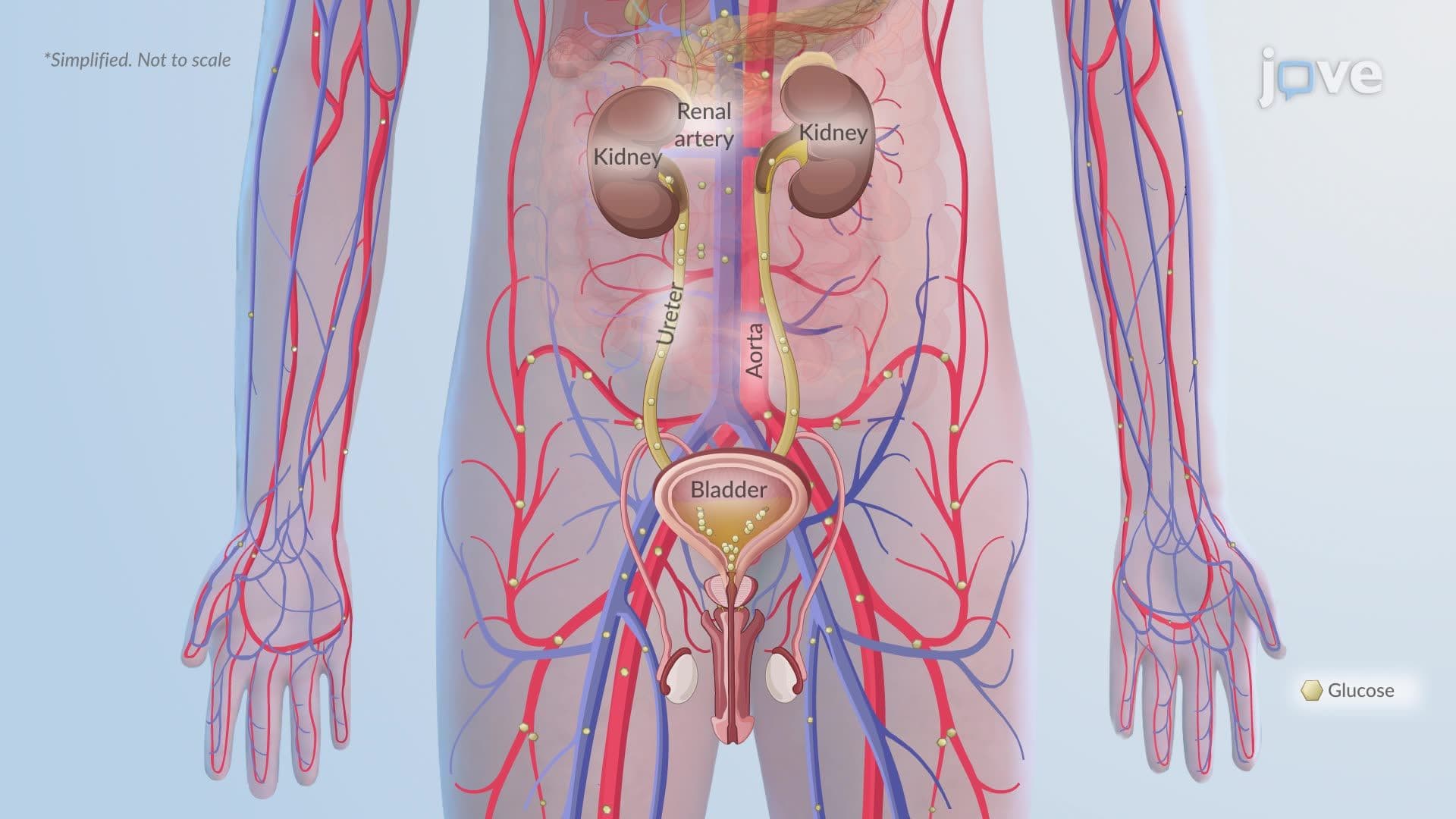
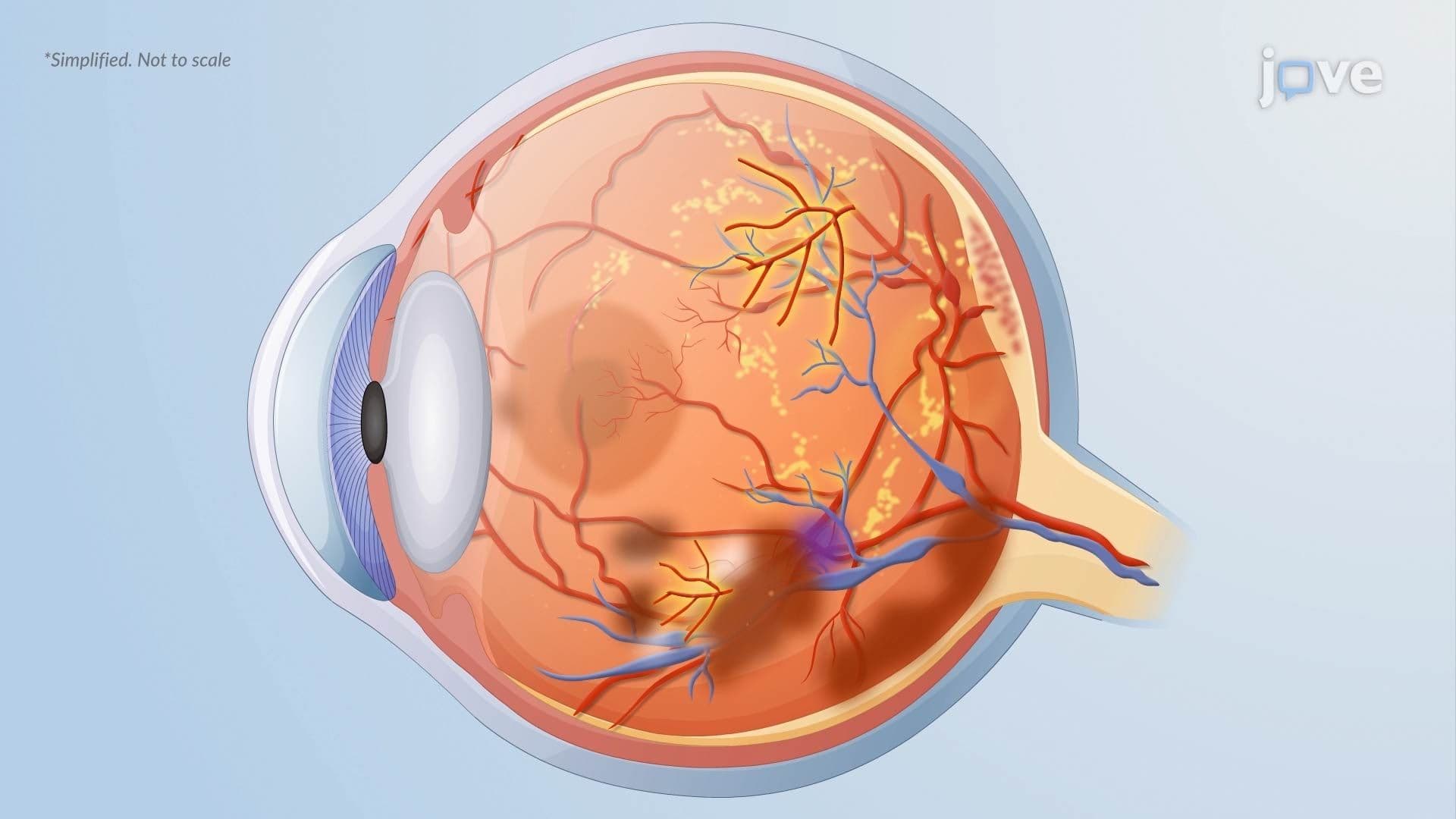
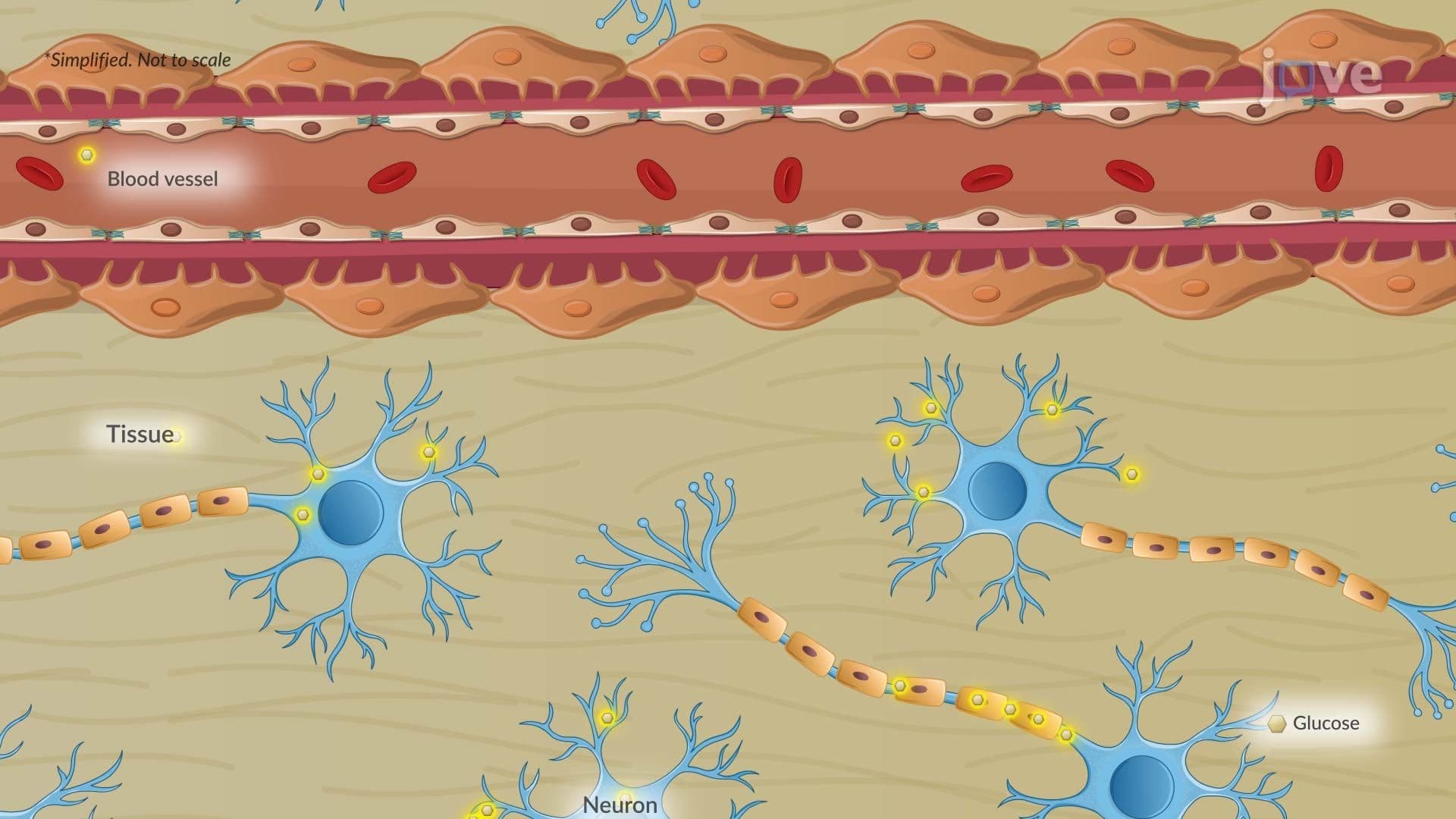
Diabetic nephropathy is a serious, progressive complication of both Type 1 and Type 2 diabetes mellitus in which prolonged high blood glucose levels, hyperglycemia, gradually destroy the kidney's ability to filter waste from the blood. It is the single most common cause of end-stage renal disease (ESRD) in the United States, accounting for roughly 44% of new dialysis cases each year according to the National Institute of Diabetes and Digestive and Kidney Diseases (NIDDK). Understanding this condition matters not just for future healthcare professionals, but for any biology or anatomy student studying how the endocrine and urinary systems interact.
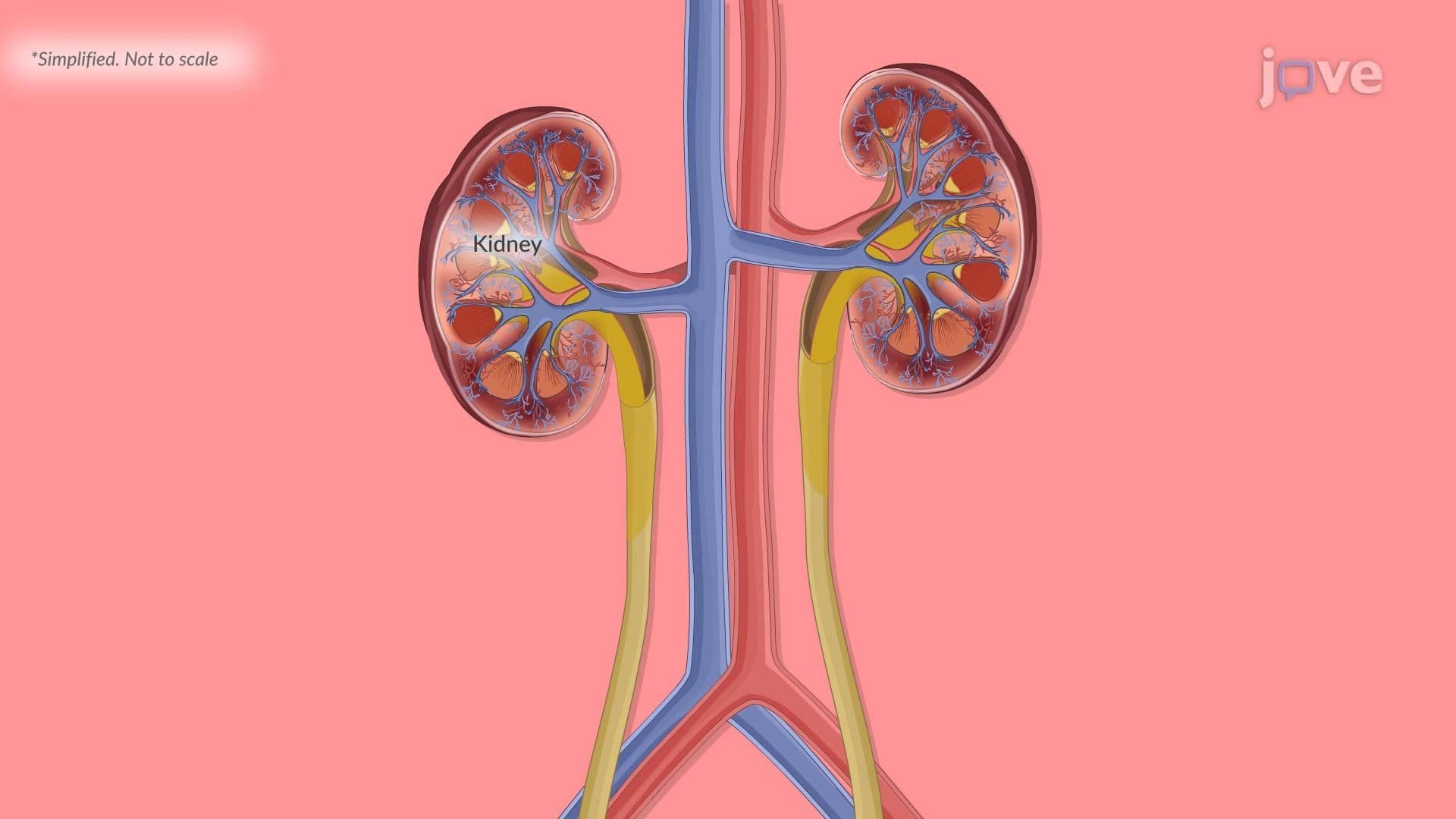
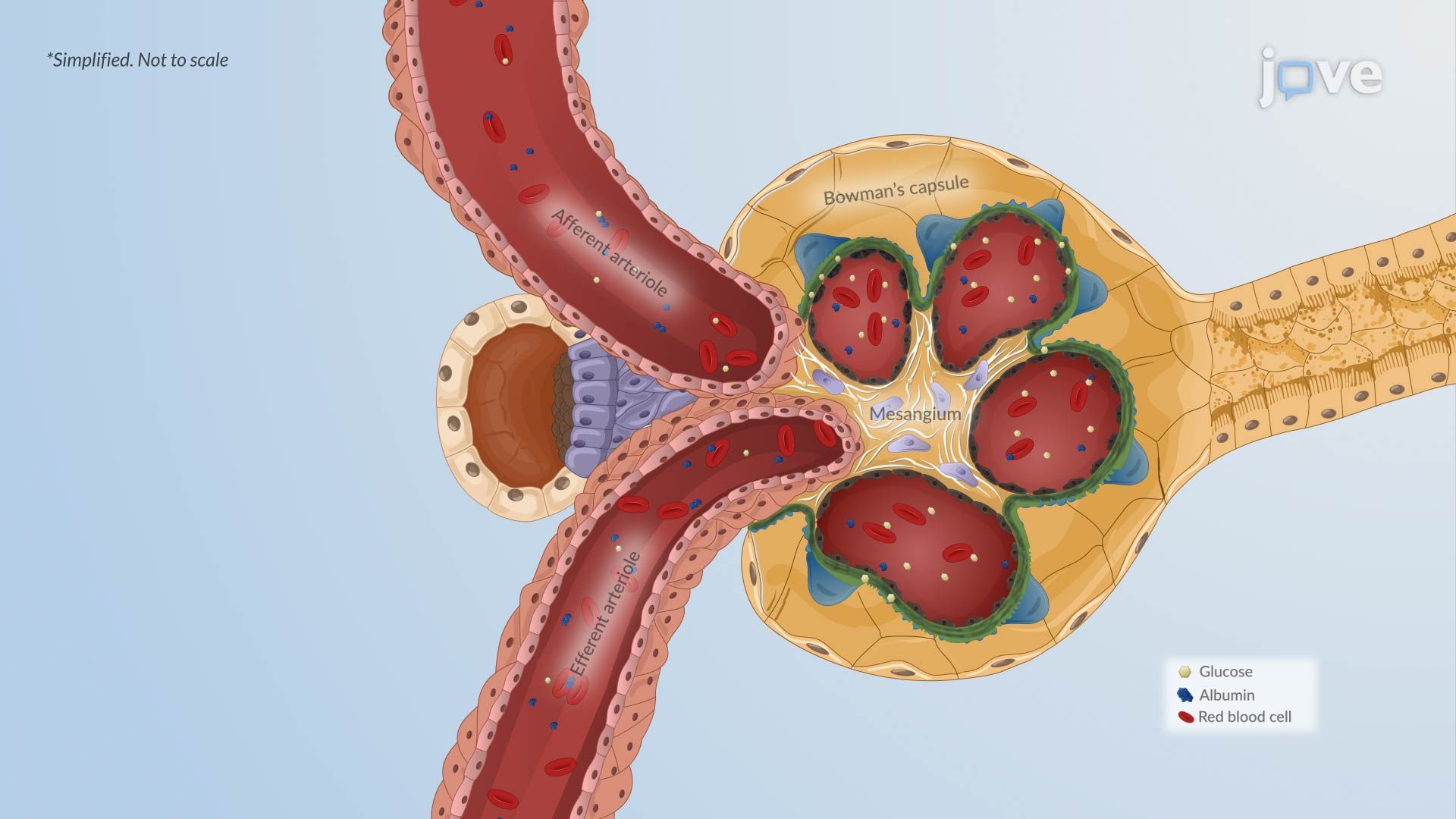
The kidney filters blood through tiny structures called glomeruli, each containing a specialized filtration barrier. In the early stages of diabetic nephropathy, hyperglycemia triggers increased glucose reabsorption in the renal tubules. This activates a feedback loop that dilates the afferent arteriole, the vessel feeding the glomerulus, causing glomerular hyperfiltration. While this may look like the kidney working harder, it actually creates dangerous intraglomerular hypertension that mechanically injures the filtration barrier over time.
Simultaneously, excess glucose causes nonenzymatic glycation of proteins in the glomerular basement membrane (GBM) and mesangium. This thickens and stiffens the GBM, and critically, it reduces its negative charge. Under normal conditions, that negative charge repels negatively charged proteins like albumin, keeping them in the bloodstream. When that charge is lost, albumin leaks into the urine, a condition called albuminuria, which serves as one of the earliest clinical warning signs of diabetic nephropathy.
Diabetic nephropathy progresses through recognizable stages. Early on, small amounts of albumin appear in the urine (microalbuminuria, defined as 30-300 mg/day). If blood sugar and blood pressure remain uncontrolled, damage escalates to macroalbuminuria (greater than 300 mg/day), signaling significant nephron destruction. Over years, persistent injury causes the mesangial matrix, the supporting tissue within the glomerulus, to expand, eventually producing two forms of glomerulosclerosis: diffuse (widespread scarring) and nodular (the classic Kimmelstiel-Wilson lesion, considered pathognomonic for diabetic nephropathy on US pathology boards and USMLE Step 1).
As functioning nephrons are lost, the glomerular filtration rate (GFR) steadily declines. A GFR below 60 mL/min/1.73m² for more than three months signals chronic kidney disease. In late stages, patients may progress to ESRD, requiring dialysis or kidney transplantation.
As nephrons are lost, the kidney increases sodium retention, which activates the renin-angiotensin-aldosterone system (RAAS). This drives systemic and intraglomerular hypertension, further accelerating kidney damage in a destructive feedback loop. This is precisely why US clinical guidelines, including those from the American Diabetes Association (ADA), recommend ACE inhibitors or ARBs (both RAAS inhibitors) as first-line treatment for diabetic nephropathy, even in patients who are not hypertensive. Understanding this mechanism is high-yield material for AP Biology, college-level physiology courses, pre-med coursework, and MCAT preparation, where the integration of endocrine, cardiovascular, and renal physiology is frequently tested.
Related Micro-courses