Loading video…

 27 Concepts
 4.7K views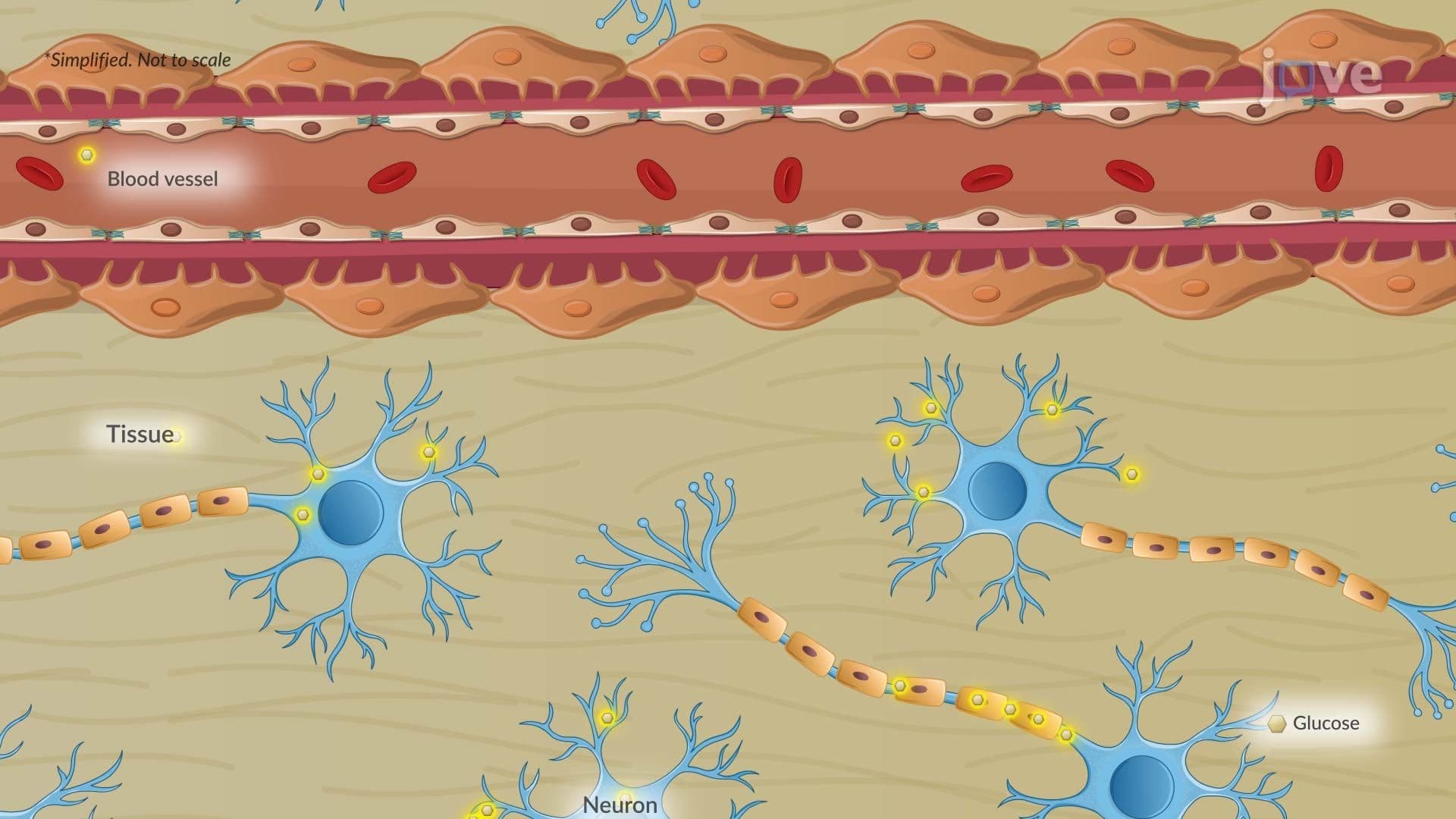

Video Summary: What Is Diabetic Neuropathy
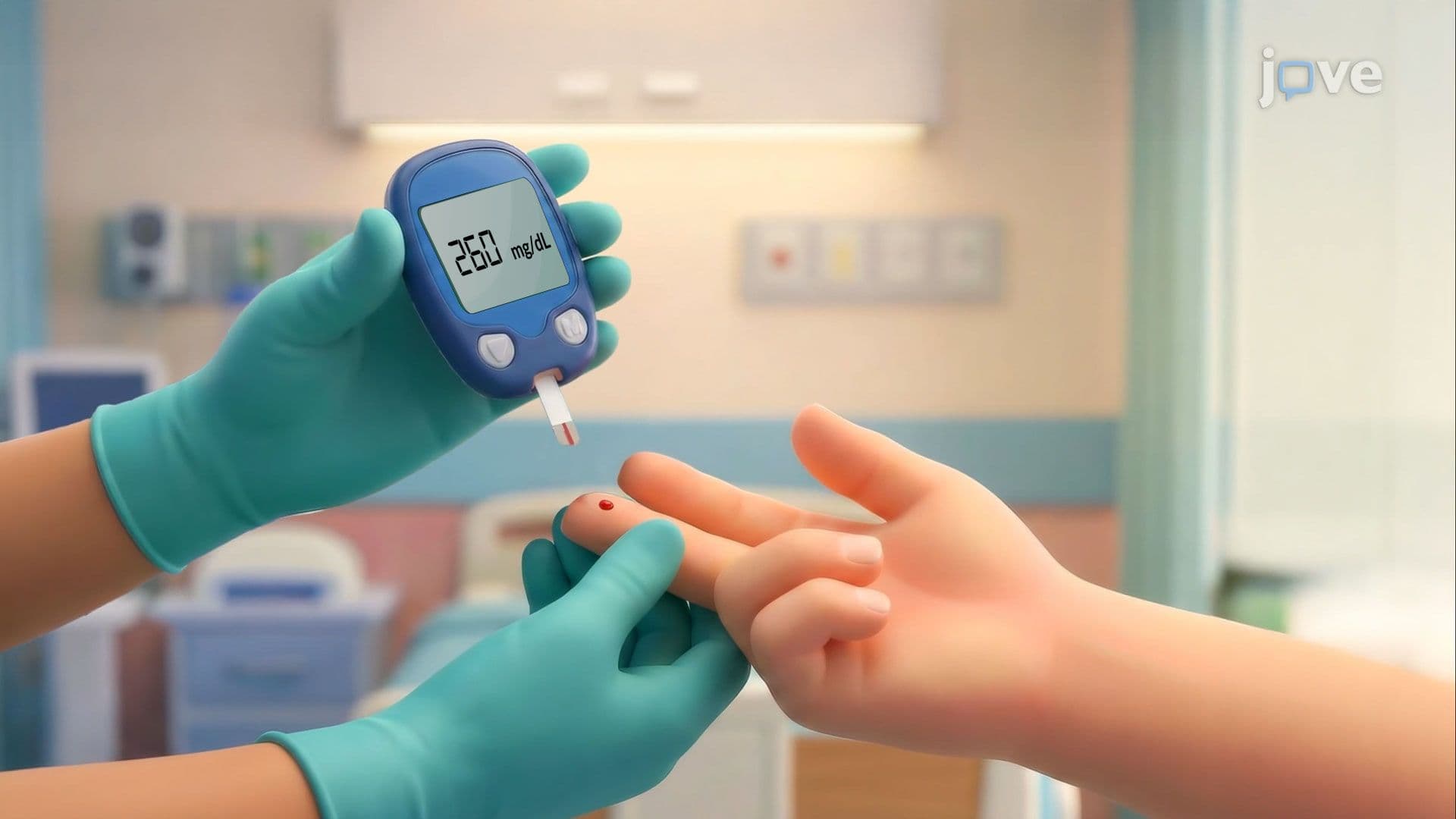
Did you know that roughly 50% of Americans with diabetes will develop nerve damage, often without realizing it? Diabetic neuropathy, a hallmark complication of diabetes mellitus, occurs when chronically high blood sugar silently destroys nerve fibers throughout the body. At a Cleveland Clinic diabetes center, patients often report losing sensation in their feet before any formal diagnosis. Understanding What is Diabetic Neuropathy? starts with grasping how glucose overload triggers a damaging chain reaction at the cellular level. Watch the full video on JoVE Coach to master this concept with expert-led visuals and step-by-step explanations.
Diabetic neuropathy is one of the most prevalent, and most underappreciated, complications of diabetes mellitus. It refers to a spectrum of nerve disorders caused by sustained hyperglycemia, meaning chronically elevated blood glucose levels. In the United States, the Centers for Disease Control and Prevention (CDC) estimates that diabetes affects over 37 million Americans, and nearly half of them will experience some degree of neuropathy during their lifetime. For students in AP Biology, college-level anatomy and physiology, or pre-health tracks, understanding this condition builds a critical bridge between biochemistry, cell biology, and clinical medicine.
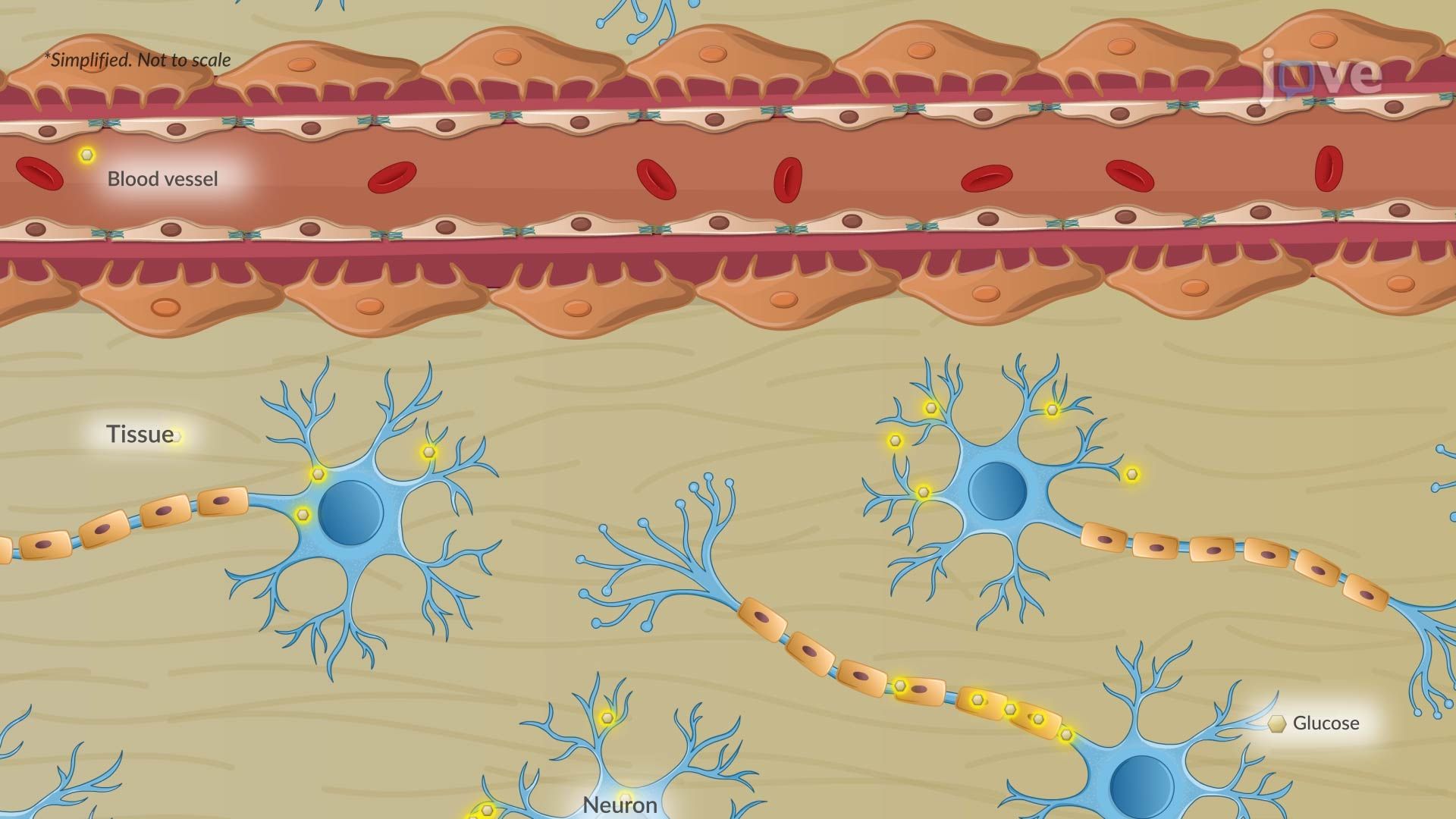
Under normal glucose concentrations, the polyol pathway is a minor metabolic route. But when blood sugar runs chronically high, as in uncontrolled type 1 or type 2 diabetes, the enzyme aldose reductase becomes overwhelmed with glucose and converts it into sorbitol. Sorbitol accumulates inside nerve cells because it cannot easily cross cell membranes. This buildup draws in water through osmosis, causing cellular swelling. Sorbitol is then partially converted into fructose, and both metabolites generate oxidative stress, an imbalance between damaging free radicals and the cell's ability to neutralize them. This oxidative environment disrupts nerve signal conduction and degrades the structural proteins that keep nerve fibers intact. On the MCAT, understanding enzyme-mediated metabolic pathways and their downstream cellular consequences is a high-yield topic directly related to this mechanism.
A second major injury mechanism involves advanced glycation end products, commonly abbreviated as AGEs. When glucose spontaneously bonds to proteins and lipids, a non-enzymatic process called glycation, it produces AGEs that accumulate progressively in nerve tissue. AGEs cross-link structural proteins, making them rigid and dysfunctional. They also impair the nerves' natural repair mechanisms, meaning damage accumulates faster than the body can compensate. This is why symptoms of diabetic neuropathy often appear insidiously after years of suboptimal blood sugar control. In college biochemistry and pathophysiology courses, AGEs are frequently tested as a unifying concept linking hyperglycemia to complications in the kidneys, eyes, and peripheral nerves.
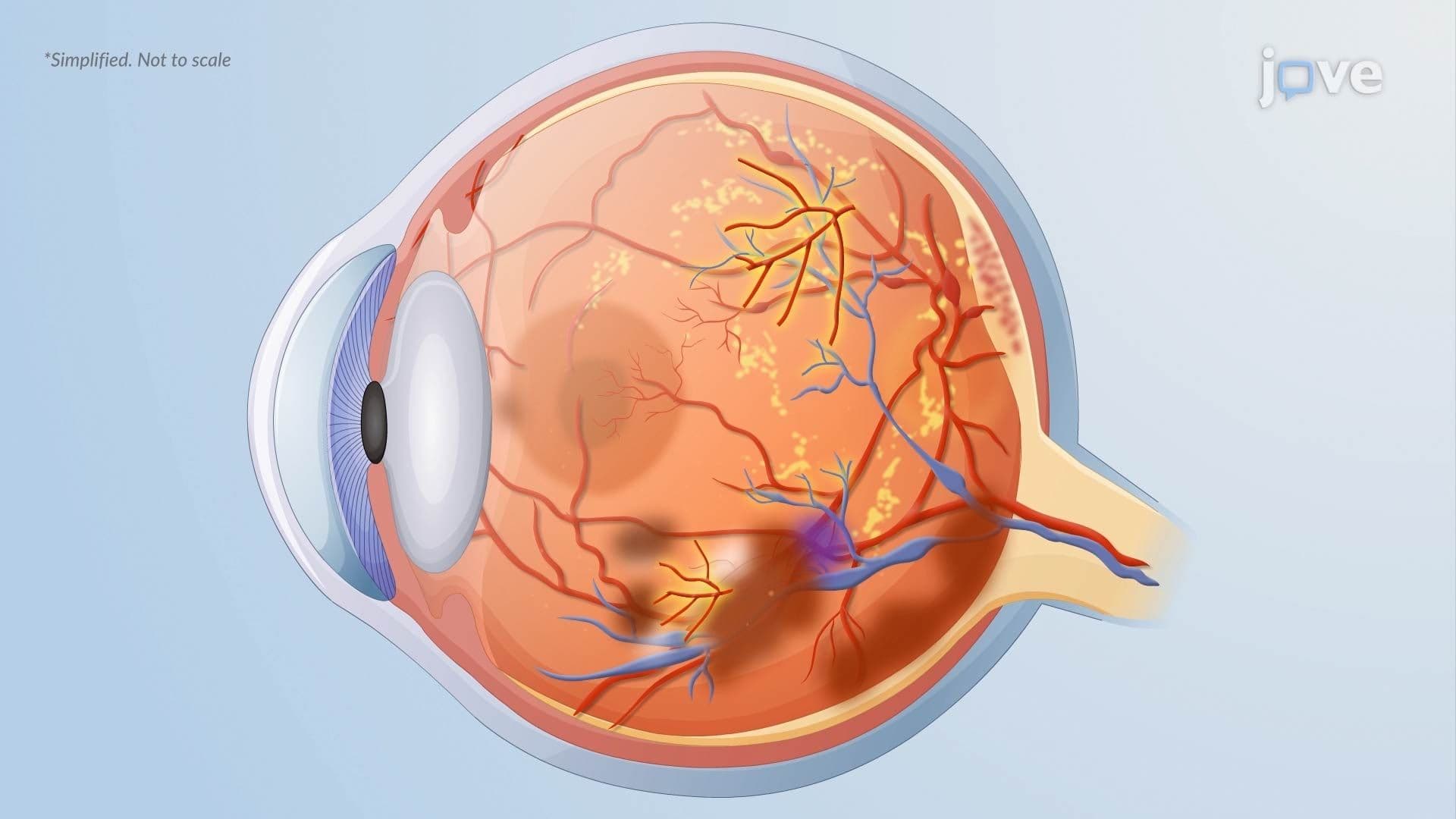
Nerves require a steady supply of oxygen and nutrients delivered through tiny blood vessels called vasa nervorum. In diabetes, these microvessels undergo structural changes: their basement membranes thicken, their lumens narrow, and blood flow becomes sluggish. The result is ischemia, a state of inadequate oxygen delivery, that accelerates nerve injury already occurring at the metabolic level. This dual hit, metabolic toxicity plus vascular starvation, explains why diabetic neuropathy progresses even when patients feel relatively well. This concept is directly testable on the USMLE Step 1 and NCLEX exams, where microvascular complications of diabetes are a recurring theme.
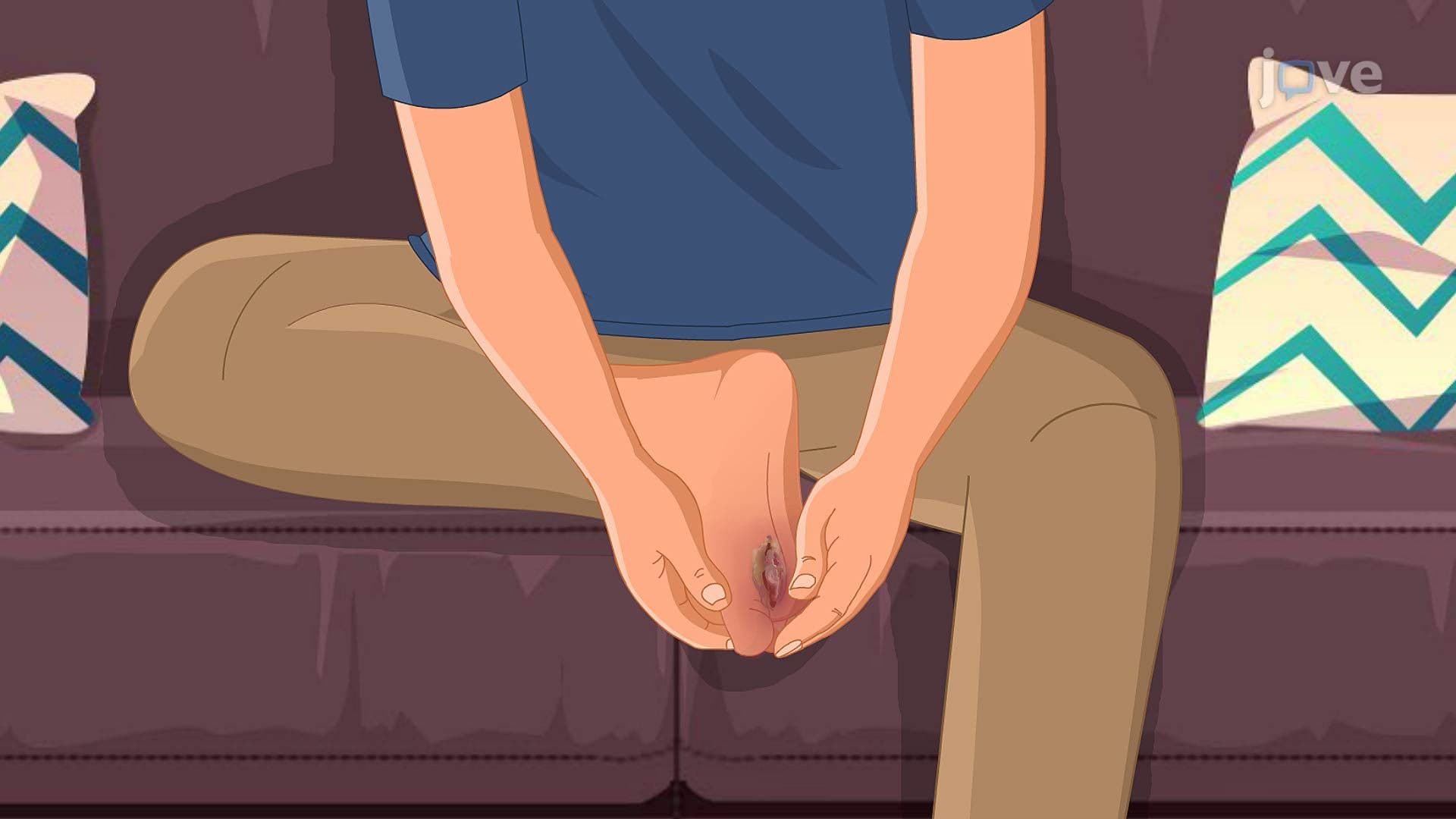
Because longer nerve fibers have greater metabolic demands and larger surface areas exposed to toxic glucose, the sensory nerves supplying the feet and hands are damaged first. This produces the classic glove-and-stocking distribution of numbness, tingling, and burning pain, a pattern commonly tested on nursing NCLEX and medical school exams alike. As neuropathy progresses, motor nerves are affected, causing muscle weakness, and autonomic nerves lose function, leading to gastroparesis (delayed stomach emptying), urinary retention, and orthostatic hypotension. Understanding this clinical spectrum helps students connect basic science to bedside presentations they will encounter in US clinical training.
Related Micro-courses