Loading video…

 27 Concepts
 4.7K views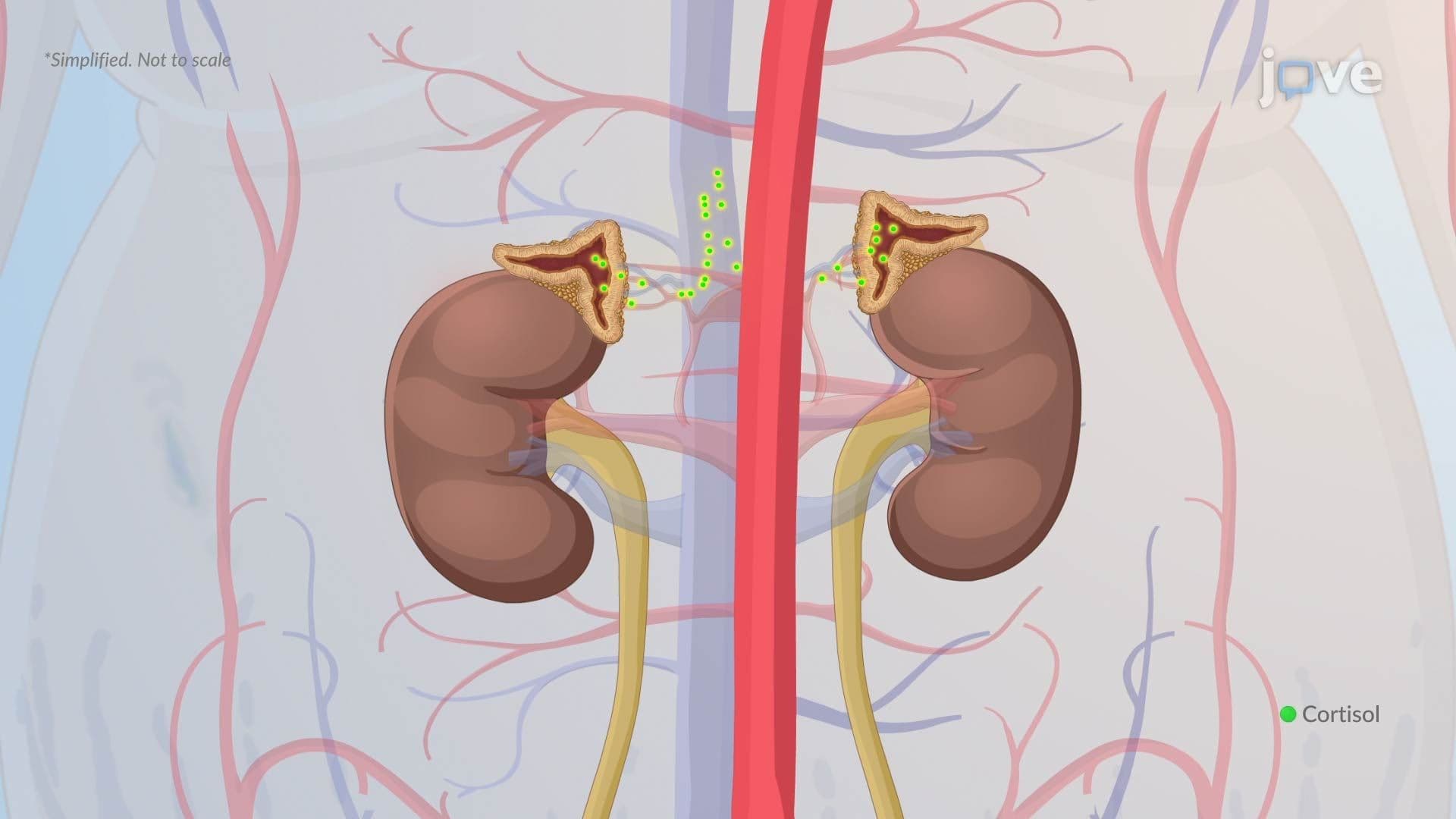

Video Summary: What Is Cushing Syndrome I
Did you know that even common prescription medications can trigger a serious hormonal disorder? Cushing Syndrome I basics reveal how prolonged exposure to excess cortisol, whether from steroid drugs like prednisone or internal tumors, disrupts the entire body. In the US, millions take corticosteroids annually, making iatrogenic Cushing syndrome surprisingly widespread. Watch the full video on JoVE Coach to master this concept with expert-led visuals and step-by-step explanations.
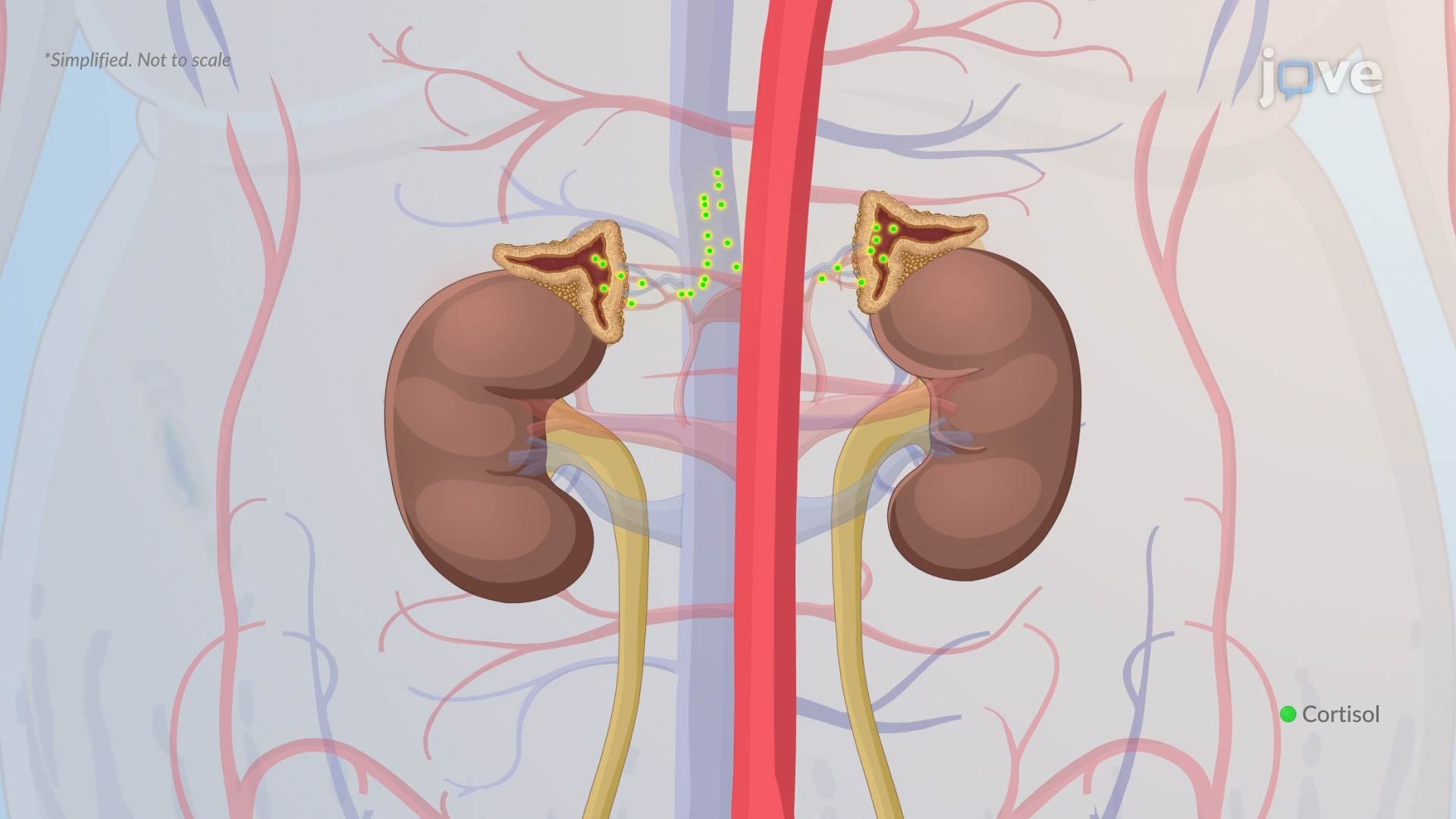
Cushing Syndrome I refers to the foundational understanding of a complex endocrine disorder triggered by chronically elevated cortisol levels in the body. Cortisol is a glucocorticoid hormone produced by the adrenal glands, and it plays a critical role in metabolism, immune response, and stress management. When cortisol remains elevated over time, whether due to external medications or internal dysfunction, the body begins to break down in predictable, measurable ways. Understanding this condition is essential for students in AP Biology, college-level physiology, and health sciences programs across the United States.
The most frequently diagnosed form is iatrogenic Cushing syndrome, meaning it is caused by medical treatment rather than disease. In the US, corticosteroids such as prednisone and dexamethasone are routinely prescribed for conditions like rheumatoid arthritis, asthma, lupus, and inflammatory bowel disease. When taken over weeks or months, these drugs mimic cortisol so effectively that the body's own regulatory systems become suppressed. This is a high-yield concept for NCLEX and USMLE test-takers, who must distinguish medication-induced hormonal imbalances from endogenous causes during clinical reasoning questions.
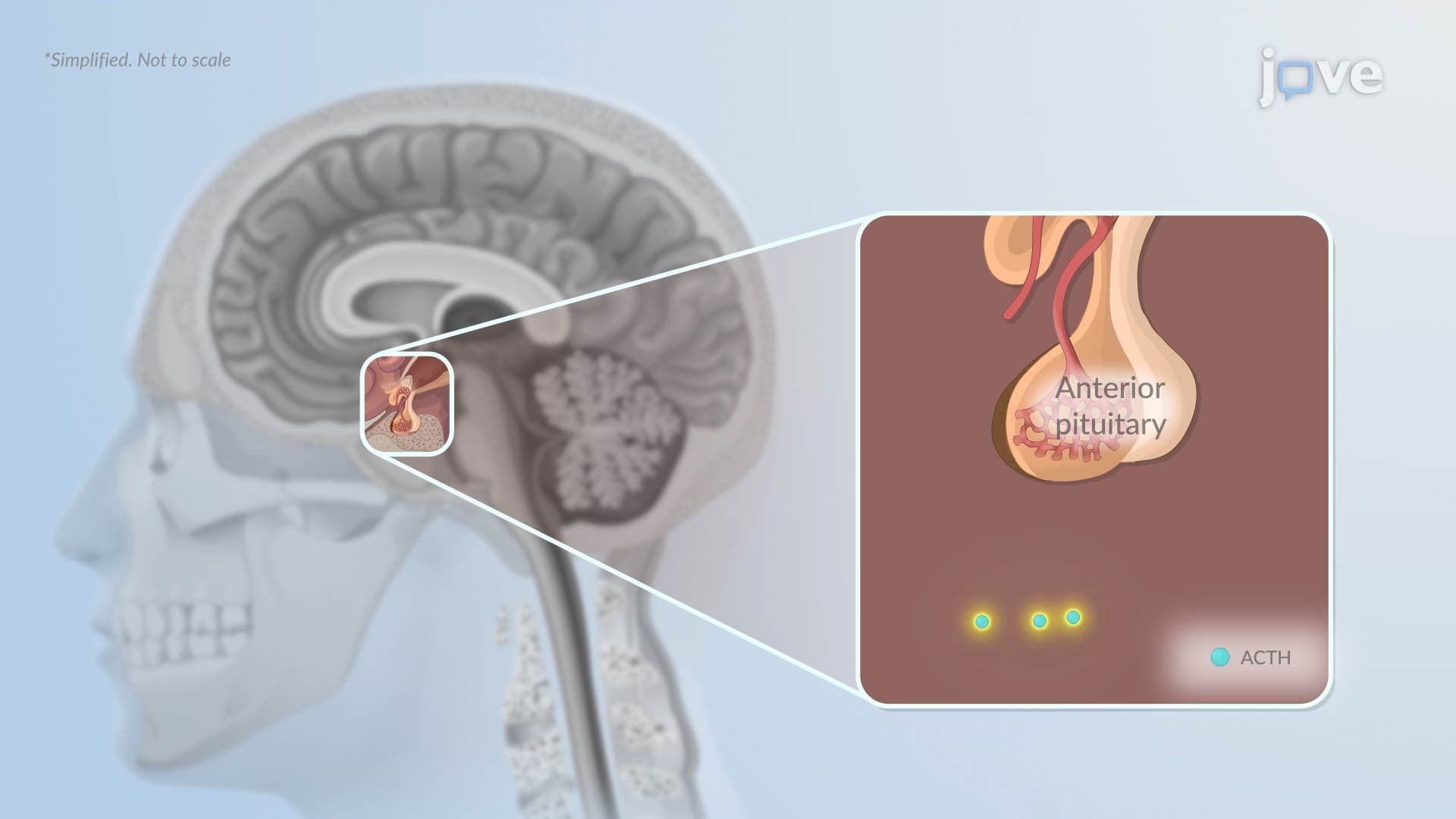
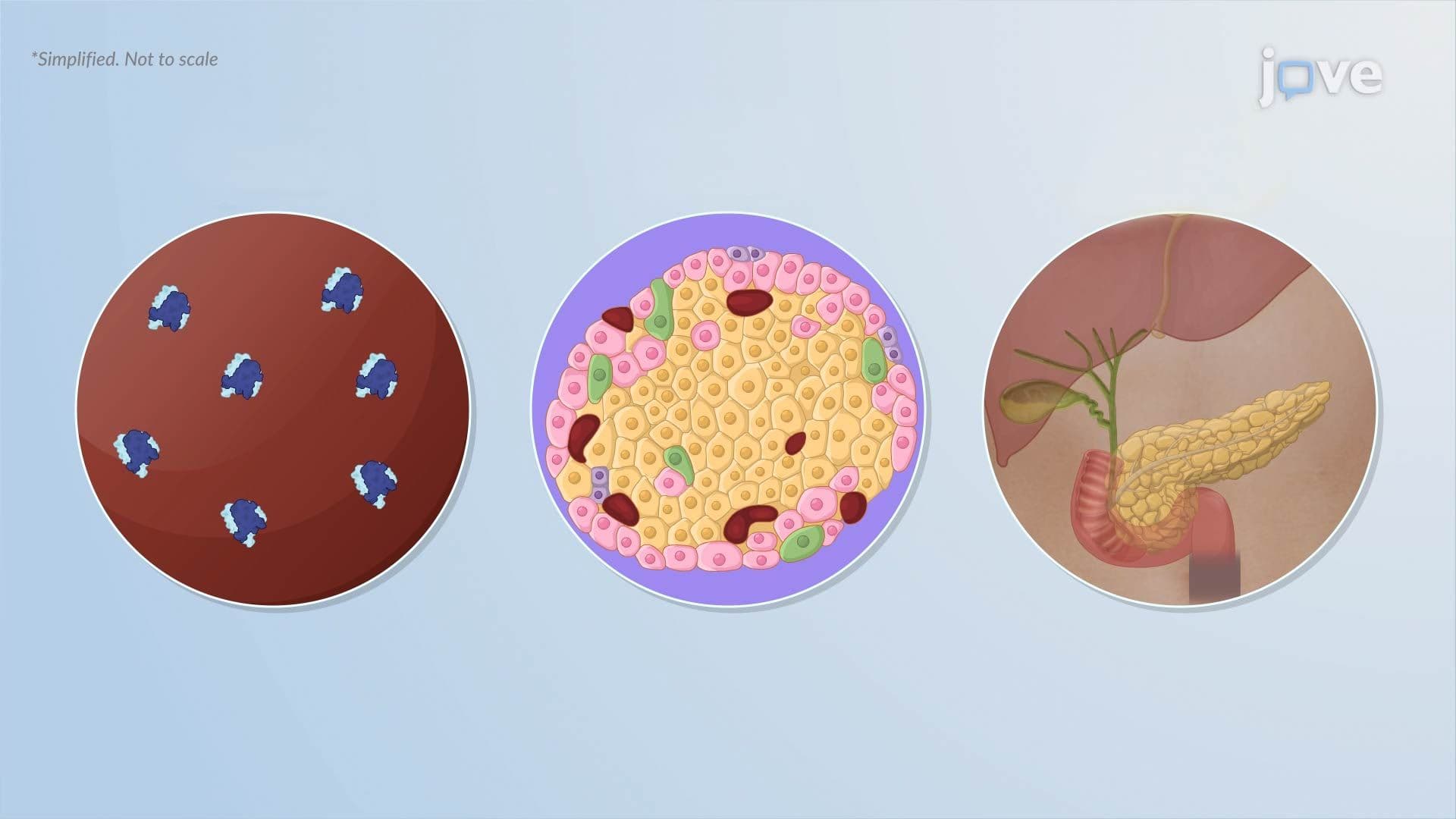
When Cushing syndrome originates within the body itself, it is classified as endogenous. The most common endogenous form is Cushing's disease, where a benign (noncancerous) pituitary adenoma secretes excess adrenocorticotropic hormone (ACTH). ACTH then signals the adrenal glands to ramp up cortisol production far beyond normal levels. This ACTH-dependent pathway is a cornerstone topic in AP Biology and college endocrinology courses, and it frequently appears on MCAT biology passages testing the hypothalamic-pituitary-adrenal (HPA) axis. A less common but clinically important ACTH-dependent variant involves ectopic ACTH production, where tumors in organs like the lungs or pancreas, often small cell lung carcinoma in US oncology cases, secrete ACTH independently, bypassing normal feedback controls entirely.
Not all endogenous cases involve ACTH. In ACTH-independent Cushing syndrome, the adrenal glands themselves are the source of the problem, typically due to a benign or malignant adrenal tumor that produces cortisol autonomously. Because these tumors operate outside the normal feedback loop, ACTH levels in the blood are actually low or suppressed, which is a key diagnostic clue students must learn to interpret. This distinction matters clinically and academically: on college midterms and board exams, students are often asked to differentiate causes based on lab values like serum ACTH and 24-hour urinary cortisol.
Connecting Cushing syndrome to neighboring endocrine disorders deepens comprehension significantly. Chronic excess cortisol can cause secondary diabetes mellitus by promoting insulin resistance, mimic symptoms of hypothyroidism through fatigue and weight changes, and even suppress immune function in ways that parallel adrenal insufficiency. Recognizing these overlapping presentations is exactly the kind of higher-order thinking that AP and MCAT examiners reward.
Related Micro-courses