Loading video…

 27 Concepts
 4.7K views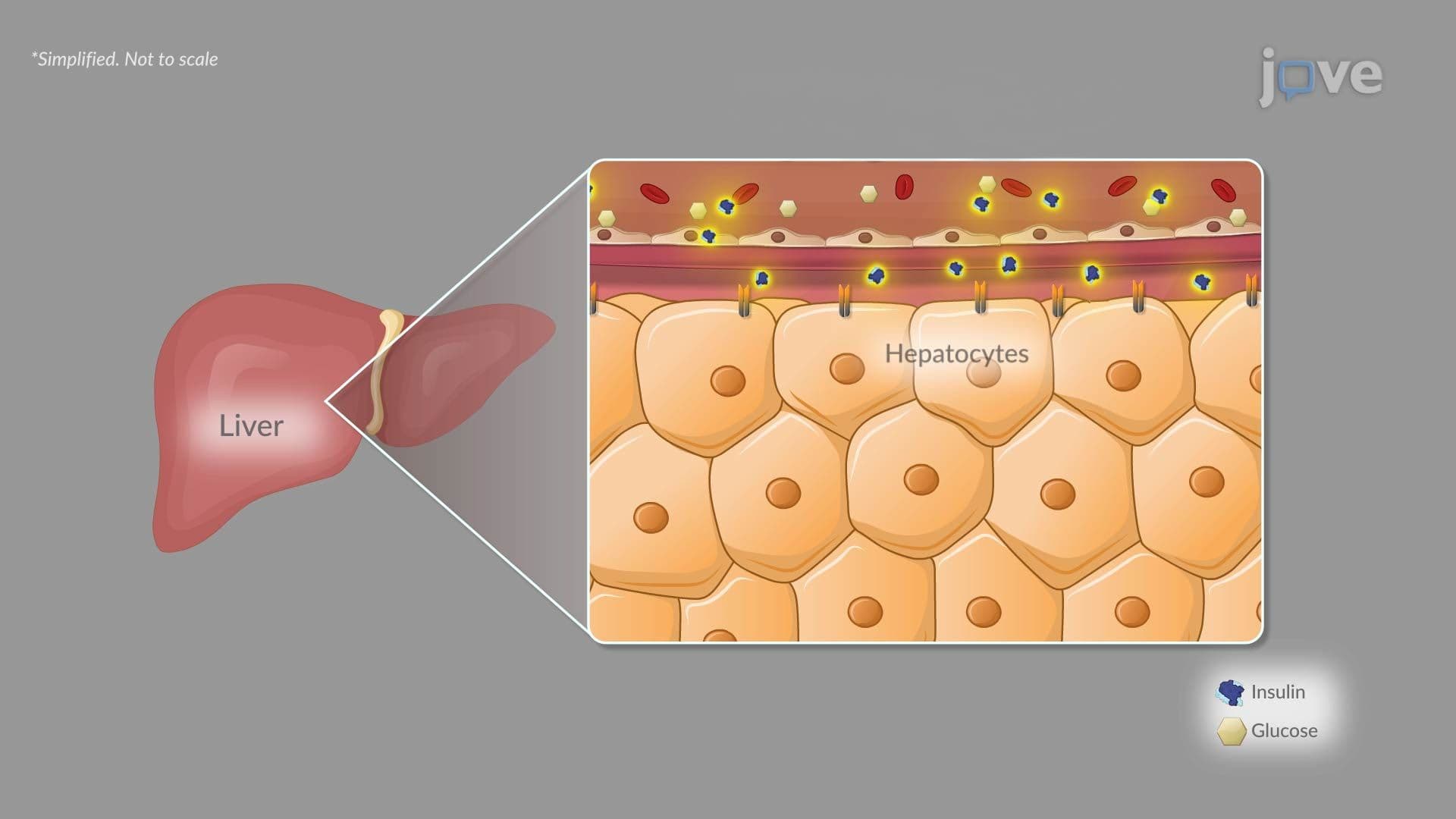

Video Summary: Pathophysiology in Type Ii Diabetes Ii
Did you know nearly 38 million Americans live with diabetes, and most have Type 2? Understanding the pathophysiology in Type II Diabetes II reveals why this condition is more than just "too much sugar." From insulin-resistant muscles to overactive liver glucose production, the breakdown happens at the cellular level. Watch the full video on JoVE Coach to master this concept with expert-led visuals and step-by-step explanations.
Type 2 diabetes mellitus is not simply a disease of high blood sugar, it is the end result of a cascading failure across multiple organ systems. The pathophysiology in Type II Diabetes II centers on two interacting problems: insulin resistance (cells failing to respond to insulin) and progressive beta-cell dysfunction (the pancreas losing its ability to compensate). Understanding both is essential for anyone studying endocrinology, whether in a high school AP Biology course or a college-level physiology class.
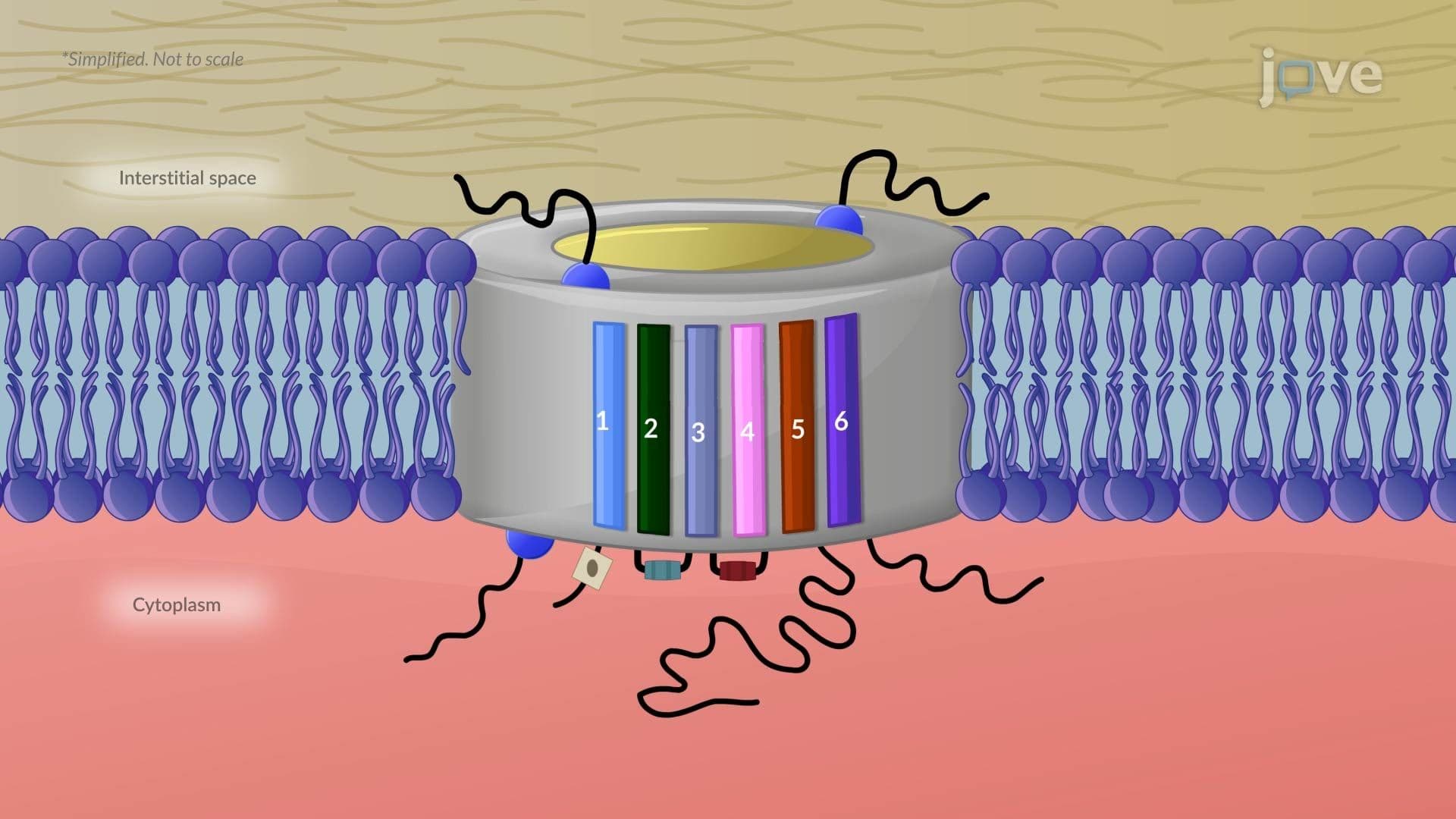
After a meal, skeletal muscle is responsible for clearing approximately 80% of blood glucose, making it the most critical site of postprandial glucose disposal. In Type 2 diabetes, insulin signaling within muscle cells is impaired. Specifically, the GLUT4 transporter, the protein that moves glucose from blood into cells, fails to migrate to the cell surface in adequate numbers. The result is that glucose lingers in the bloodstream rather than being taken up and stored as glycogen.
This is clinically significant in the United States, where sedentary lifestyles and low physical activity rates are major contributors to this exact mechanism. Exercise, by contrast, stimulates GLUT4 translocation *independent* of insulin, which is why physical activity is one of the most effective interventions for insulin resistance.
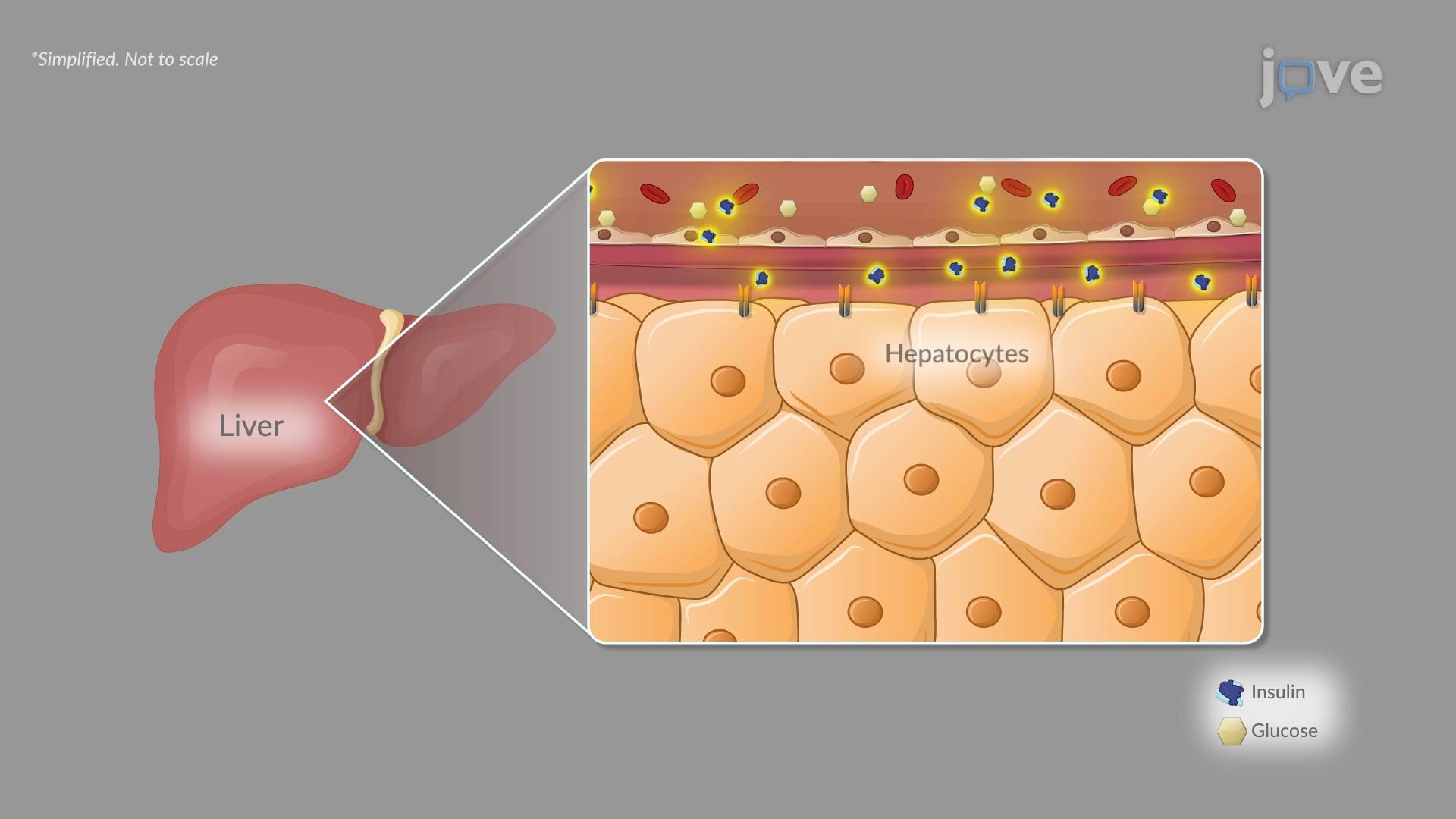
Under normal conditions, insulin signals the liver to stop producing glucose after a meal, a process called suppression of hepatic glucose output. In Type 2 diabetes, hepatic insulin resistance breaks this feedback loop. Even in the fed state, the liver continues gluconeogenesis and glycogenolysis, flooding the bloodstream with glucose that should not be there.
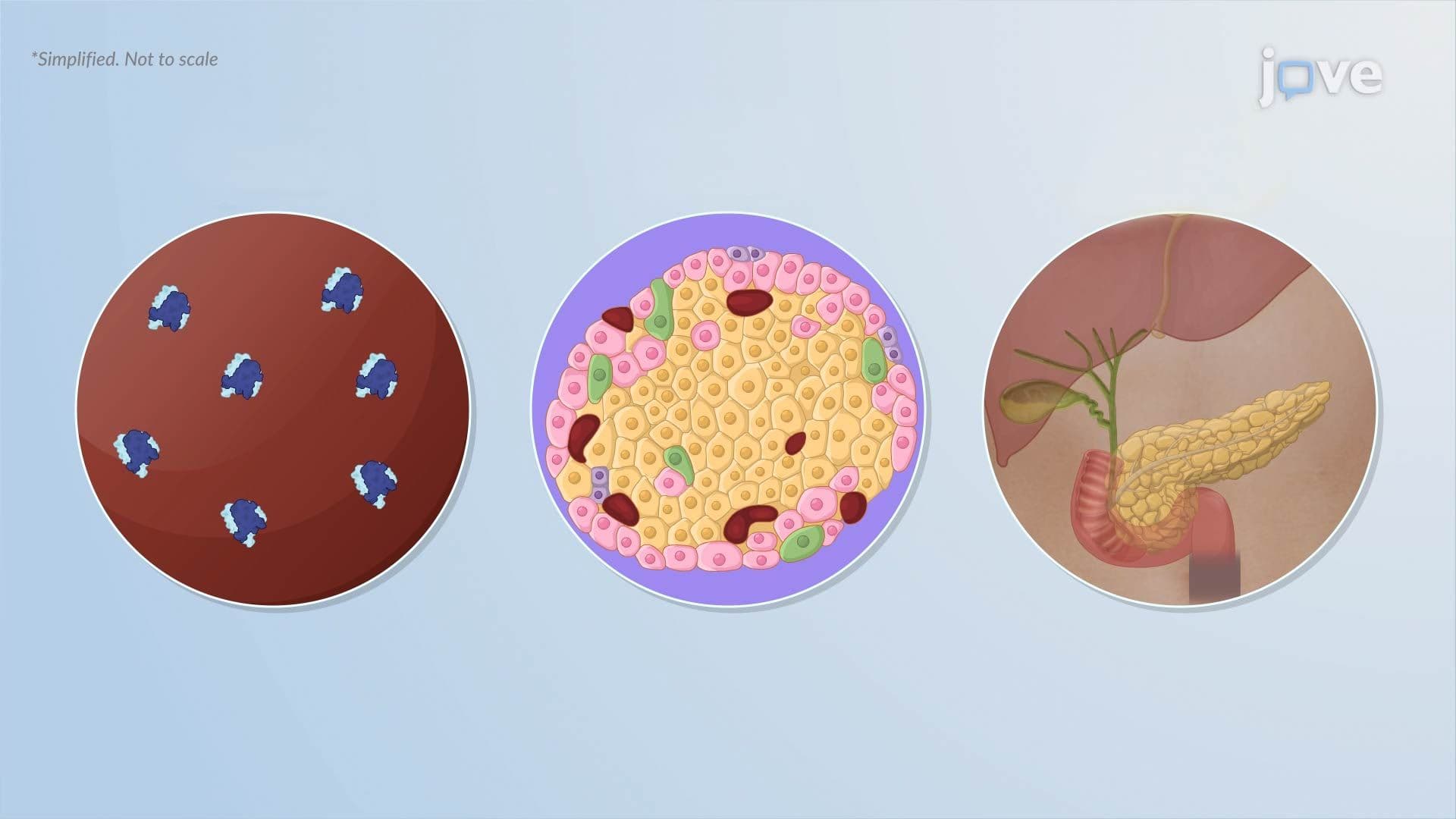
Compounding this problem is a dysfunction in the alpha cells of the pancreatic islets. Normally, insulin suppresses glucagon release; in Type 2 diabetes, this inhibition fails. Elevated glucagon sends continuous "produce more glucose" signals to the liver, creating a self-reinforcing cycle of hyperglycemia. This alpha-cell dysregulation is a key concept tested in MCAT biology sections and USMLE Step 1 pathophysiology questions.
Insulin normally inhibits lipolysis, the breakdown of stored fat into free fatty acids (FFAs). When adipose tissue becomes insulin-resistant, this brake is released. FFAs flood into circulation and travel to the liver and muscle, where they interfere with insulin signaling pathways at the molecular level. This concept, known as lipotoxicity, creates a vicious cycle: more fat breakdown → more FFAs → worse insulin resistance → higher blood sugar.
This mechanism also explains why visceral obesity (abdominal fat) is so strongly associated with Type 2 diabetes risk in US clinical populations. Visceral fat is metabolically active and particularly prone to dysregulated lipolysis.
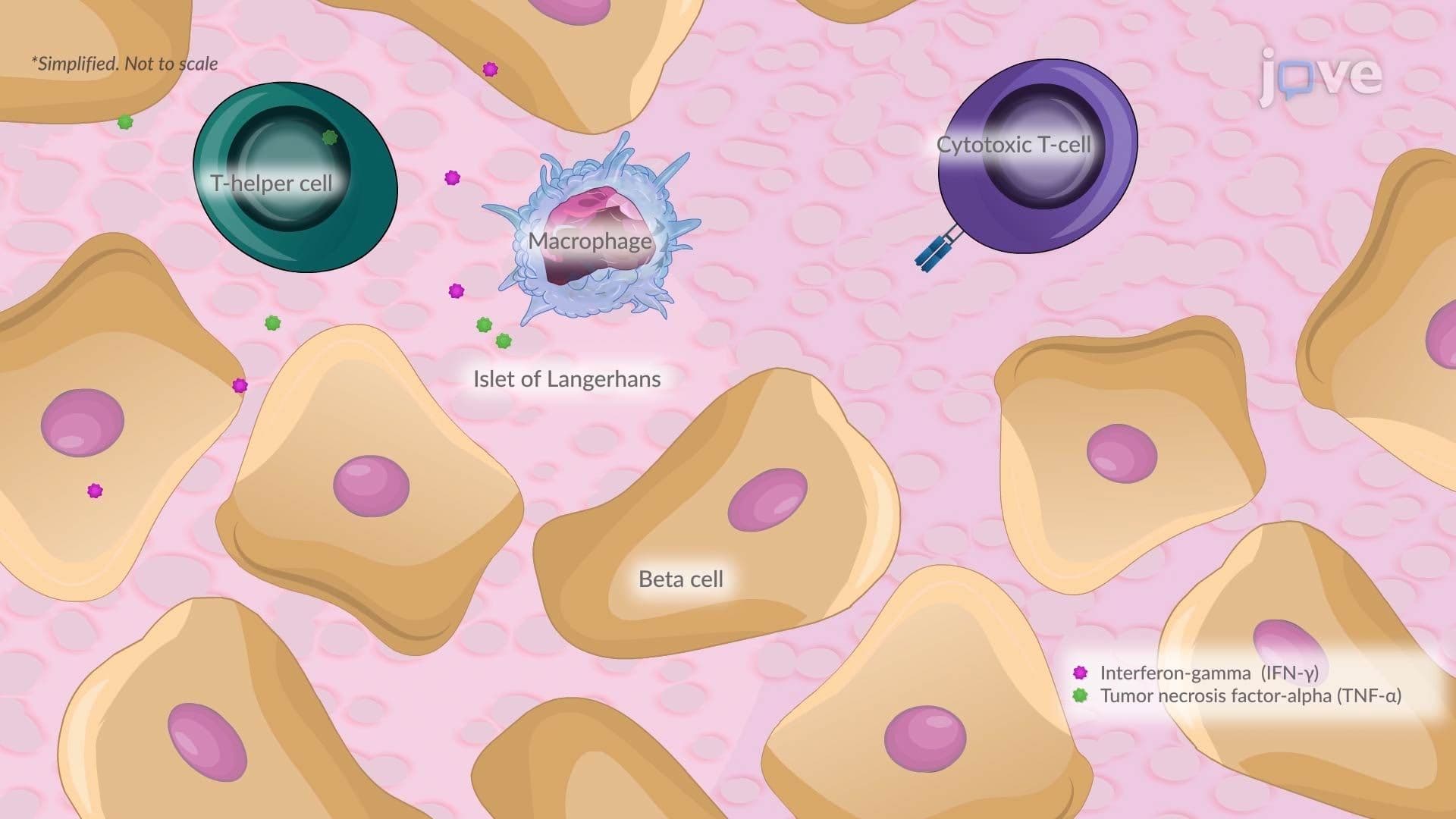
Early in the disease course, pancreatic beta cells heroically compensate by secreting *more* insulin to overcome resistance. Over time, however, the sustained demand, combined with glucose toxicity, lipotoxicity, and inflammatory stress, damages beta cells irreversibly. This progressive loss of beta-cell mass and function is what transforms a manageable insulin-resistant state into overt Type 2 diabetes requiring medication or insulin therapy.
This progression is highly relevant in AP Biology, college biochemistry, and NCLEX preparation, where students must distinguish between Type 1 (autoimmune beta-cell destruction) and Type 2 (functional and eventual structural loss). Grasping this difference is foundational to understanding all downstream treatment strategies, including metformin, GLP-1 agonists, and eventually insulin therapy.
Related Micro-courses