Loading video…


 27 Concepts
 4.7K views

Video Summary: What Is Hyperglycemia
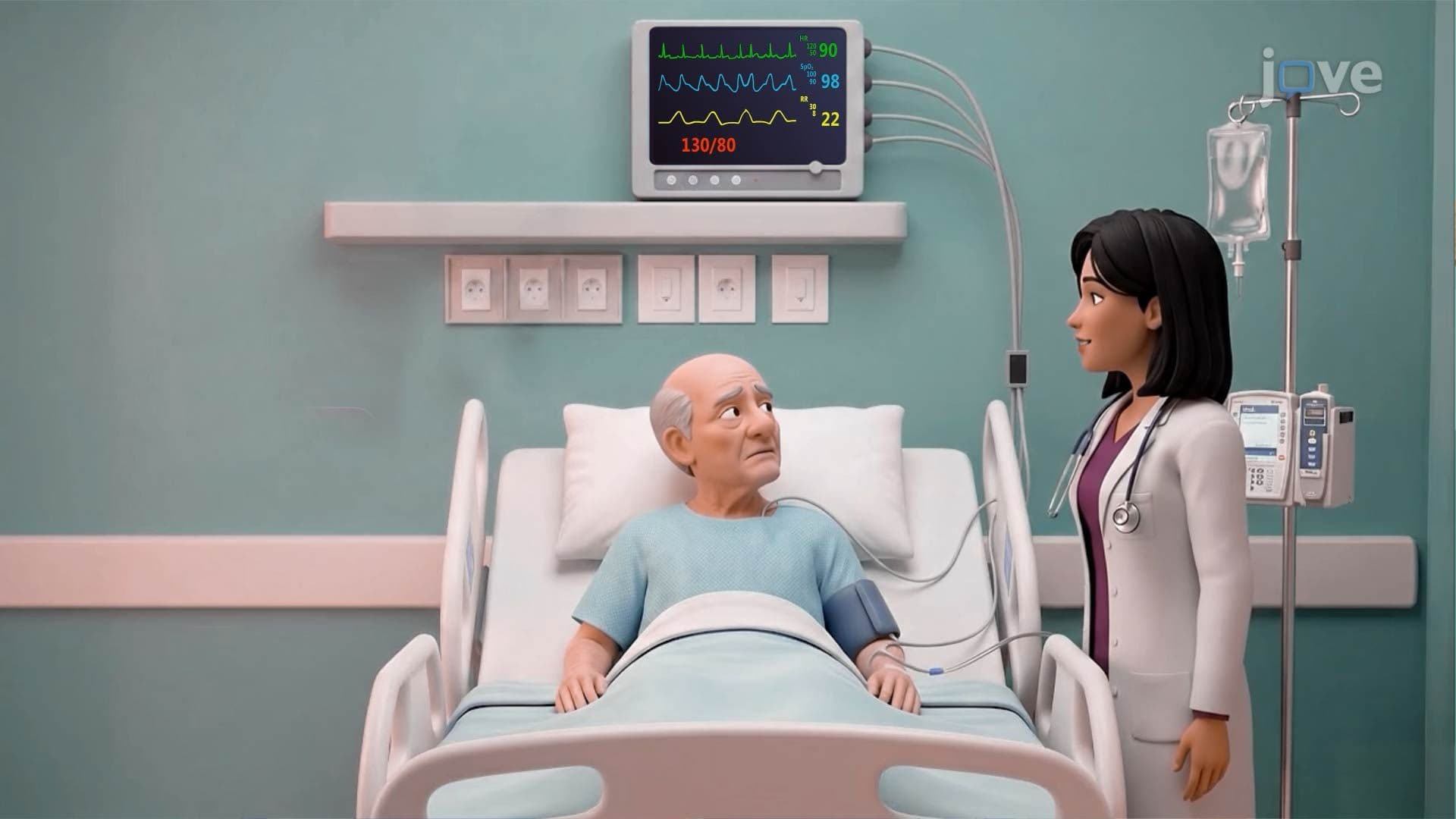
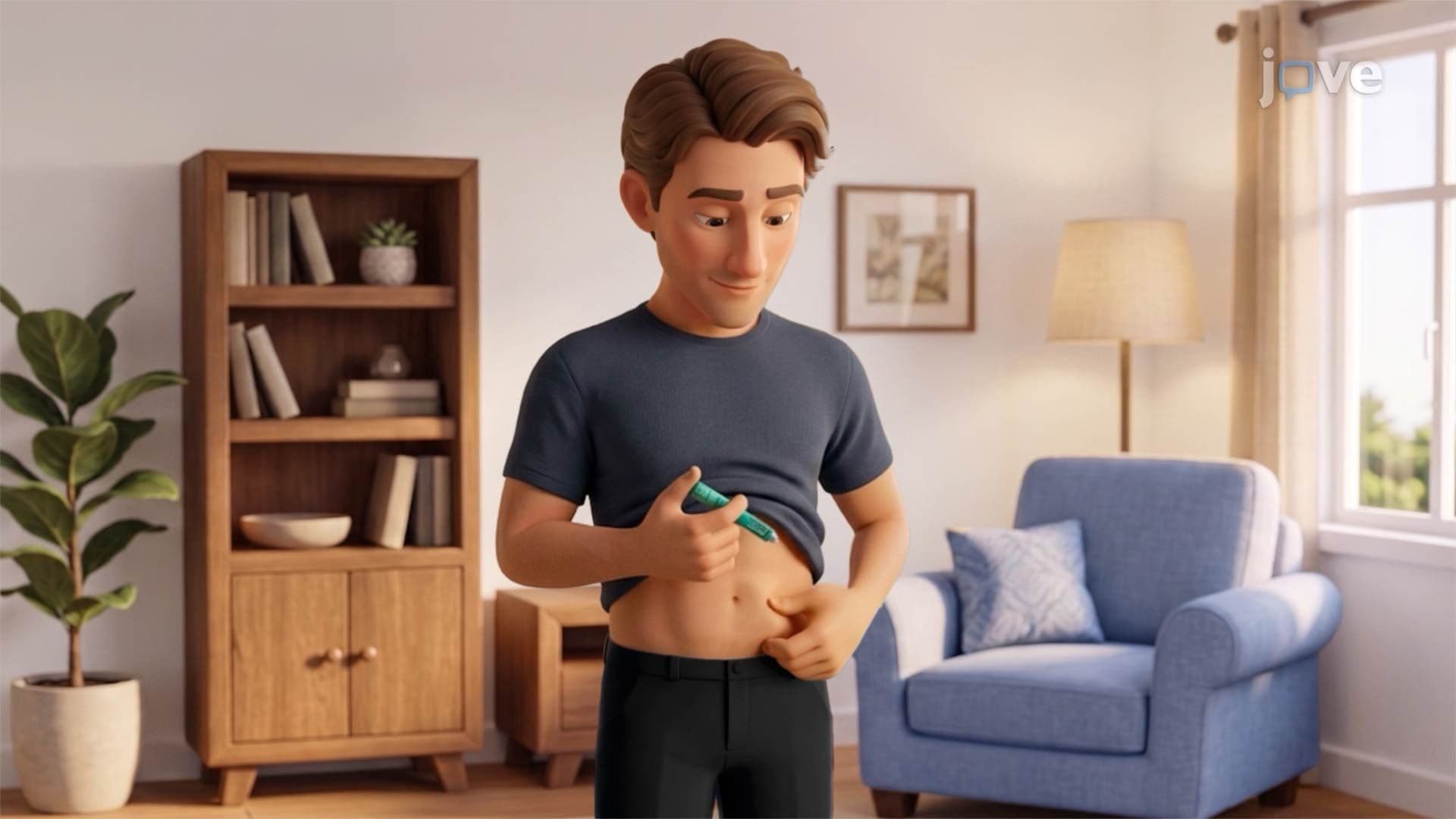
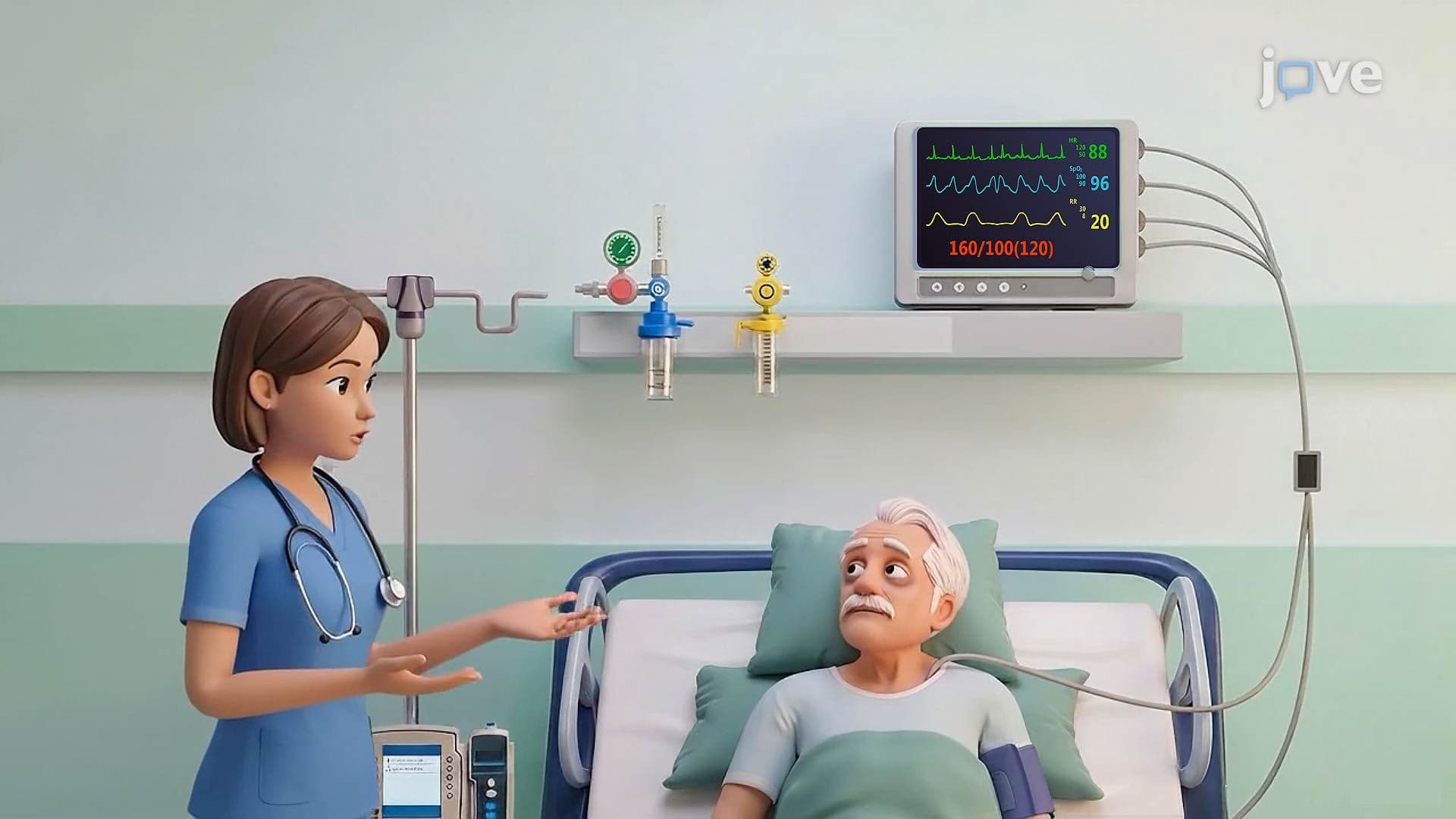
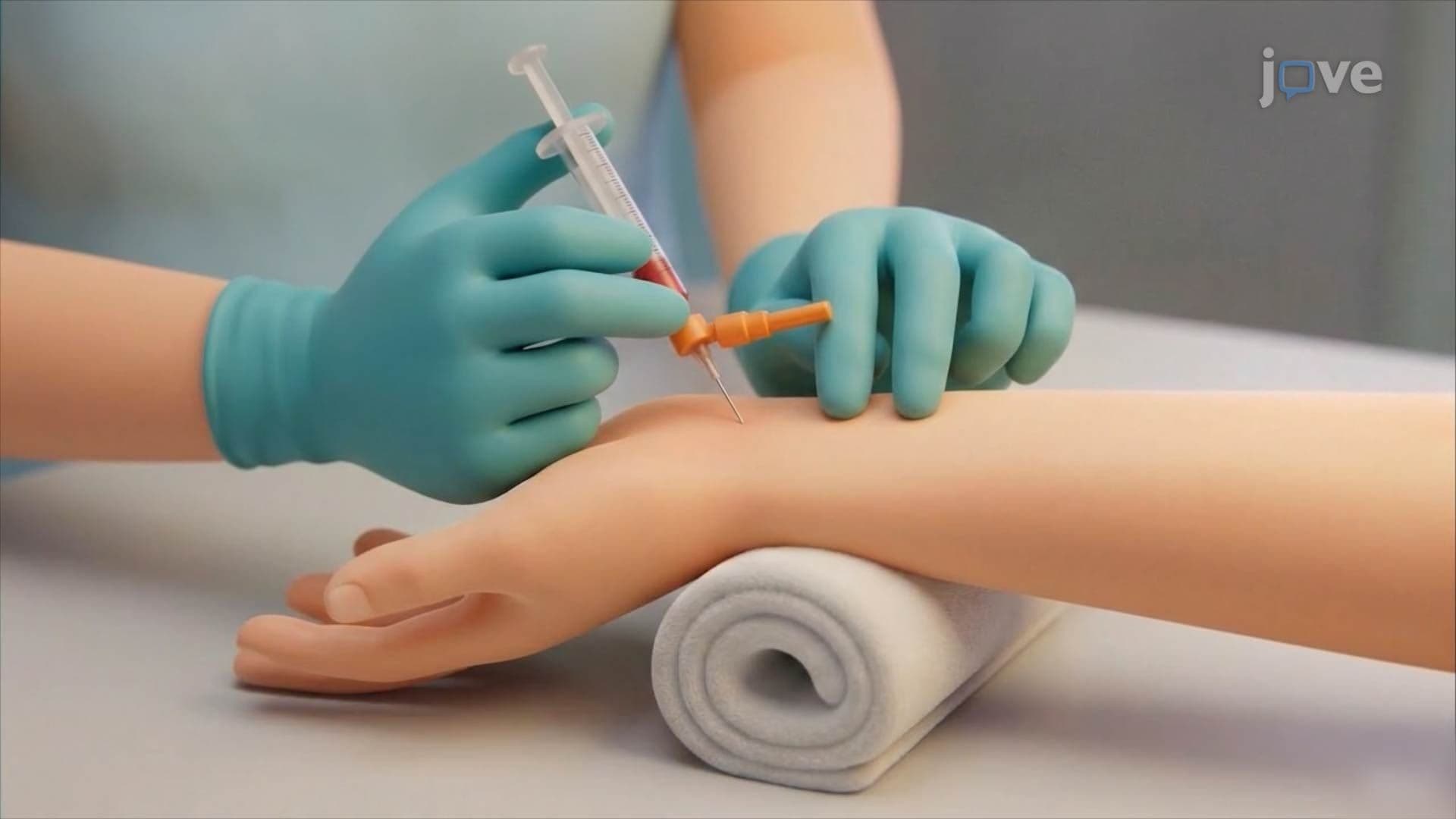
Did you know that millions of Americans living with diabetes face dangerously high blood sugar daily without even realizing it? Hyperglycemia, the clinical term for elevated blood glucose, occurs when fasting levels exceed 130 mg/dL or spike past 180 mg/dL after eating. In type 1 diabetes, the immune system destroys insulin-producing cells entirely, while type 2 involves insulin resistance. Watch the full video on JoVE Coach to master this concept with expert-led visuals and step-by-step explanations.
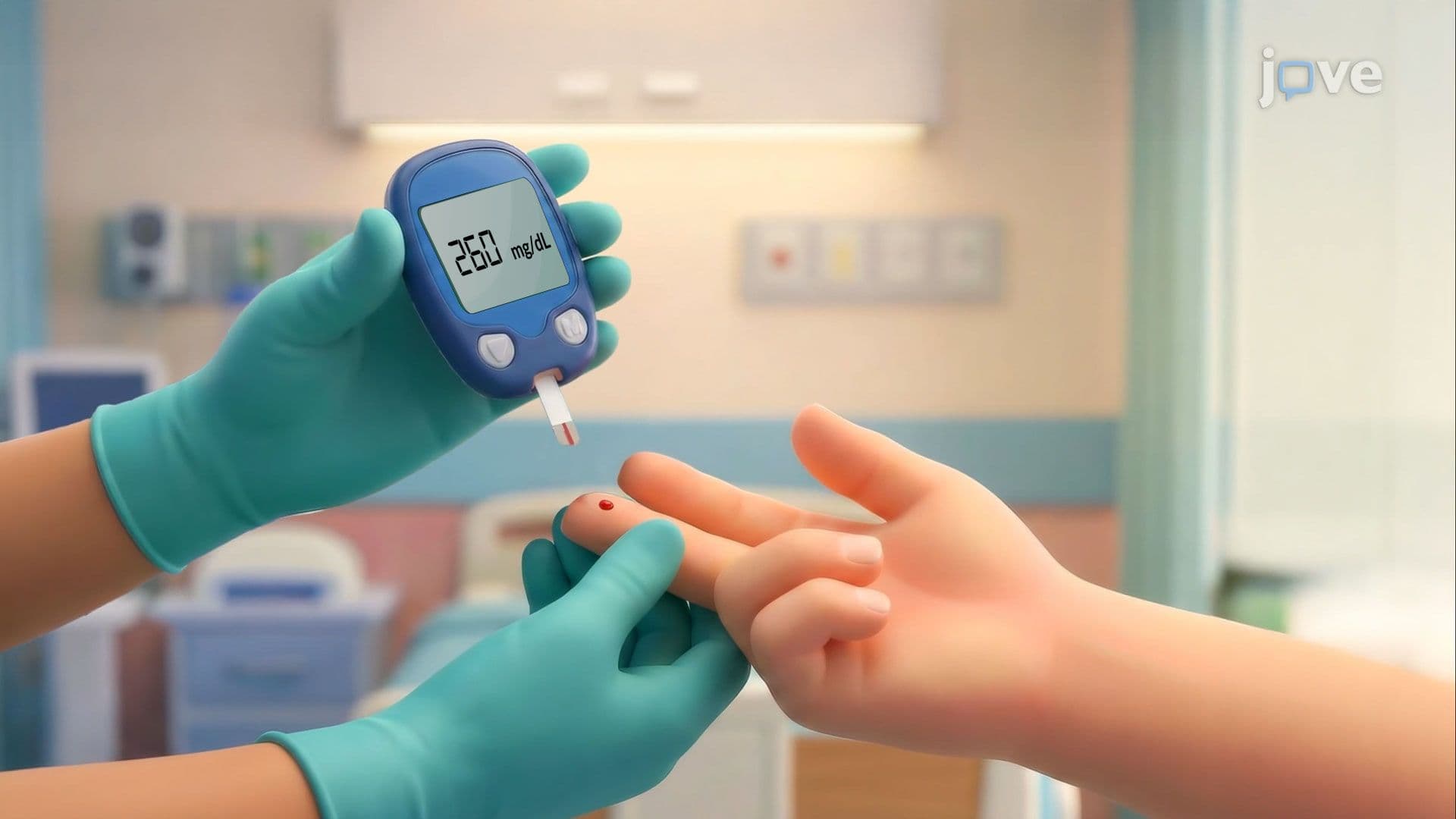
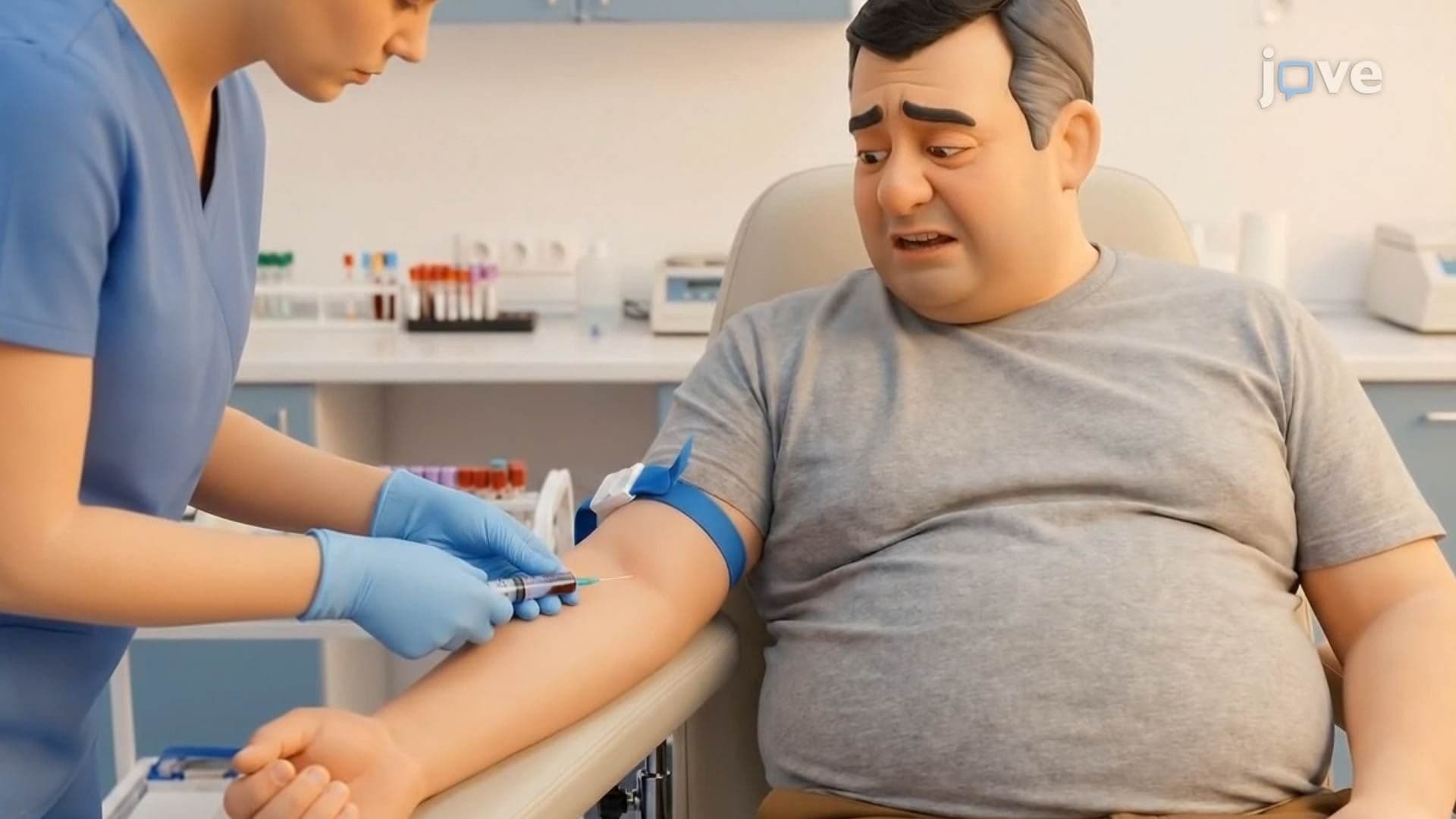
Hyperglycemia refers to an abnormally elevated concentration of glucose in the bloodstream. In the context of diabetes mellitus, it is clinically defined as a fasting plasma glucose level above 130 mg/dL or a postprandial (after-meal) glucose level exceeding 180 mg/dL at the two-hour mark. While a temporary rise in blood sugar after eating is entirely normal, persistent hyperglycemia signals a breakdown in the body's glucose regulation system, and understanding why that happens is central to endocrinology and human physiology coursework.
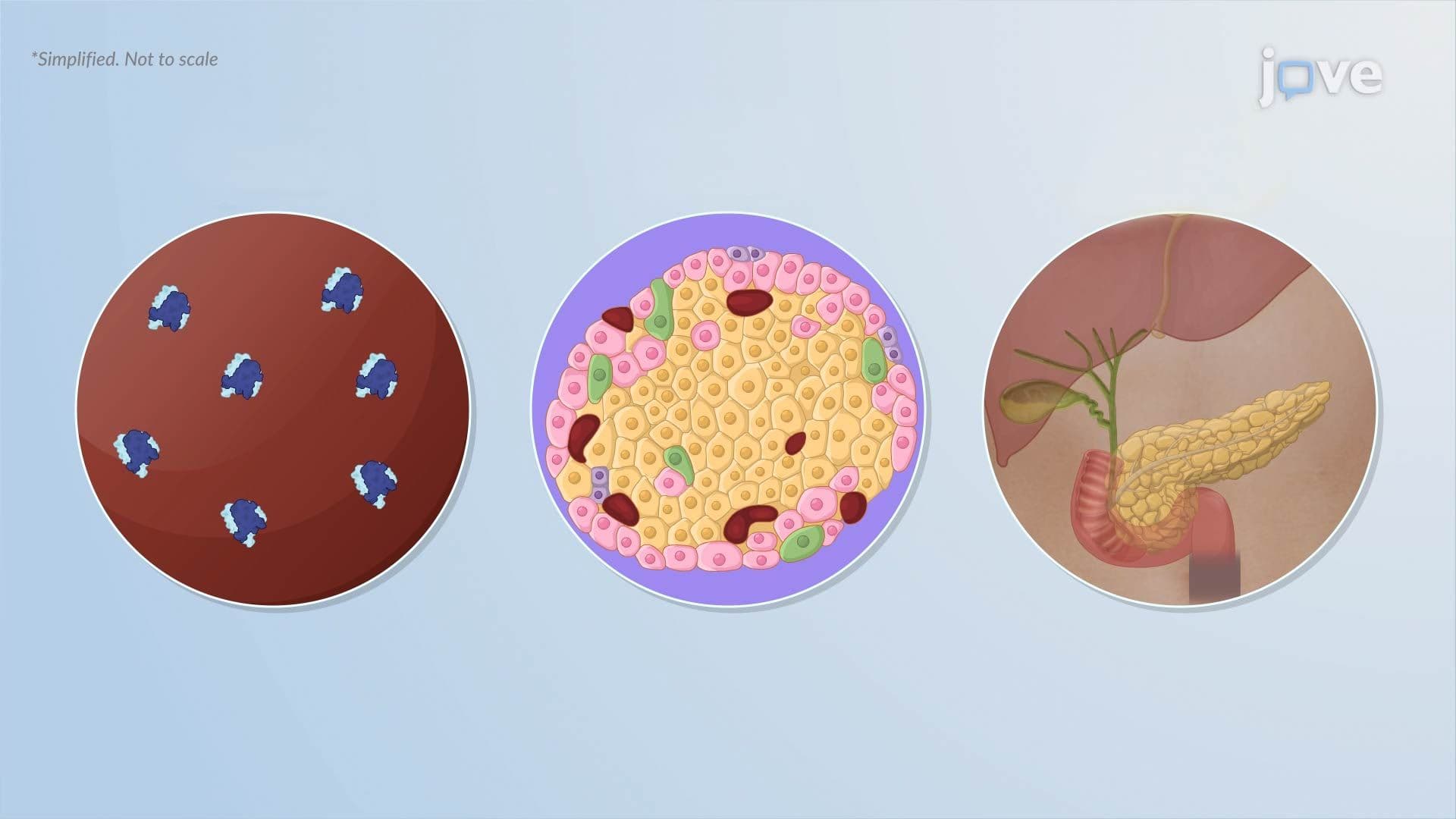
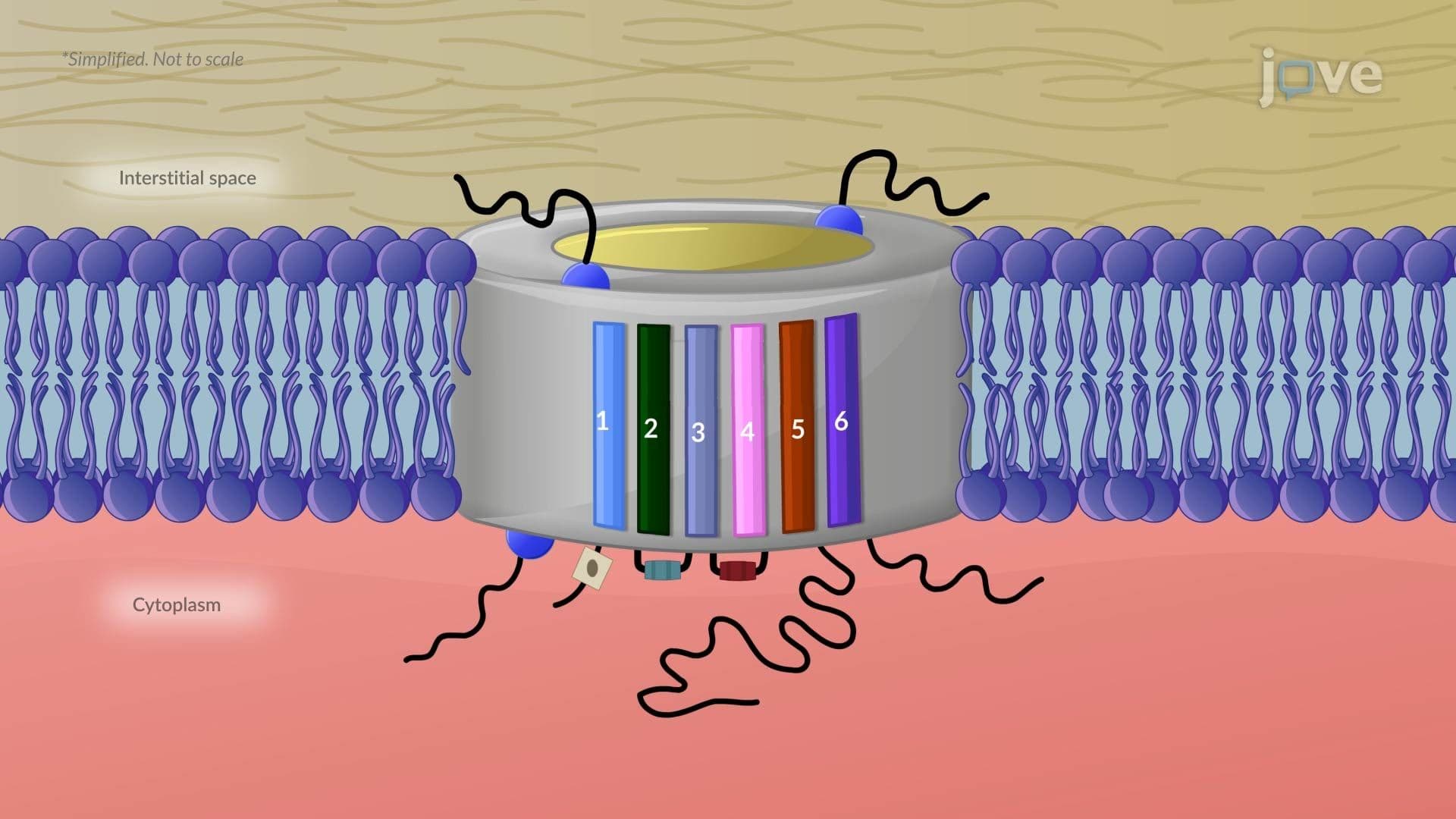
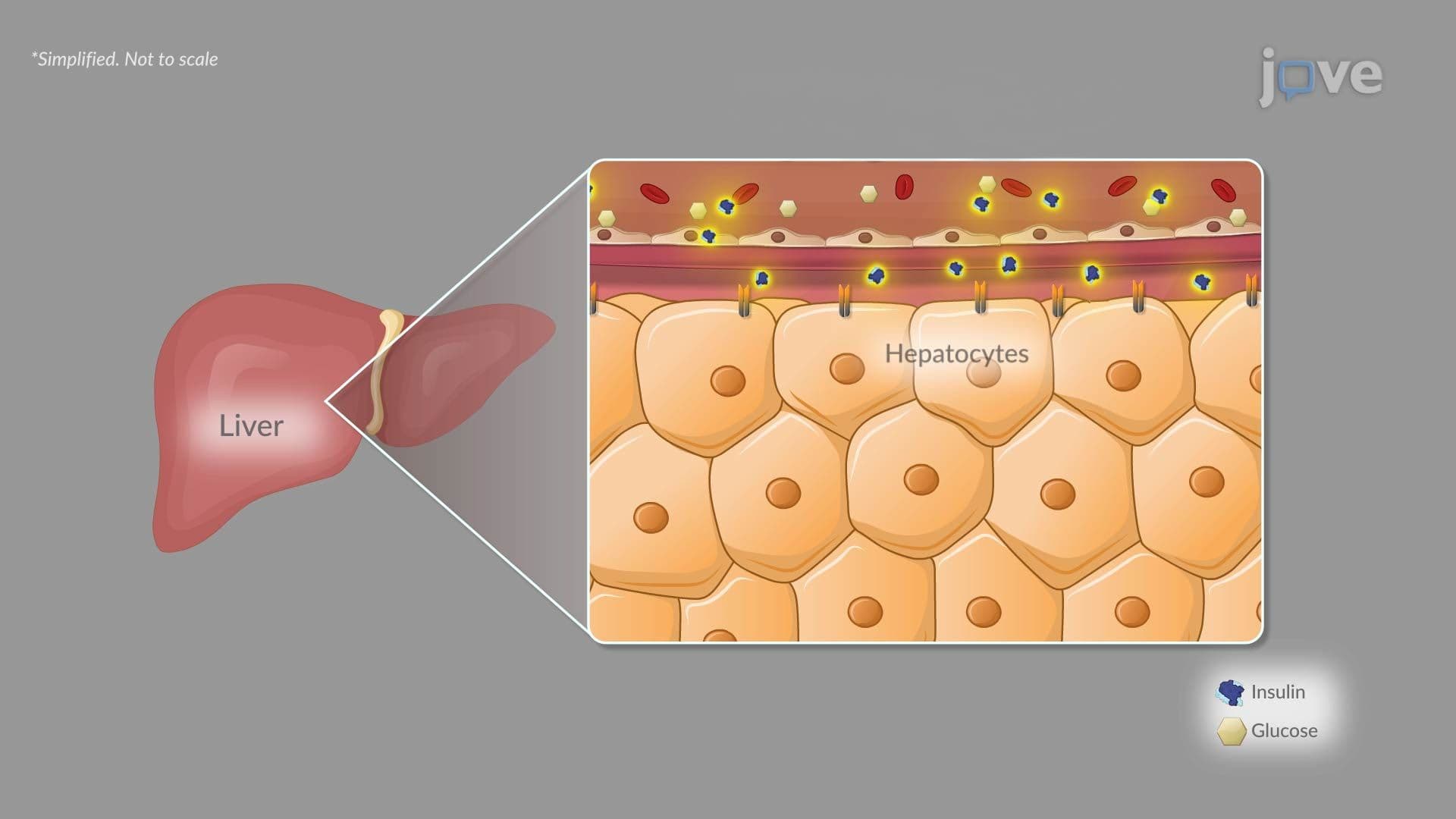
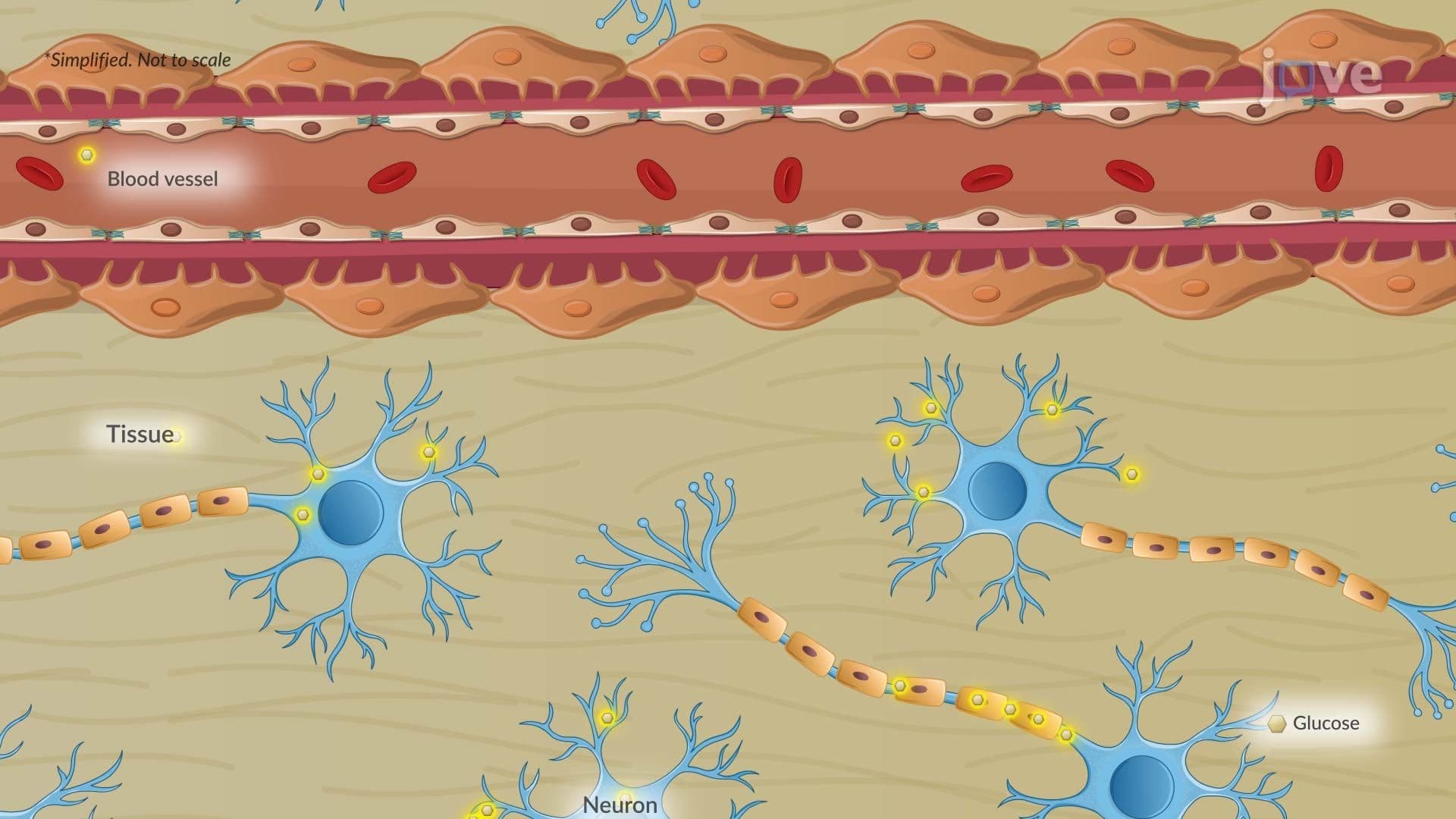
Under healthy conditions, the pancreatic beta cells release insulin in response to rising blood glucose. Insulin acts like a molecular key, unlocking glucose uptake in muscle and adipose (fat) tissue. Simultaneously, it suppresses hepatic glucose production, meaning it tells the liver to stop releasing stored glucose into the bloodstream. The result is a tightly controlled feedback loop that keeps blood sugar within a narrow, safe range. This mechanism is a high-yield concept in AP Biology and college-level anatomy and physiology courses, where students are frequently asked to explain negative feedback loops in the endocrine system.
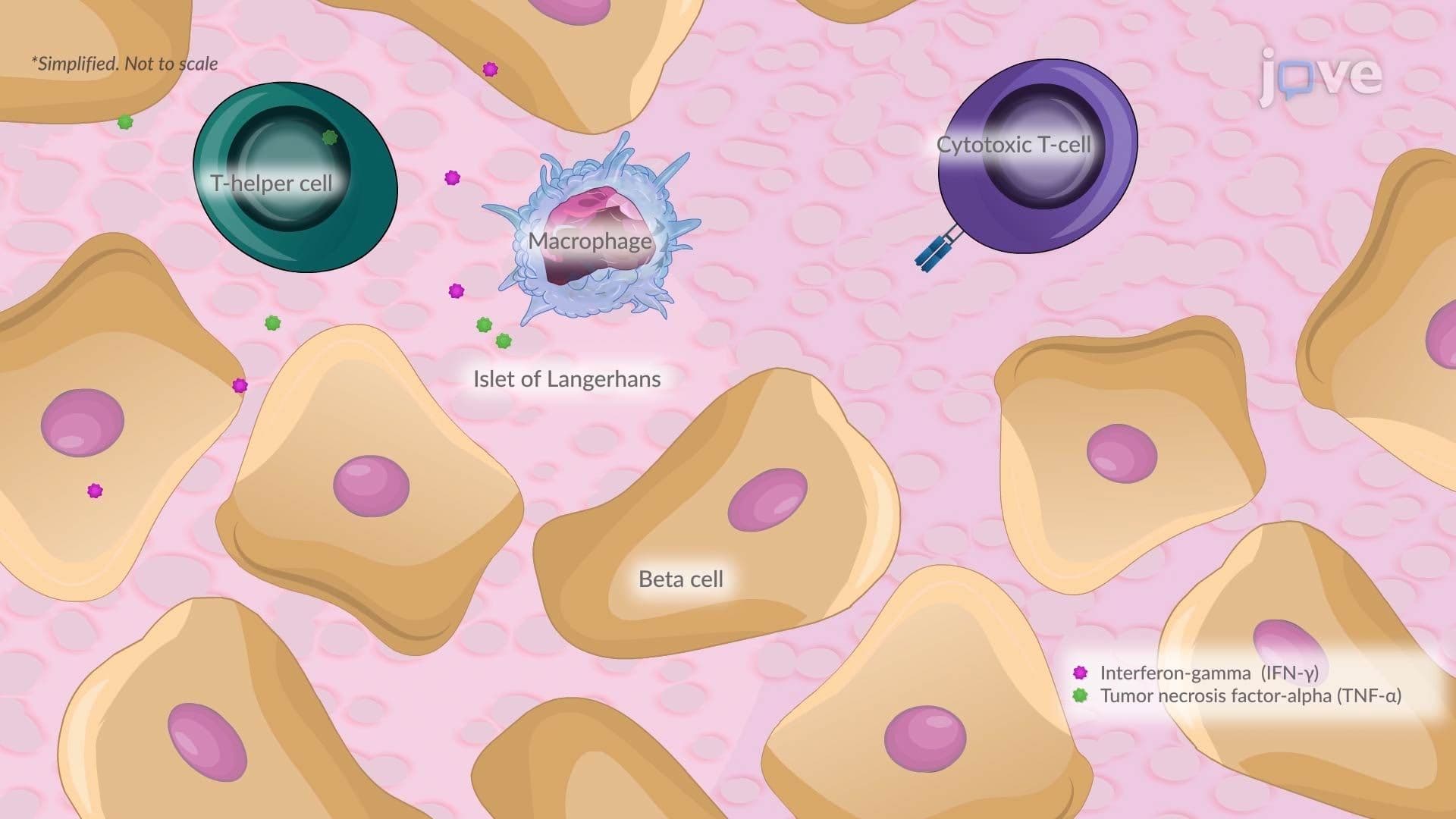
In type 1 diabetes, the immune system mistakenly attacks and destroys the pancreatic beta cells, an autoimmune process that leaves the body with an absolute insulin deficiency. Without any insulin, glucose cannot enter cells efficiently, and the liver continues releasing glucose unchecked. According to the CDC, approximately 1.6 million Americans live with type 1 diabetes, many of them diagnosed in childhood or adolescence.
Type 2 diabetes follows a different mechanism. Here, the body still produces insulin, but target cells, particularly in muscle and fat tissue, become resistant to its signal. Over time, the pancreas also loses its ability to compensate fully, creating a state of relative insulin deficiency. The net effect in both conditions is the same: reduced peripheral glucose uptake paired with increased hepatic glucose output, driving blood sugar persistently higher. Recognizing this distinction is essential for MCAT prep, NCLEX questions, and undergraduate pathophysiology exams.
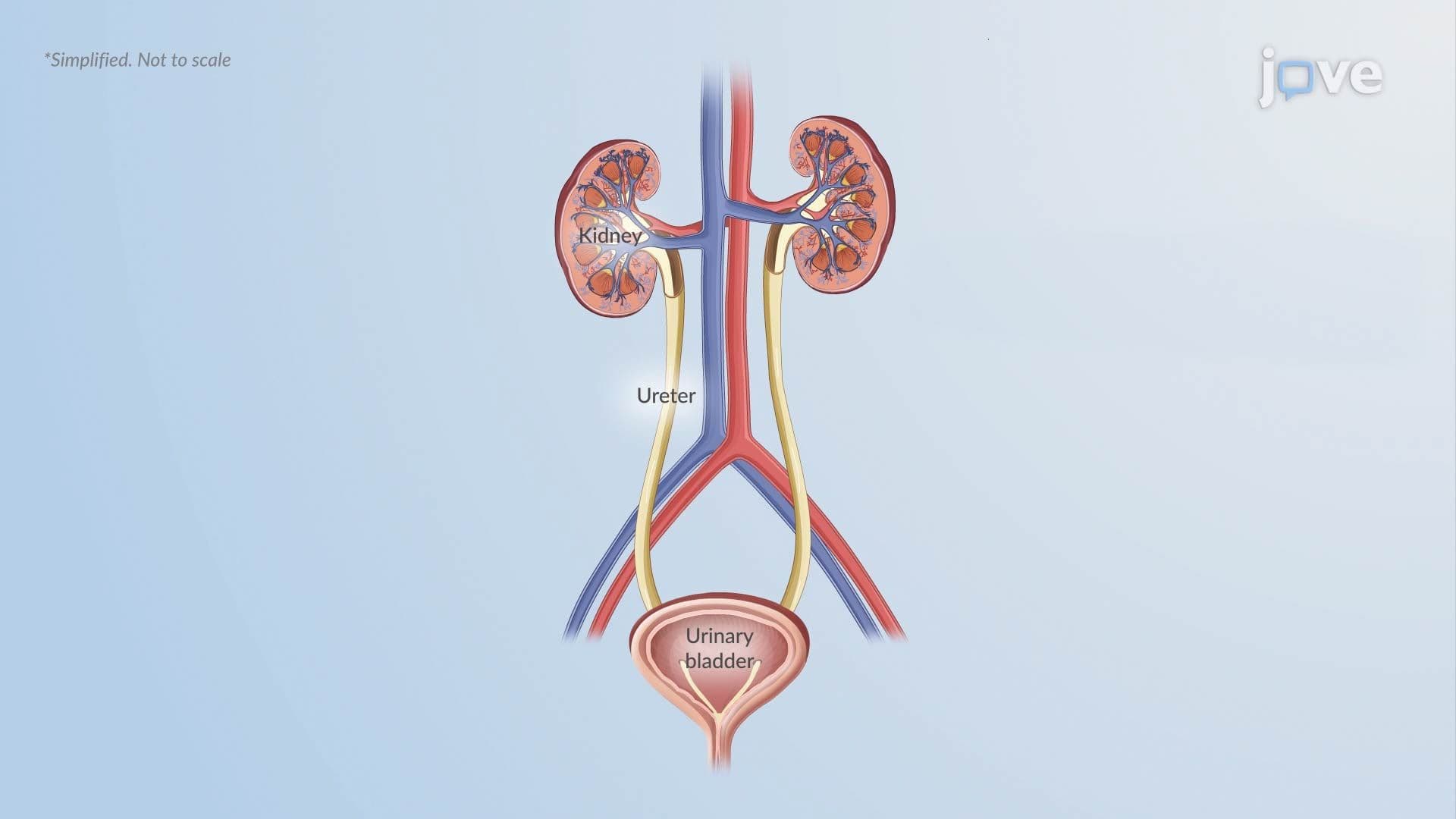
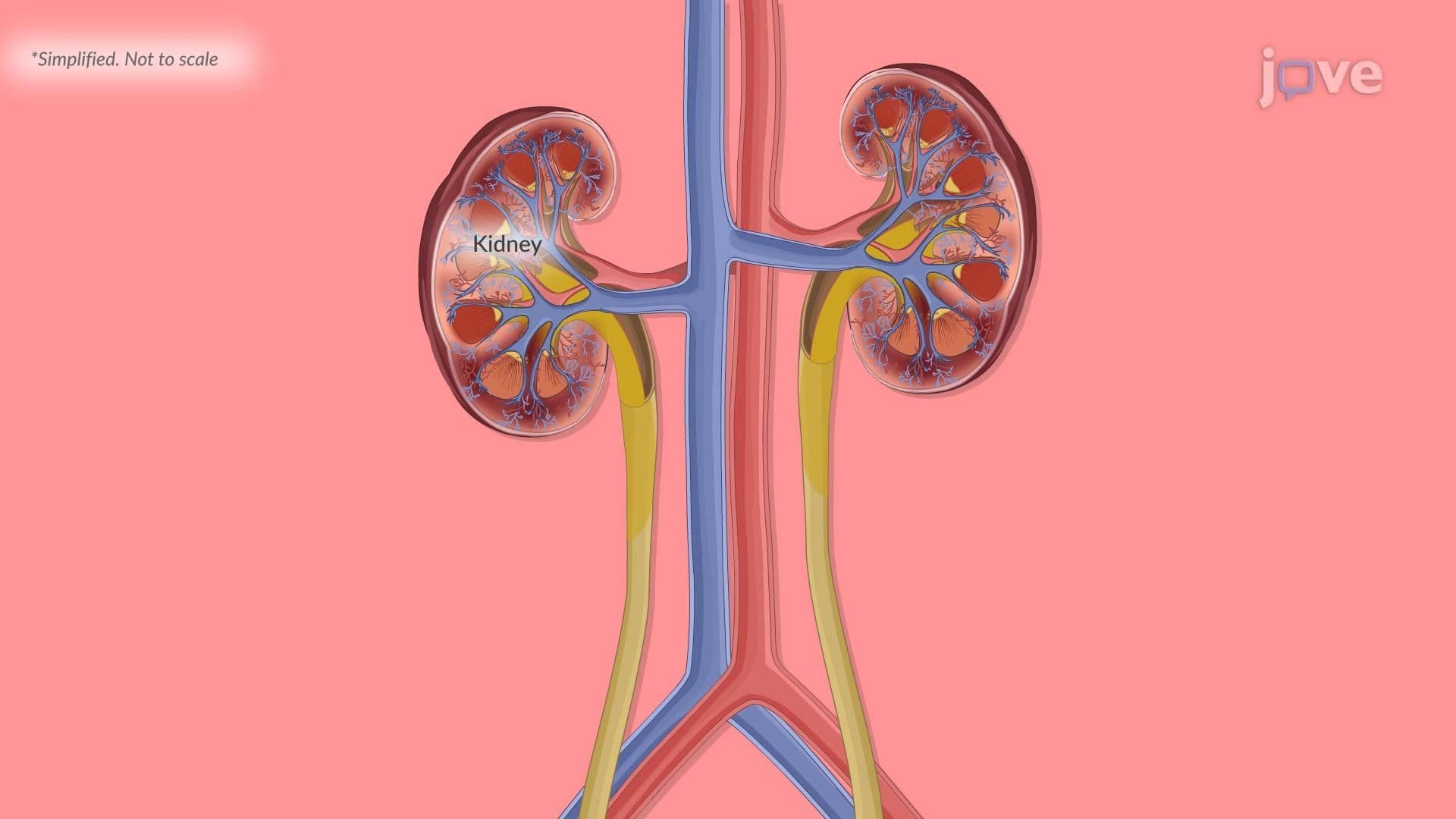
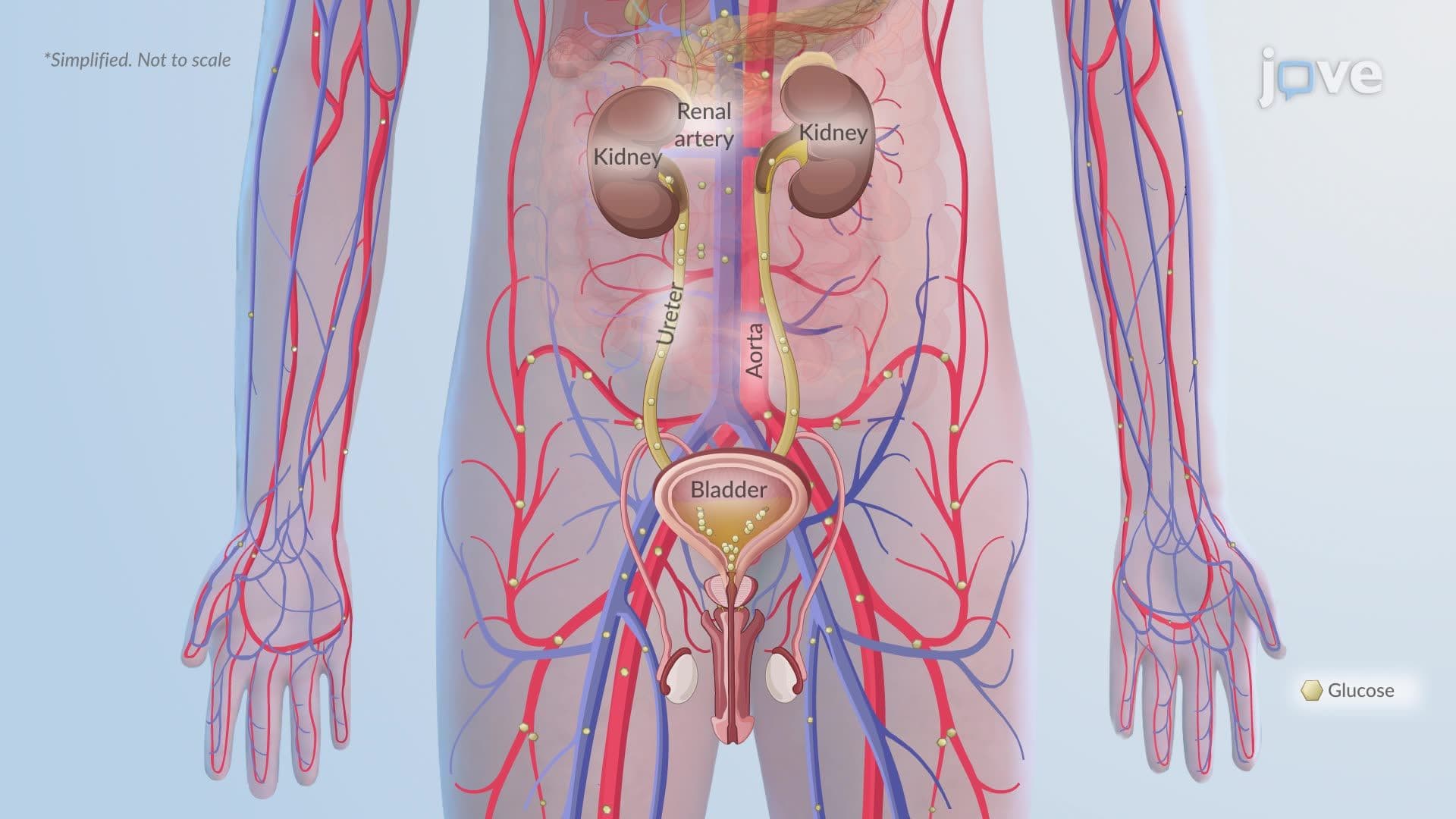
When plasma glucose surpasses approximately 180 mg/dL, it exceeds the kidney's renal reabsorptive threshold, the maximum concentration the proximal tubule can reclaim from the filtrate. Glucose then spills into the urine, a condition called glucosuria. The presence of excess glucose in the renal tubules raises osmotic pressure, pulling water out of the surrounding tissue and into the urine. This is osmotic diuresis: the body loses large volumes of water rapidly, producing the hallmark symptoms of polyuria (excessive urination), dehydration, and polydipsia (intense thirst). These symptoms are classic clinical indicators taught in nursing programs (NCLEX), pre-med curricula, and even high school health science electives across the US.
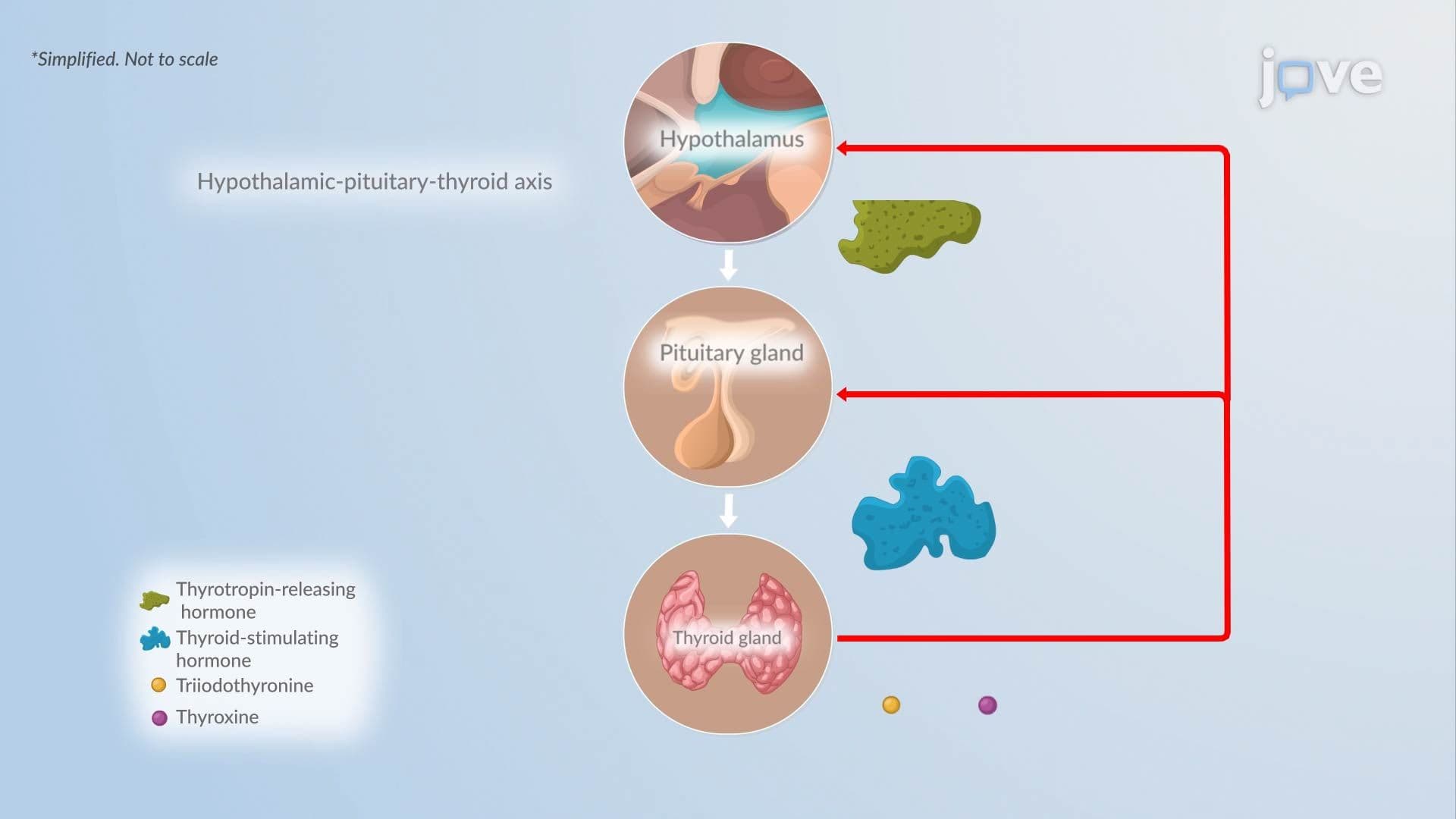
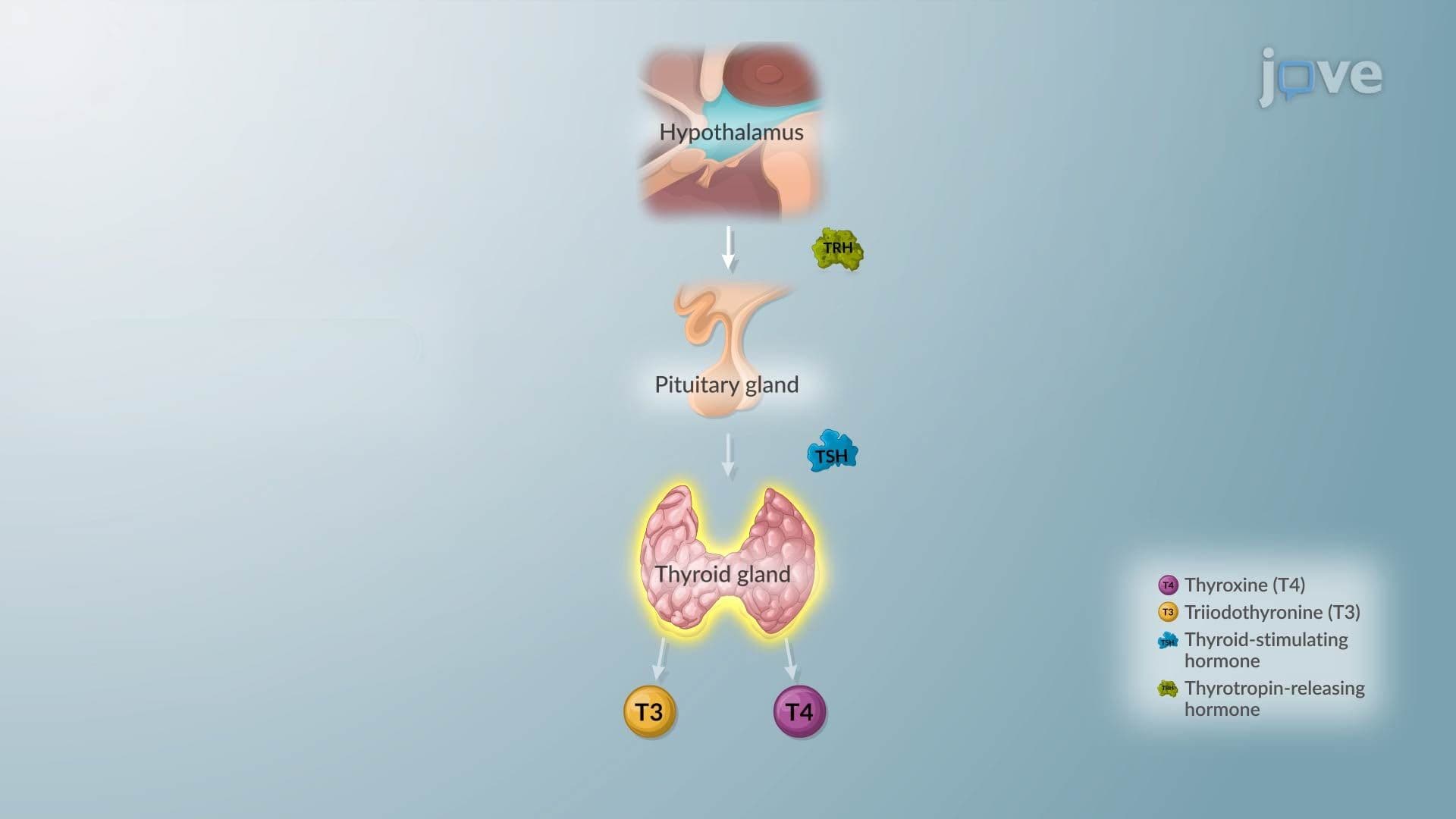
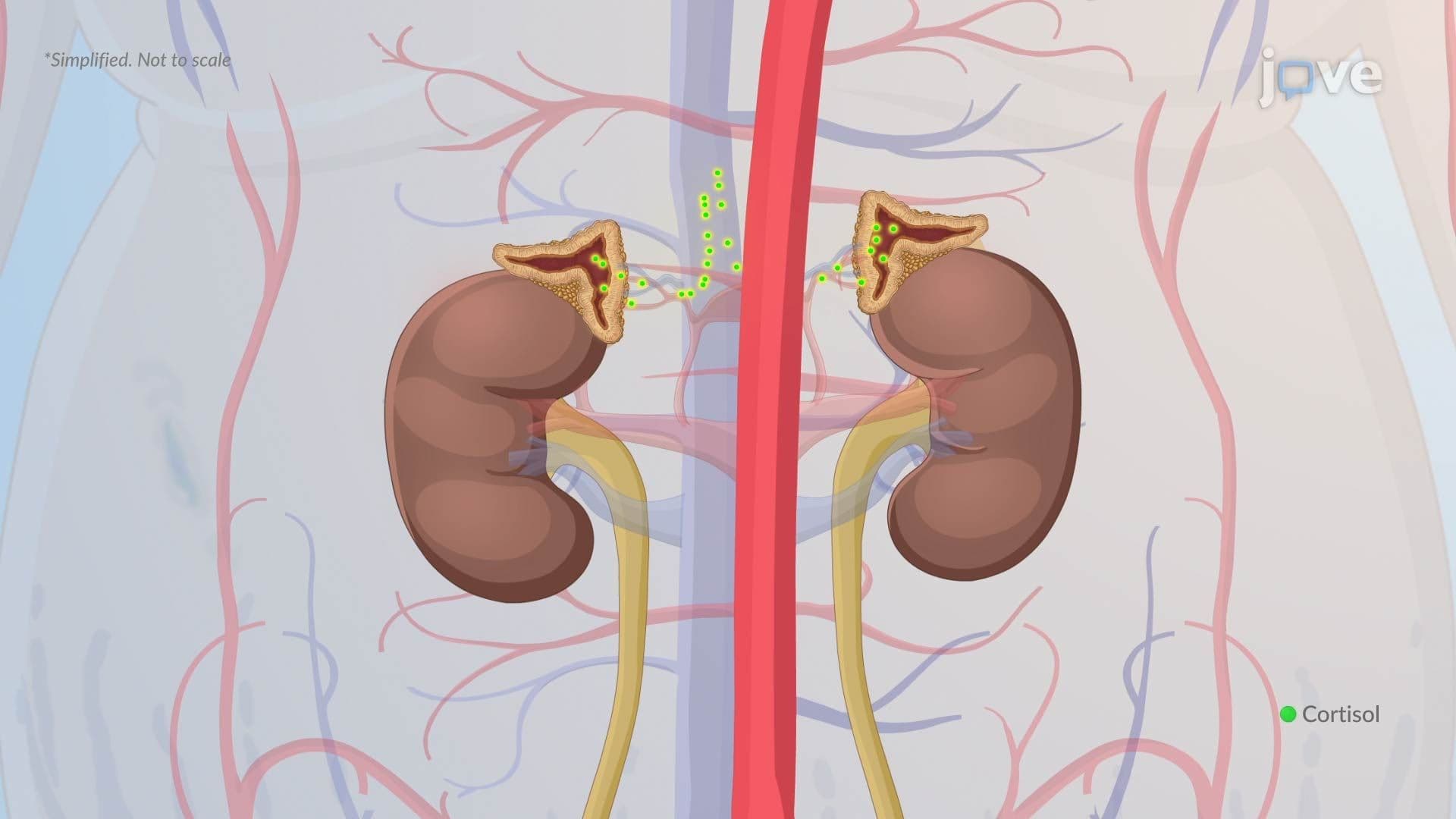
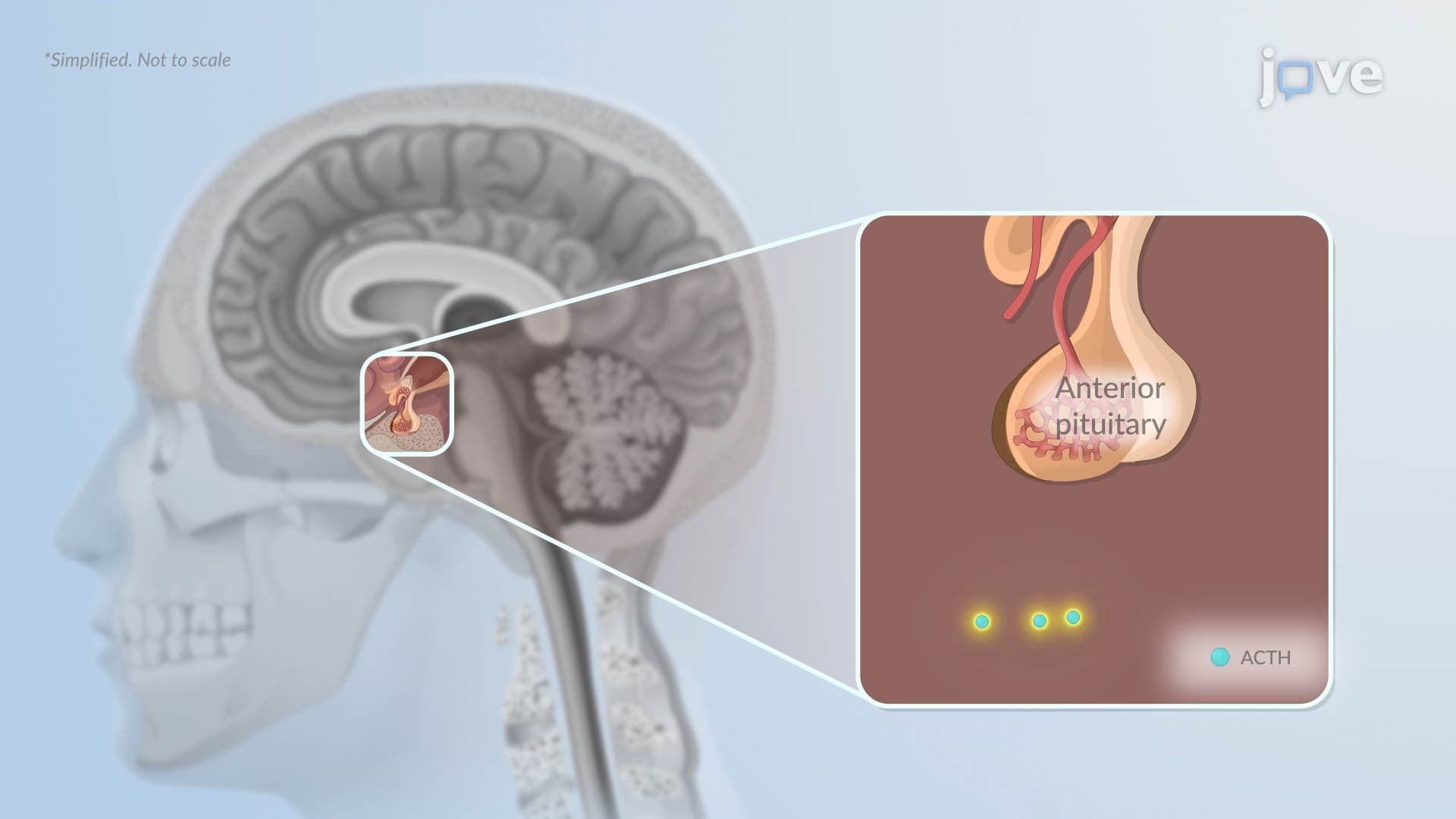
Hyperglycemia does not occur in isolation. Conditions like Cushing's syndrome (excess cortisol), hyperthyroidism, and adrenal insufficiency can all disrupt glucose homeostasis. Corticosteroid medications, widely prescribed in the US for conditions ranging from asthma to autoimmune diseases, are a well-documented pharmacological cause of hyperglycemia because cortisol directly opposes insulin's actions. Understanding these connections helps students answer complex multi-system questions on the MCAT and AP exams, where endocrine disorders are frequently tested in integrated, scenario-based formats.
Related Micro-courses