Loading video…

 35 Concepts
 5.1K views

Video Summary: Types of Stroke
Every 40 seconds, someone in the United States has a stroke, making types of stroke one of the most critical concepts in neuroscience education. Understanding Types of Stroke reveals how a blocked or ruptured blood vessel can silence entire brain regions within minutes. For example, a thrombotic stroke blocking the middle cerebral artery can cause sudden paralysis on one side of the body. Watch the full video on JoVE Coach to master this concept with expert-led visuals and step-by-step explanations.
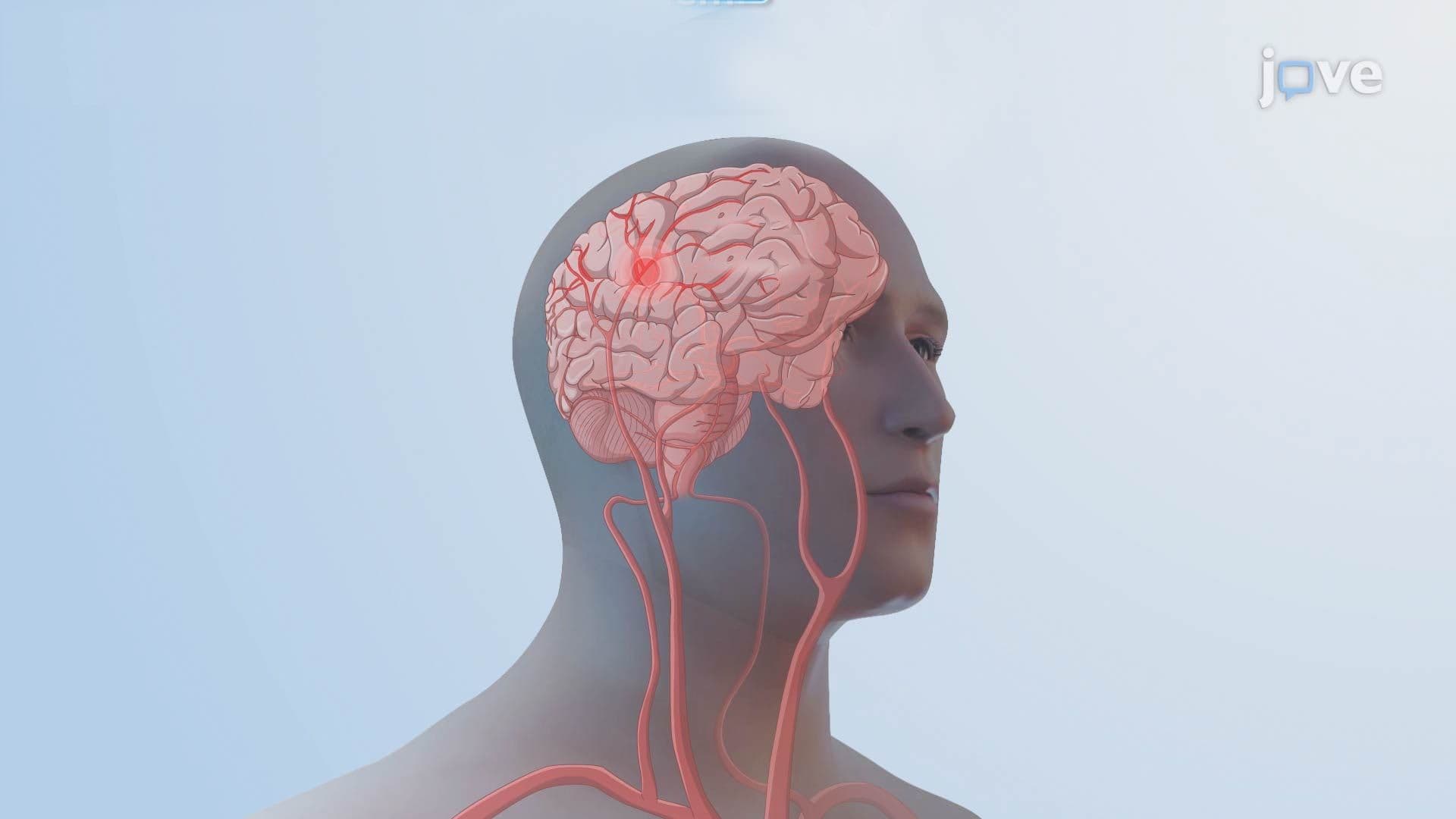
A stroke is not a single event, it is a category of cerebrovascular emergencies defined by one common outcome: brain cells deprived of oxygen begin to die within minutes. Grasping the types of stroke is essential for any student studying anatomy, physiology, or health sciences, and it appears in curriculum frameworks from AP Biology to college-level neuroscience courses. There are two primary classifications: ischemic and hemorrhagic, each with distinct causes, mechanisms, and consequences.
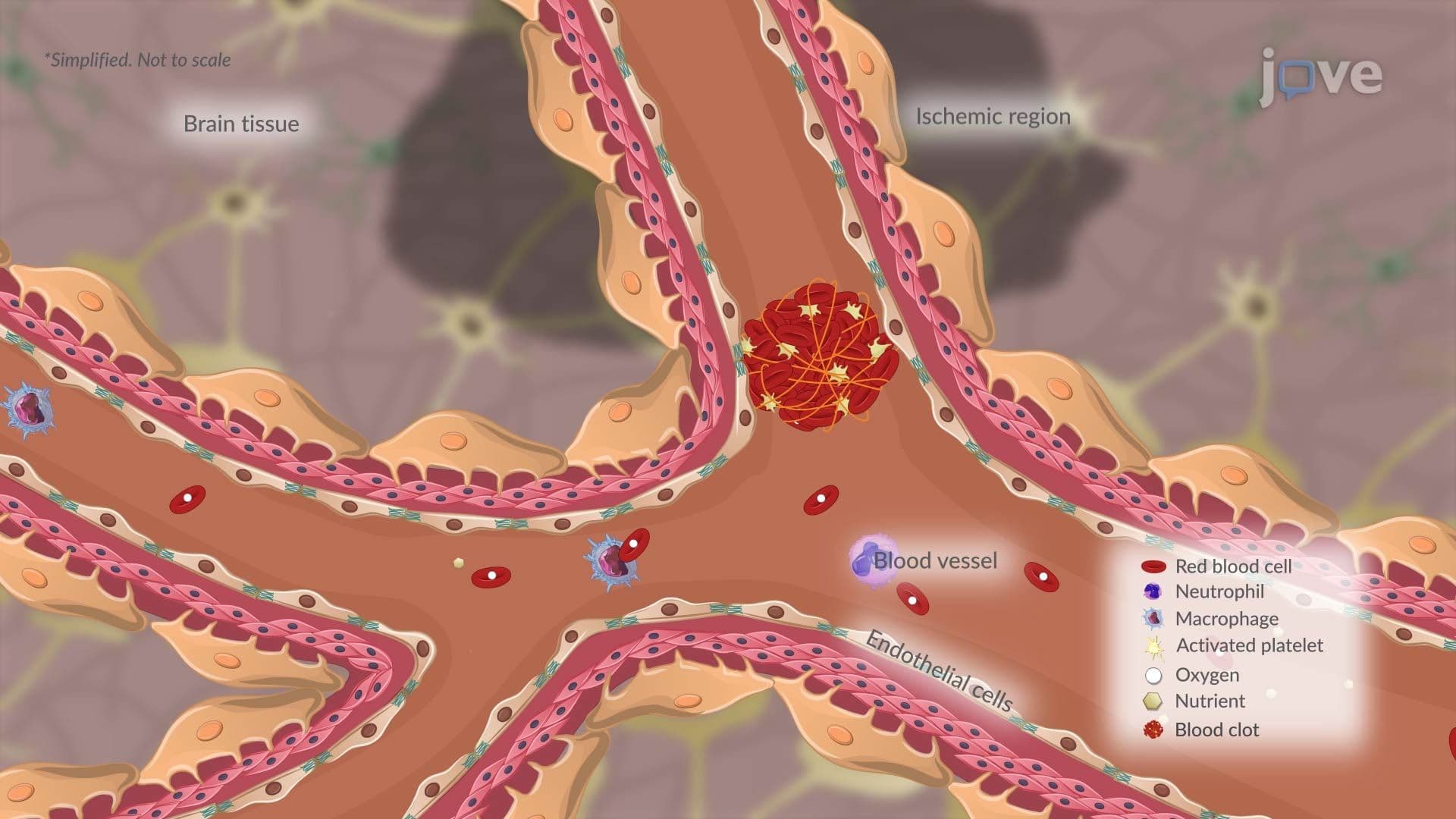
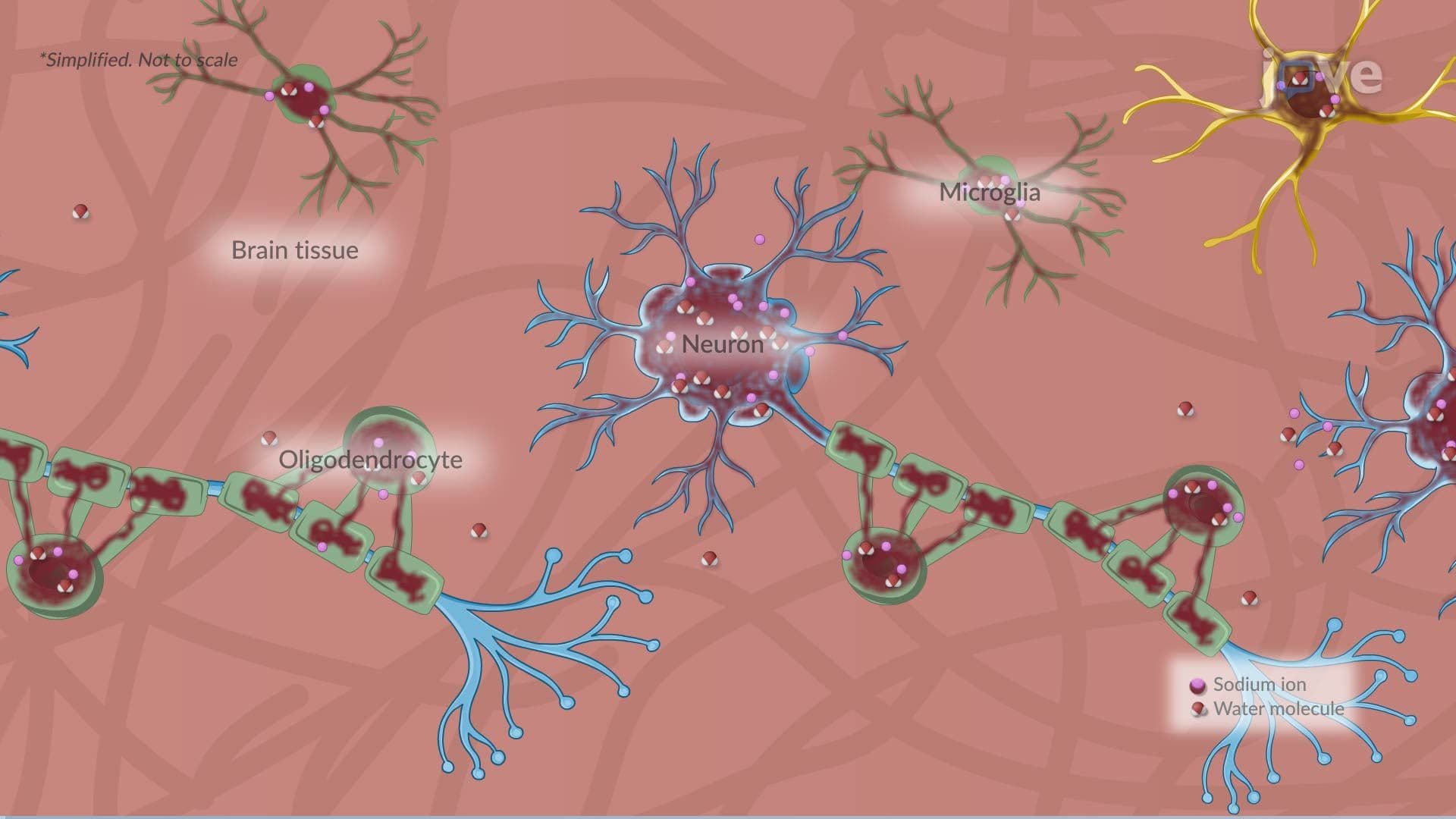
Ischemic strokes account for approximately 87% of all strokes in the United States, making them by far the most common type. They occur when a cerebral artery becomes obstructed, cutting off the delivery of oxygen and glucose to brain tissue, a condition called cerebral ischemia.
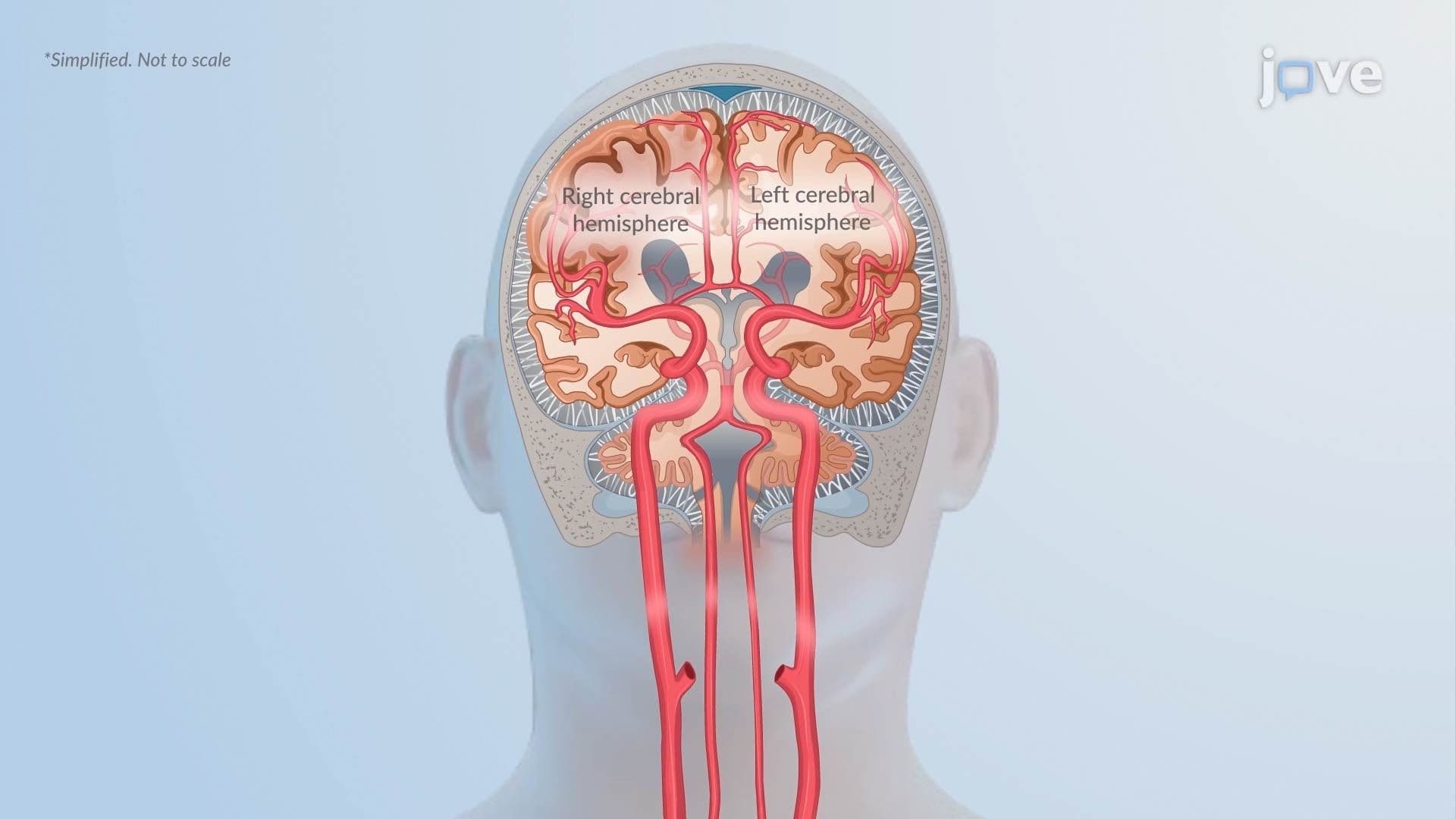
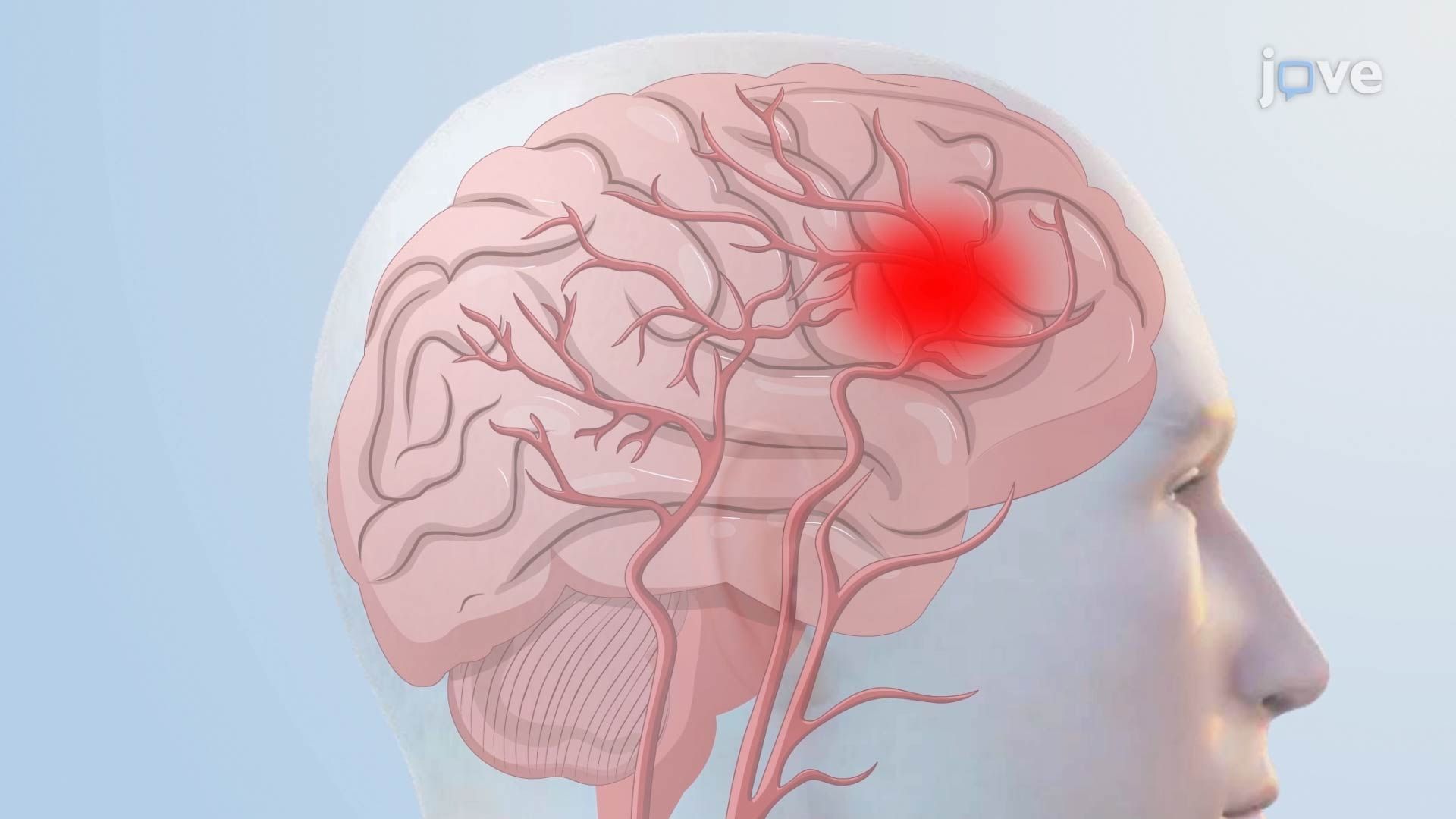
Thrombotic ischemic stroke develops when a clot forms directly inside a cerebral artery, typically at the site of an atherosclerotic plaque. When that plaque ruptures, it exposes the arterial wall to the bloodstream, activating the clotting cascade and forming a thrombus that narrows or completely blocks the vessel. The middle cerebral artery, one of the brain's largest and most clinically significant vessels, is a common site for this type of blockage, often resulting in contralateral weakness, speech deficits, or sensory loss.
Embolic ischemic stroke follows a different path. Here, a clot or debris, frequently originating from the heart in conditions like atrial fibrillation, travels through the bloodstream until it lodges in a smaller cerebral artery. Because embolic strokes often strike without warning and affect multiple brain regions, they tend to produce sudden, severe symptoms.
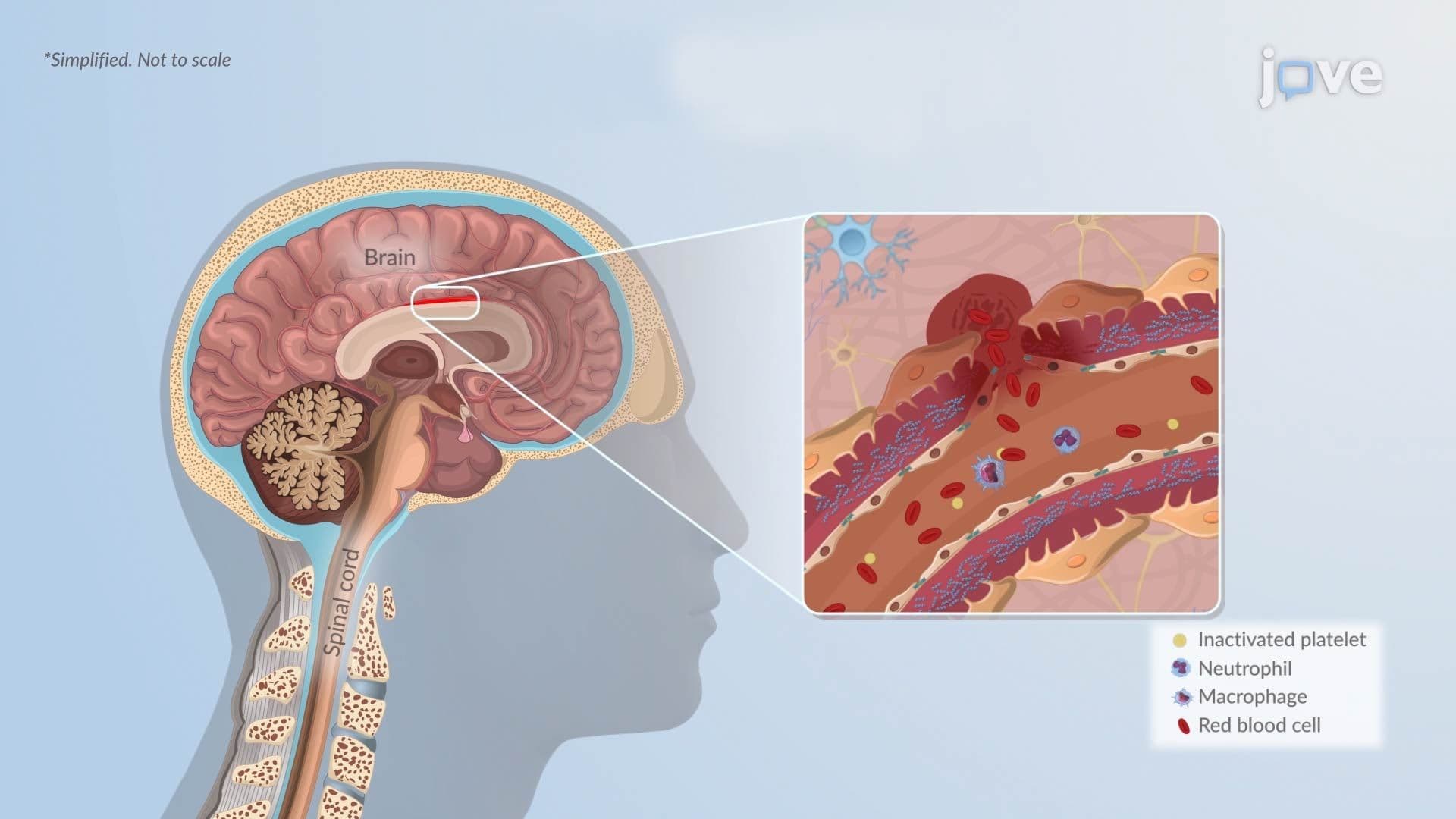
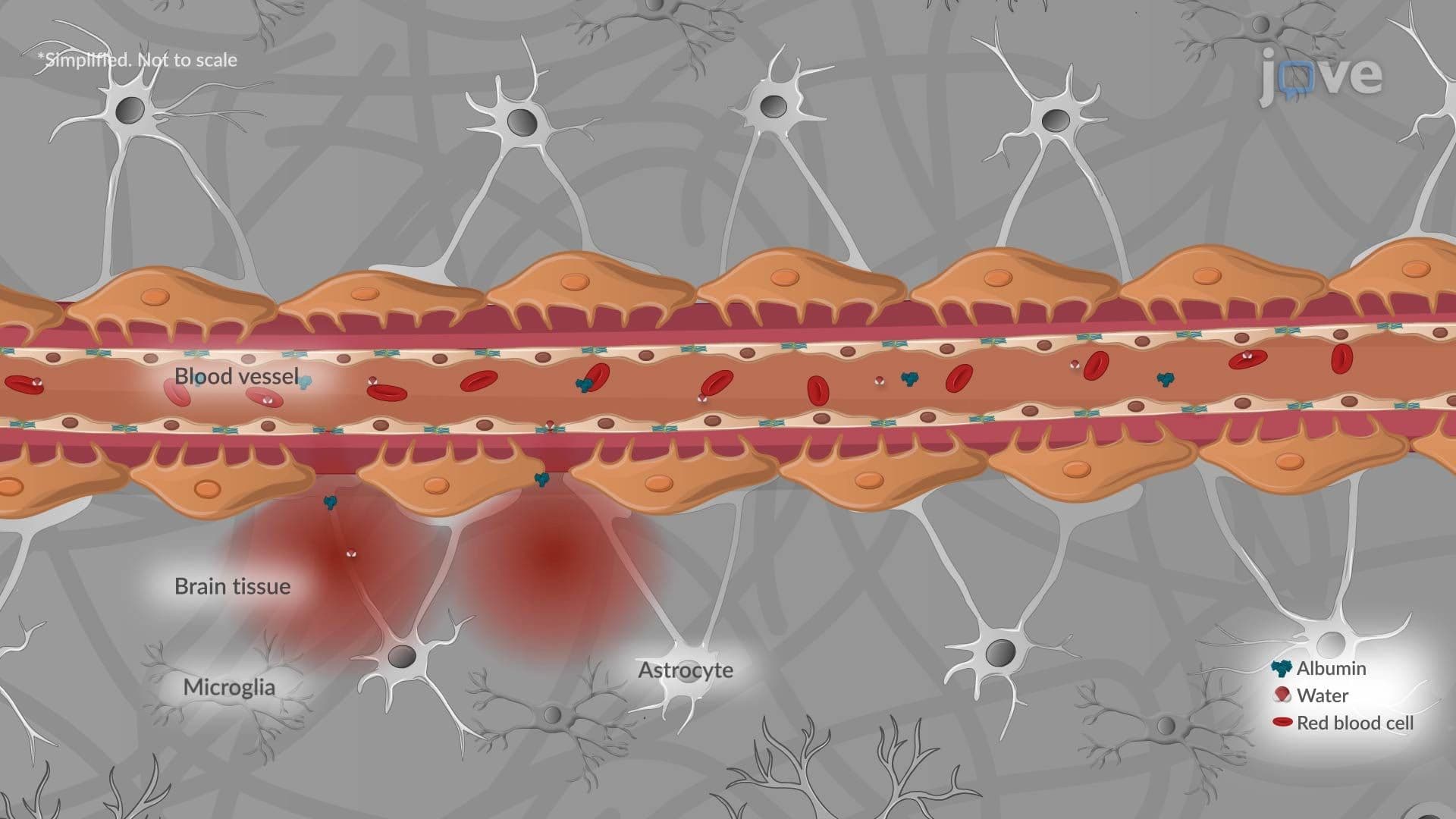
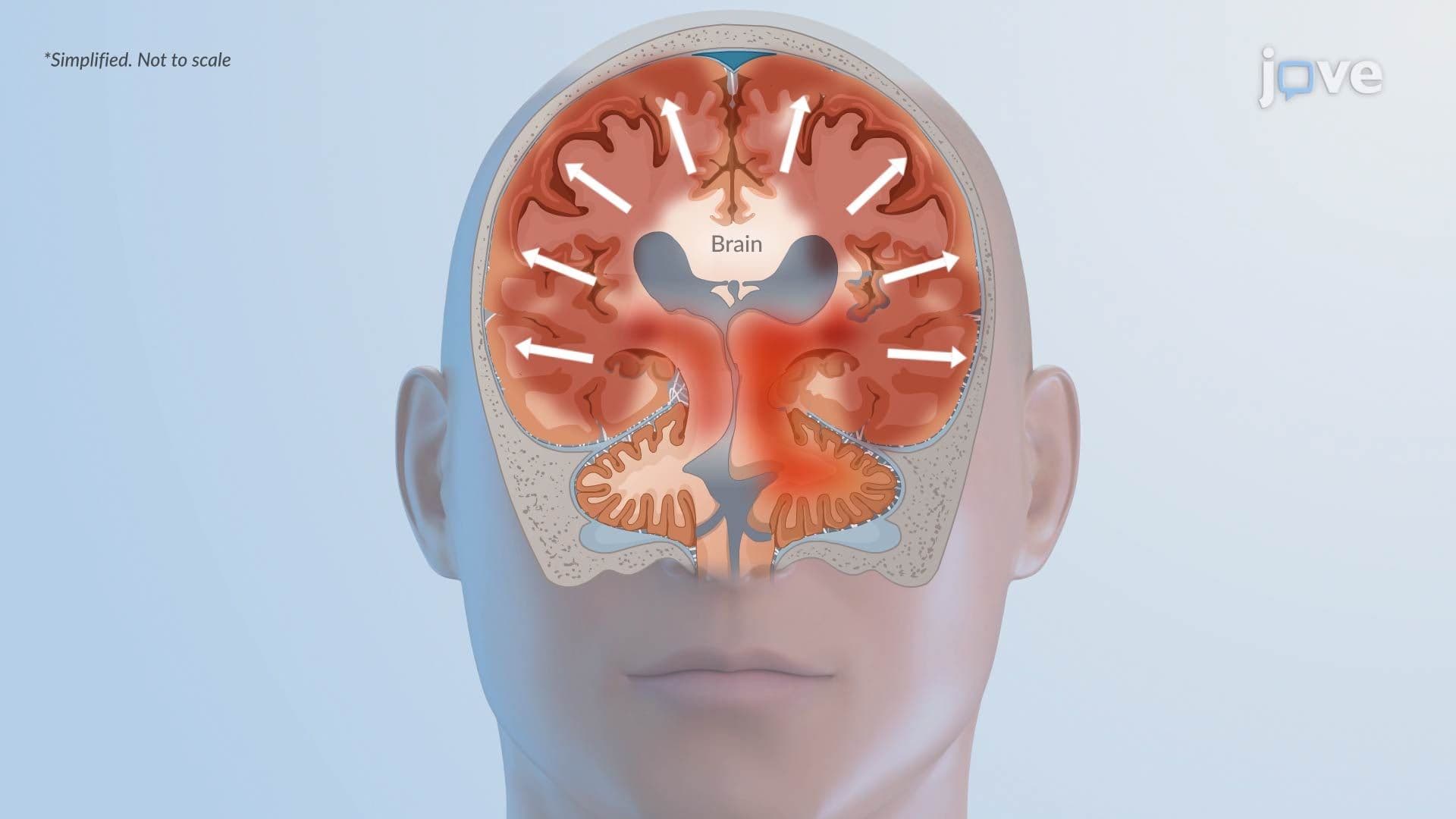
Unlike ischemic strokes, hemorrhagic strokes result from vessel rupture rather than blockage. Bleeding inside or around the brain increases intracranial pressure and directly damages surrounding tissue.
Intracerebral hemorrhage (ICH) occurs when a blood vessel within the brain parenchyma ruptures, often due to chronic, uncontrolled hypertension, a major public health concern in the US, where nearly half of adults have high blood pressure. The resulting hematoma compresses adjacent neurons and can rapidly become life-threatening.
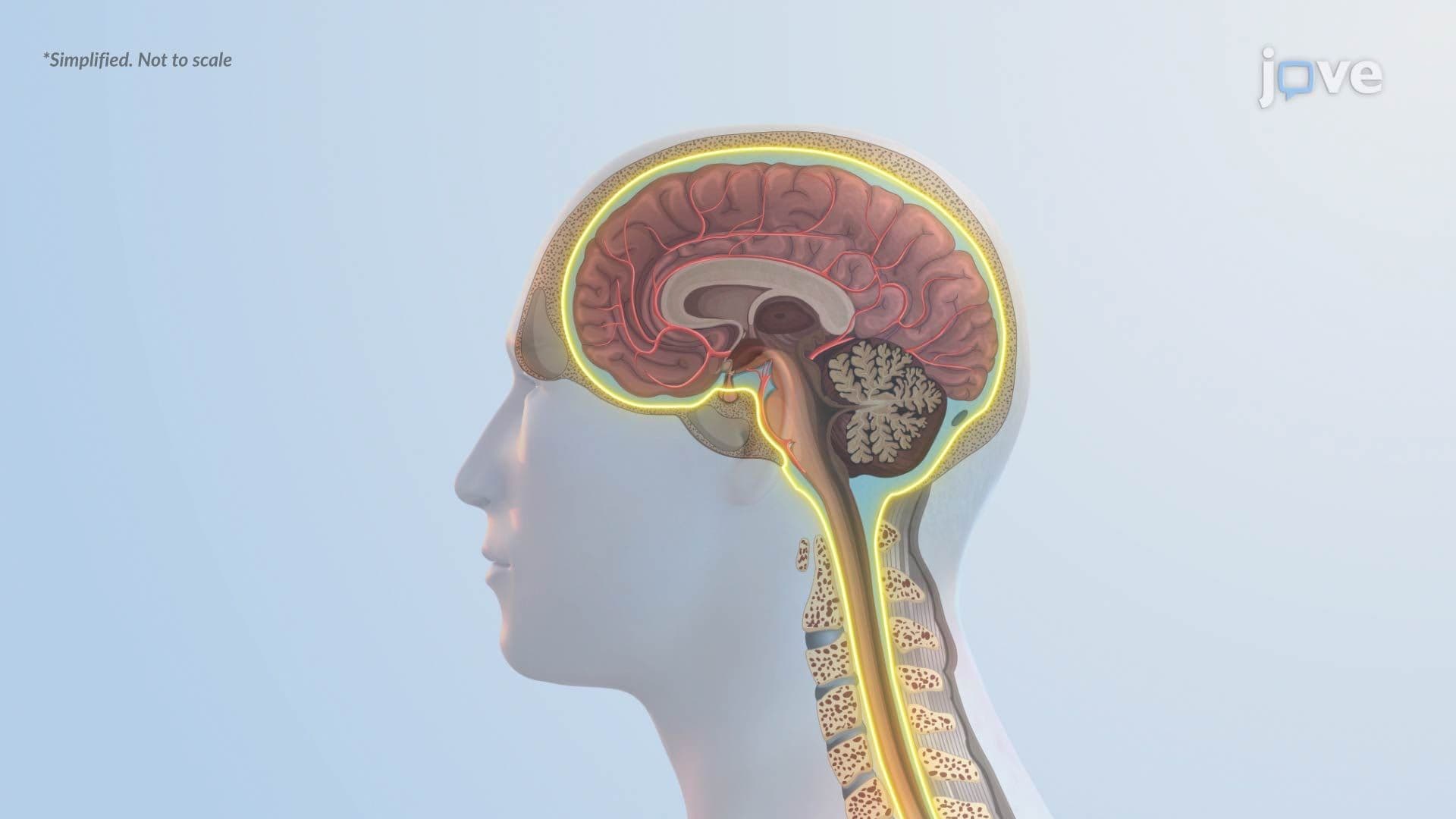
Subarachnoid hemorrhage (SAH) involves bleeding into the subarachnoid space, the fluid-filled region between the brain and its protective membranes. The most common cause is a ruptured cerebral aneurysm. Patients frequently describe the onset as a "thunderclap headache," often cited as the worst headache of their life, a hallmark presentation tested in USMLE and NCLEX prep.
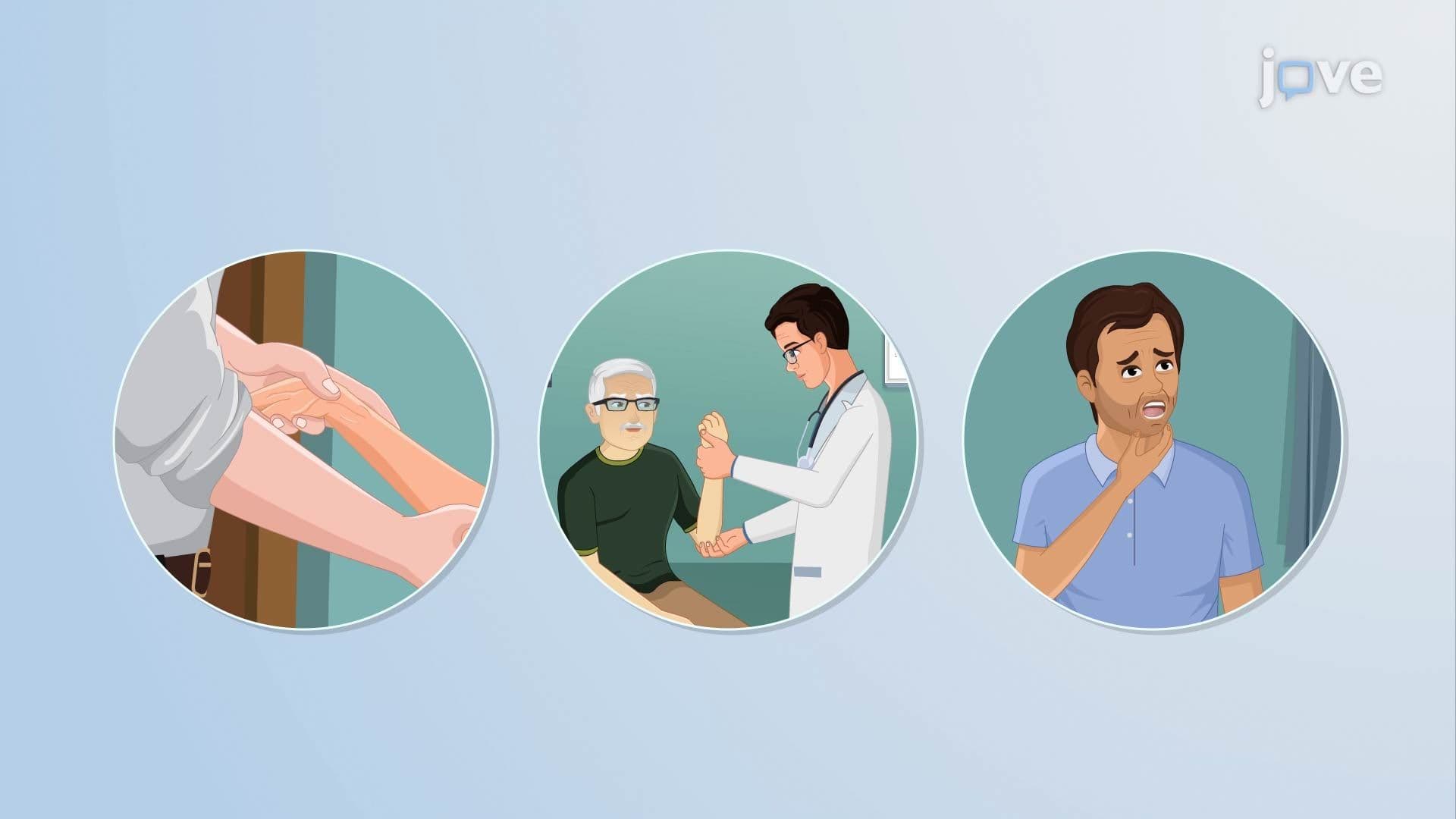
The types of stroke appear across multiple US exam formats. On the MCAT, stroke mechanisms connect to cardiovascular physiology and blood flow concepts. In AP Biology, strokes illustrate the consequences of homeostatic failure in the circulatory and nervous systems. College-level pathophysiology courses frequently use stroke classification as a foundation for understanding broader neurological disorders, including epilepsy, a possible post-stroke complication, and neurodegenerative diseases such as Parkinson's disease, which shares some vascular risk factors. Recognizing the "FAST" warning signs (Face drooping, Arm weakness, Speech difficulty, Time to call 911) remains a universally tested clinical application across nursing, pre-med, and allied health programs nationwide.
Related Micro-courses