Loading video…

 35 Concepts
 5.1K views

Video Summary: Pathophysiology in Bacterial Meningitis Ii
Did you know bacteria can hijack your brain's own immune defenses? The pathophysiology in bacterial meningitis II explains how pathogens like *Neisseria meningitidis* breach the blood-brain barrier, triggering dangerous inflammation that rapidly elevates intracranial pressure. In US emergency rooms, bacterial meningitis remains a life-threatening neurological emergency requiring immediate intervention. Watch the full video on JoVE Coach to master this concept with expert-led visuals and step-by-step explanations.
Bacterial meningitis is one of the most urgent neurological emergencies in clinical medicine. Understanding its pathophysiology, the chain of biological events that transforms a localized infection into a brain-threatening crisis, is essential for students in AP Biology, college-level microbiology, and pre-med courses preparing for the MCAT or USMLE. The process unfolds in a precise, devastating sequence that begins far from the brain itself.
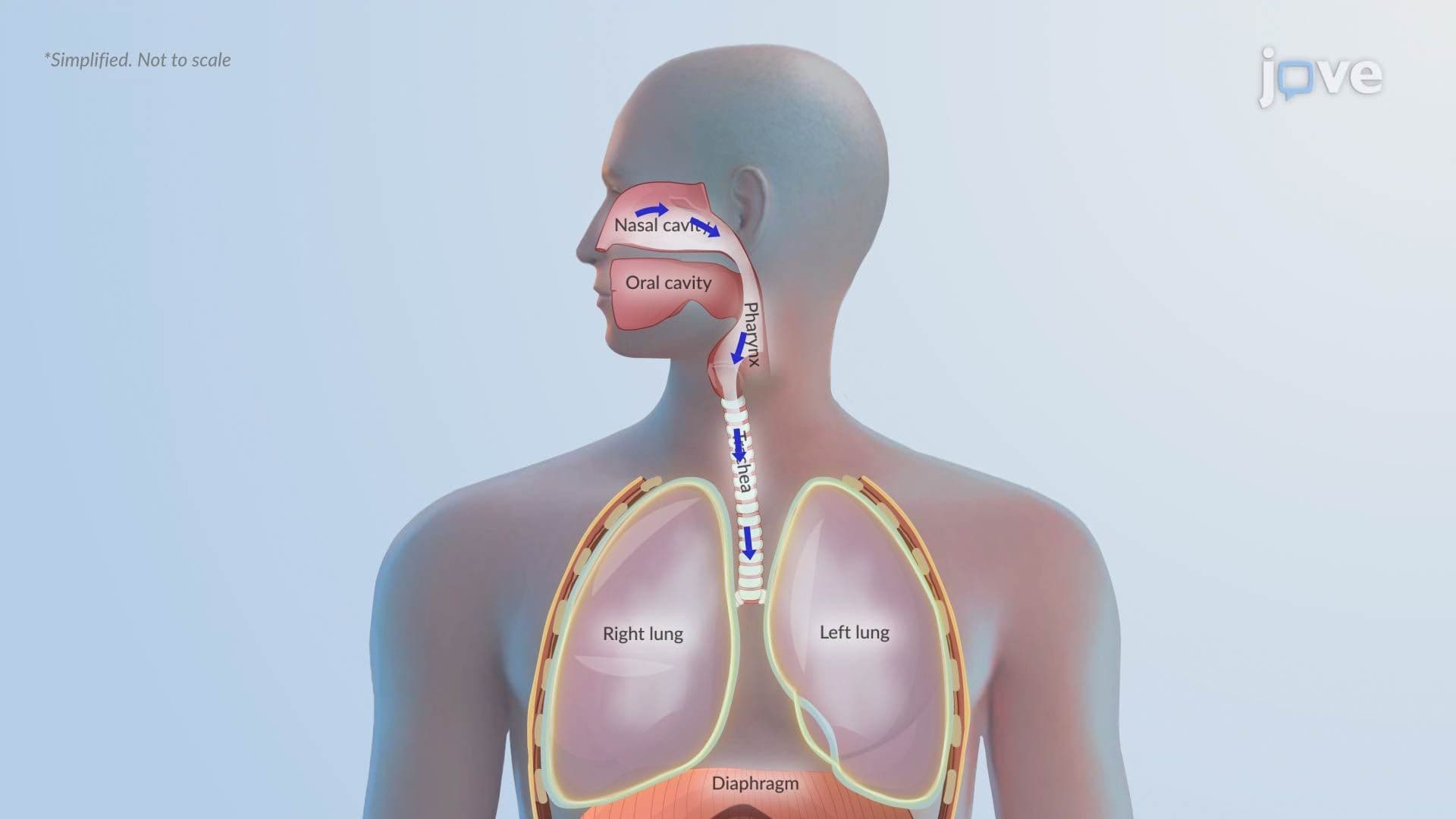
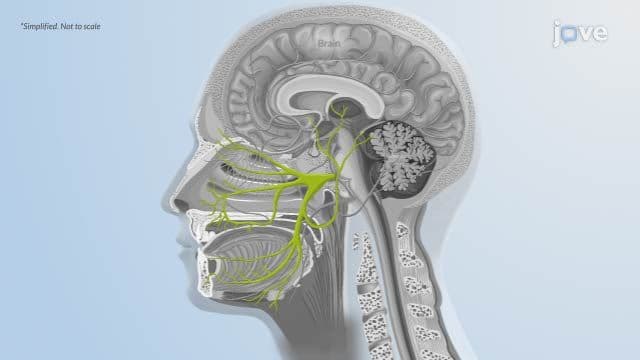
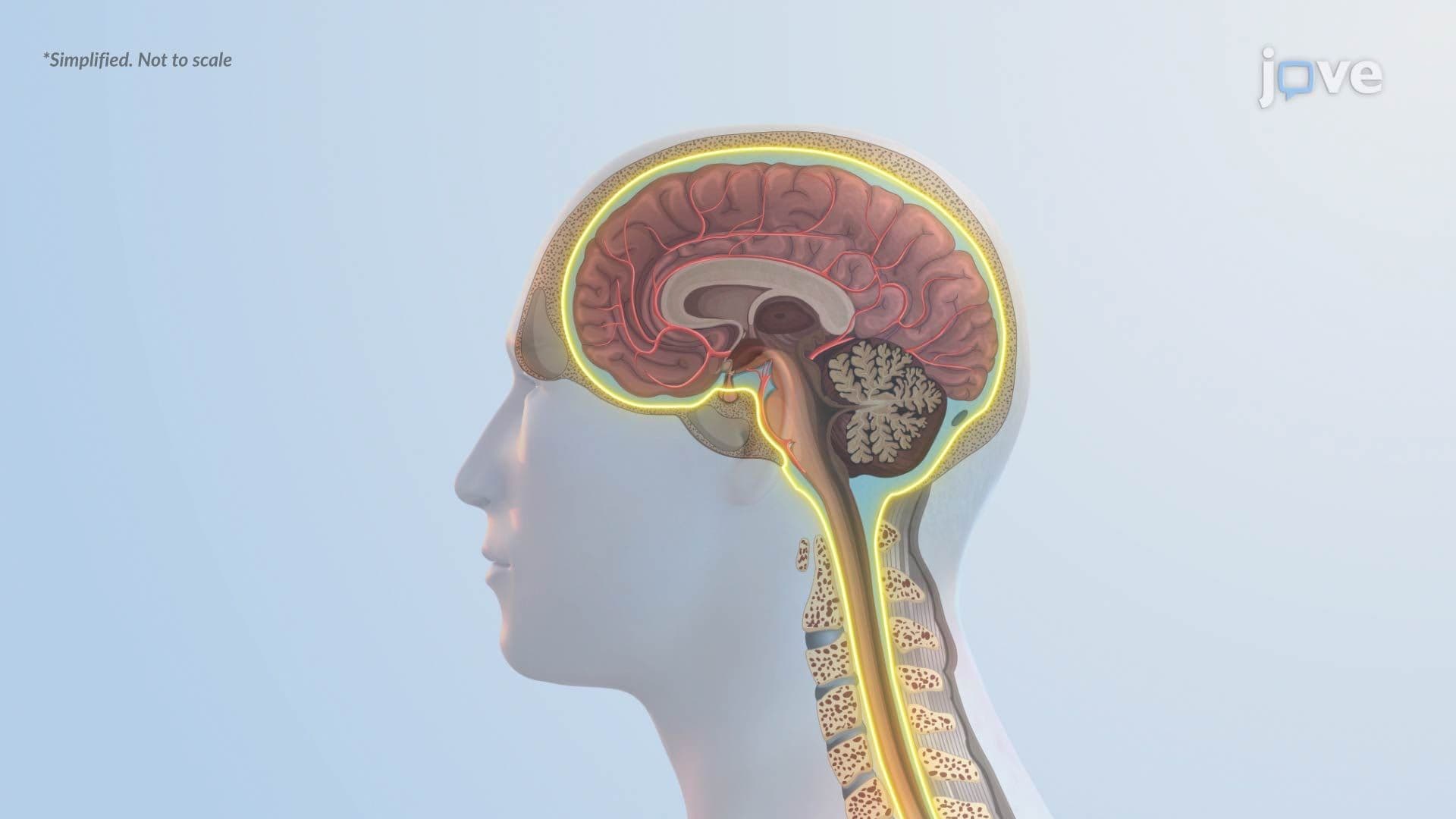
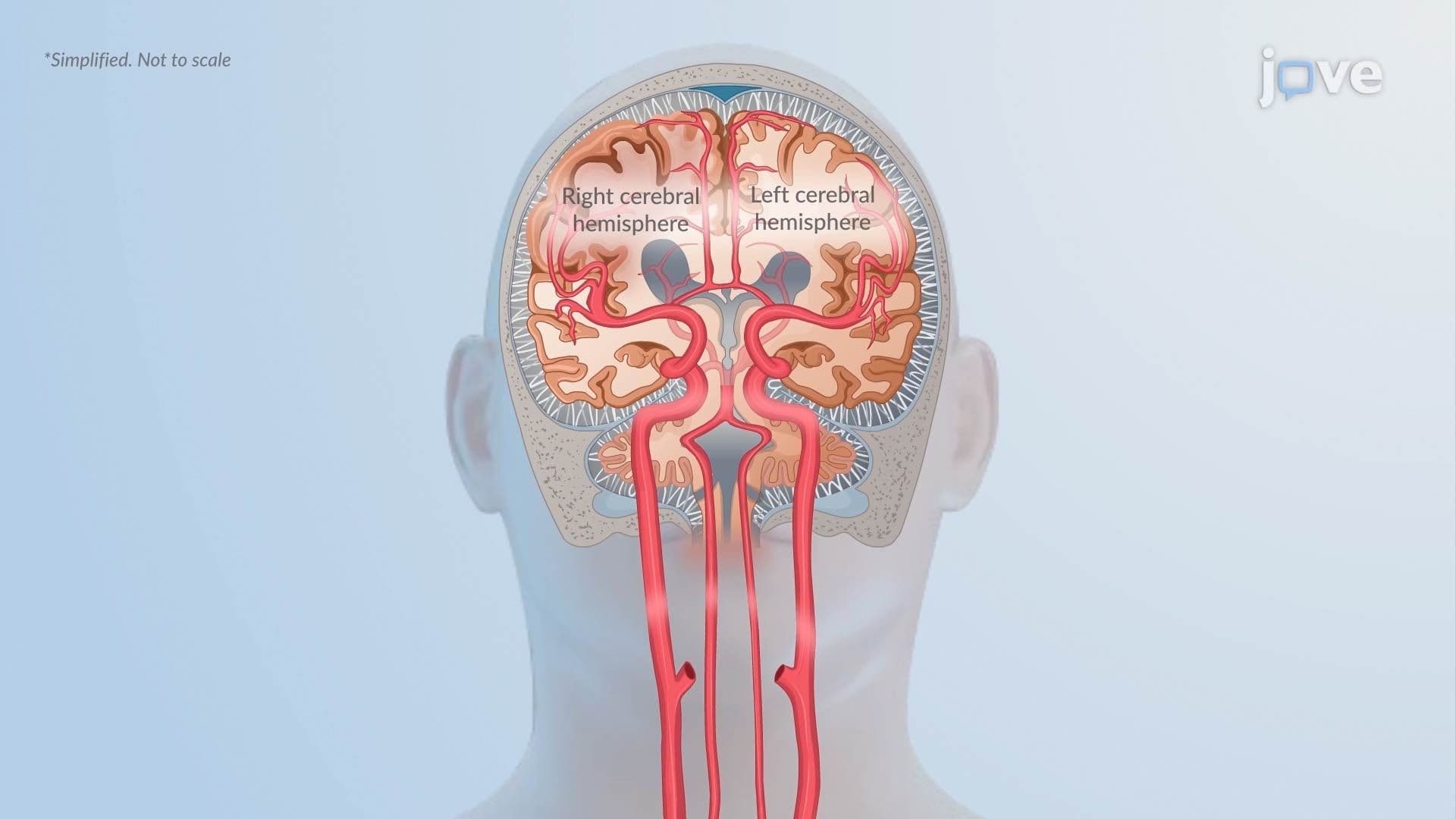
It starts in the nasopharynx. Bacteria like *Neisseria meningitidis*, one of the leading causes of bacterial meningitis in US college dormitories, colonize the upper respiratory tract and, in susceptible individuals, breach mucosal defenses and enter the bloodstream. This bacteremia allows pathogens to travel to cerebral blood vessels, where they face the brain's most formidable defense: the blood-brain barrier (BBB). Bacteria exploit two key entry points, the vascular endothelium and the choroid plexus, to reach the subarachnoid space, the fluid-filled region surrounding the brain and spinal cord.
Once inside the subarachnoid space, bacteria encounter an immune environment with limited initial surveillance, allowing rapid multiplication. The brain's resident immune cells, microglia and astrocytes, activate and release proinflammatory cytokines such as TNF-α, IL-1β, and IL-6. These cytokines upregulate adhesion molecules on endothelial cells, signaling neutrophils to flood into the cerebrospinal fluid (CSF). While neutrophil recruitment is meant to fight infection, this massive inflammatory surge ironically becomes a primary driver of brain injury. This is a counterintuitive concept frequently tested in college immunology and MCAT biological sciences sections.
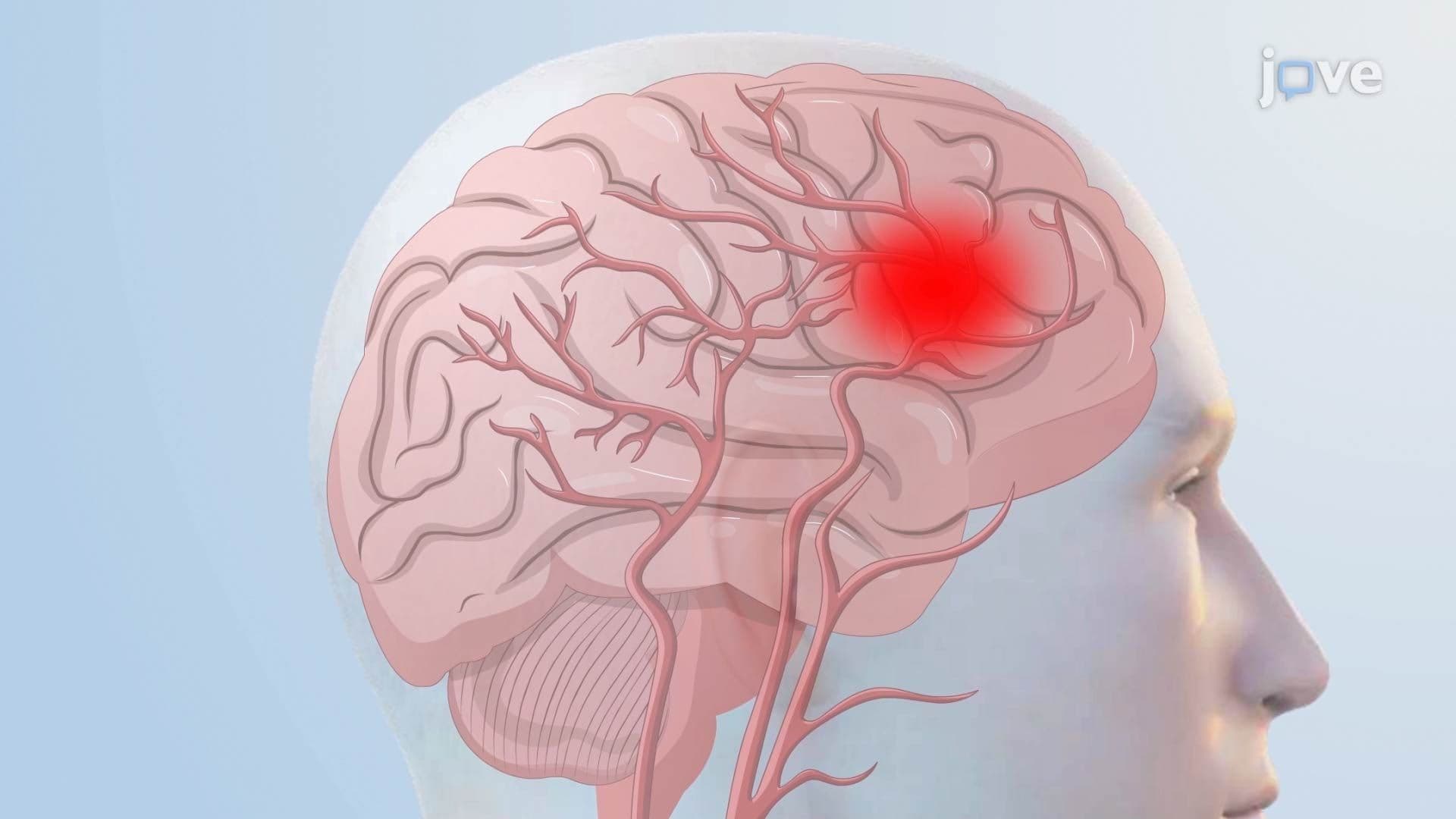
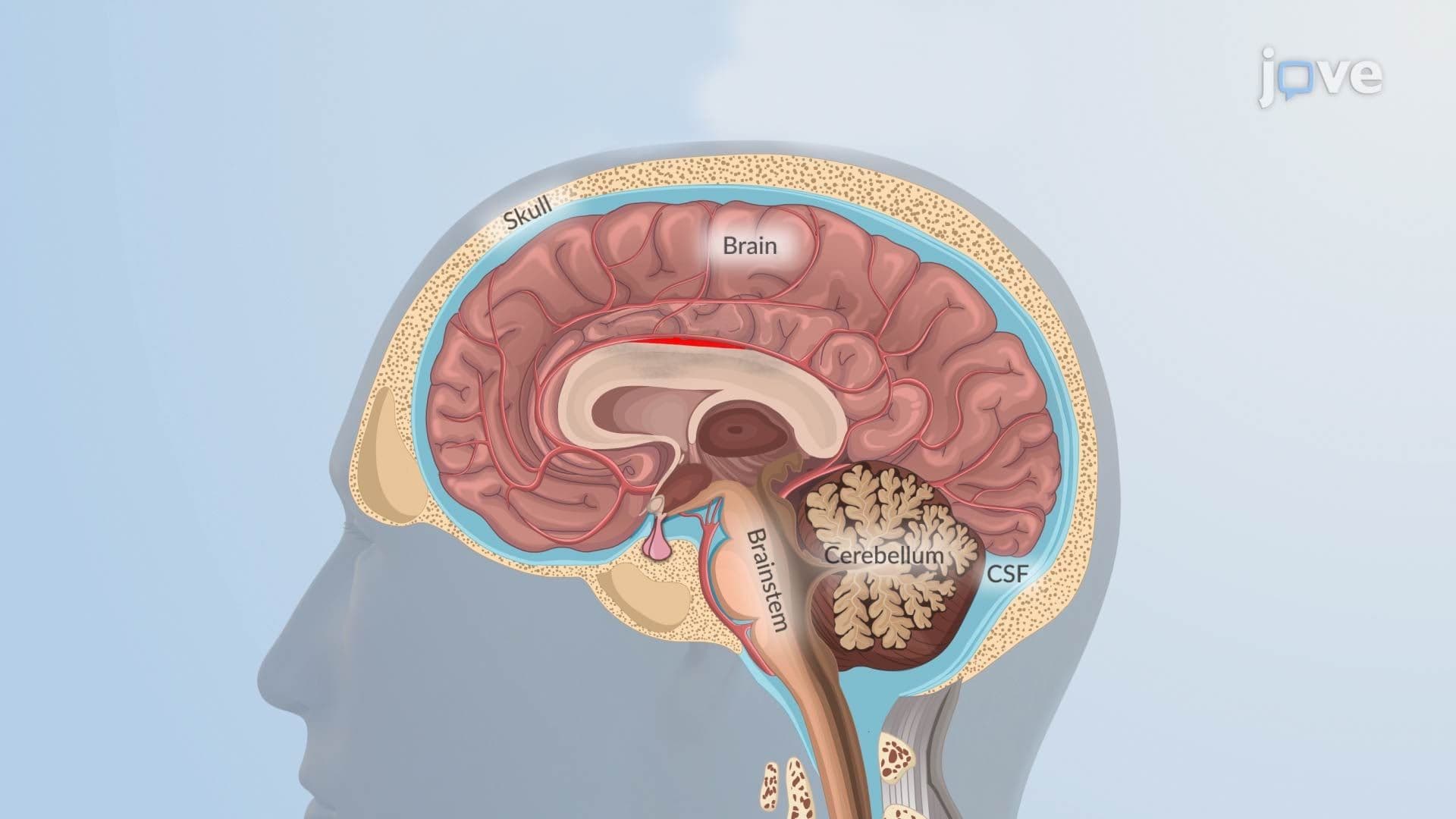
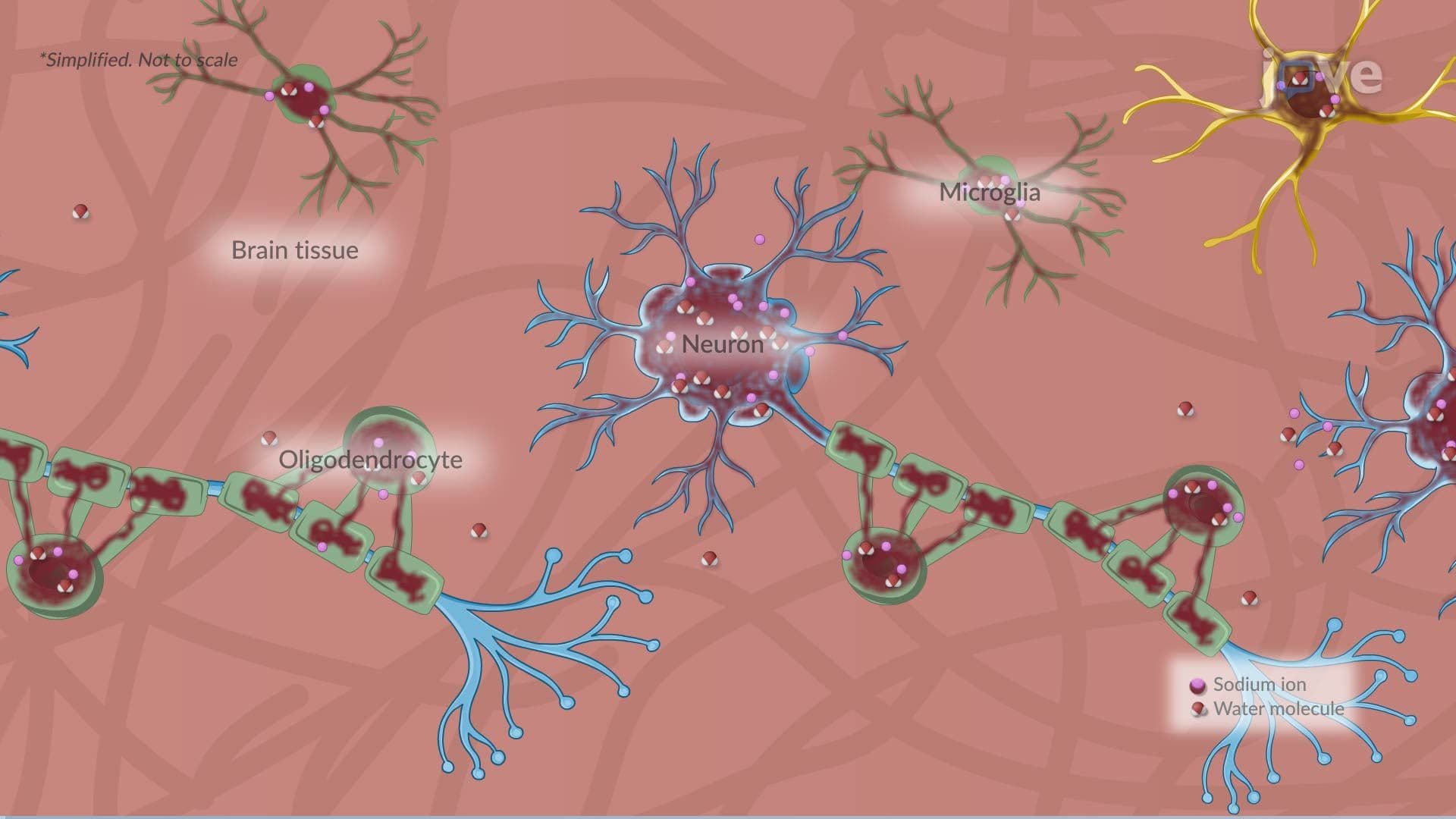
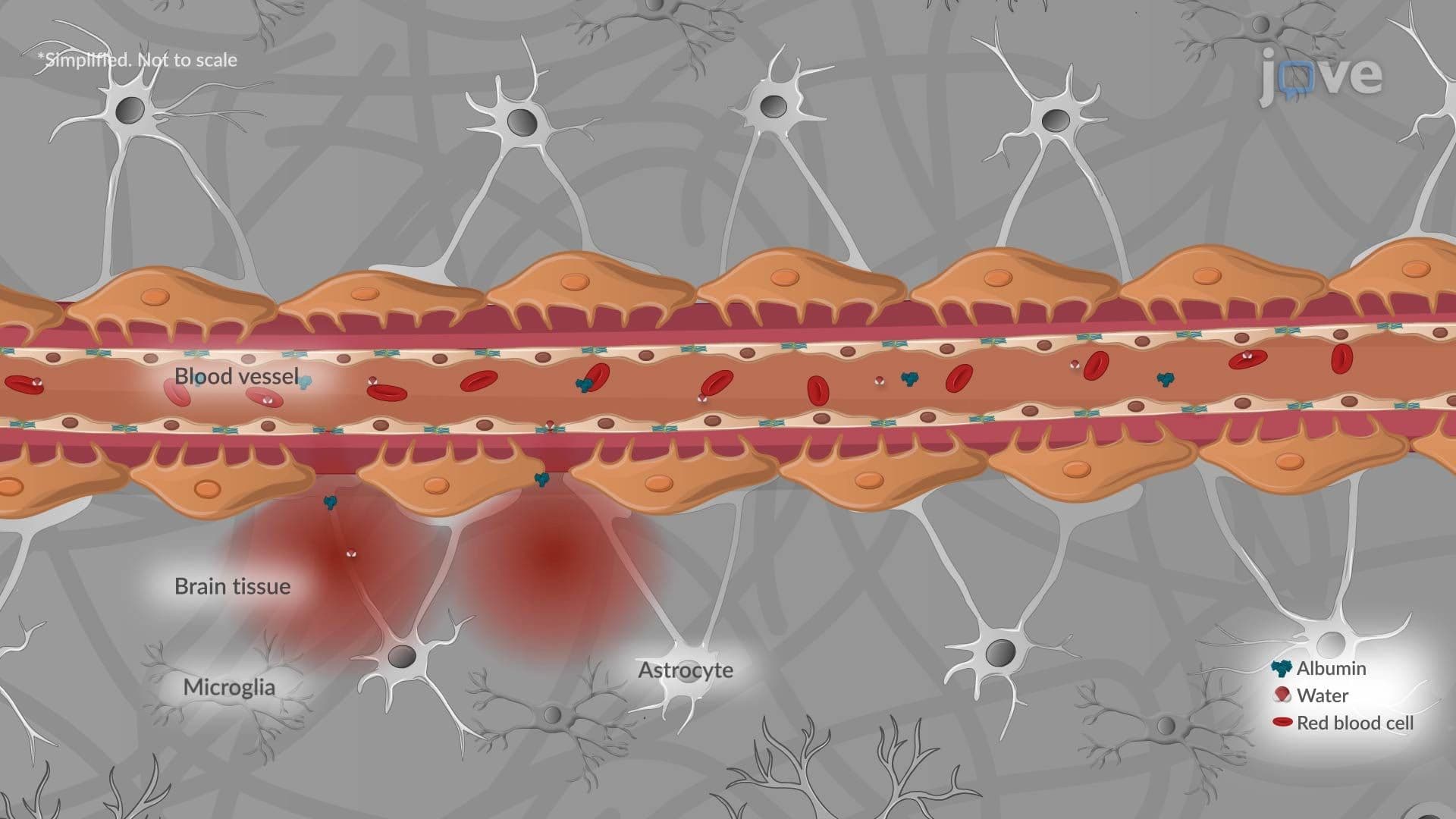
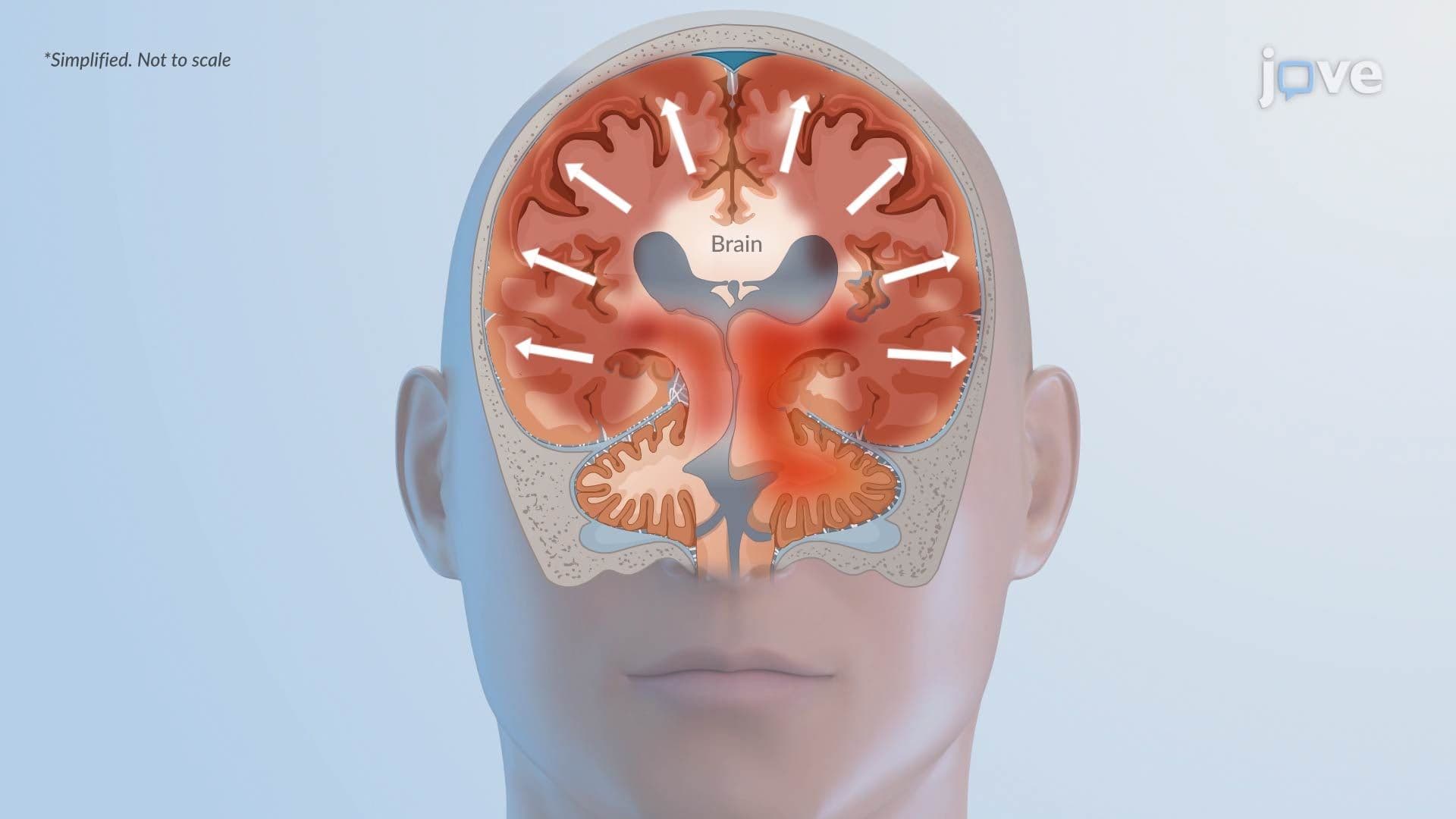
The cytokine storm physically disrupts the blood-brain barrier, creating two dangerous types of brain swelling. Vasogenic edema occurs when barrier breakdown allows plasma proteins and fluid to leak into brain tissue. Cytotoxic edema occurs when neurons and glial cells swell due to cellular metabolic failure. Both forms raise intracranial pressure (ICP), which compresses brain tissue and critically reduces cerebral perfusion pressure, the driving force that delivers oxygenated blood to neurons. In US pediatric intensive care units, managing ICP is a central challenge in treating severe bacterial meningitis cases.
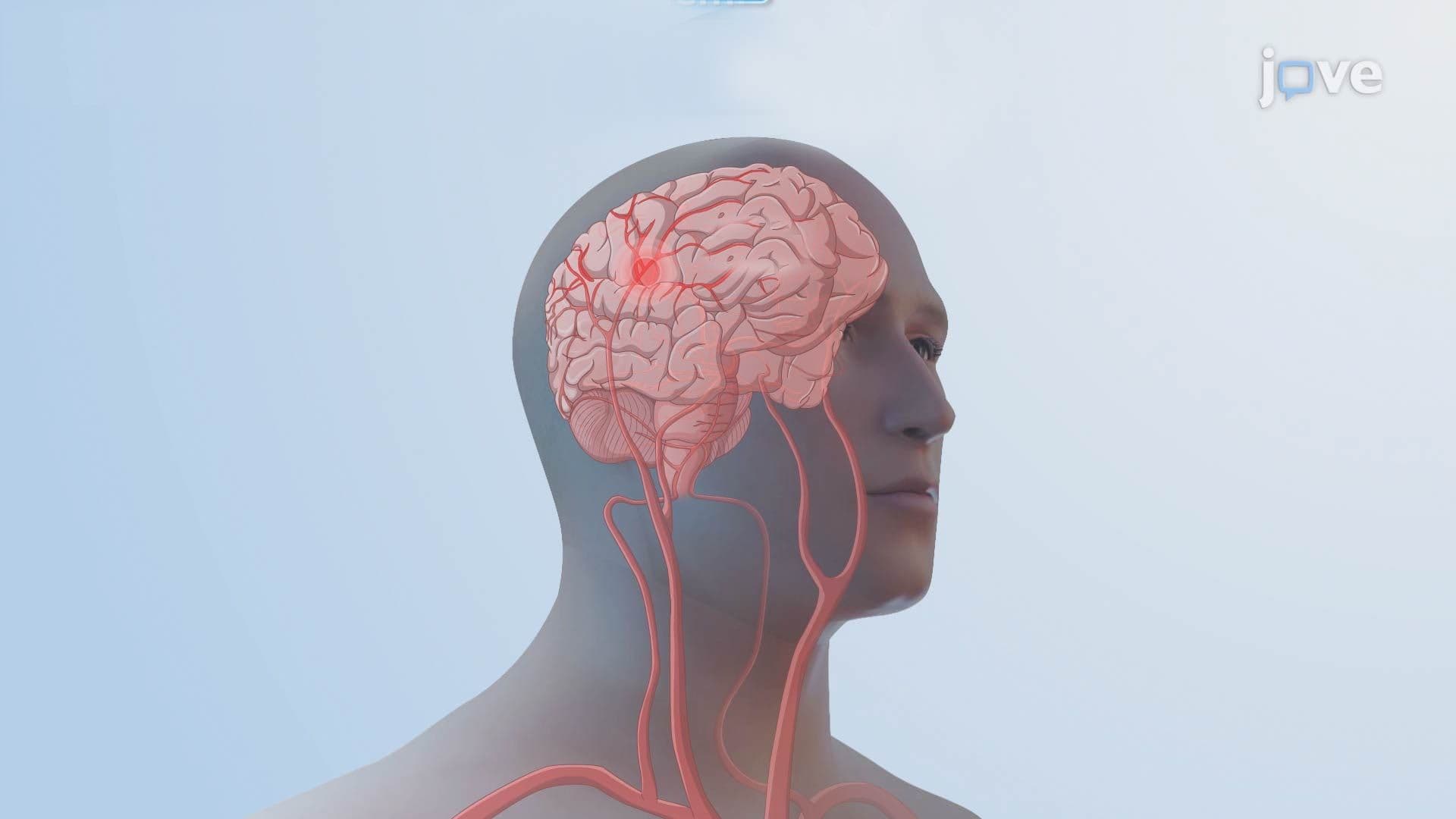
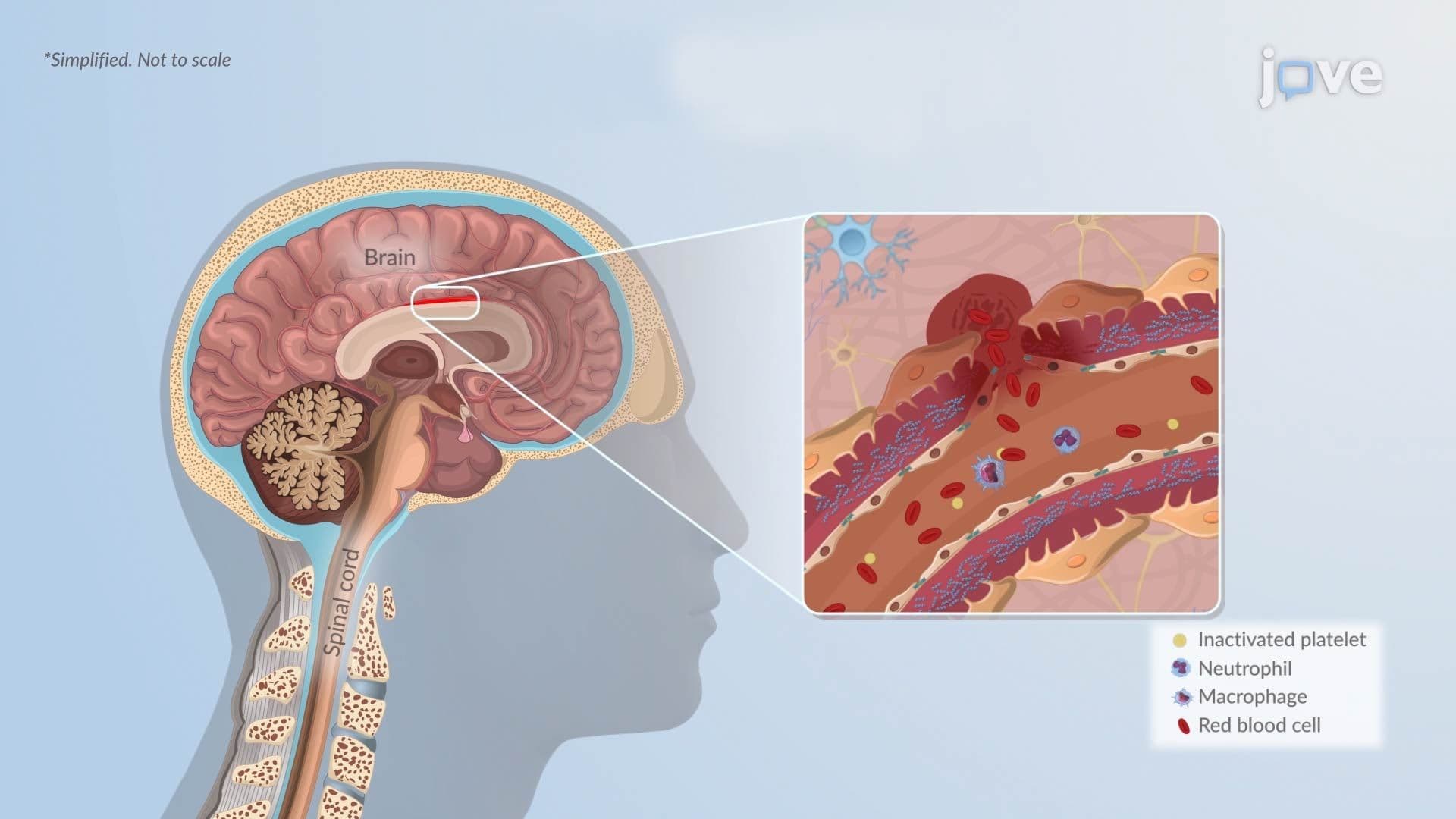
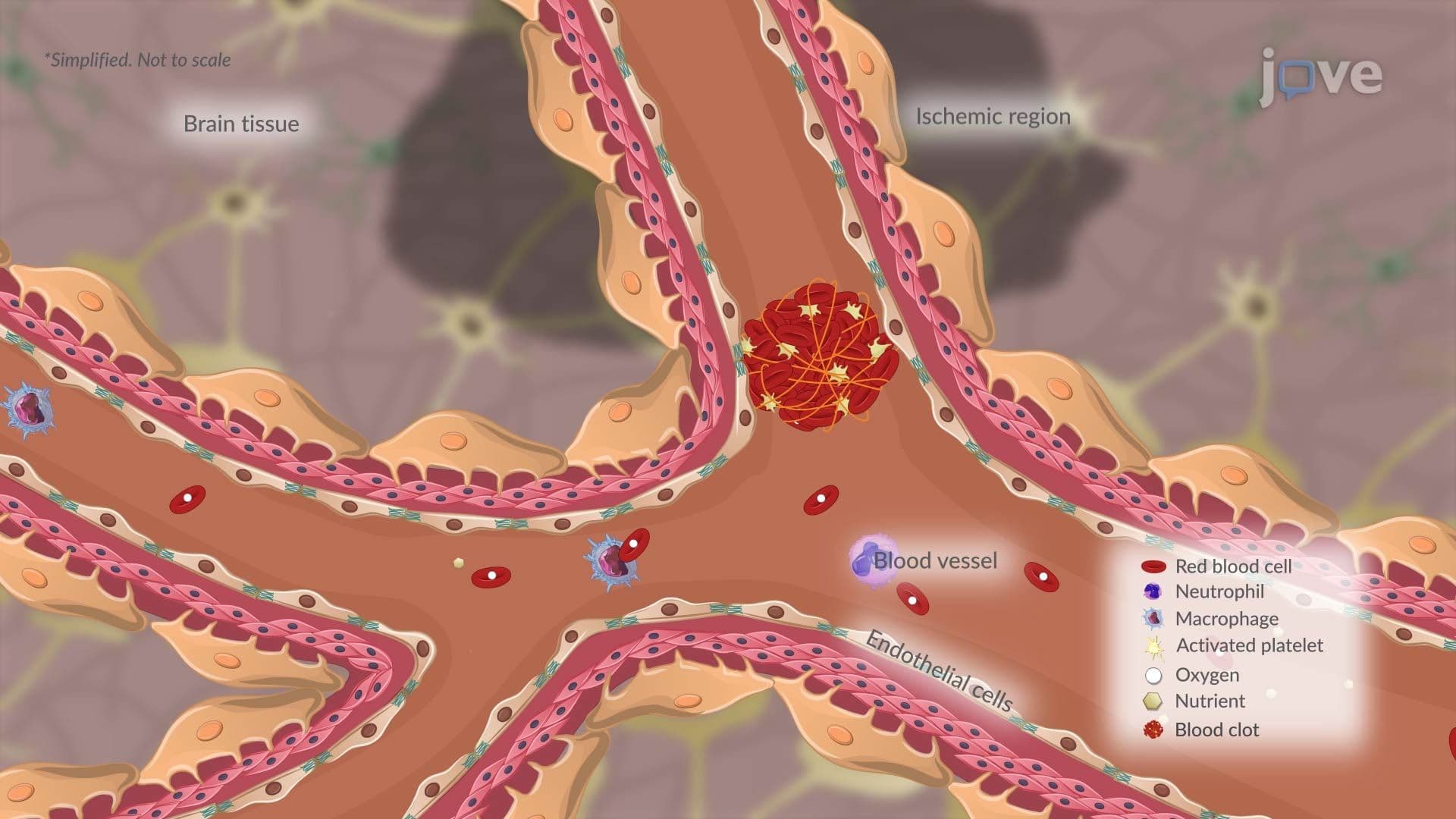
Beyond edema, the inflammatory environment activates endothelial cells and promotes neutrophil-mediated vascular injury, which can cause microthrombi, tiny blood clots, to form within cerebral vessels. These microthrombi reduce cerebral blood flow, creating ischemic zones where neurons are starved of oxygen and glucose. This mechanism draws a direct clinical parallel to stroke, explaining why some meningitis survivors experience focal neurological deficits. Understanding this vascular component also connects bacterial meningitis to broader discussions of neurodegenerative diseases and conditions like epilepsy, where chronic neuronal injury plays a central role. For students in AP Biology or undergraduate neuroscience, recognizing these mechanistic links strengthens conceptual understanding across multiple topics.
Related Micro-courses