Loading video…

 35 Concepts
 5.1K views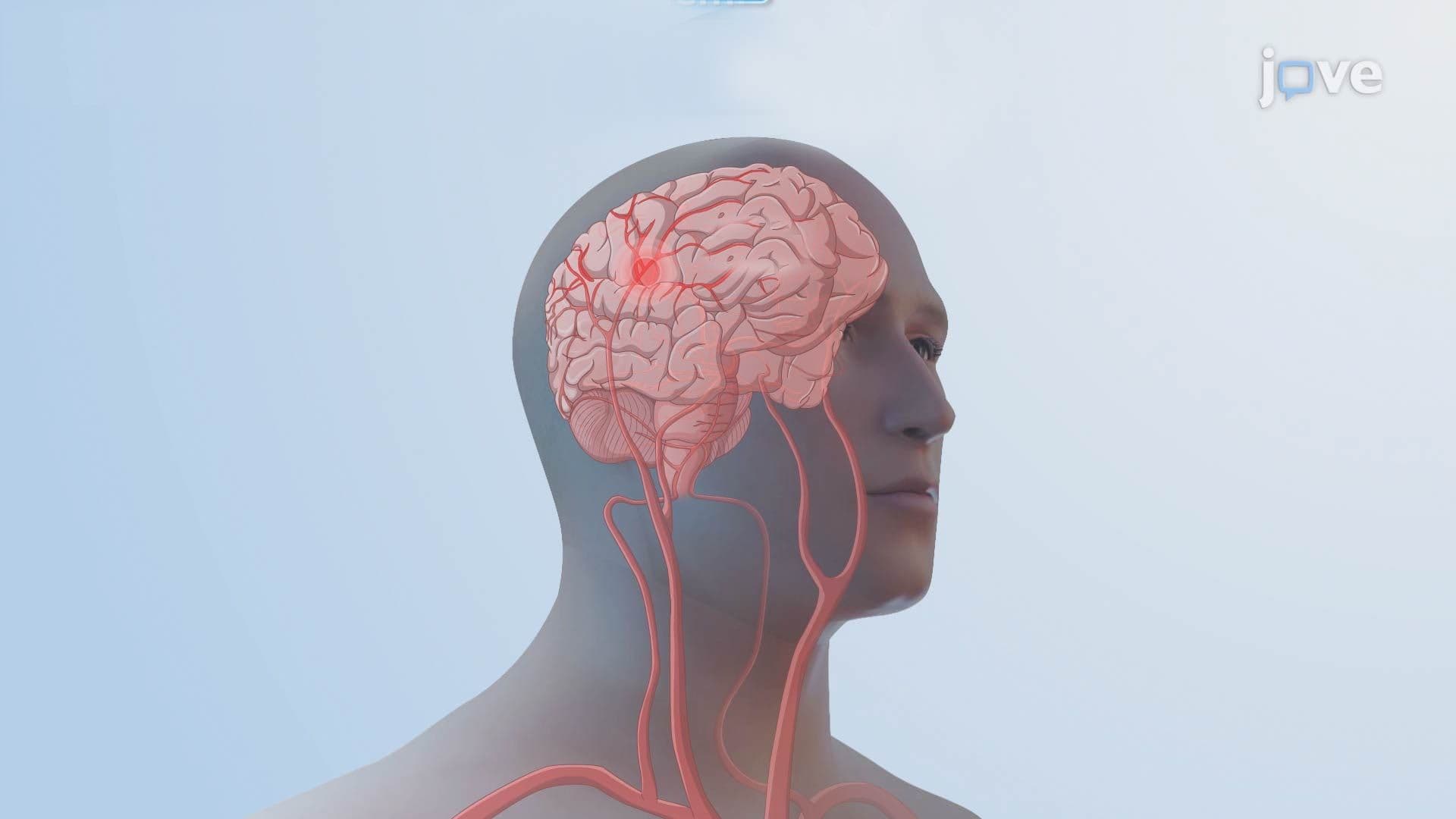

Video Summary: What Is Ischemic Stroke L
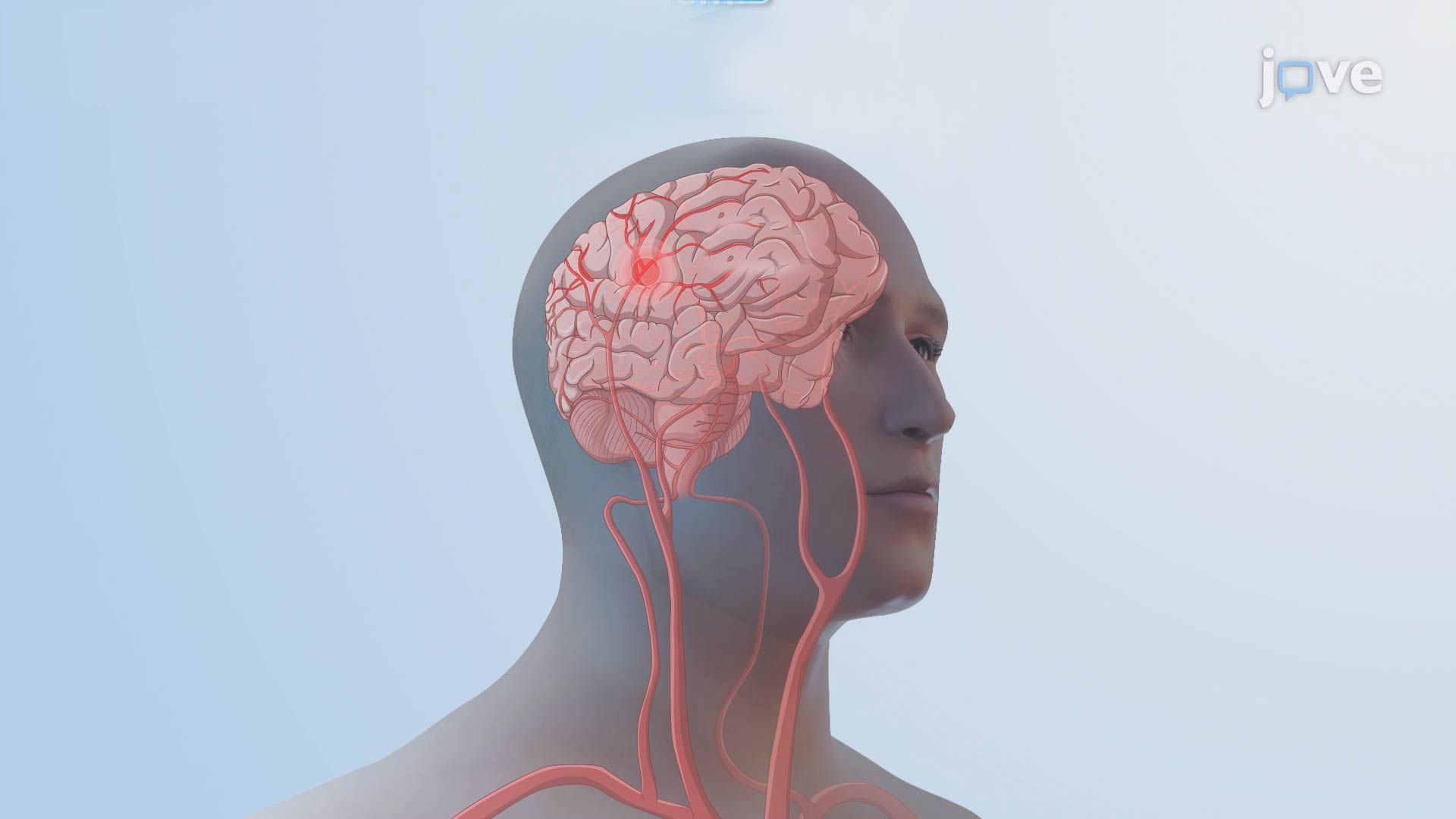
Every 40 seconds, someone in the United States has a stroke, and most of them are ischemic. Ischemic stroke basics reveal a frightening truth: a simple blockage in a brain artery can permanently destroy tissue within minutes. From clogged carotid arteries in aging Americans to blood clots traveling from a fibrillating heart, this concept explains how and why brain cells die. Watch the full video on JoVE Coach to master this concept with expert-led visuals and step-by-step explanations.
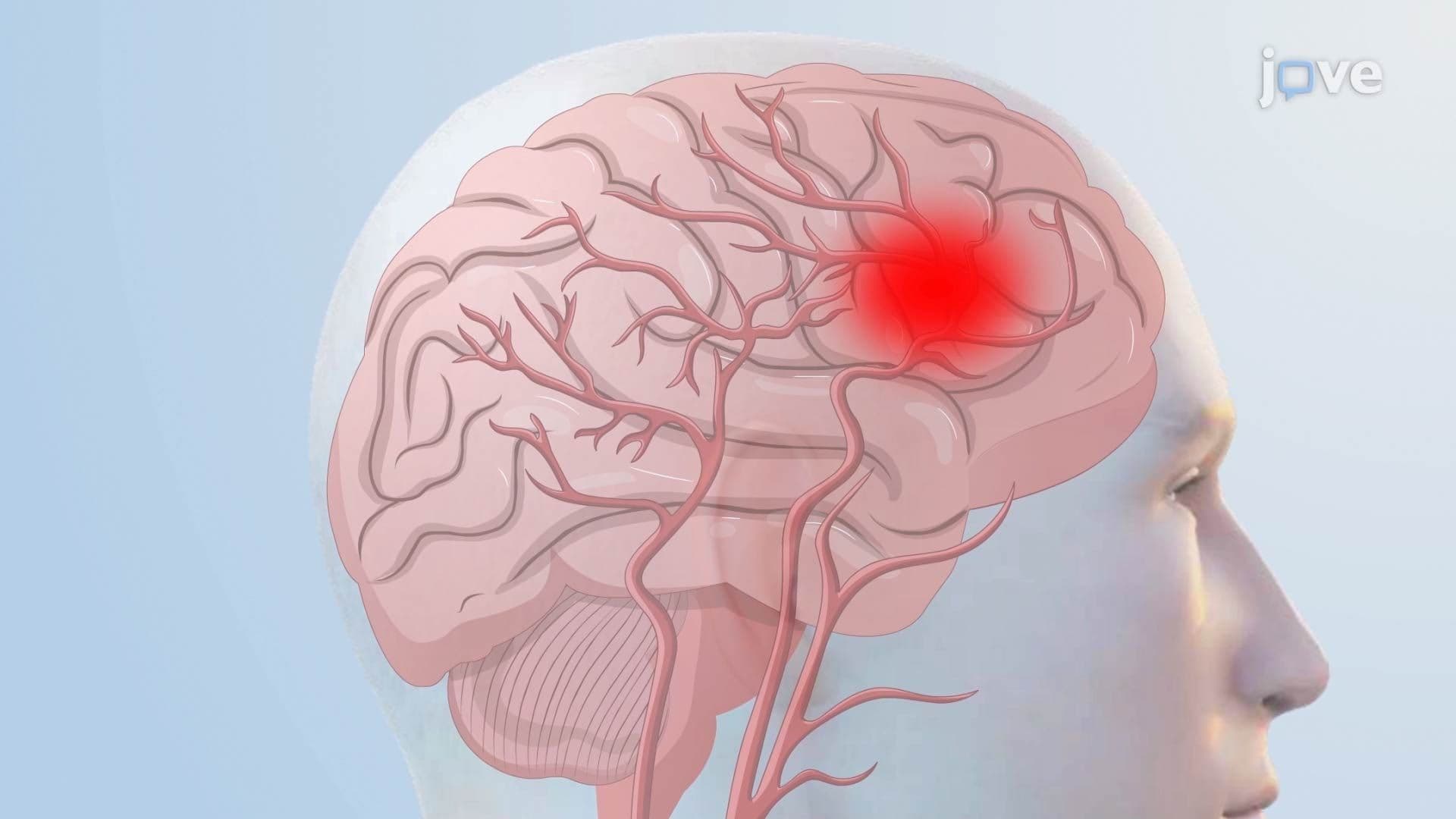
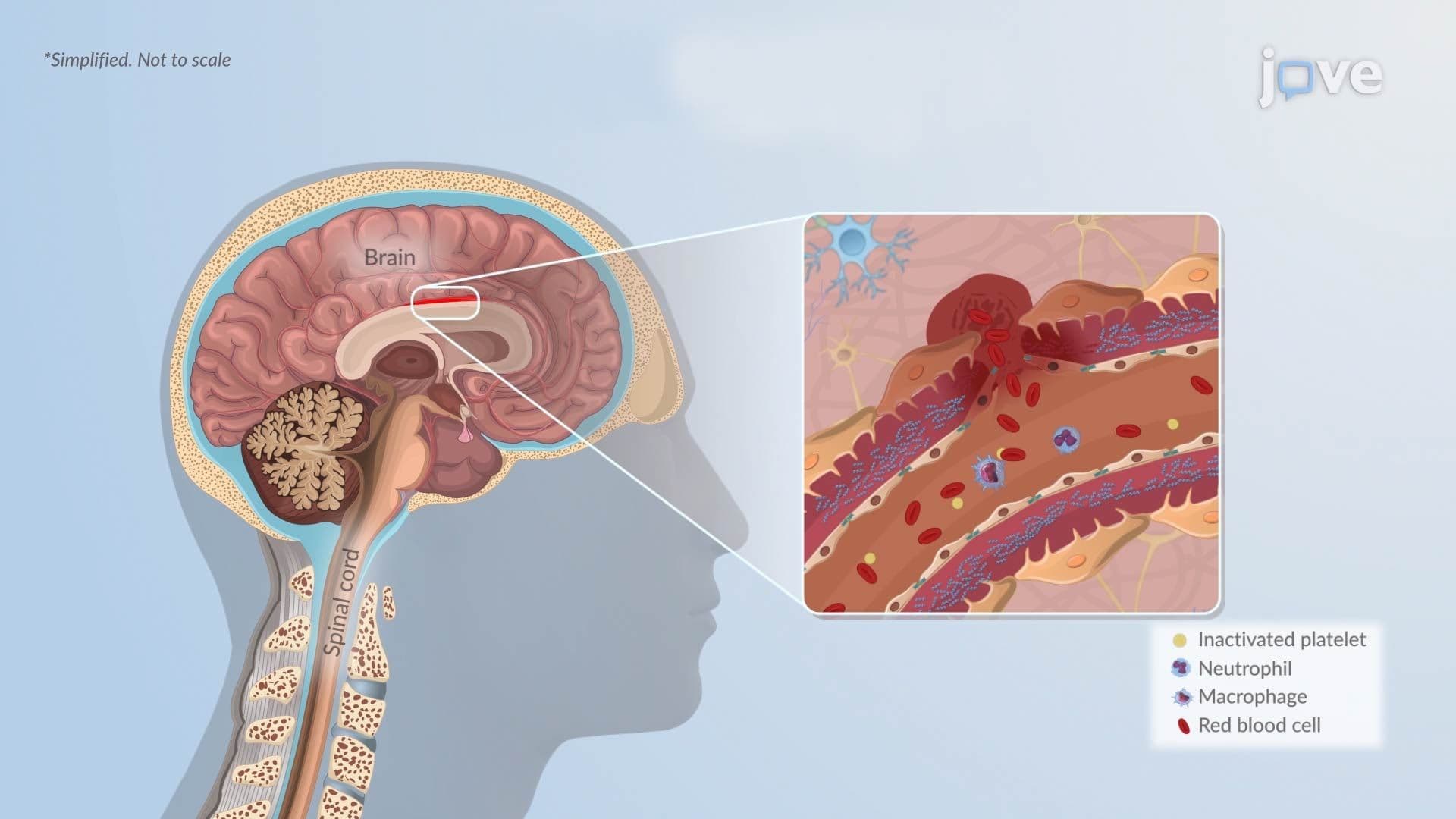
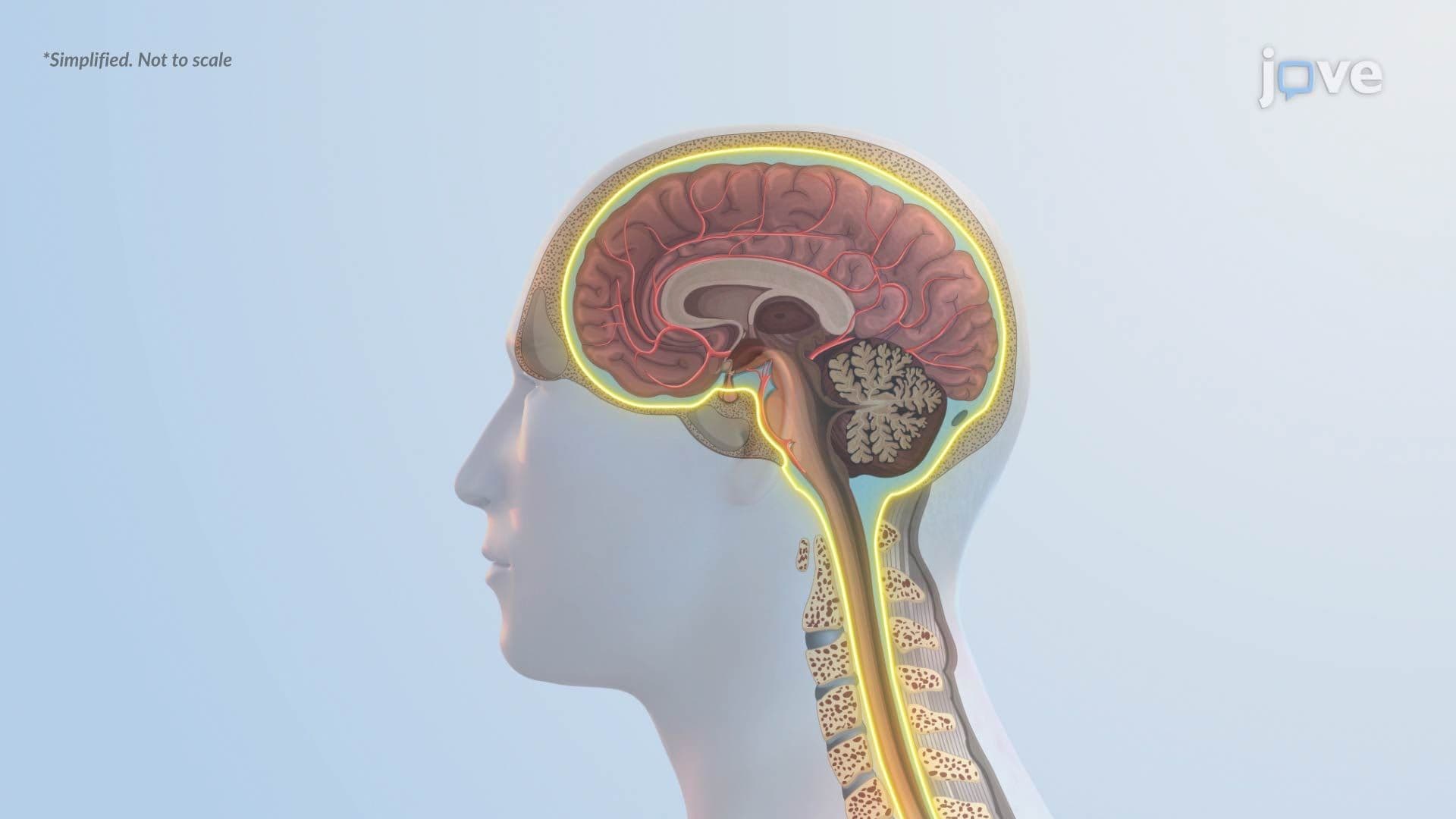
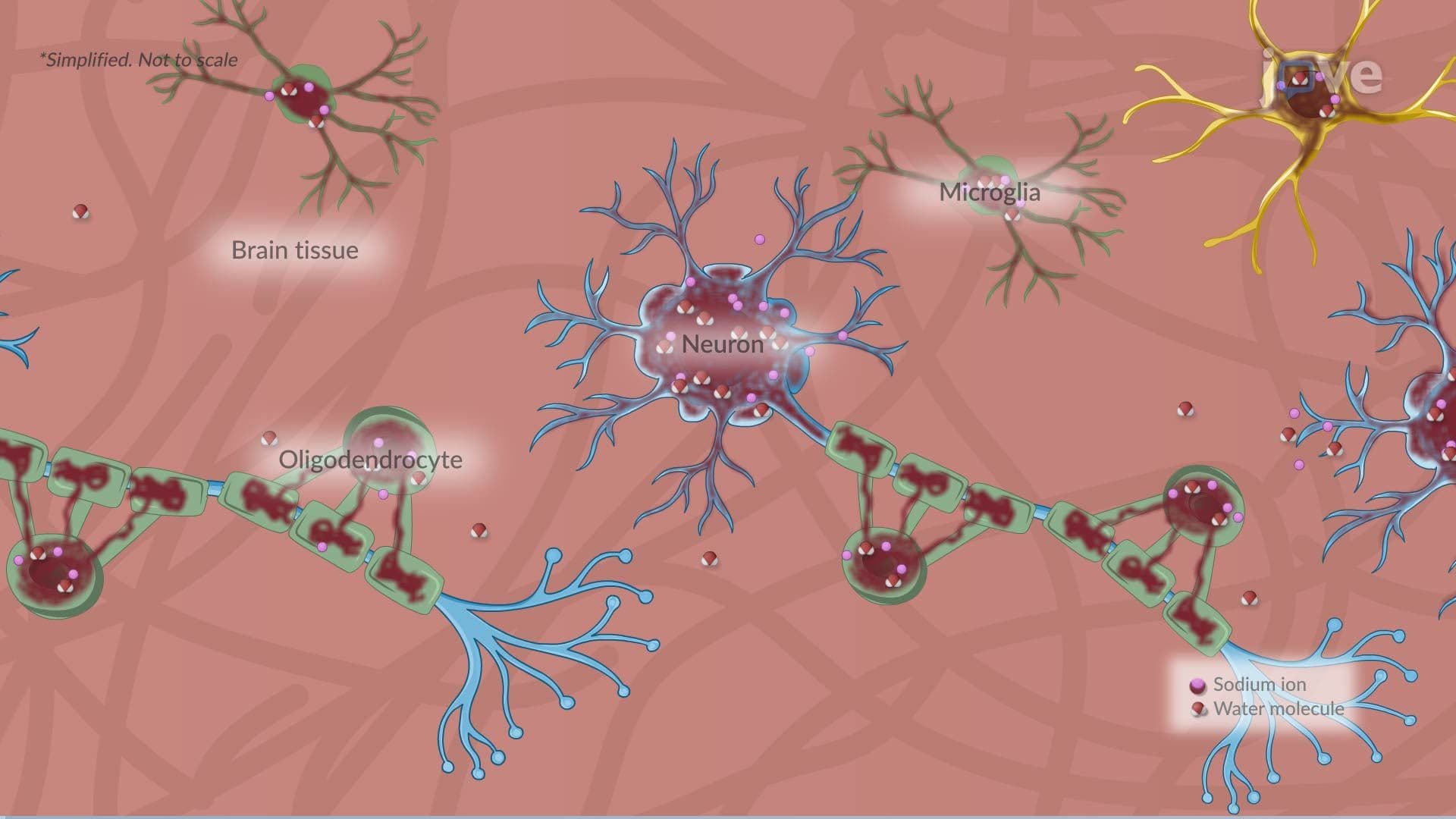
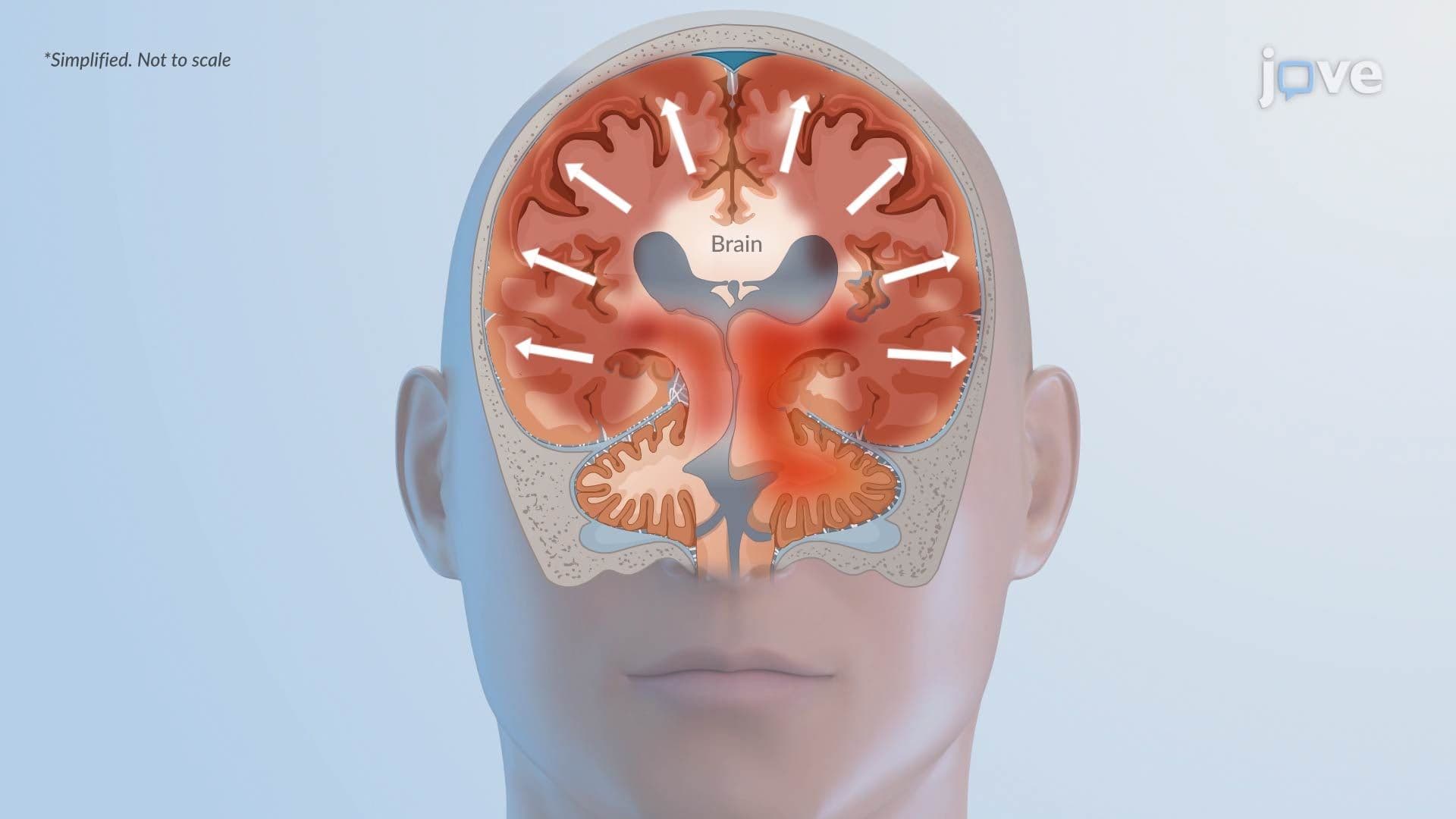
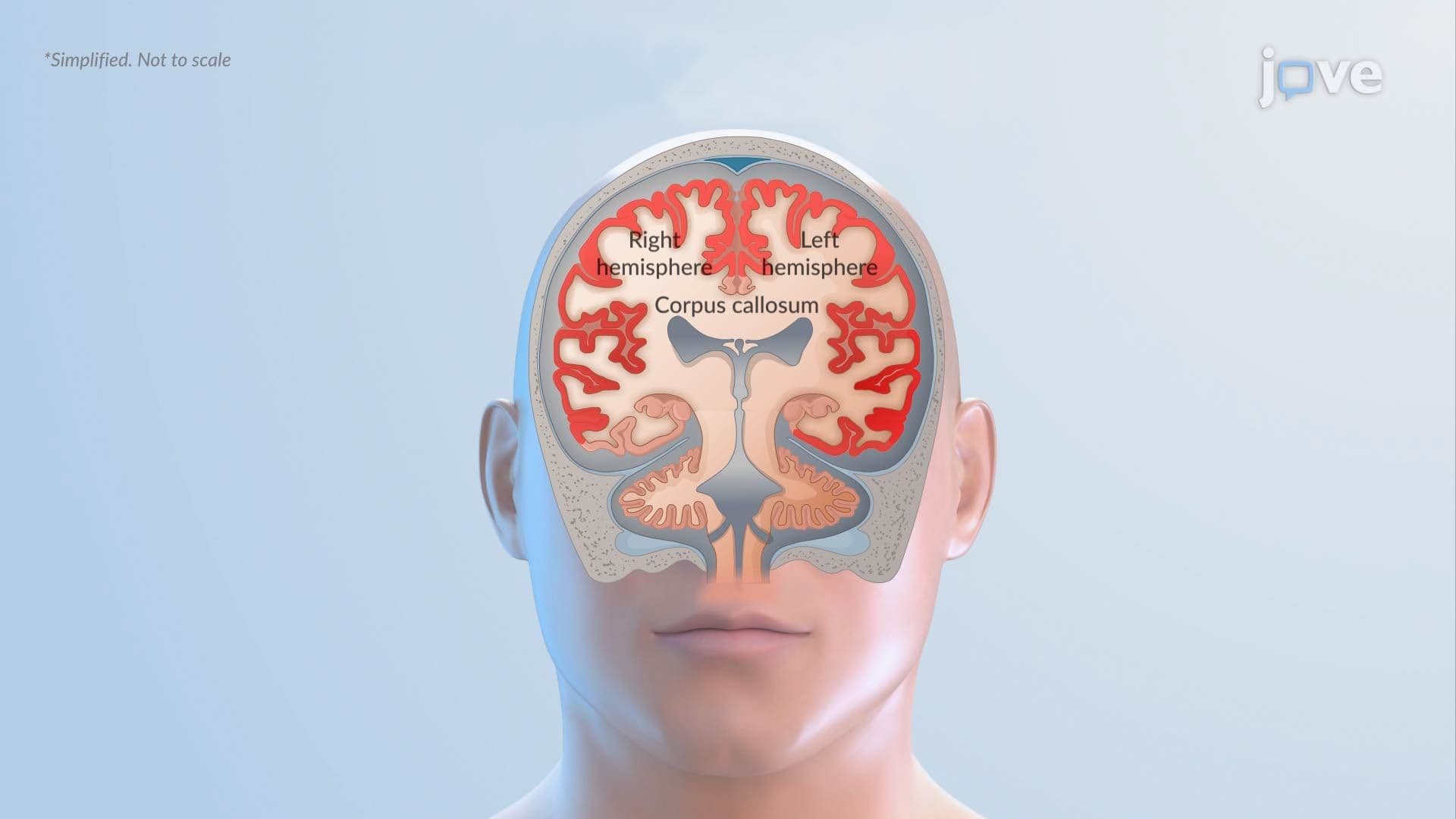
Ischemic stroke is one of the most clinically significant neurological emergencies in medicine, and one of the most testable concepts in biology, health sciences, and pre-med coursework. At its core, an ischemic stroke occurs when blood flow to a region of the brain is interrupted, depriving neurons of oxygen and glucose. Within just four to six minutes of oxygen deprivation, brain cells begin to die, a process called infarction. Unlike neurodegenerative diseases such as Alzheimer's disease or Parkinson's disease, which progress slowly over years, ischemic stroke causes sudden, focal neurological deficits, making rapid recognition critical.
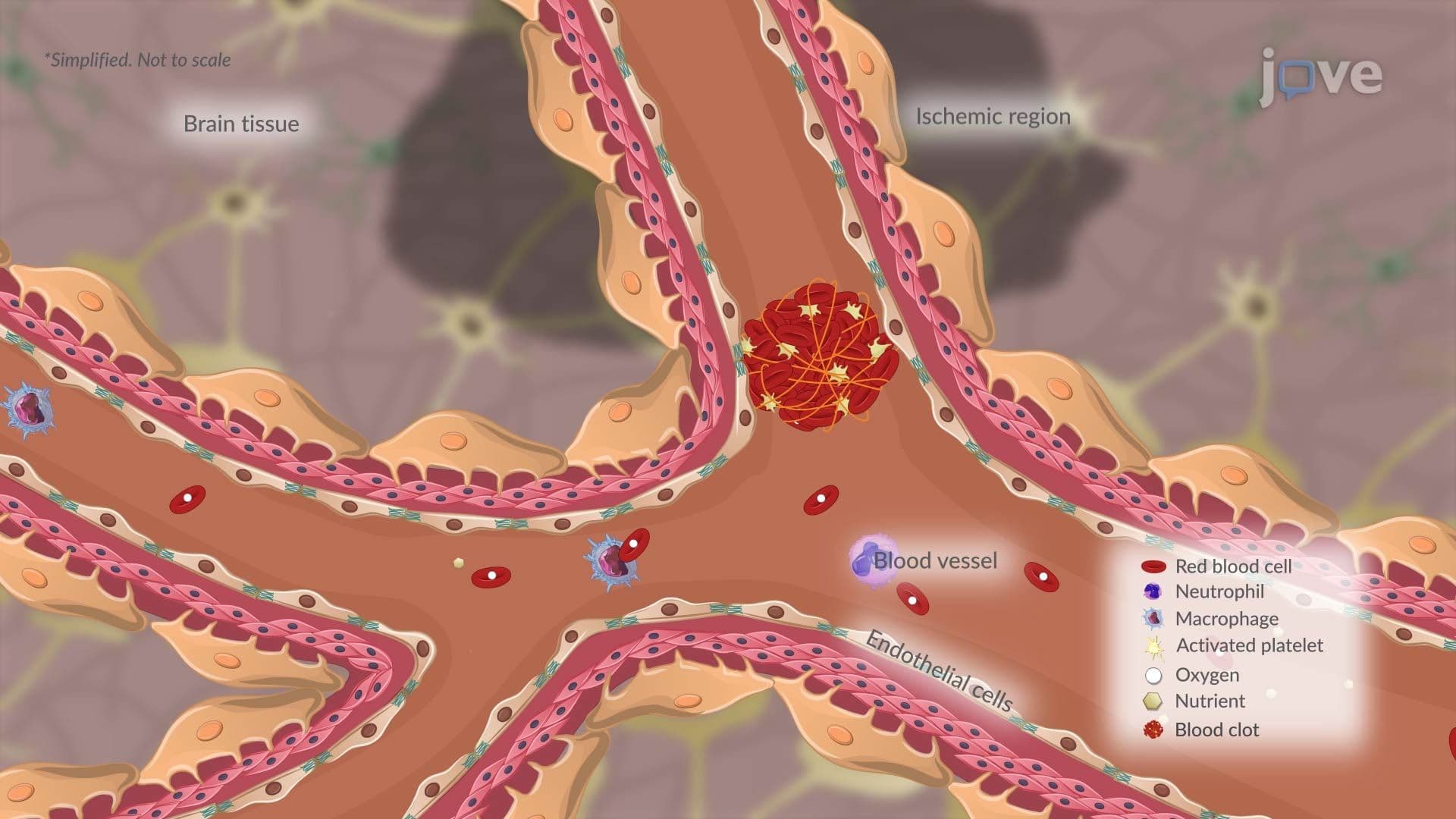
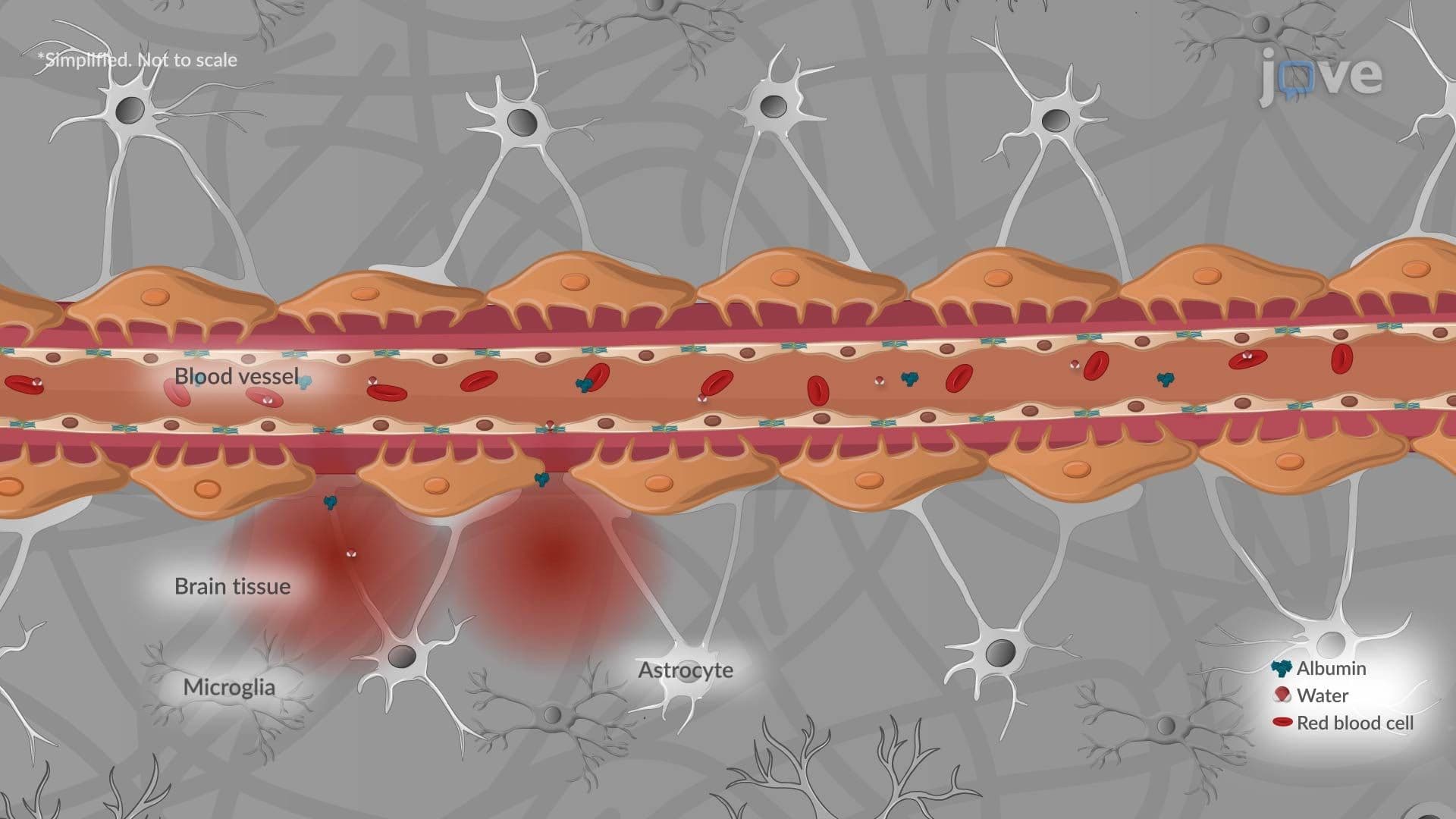
Thrombotic stroke begins with atherosclerosis, the slow buildup of fatty plaques inside arterial walls. In cerebral arteries, these plaques can gradually narrow the vessel lumen or suddenly rupture, triggering the body's clotting response at the rupture site. The resulting thrombus (clot) blocks local blood flow, starving downstream brain tissue. This mechanism closely mirrors what happens during a heart attack, and understanding both is essential for AP Biology students, college anatomy and physiology courses, and MCAT test-takers who must connect cardiovascular pathology to neurological outcomes. Hypertension, high cholesterol, smoking, and diabetes all accelerate plaque formation, making these the most heavily tested risk factors.
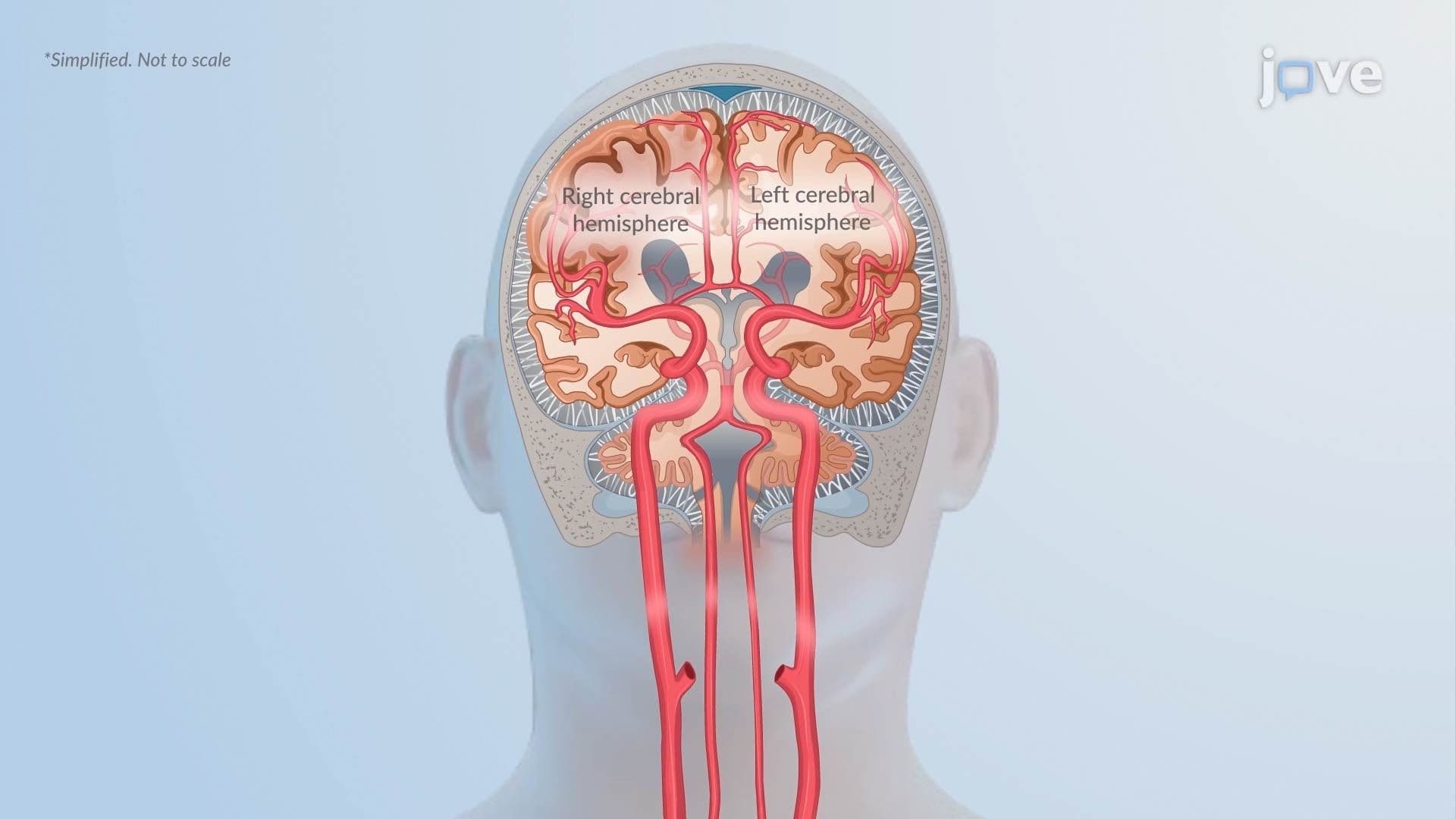
Embolic stroke occurs when a clot or debris forms at a distant site and travels through the bloodstream until it lodges in a brain artery. The most common originating site in US patients is the heart, particularly in individuals with atrial fibrillation (AFib), a heart rhythm disorder affecting over 6 million Americans. In AFib, irregular contractions allow blood to pool and clot in the heart's chambers. Those clots can break free, travel through the carotid arteries, and occlude smaller cerebral vessels. Large arteries like the carotids can also shed plaque fragments that embolize to the brain. This distinction between thrombotic and embolic mechanisms is a classic compare-and-contrast question on USMLE Step 1 and NCLEX-RN exams.
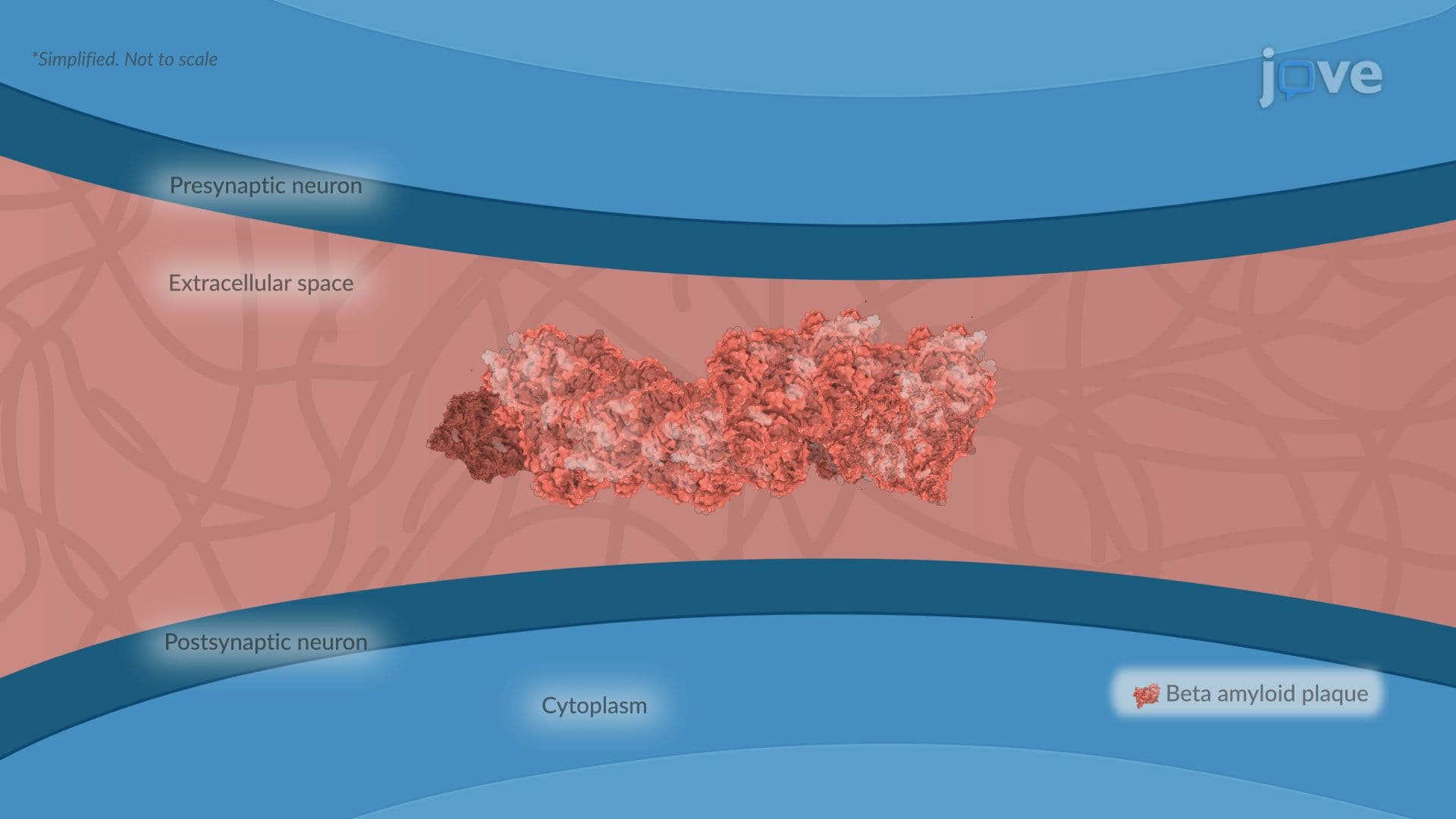
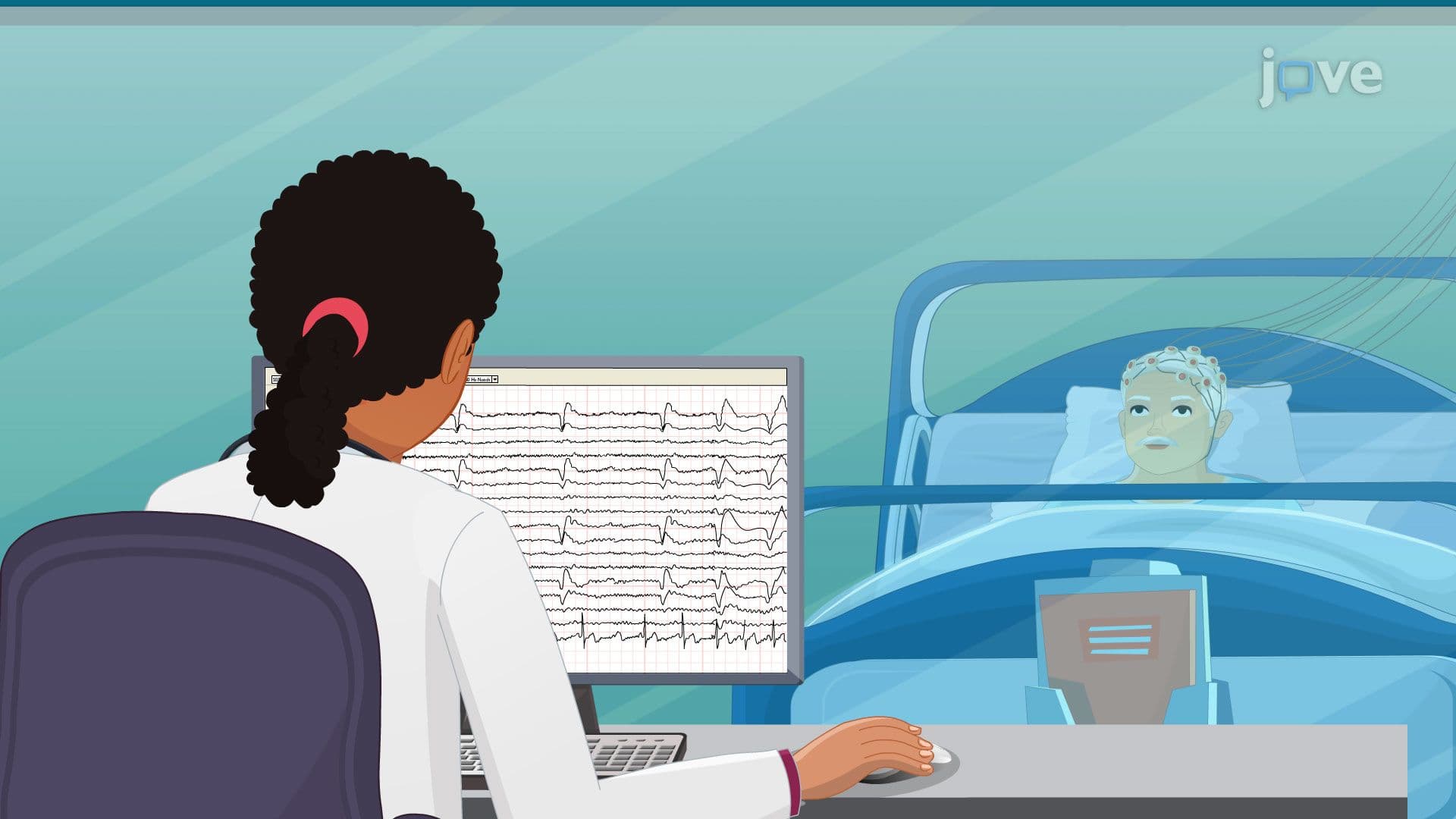
Ischemic stroke shares risk factors with multiple chronic diseases, which is why it appears across biology, anatomy, pathophysiology, and public health curricula. Modifiable risks, smoking, hypertension, obesity, high cholesterol, and uncontrolled diabetes, are directly preventable. Non-modifiable risks include age, sex, and family history. Chronic kidney disease is increasingly recognized as an independent stroke risk factor due to its role in promoting vascular inflammation and hypertension. Contextually, understanding ischemic stroke also helps students distinguish it from other neurological conditions: unlike epilepsy (characterized by abnormal electrical activity) or multiple sclerosis (an autoimmune demyelinating disease), ischemic stroke is primarily vascular in origin. In the US, stroke is the fifth leading cause of death and a top cause of long-term disability, making this concept deeply relevant to anyone entering healthcare, nursing, or medical school.
Related Micro-courses