Loading subject page…

5,118 views

Video Summary: What Is Huntington Disease L
Did you know a single genetic mutation can silently build for decades before triggering irreversible brain damage? Huntington Disease L is a progressive neurodegenerative disorder caused by an abnormal expansion of CAG repeats in the HTT gene, ultimately destroying motor control, memory, and mood. Thousands of Americans currently live with this inherited condition, including patients enrolled in NIH-funded clinical trials. Watch the full video on JoVE Coach to master this concept with expert-led visuals and step-by-step explanations.
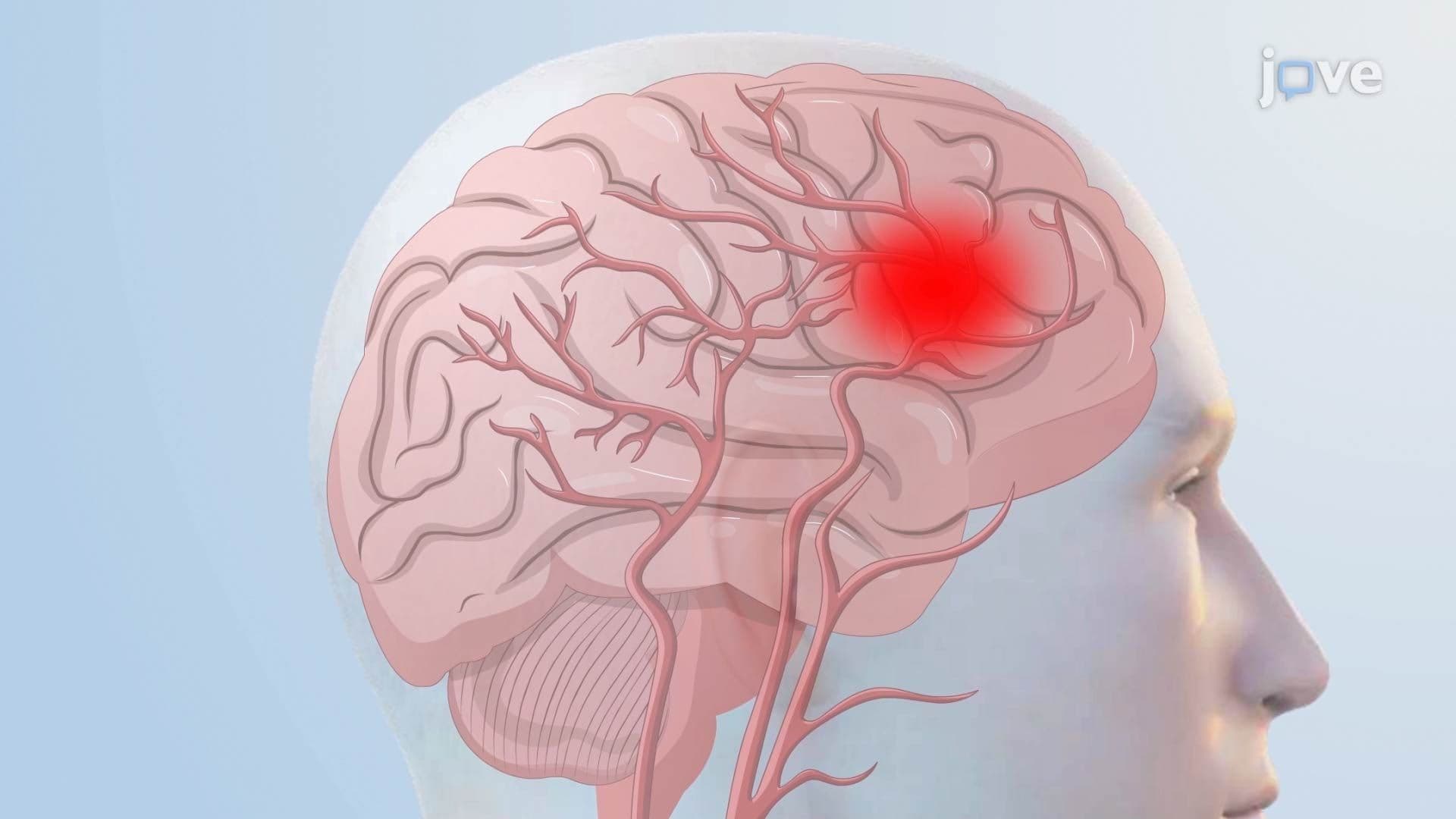
Huntington Disease L is a fatal, hereditary neurodegenerative disorder that progressively destroys nerve cells in the brain, affecting movement, thinking, and emotional well-being. Unlike many complex diseases with multiple risk factors, Huntington Disease L has a single, well-defined genetic cause, making it one of the most studied models in neuroscience and genetics education.
The root cause of Huntington Disease L lies in chromosome 4's short arm, where the HTT gene normally contains a sequence of CAG trinucleotide repeats. In healthy individuals, this repeat occurs fewer than 36 times. When the repeat count reaches 36 or more, it crosses into disease territory, and the higher the number, the earlier and more severe the onset. This expanded sequence instructs cells to produce an abnormal huntingtin protein that misfolds, forms toxic clumps, and interferes with the normal function of neurons, particularly in the striatum, the brain region governing movement and reward processing. This concept of genetic anticipation, where repeat numbers grow across generations and symptoms appear earlier in children than in parents, is a critical distinction tested in AP Biology and college genetics courses.
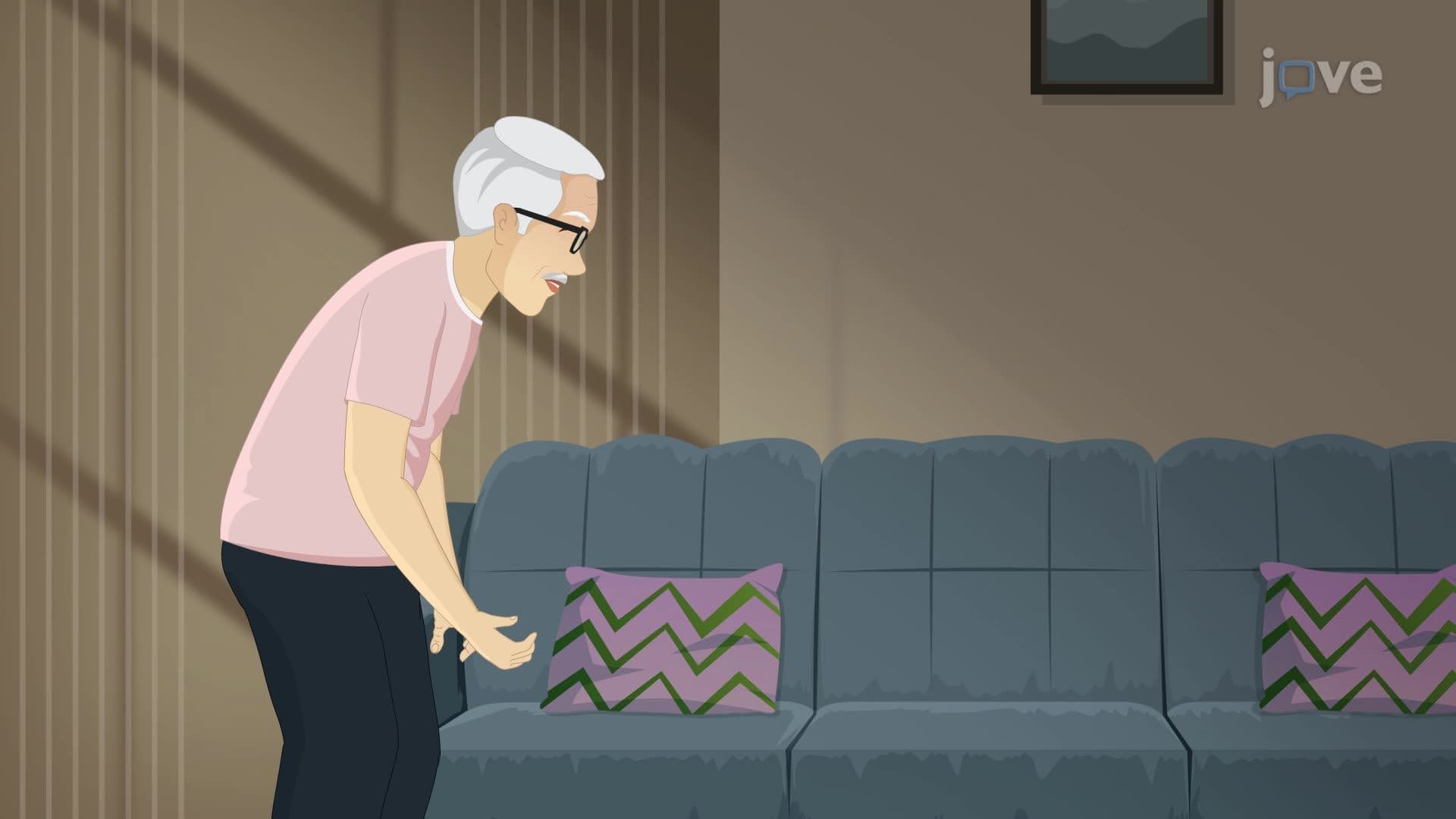
Huntington Disease L does not present with just one set of symptoms, it affects the whole person. Motor symptoms are often the most visible: chorea (sudden, jerky involuntary movements), athetosis (slow, writhing motions), and dystonia (sustained muscle contractions causing abnormal postures). Over time, voluntary motor control deteriorates, causing slurred speech, difficulty swallowing (dysphagia), and poor coordination that significantly impacts daily life.
Cognitive decline is equally devastating. Patients experience progressive memory loss, impaired judgment, and difficulty concentrating, symptoms that eventually develop into full dementia. Psychiatric symptoms, including clinical depression, anxiety disorders, and obsessive-compulsive behaviors, often appear even before motor symptoms, making early diagnosis especially challenging. Understanding this triad helps students differentiate Huntington Disease L from Alzheimer's disease (primarily cognitive) or Parkinson's disease (primarily motor), a comparison commonly tested on the MCAT and USMLE Step 1.
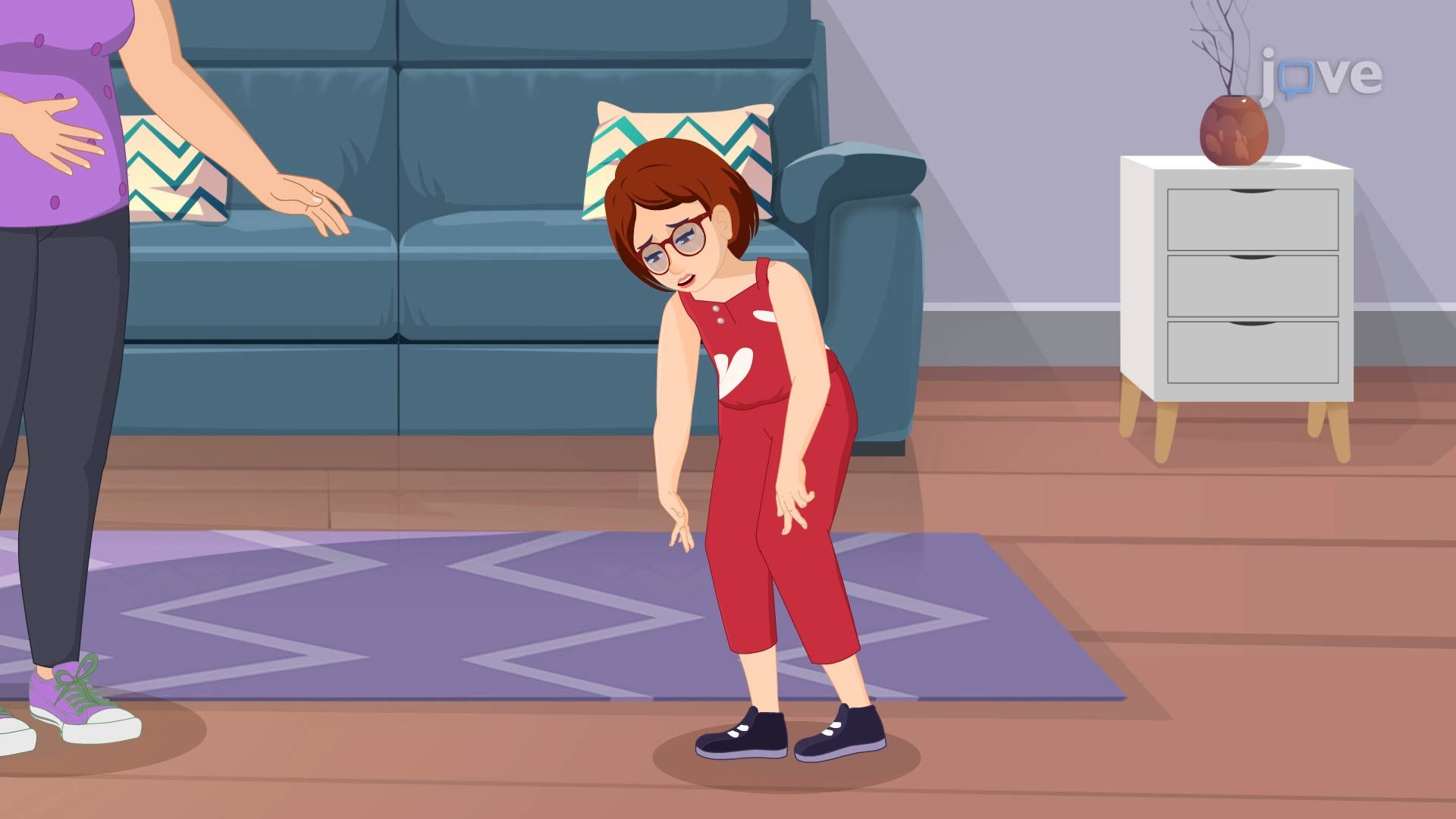
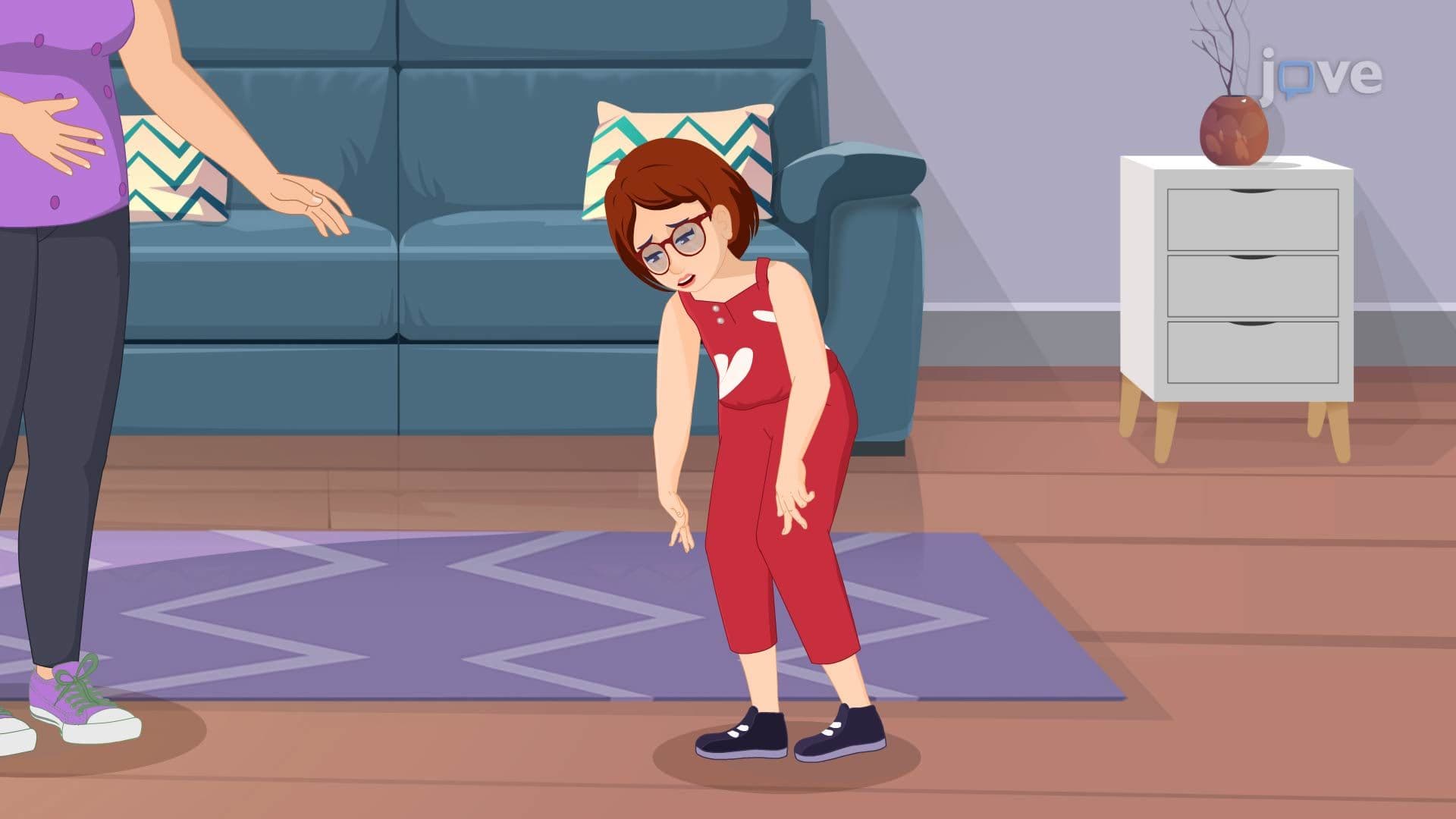
While most patients begin showing symptoms between ages 30 and 50, juvenile-onset Huntington Disease L, typically defined as symptom onset before age 20, presents quite differently. Instead of chorea, these younger patients more commonly display Parkinsonism-like features: bradykinesia (slowness of movement), rigidity, and tremor. This occurs because juvenile cases typically involve higher CAG repeat counts, often inherited from an affected father. Recognizing this distinction is essential for clinical reasoning questions on exams like the NCLEX and USMLE.
In the United States, approximately 30,000 people are diagnosed with Huntington Disease L, with another 200,000 at risk of inheriting it, according to the Huntington's Disease Society of America (HDSA). There is currently no cure, but research institutions like the NIH and Johns Hopkins University actively run trials targeting huntingtin protein production. For students in AP Biology, college neuroscience, or pre-med programs, Huntington Disease L serves as a foundational case study connecting Mendelian genetics, protein biology, and neurological pathology, all in one powerful example.
Related Micro-courses