Loading video…

 35 Concepts
 5.1K views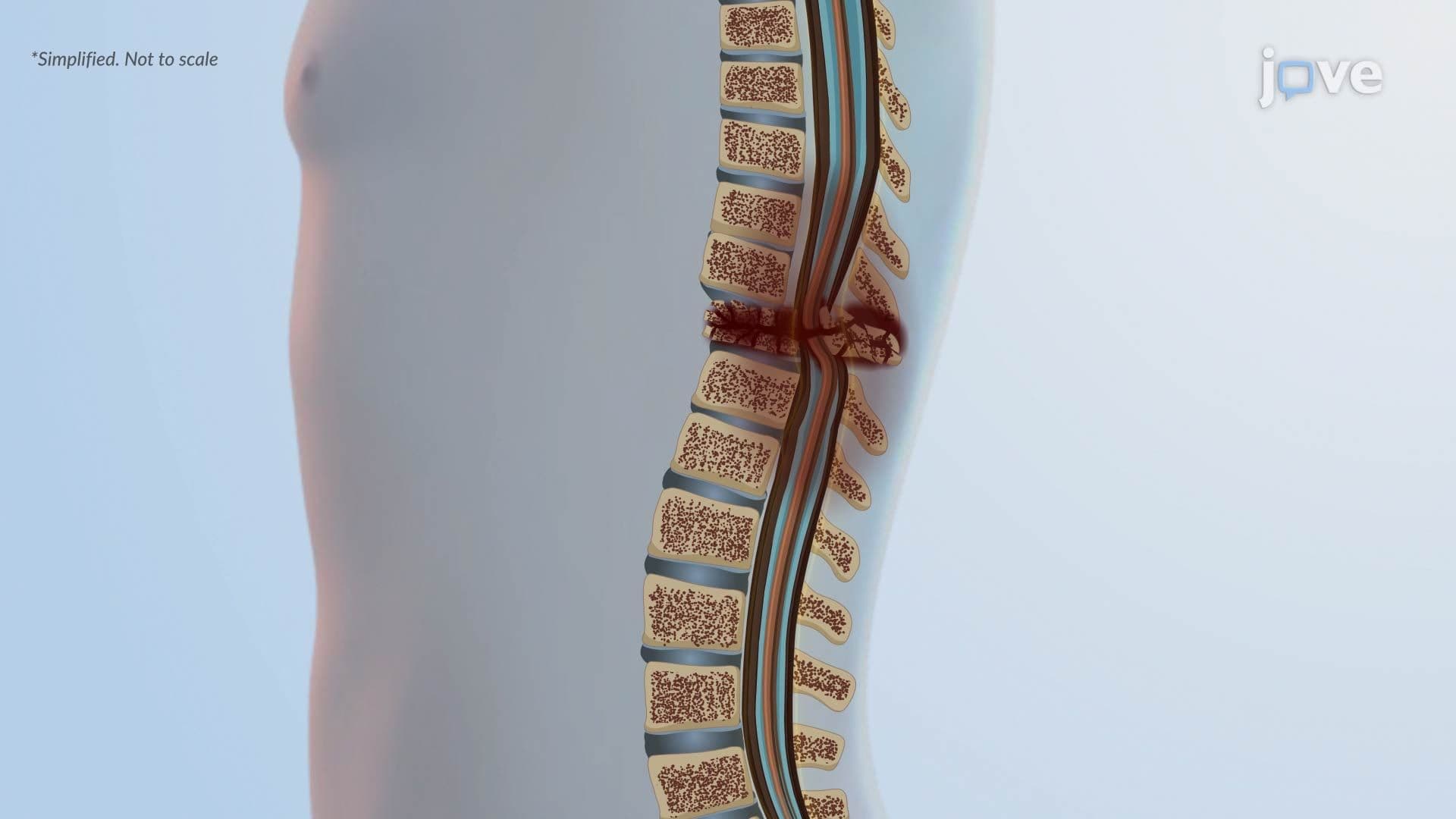

Video Summary: Pathophysiology in Spinal Cord Injury Ll
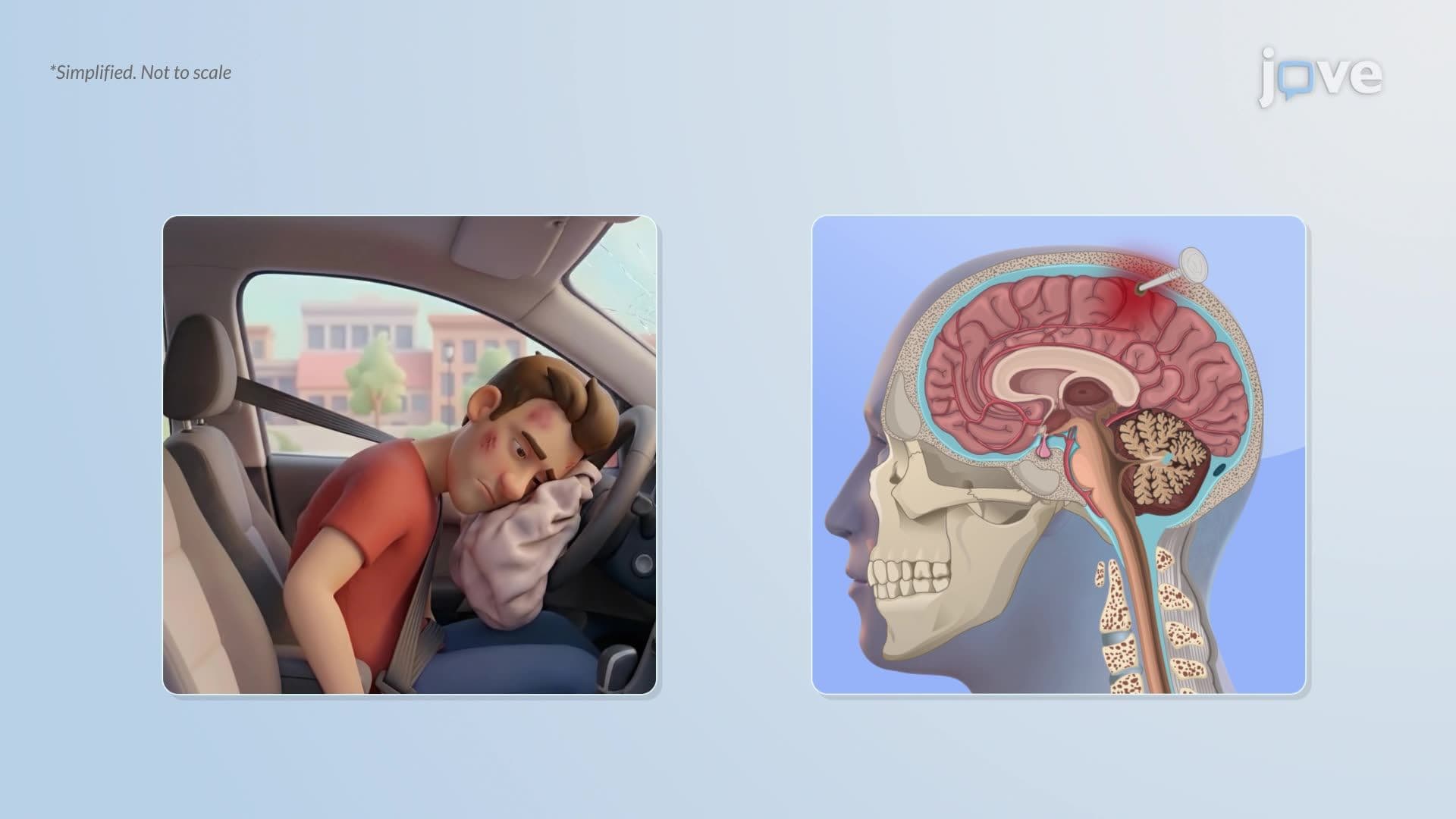
Did you know a car accident lasting less than a second can permanently sever communication between your brain and body? Pathophysiology in Spinal Cord Injury II explores exactly how that happens at the cellular level. In US trauma centers, spinal cord injury (SCI) is among the most complex emergencies treated, beginning with a primary injury from mechanical forces like compression, contusion, laceration, or distraction. Neurons, astrocytes, and oligodendrocytes are immediately damaged, while vascular disruption triggers hemorrhage and dangerous ischemia. Watch the full video on JoVE Coach to master this concept with expert-led visuals and step-by-step explanations.
Spinal cord injury (SCI) is not a single event, it is a sequence of catastrophic processes that begins the instant mechanical force contacts neural tissue. Understanding Pathophysiology in Spinal Cord Injury II means looking past the visible trauma to what is happening at the tissue and cellular levels simultaneously. This knowledge is foundational for students in AP Biology, college anatomy and physiology, and health professions programs, and it appears regularly on exams like the MCAT, NCLEX, and HESI A2.
Primary injury occurs immediately and is directly caused by mechanical force. Four distinct mechanisms are recognized in clinical and academic contexts:
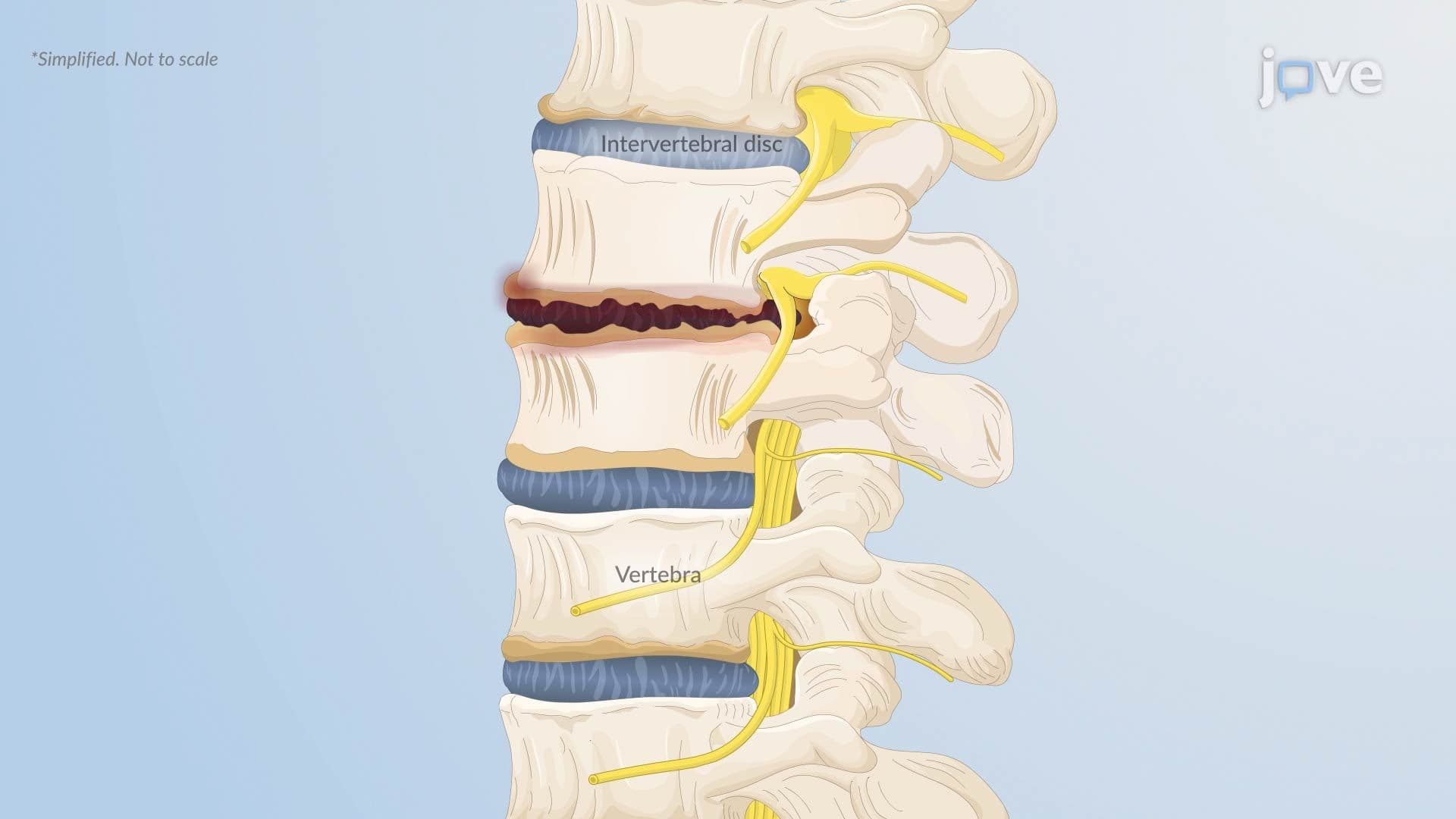
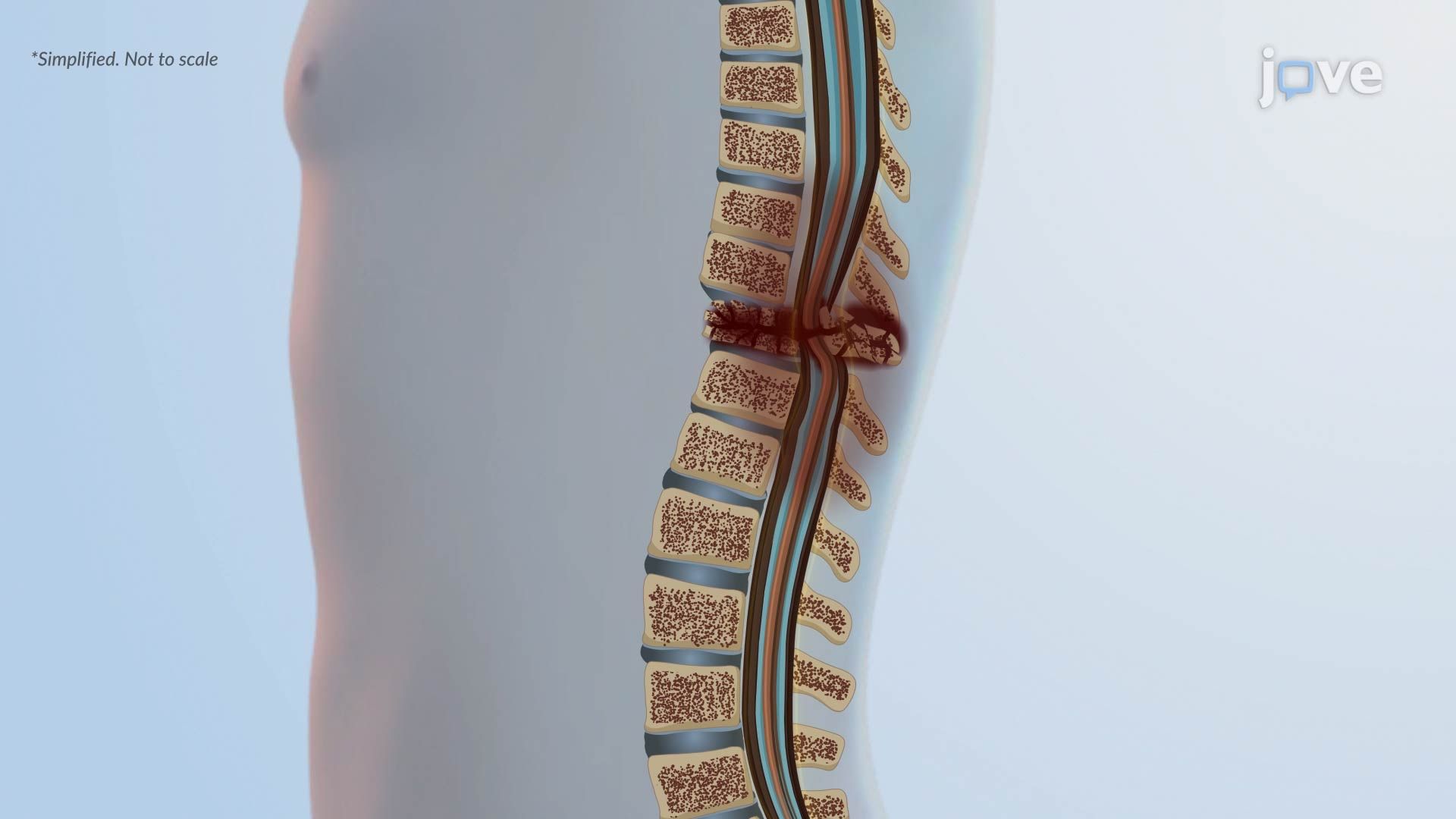
Compression is the most common mechanism seen in US trauma centers. When a vertebra fractures, as in a diving accident or a motor vehicle collision, bone fragments, herniated disc material, or a hematoma (blood clot) can press directly onto the cord. This sustained pressure distorts the cord's internal architecture, collapsing blood vessels and crushing axons before any medical response can begin.
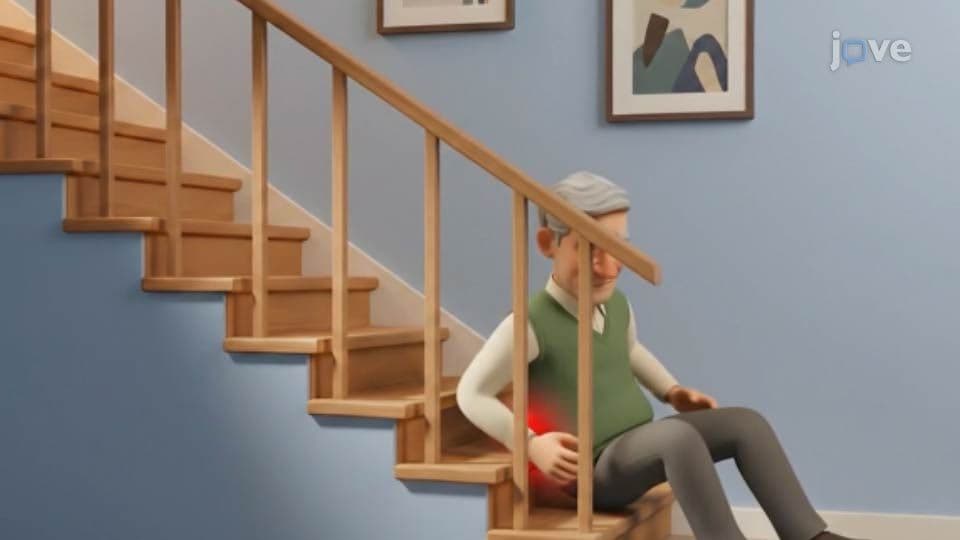
Contusion refers to bruising of the cord caused by blunt impact. The cord remains structurally intact but suffers localized hemorrhage and swelling within its tissue. Contusions are among the most frequently observed injuries in football-related spinal trauma and fall-related injuries in elderly Americans.
Laceration involves partial or complete tearing of spinal cord tissue. This is most commonly associated with penetrating trauma, gunshot wounds, for example, account for a significant percentage of lacerations seen in US urban trauma centers. Complete lacerations are associated with permanent loss of function below the injury level.
Distraction occurs when the cord is stretched or pulled beyond its mechanical limits, as can happen in high-speed rollover crashes or severe falls where the spine is violently elongated. Unlike compression, distraction injuries damage the cord through tensile rather than compressive force, making them particularly difficult to detect on initial imaging.
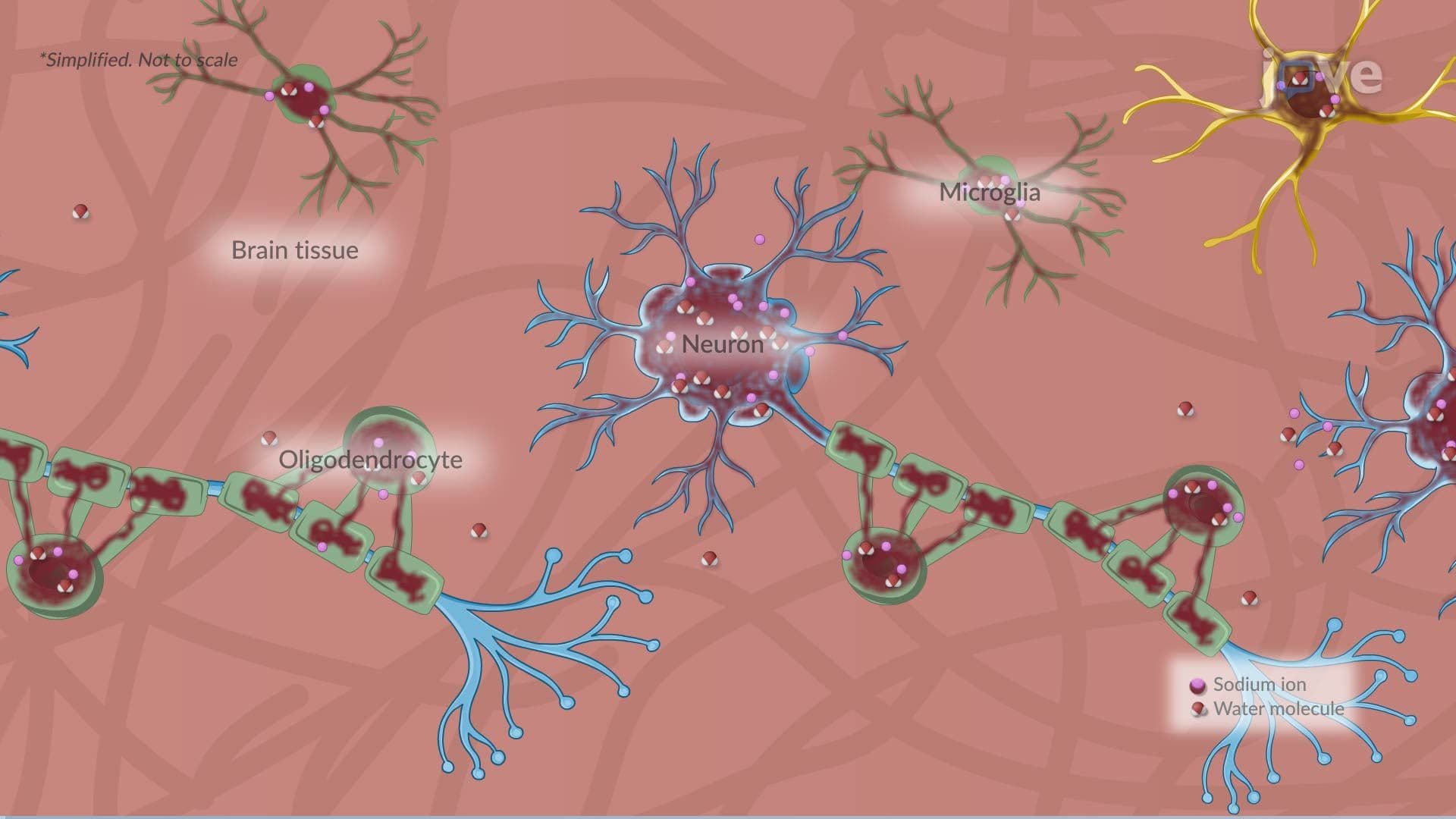
At the microscopic level, primary injury simultaneously damages multiple cell types. Neurons are the most vulnerable, they lose membrane integrity rapidly when physically disrupted, releasing toxic intracellular contents into the surrounding environment. Supporting cells are equally affected: oligodendrocytes, which produce myelin and maintain axon conduction, begin to fail immediately, impairing signal transmission even in axons that remain physically intact. Astrocytes, which regulate the extracellular environment and support neurovascular function, are structurally disrupted at the injury epicenter. Microglia, the immune cells of the central nervous system, are rapidly activated, initiating an inflammatory response that will continue well beyond the primary injury phase.
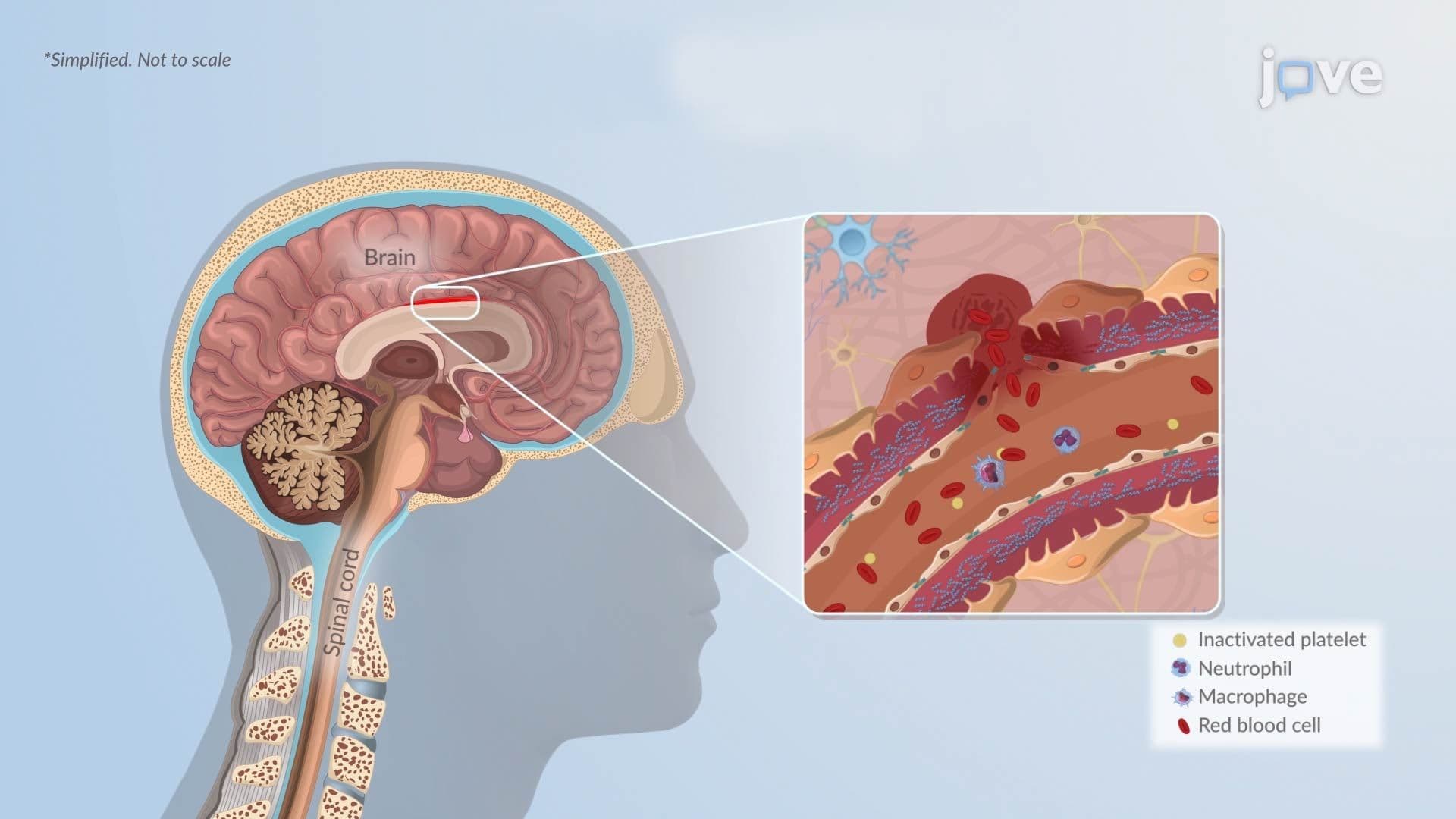
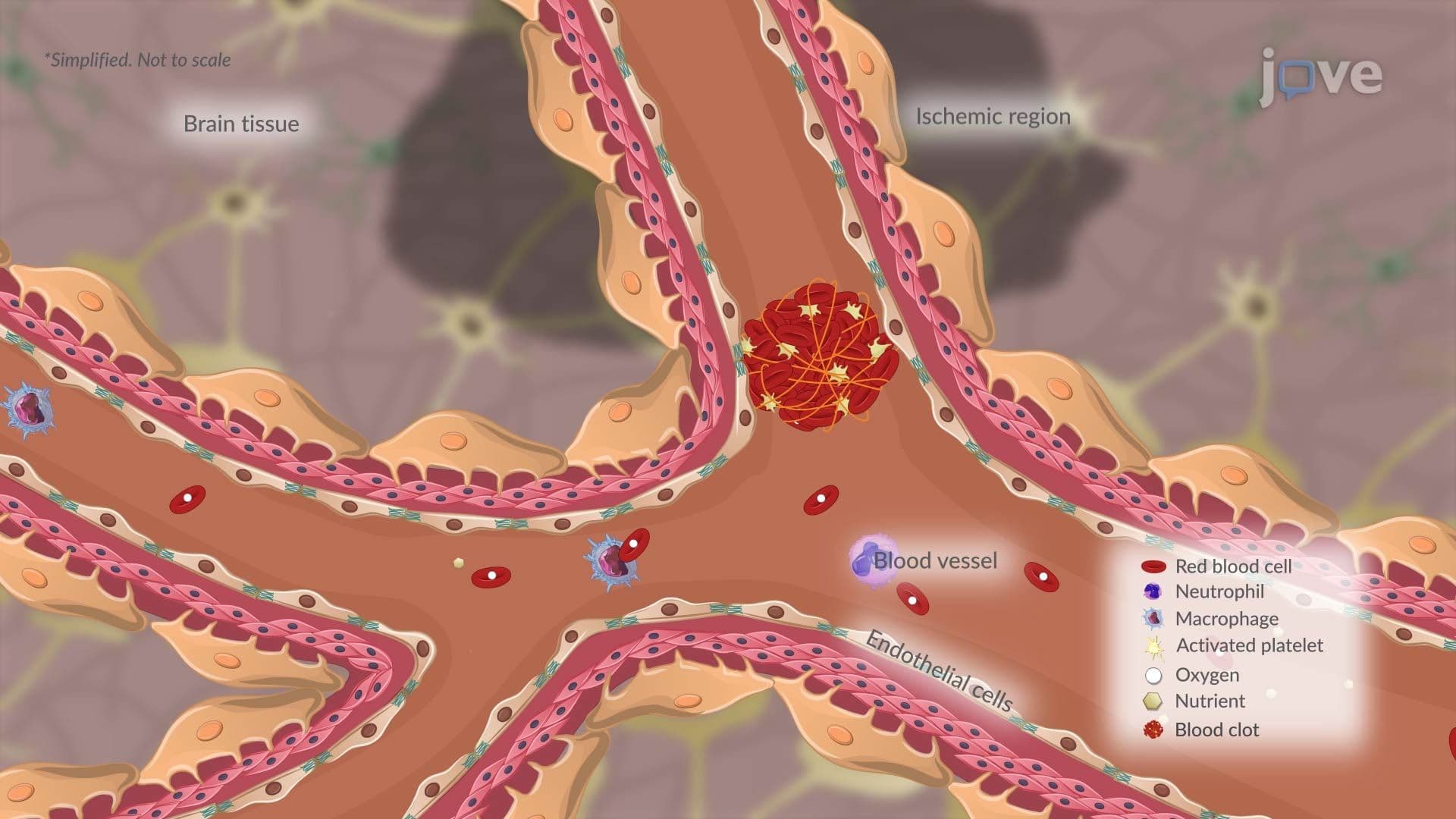
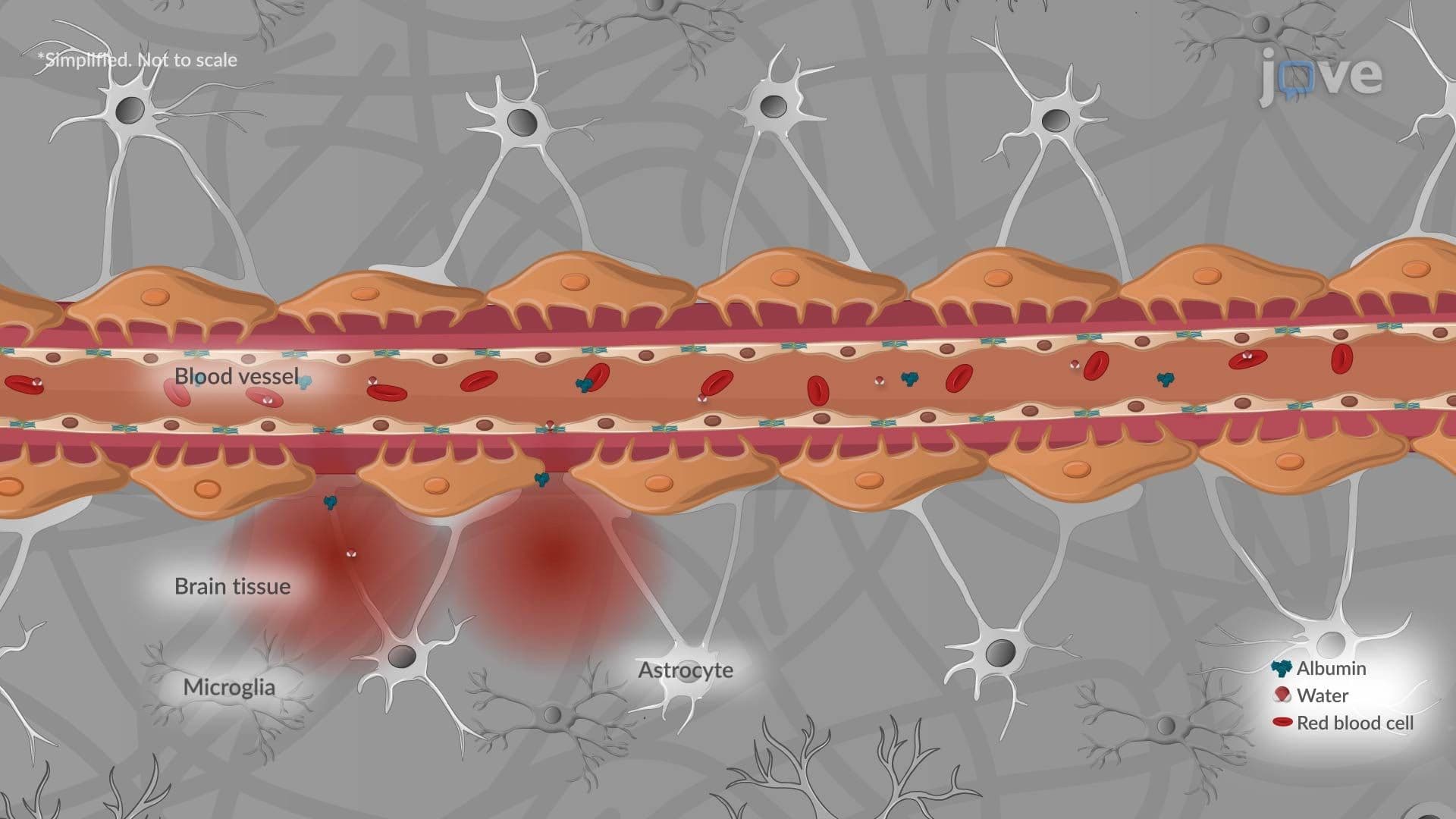
One of the most clinically significant consequences of primary SCI is damage to the cord's blood supply. The spinal cord depends on a carefully regulated network of arteries and capillaries. Mechanical trauma ruptures these vessels, producing hemorrhage, bleeding directly into cord tissue, and triggering ischemia, a state of oxygen and nutrient deprivation. Ischemia is particularly devastating because spinal cord neurons have extremely limited tolerance for oxygen deprivation. Within minutes, energy-dependent processes fail, ion gradients collapse, and cells enter pathways leading to necrosis or apoptosis.
This is why rapid immobilization and transport to a Level I Trauma Center, such as those at institutions like Johns Hopkins Hospital or Harborview Medical Center in Seattle, is prioritized in emergency protocols for suspected SCI.
For students preparing for the MCAT, NCLEX, or college-level neurophysiology midterms, understanding the primary injury phase of SCI is essential groundwork. Exam questions frequently ask students to match injury mechanisms to clinical presentations, explain why ischemia worsens neurological outcomes, or differentiate between complete and incomplete cord injuries. Grounding your knowledge in the cellular and vascular events of primary injury makes these questions significantly more approachable, and sets you up to understand the secondary injury cascade, which is equally complex and testable.
Related Micro-courses