Loading video…

 35 Concepts
 5.1K views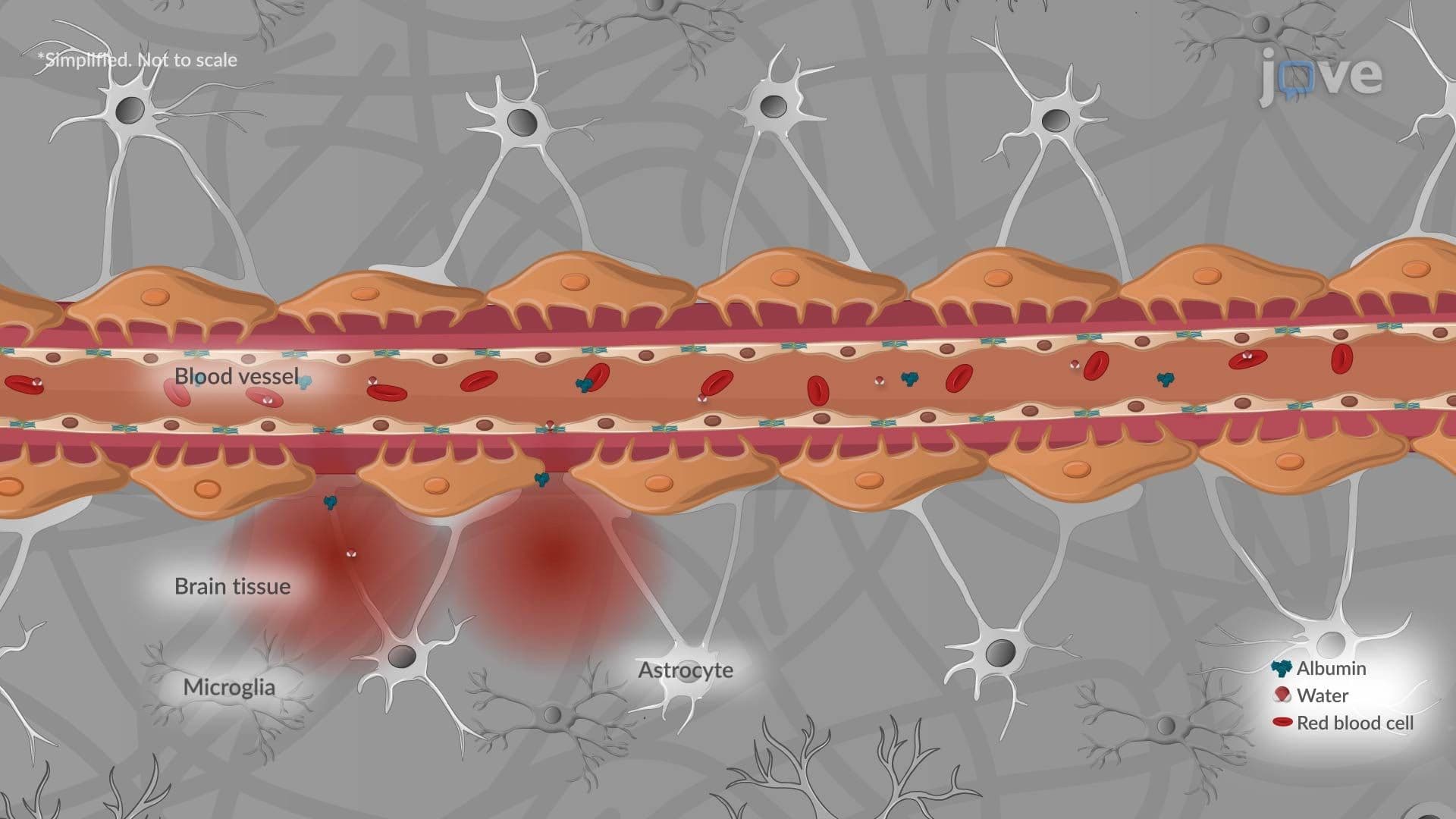

Video Summary: Pathophysiology in Cerebral Edema Ll
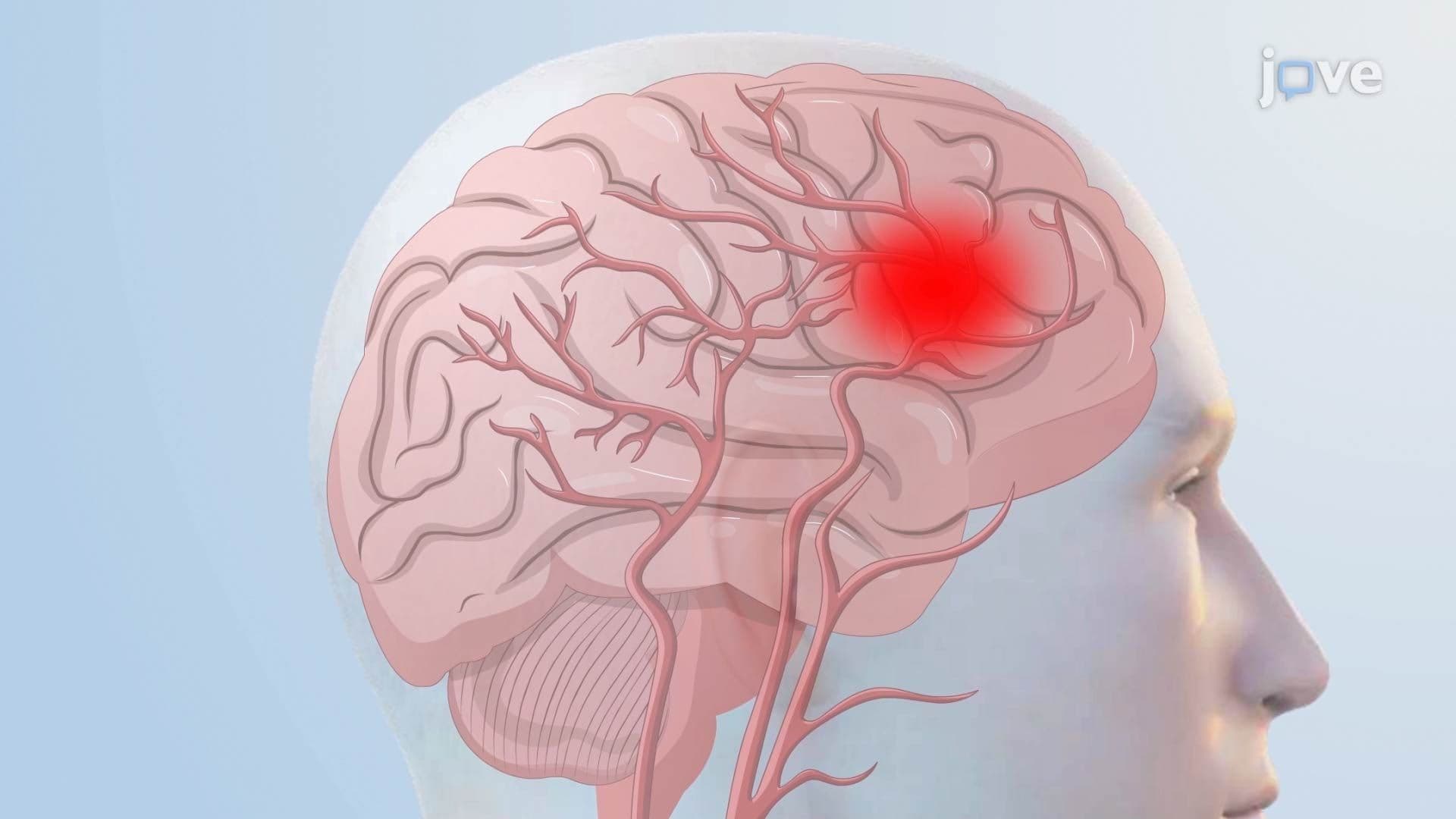
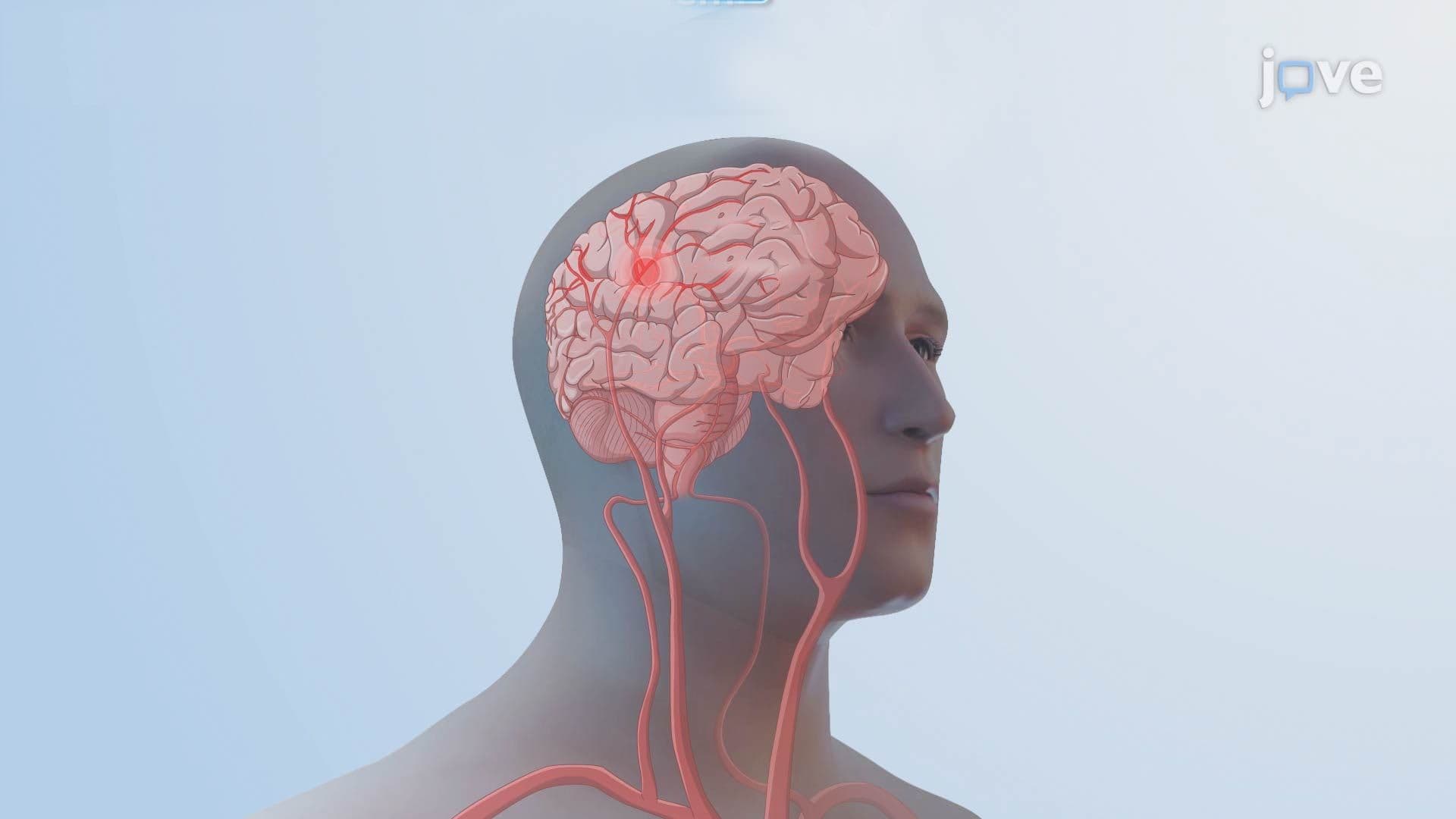
Did you know that a brain tumor or severe head injury can actually cause your brain to flood with fluid, raising pressure inside your skull to dangerous levels? Pathophysiology in Cerebral Edema II breaks down vasogenic edema, a condition where a damaged blood-brain barrier allows plasma proteins and water to leak into brain tissue. This process is seen in US hospital ICUs daily, particularly in traumatic brain injury cases. Watch the full video on JoVE Coach to master this concept with expert-led visuals and step-by-step explanations.
Pathophysiology in Cerebral Edema II focuses on one of the most clinically significant forms of brain swelling: vasogenic edema. Unlike cytotoxic edema, which involves fluid accumulating inside swollen cells with an intact barrier, vasogenic edema results from a breakdown of the blood-brain barrier (BBB) itself. This distinction is critical for understanding how the brain responds to injury, and it appears across college-level neuroscience, physiology, and pre-med curricula, as well as on exams like the MCAT and USMLE Step 1.
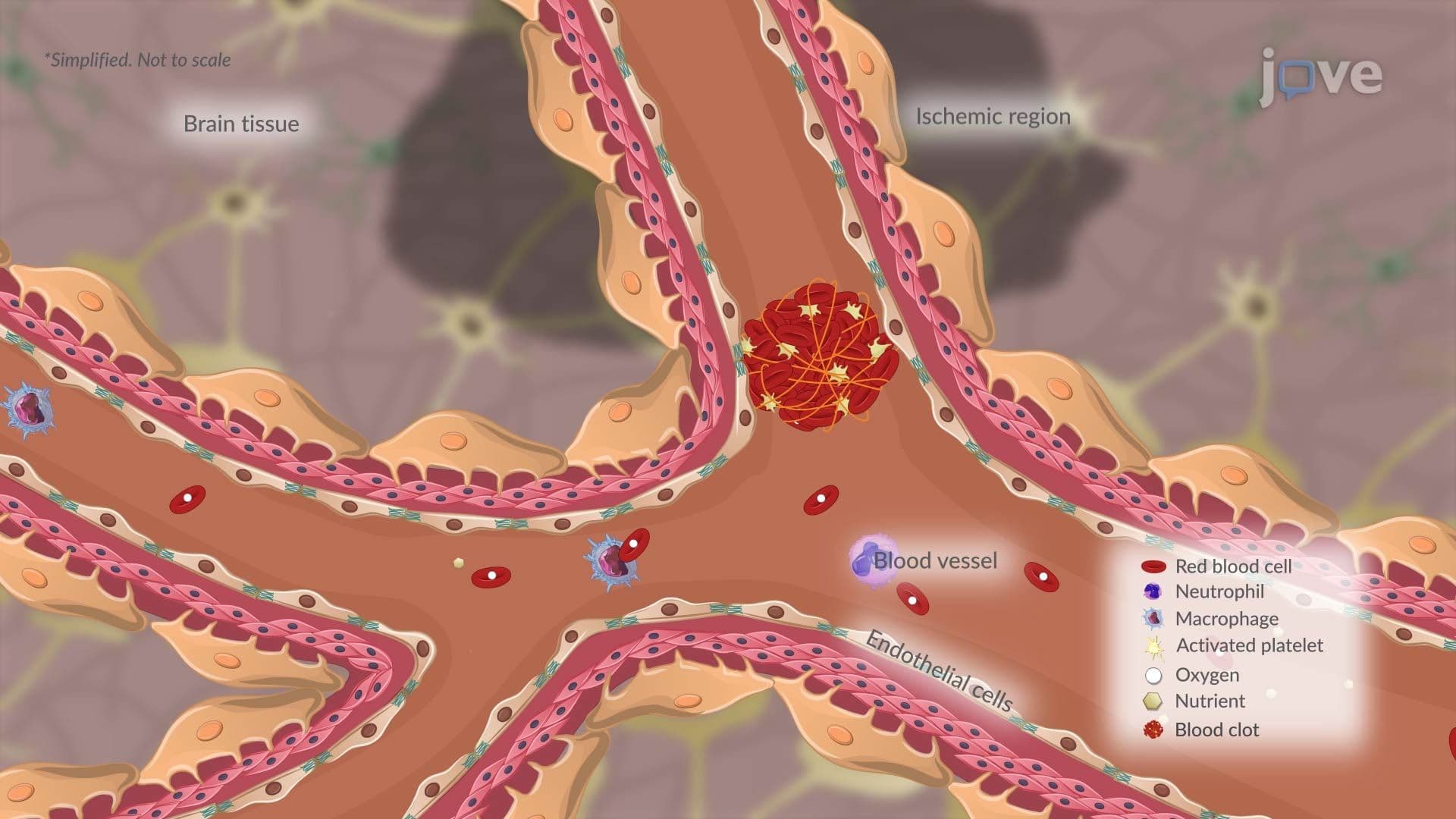
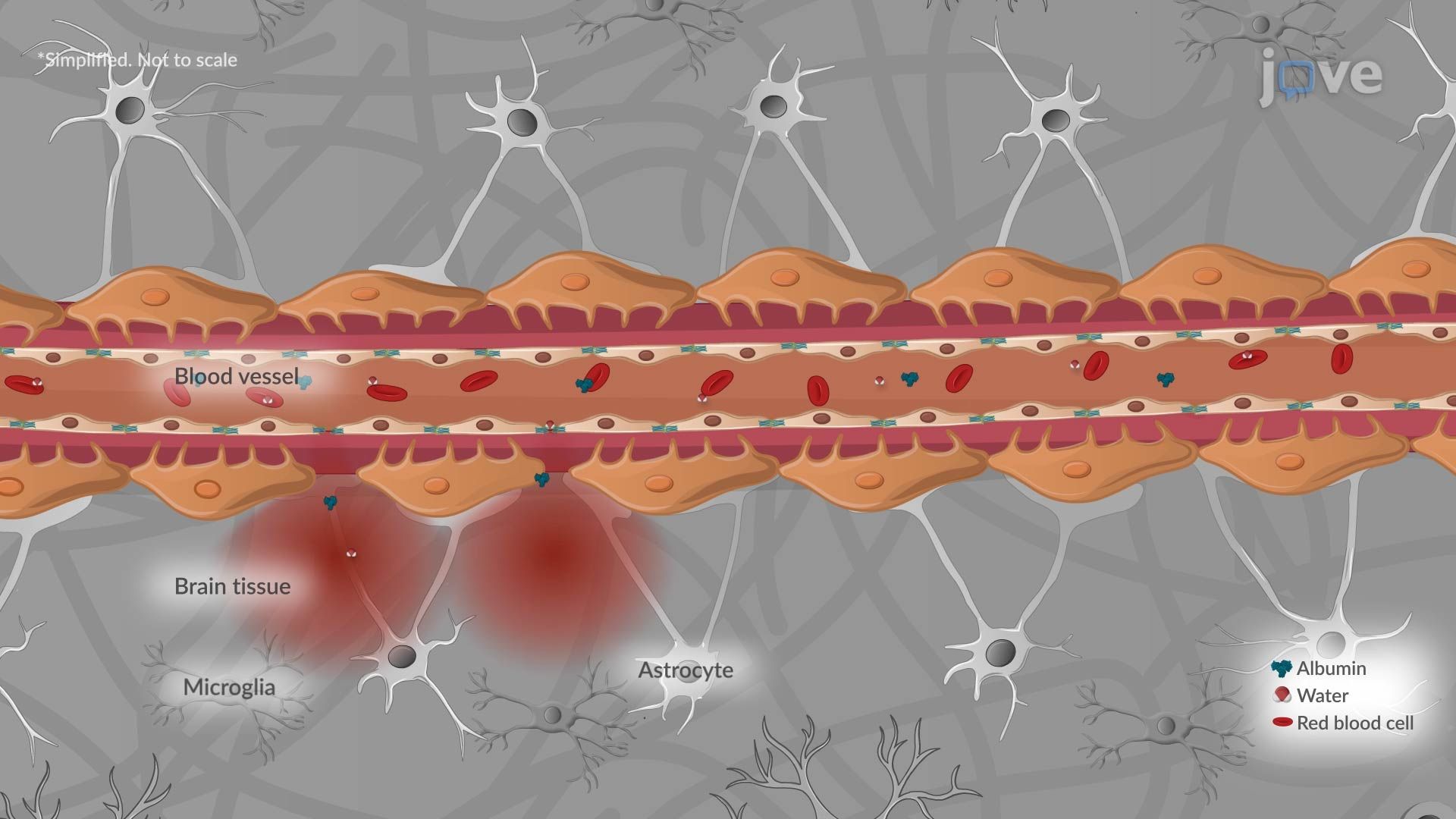
The BBB is not simply a passive wall, it is a precisely engineered biological checkpoint. It is formed primarily by endothelial cells connected by tight junction proteins (such as occludin and claudins), reinforced by astrocytic end-feet and pericytes that make up the neurovascular unit. Under normal conditions, this barrier selectively restricts the movement of large molecules, pathogens, and most plasma proteins from the bloodstream into brain tissue.
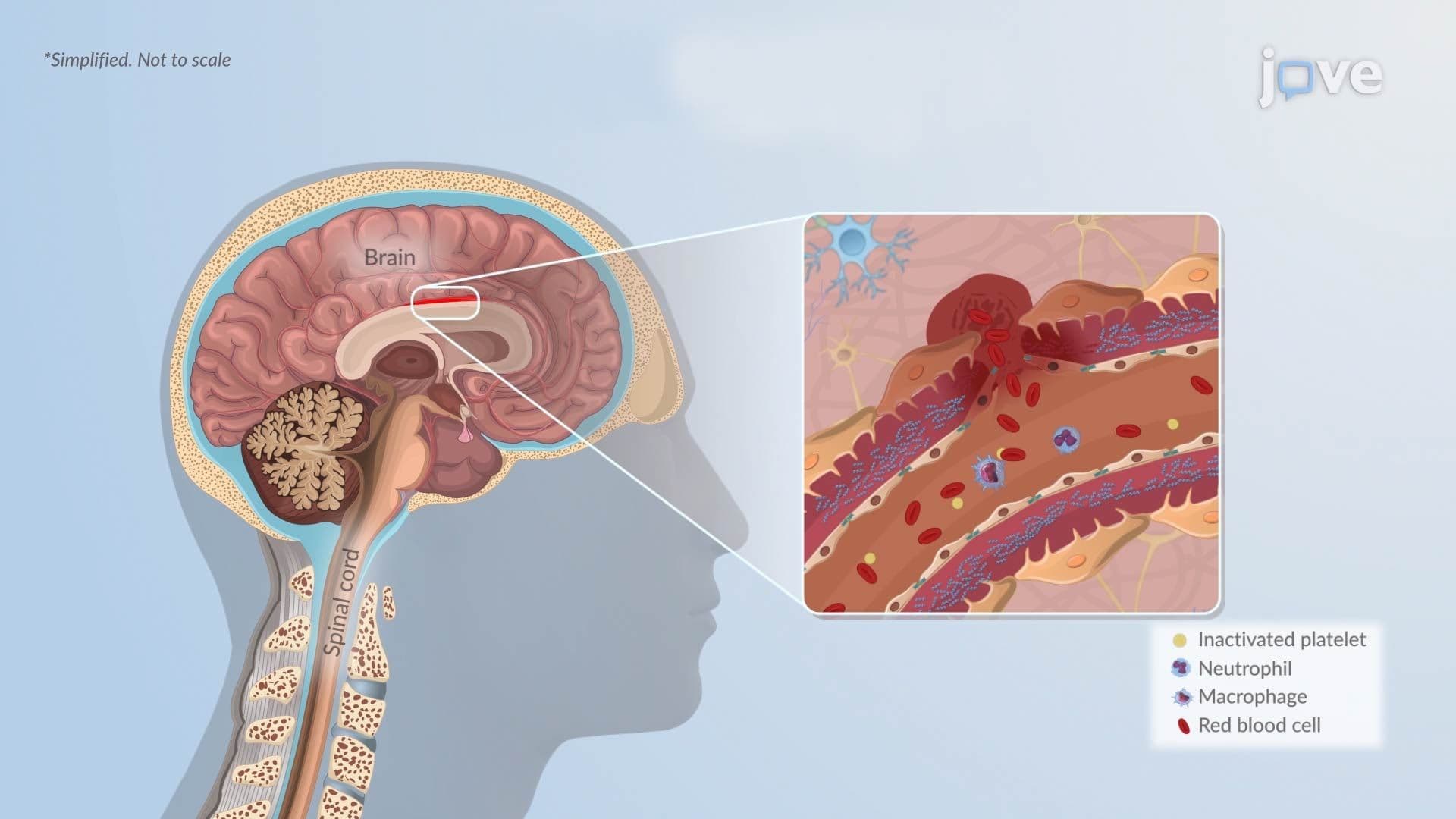
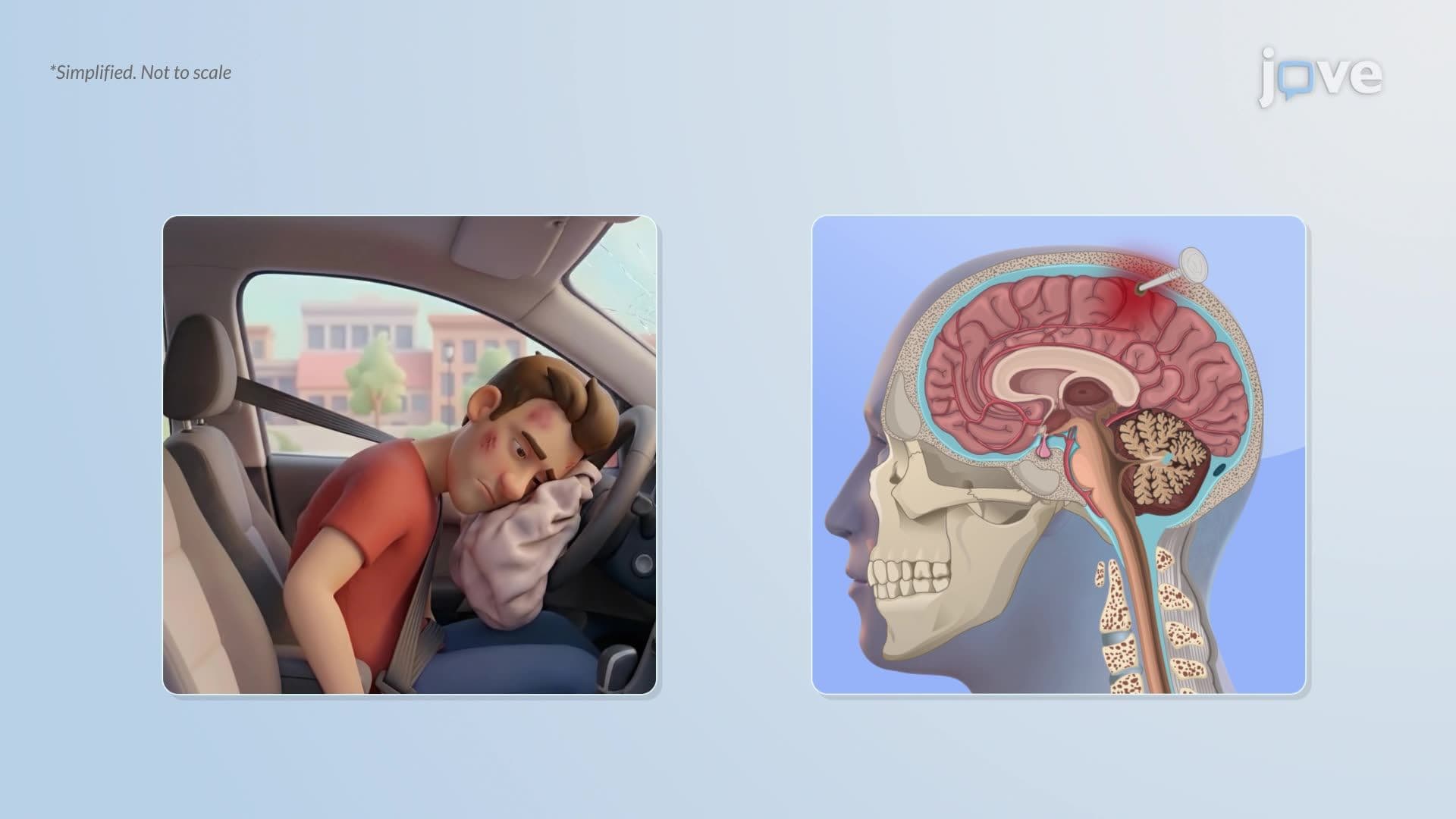
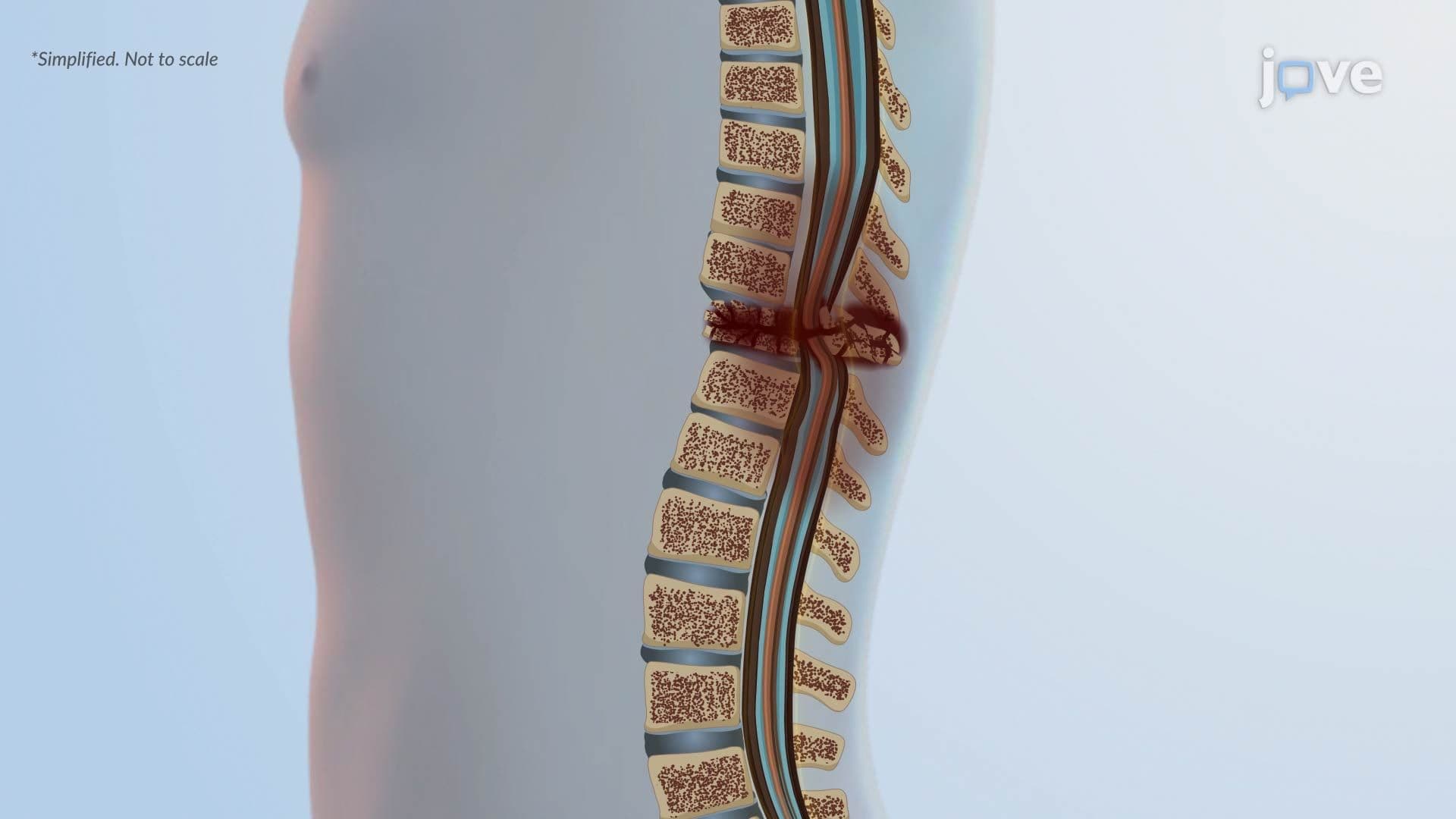
When the BBB is compromised, by ischemia (as in ischemic stroke), tumor-derived inflammatory signals (as seen in glioblastoma multiforme, a common brain cancer diagnosed in the US), severe traumatic brain injury (TBI), or systemic inflammation, the tight junction proteins lose their structural integrity. The barrier becomes abnormally permeable.
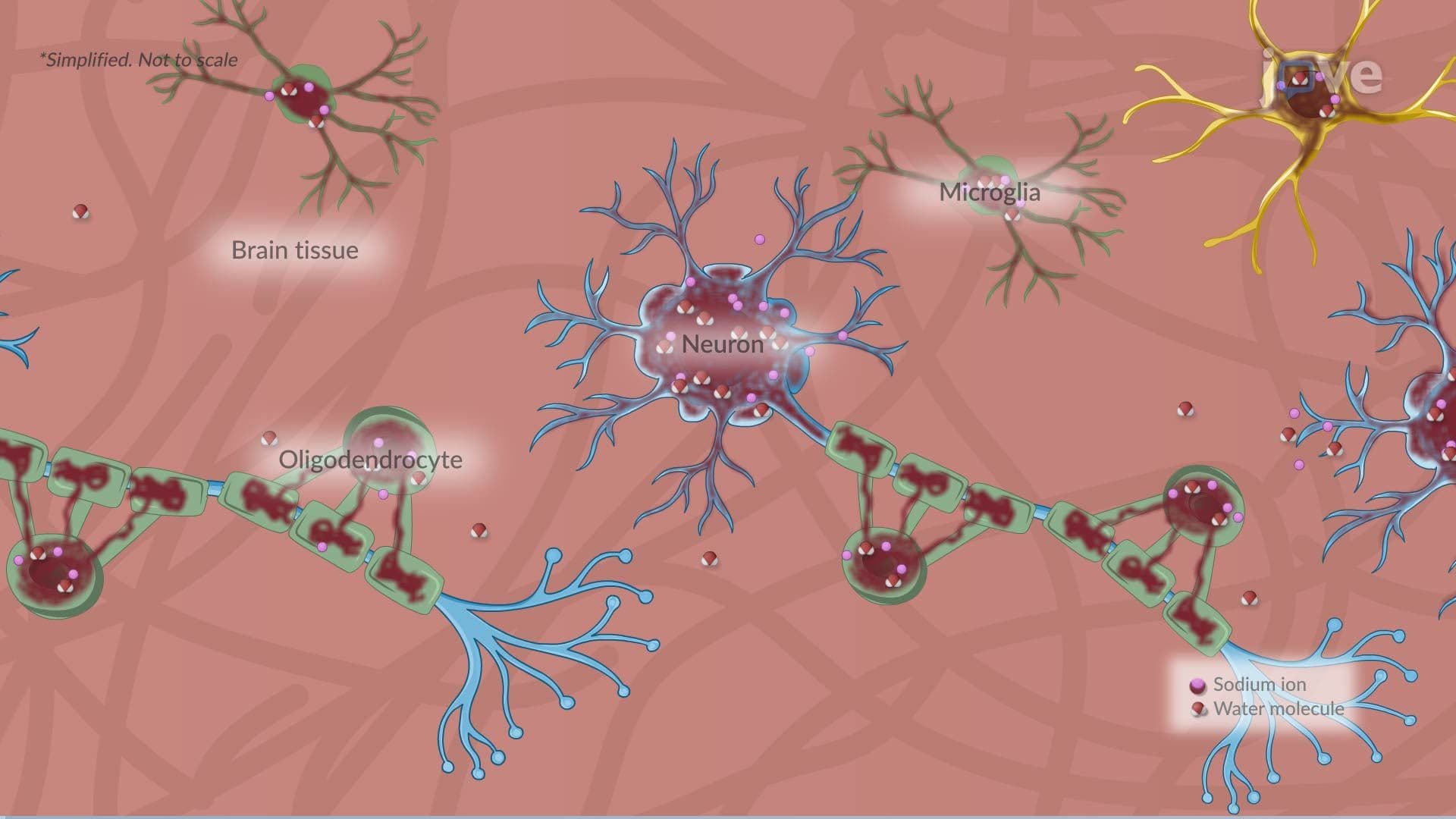
Once the BBB is disrupted, plasma proteins, most notably albumin, leak out of capillaries into the brain's extracellular space. This protein-rich fluid creates an oncotic pressure gradient that draws even more water out of the blood vessels and into the surrounding tissue. Think of it like a sponge becoming saturated, the brain parenchyma swells as fluid volume increases.
This fluid does not distribute evenly. Because white matter has a looser, more compliant extracellular matrix than densely packed gray matter, the leaked fluid preferentially accumulates there. This is why brain MRI scans of vasogenic edema in US clinical practice often show characteristic "finger-like" projections of fluid into white matter tracts.
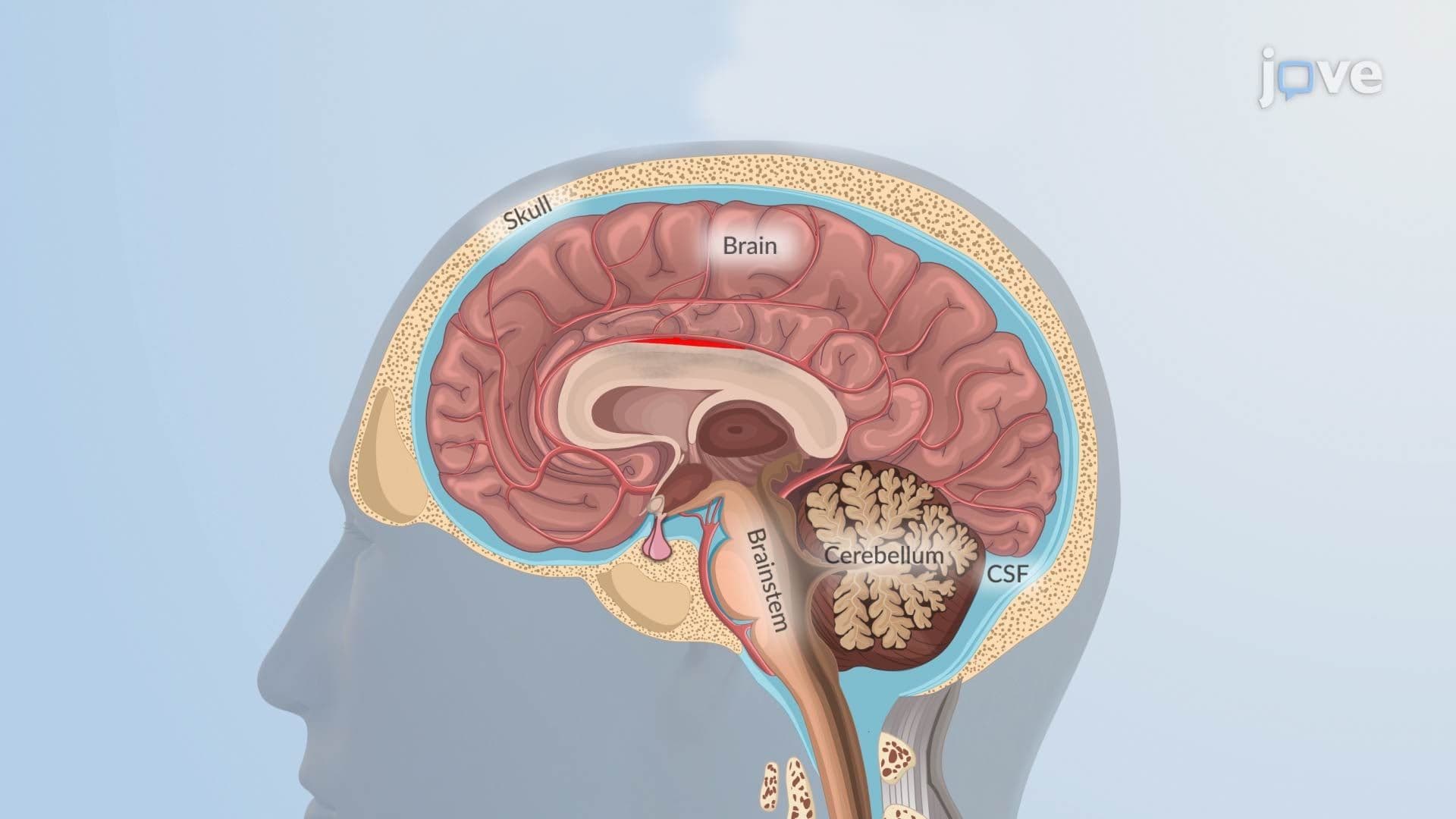
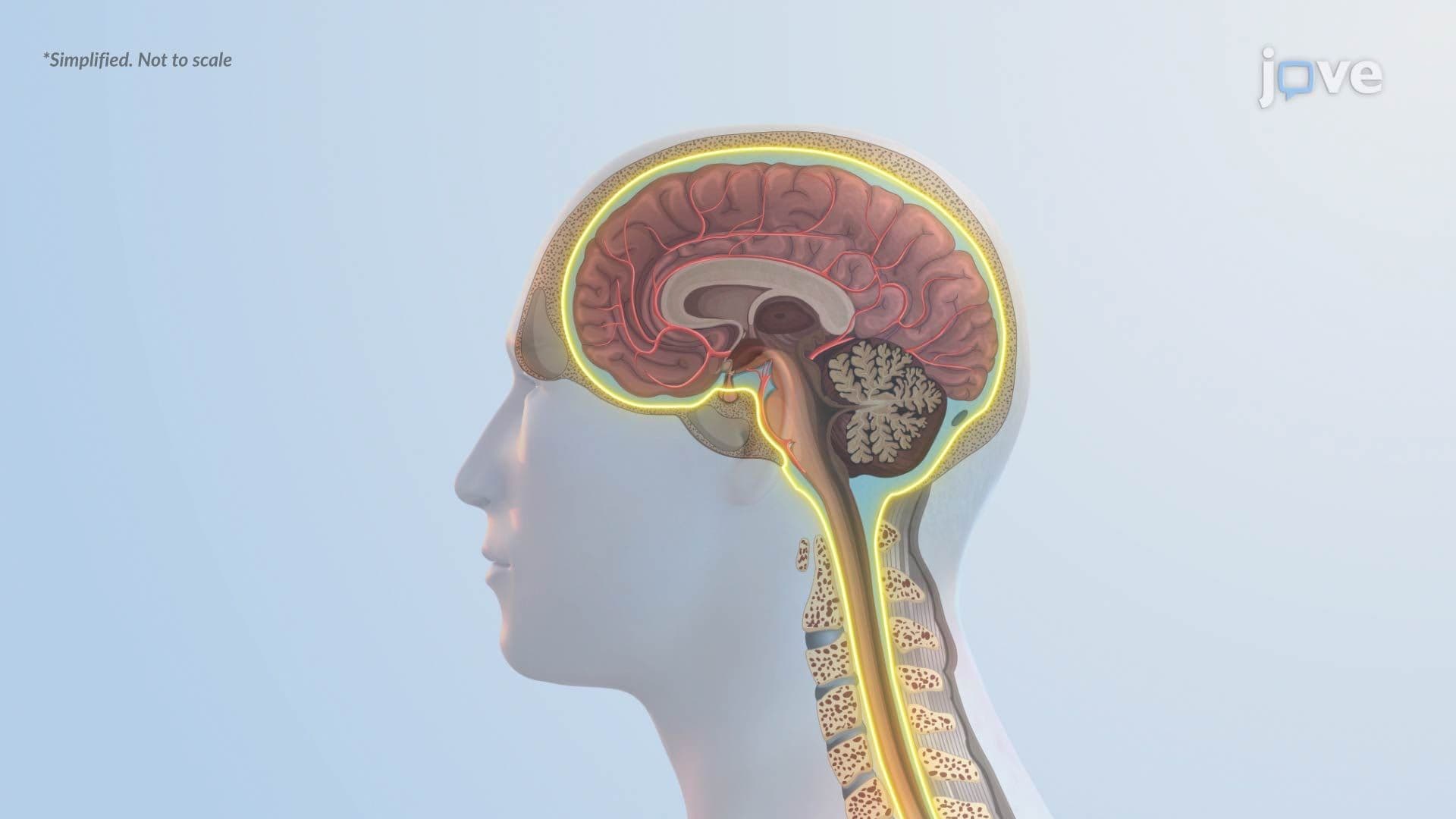
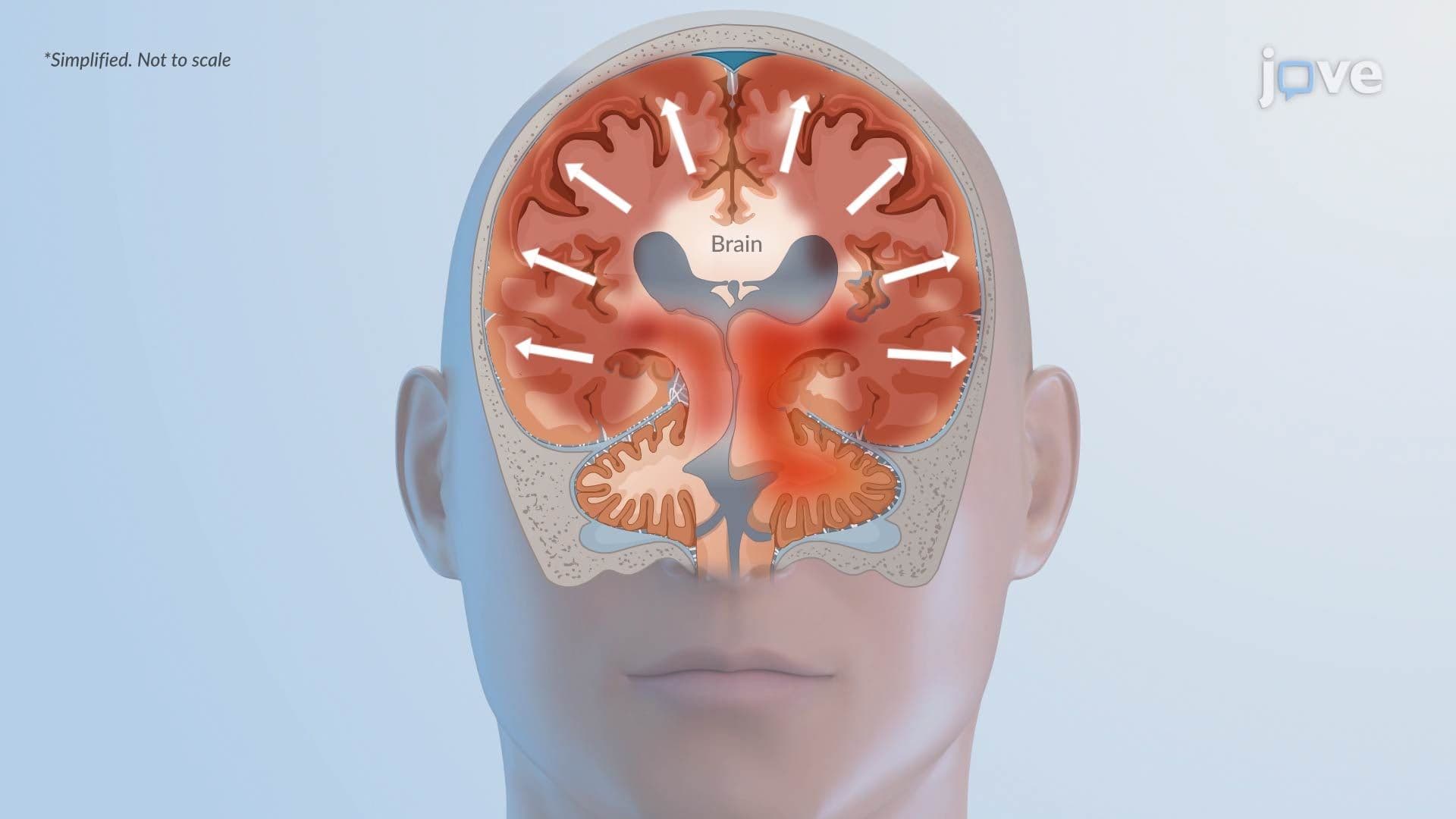
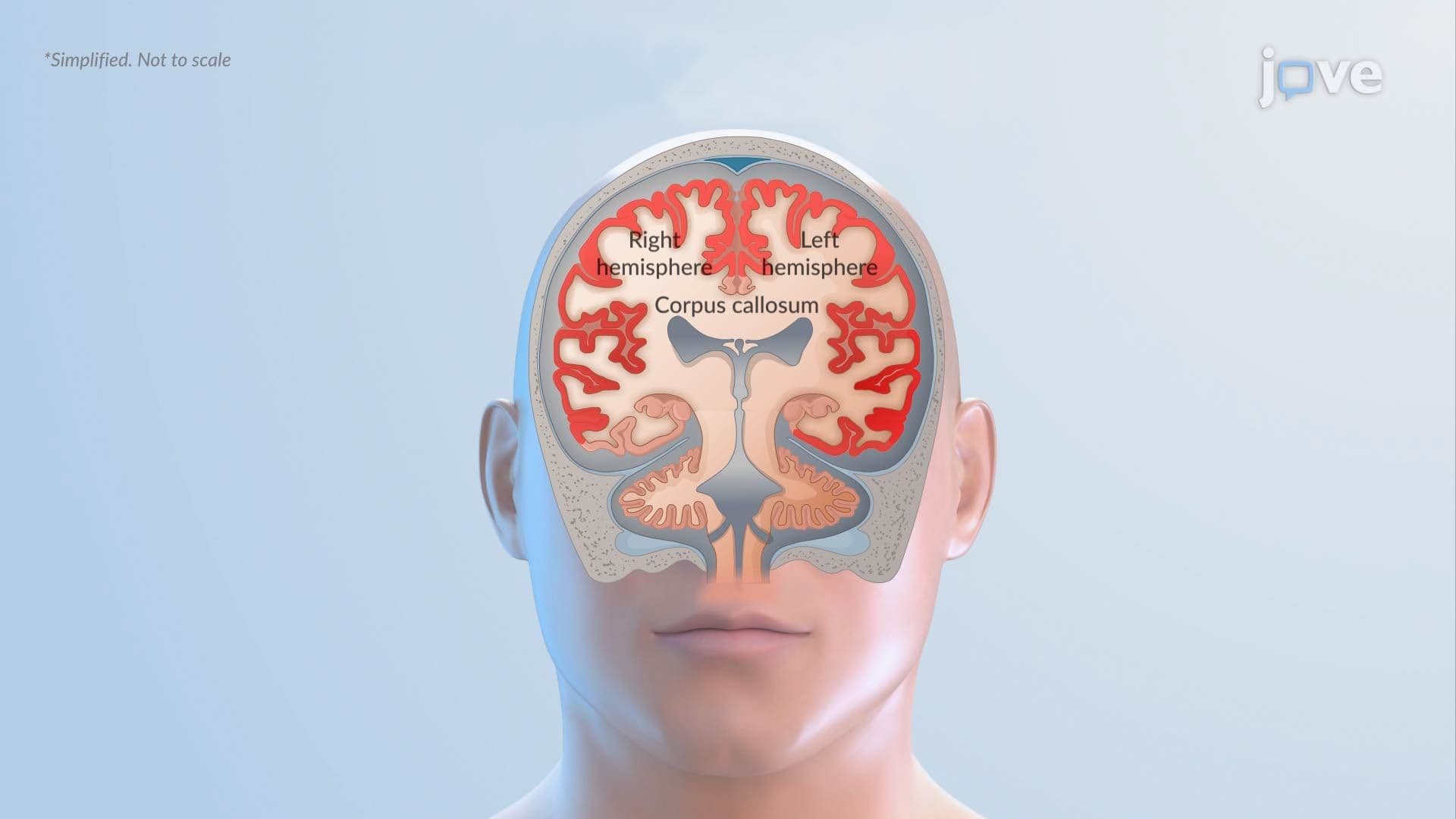
As fluid builds up, total brain volume increases. Since the skull is a rigid, non-expandable container, this triggers a dangerous rise in intracranial pressure (ICP). According to the Monro-Kellie doctrine, a foundational concept in neurophysiology, the brain, blood, and cerebrospinal fluid must remain in volume equilibrium within the skull. Any added volume (like edema fluid) must displace something else, or ICP rises.
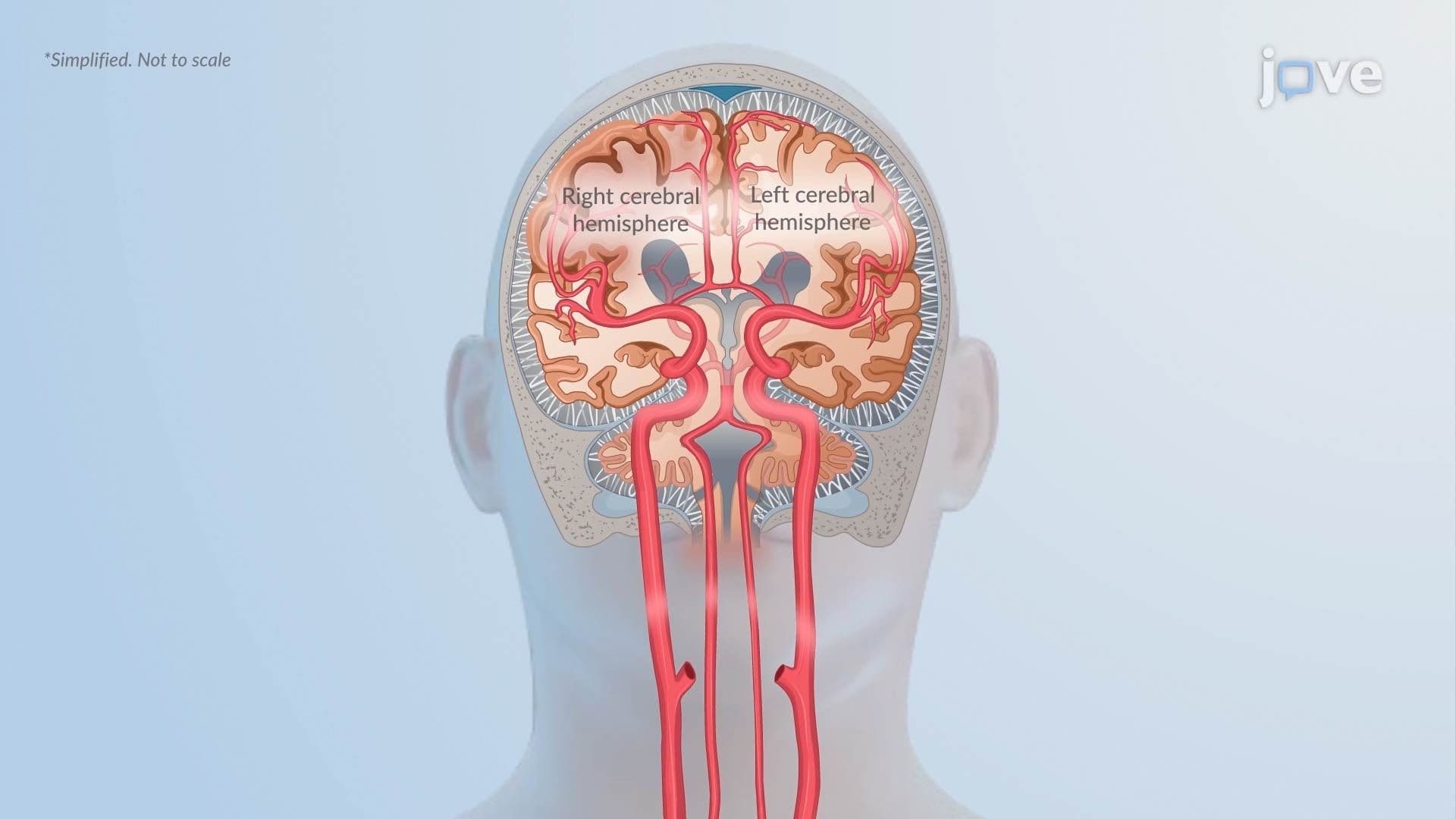
Persistently elevated ICP creates a vicious cycle. As pressure builds, it compresses cerebral blood vessels, reducing cerebral perfusion pressure (CPP), calculated as: CPP = Mean Arterial Pressure (MAP) − ICP. When CPP drops too low, brain tissue is starved of oxygen and glucose, causing secondary ischemic injury, even in areas that were not part of the original insult.
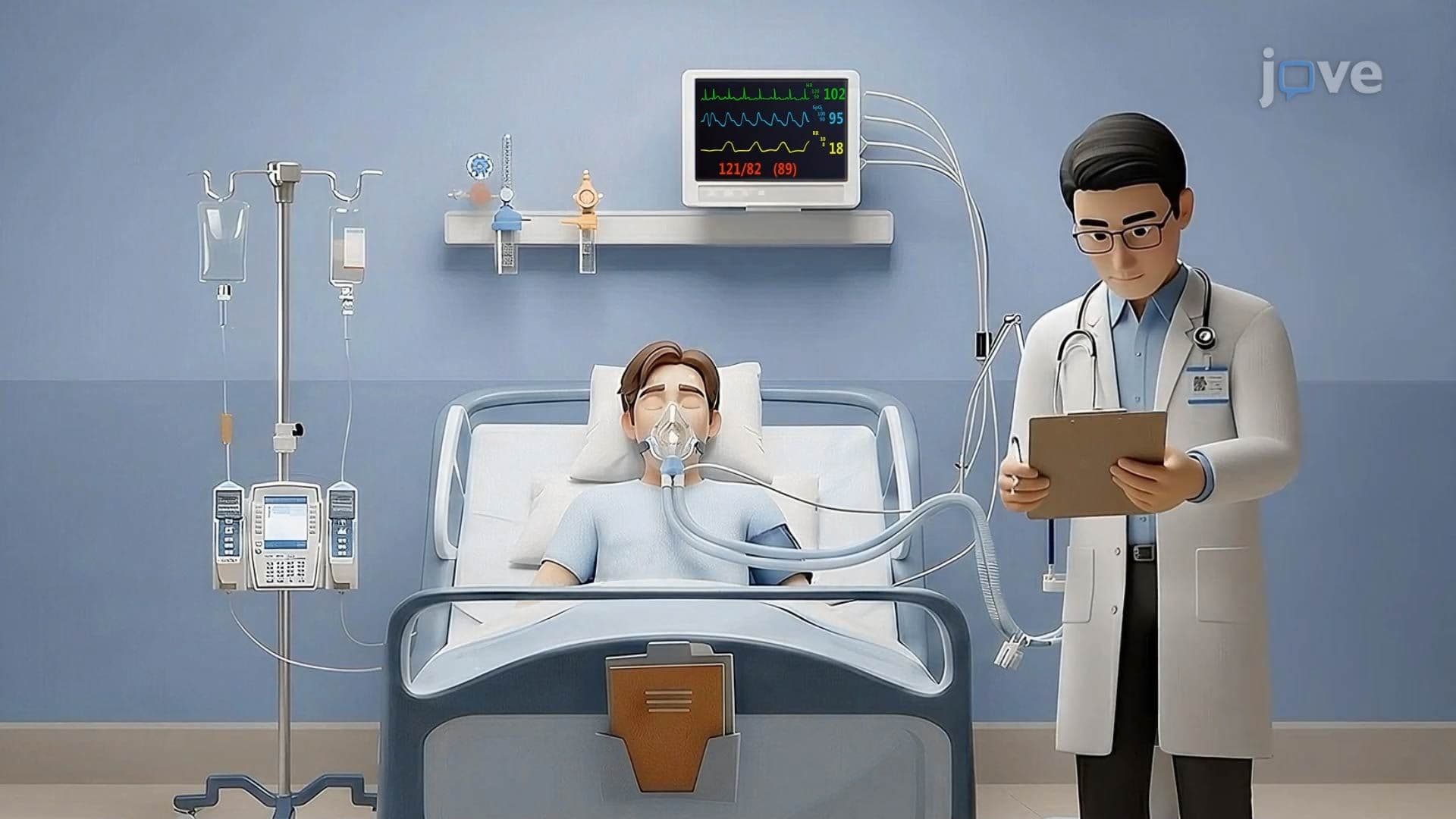
In the US clinical setting, this is why patients with severe TBI or large strokes are managed in neurological ICUs with continuous ICP monitoring, osmotic therapy (such as mannitol or hypertonic saline), and sometimes surgical decompression. Understanding this cascade is directly testable on the MCAT (biological and biochemical foundations), USMLE Step 1 (neuropathology), and college-level courses in human physiology and neuroscience. Students studying AP Biology or enrolled in college introductory neuroscience courses will also encounter vasogenic edema as a model for understanding BBB function, fluid dynamics, and ICP regulation.
Related Micro-courses