Loading video…

 35 Concepts
 5.1K views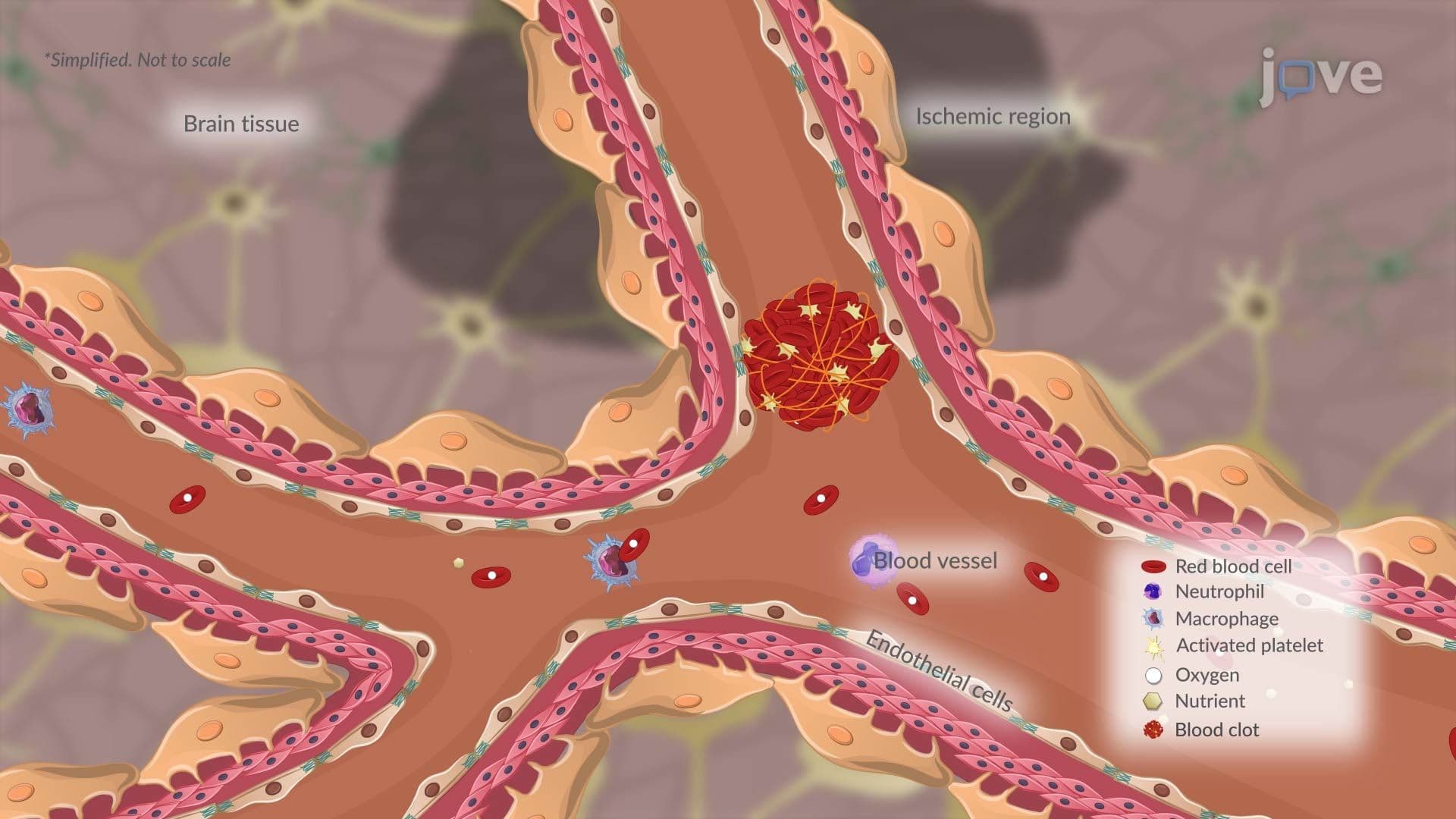

Video Summary: What Is Transient Ischemic Attack L
Every year, nearly 240,000 Americans experience a transient ischemic attack l, a frightening neurological event that can look exactly like a stroke but disappears within minutes. Understanding transient ischemic attack l basics could literally save a life. A classic US emergency room scenario: a 65-year-old suddenly loses speech for 20 minutes, then fully recovers, that's a TIA in action. Watch the full video on JoVE Coach to master this concept with expert-led visuals and step-by-step explanations.
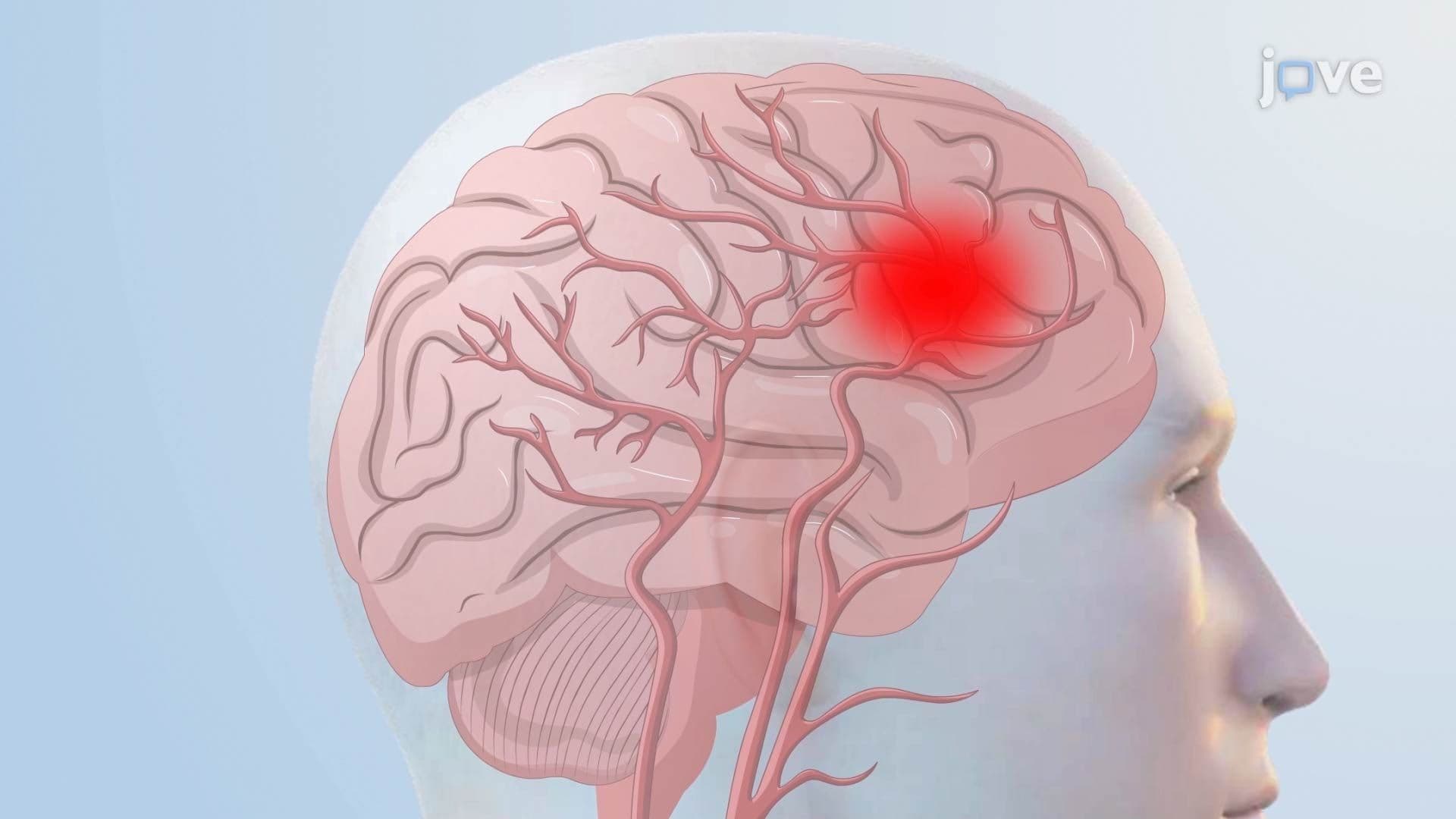
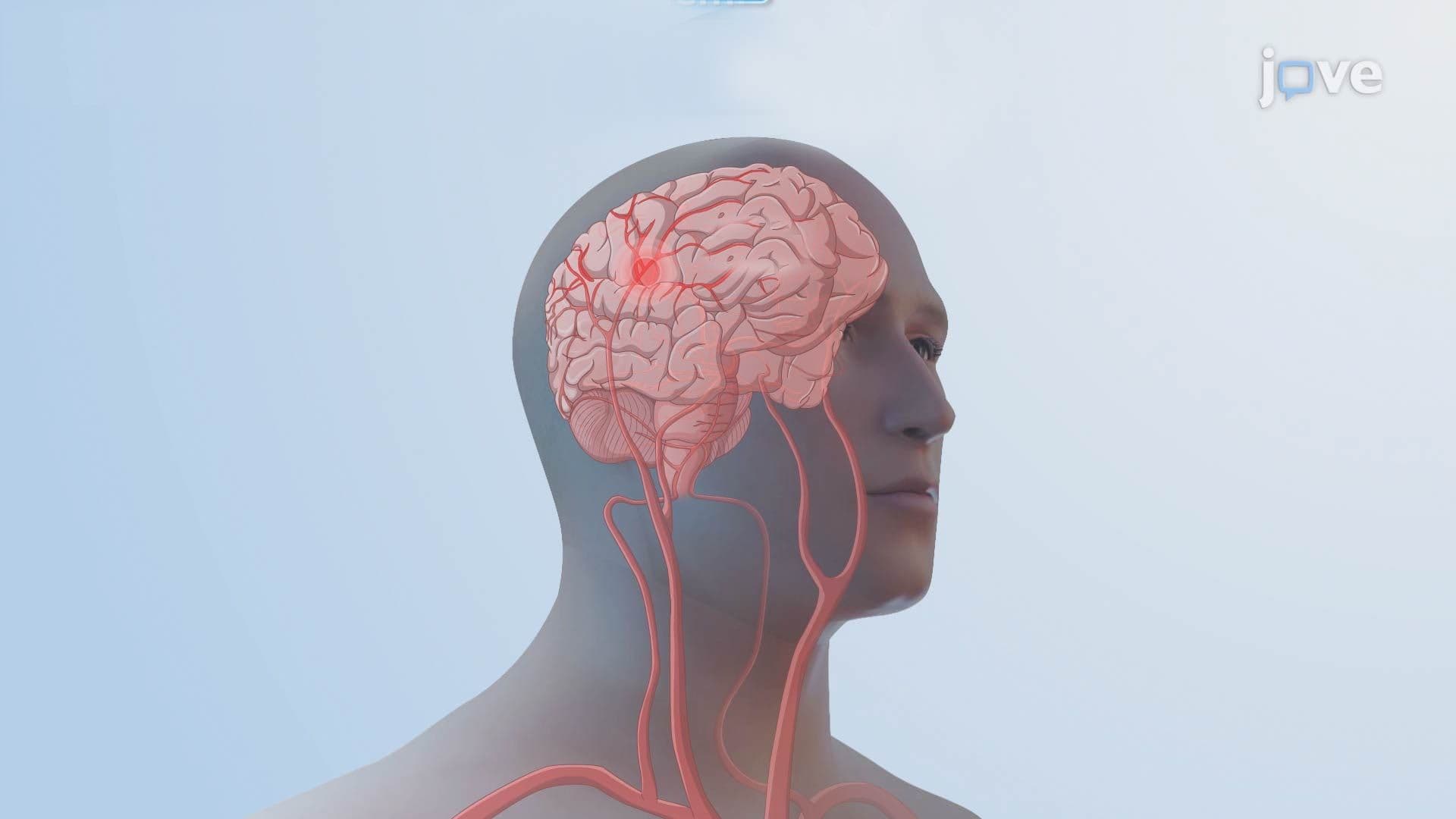
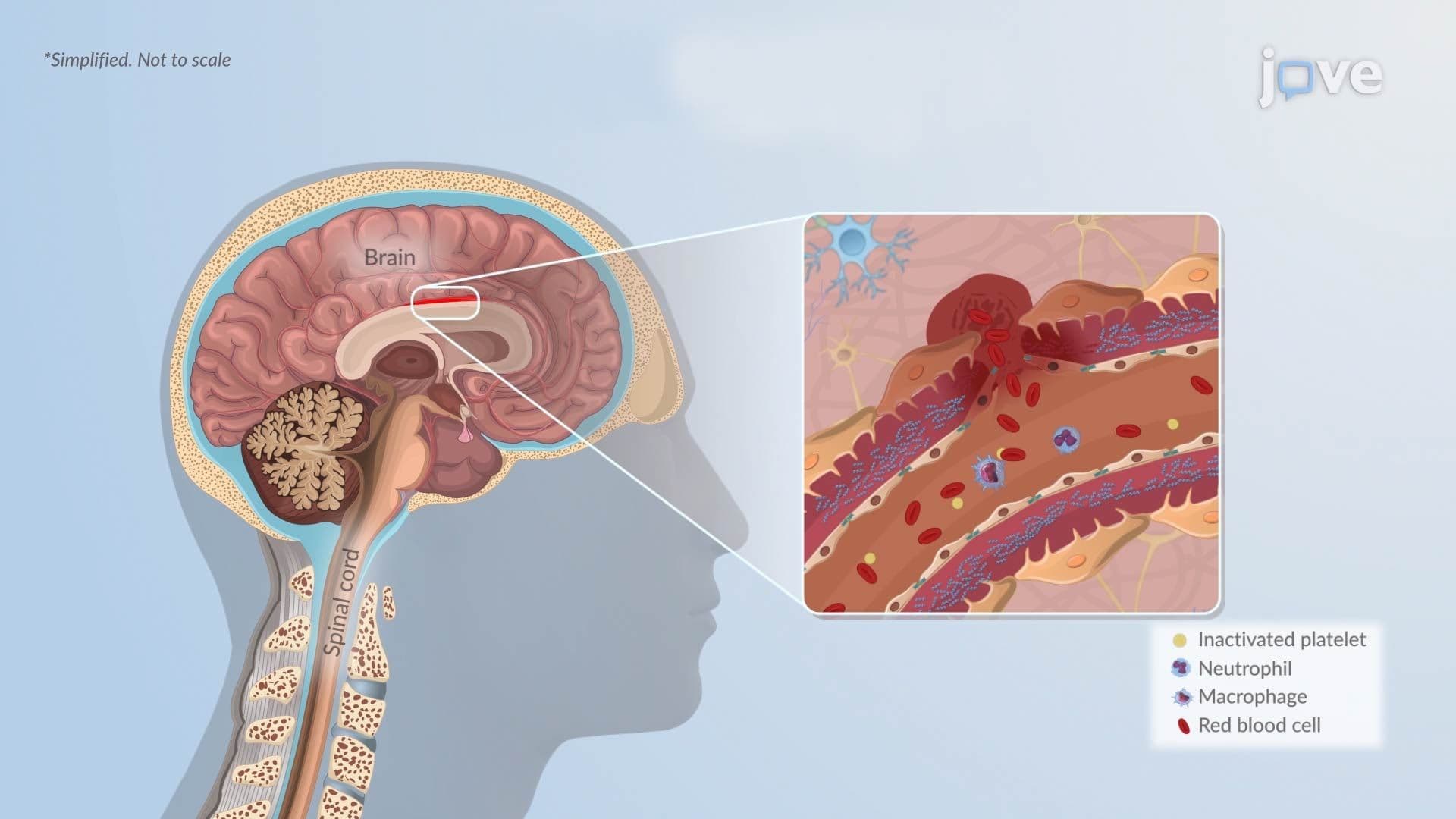
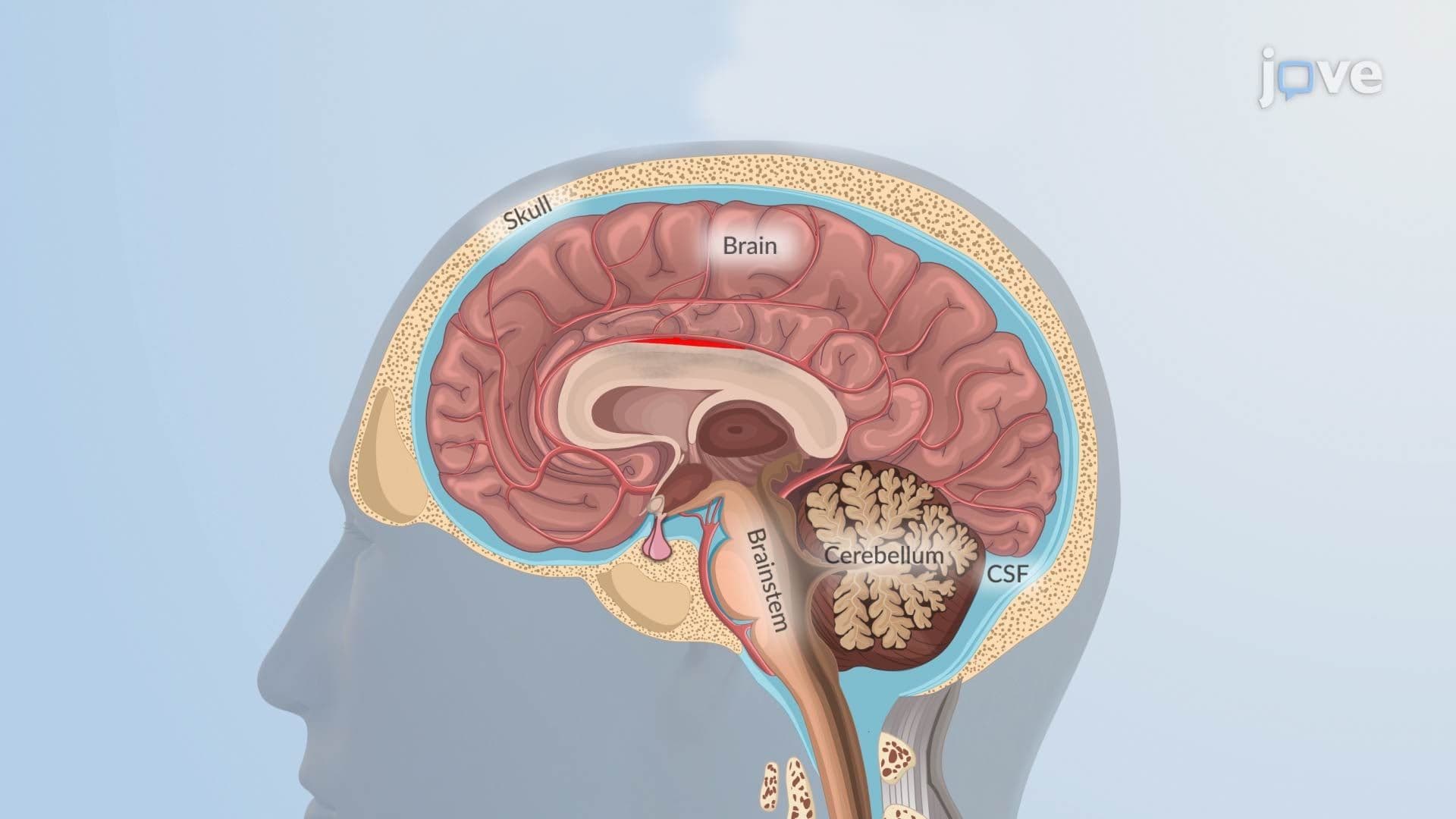
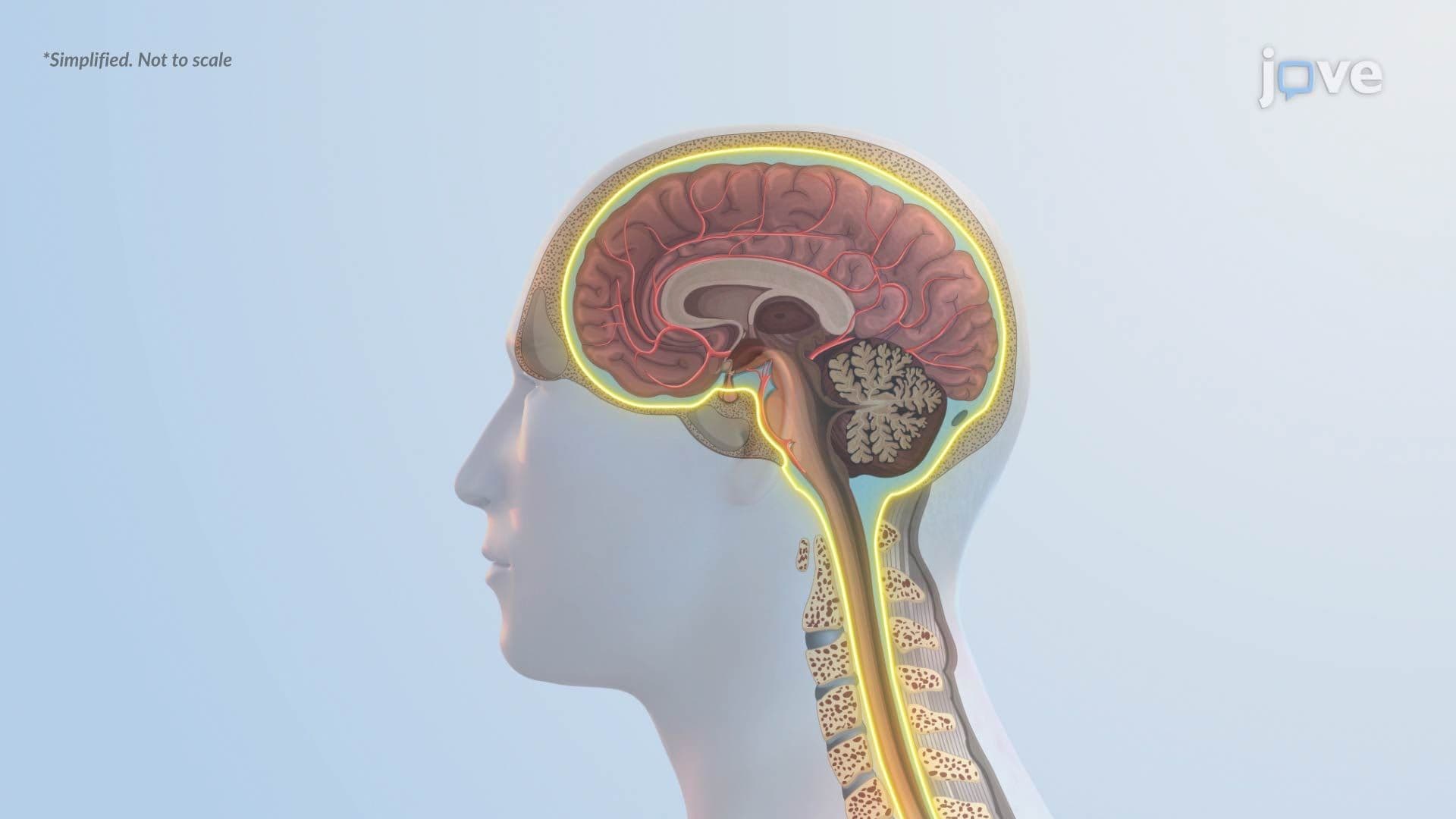
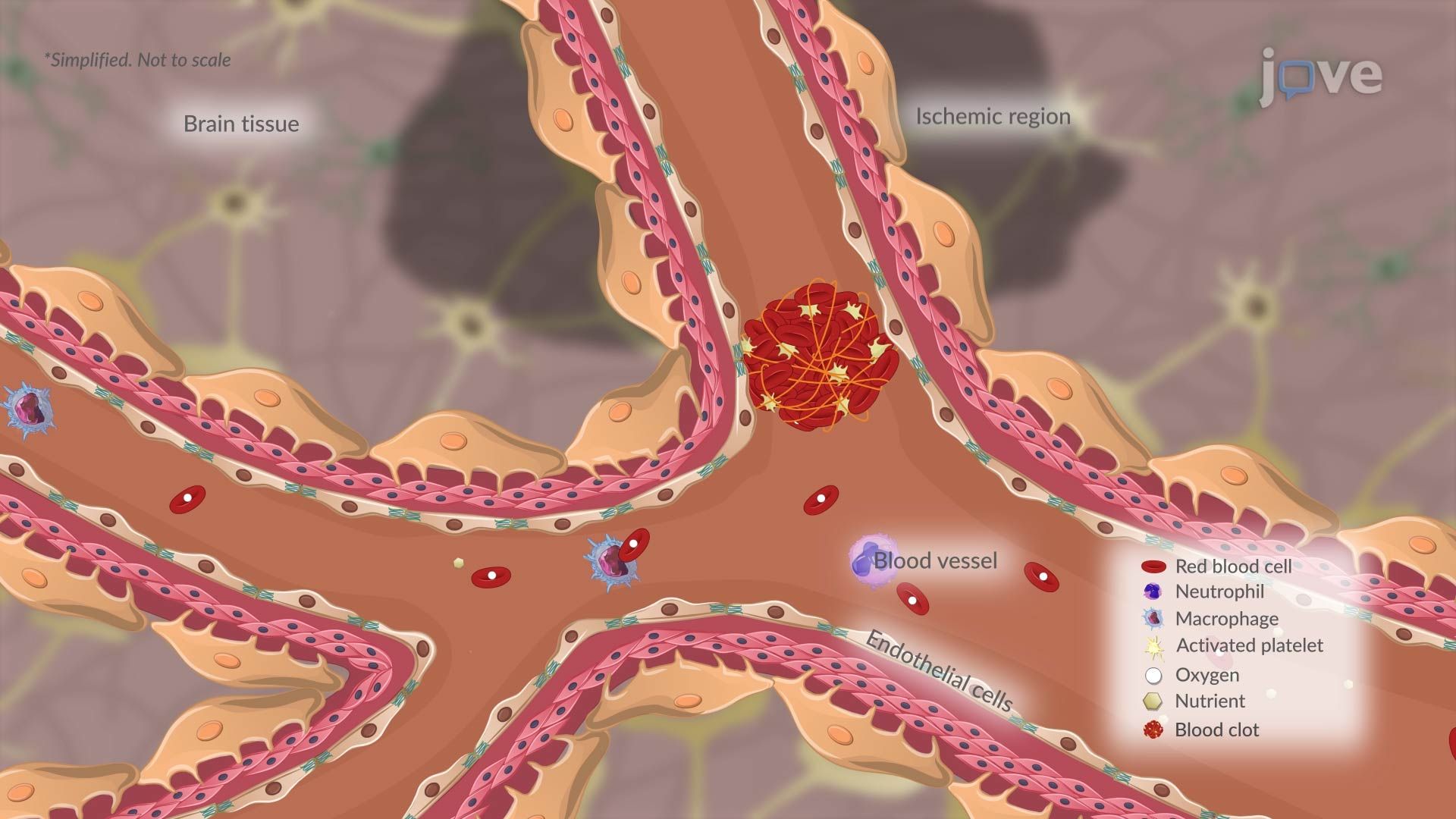
A transient ischemic attack l, universally known as a TIA or "mini-stroke", is a brief, reversible episode of neurological dysfunction caused by temporary focal ischemia in the brain, spinal cord, or retina. Unlike a full ischemic stroke, a TIA produces no permanent infarction of brain tissue, meaning neurons are stressed but not destroyed. However, clinicians across the US treat TIA as a medical emergency because it is one of the strongest predictors of a subsequent, potentially disabling stroke. Studies published by the American Stroke Association show that up to 10-15% of TIA patients experience a full stroke within 90 days if left untreated.
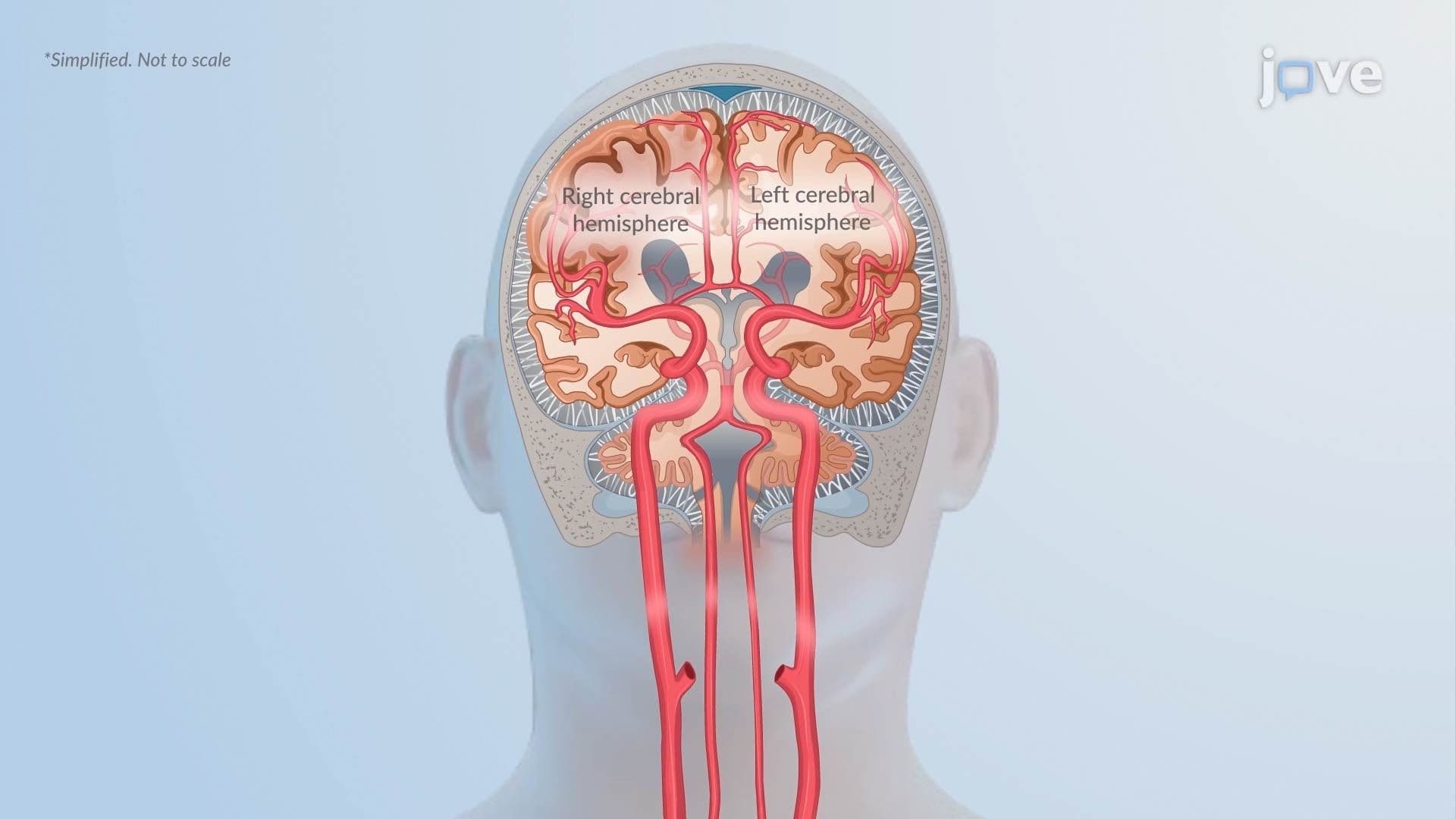
TIA develops through three well-established pathophysiological pathways. First, large artery atherosclerosis involves the buildup of fatty plaque inside arterial walls, commonly in the carotid arteries of the neck. This plaque narrows the vessel lumen and restricts blood flow. During periods of relative hypotension (such as dehydration or positional changes), perfusion to downstream brain regions may drop below the threshold needed to maintain neuronal function. Occasionally, a small thrombus forms directly on the plaque surface, temporarily occludes the artery, and then dissolves spontaneously, producing a brief window of ischemia.
Second, embolic TIA occurs when a clot or debris breaks free from a distant site and travels to a cerebral artery. Common embolic sources in US patients include the heart (atrial fibrillation is a leading culprit), artificial heart valves, ventricular wall thrombi after myocardial infarction, and ulcerated plaques at the carotid bifurcation. The embolus lodges in a cerebral vessel, blocks flow momentarily, and then either fragments or is cleared by the fibrinolytic system, restoring perfusion and resolving symptoms.
Third, hemodynamic TIA results from high-grade stenosis of the carotid or vertebral arteries. When these major supply vessels are severely narrowed, resting perfusion may be just adequate, but any drop in systemic blood pressure (from cardiac arrhythmia, orthostatic hypotension, or blood loss) can push downstream brain tissue into ischemia.
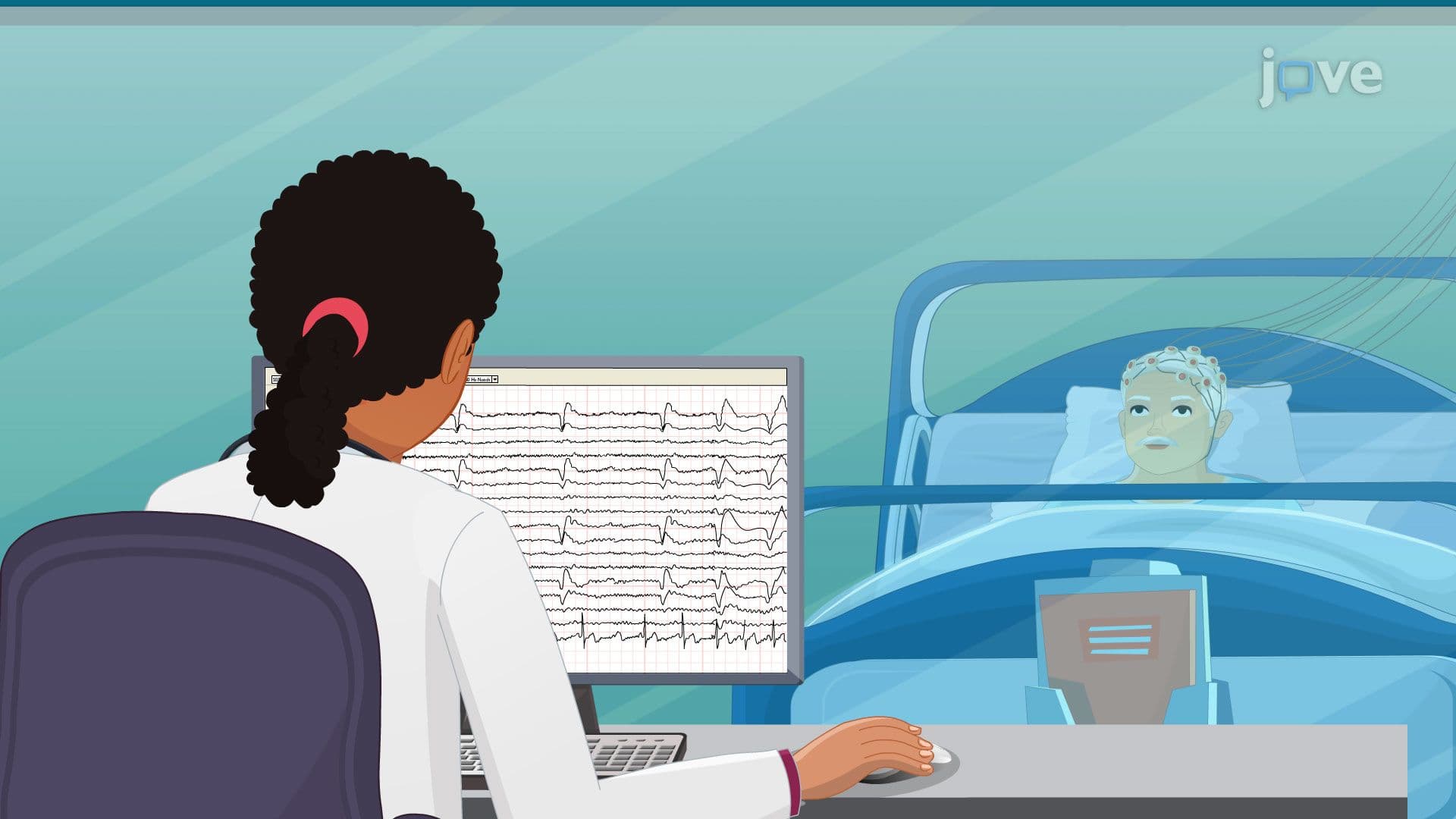
TIA sits within a broader landscape of neurological and cerebrovascular disorders. Unlike chronic neurodegenerative diseases such as Alzheimer's disease, Parkinson's disease, or multiple sclerosis, which involve progressive structural damage to neurons, TIA is acute and, by definition, reversible. However, shared vascular risk factors (hypertension, diabetes, hyperlipidemia) link TIA to stroke and even to vascular dementia. Epilepsy can sometimes mimic TIA symptomatology, making accurate clinical diagnosis essential. Understanding how neurological disorders are diagnosed, using tools like MRI, CT perfusion imaging, carotid Doppler ultrasound, and ECG monitoring, is directly relevant to TIA workup in US hospitals.
For high school and undergraduate students, TIA is a high-yield topic that bridges anatomy, physiology, and clinical medicine. On the MCAT, TIA-related content appears under the Organ Systems section covering cerebrovascular pathophysiology. AP Biology and college-level neuroscience courses address cerebral blood flow regulation, making TIA a compelling real-world application. Pre-nursing students preparing for the NCLEX or HESI A2 must distinguish TIA from stroke in clinical scenarios. Mastering the mechanisms of TIA, atherosclerosis, embolism, and hemodynamic compromise, builds the foundation needed for understanding stroke prevention strategies used by healthcare providers across the United States every day.
Related Micro-courses