Loading video…

 35 Concepts
 5.1K views

Video Summary: What Is Encephalitis L
Did you know a common cold sore virus is the leading cause of serious brain inflammation in the US? Encephalitis L, the inflammation of brain tissue itself, can stem from viral infections, autoimmune attacks, or opportunistic pathogens. For example, West Nile virus outbreaks across the American Midwest have triggered hundreds of encephalitis cases. Watch the full video on JoVE Coach to master this concept with expert-led visuals and step-by-step explanations.
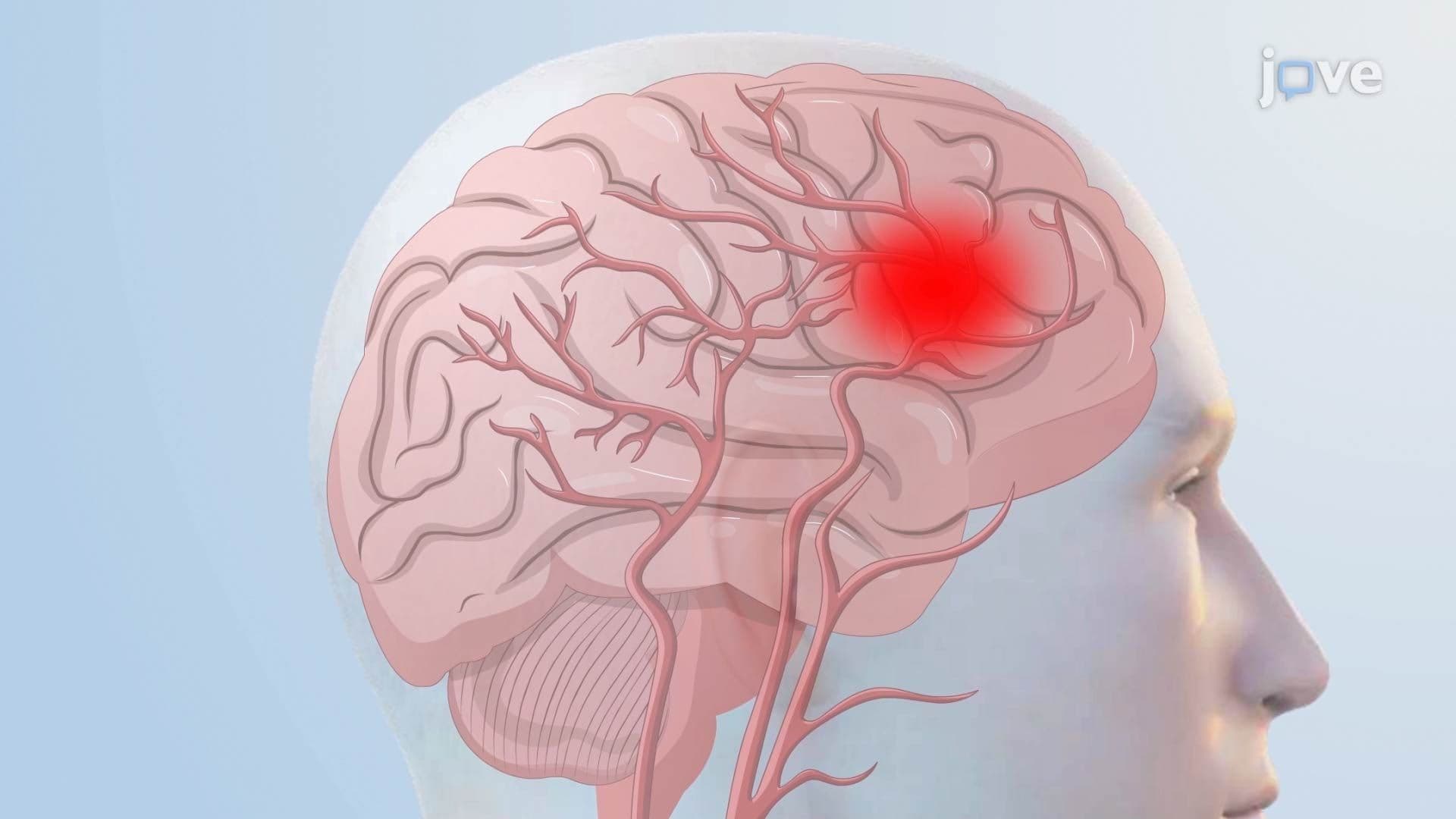
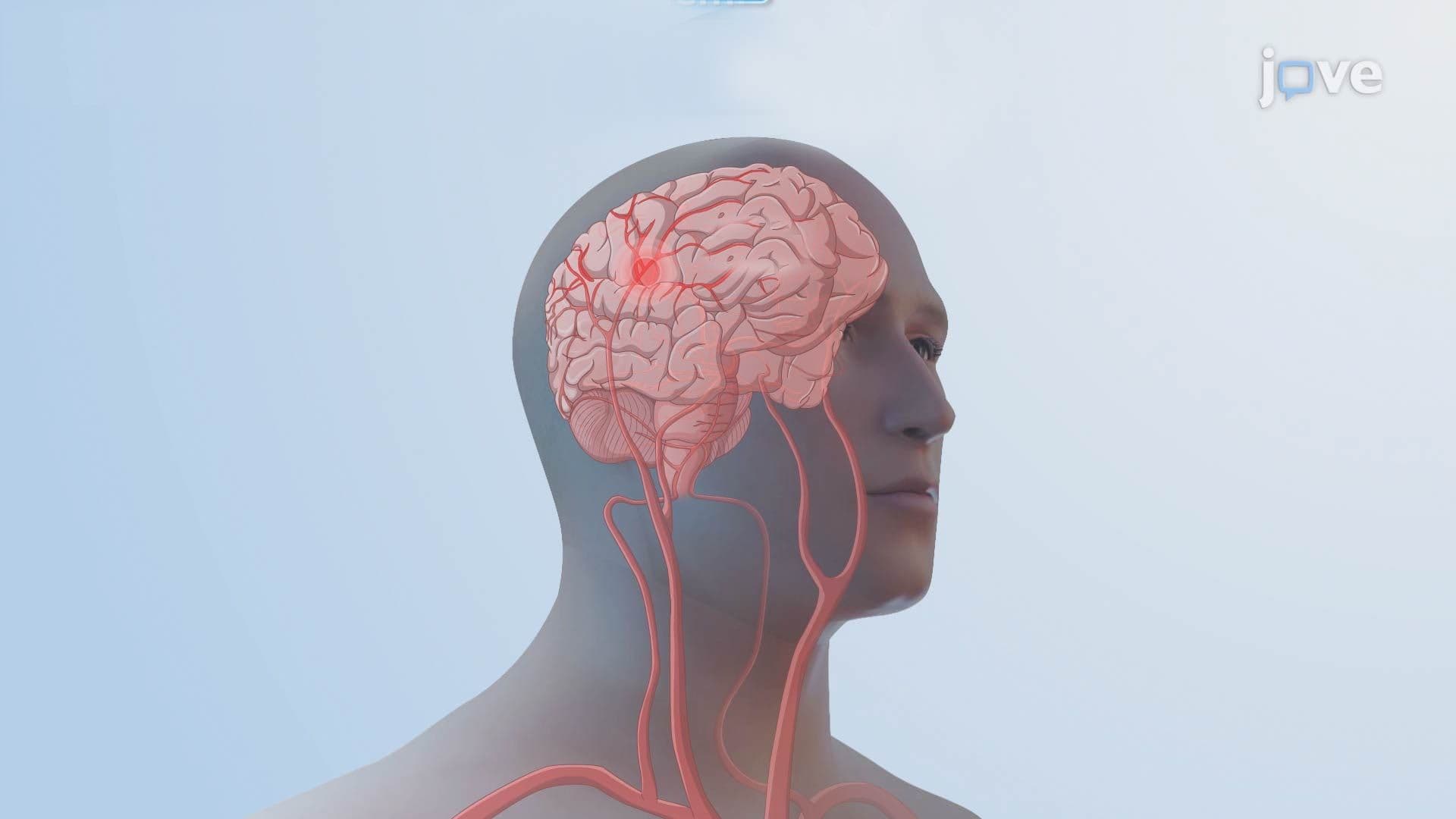
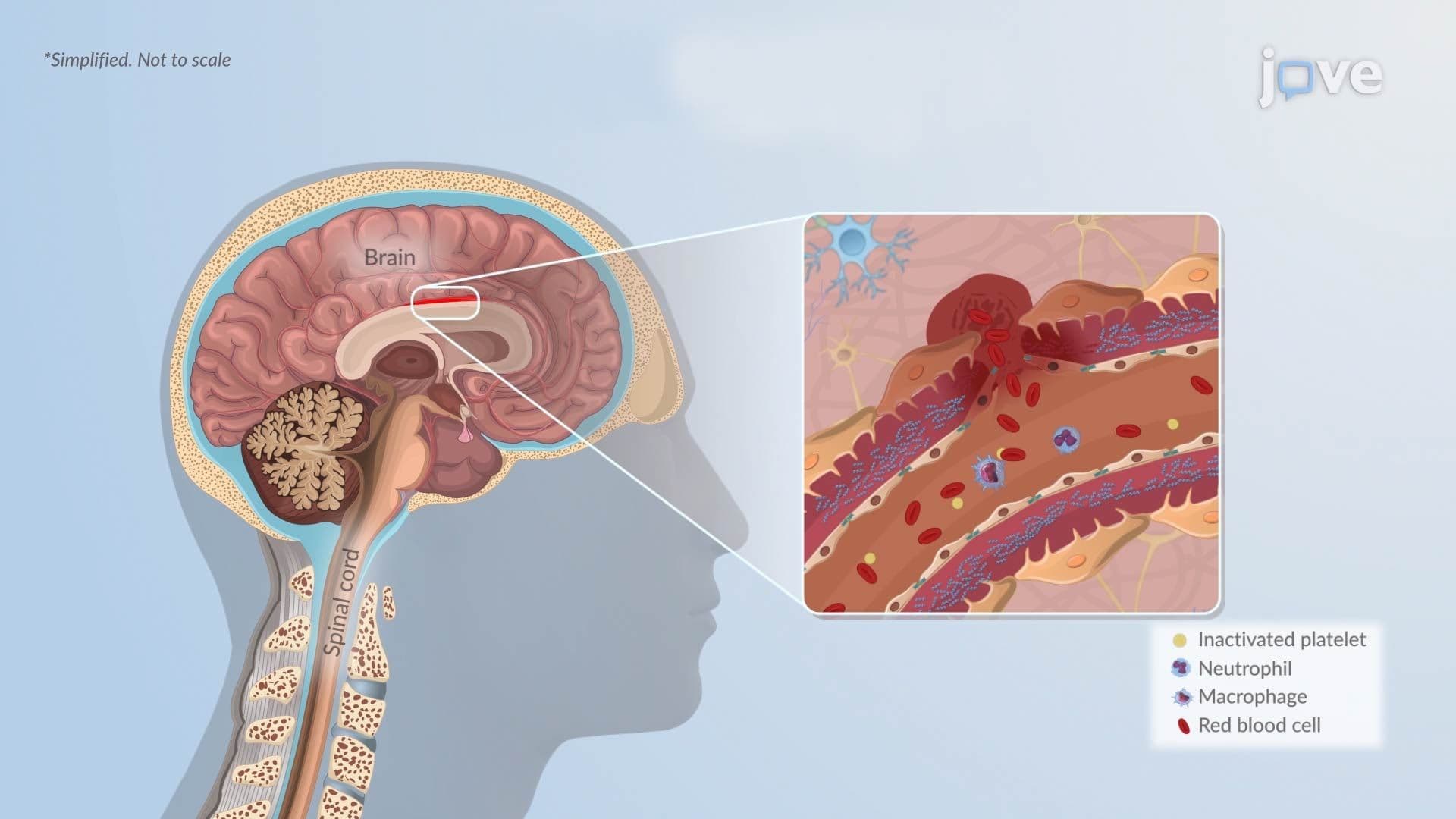
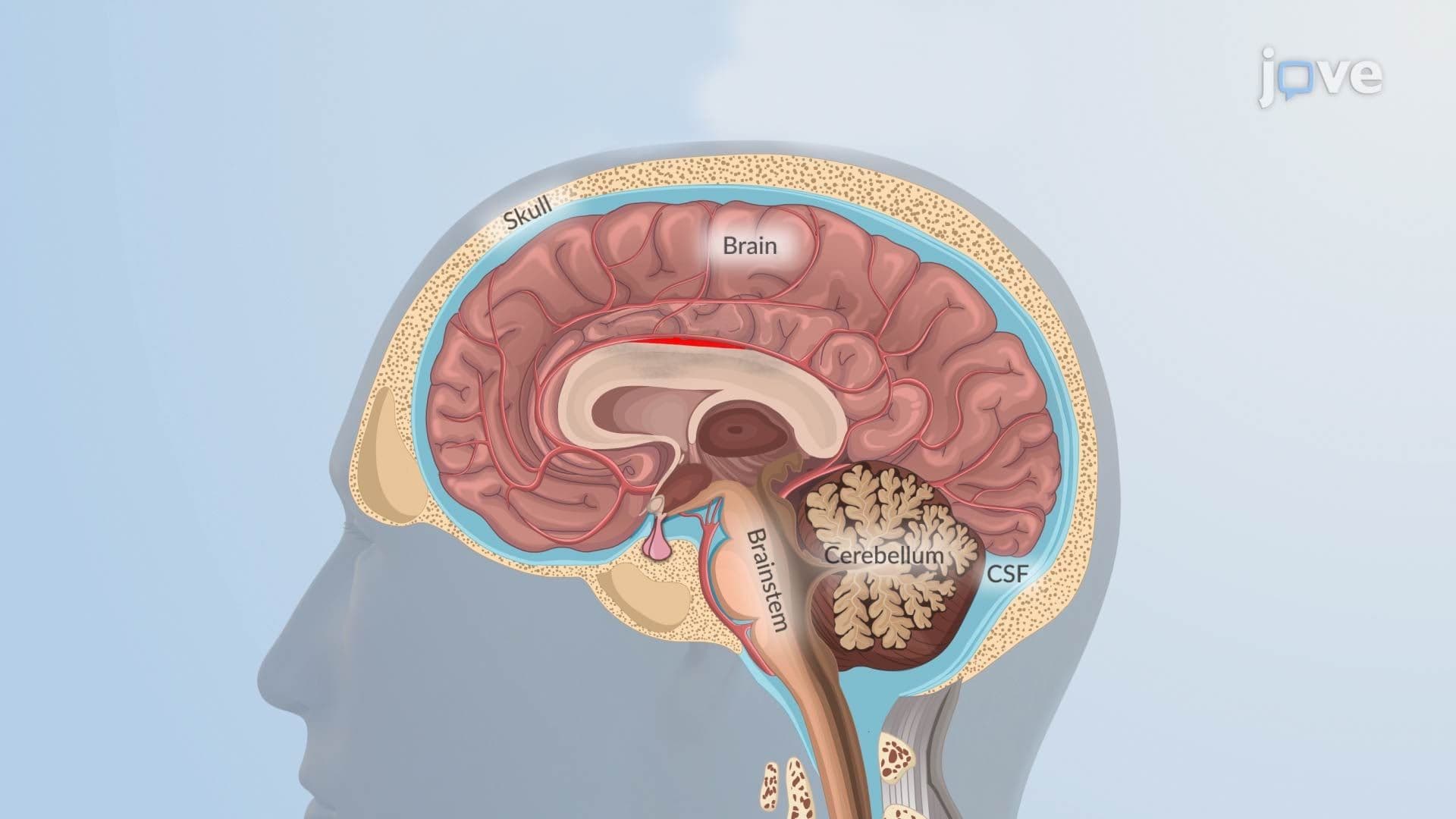
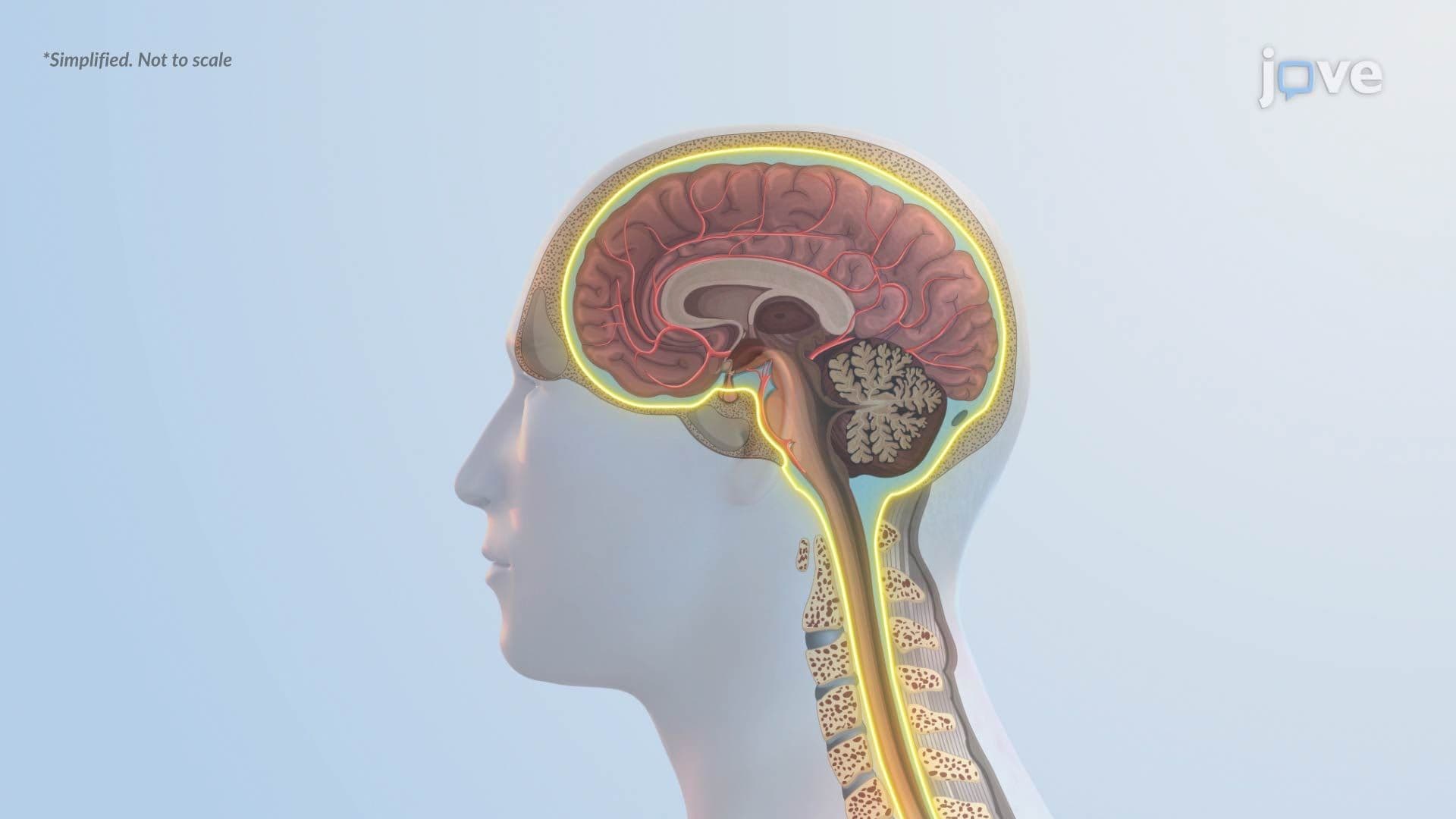
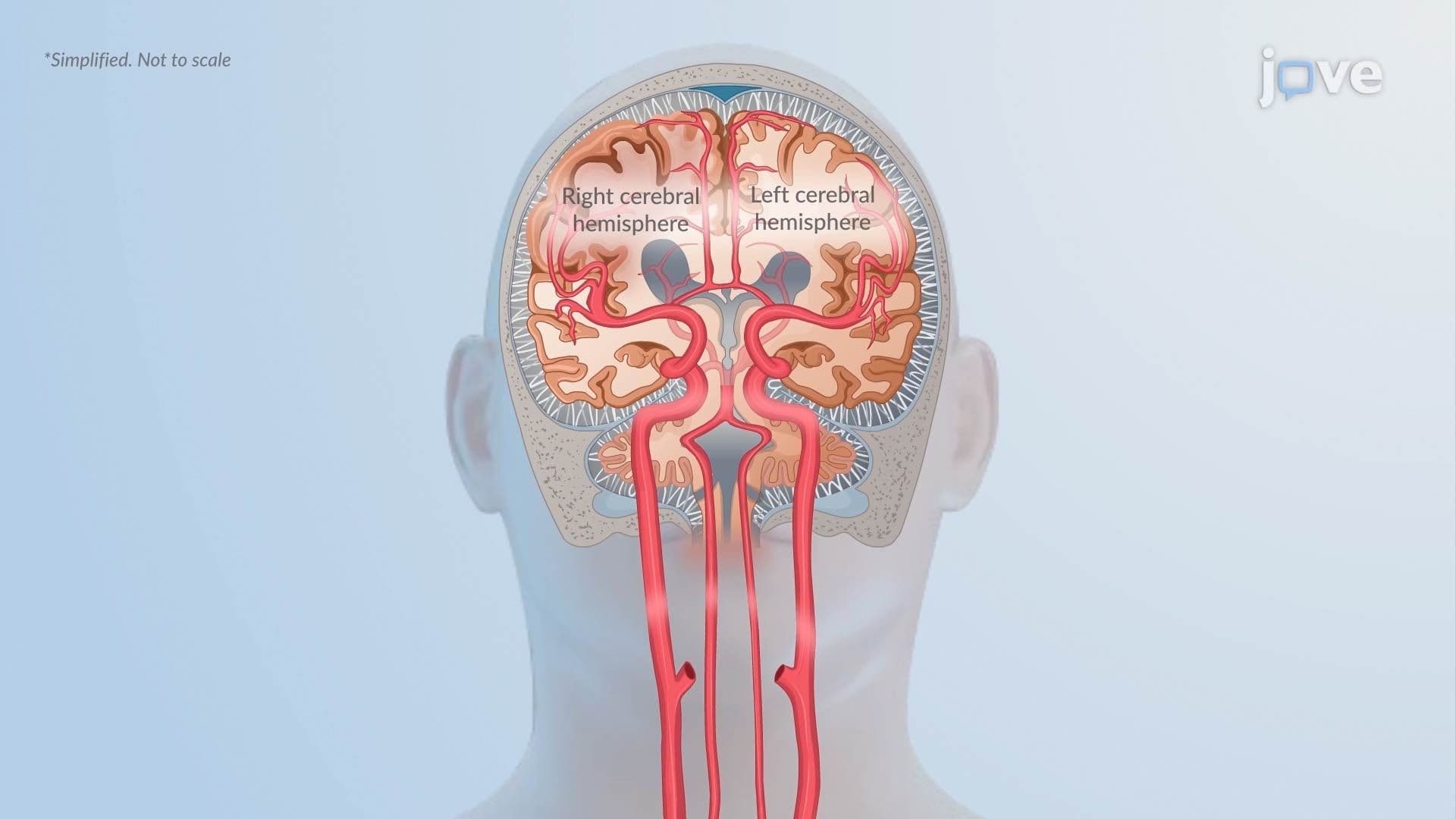
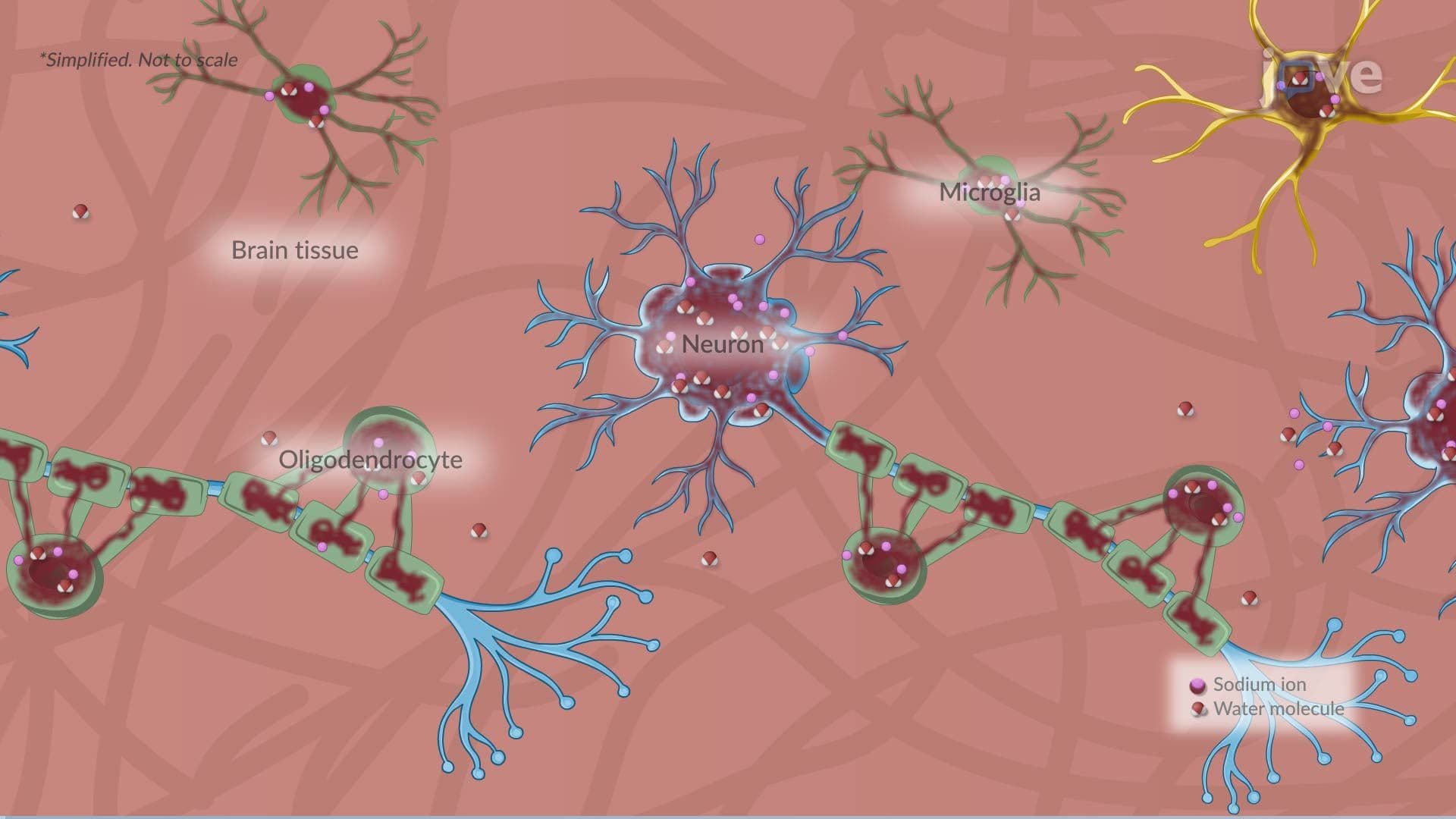
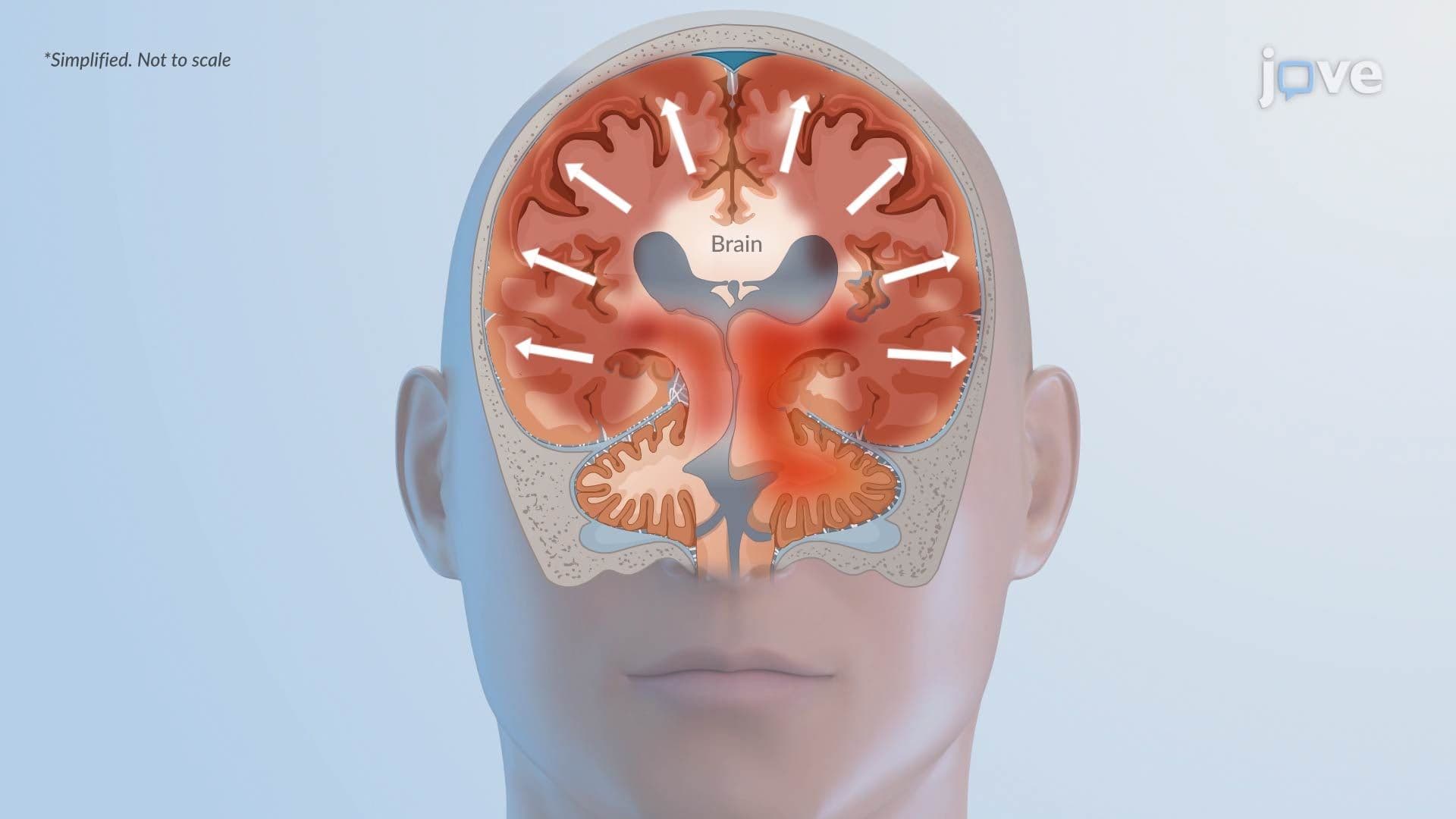
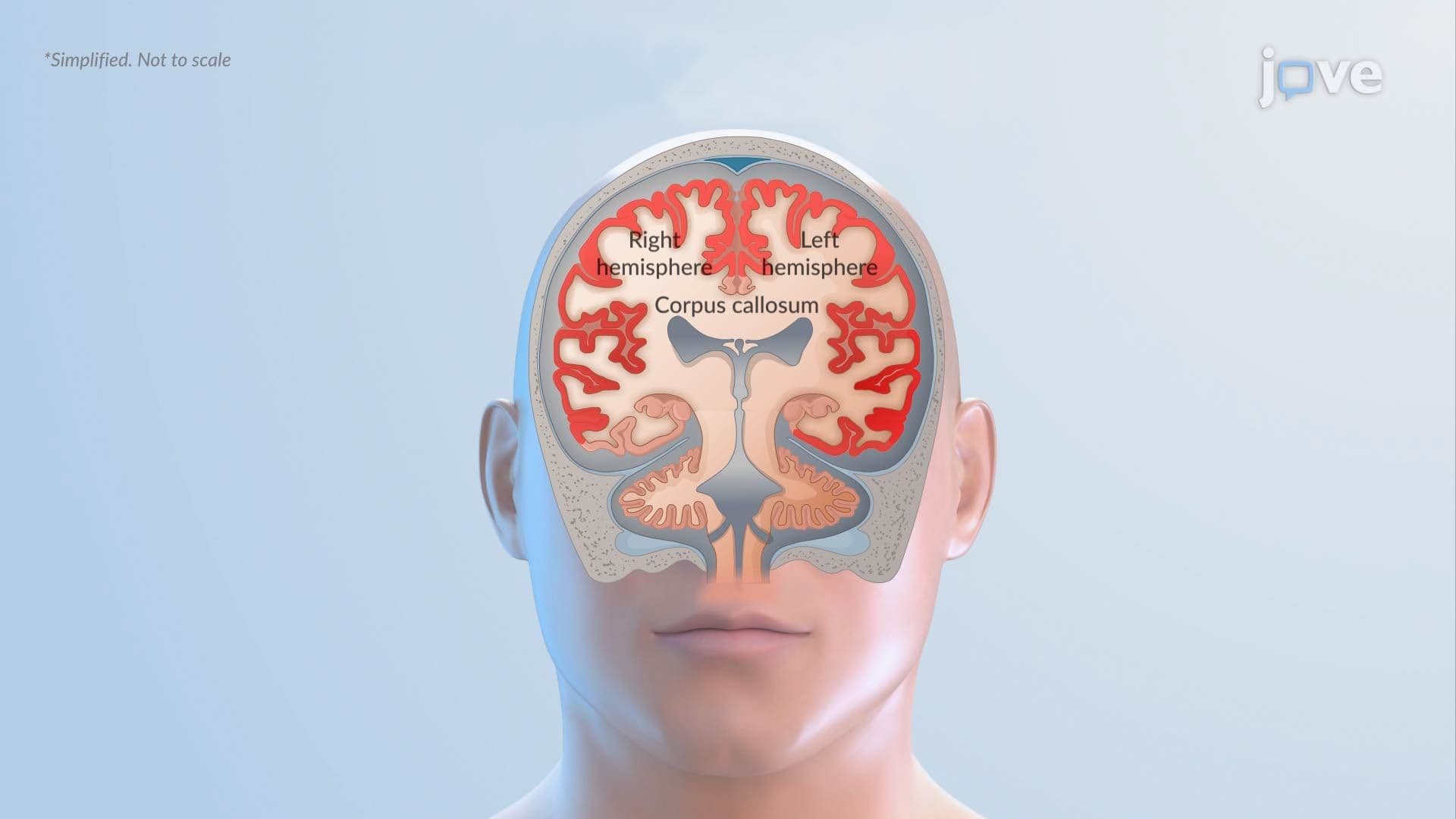
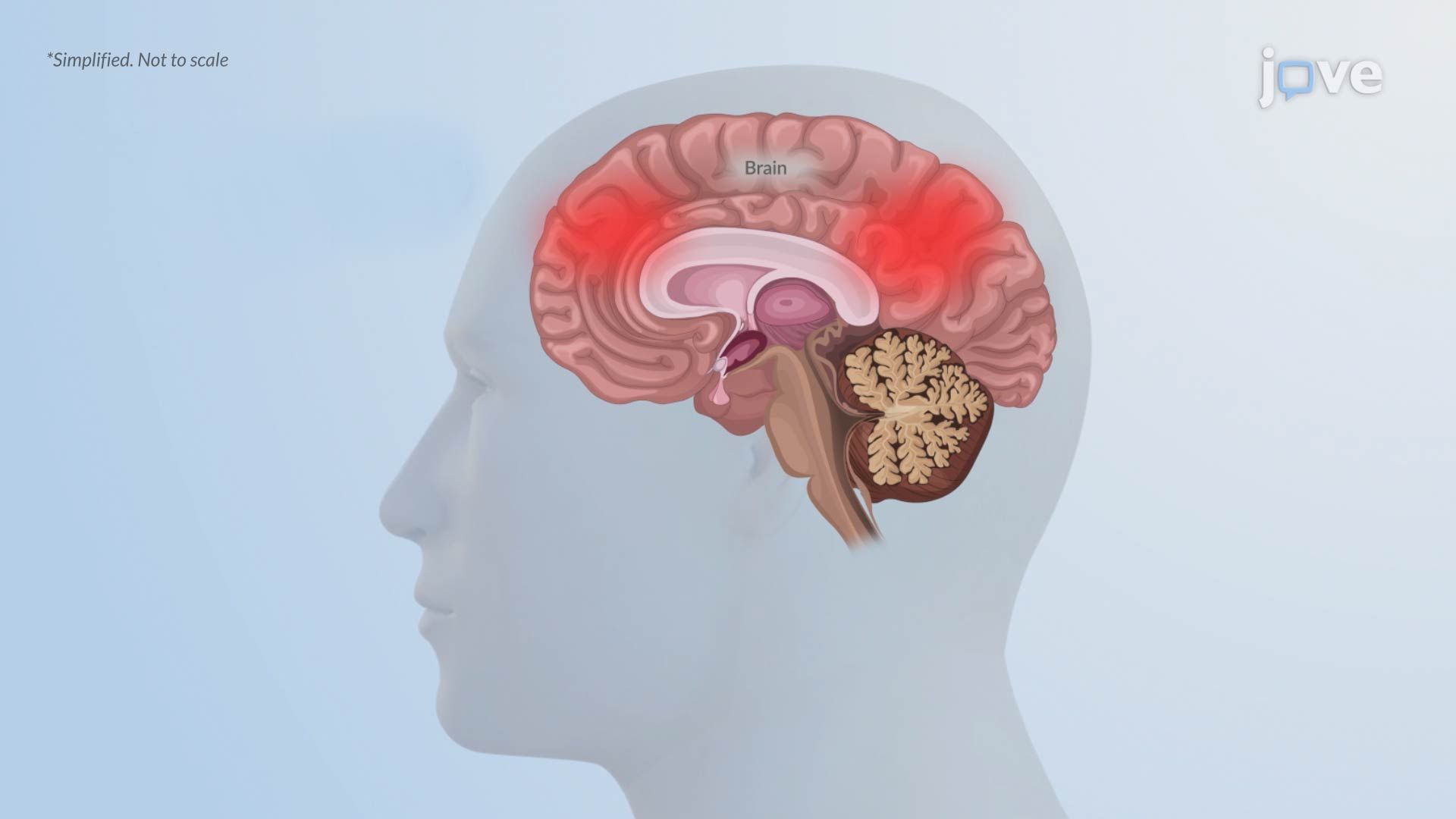
Encephalitis L refers to the inflammation of the brain parenchyma, the functional tissue of the brain itself. Unlike meningitis, which targets the protective membranes surrounding the brain, encephalitis directly disrupts neurons and glial cells, making it a potentially life-threatening neurological emergency. Understanding encephalitis is foundational for students in AP Biology, college-level neuroscience, and health sciences courses, as it bridges microbiology, immunology, and clinical medicine in one compelling case study.
The most common cause of sporadic encephalitis in the United States is herpes simplex virus type 1 (HSV-1), the same virus responsible for oral cold sores. When HSV-1 travels along nerve pathways to the temporal lobe, it can trigger severe, rapidly progressive encephalitis. Without prompt antiviral treatment, the mortality rate is strikingly high.
Arboviruses, viruses spread by arthropod vectors like mosquitoes and ticks, are another major category. West Nile virus, for example, causes seasonal outbreaks across the US, particularly in states like California, Texas, and Nebraska. The virus is transmitted through mosquito bites and can cause West Nile encephalitis, especially in adults over 60. Tick-borne encephalitis is less common in the US but remains clinically relevant in endemic regions.
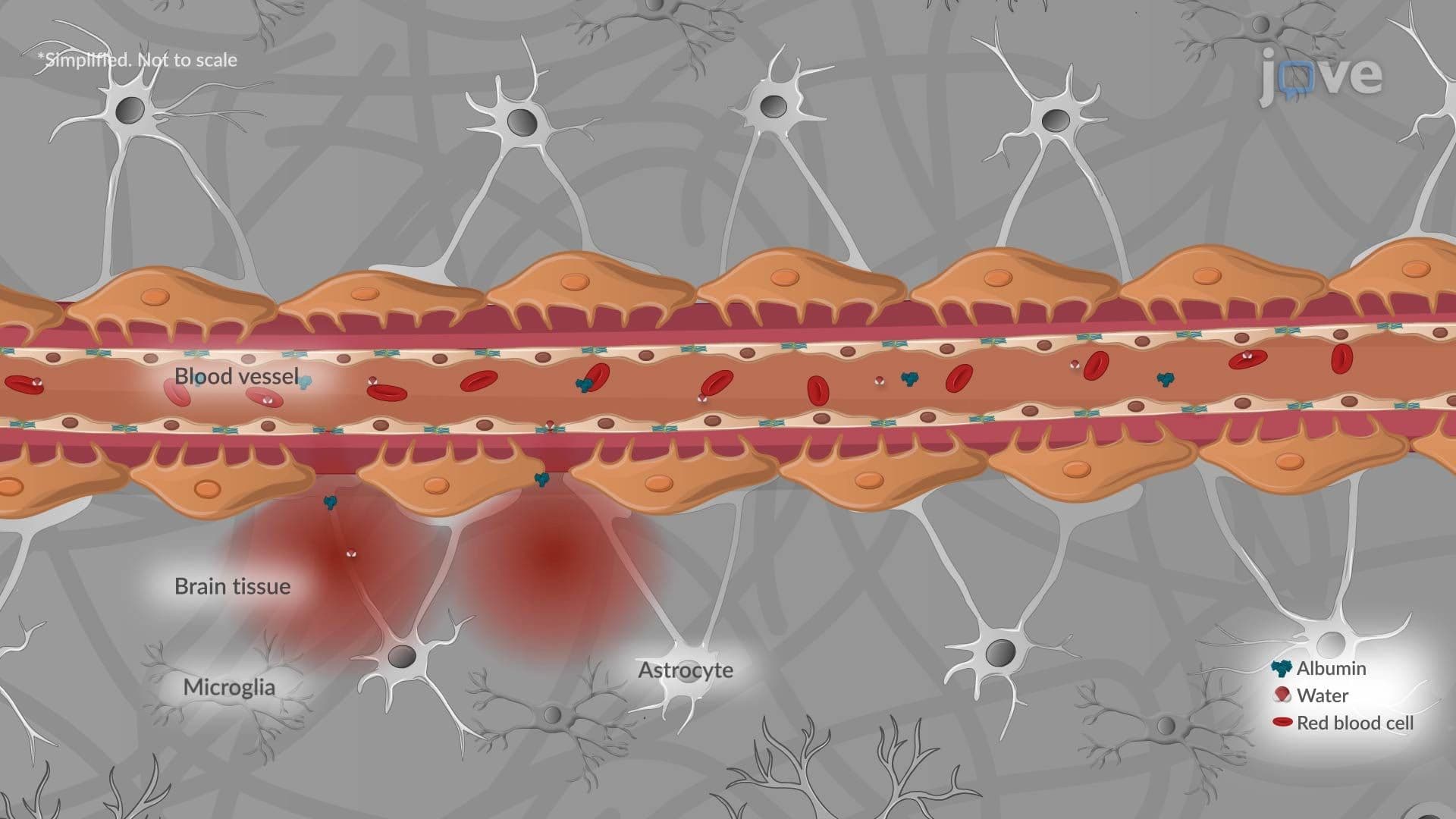
In patients with weakened immune systems, such as those living with HIV/AIDS or undergoing chemotherapy, opportunistic pathogens become a serious threat. *Cryptococcus neoformans*, an environmental fungus, can cross the blood-brain barrier and cause a combined meningoencephalitis. This is particularly well-documented in HIV-positive populations in urban US medical centers.
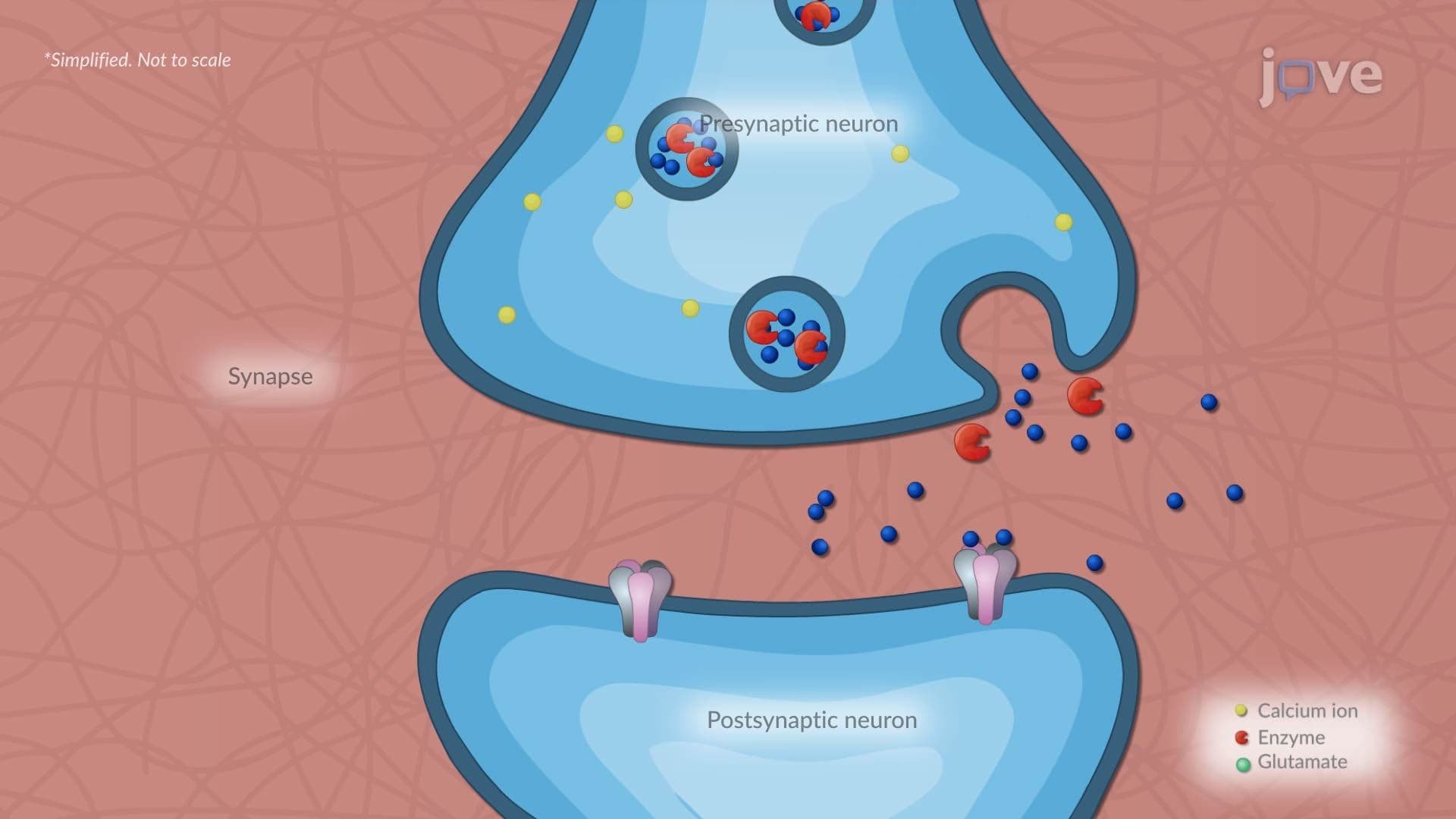
Autoimmune encephalitis represents a growing and increasingly recognized category. Here, the body's immune system mistakenly produces antibodies that target neuronal proteins, disrupting signaling at synapses. Anti-NMDA receptor encephalitis, famously described in the memoir *Brain on Fire* by American journalist Susannah Cahalan, is one of the most studied forms. It often mimics psychiatric illness before progressing to seizures and coma, making early diagnosis critical.
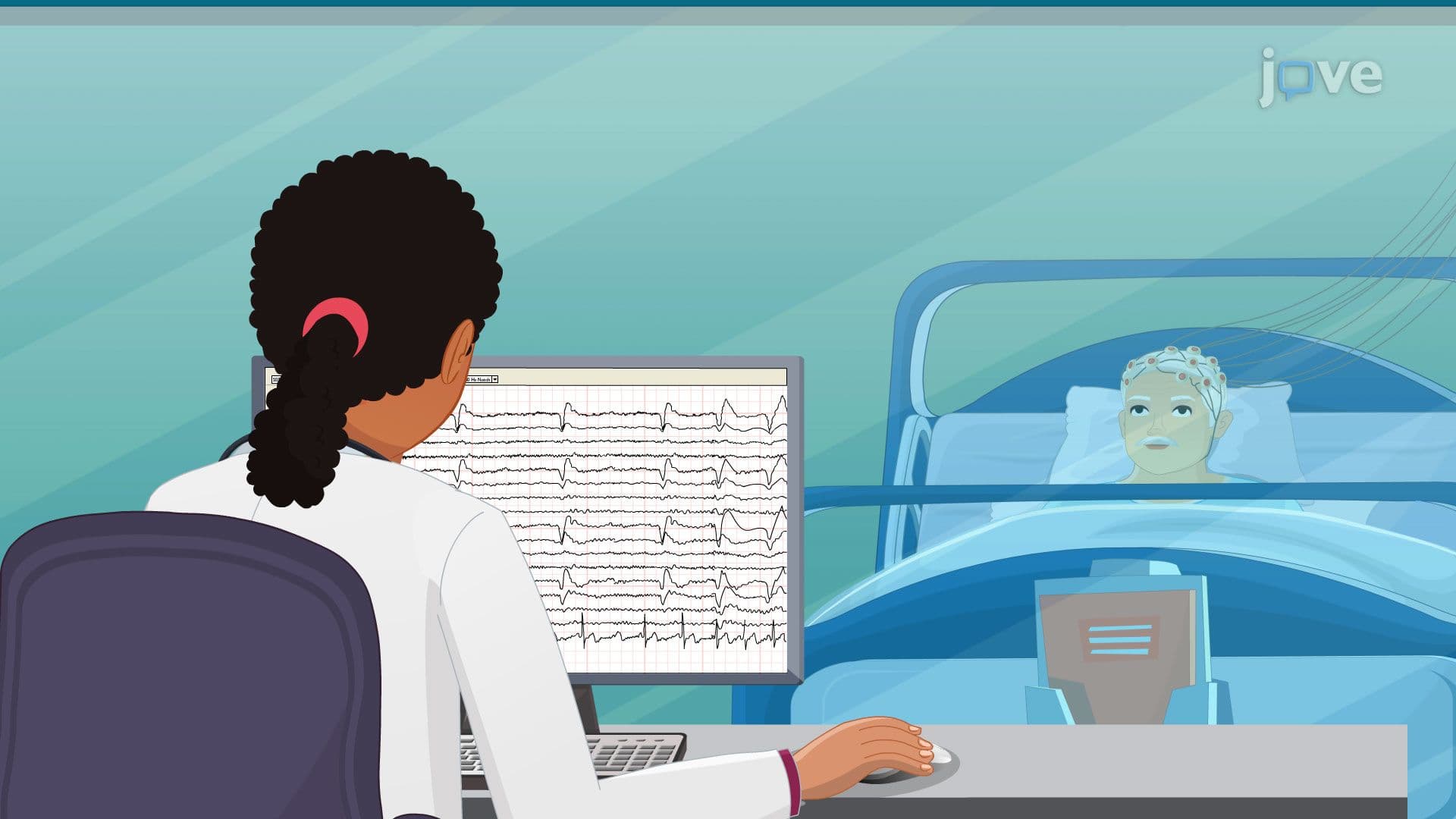
The classic symptom triad of encephalitis includes fever, headache, and altered mental status. Seizures are common and may be the presenting symptom, making encephalitis a key differential diagnosis in any new-onset seizure workup. Neck stiffness signals meningeal involvement, often indicating meningoencephalitis rather than isolated encephalitis.
Certain symptoms serve as diagnostic clues. Vesicular skin lesions point toward herpes zoster (shingles) encephalitis, while lymphadenopathy and splenomegaly suggest Epstein-Barr virus, the pathogen behind infectious mononucleosis, well-known among US college students as "the kissing disease."
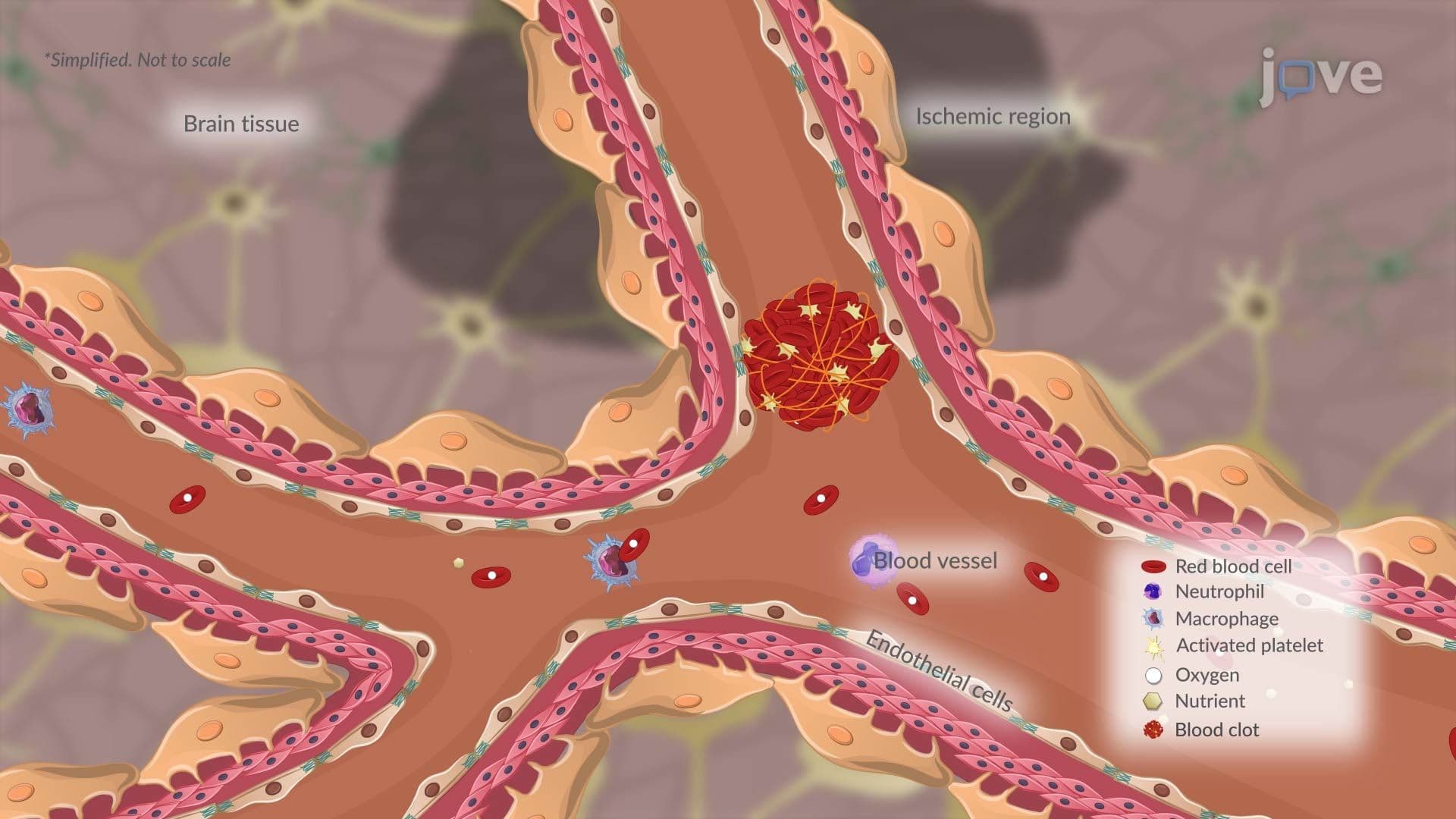
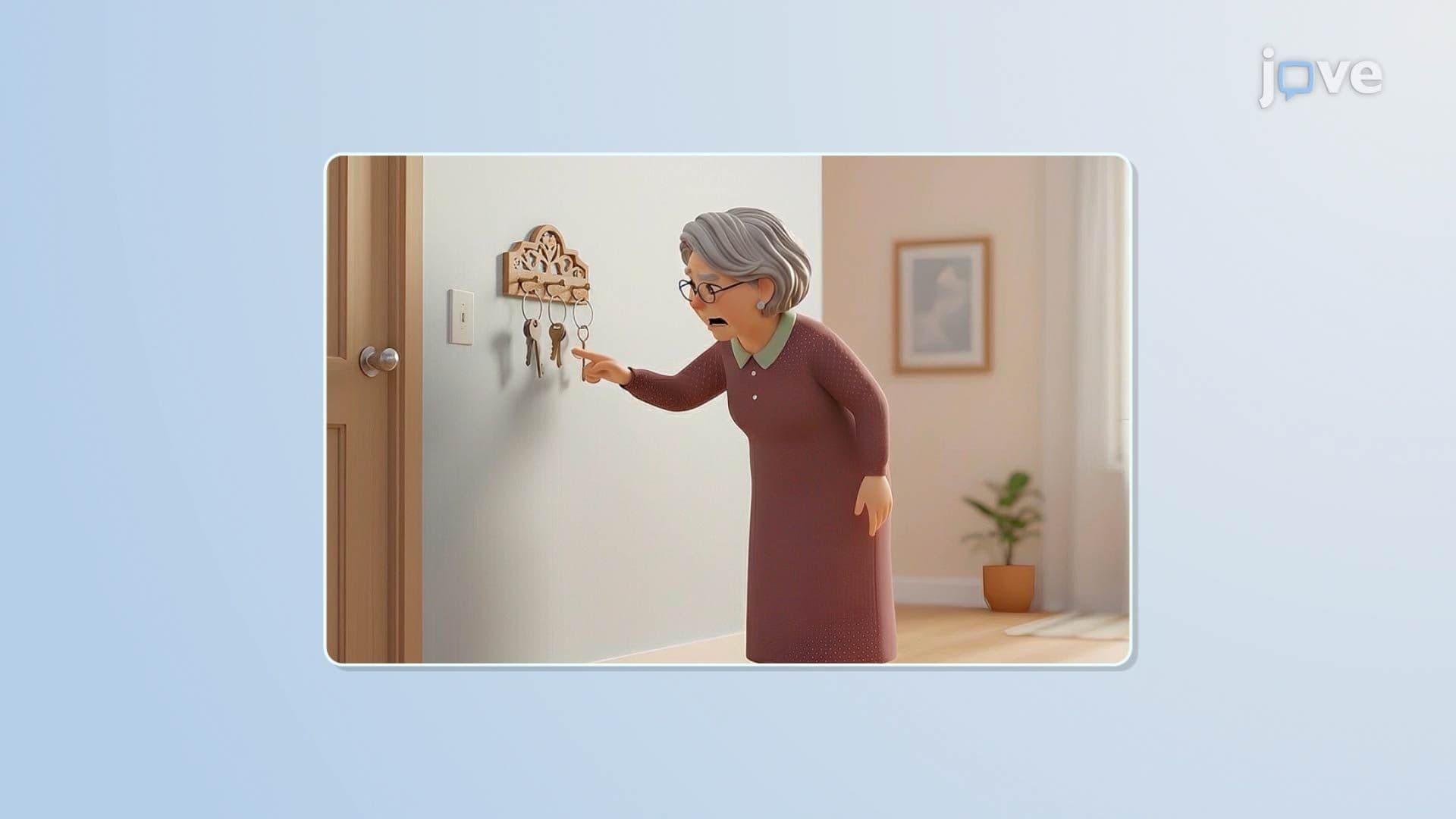
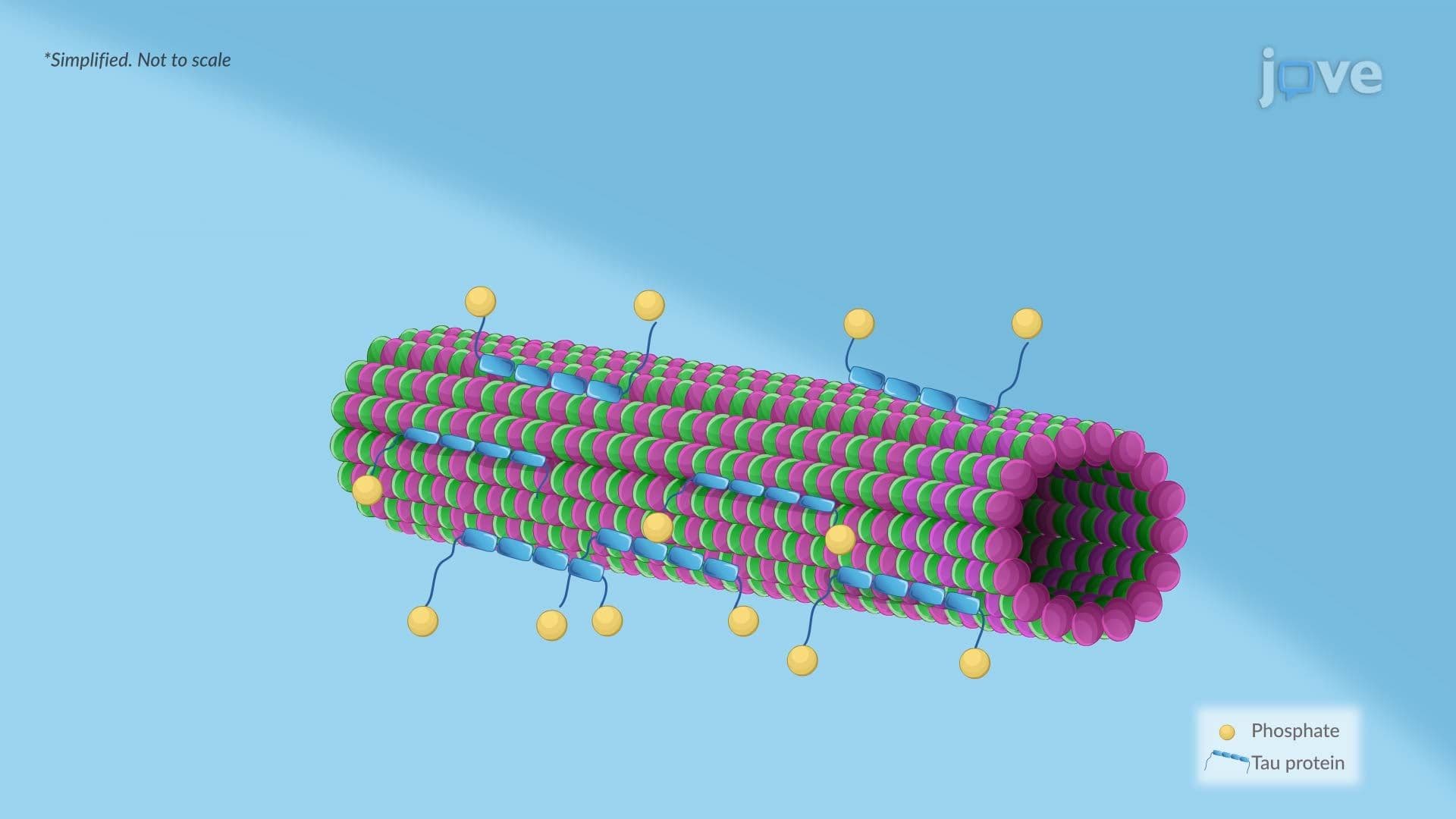
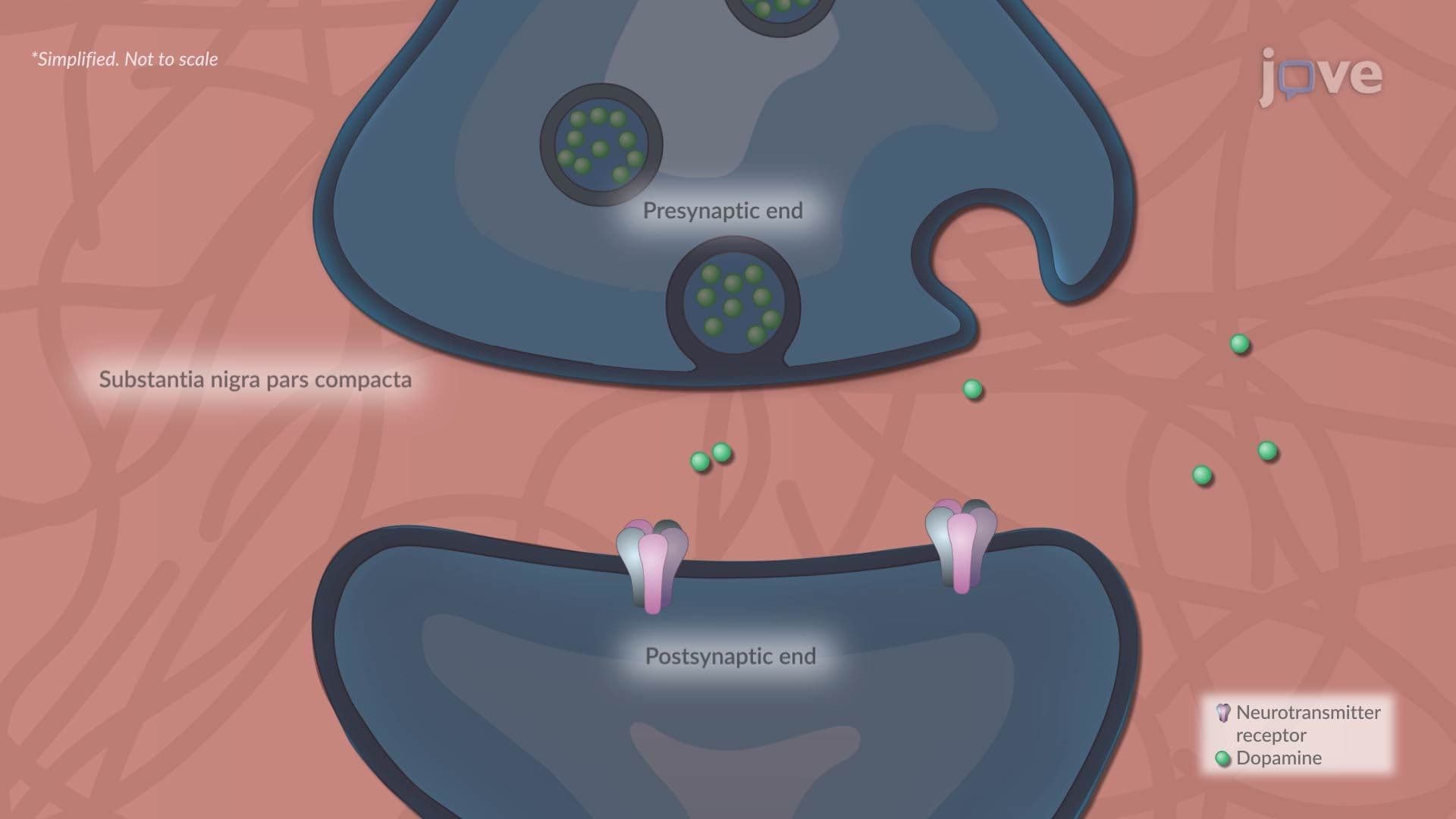
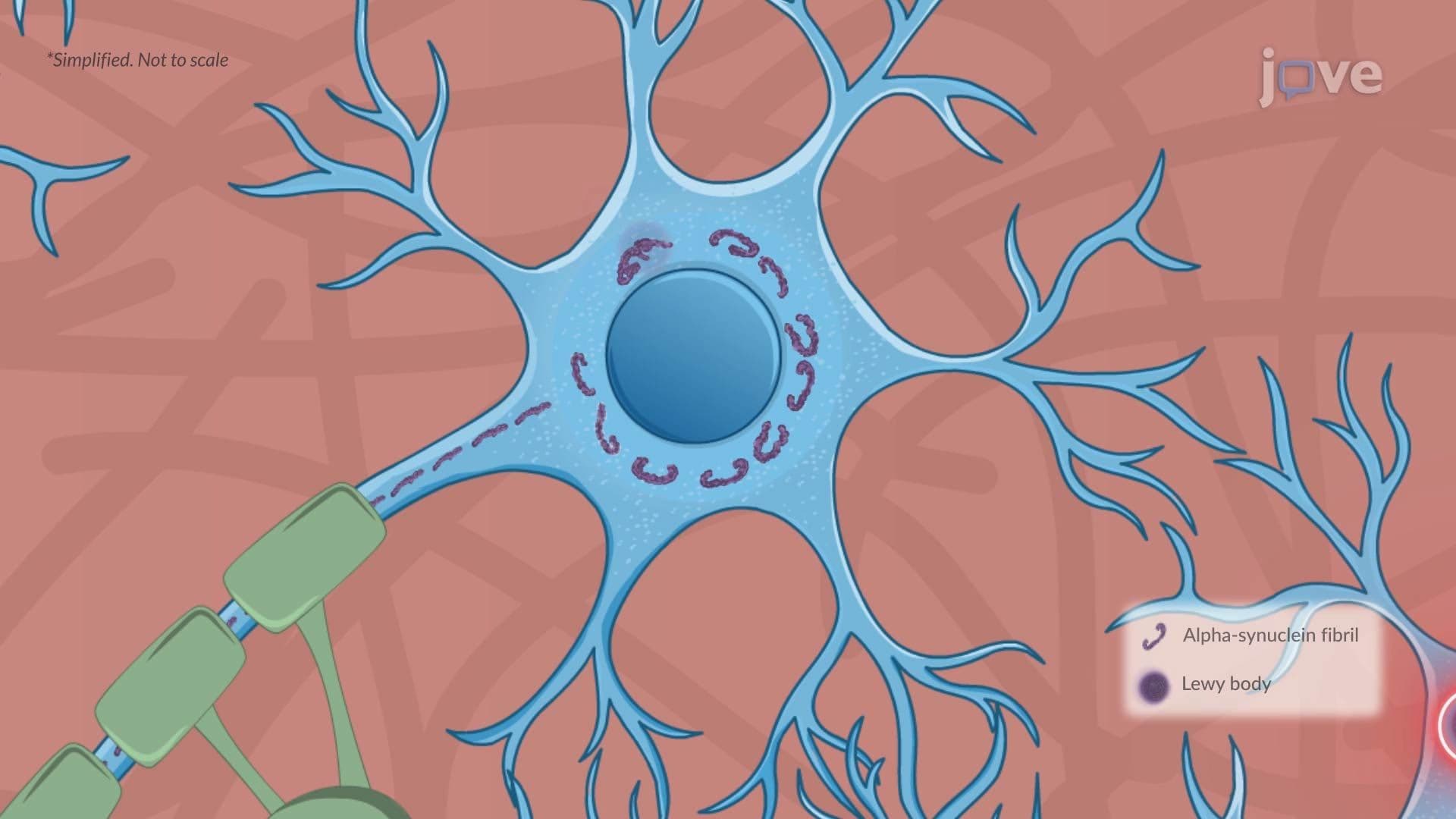
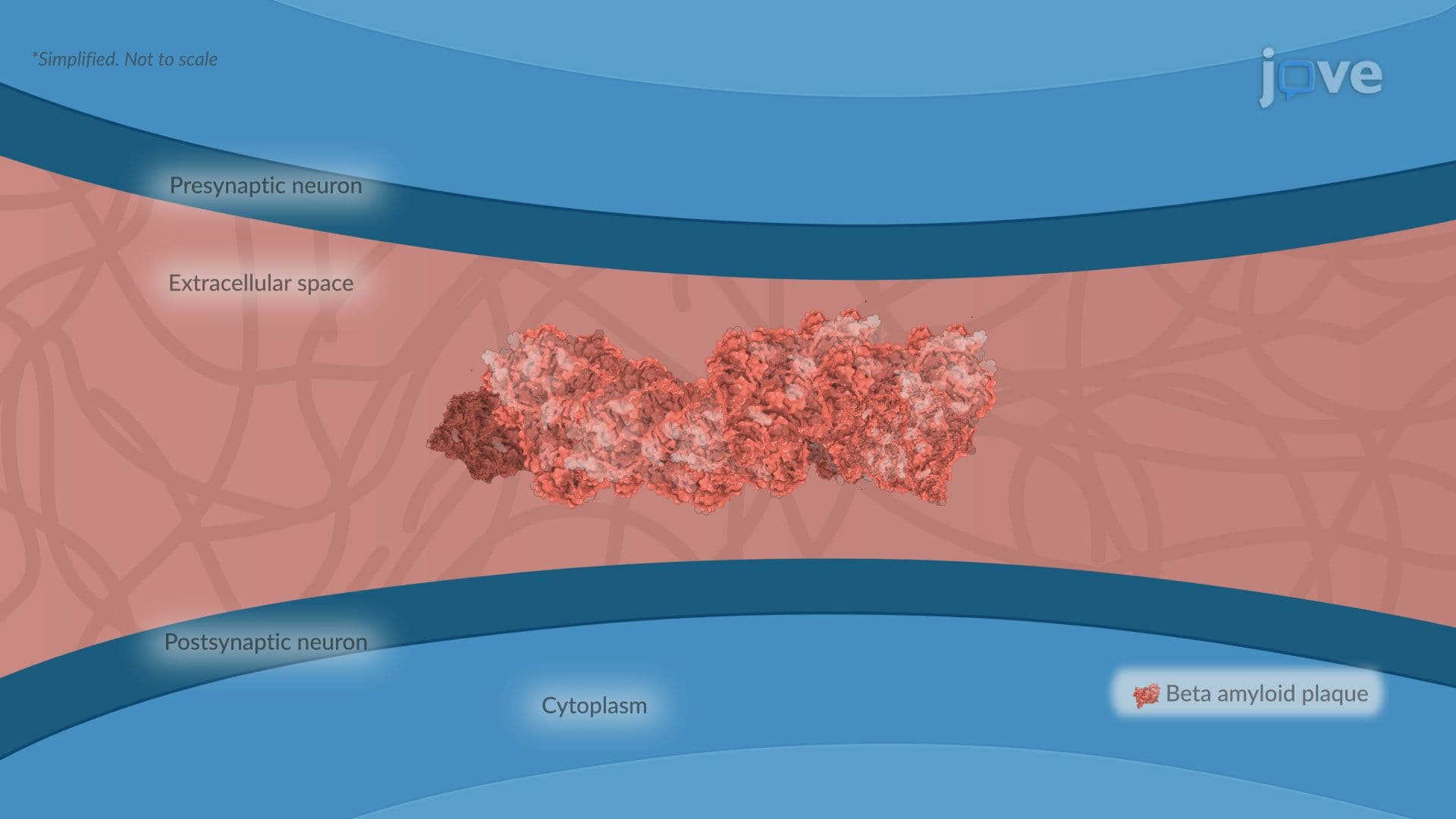
Understanding encephalitis provides critical context for other conditions high school and college students encounter in coursework. Uncontrolled encephalitis can trigger epilepsy through scarring of brain tissue. Chronic neuroinflammation is also implicated in neurodegenerative diseases such as Alzheimer's disease and Parkinson's disease. Ischemic injury from encephalitis-related vascular changes can mimic stroke, and demyelinating complications overlap mechanistically with multiple sclerosis. On exams like the MCAT and USMLE Step 1, students are frequently asked to distinguish these conditions based on pathophysiology, making encephalitis a high-yield anchor concept.
Related Micro-courses