Loading video…


 35 Concepts
 5.1K views

Video Summary: What Is Alzheimer Disease L
Nearly 7 million Americans are currently living with Alzheimer's disease, and that number is expected to double by 2060. Alzheimer disease L basics reveal a chronic, irreversible neurodegenerative disorder defined by memory loss, toxic protein buildup, and progressive neuron death. Risk factors range from aging and genetics to lifestyle choices like smoking and uncontrolled hypertension. Watch the full video on JoVE Coach to master this concept with expert-led visuals and step-by-step explanations.
Alzheimer disease L refers to the full clinical and pathological picture of Alzheimer's disease, a chronic, progressive, and irreversible neurodegenerative disorder that is the most common cause of dementia in the United States. According to the Alzheimer's Association, it accounts for 60-80% of all dementia cases, making it a critical topic in biology, psychology, anatomy, and health sciences courses from AP Biology to USMLE Step 1 prep.
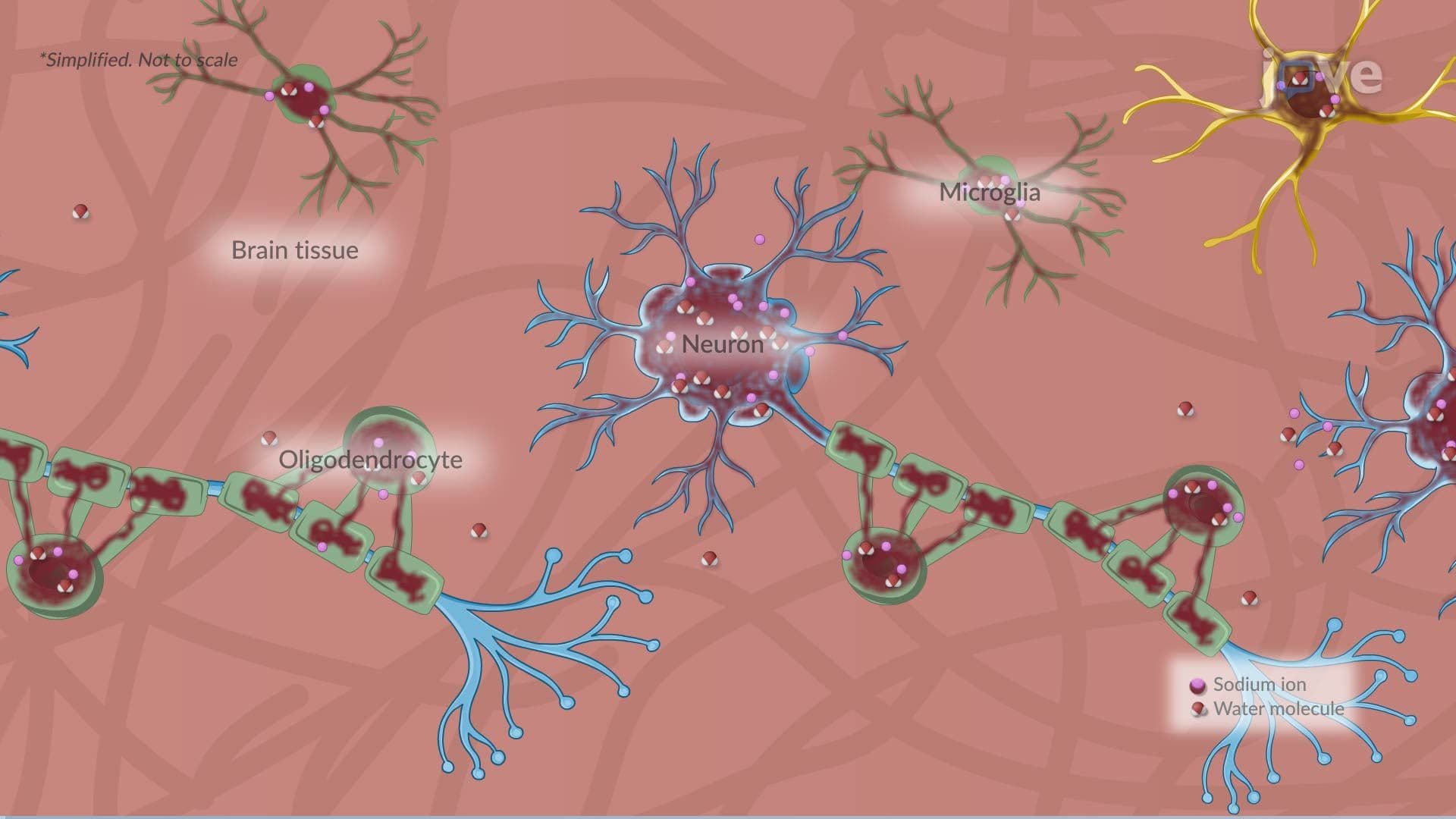
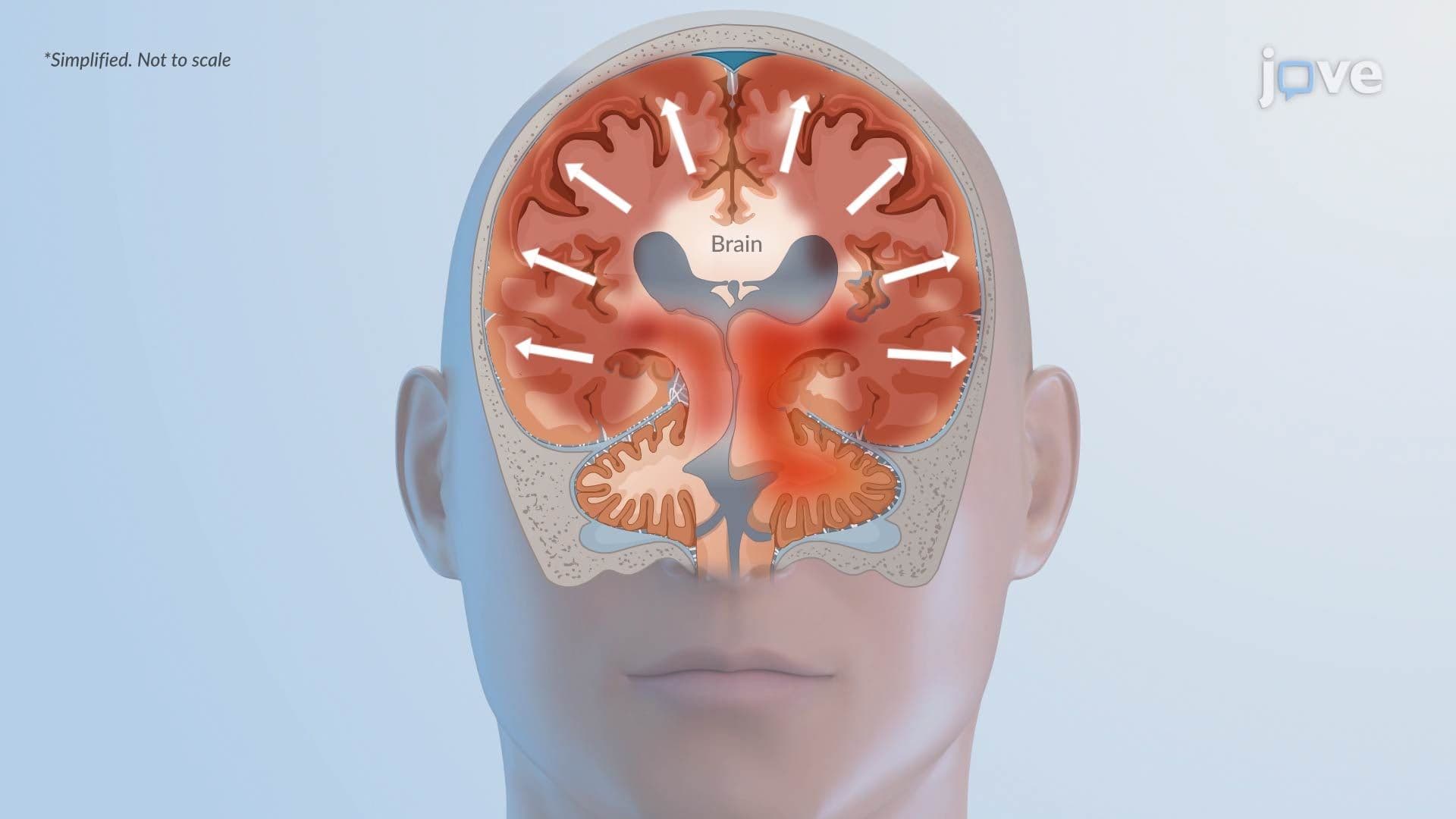
Unlike normal aging, Alzheimer's disease involves structural changes in the brain that destroy neurons over time, ultimately disrupting memory, language, behavior, and even motor function.
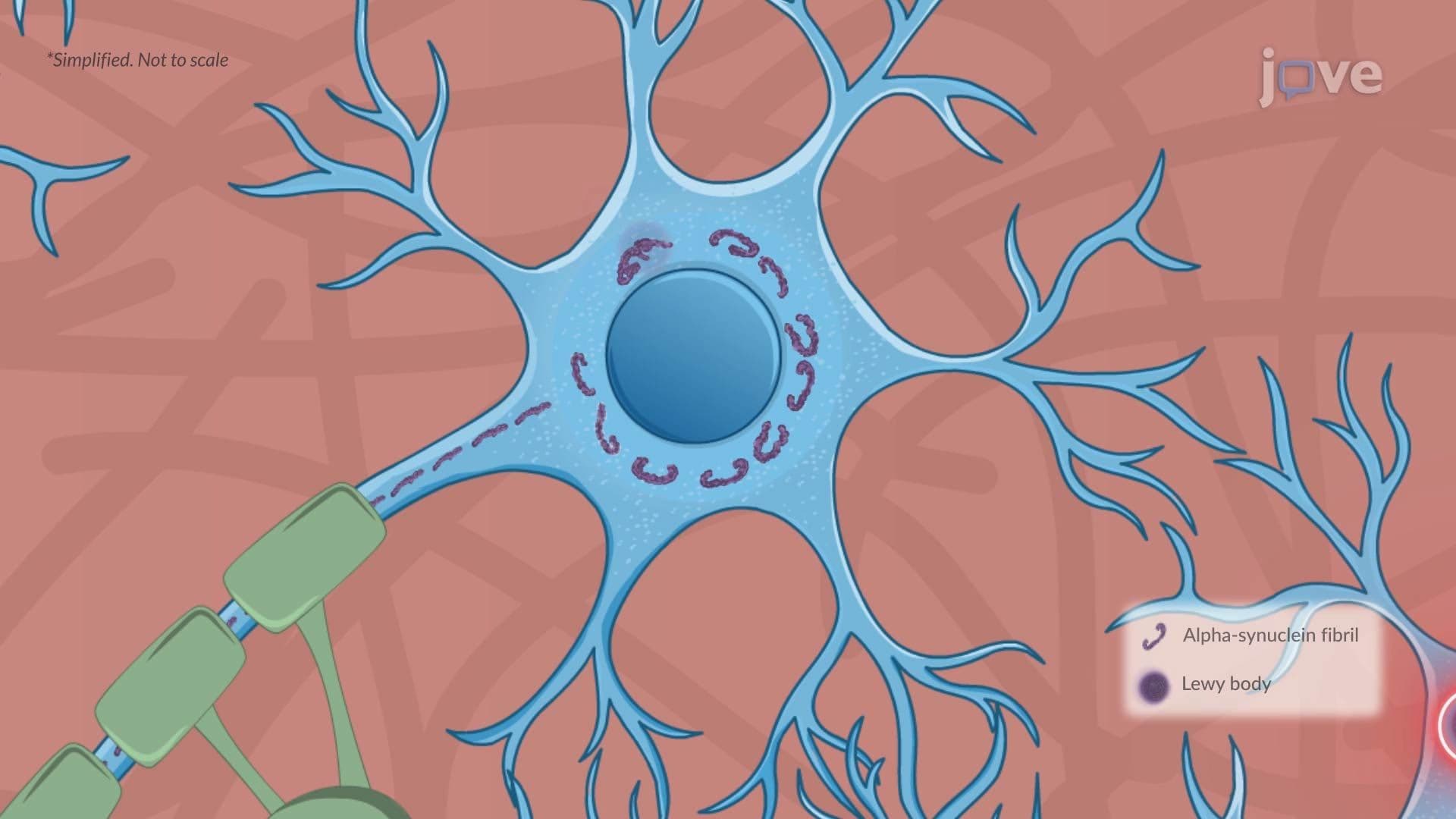
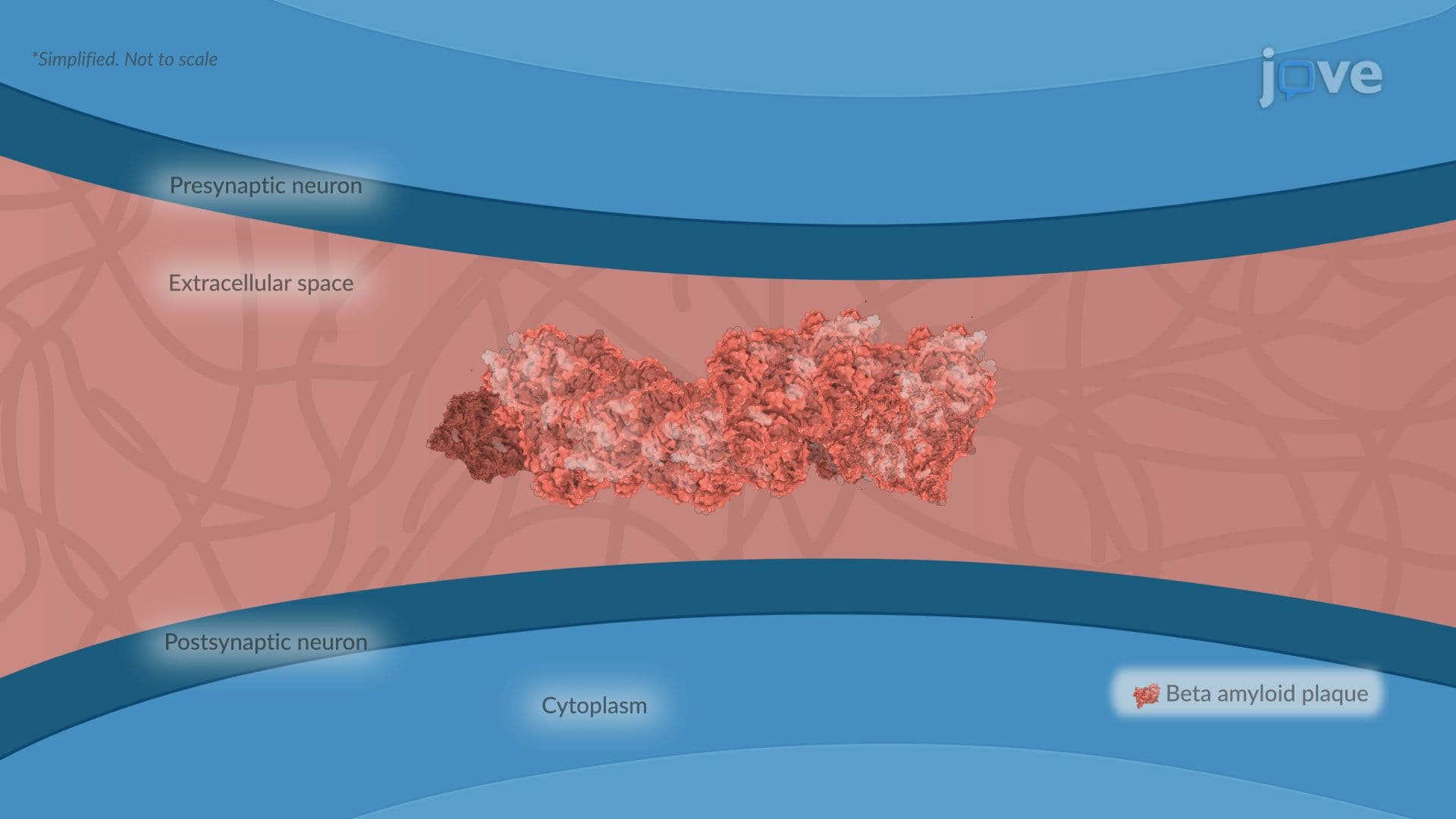
At the cellular level, two defining features drive neuronal destruction in Alzheimer's disease:
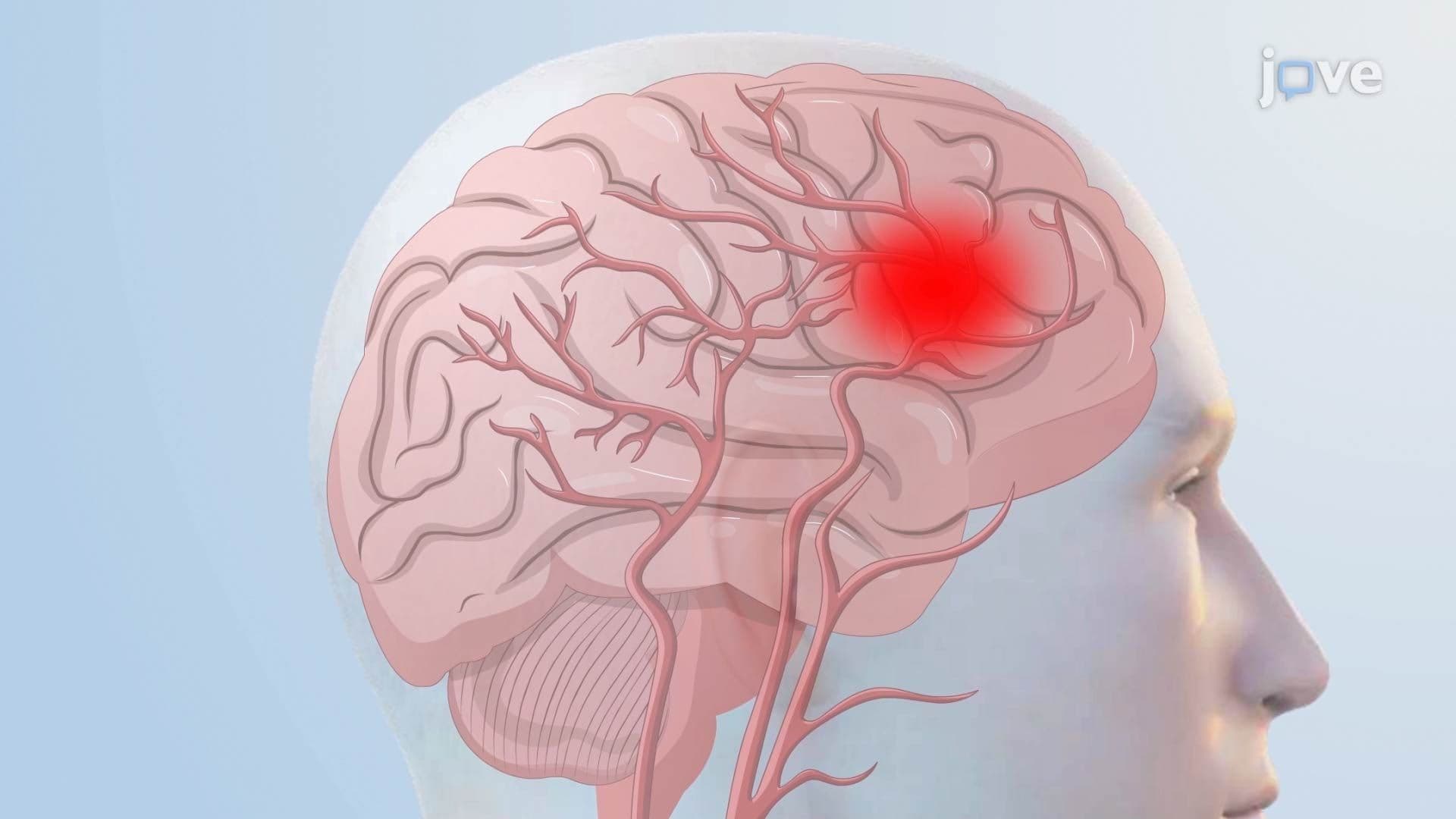
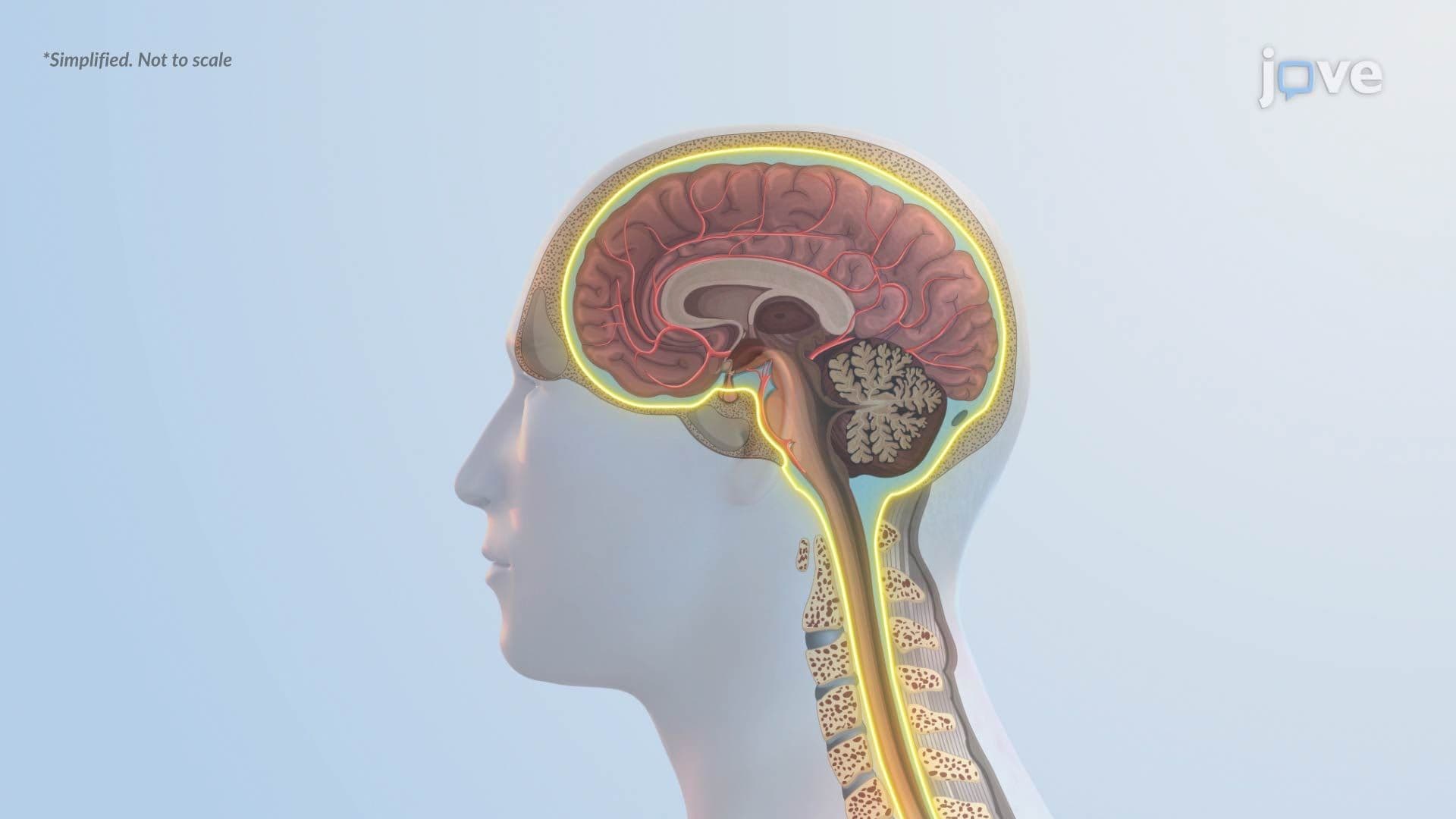
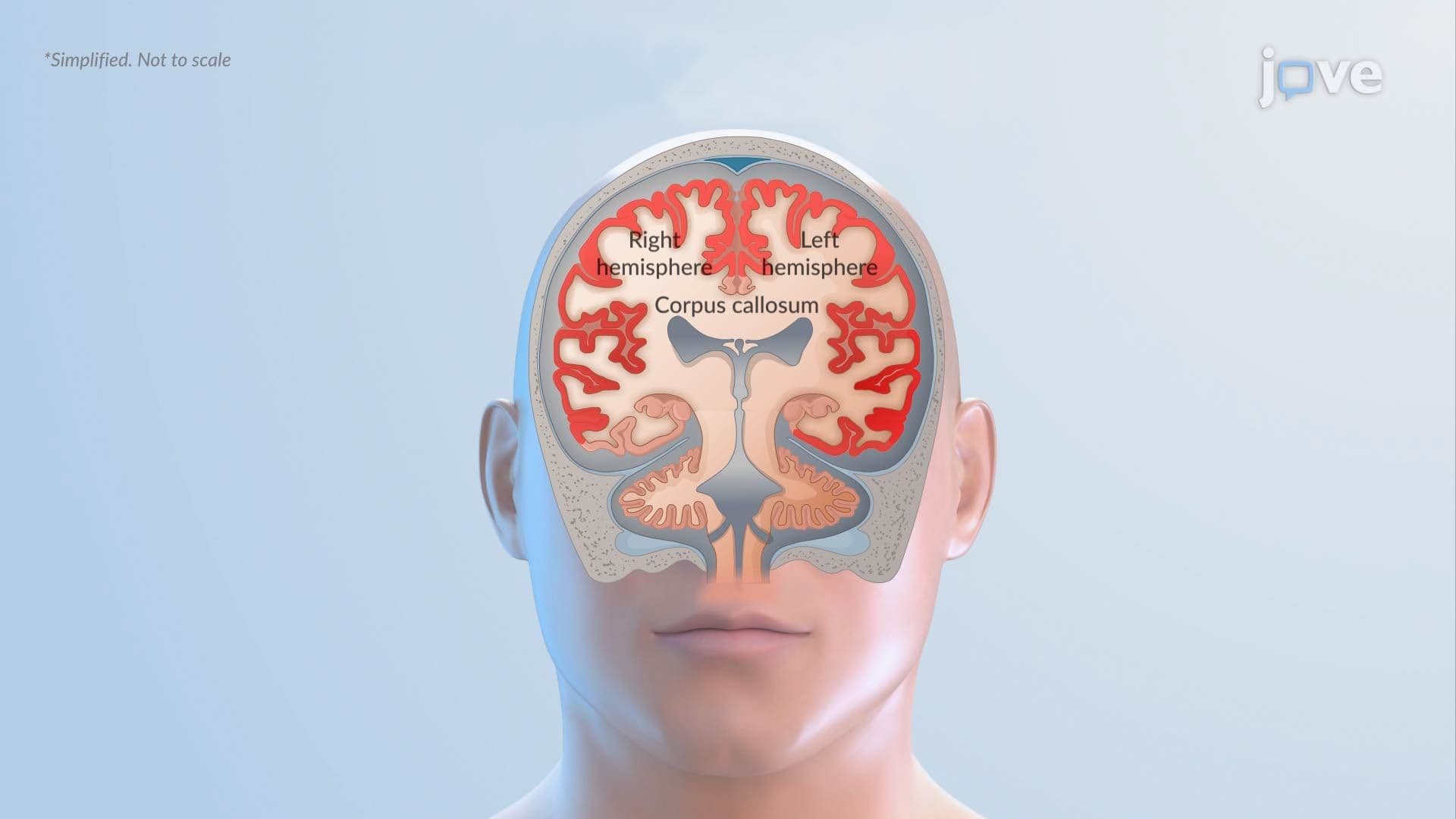
Together, plaques and tangles create a toxic environment that leads to widespread neuron loss, particularly in the hippocampus (involved in memory) and the cerebral cortex (involved in reasoning and language). These pathological markers are consistently tested on exams like the MCAT and USMLE.
Alzheimer's disease is multifactorial, meaning no single cause explains every case.
Genetic risk factors are especially important in early-onset familial Alzheimer's disease, which can appear before age 65. Mutations in three genes, APP, PSEN1, and PSEN2, are strongly linked to this rarer form. For late-onset Alzheimer's, the most significant genetic risk factor is carrying the APOE ε4 allele, which affects how the brain clears amyloid-beta protein. Age itself remains the single greatest risk factor, prevalence roughly doubles every five years after age 65.
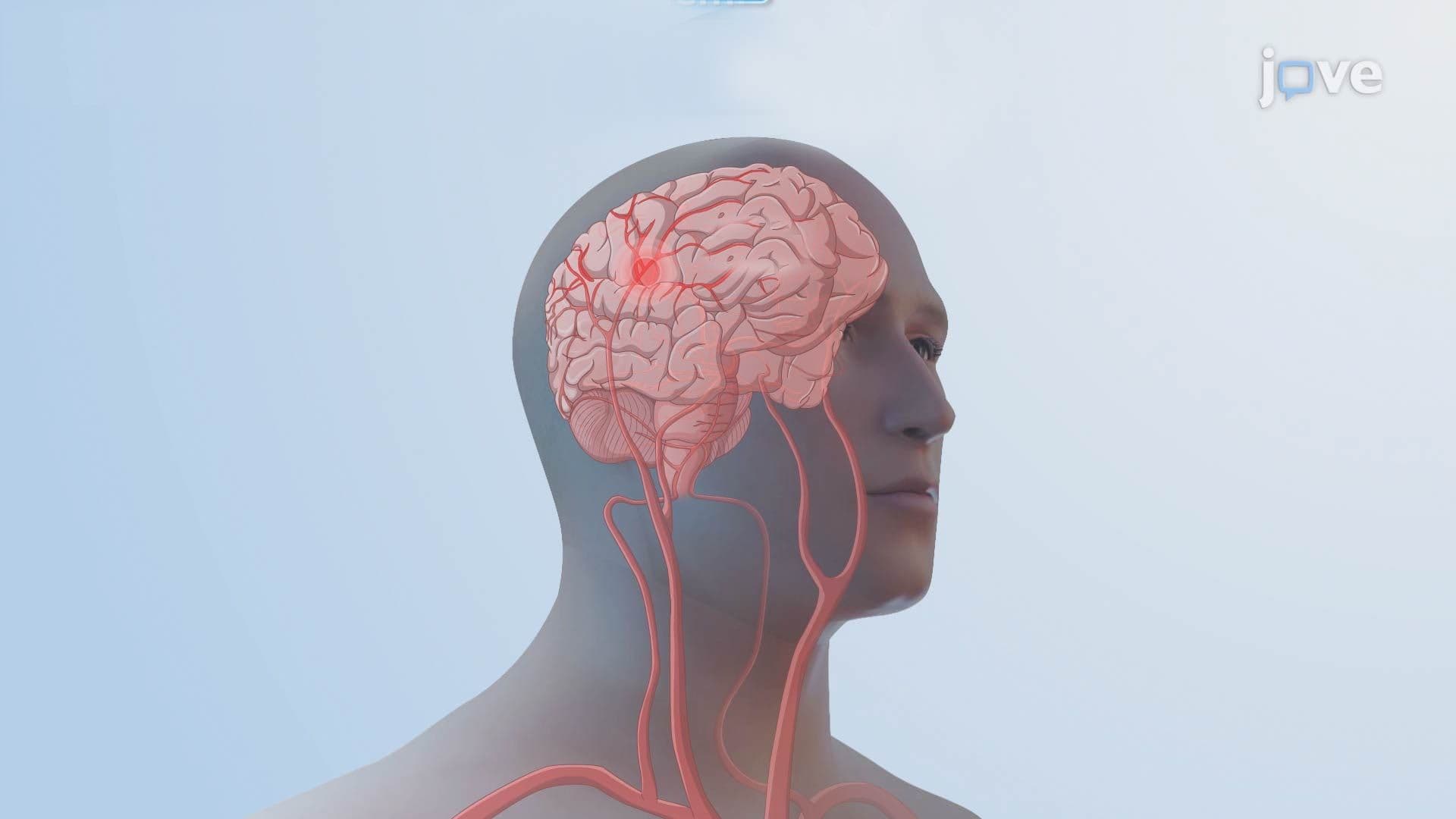
Modifiable risk factors include uncontrolled hypertension, type 2 diabetes, smoking, and a history of head trauma. These factors contribute to vascular injury, chronic inflammation, and oxidative stress, all of which accelerate neuron damage. This is why public health campaigns in the US emphasize cardiovascular health as a strategy for reducing Alzheimer's risk.
The disease typically follows a predictable clinical trajectory. In early stages, patients experience short-term memory loss and difficulty learning new information, often the first signs families notice. Middle stages bring language deficits, spatial disorientation, and psychiatric symptoms such as depression and anxiety. In advanced stages, patients may develop motor signs like a shuffling gait, lose the ability to perform daily tasks, and require full-time care.
In the US, institutions like the Mayo Clinic and Johns Hopkins Medicine use cognitive screening tools, such as the Mini-Mental State Examination (MMSE), alongside brain imaging and biomarker testing to diagnose and stage Alzheimer's disease. Understanding this progression is essential for AP Psychology, college-level neuroscience, and health professional licensing exams like the NCLEX and HESI A2, where questions on neurological disorders frequently appear.
Related Micro-courses