Loading video…

 35 Concepts
 5.1K views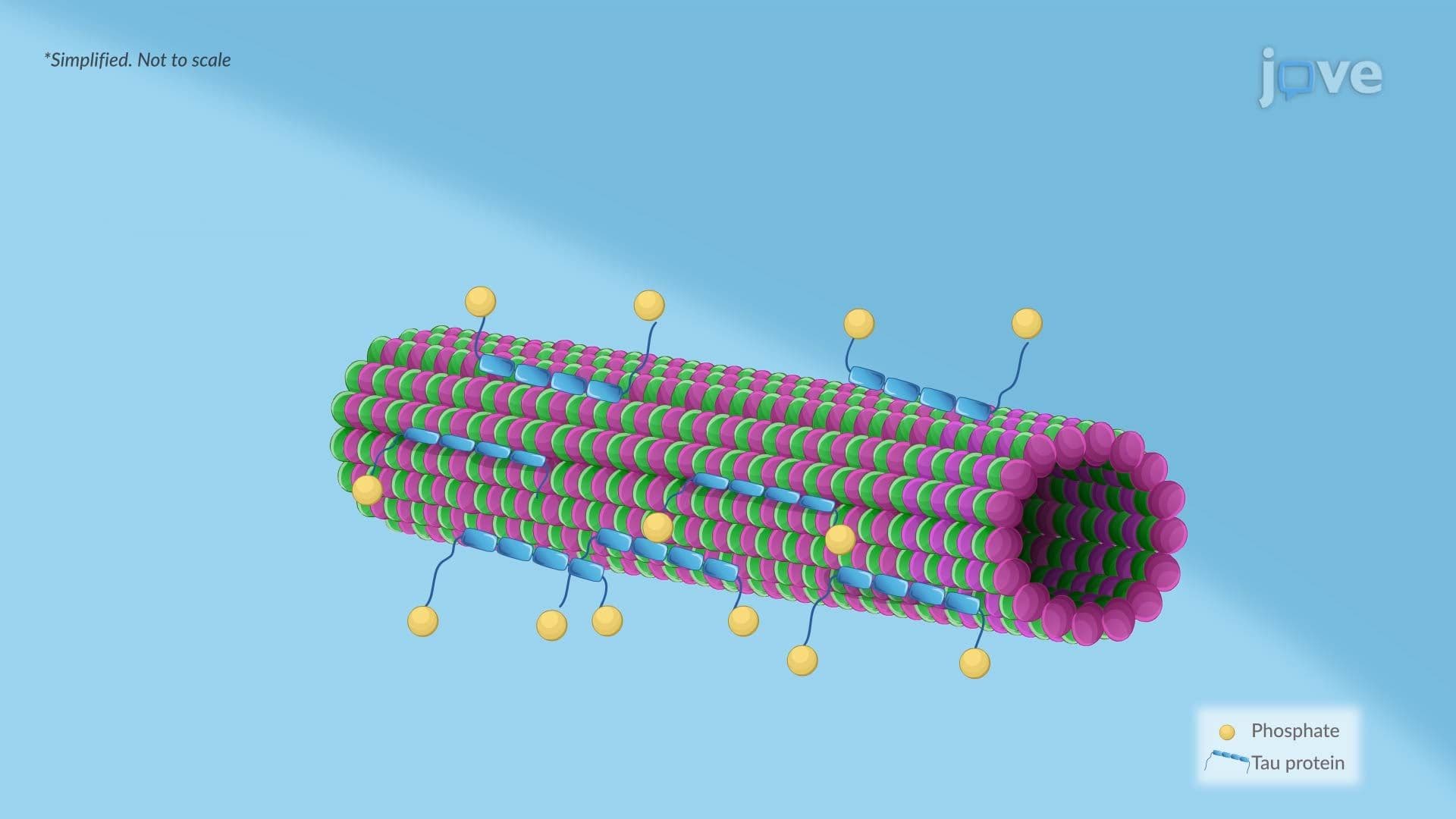

Video Summary: Pathophysiology in Alzheimer Disease Ll
Did you know Alzheimer's disease affects over 6 million Americans, and scientists still don't fully understand what triggers it? Pathophysiology in Alzheimer Disease II unpacks the core molecular mechanisms behind this devastating condition, from toxic beta-amyloid plaques to tangled tau proteins that destroy neurons. Think of it like a city's infrastructure slowly collapsing from the inside. Watch the full video on JoVE Coach to master this concept with expert-led visuals and step-by-step explanations.
Alzheimer's disease is not simply "aging", it is a precisely destructive neurological process driven by molecular failures that begin years, sometimes decades, before a single symptom appears. Pathophysiology in Alzheimer Disease II examines the two structural culprits at the heart of this destruction: neuritic plaques and neurofibrillary tangles. Understanding these mechanisms is essential for students in AP Biology, college neuroscience courses, and anyone preparing for exams like the MCAT or USMLE.
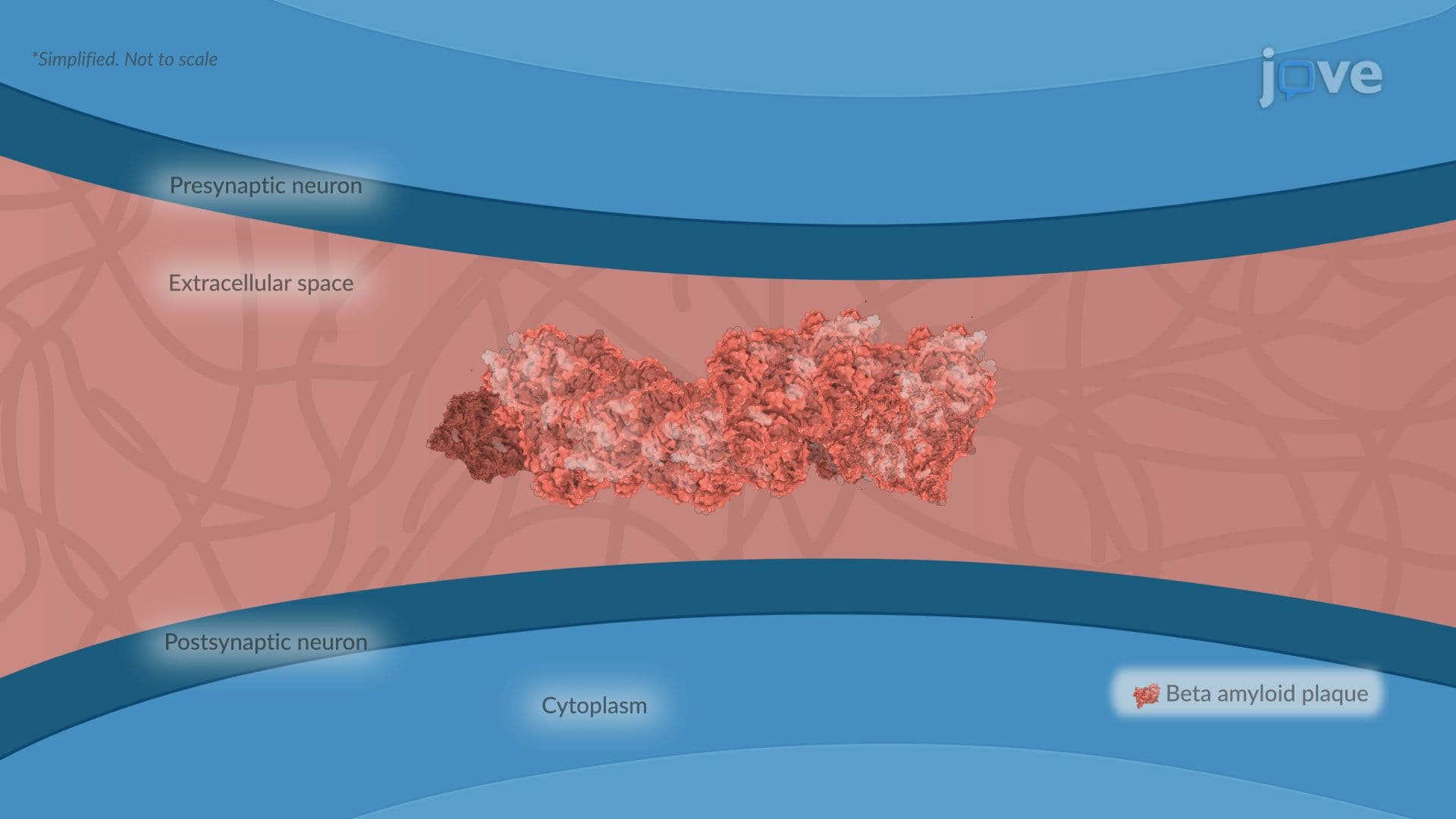
Every neuron produces a membrane protein called the amyloid precursor protein (APP). Normally, APP is cleaved in a non-harmful pathway. In Alzheimer's disease, however, abnormal enzymatic cleavage, primarily by beta- and gamma-secretases, produces a sticky, misfolded fragment called beta-amyloid (Aβ). This peptide aggregates outside neurons, forming dense-core deposits known as neuritic plaques, particularly in the cerebral cortex and around cerebral blood vessels.
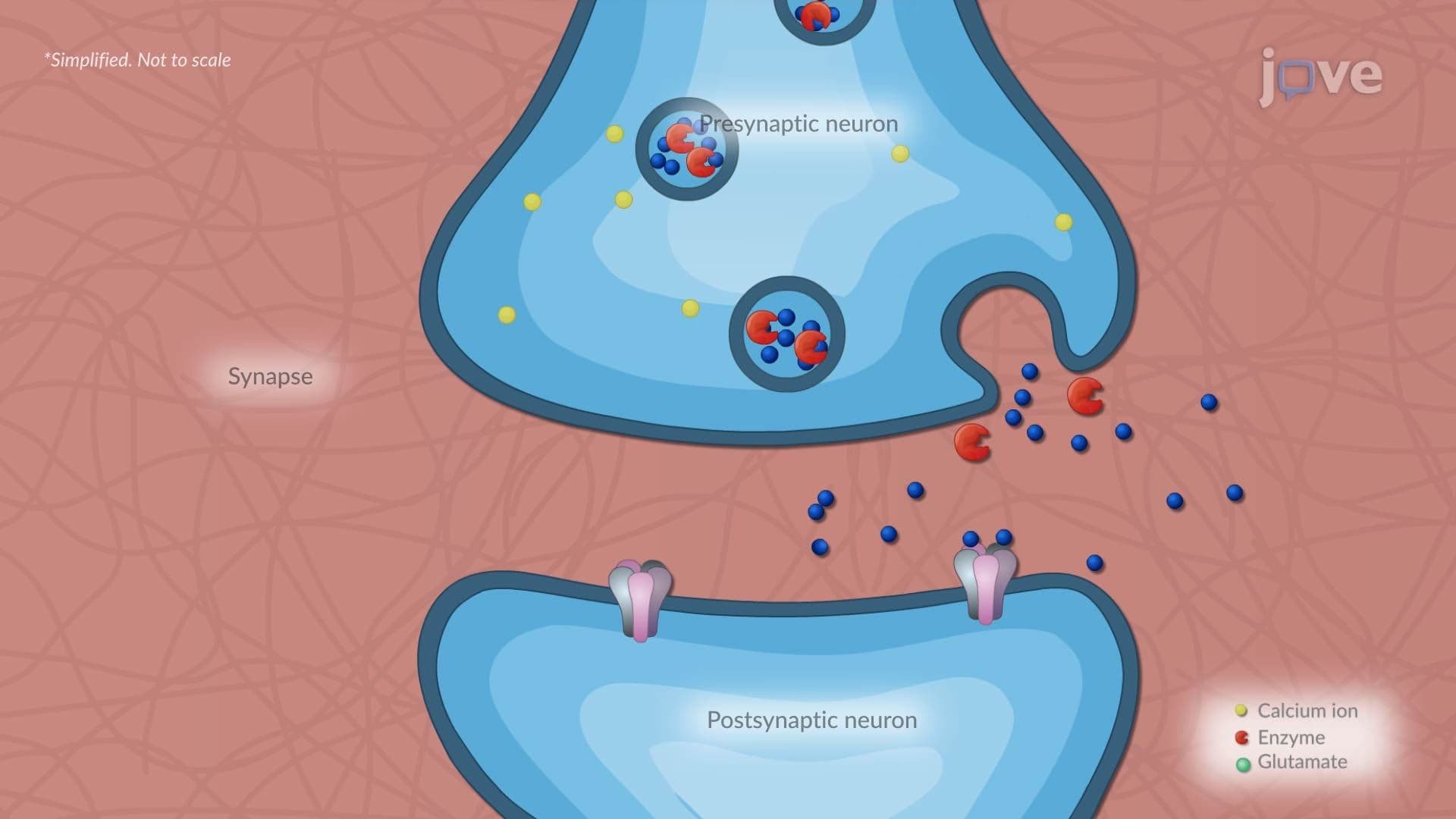
These plaques are not inert. They attract reactive astrocytes and microglia, trigger local inflammation, and physically disrupt the synaptic connections neurons rely on to communicate. Think of a synapse like a phone call between two cells, plaques are the static that cuts the signal entirely. In the US, research centers like the Mayo Clinic and the Alzheimer's Disease Neuroimaging Initiative (ADNI) have used PET imaging to track amyloid deposition in living patients, confirming that plaque buildup precedes clinical symptoms by up to 20 years.
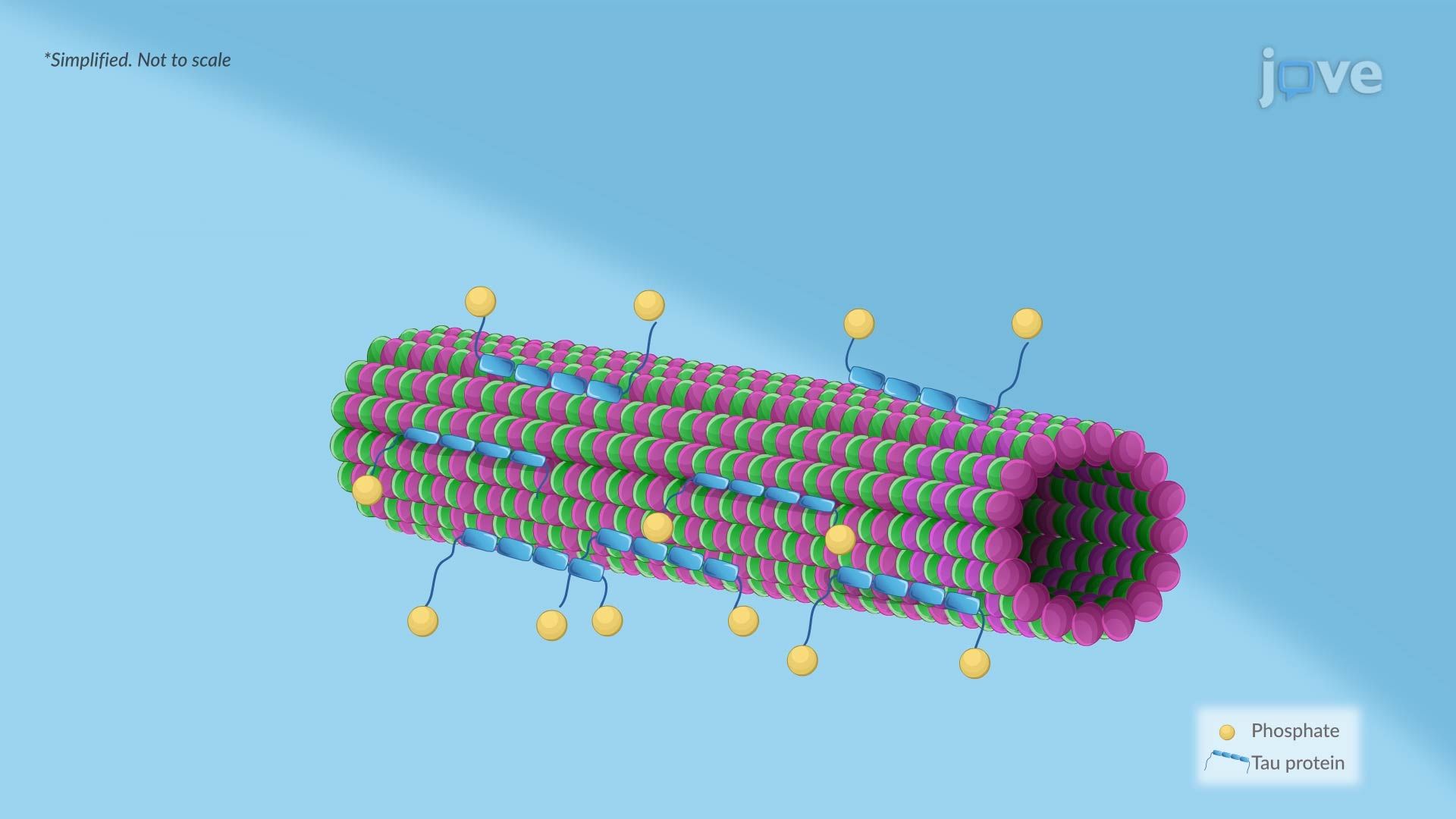
Inside neurons, a protein called tau normally stabilizes microtubules, the structural "rail system" that transports nutrients, proteins, and signals along the length of a nerve cell. In Alzheimer's disease, tau becomes hyperphosphorylated, meaning it gains excess phosphate groups that cause it to detach from microtubules and misfold. The detached tau proteins clump together into twisted filaments called neurofibrillary tangles (NFTs).
The consequences are severe. Without functional microtubules, intracellular transport breaks down, imagine a highway where every truck has lost its steering. The neuron is starved of essential materials, synaptic function deteriorates, and the cell eventually dies. Tangles accumulate in a predictable pattern described by Braak staging, moving from the entorhinal cortex outward to the hippocampus and neocortex as the disease progresses. This staging system is a key concept tested on the USMLE Step 1 and in undergraduate neuropathology courses.
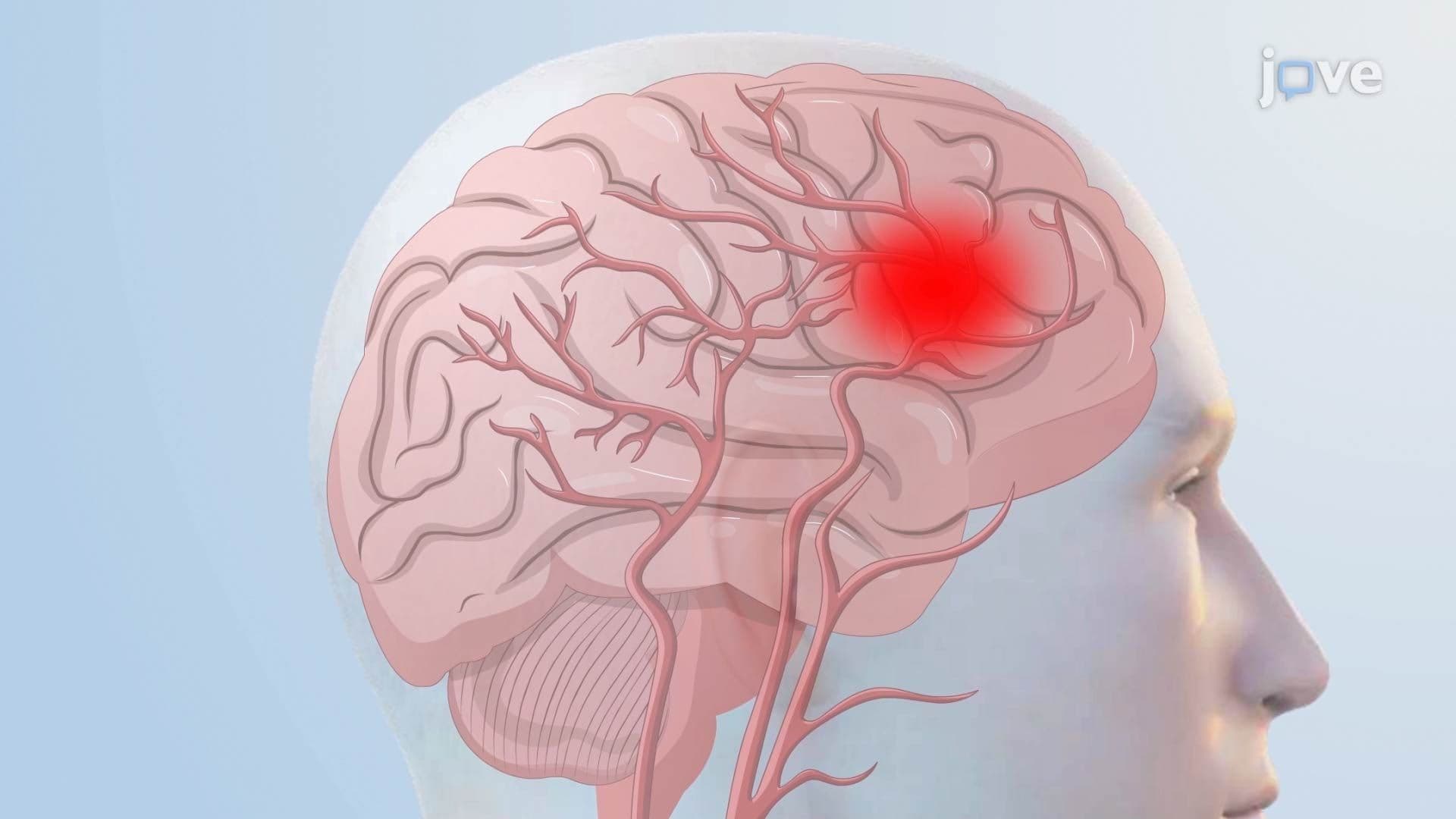
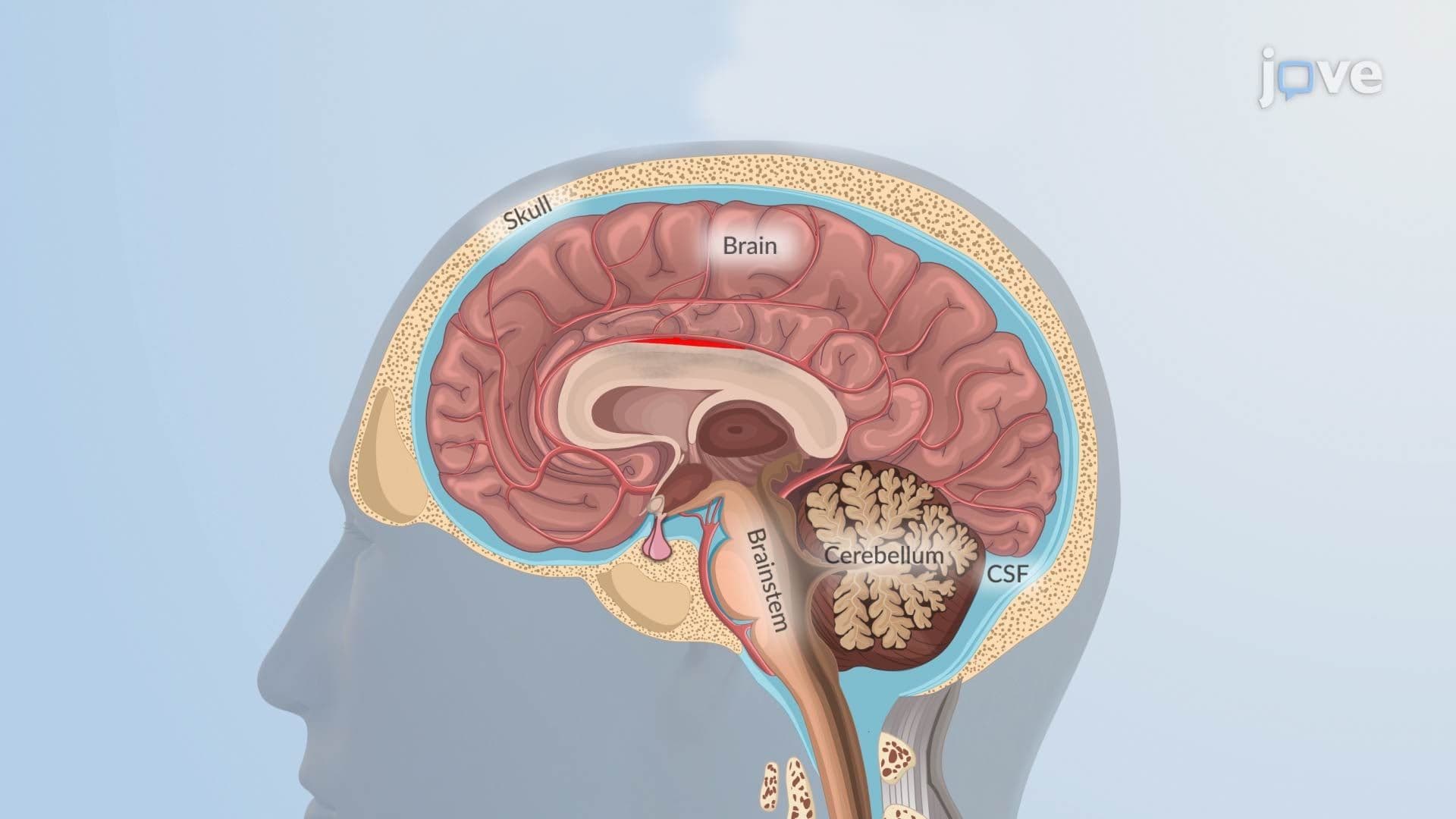
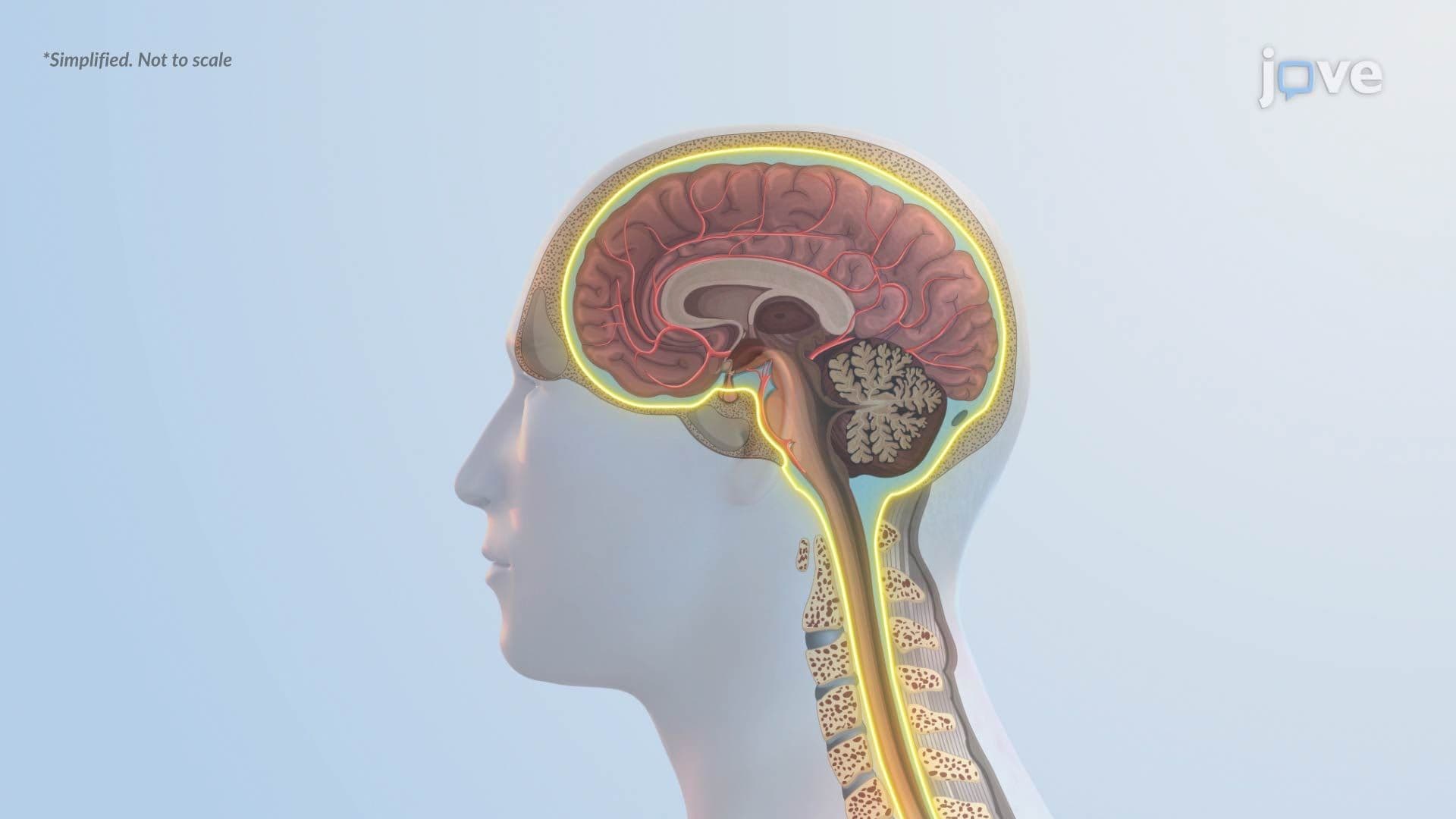
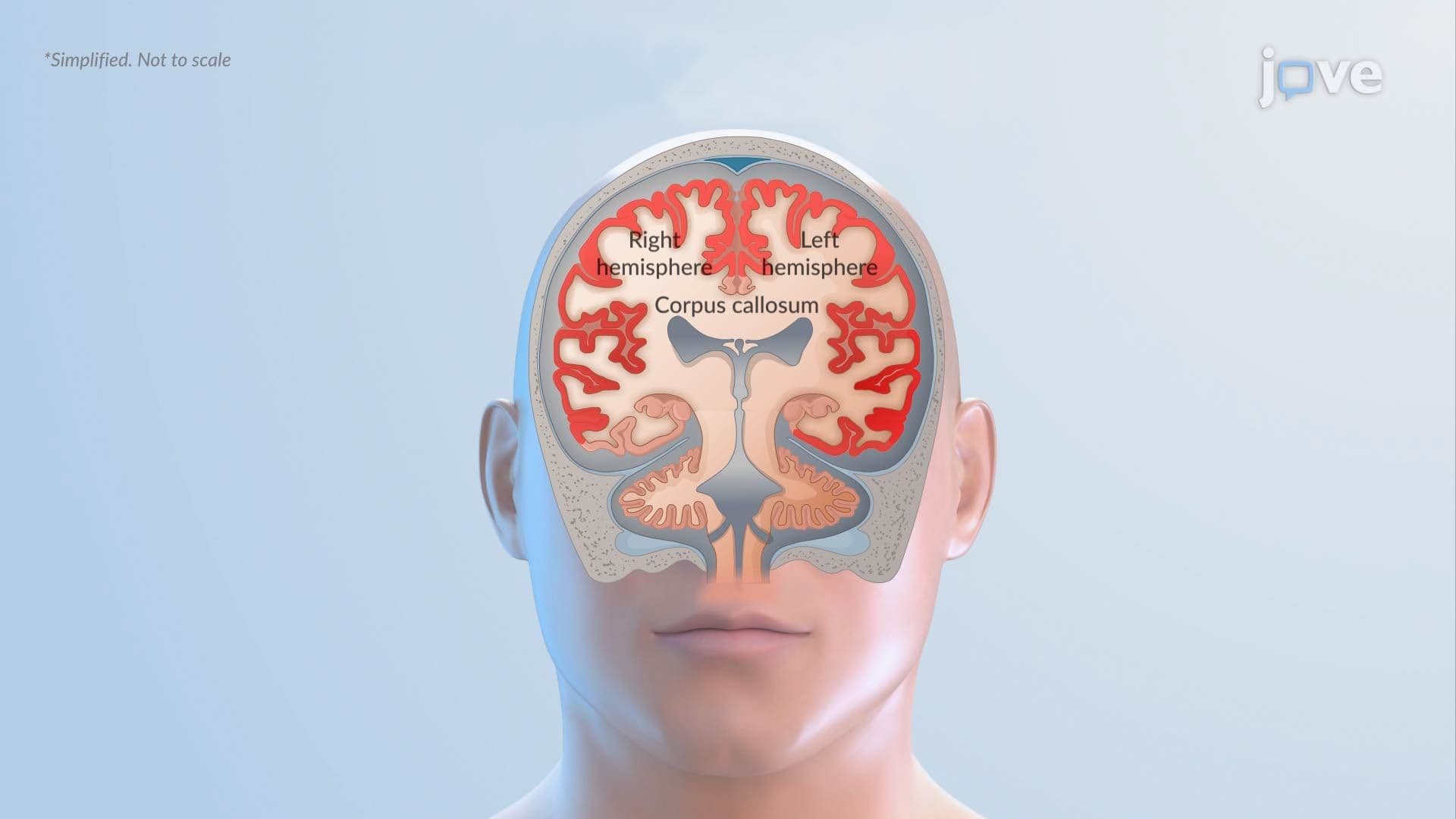
As plaques and tangles accumulate, entire brain regions degenerate. The hippocampus, essential for forming new memories, and the entorhinal cortex are among the first casualties, explaining why early Alzheimer's symptoms typically involve short-term memory loss. Degeneration later spreads to the frontal and temporal lobes, impairing language, judgment, and personality.
Critically, cholinergic neurons in the basal forebrain, specifically the nucleus basalis of Meynert, are disproportionately destroyed. These neurons produce acetylcholine, a neurotransmitter vital for learning and memory. Their loss is the neurochemical basis for current FDA-approved treatments called acetylcholinesterase inhibitors (e.g., donepezil, rivastigmine), which slow acetylcholine breakdown to compensate for reduced production. This pharmacological connection between pathology and treatment is a classic exam topic in AP Biology, college pharmacology, and NCLEX preparation.
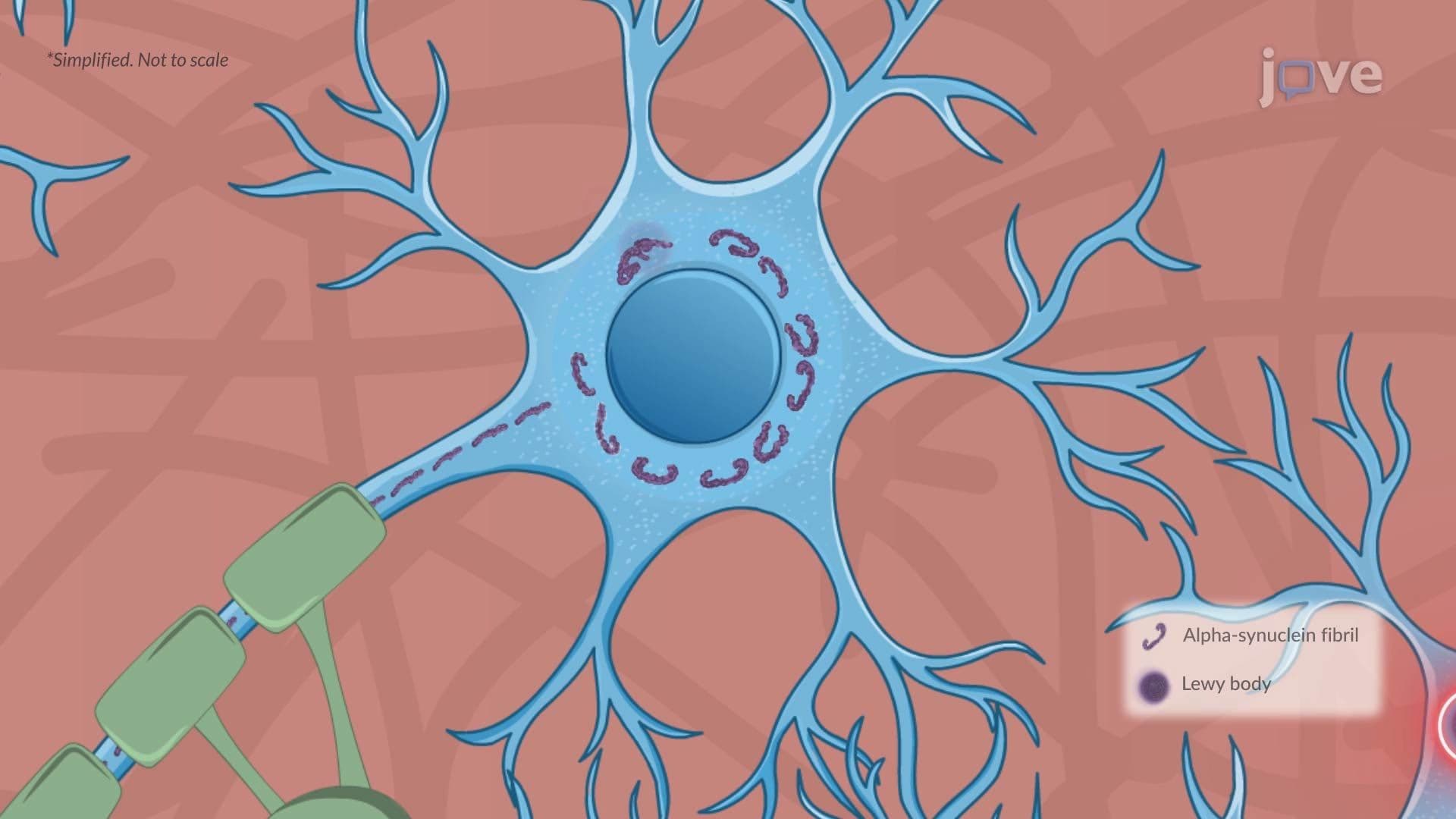
Students often ask how Alzheimer's differs from Parkinson's disease or multiple sclerosis. While Parkinson's disease involves the loss of dopaminergic neurons in the substantia nigra and the accumulation of Lewy bodies (alpha-synuclein aggregates), Alzheimer's primarily targets cholinergic and glutamatergic neurons using a distinct amyloid-tau mechanism. Multiple sclerosis, by contrast, is a demyelinating autoimmune disease, not a proteinopathy. Recognizing these distinctions sharpens diagnostic reasoning and is frequently tested in college neuroscience and on the MCAT's biological sciences section.
Related Micro-courses