Loading video…


 35 Concepts
 5.1K views

Video Summary: Alterations in Muscle Tone Lll Explained
Why do some Parkinson's disease patients feel like their arm is "catching" when moved, like a ratchet on a wrench? Alterations in Muscle Tone III covers exactly that, exploring rigidity and myotonia as distinct forms of abnormal muscle tone. Lead-pipe and cogwheel rigidity both stem from basal ganglia dysfunction, while myotonia, seen in myotonic dystrophy, causes a delayed grip release. Watch the full video on JoVE Coach to master this concept with expert-led visuals and step-by-step explanations.
When healthcare providers assess muscle tone, they're looking for resistance, or the lack of it, during passive movement of a patient's limbs. Alterations in Muscle Tone III focuses on two clinically significant abnormalities: rigidity and myotonia. These are not simply "stiff muscles." Each has a distinct neurological or muscular origin, a characteristic feel during examination, and a set of associated conditions that make them high-yield topics in both academic coursework and clinical training.
Rigidity is defined as continuous resistance to passive movement that remains equal in all directions, whether the examiner flexes or extends the limb. This sets it apart from spasticity, which is velocity-dependent and direction-specific.
Lead-pipe rigidity produces a smooth, uniform resistance throughout the entire range of motion. Imagine slowly bending a thick piece of lead, there's no sudden give, no variation, just consistent pushback. Cogwheel rigidity, by contrast, interrupts that stiffness with small, rhythmic catches, producing a ratchet-like sensation. Clinically, this is often described as superimposed tremor on top of lead-pipe rigidity.
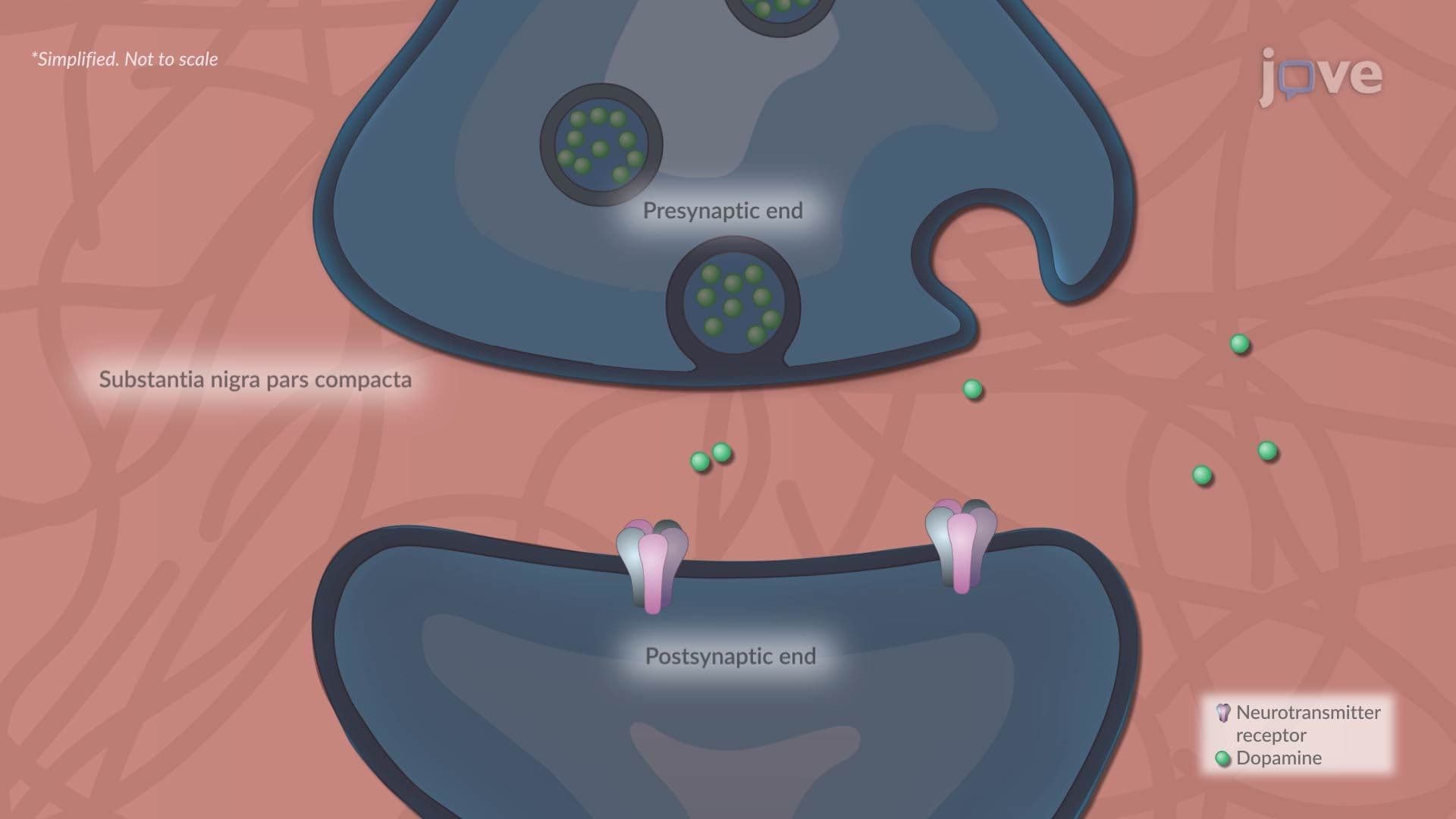
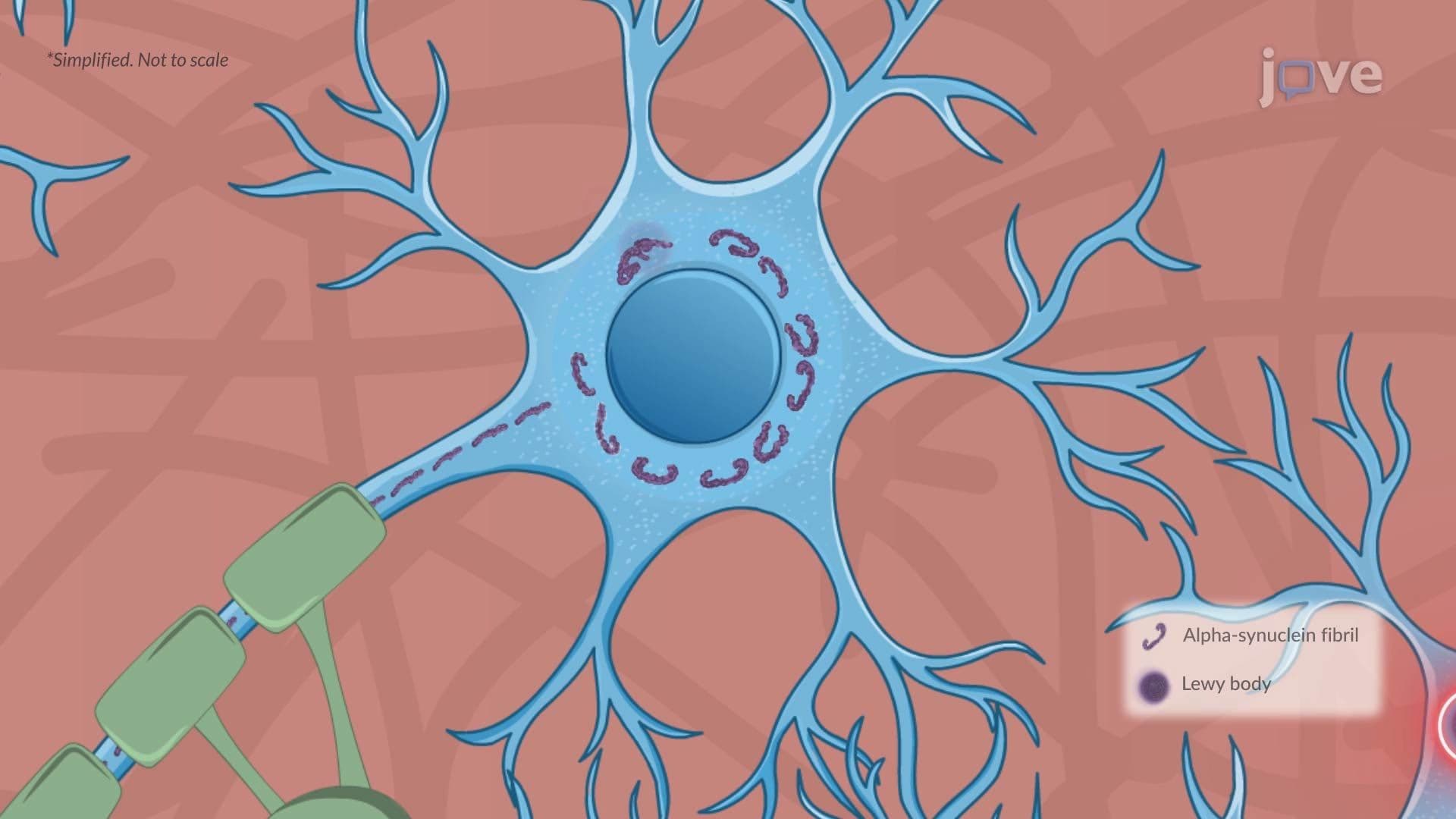
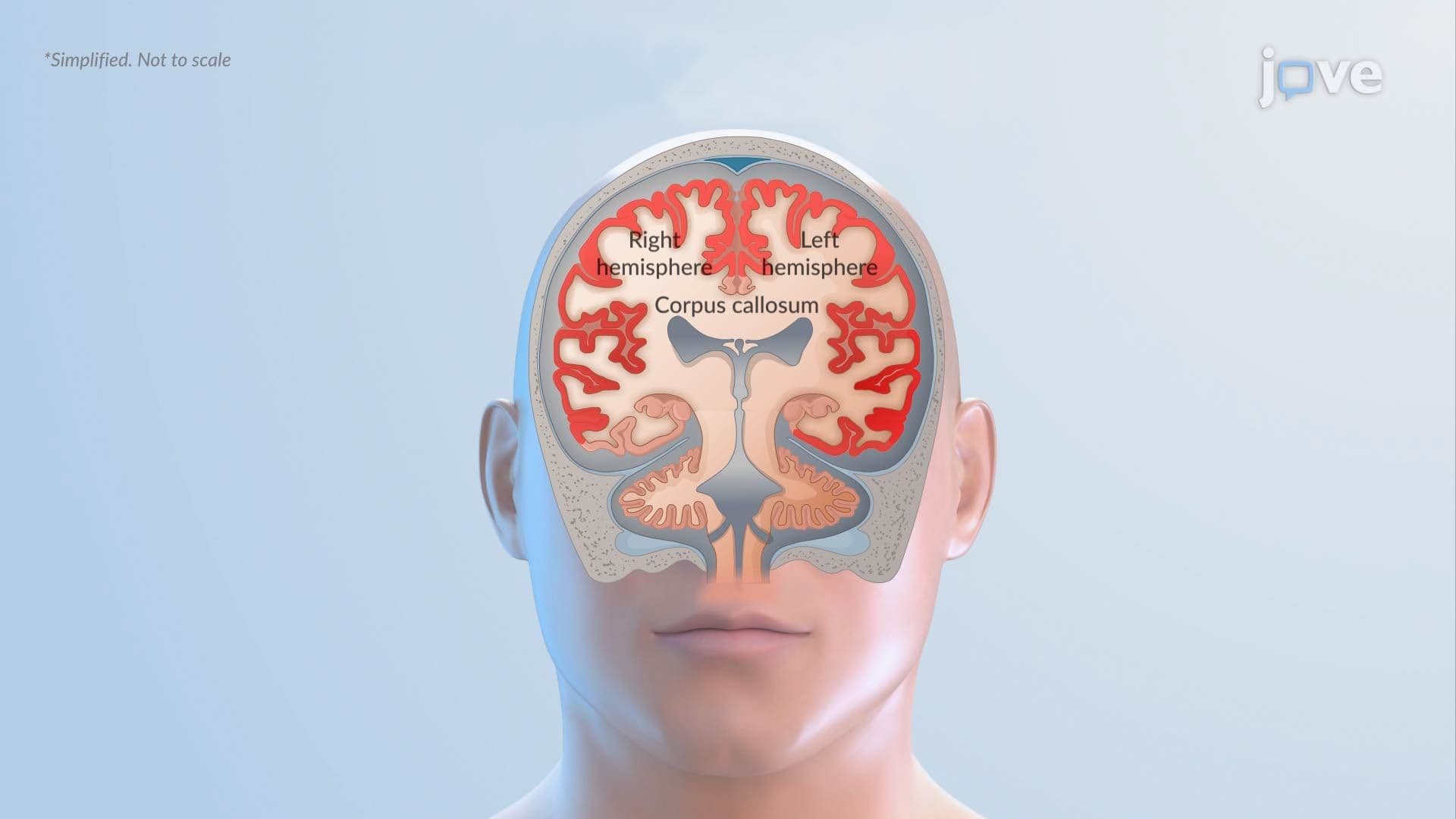
Both subtypes arise from basal ganglia dysfunction, a key concept in understanding neurodegenerative diseases. In Parkinson's disease, one of the most common neurodegenerative conditions in the US, affecting nearly one million Americans, the loss of dopaminergic neurons in the substantia nigra disrupts the normal inhibitory-excitatory balance in the basal ganglia circuitry. The result is increased motor output that manifests as persistent muscle rigidity. Cogwheel rigidity is considered one of the cardinal motor signs of Parkinson's disease, alongside bradykinesia, tremor at rest, and postural instability.
Unlike rigidity, myotonia is not about resistance during passive movement, it's about delayed relaxation after voluntary contraction. After a person grips an object, the muscles involved take longer than normal to release. This delay can range from mildly inconvenient to significantly disabling.
Myotonia is most strongly associated with myotonic dystrophy, a hereditary condition that affects not just skeletal muscle but also the heart, eyes, and endocrine system. A classic real-world US clinical example: a patient with myotonic dystrophy who struggles to release a handshake after greeting someone. This difficulty releasing grip is one of the first observable signs that prompts further testing.
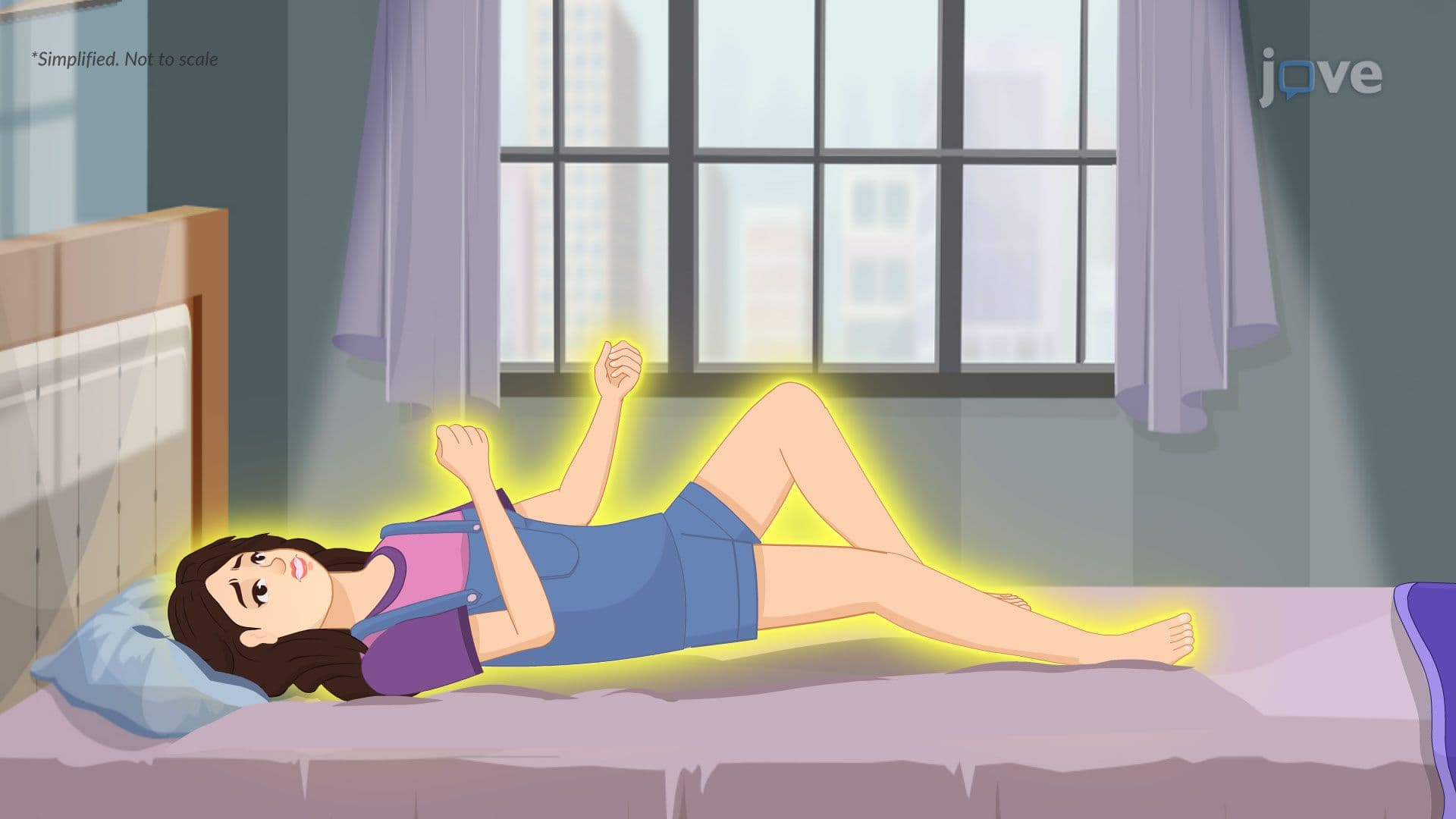
Critically, myotonia can be triggered or worsened by environmental and physiological factors, cold temperatures, emotional stress, and pain. This is why patients with myotonic dystrophy may experience greater muscle stiffness during winter months or anxiety-provoking situations.
For students preparing for the MCAT, USMLE Step 1, NCLEX, or AP Biology, understanding muscle tone alterations is essential. Questions frequently test your ability to distinguish rigidity from spasticity and to identify which condition (Parkinson's vs. myotonic dystrophy) produces which specific finding. A common USMLE-style question presents a patient with a ratchet-like sensation on arm movement and asks for the most likely diagnosis, the answer hinges on recognizing cogwheel rigidity as a Parkinson's hallmark.
In college-level neuroscience and pathophysiology courses, these concepts connect directly to broader topics such as how neurological disorders are diagnosed, the role of the basal ganglia in motor control, and the pathophysiology of neurodegenerative diseases. Understanding Alterations in Muscle Tone III gives students a concrete, testable framework for interpreting what might otherwise seem like abstract neurological findings.
Related Micro-courses