Loading video…

 35 Concepts
 5.1K views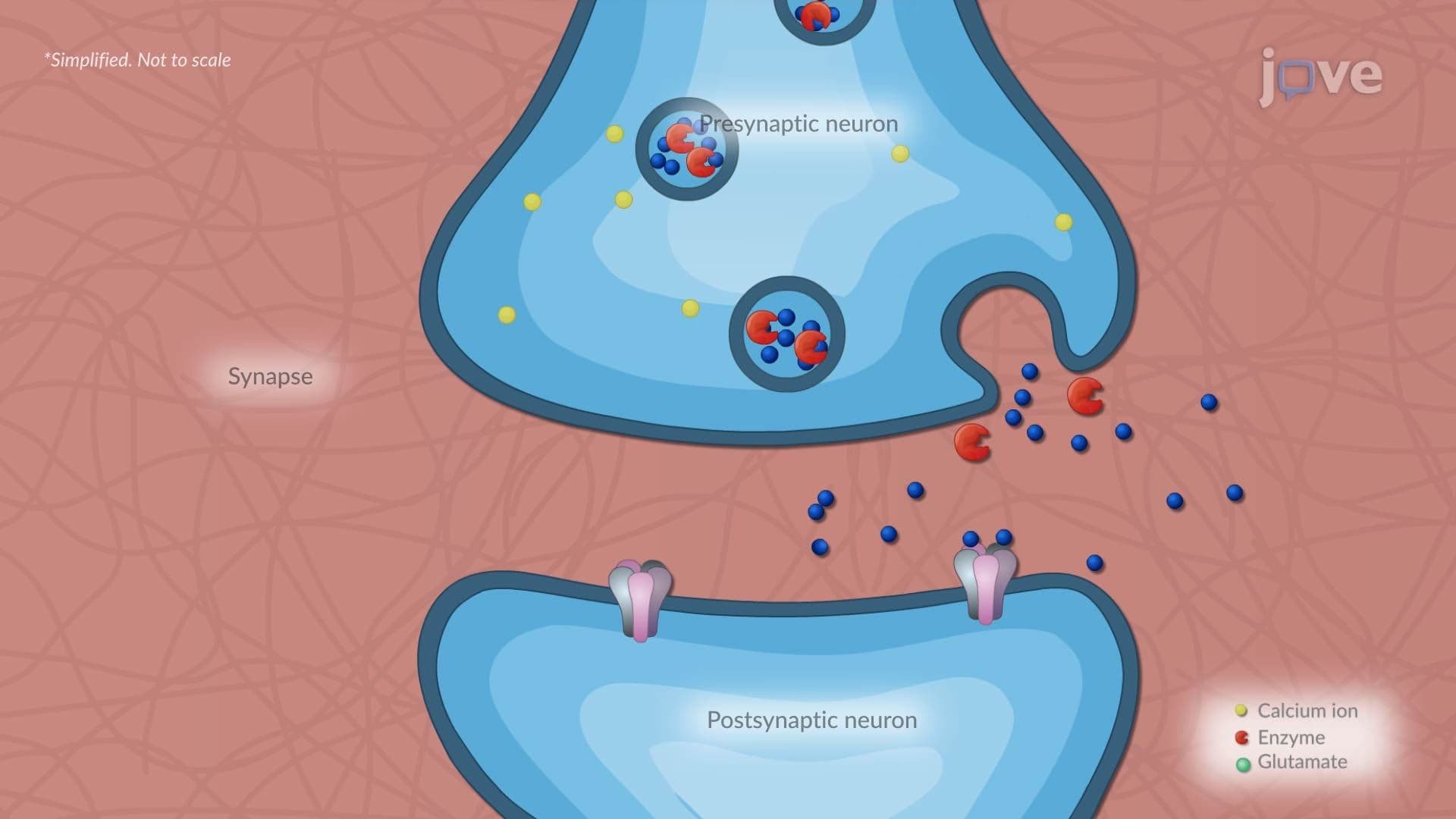

Video Summary: Pathophysiology in Ischemic Stroke Ll
Every 40 seconds, someone in the United States has a stroke, and understanding the pathophysiology in ischemic stroke ll basics could mean the difference between life and permanent disability. When a clot blocks blood flow to the brain, a cascade of cellular failures unfolds within minutes, creating a dying core surrounded by at-risk tissue called the penumbra. Watch the full video on JoVE Coach to master this concept with expert-led visuals and step-by-step explanations.
Ischemic stroke is one of the leading causes of death and long-term disability in the United States, affecting approximately 795,000 Americans each year according to the CDC. To truly understand it, you need to look beyond the blocked artery and examine the molecular and cellular events that unfold in the minutes and hours that follow. The pathophysiology in ischemic stroke ll covers exactly these mechanisms, the cascade of failures that turns a localized blockage into widespread brain damage.
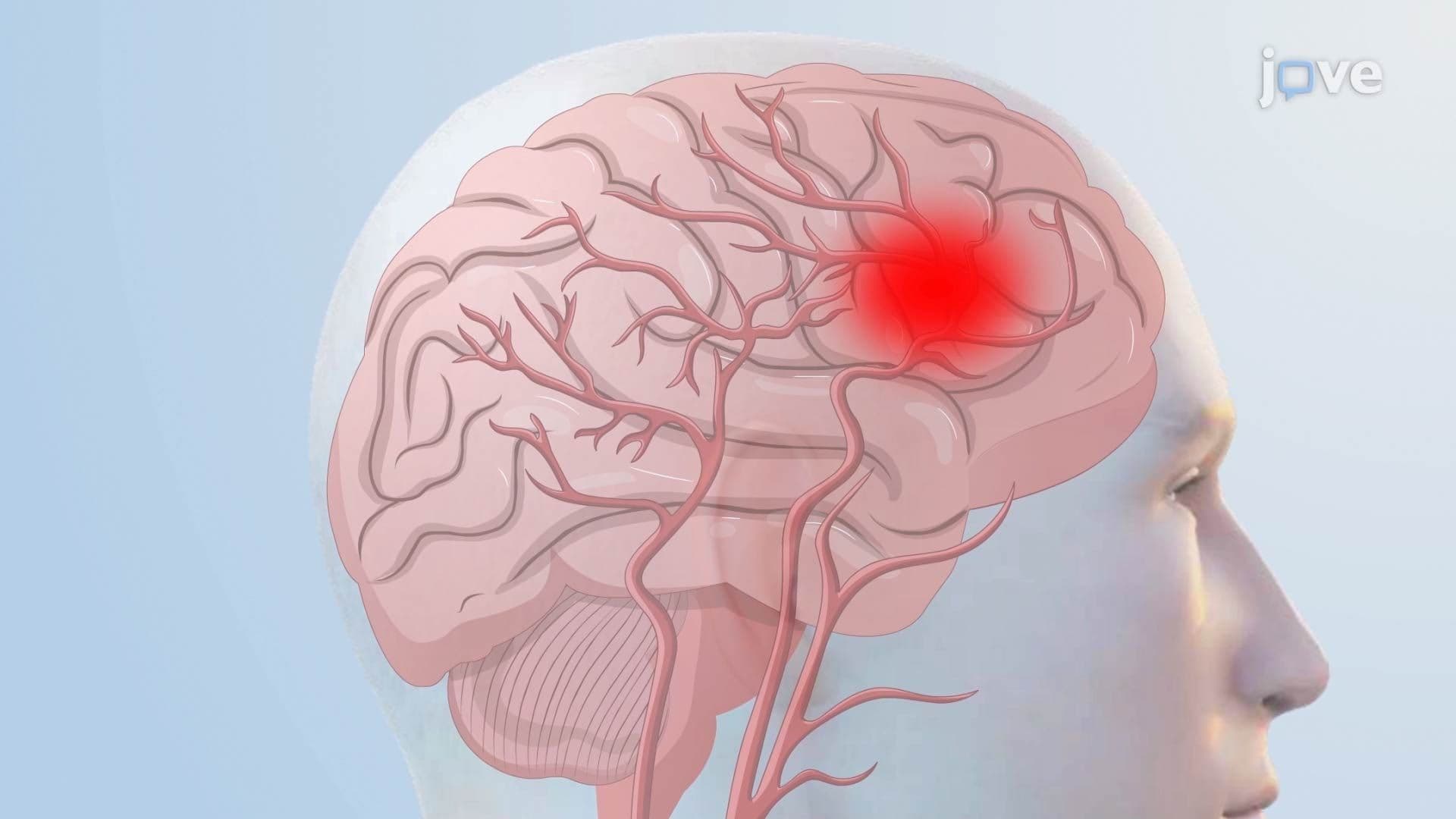
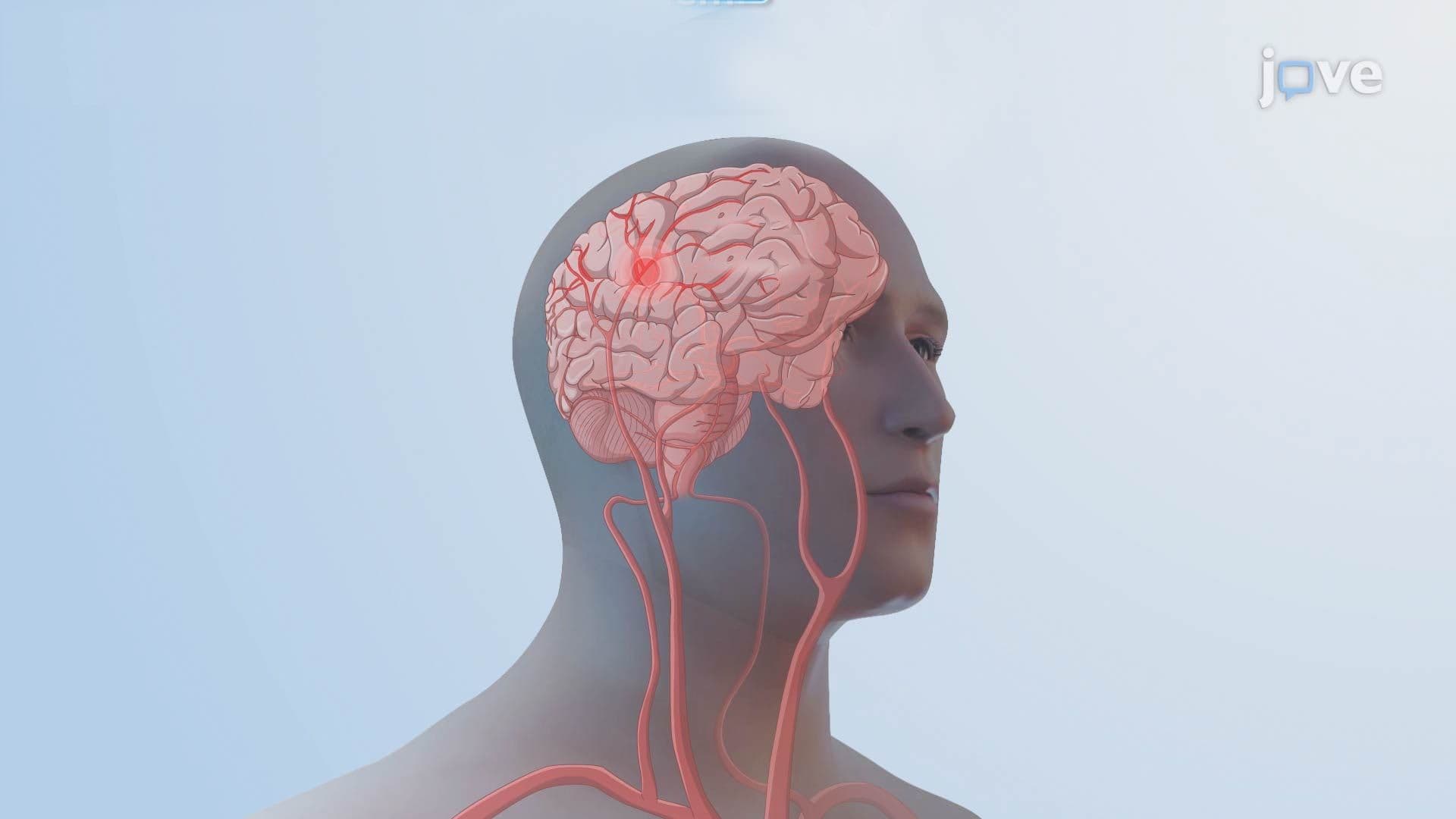
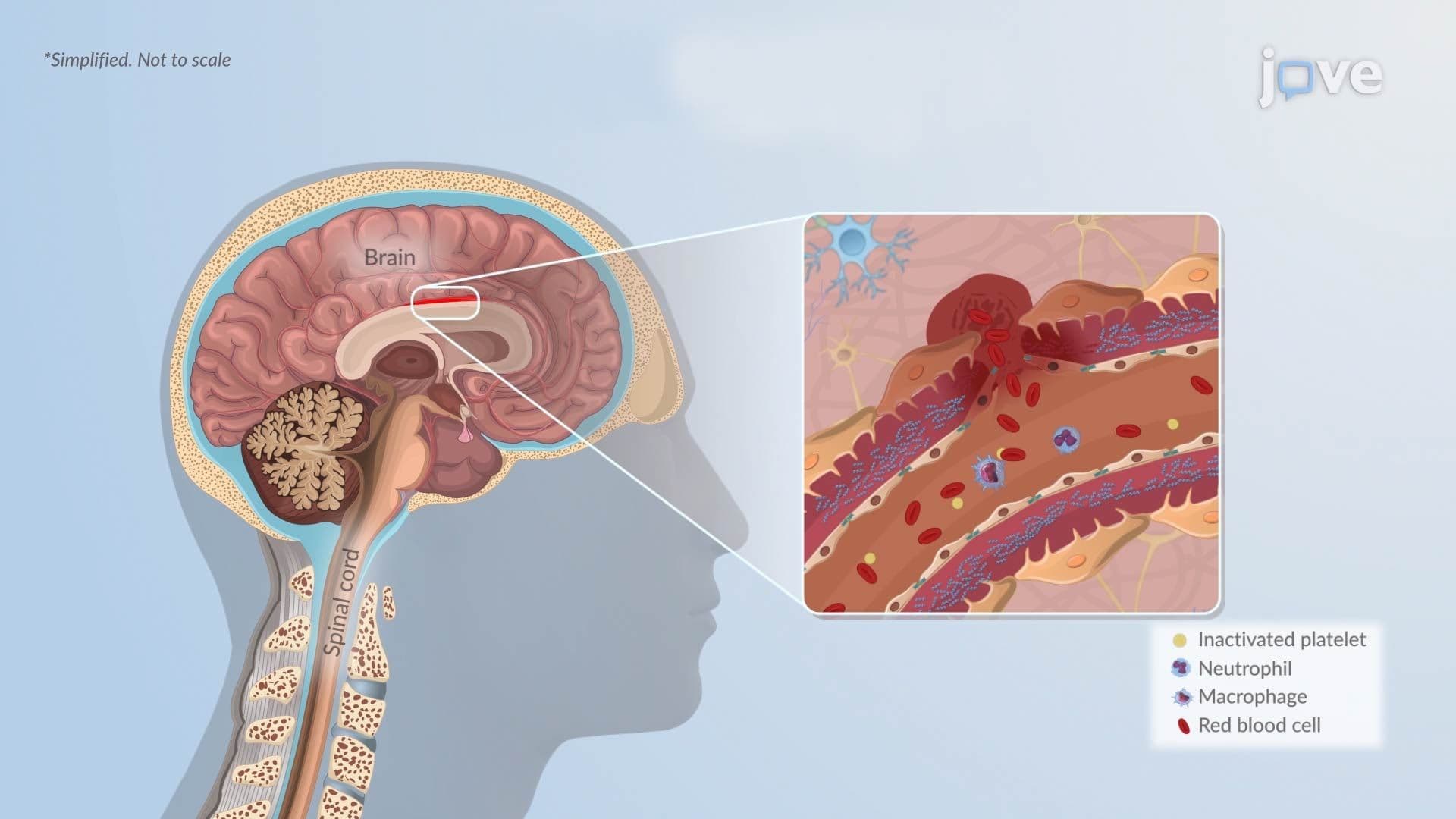
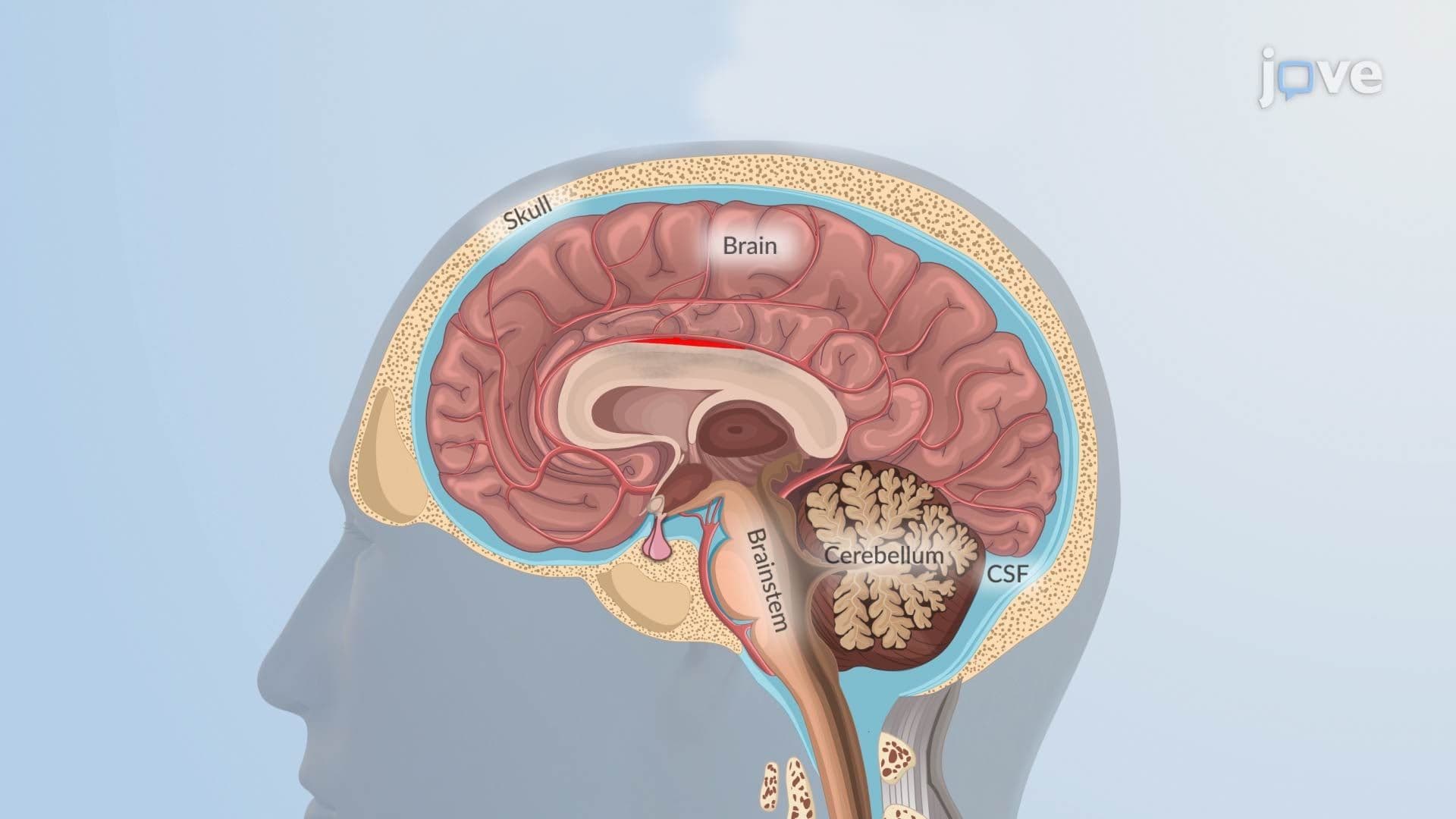
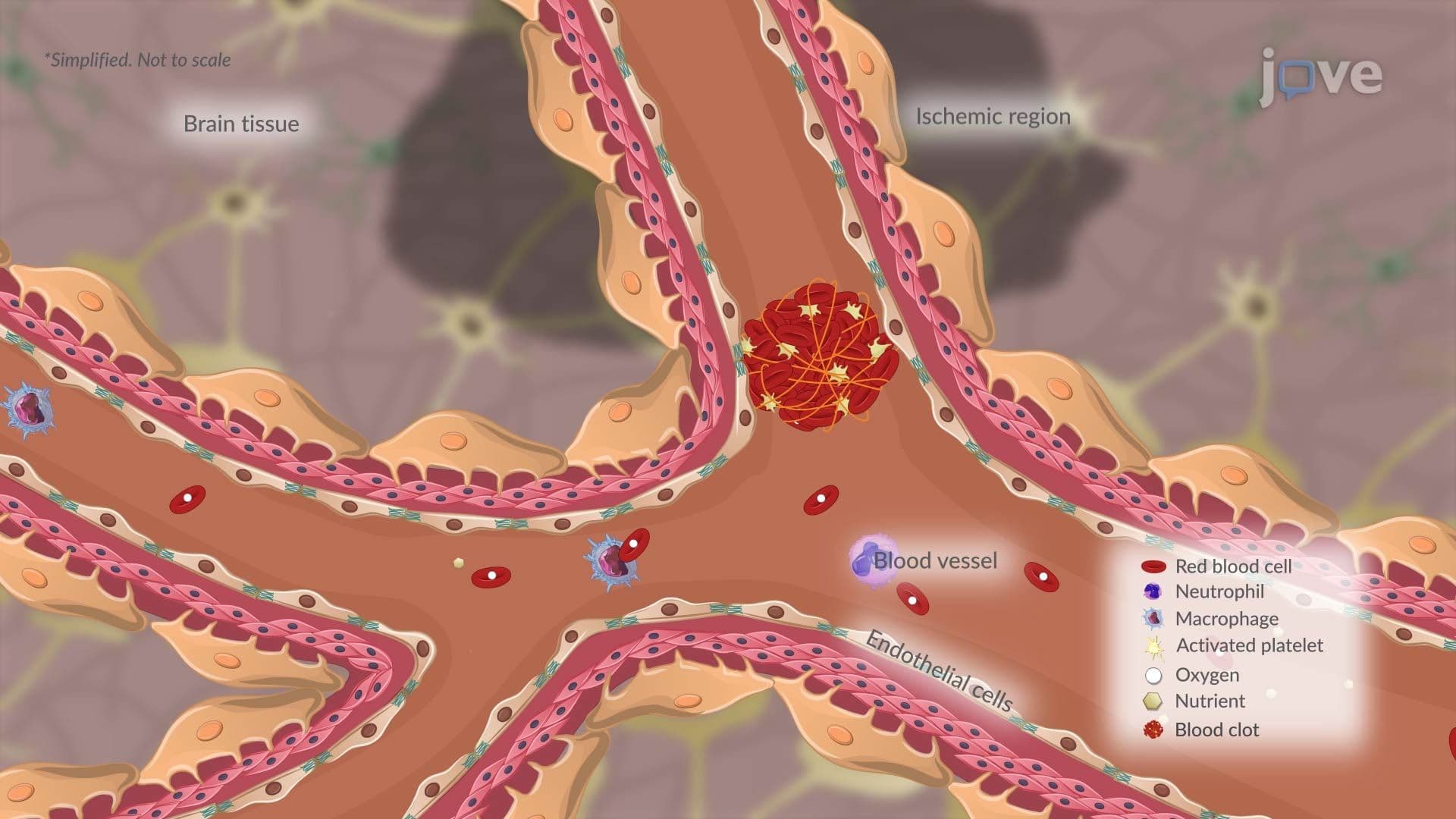
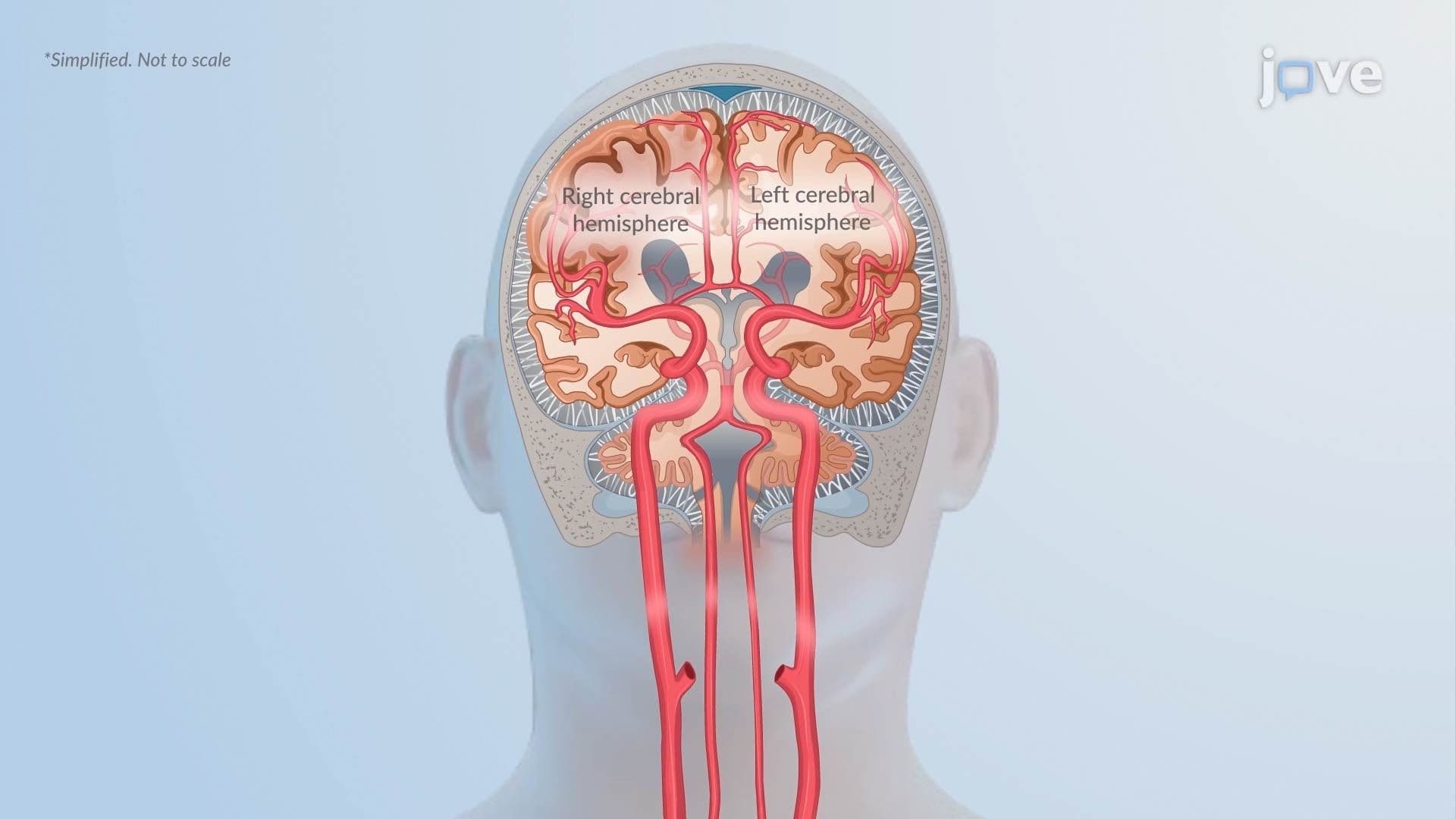
The brain is an energy-hungry organ. Under normal conditions, neurons require a continuous supply of oxygen and glucose to maintain cellular function. When a clot, typically from a condition like atrial fibrillation or atherosclerosis, occludes a cerebral artery, that supply is abruptly cut off. Within two to four minutes, neurons in the most severely affected area begin to die. This region is called the infarct core, and it represents tissue that is essentially irreversibly damaged from the earliest moments of the stroke.
Surrounding the core is the ischemic penumbra, a rim of tissue that is still receiving marginal blood flow from collateral vessels. This zone is the focus of all acute stroke treatment. In US hospitals, the drug tPA (tissue plasminogen activator) is used to dissolve clots and restore perfusion to the penumbra before it, too, becomes infarcted.
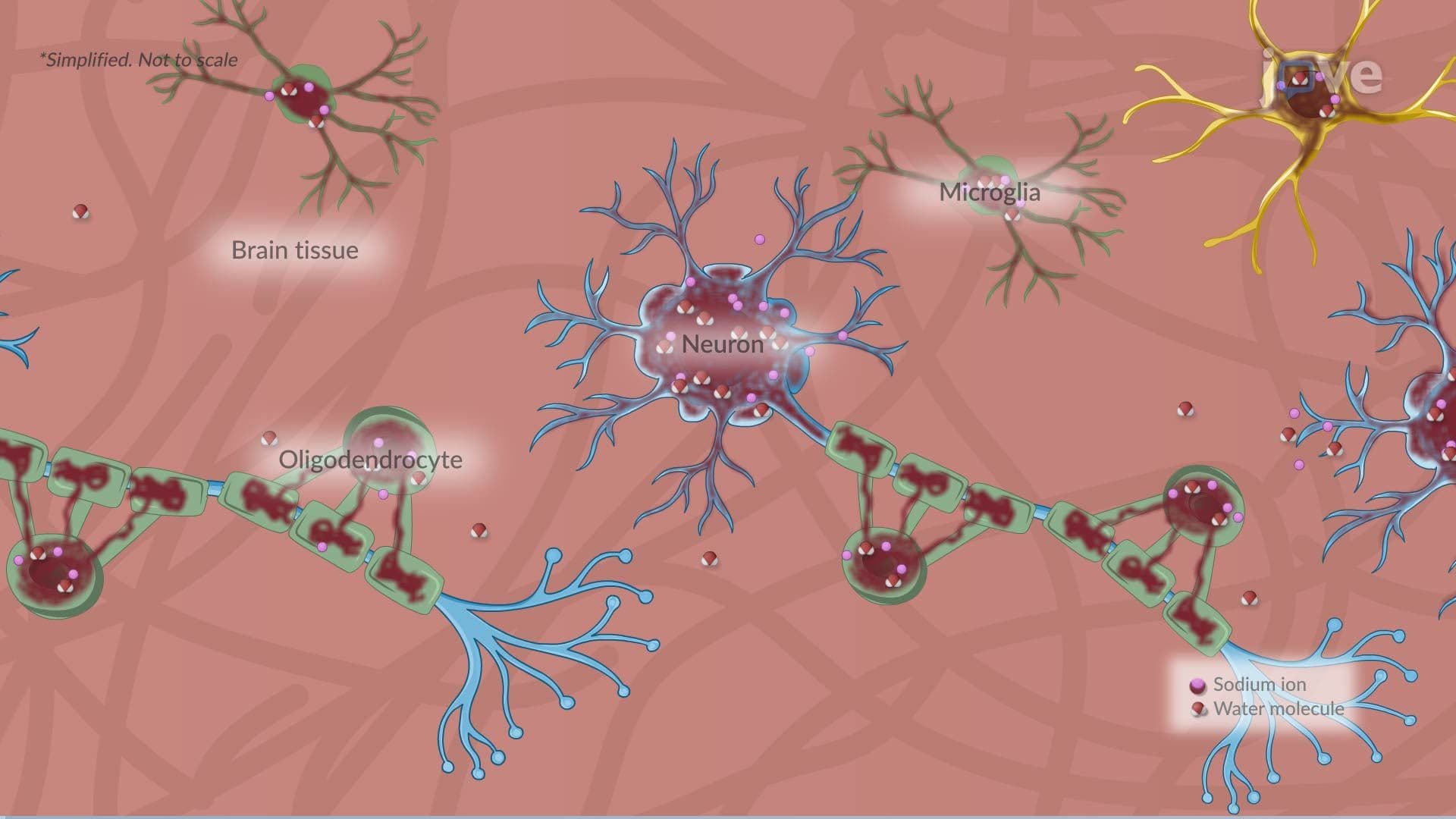
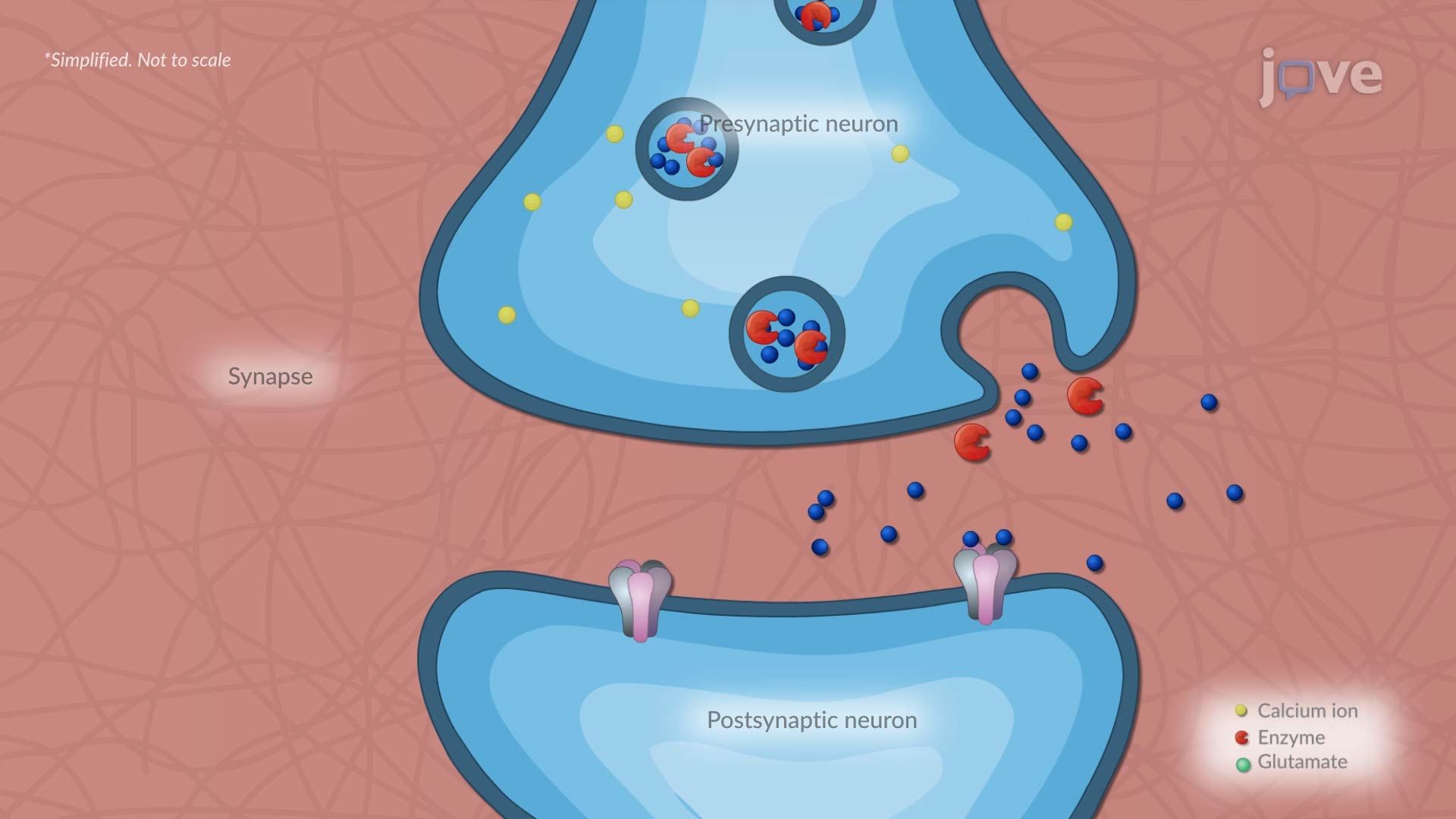
Without oxygen, neurons cannot power their ion pumps. Sodium rushes into cells, and critically, calcium floods in as well. This calcium overload is not passive, it actively triggers the release of glutamate, the brain's primary excitatory neurotransmitter. In stroke, glutamate floods synaptic spaces in a process called excitotoxicity, overstimulating neighboring neurons and driving them toward death. Simultaneously, water follows the osmotic gradient created by sodium accumulation, causing cells to swell, a phenomenon known as cytotoxic edema. This type of edema occurs inside the cells themselves and is one of the earliest contributors to brain swelling.
This mechanism connects directly to topics tested in courses like AP Biology and college-level neuroscience: ion gradients, membrane potential, and the sodium-potassium ATPase pump all play starring roles in understanding why stroke damage spreads so rapidly.
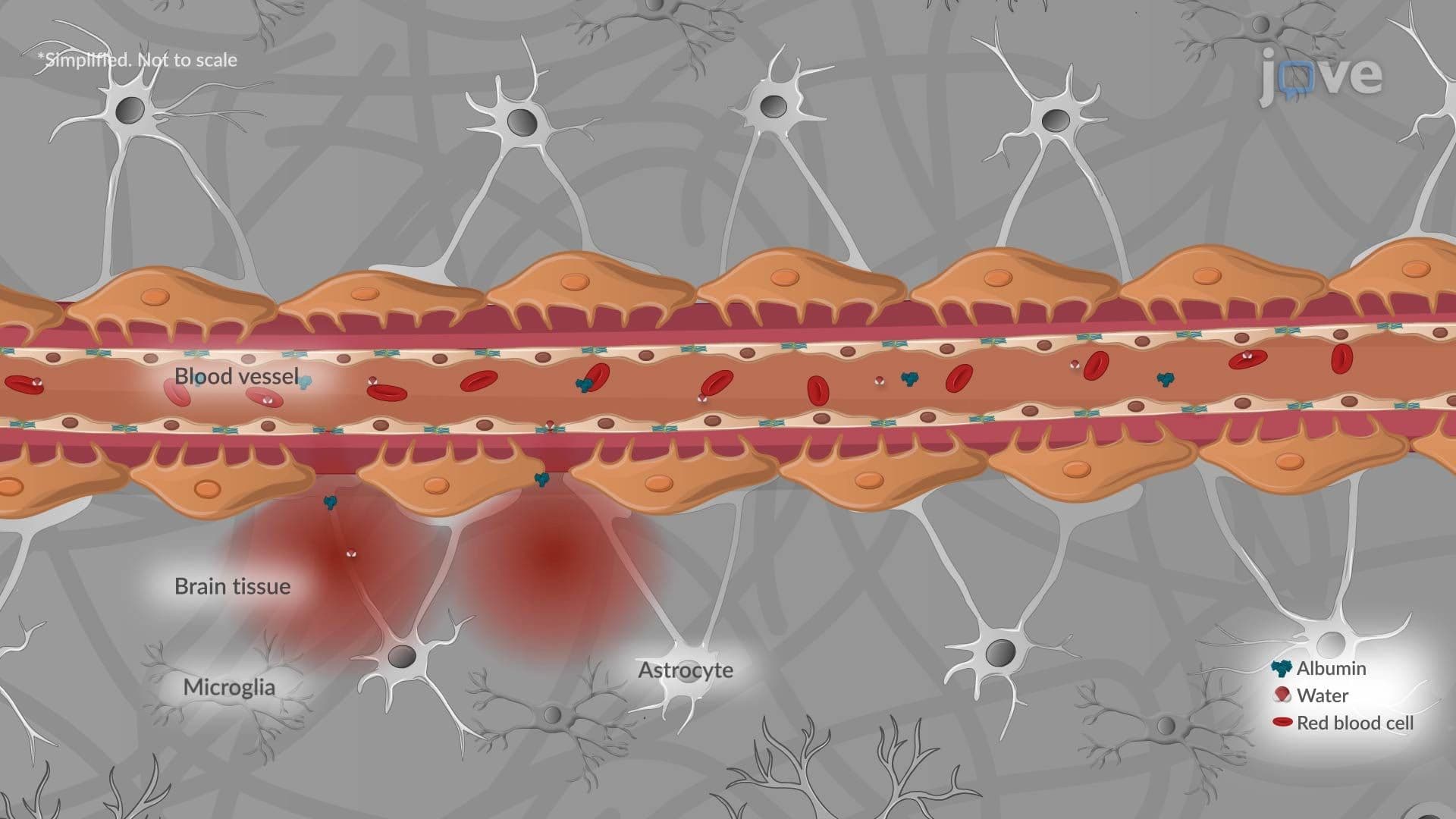
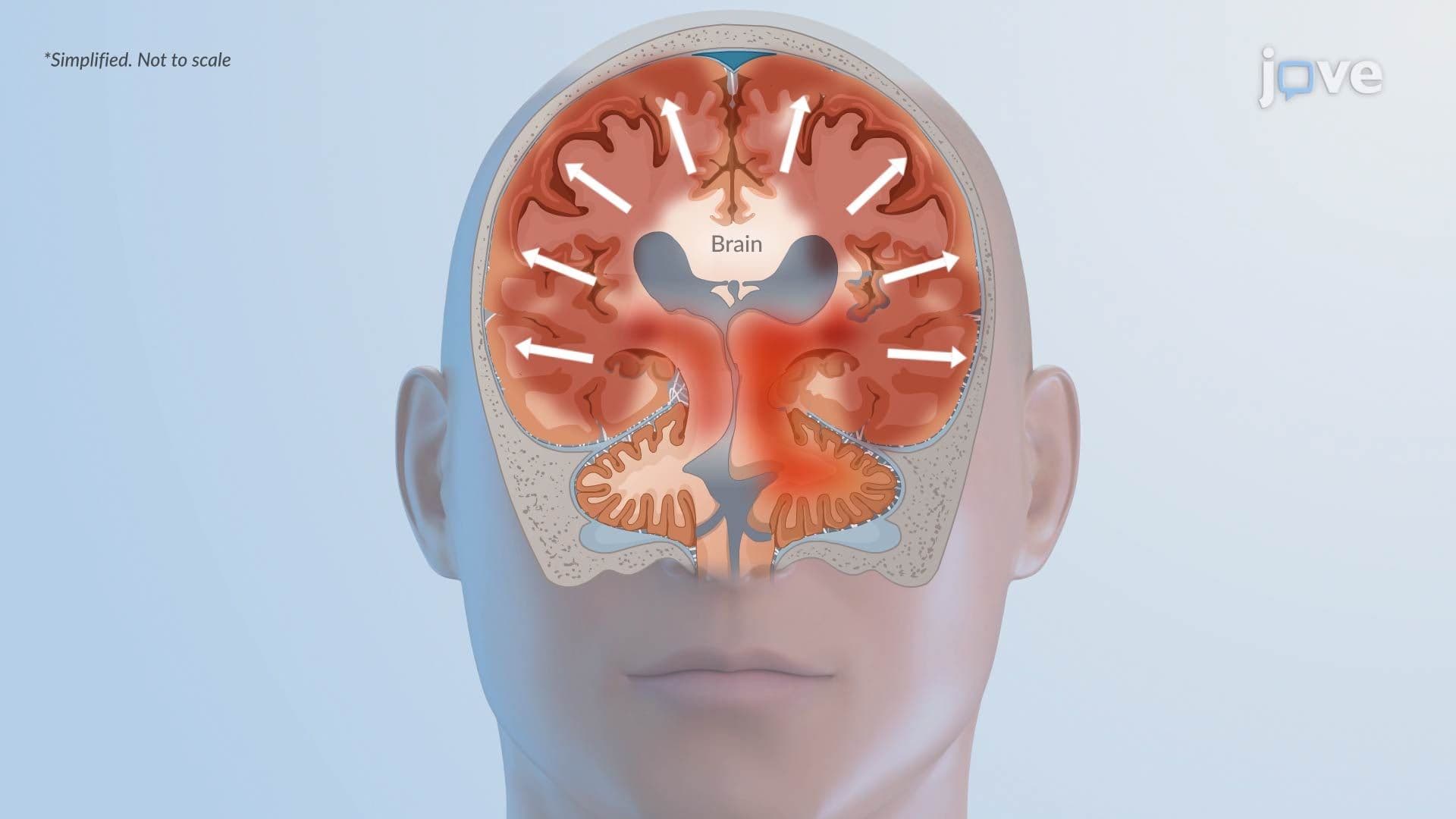
Hours after the initial insult, the immune system responds. Microglia, the brain's resident immune cells, become activated, and peripheral immune cells cross the blood-brain barrier. While intended to be protective, this inflammatory response releases cytokines and reactive oxygen species that damage surrounding healthy tissue. The blood-brain barrier itself becomes compromised, allowing fluid to leak into the extracellular space. This is called vasogenic edema, and unlike cytotoxic edema, it occurs outside of cells. Both forms of edema contribute to rising intracranial pressure (ICP), which can compress brain tissue and worsen outcomes.
Understanding the distinction between cytotoxic and vasogenic edema is a high-yield concept for MCAT, USMLE Step 1, and NCLEX preparation, frequently appearing in questions about traumatic brain injury, stroke, and brain tumors.
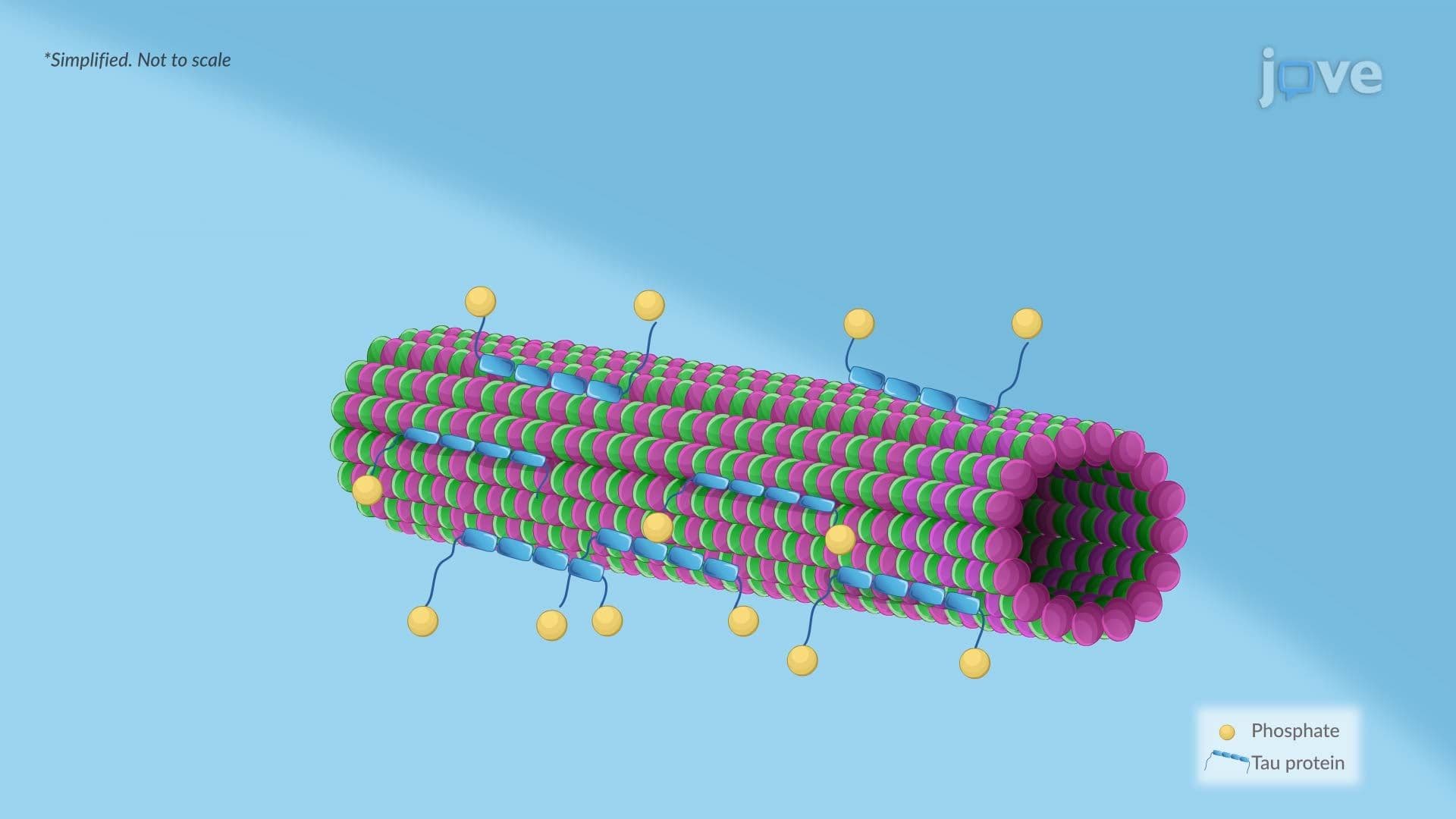
The mechanisms in ischemic stroke share important overlaps with other neurological disorders. Excitotoxicity and mitochondrial dysfunction, for example, are also implicated in Alzheimer's disease and Parkinson's disease. Chronic hypoperfusion, reduced blood flow over time, is even studied as a potential contributor to neurodegeneration. Understanding stroke pathophysiology, therefore, builds foundational knowledge applicable across the spectrum of neurodegenerative diseases, epilepsy, and multiple sclerosis. The faster a student grasps these core mechanisms, the more connected and logical the entire field of neurology becomes.
Related Micro-courses