Loading video…

 35 Concepts
 5.1K views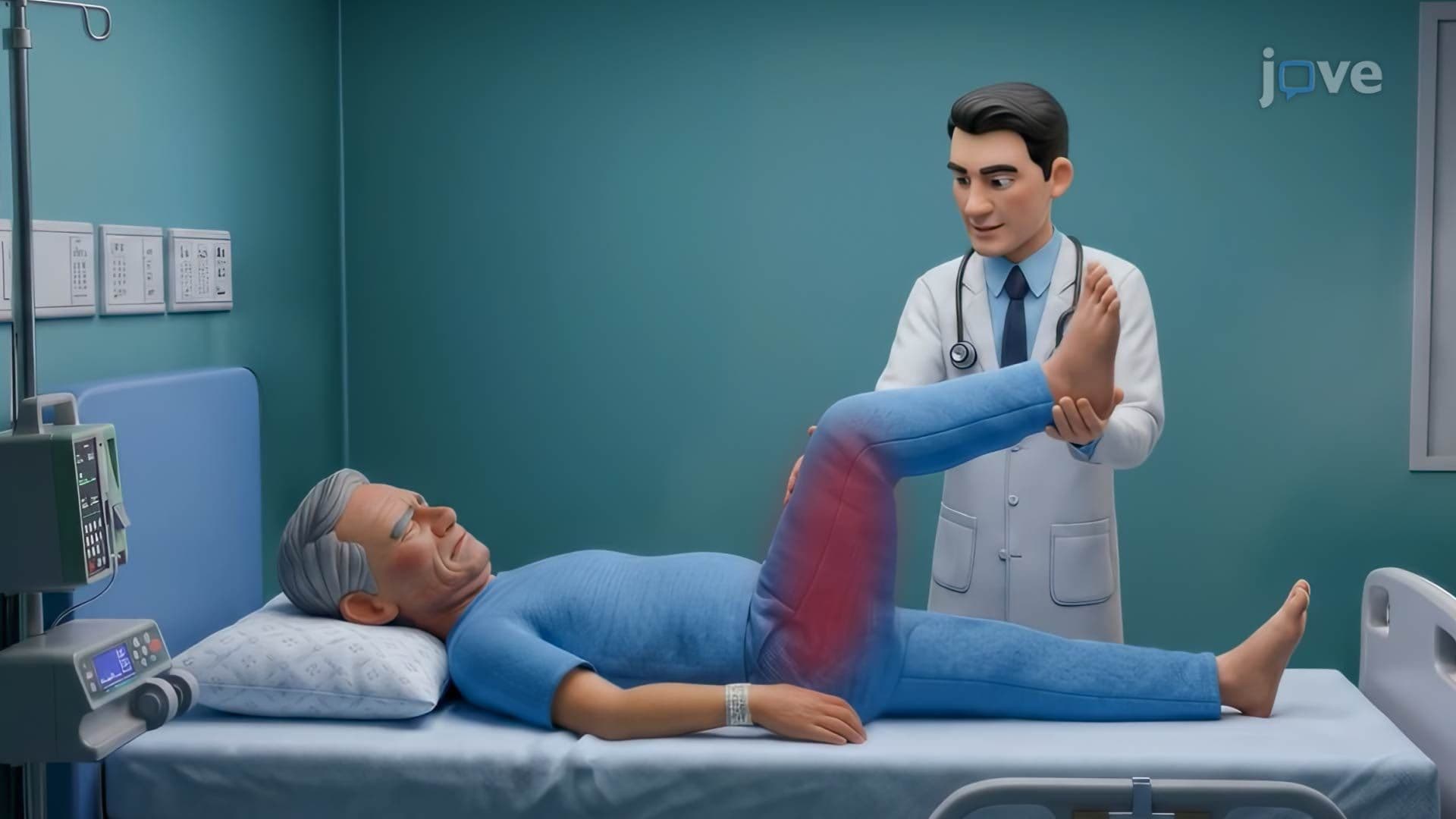

Video Summary: What Is Bacterial Meningitis I
Every year, bacterial meningitis sends thousands of Americans to the emergency room, and it can turn life-threatening within hours. Understanding bacterial meningitis I basics starts with recognizing how bacteria like *Streptococcus pneumoniae* invade the brain's protective lining. College students living in dormitories, for example, face elevated risk due to close-contact exposure. Watch the full video on JoVE Coach to master this concept with expert-led visuals and step-by-step explanations.
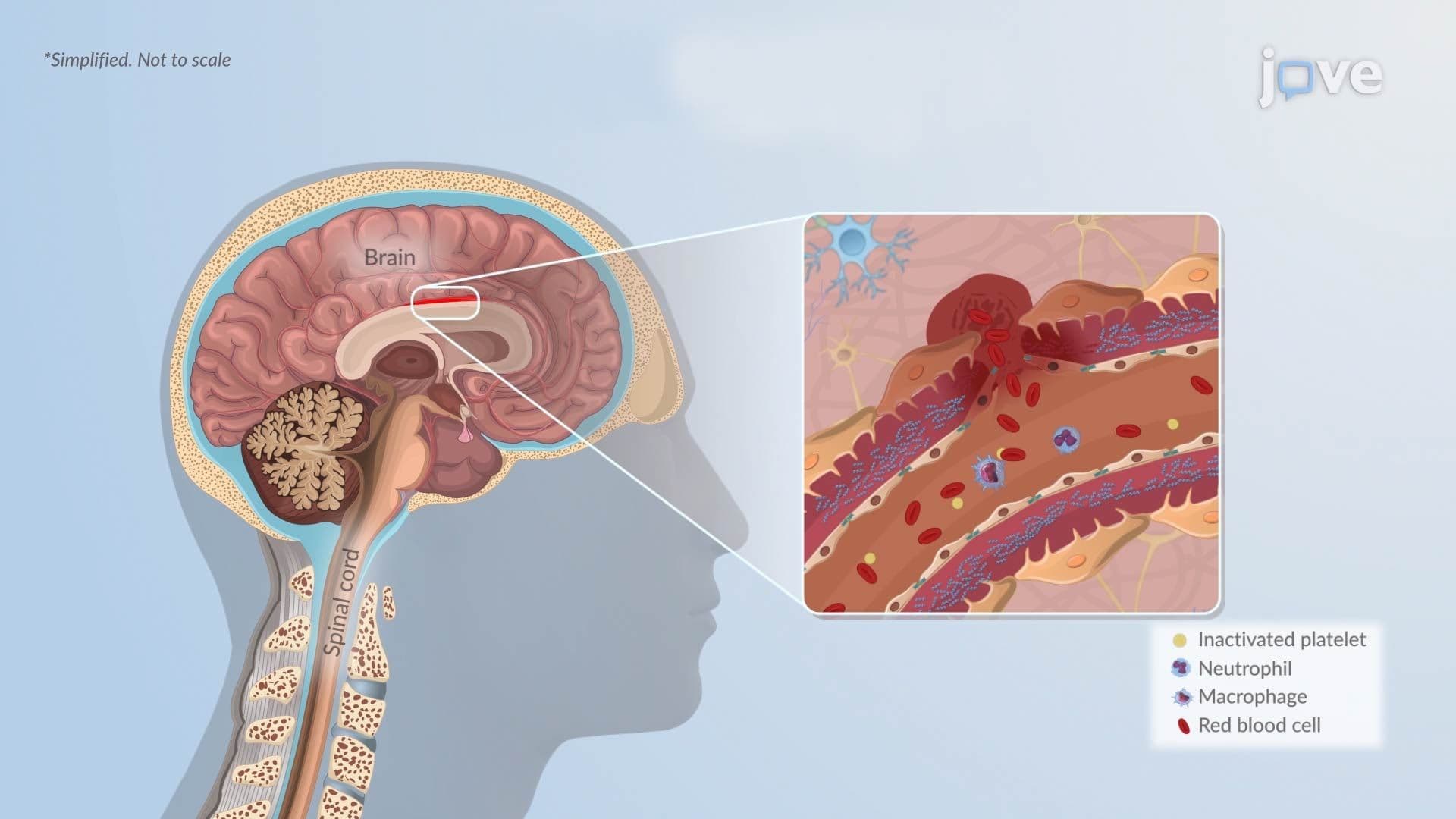
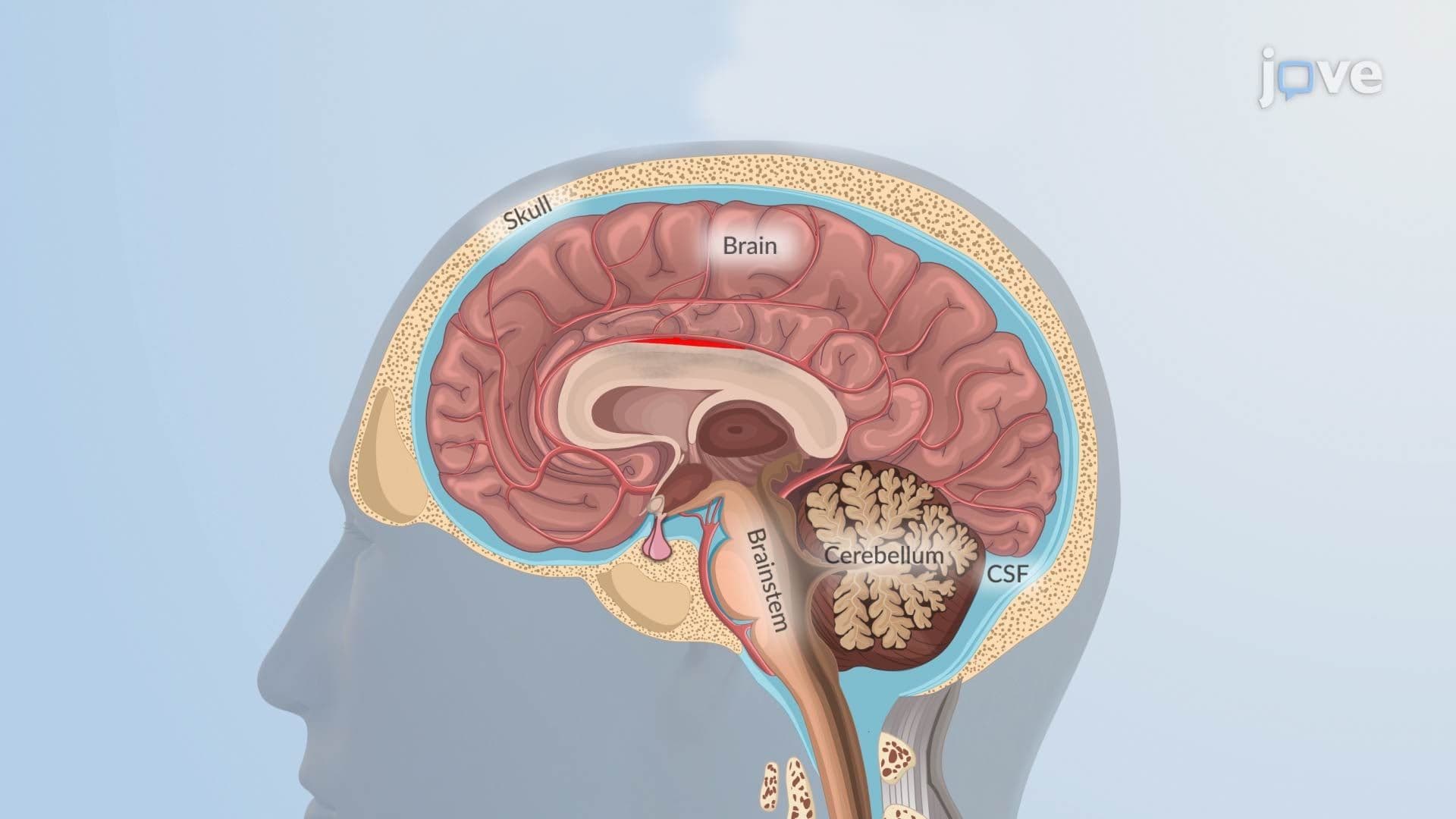
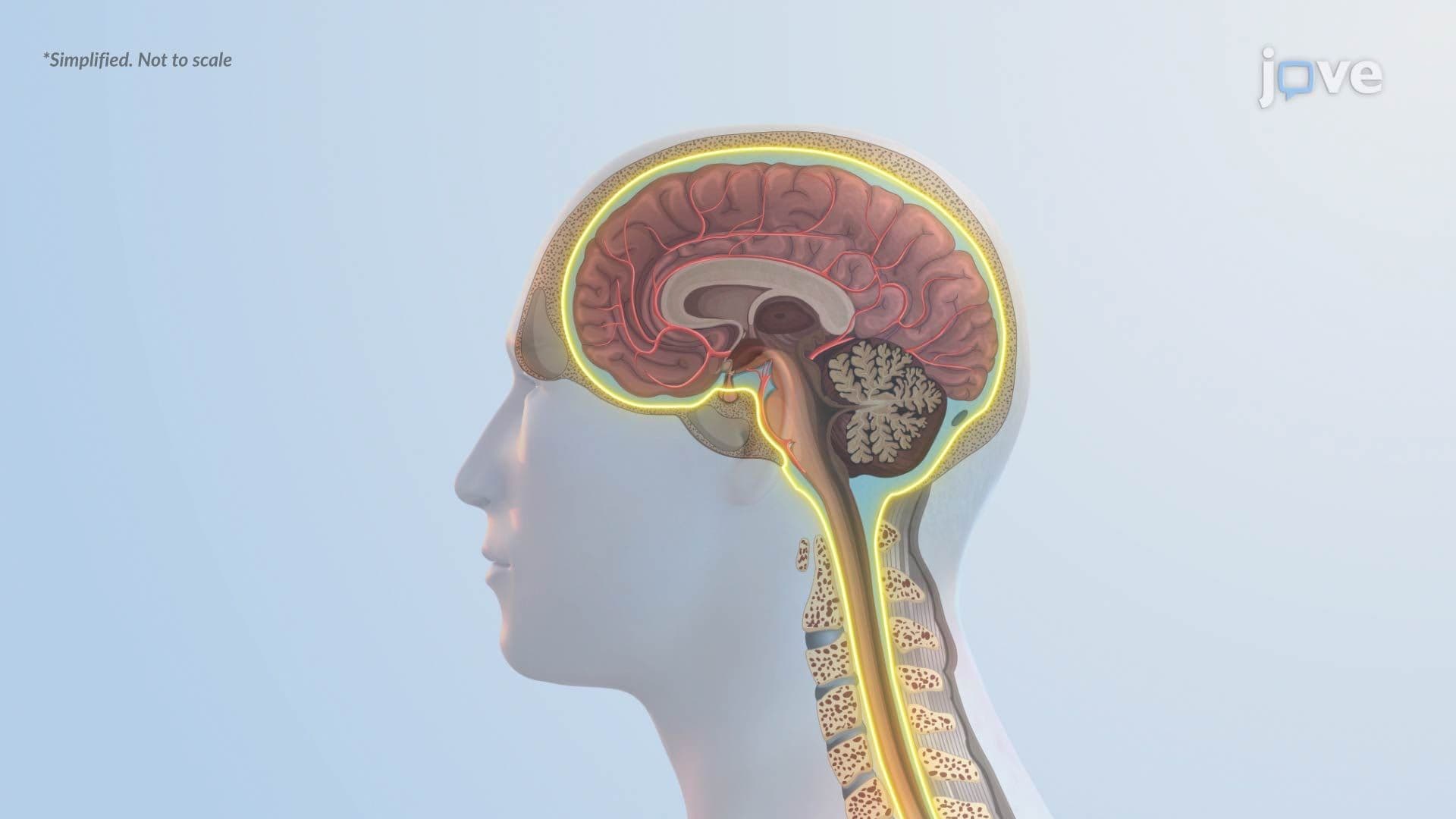
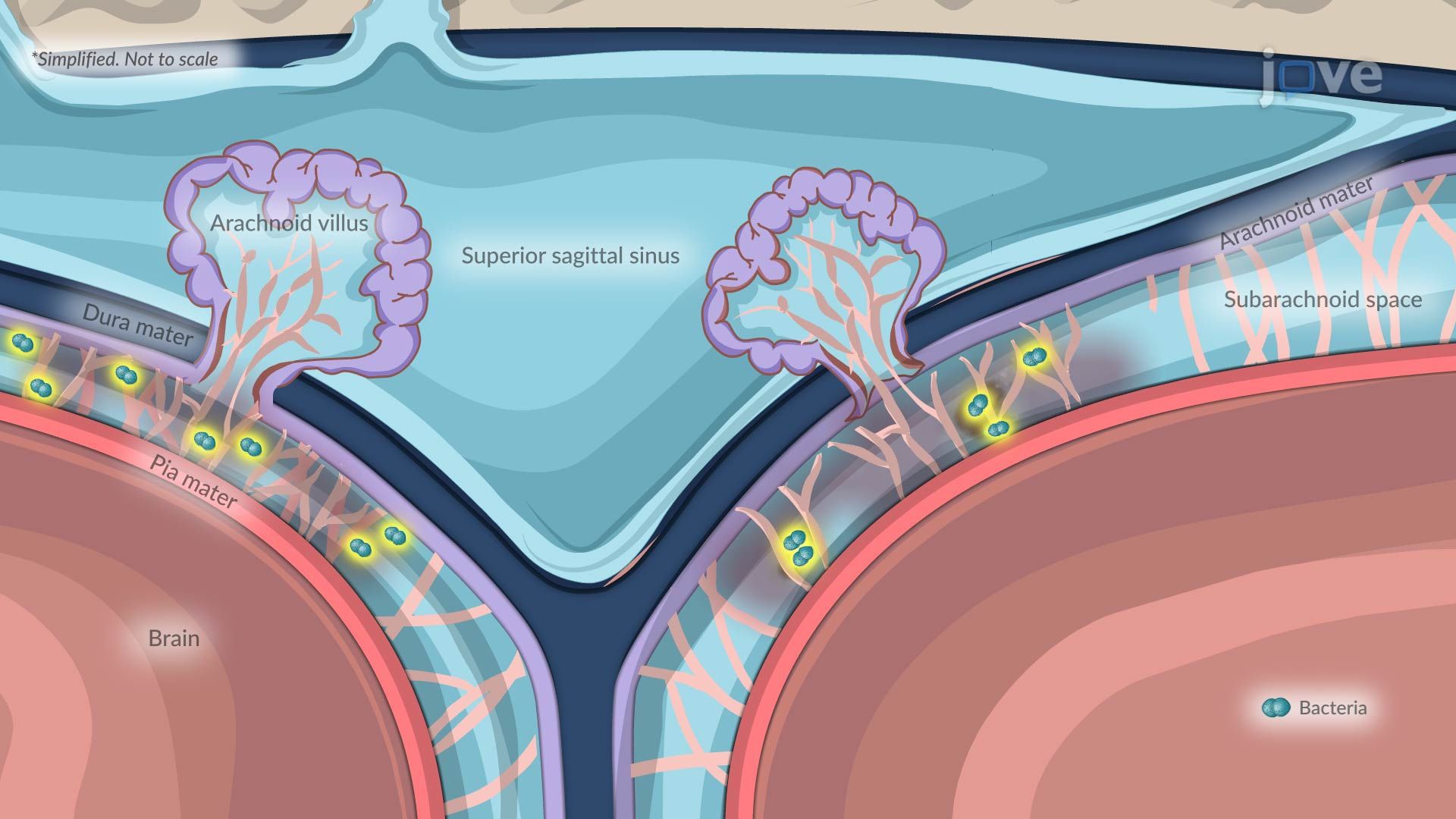
Bacterial meningitis is one of the most medically urgent infectious diseases affecting the nervous system. It is defined as an acute bacterial infection targeting the leptomeninges, the two innermost layers of tissue (pia mater and arachnoid mater) that wrap around the brain and spinal cord, as well as the cerebrospinal fluid (CSF) circulating within the subarachnoid space beneath them. Because the CSF bathes the entire central nervous system, bacterial invasion here creates rapid, widespread inflammation that can cause permanent neurological damage or death if not treated immediately.
For high school biology and college anatomy students, understanding this condition builds critical foundational knowledge in both microbiology and neuroscience, and it appears regularly on the MCAT, USMLE Step 1, NCLEX, and college-level neuroscience midterms.
Not all bacterial meningitis cases share the same culprit. The specific pathogen tends to vary significantly by patient age and immune status, which is a high-yield distinction for exam preparation.
Many of these bacteria quietly colonize the nasopharynx without causing symptoms, spreading between people through respiratory droplets, a reminder of how common exposure is, even when disease is not.
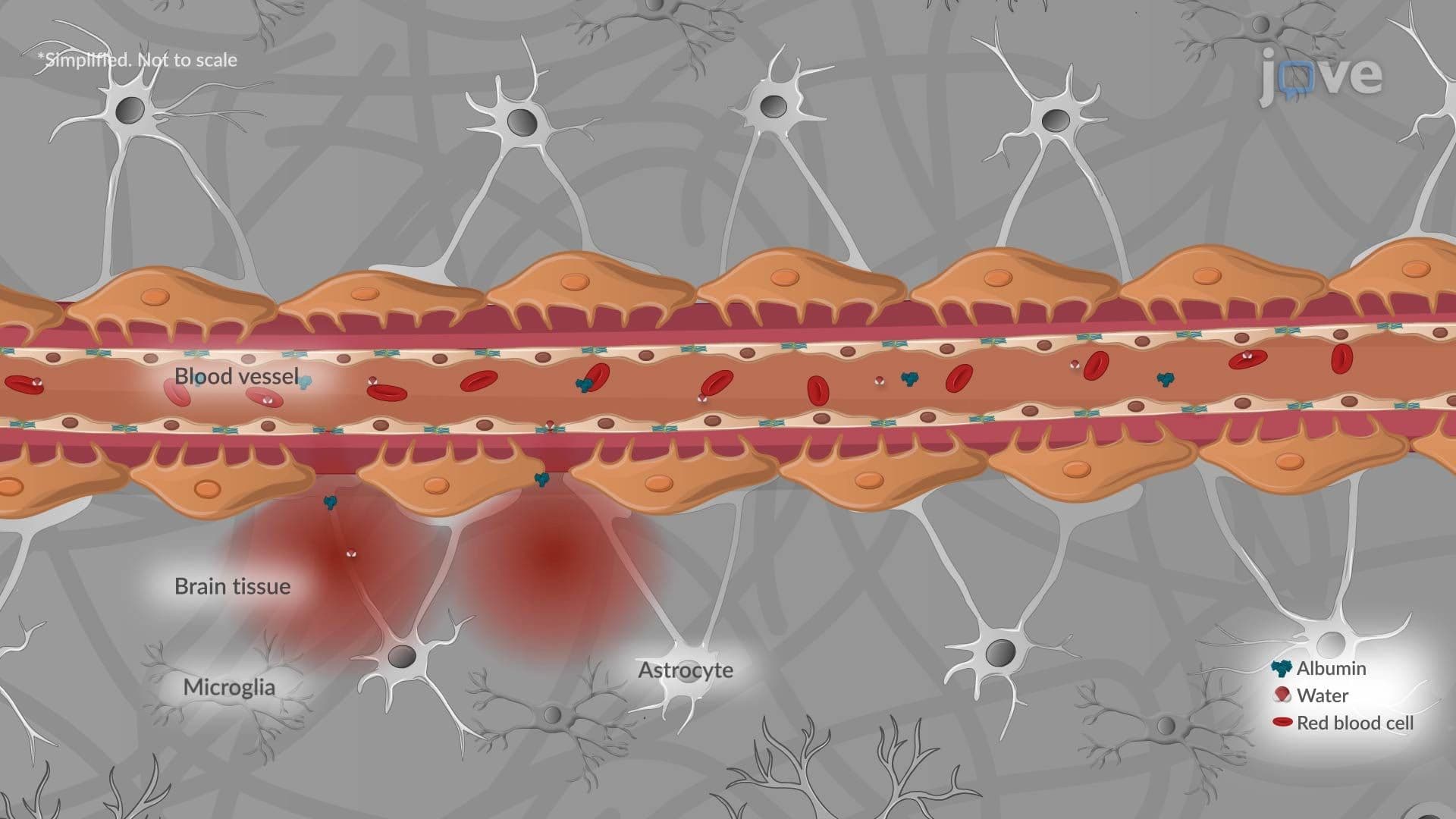
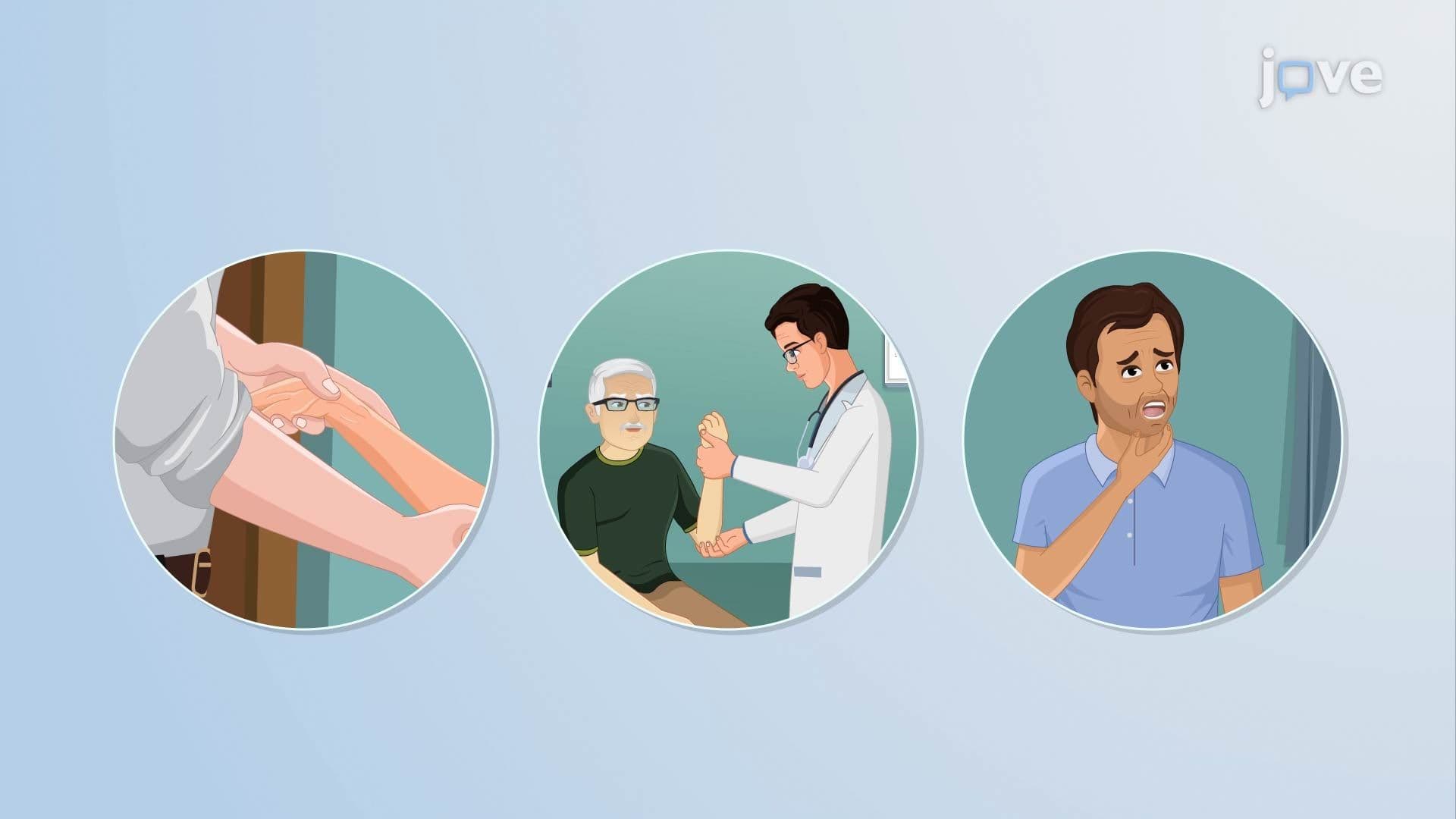
Once bacteria breach the blood-brain barrier and enter the CSF, the immune system's inflammatory response, normally protective, begins damaging the very tissue it is trying to defend. Early symptoms mirror a severe flu: fever, intense headache, and nuchal rigidity (neck stiffness). These three together form the classic clinical triad of bacterial meningitis.
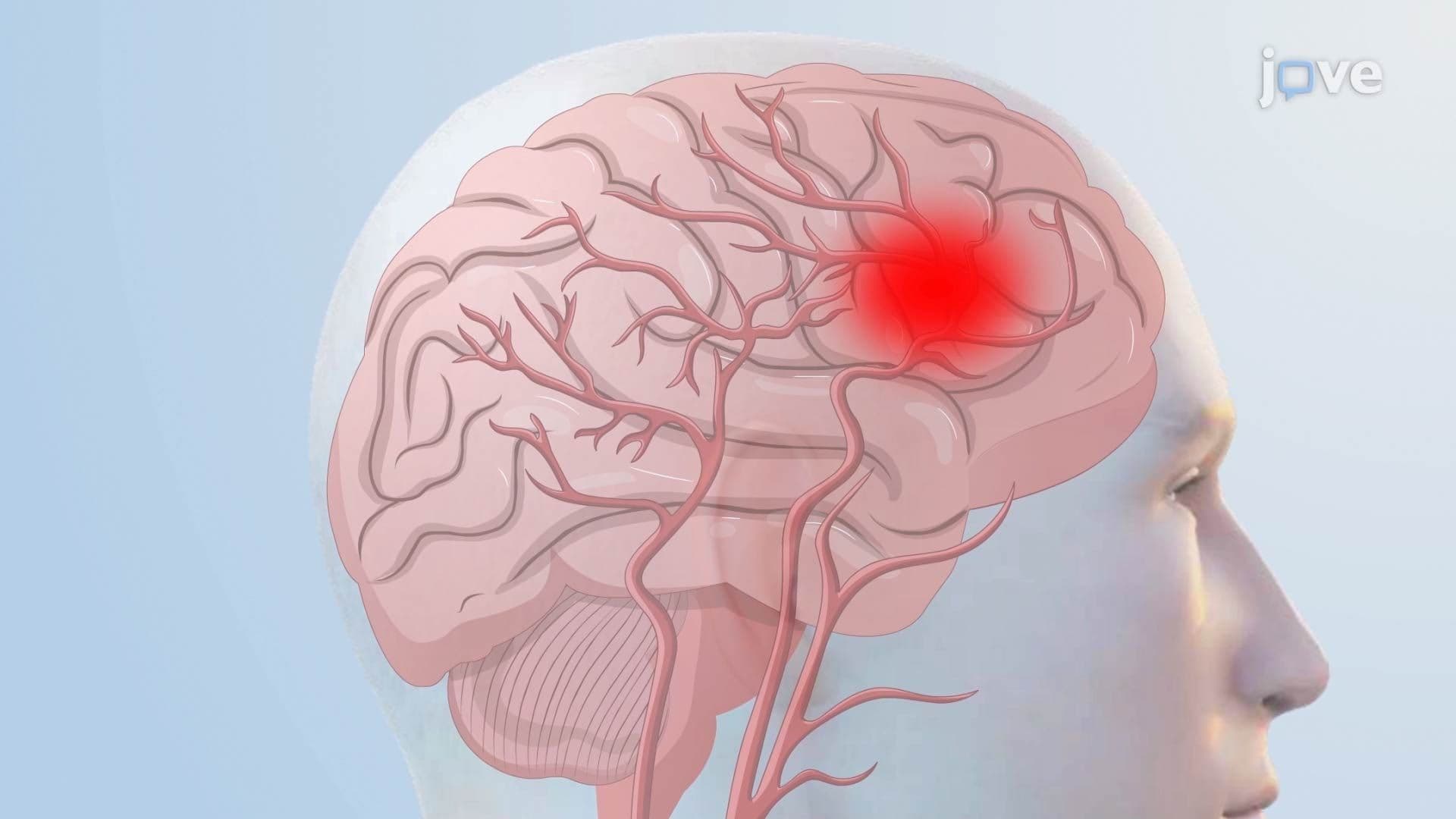
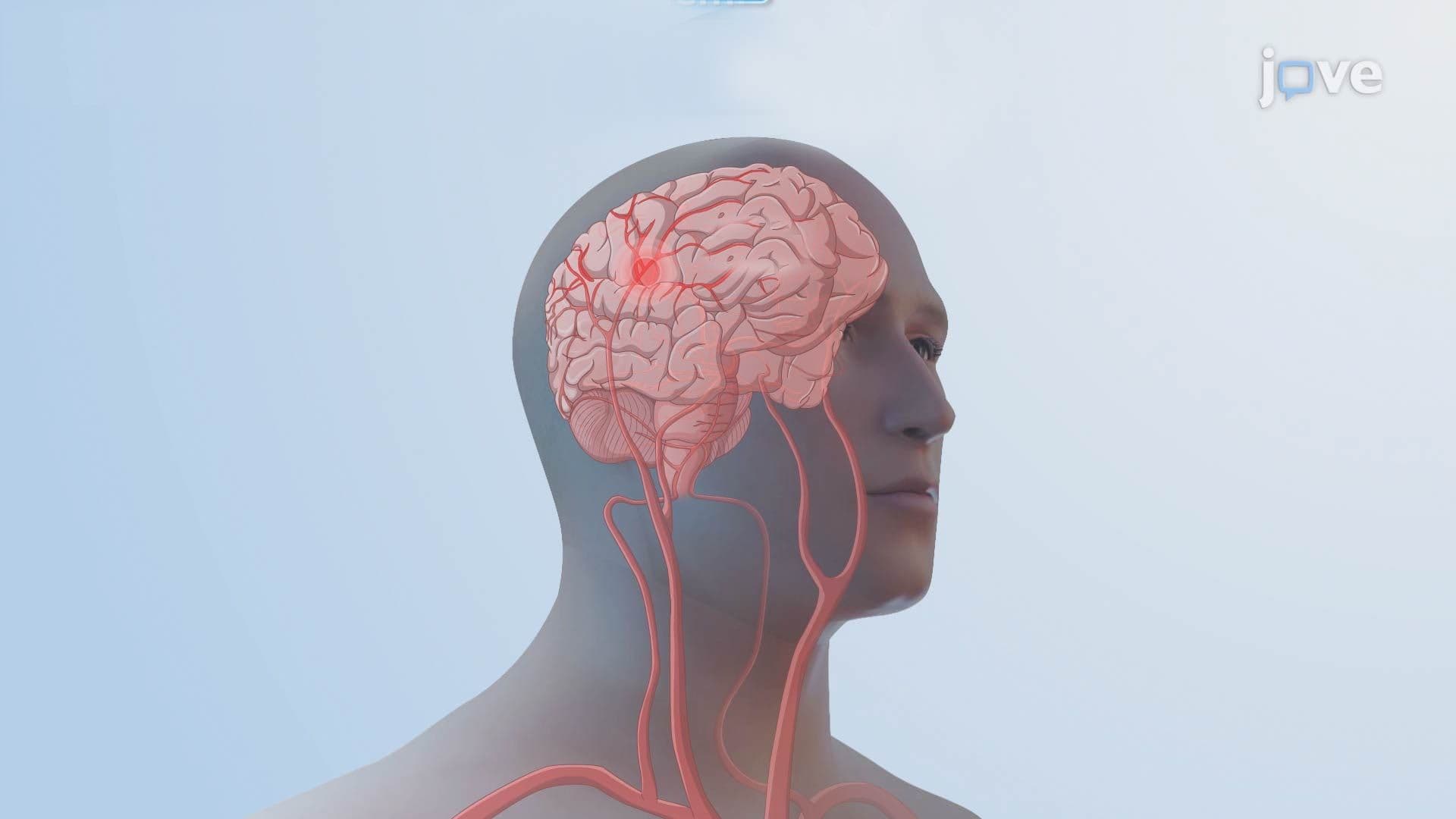
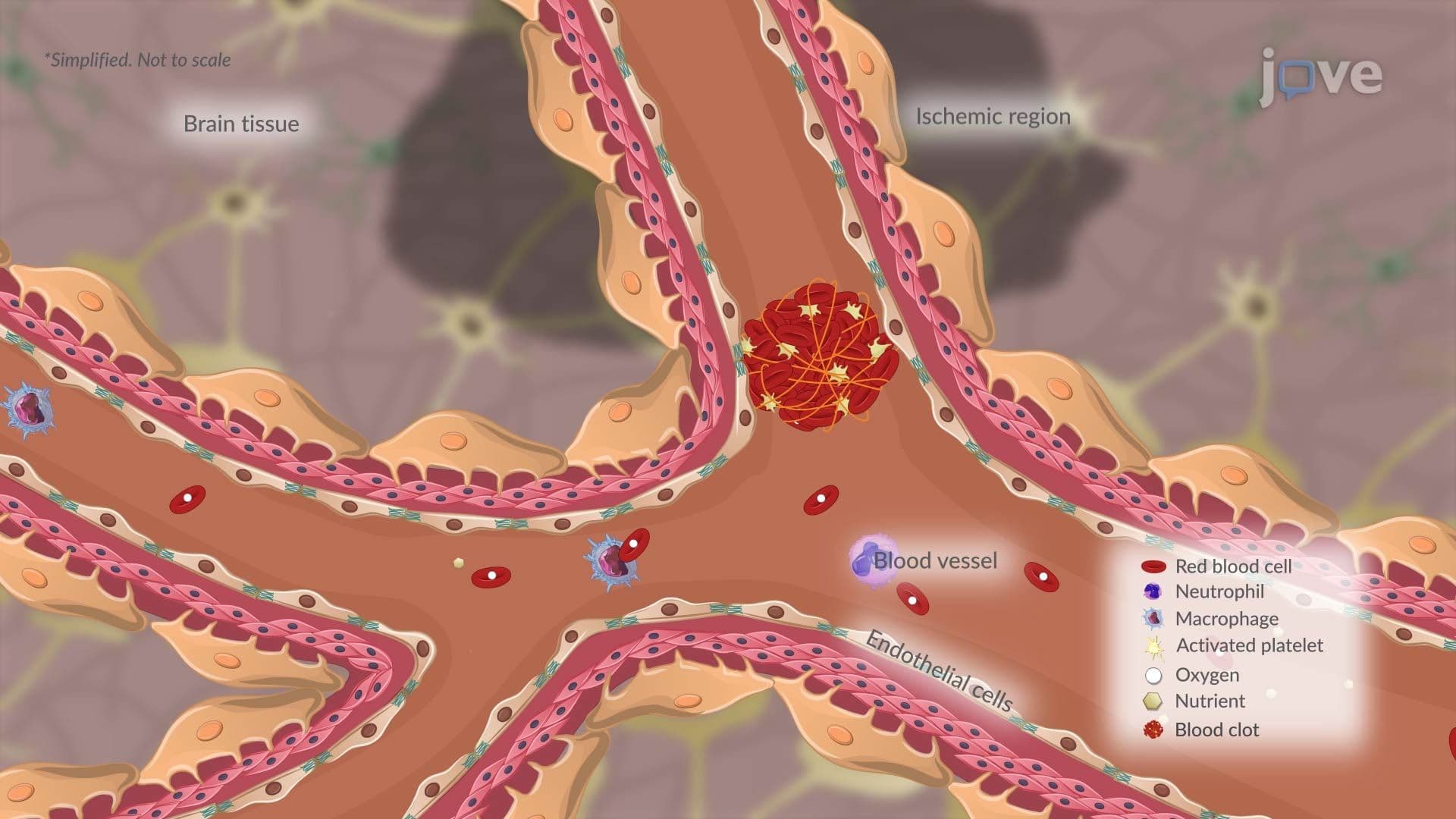
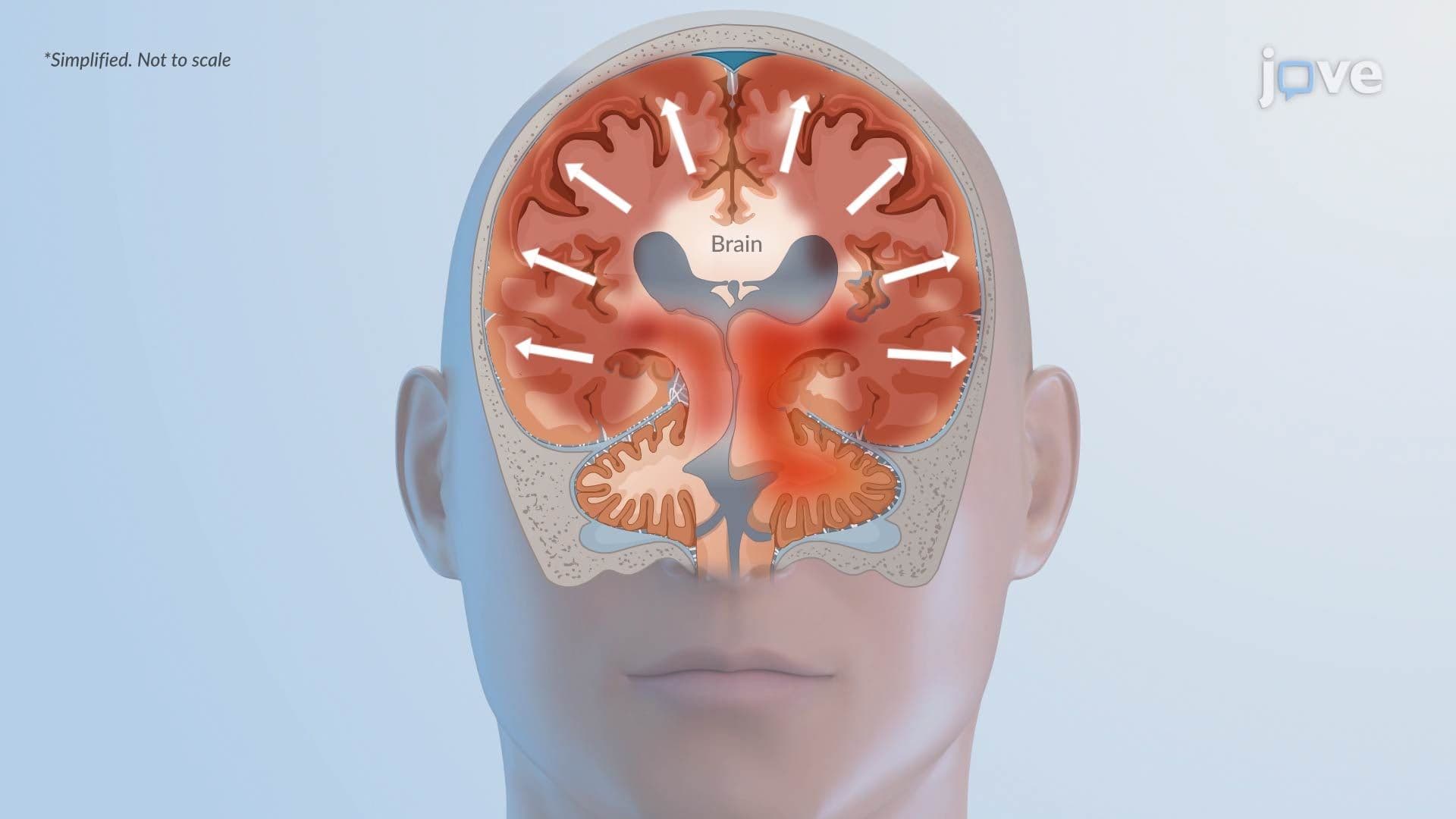
As inflammation escalates, the condition can produce altered mental status, ranging from confusion to coma, and focal neurological deficits such as hemiparesis (weakness on one side of the body). This overlap with stroke and other neurodegenerative presentations makes differential diagnosis a critical clinical skill and a common MCAT and USMLE testing point.
Two bedside physical exam findings help clinicians detect meningeal irritation without immediate imaging:
These signs appear on NCLEX practice questions, AP Biology exams, and medical school OSCEs. They serve as a bridge between classroom anatomy knowledge and real clinical reasoning, making them worth understanding deeply, not just memorizing.
Related Micro-courses