Loading video…

 35 Concepts
 5.1K views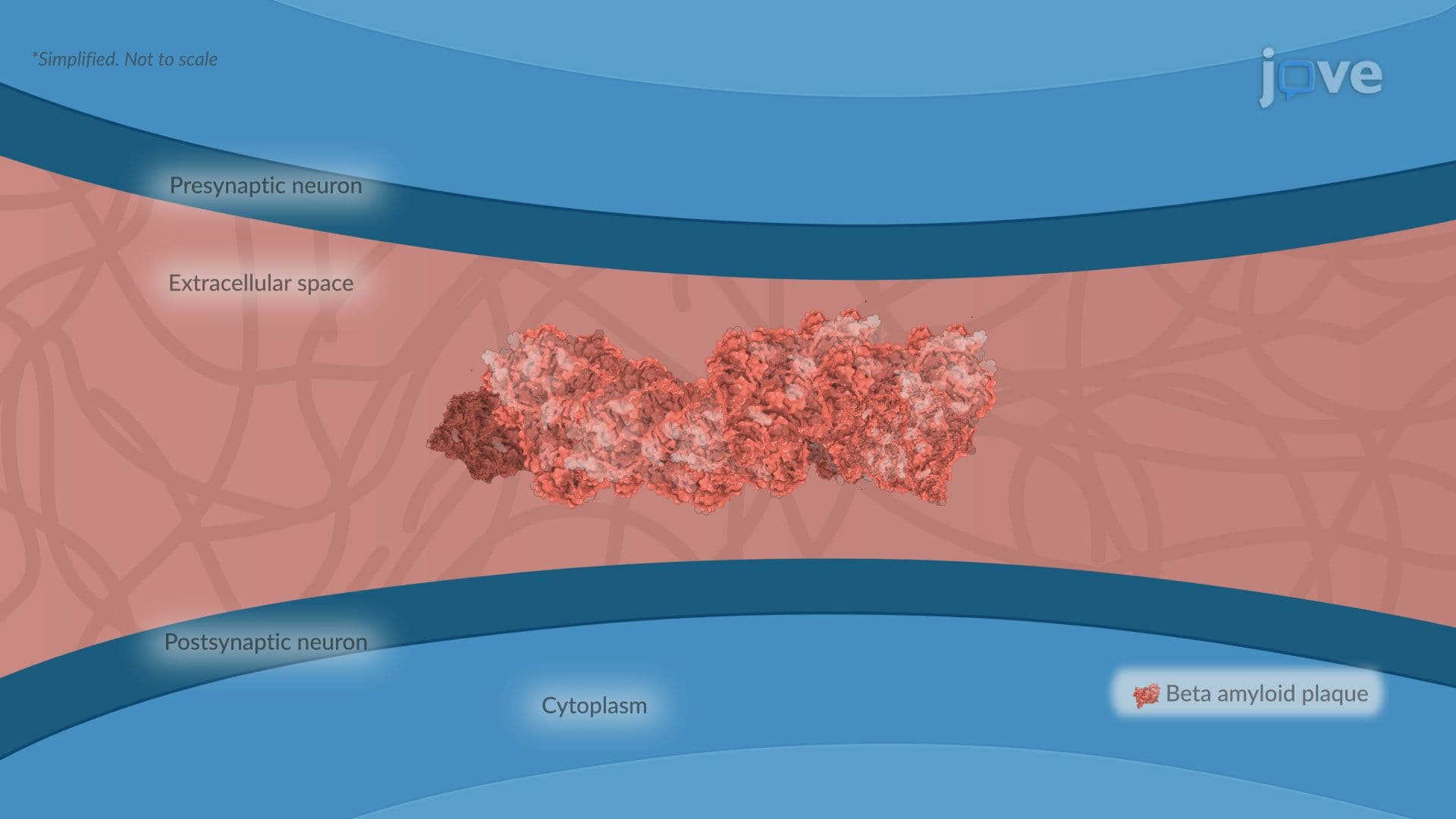

Video Summary: What Is Dementia L
Over 6 million Americans live with dementia, yet most people can't explain what's actually happening in the brain. Dementia L basics reveal how this condition silently erodes memory, language, and judgment through progressive brain damage. From Alzheimer's disease to vascular dementia, understanding the root causes helps explain why it's a growing public health crisis in the US. Watch the full video on JoVE Coach to master this concept with expert-led visuals and step-by-step explanations.
Dementia L refers to the foundational understanding of dementia, a condition defined not as a single disease, but as a syndrome of acquired, progressive cognitive decline severe enough to interfere with a person's independence and daily functioning. Unlike normal age-related forgetfulness, dementia involves measurable impairment across multiple domains of brain function. To be diagnosed with dementia, a person must show significant memory loss *plus* at least one additional cognitive deficit, such as difficulty with language, spatial orientation, calculation, decision-making, or abstract reasoning.
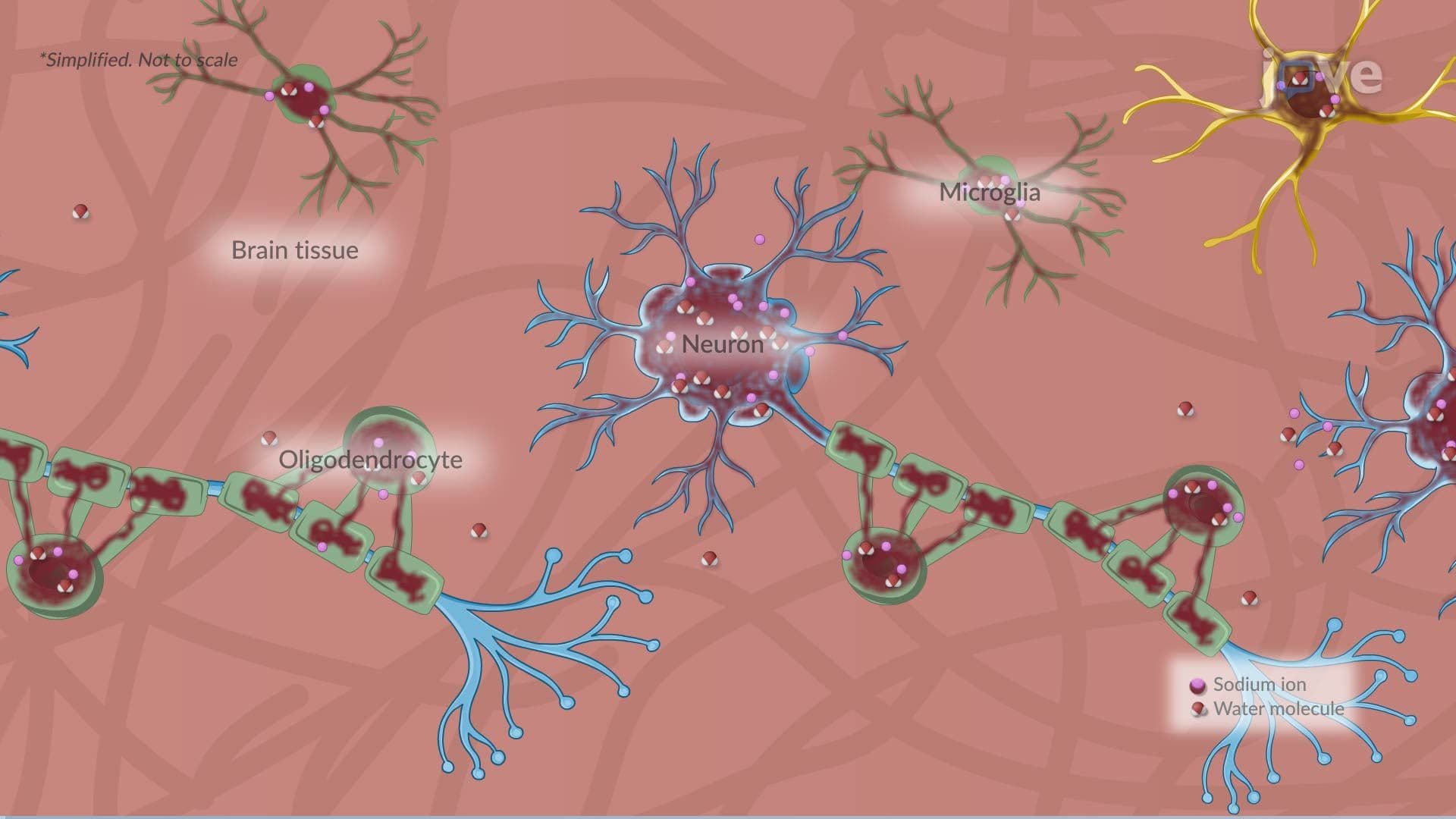
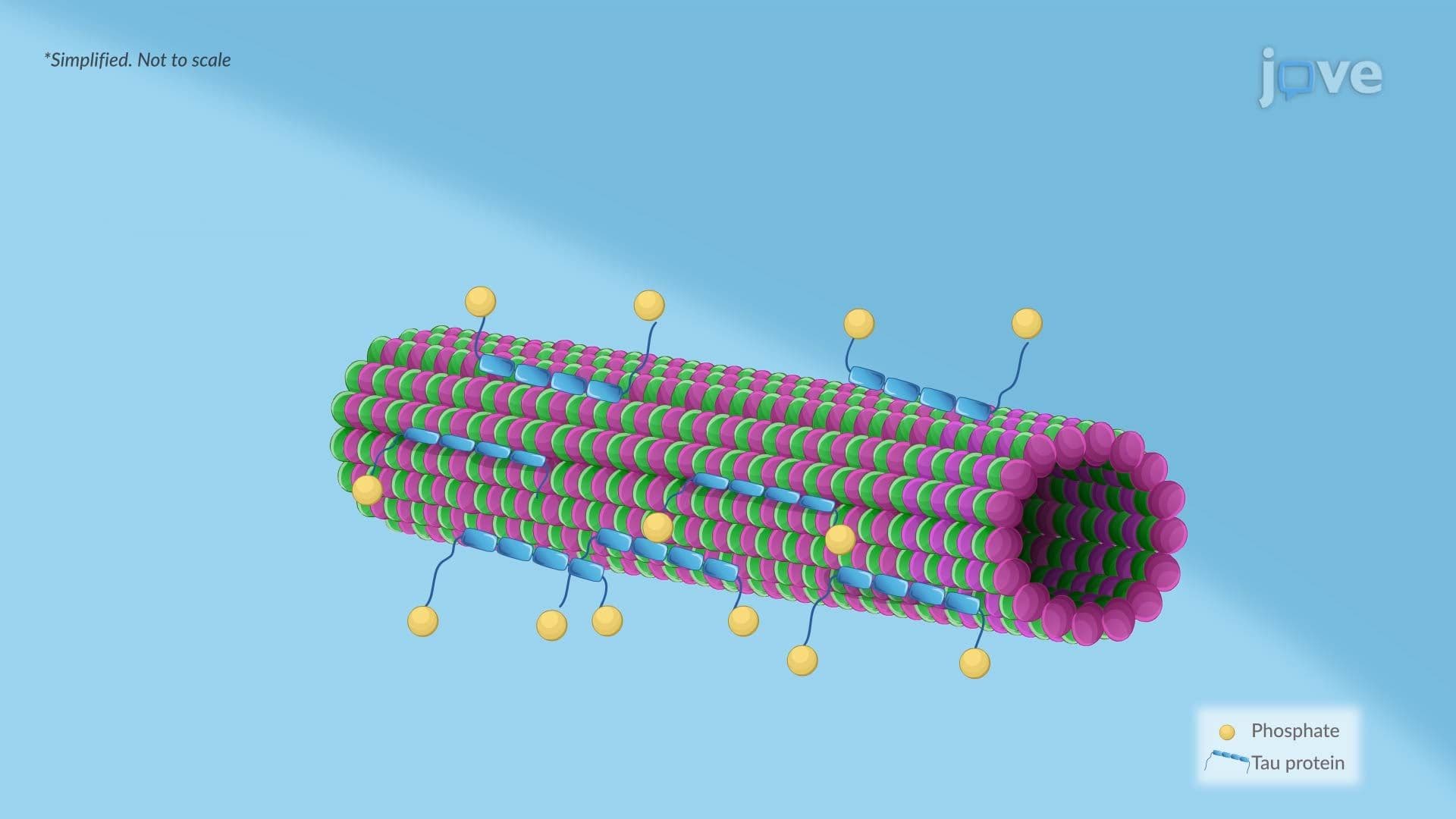
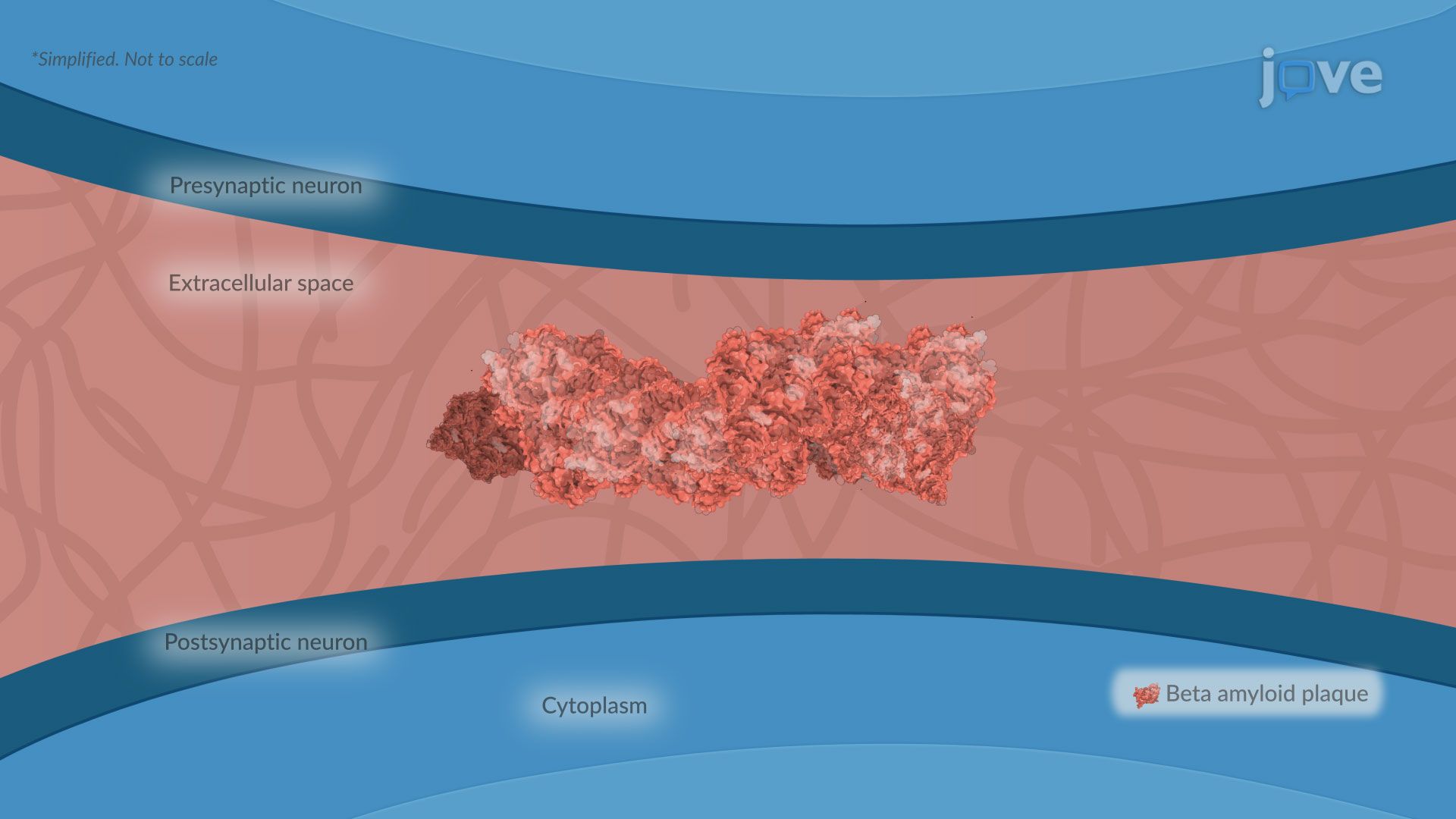
The most prevalent form, Alzheimer's disease, accounts for approximately 60-80% of all dementia cases in the United States. It is characterized by two distinct and damaging brain changes. First, beta-amyloid plaques form when abnormal protein fragments clump together in the spaces between neurons, blocking chemical signals that allow brain cells to communicate. Second, tau tangles develop when tau proteins, which normally stabilize a neuron's internal transport system, become hyperphosphorylated, twisting into dense knots inside the cell. This disrupts the delivery of nutrients and oxygen within the neuron, eventually causing cell death.
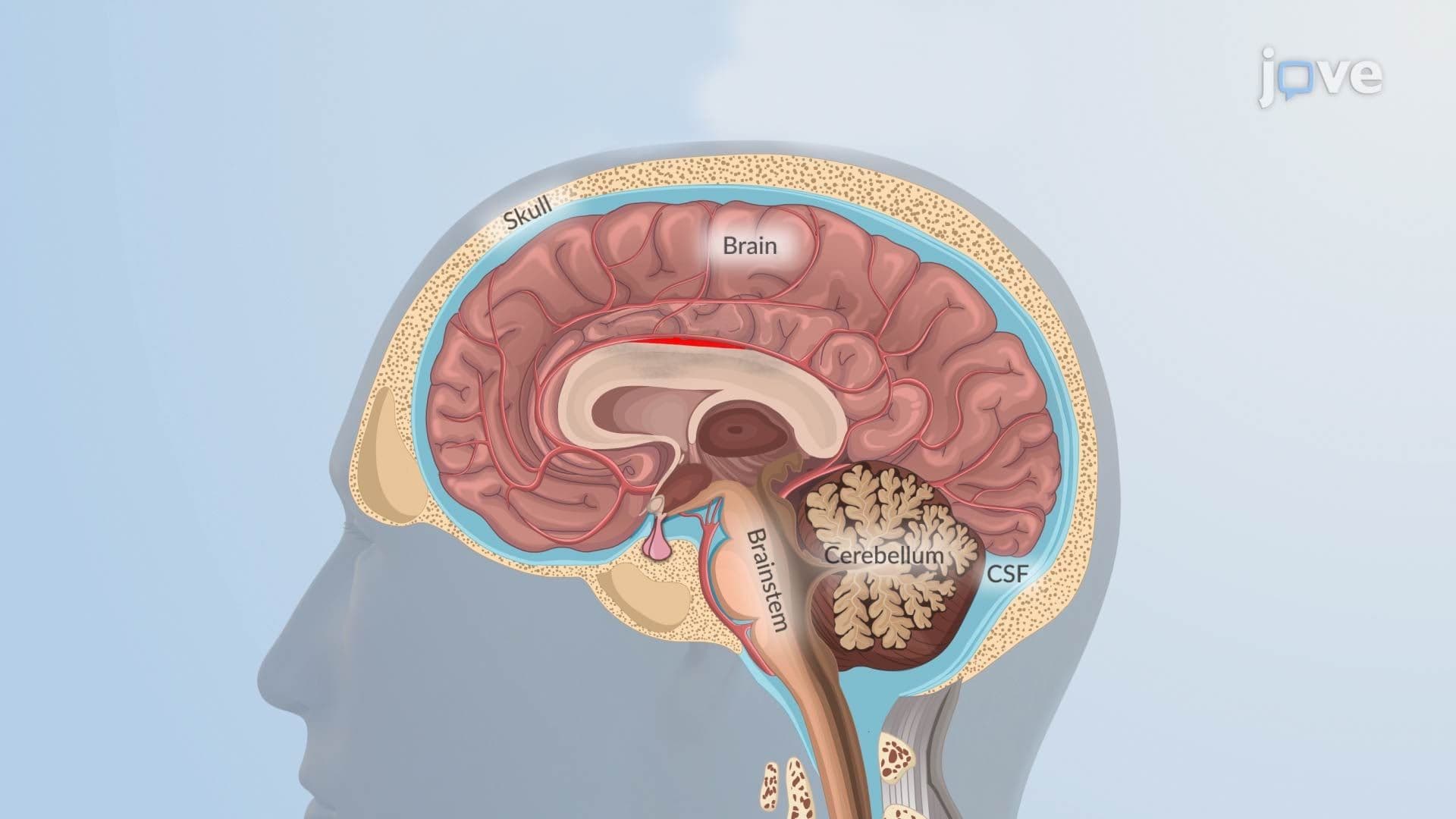
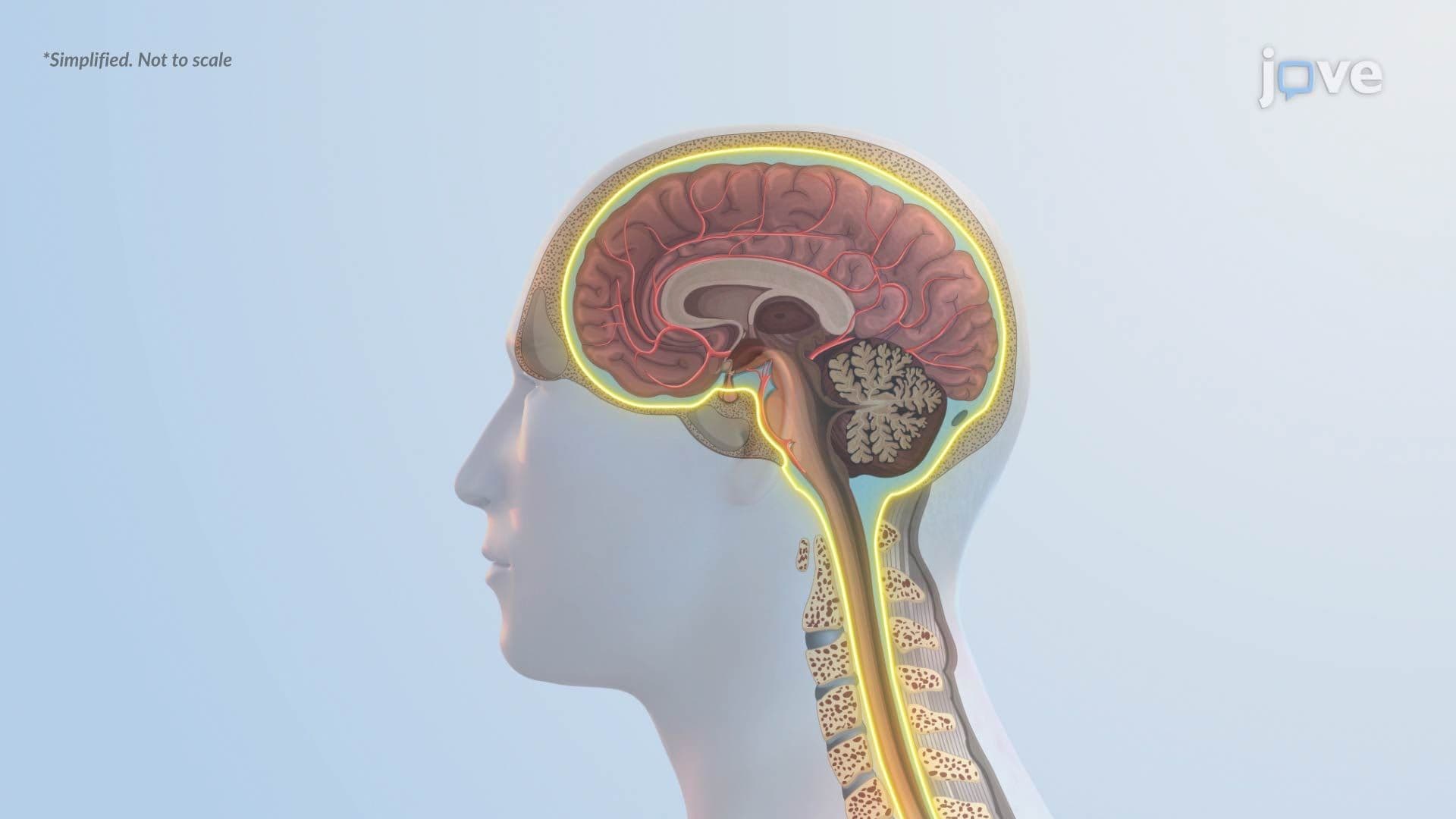
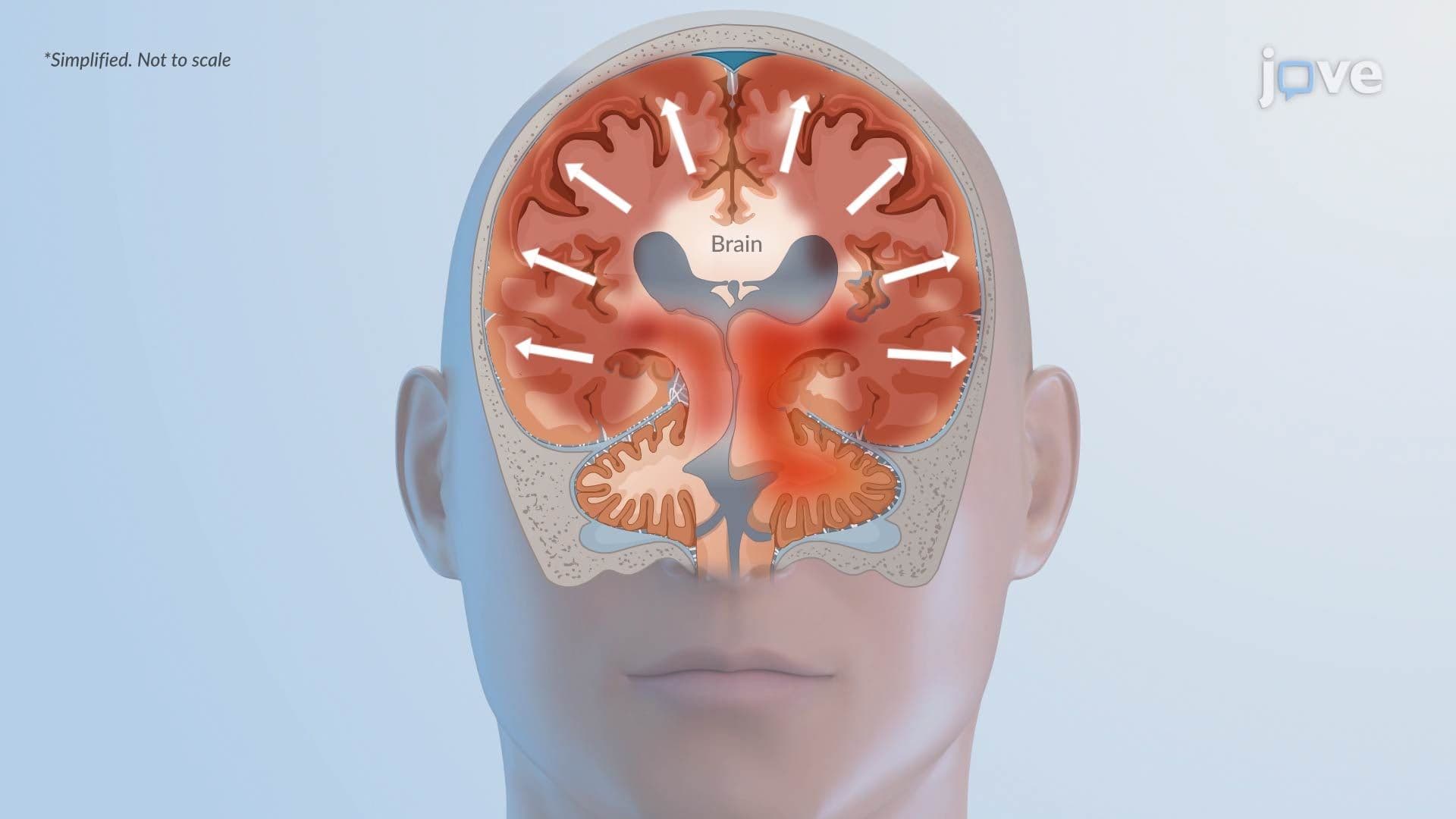
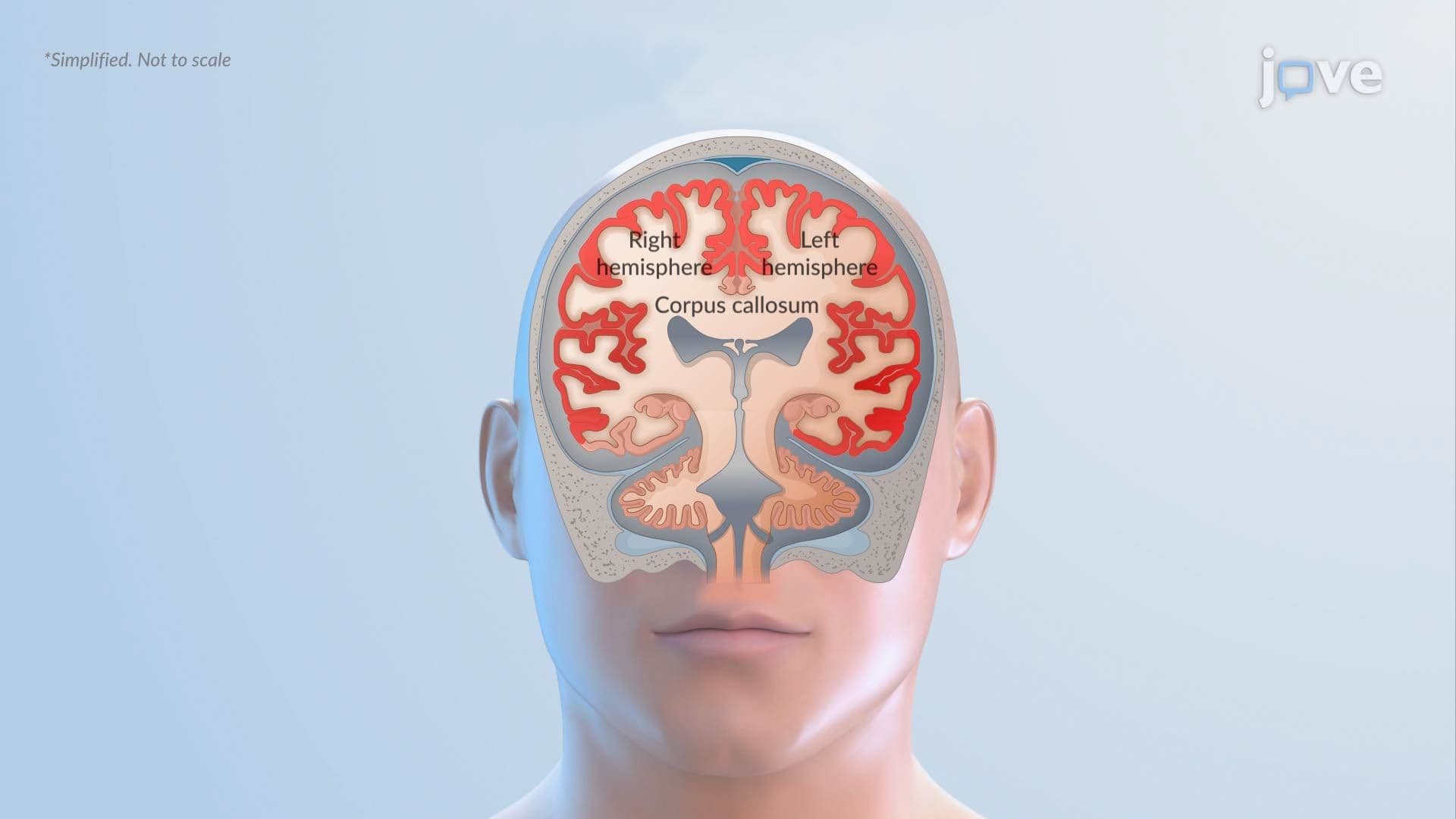
Together, amyloid plaques and tau tangles drive the gradual destruction of neurons, particularly in the hippocampus, the brain's primary center for forming and retrieving memories. This is why one of the earliest and most recognizable symptoms of Alzheimer's disease is the inability to form new memories.
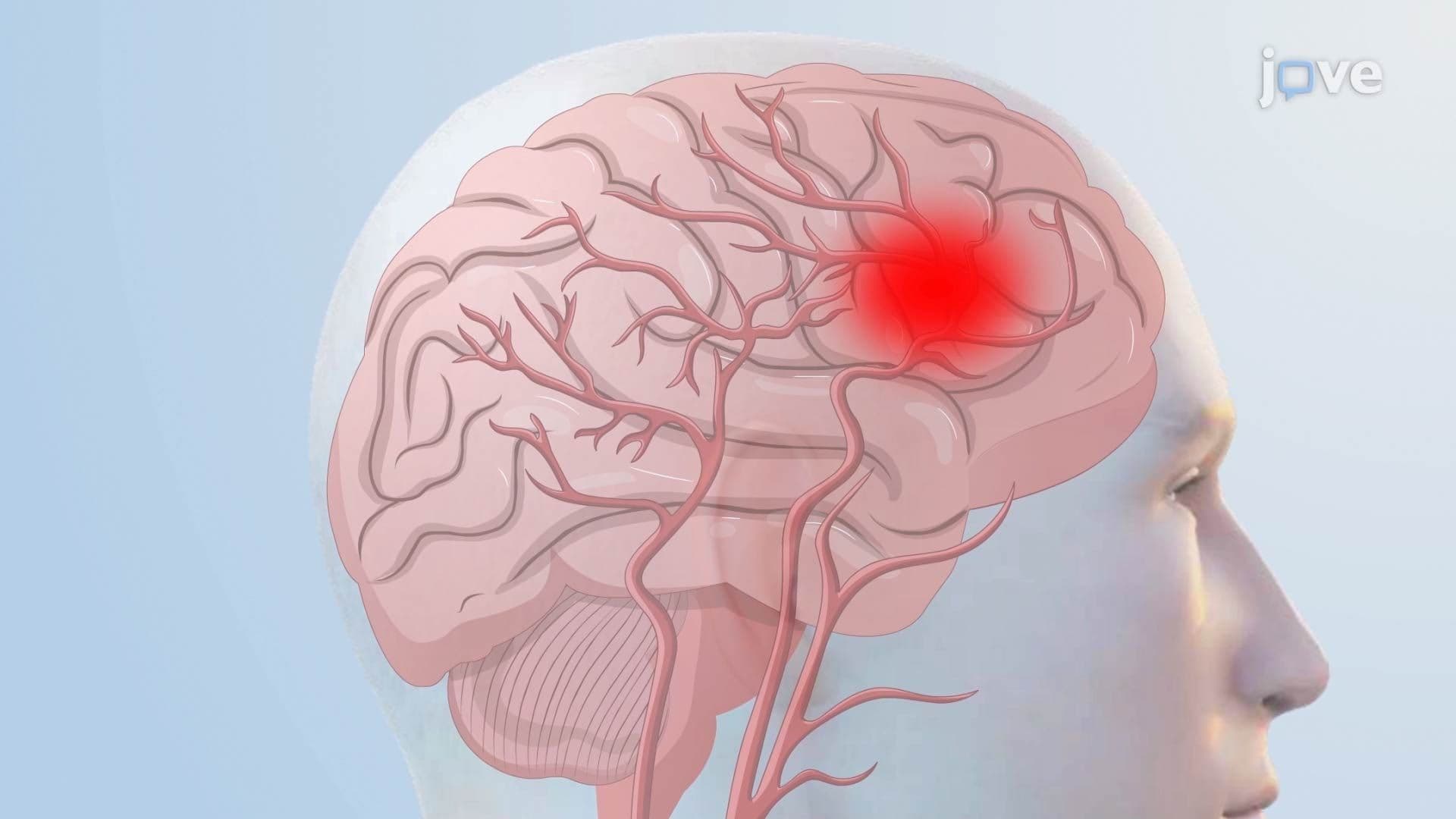
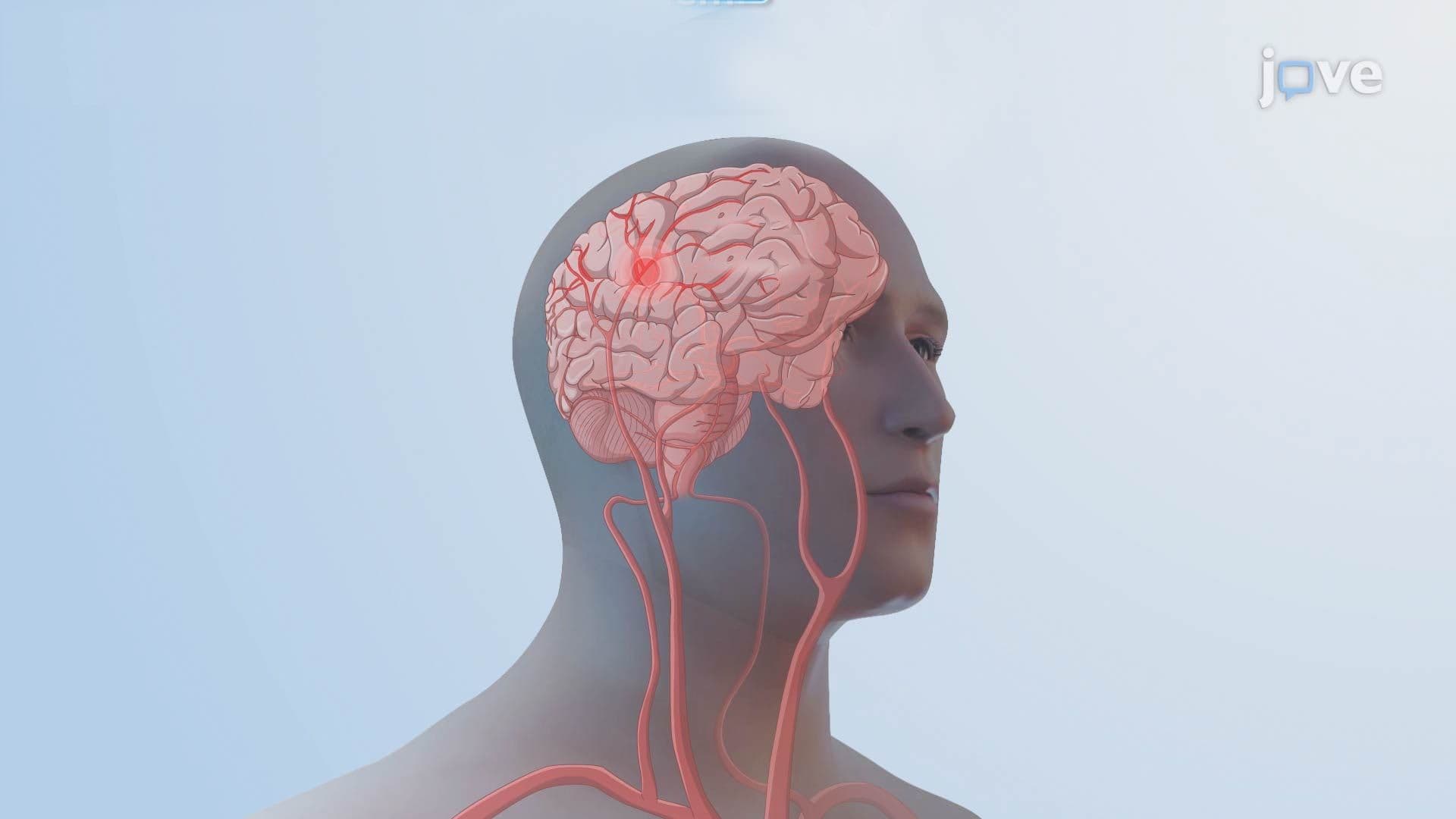
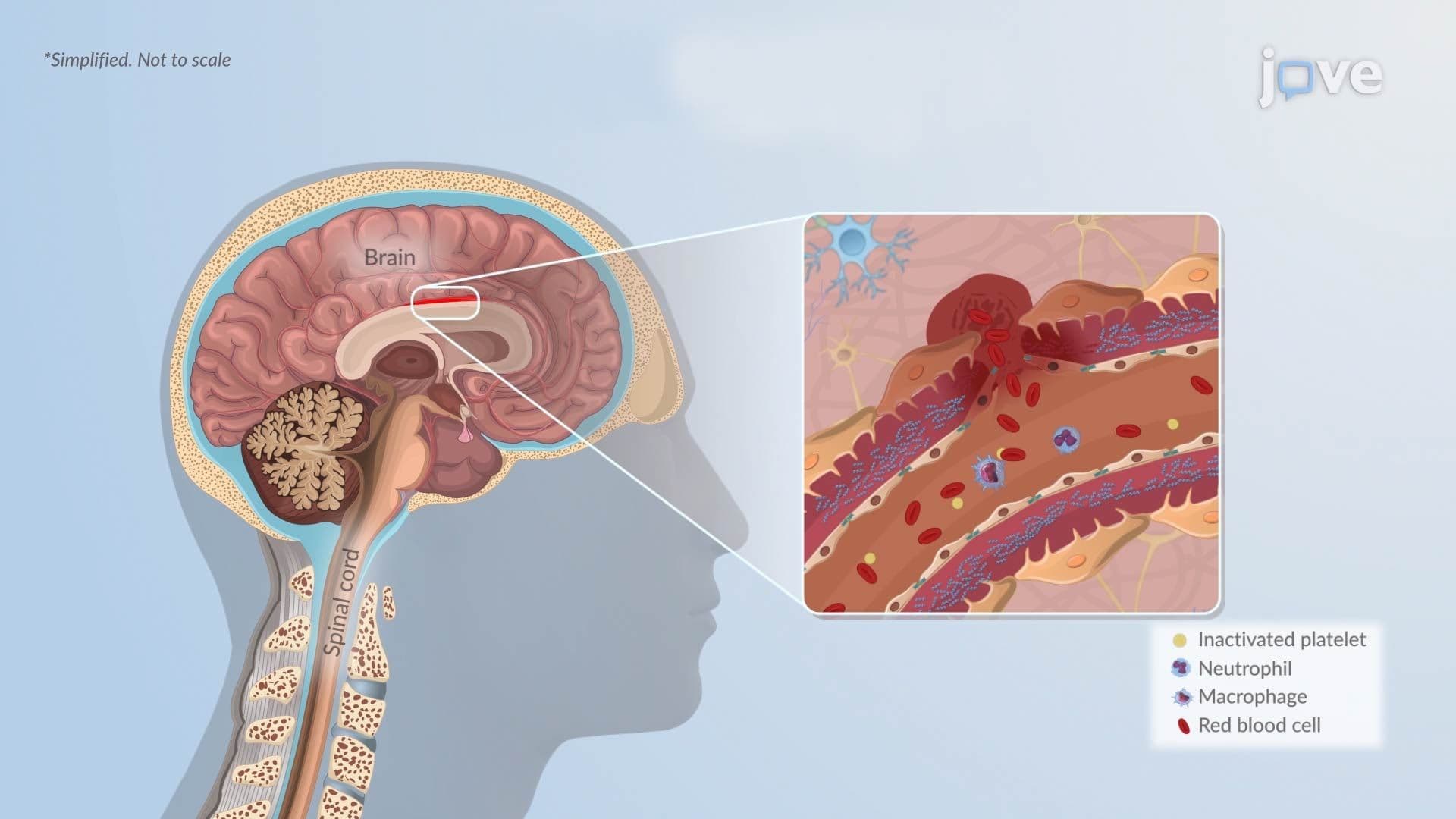
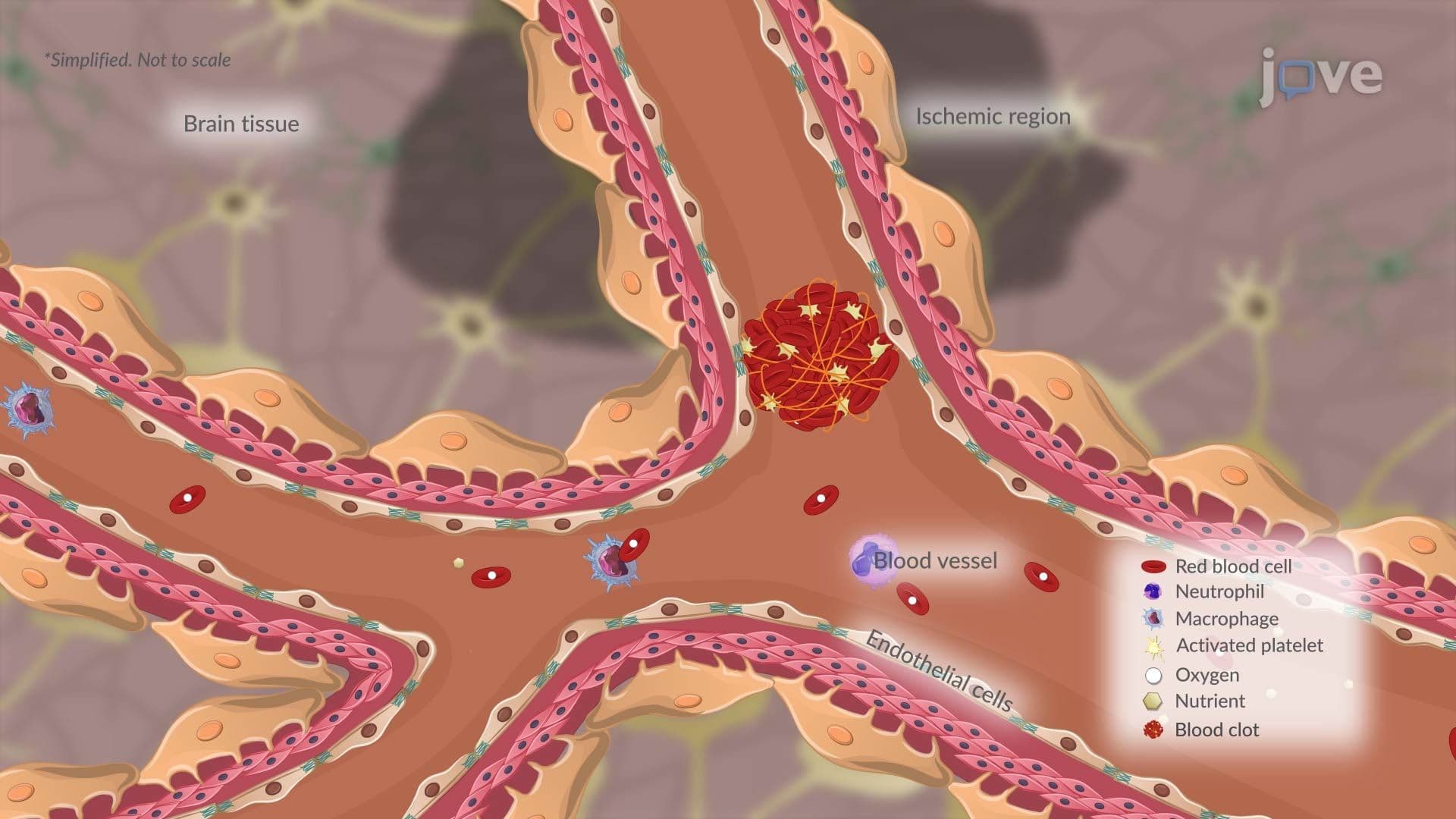
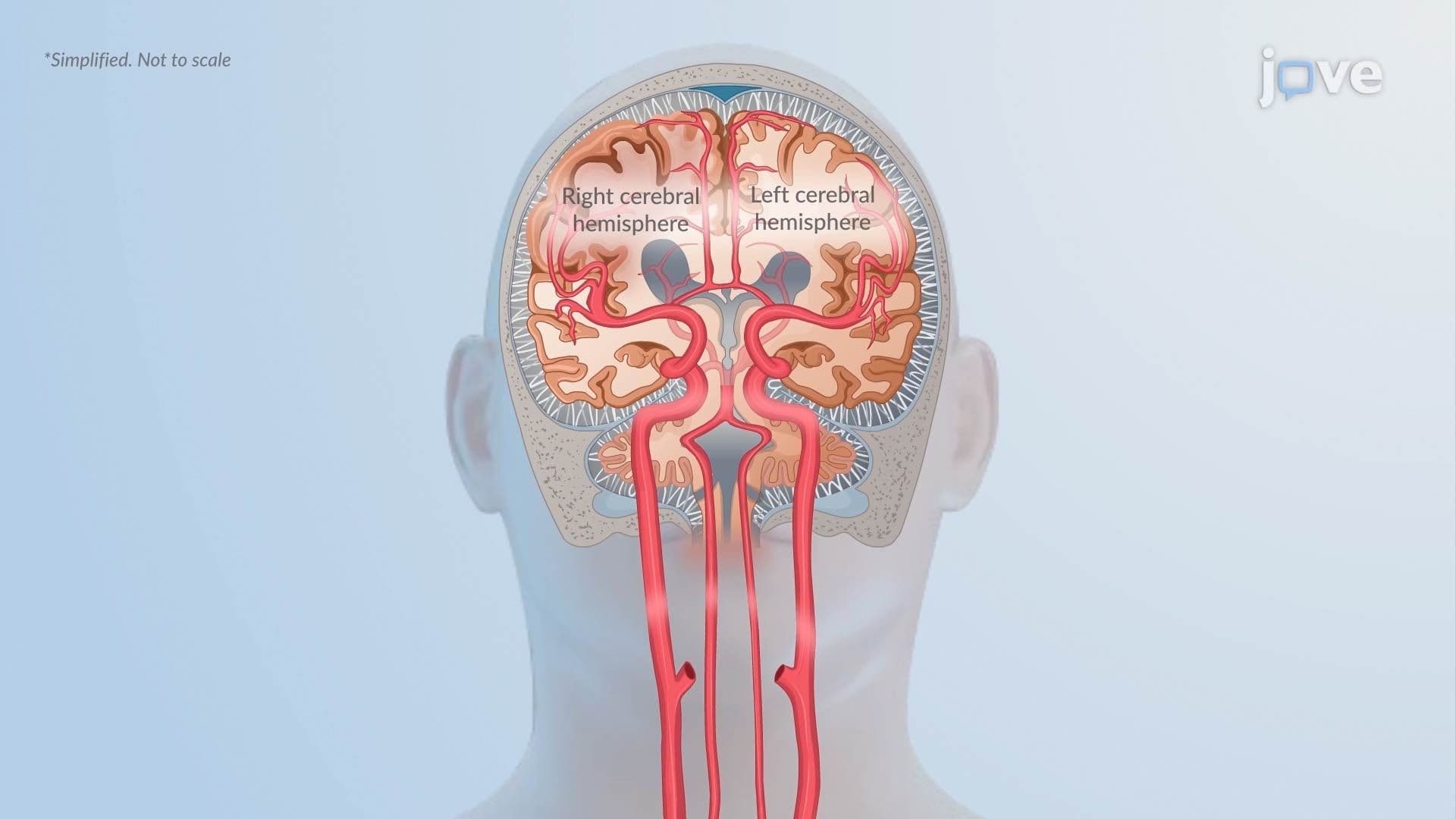
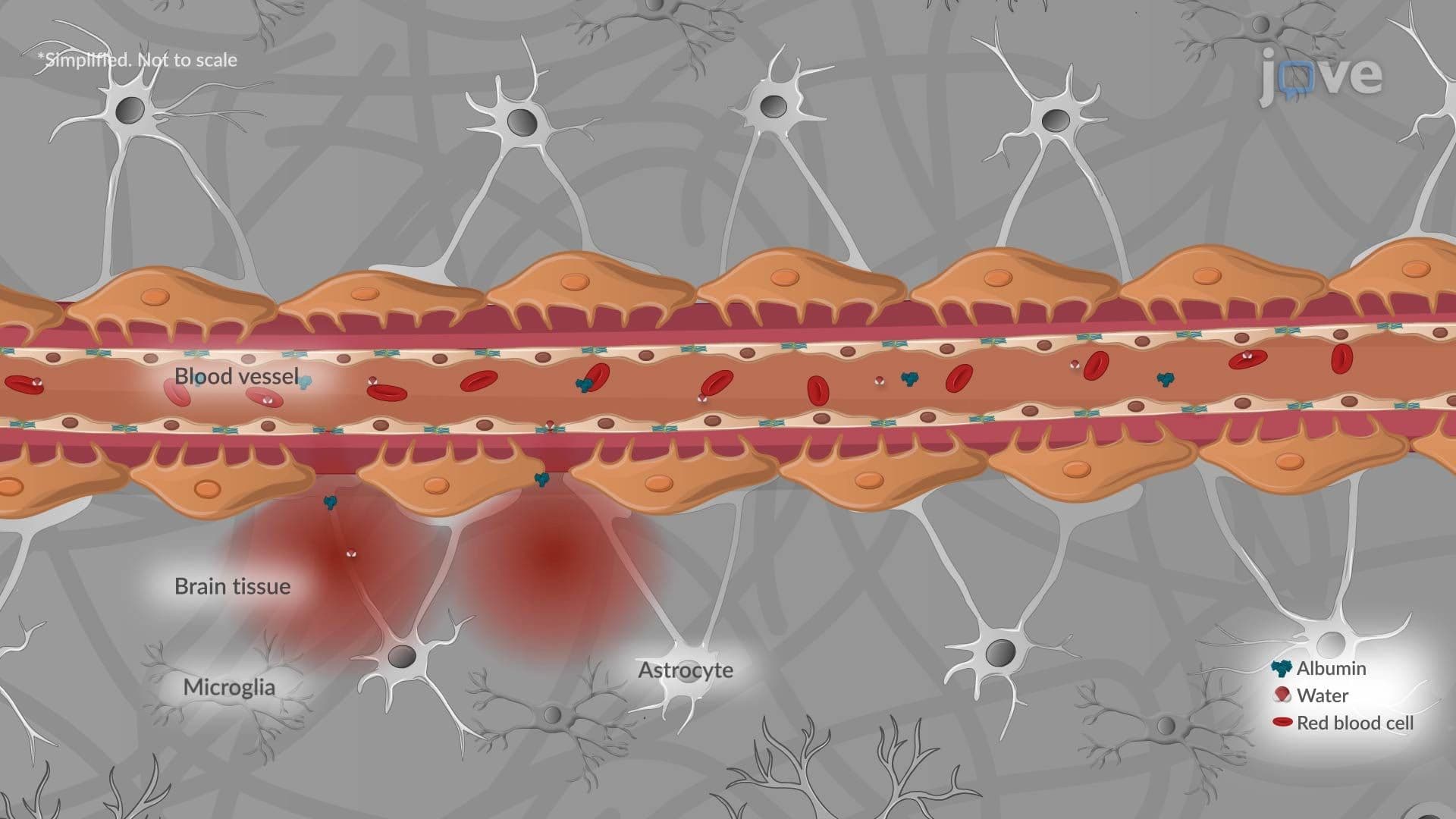
Vascular dementia is the second most common form and works through an entirely different mechanism. Rather than protein accumulation, it results from ischemic injury, damage caused by reduced or blocked blood flow to brain tissue. This can occur through multiple strokes that destroy specific brain regions, or through chronic small vessel disease, where tiny blood vessels gradually narrow and deprive widespread areas of the brain of oxygen.
Unlike the slow, steady decline seen in Alzheimer's disease, vascular dementia typically follows a stepwise pattern: cognitive function may remain relatively stable for a period, then drop suddenly after each new ischemic event. This distinction is clinically important and frequently tested in US healthcare licensing exams.
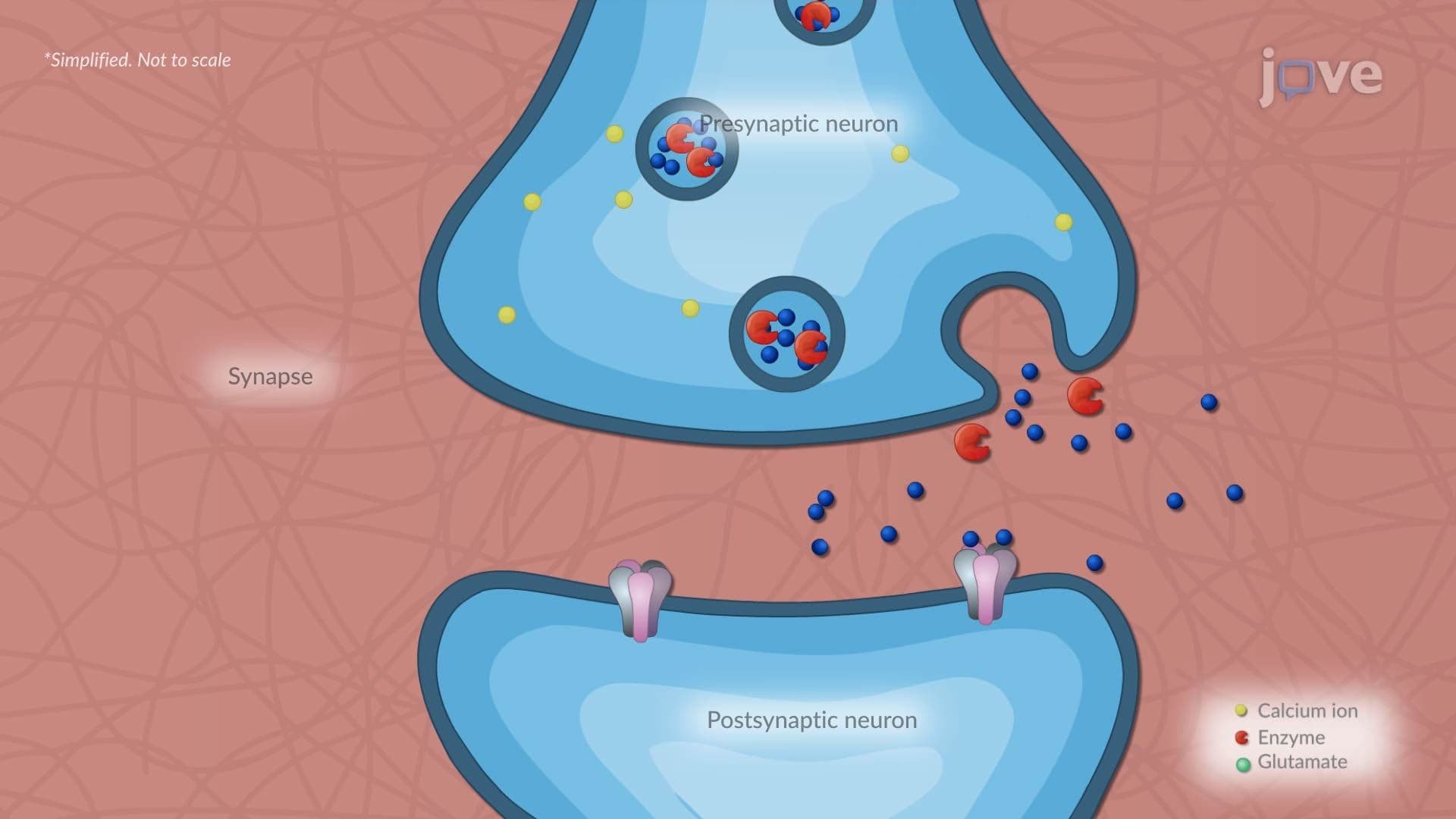
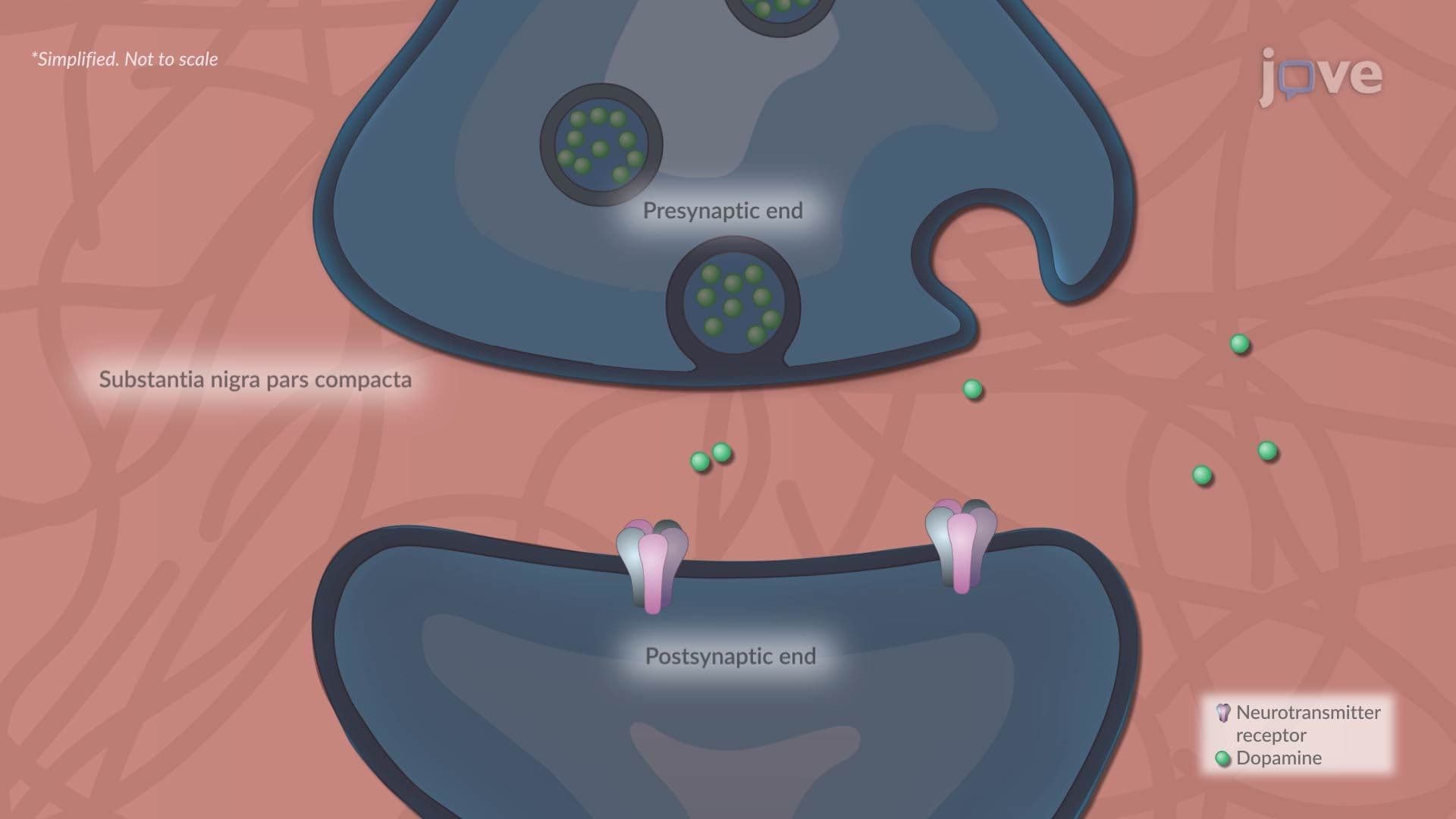
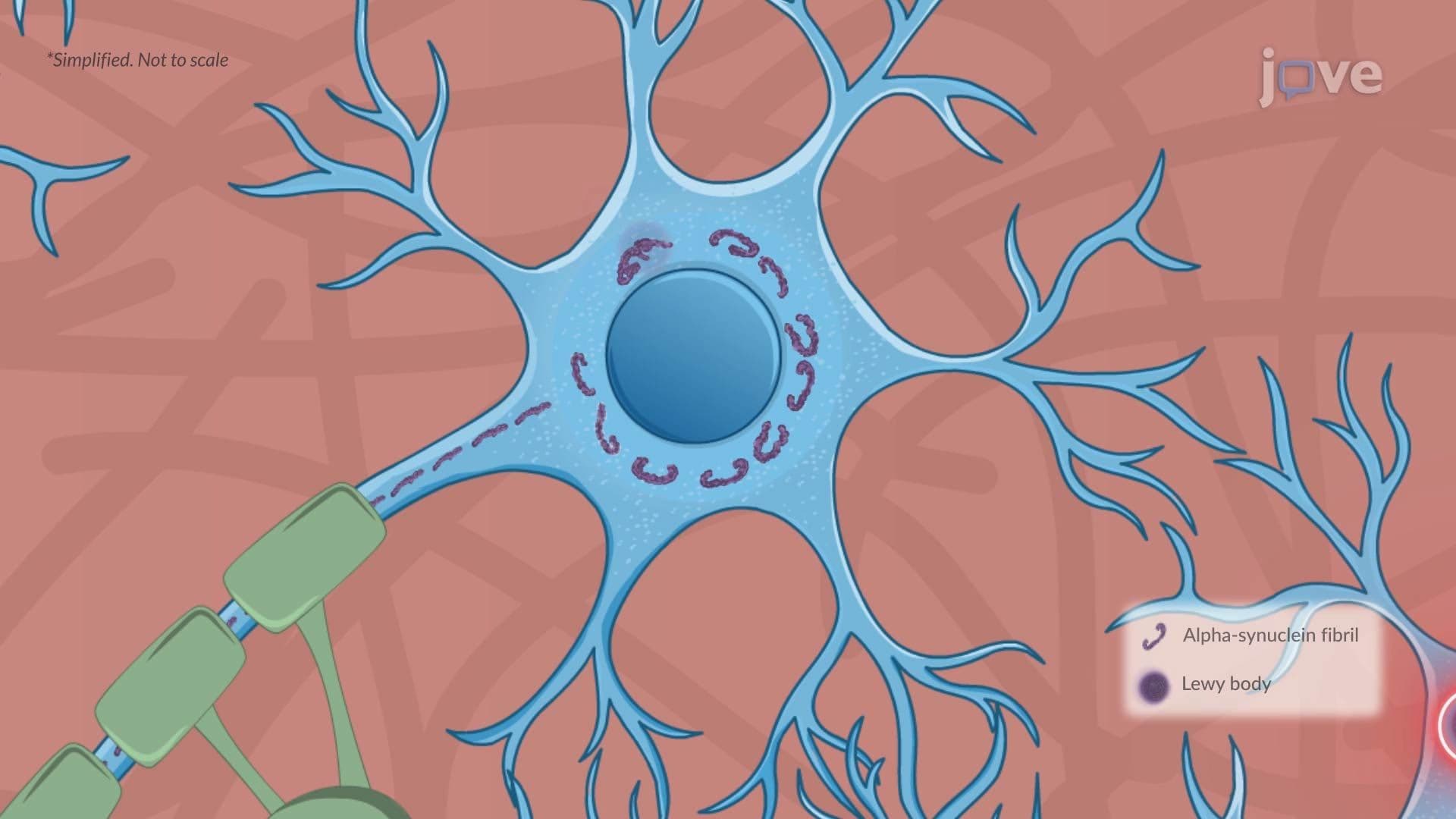
Understanding dementia deepens your grasp of the entire nervous system. Dementia shares conceptual territory with other neurodegenerative diseases such as Parkinson's disease (which can itself cause dementia in later stages), multiple sclerosis (which involves myelin destruction), and epilepsy (which involves disrupted electrical signaling). On AP Biology, college neuroscience courses, and the MCAT, students are expected to connect these disorders through shared themes: neuronal loss, disrupted signaling, inflammation, and failed cellular repair.
In the US clinical context, tools like the Mini-Mental State Examination (MMSE) and neuroimaging studies such as MRI and PET scans are used to detect dementia early, underscoring how the biology you learn in the classroom directly informs real patient care.
Related Micro-courses