Loading video…


 35 Concepts
 5.1K views

Video Summary: What Is Multiple Sclerosis L
Did you know your immune system can mistakenly attack your own brain and spinal cord? Multiple sclerosis L basics reveal exactly how this happens. MS is a chronic autoimmune disease where the body destroys myelin, the protective coating on nerve fibers, disrupting signals throughout the central nervous system. In the US, nearly one million people live with MS today. Watch the full video on JoVE Coach to master this concept with expert-led visuals and step-by-step explanations.
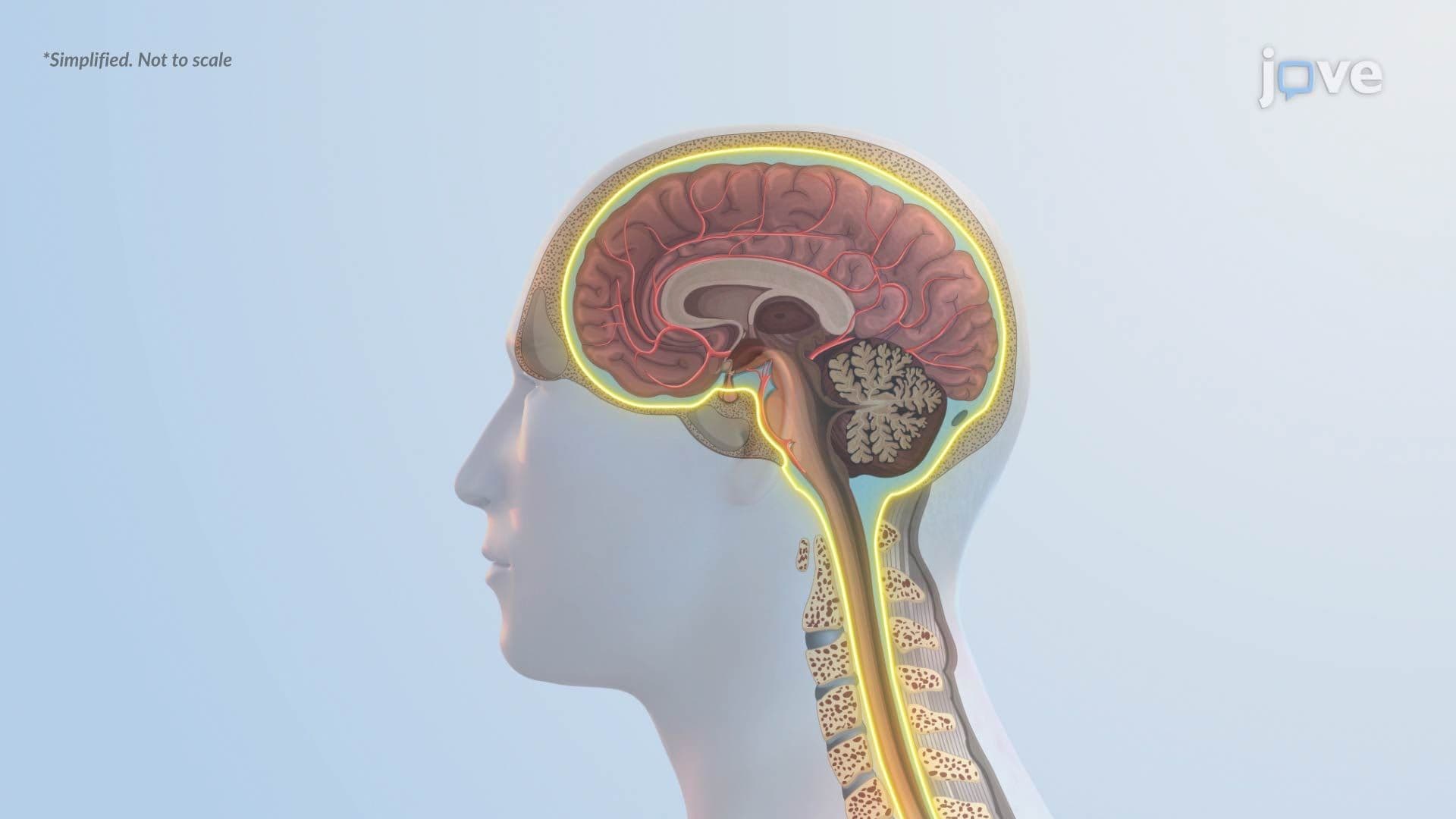
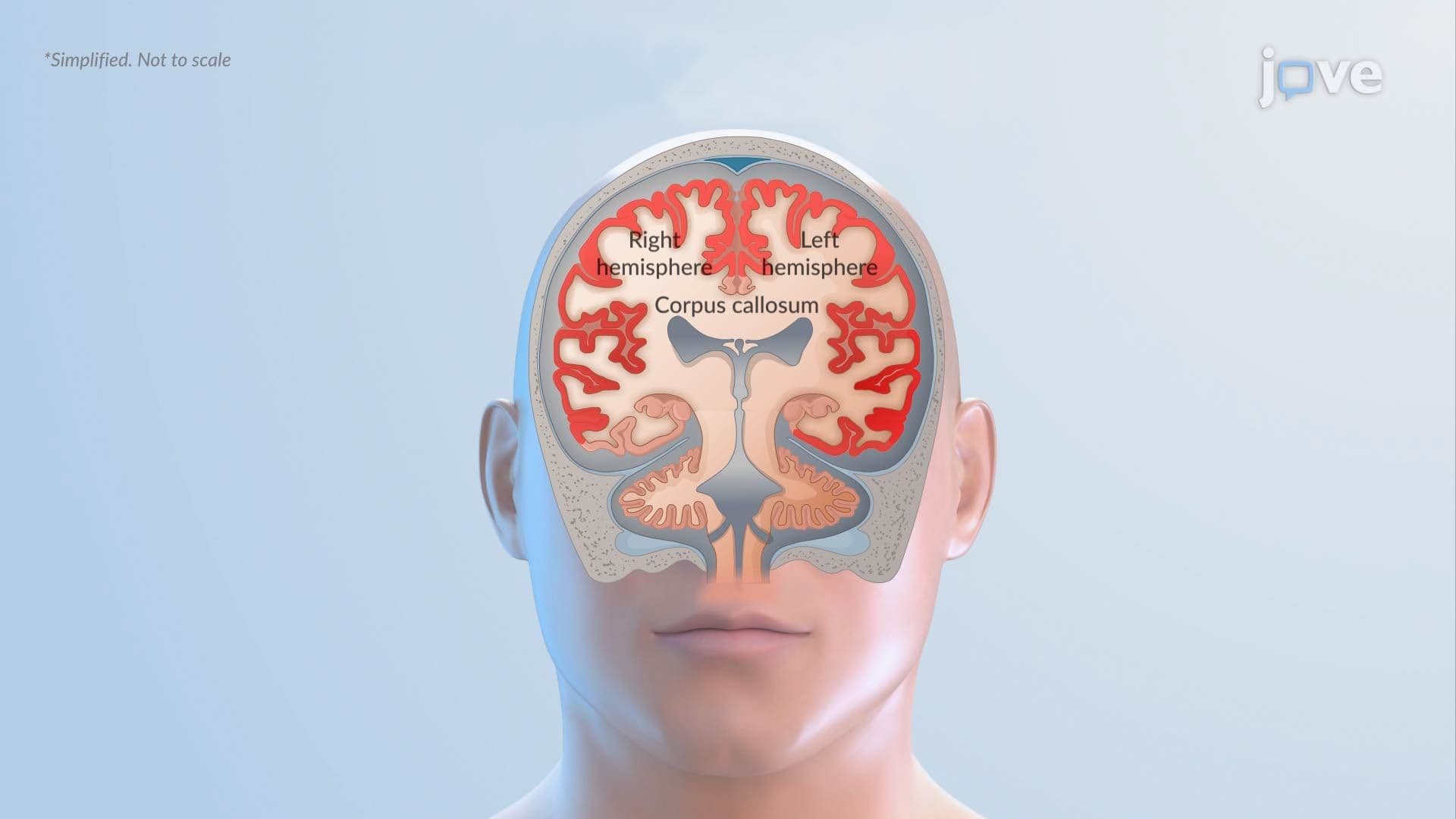
Multiple Sclerosis L, commonly known as MS, is one of the most complex and consequential autoimmune diseases affecting the central nervous system (CNS). In MS, the body's own immune cells mistakenly attack myelin, the fatty, insulating sheath that wraps around nerve fibers (axons) in the brain and spinal cord. Myelin functions much like the plastic coating on an electrical wire: it allows nerve signals to travel quickly and efficiently. When myelin is damaged, a process called demyelination, those signals slow down, become distorted, or stop entirely. Over time, the underlying axons themselves sustain damage, leading to permanent neurological deficits that can be disabling.
MS is not a rare disease. In the United States alone, approximately one million people are currently living with MS, making it one of the most common causes of neurological disability in young adults. The disease typically emerges between ages 20 and 40, meaning it frequently strikes people in their most productive years. Women are twice as likely to develop MS as men, a pattern seen across many autoimmune conditions. Geographic distribution also matters: MS is more prevalent in northern US states and northern latitudes globally, suggesting that environmental factors like vitamin D levels and sun exposure may play a role alongside genetic predisposition.
One of the defining challenges of MS is the sheer variety of symptoms it can produce, depending on which areas of the CNS are affected. Optic neuritis, inflammation of the optic nerve, is often an early warning sign, causing sudden vision loss in one eye and pain during eye movement. Motor symptoms include muscle weakness, spasticity (abnormal muscle stiffness), and ataxia (loss of coordination), which can make walking difficult or impossible during a flare. Paresthesias, or abnormal tingling and numbness sensations, are also frequently reported. Beyond motor and sensory symptoms, MS can cause neurogenic bladder dysfunction, cognitive impairment, and depression, reflecting just how extensively the CNS governs everyday function.
The most common form of MS is relapsing-remitting MS (RRMS), which accounts for roughly 85% of initial diagnoses in the US. In RRMS, patients experience distinct relapses, episodes where new or worsening neurological symptoms develop over days to weeks, followed by remissions, during which symptoms partially or fully improve. This cyclical pattern can persist for years before potentially transitioning to a progressive phase. Understanding this pattern is critical for exam success: on the MCAT and USMLE Step 1, clinical vignettes often describe a young woman with episodic neurological deficits that resolve spontaneously, a classic presentation pointing toward MS. In AP Biology and college neuroscience courses, MS is a go-to example for illustrating how myelin function relates to action potential conduction velocity.
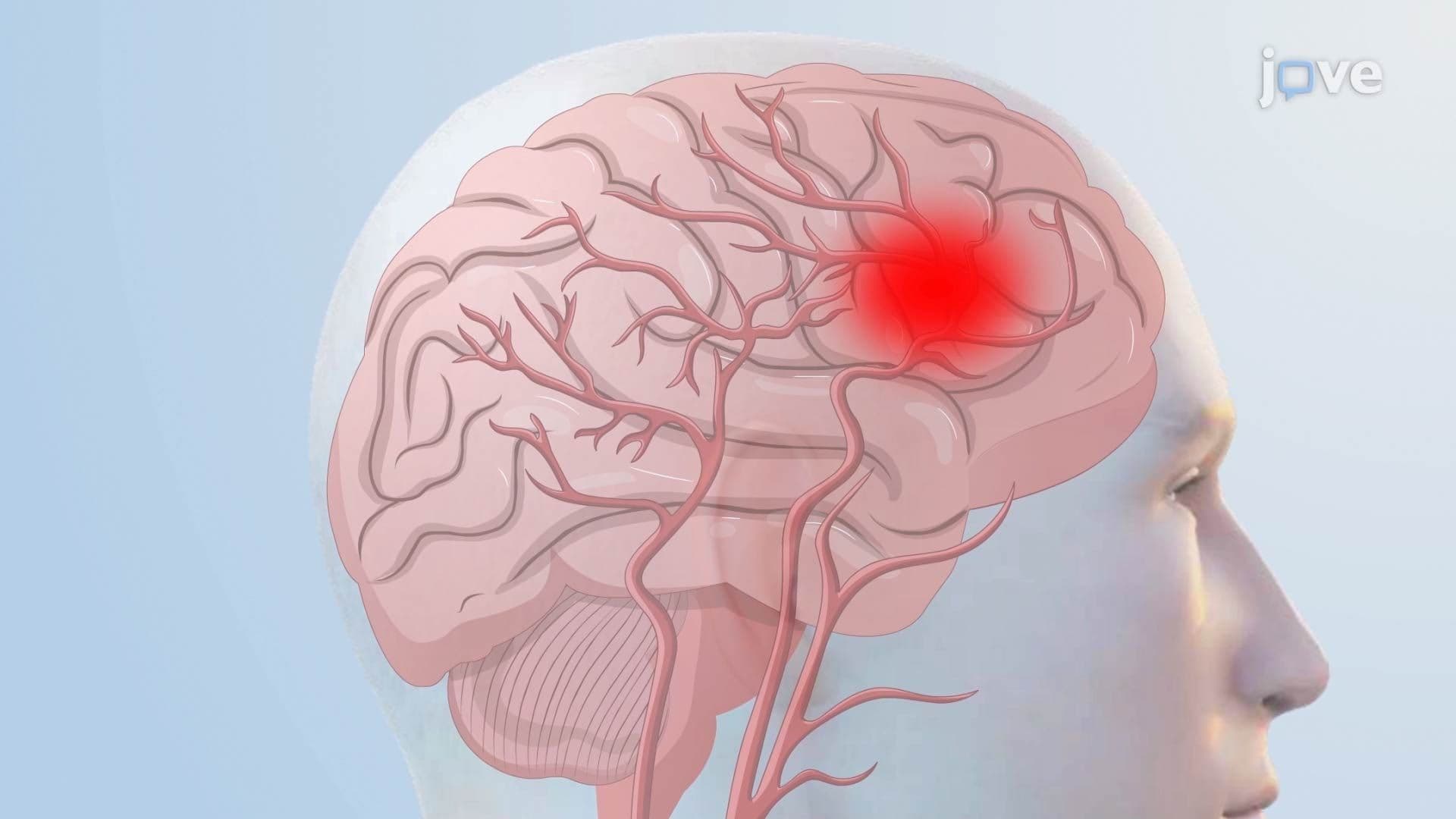
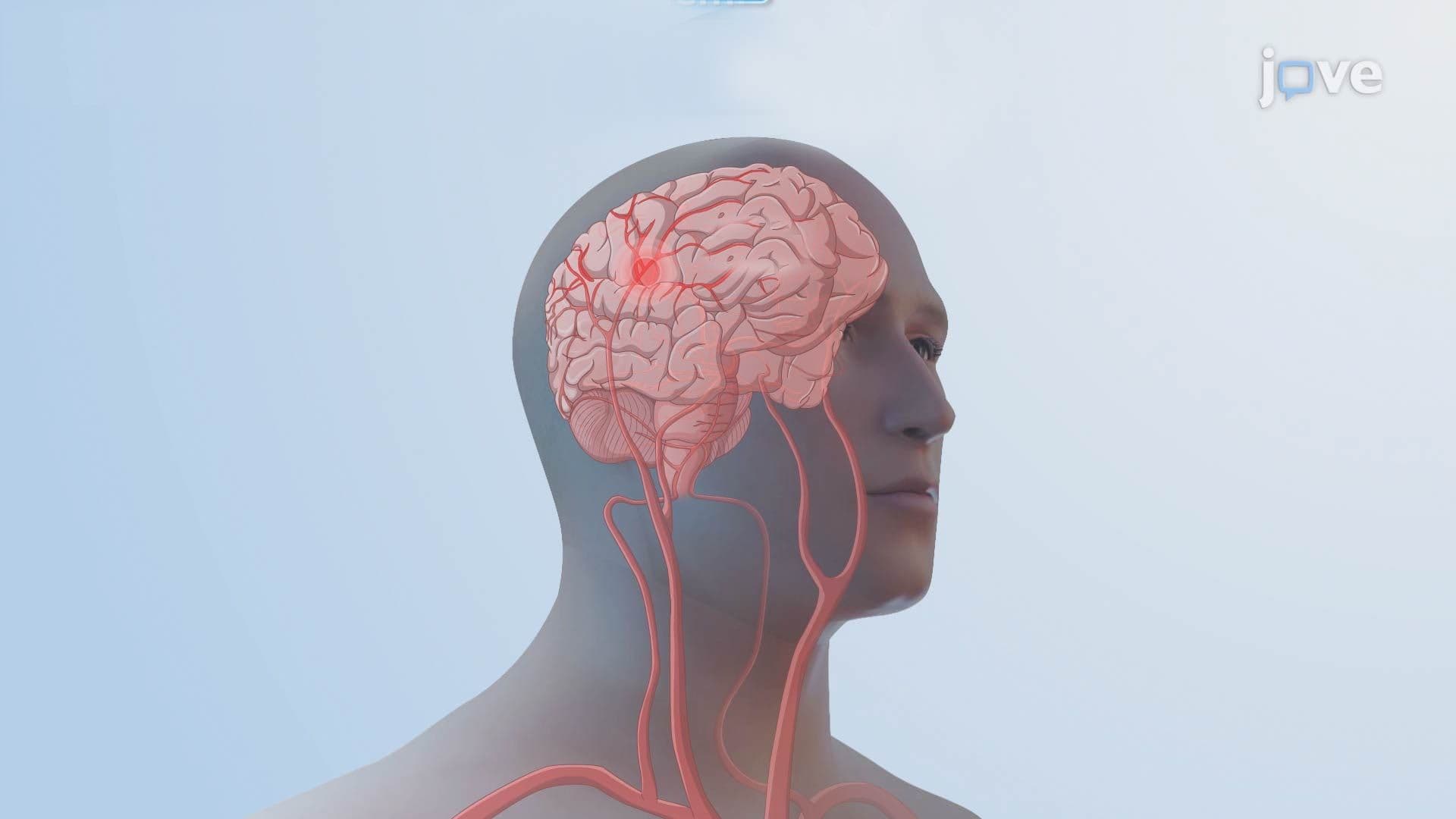
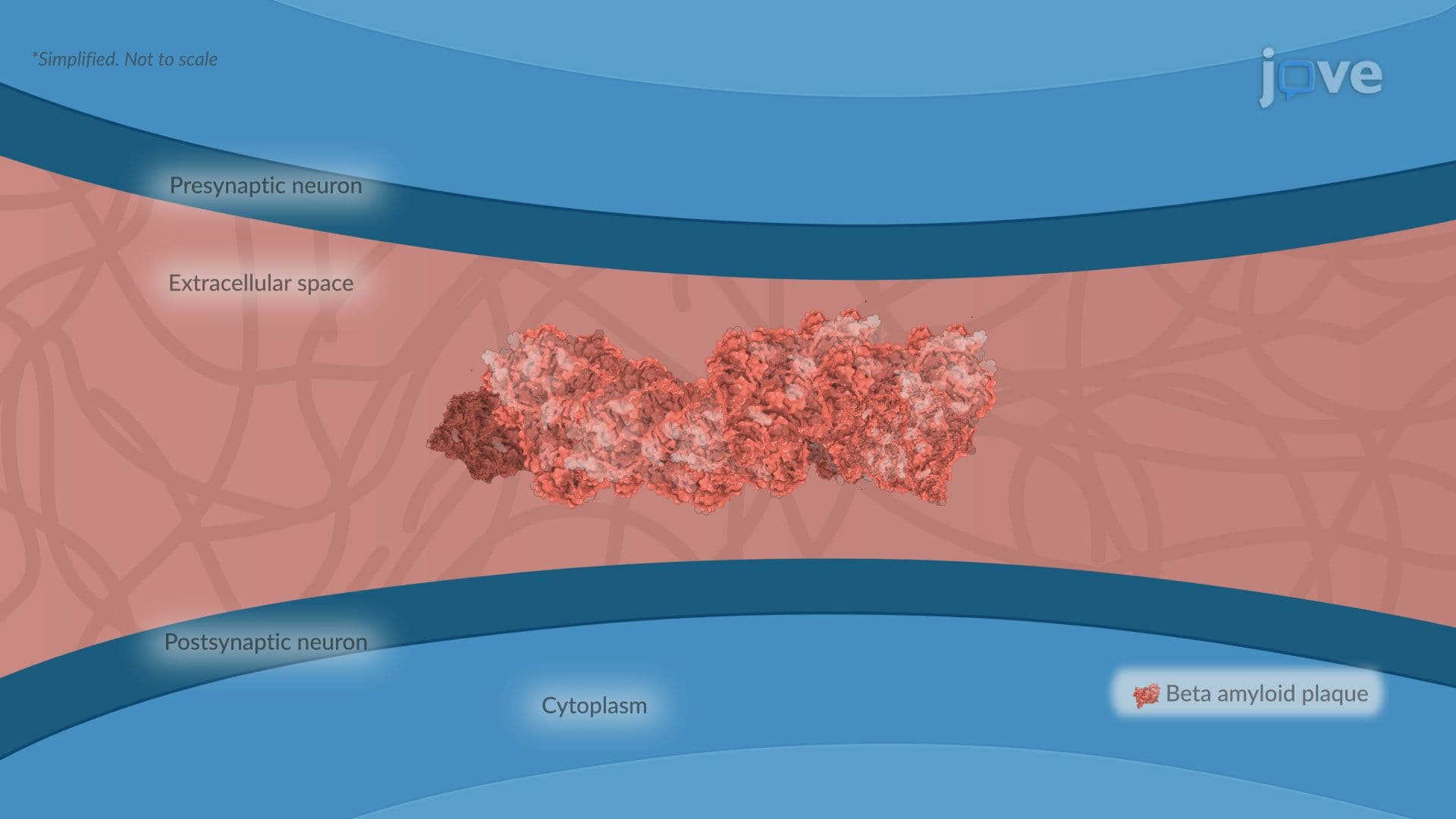
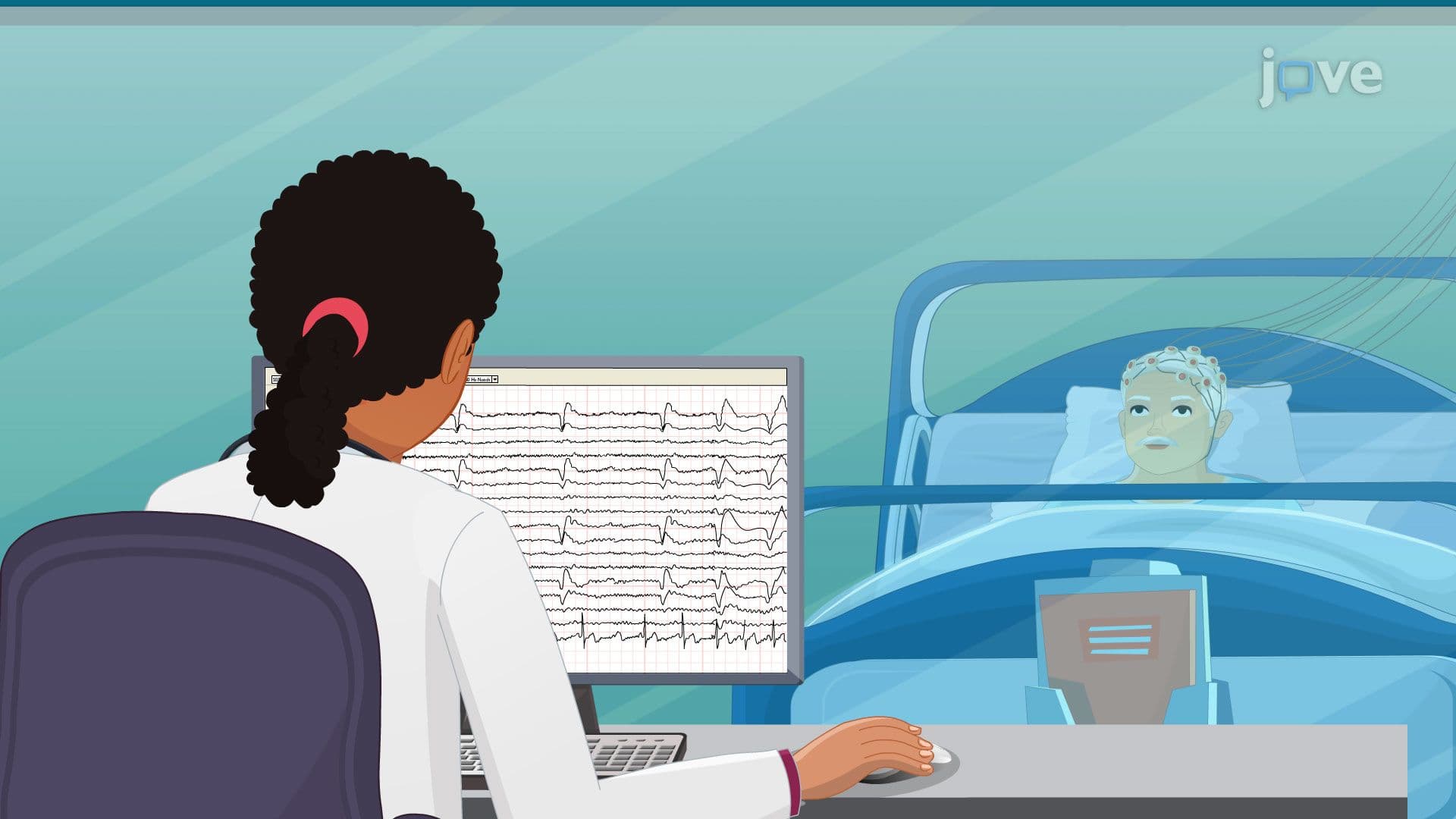
MS is distinct from other well-known neurological conditions like Alzheimer's disease (a progressive neurodegenerative disease of cognition) and Parkinson's disease (a movement disorder caused by dopamine-producing neuron loss), yet all three share the theme of nervous system dysfunction. Unlike epilepsy or stroke, which involve sudden electrical or vascular events, MS is a slow, immune-mediated process with fluctuating symptoms. Comparing these conditions deepens understanding of how neurological disorders are diagnosed and treated, a topic heavily tested across health science curricula. Knowing where MS sits within this broader framework helps students build stronger conceptual maps and perform better on cumulative exams.
Related Micro-courses