Loading subject page…

5,118 views

Video Summary: Pathophysiology in Encephalitis Ll
Did you know a common cold sore virus, herpes simplex virus type 1 (HSV-1), can silently travel through your nasal nerves and attack your brain? Understanding pathophysiology in encephalitis II basics reveals exactly how pathogens and rogue antibodies hijack the central nervous system. In US neurology wards, HSV-1 encephalitis remains the most common cause of fatal sporadic brain infection. Watch the full video on JoVE Coach to master this concept with expert-led visuals and step-by-step explanations.
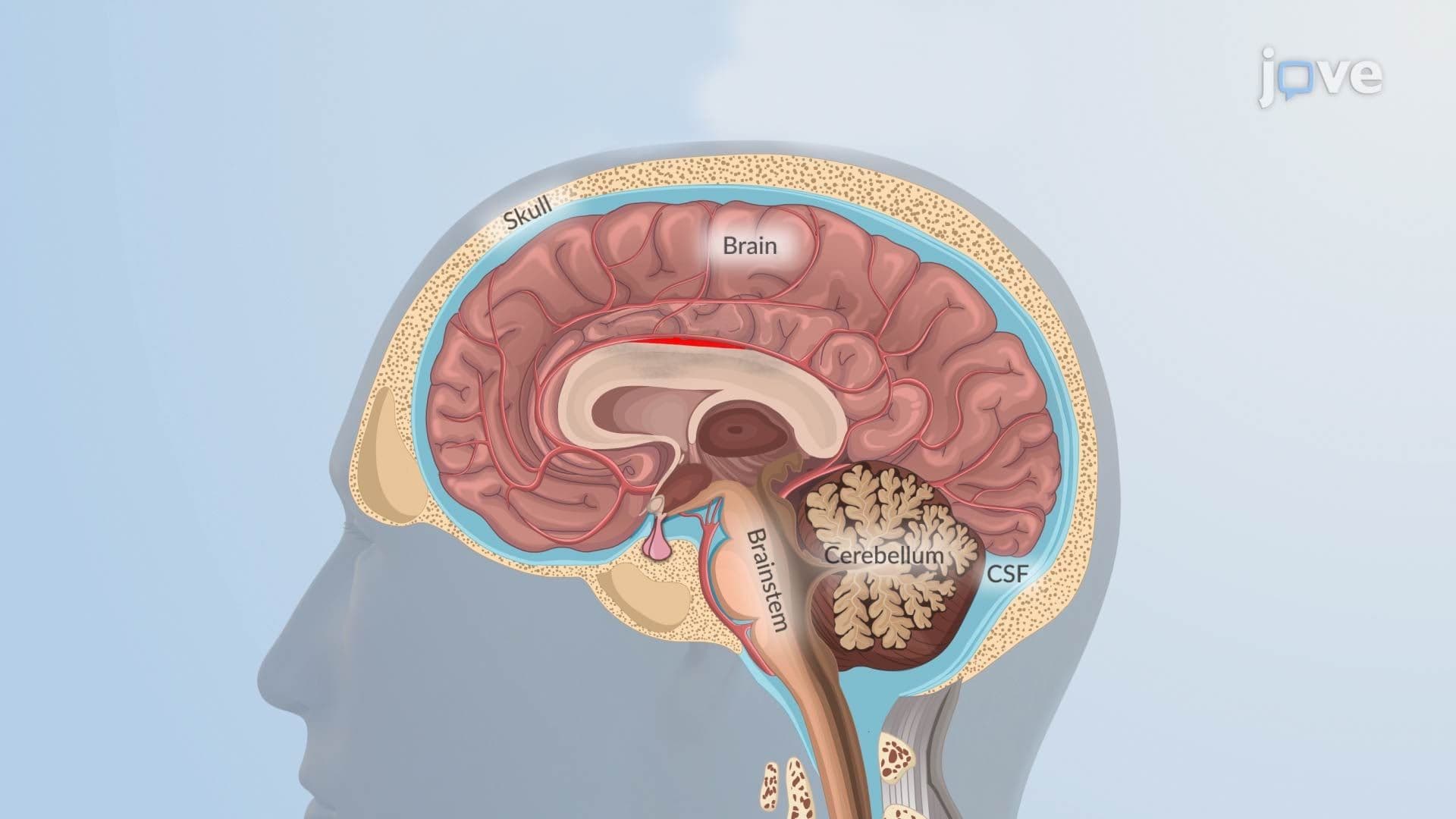
Encephalitis, inflammation of the brain, is one of the most medically serious neurological emergencies encountered in US hospitals. While the word "inflammation" might sound routine, the chain of molecular and cellular events that unfolds once a pathogen or misguided antibody breaches the brain is anything but ordinary. Understanding pathophysiology in encephalitis II means going beneath the surface symptoms and examining exactly how the CNS is invaded, inflamed, and functionally disrupted.
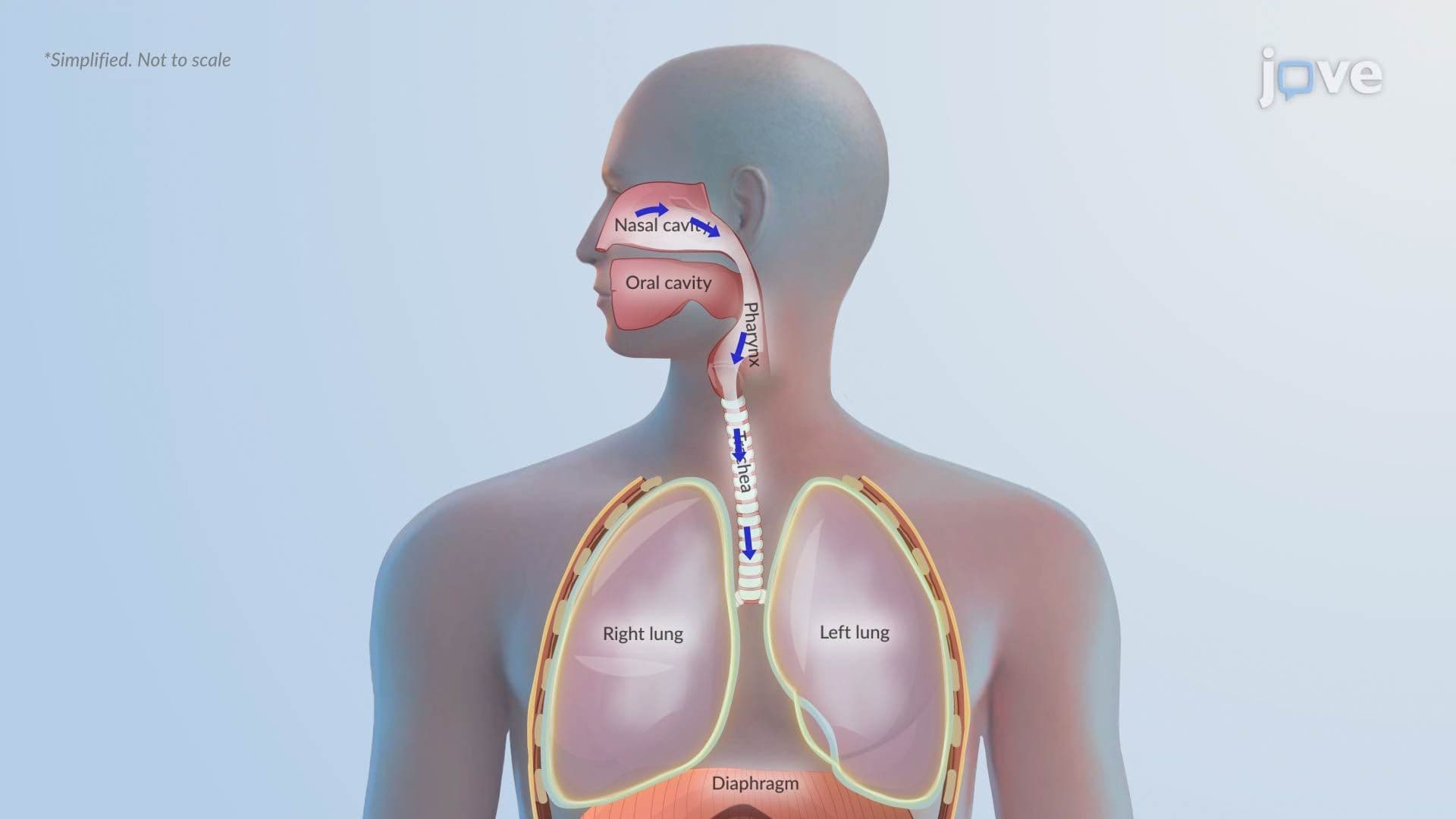
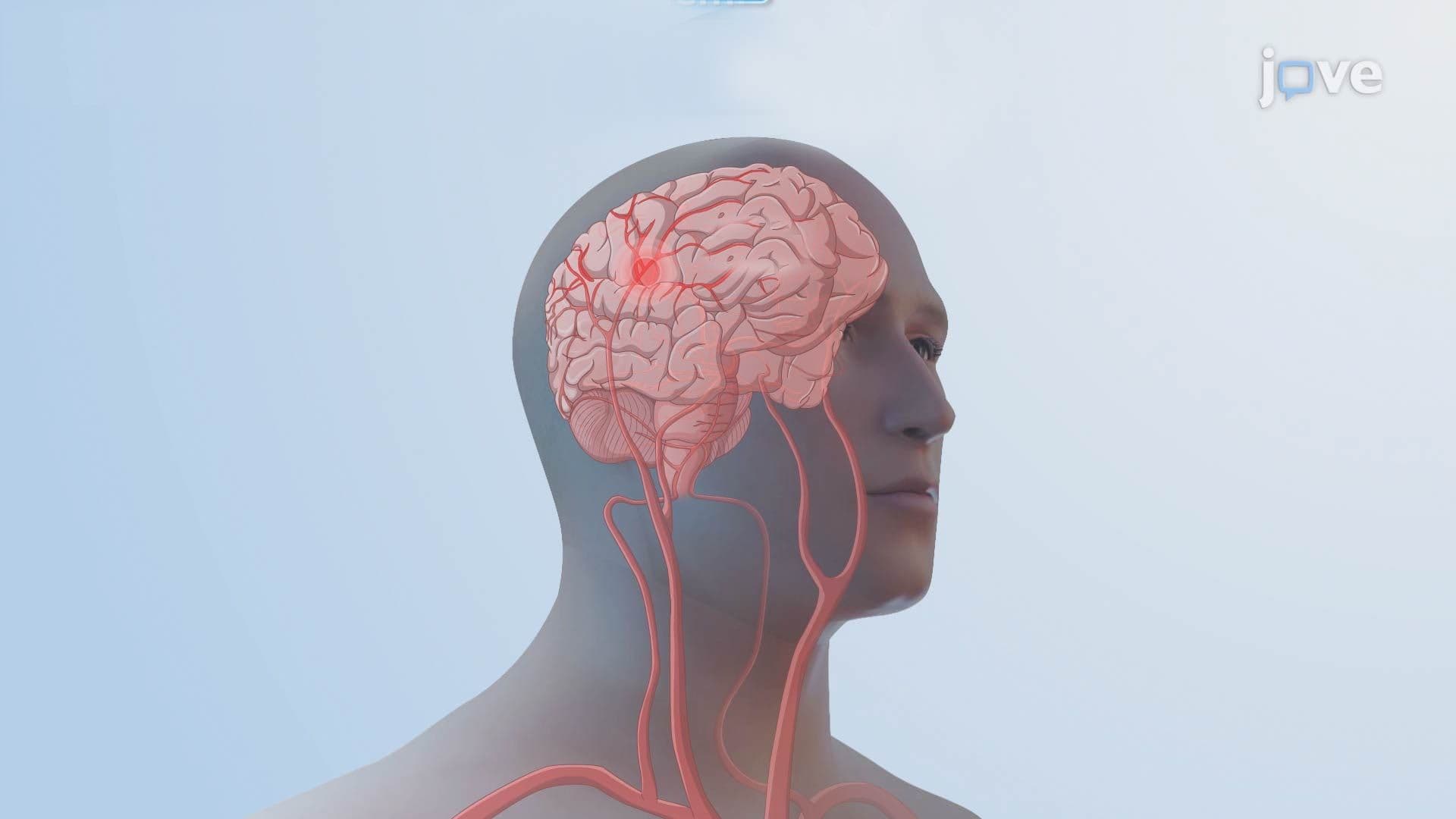
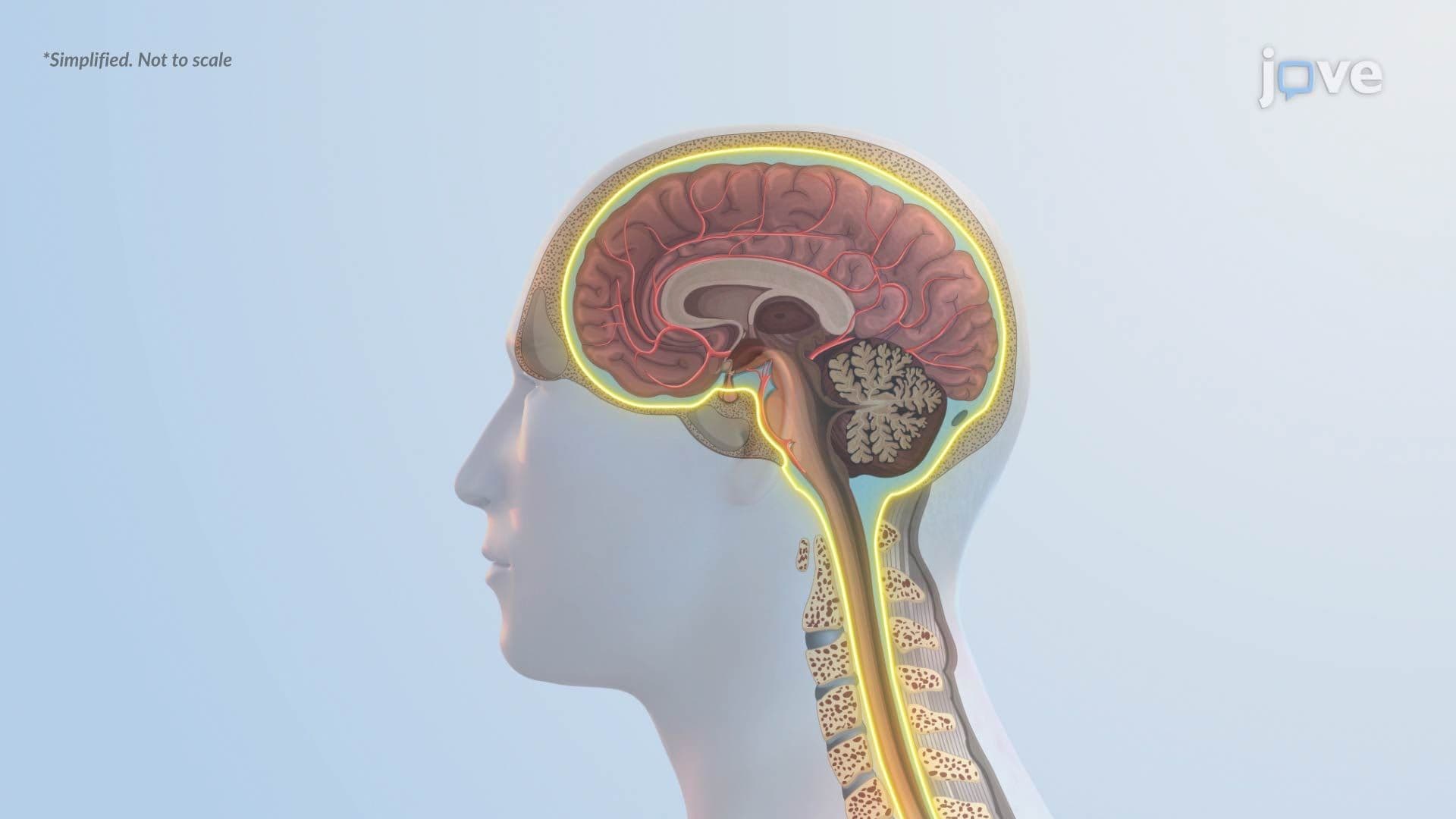
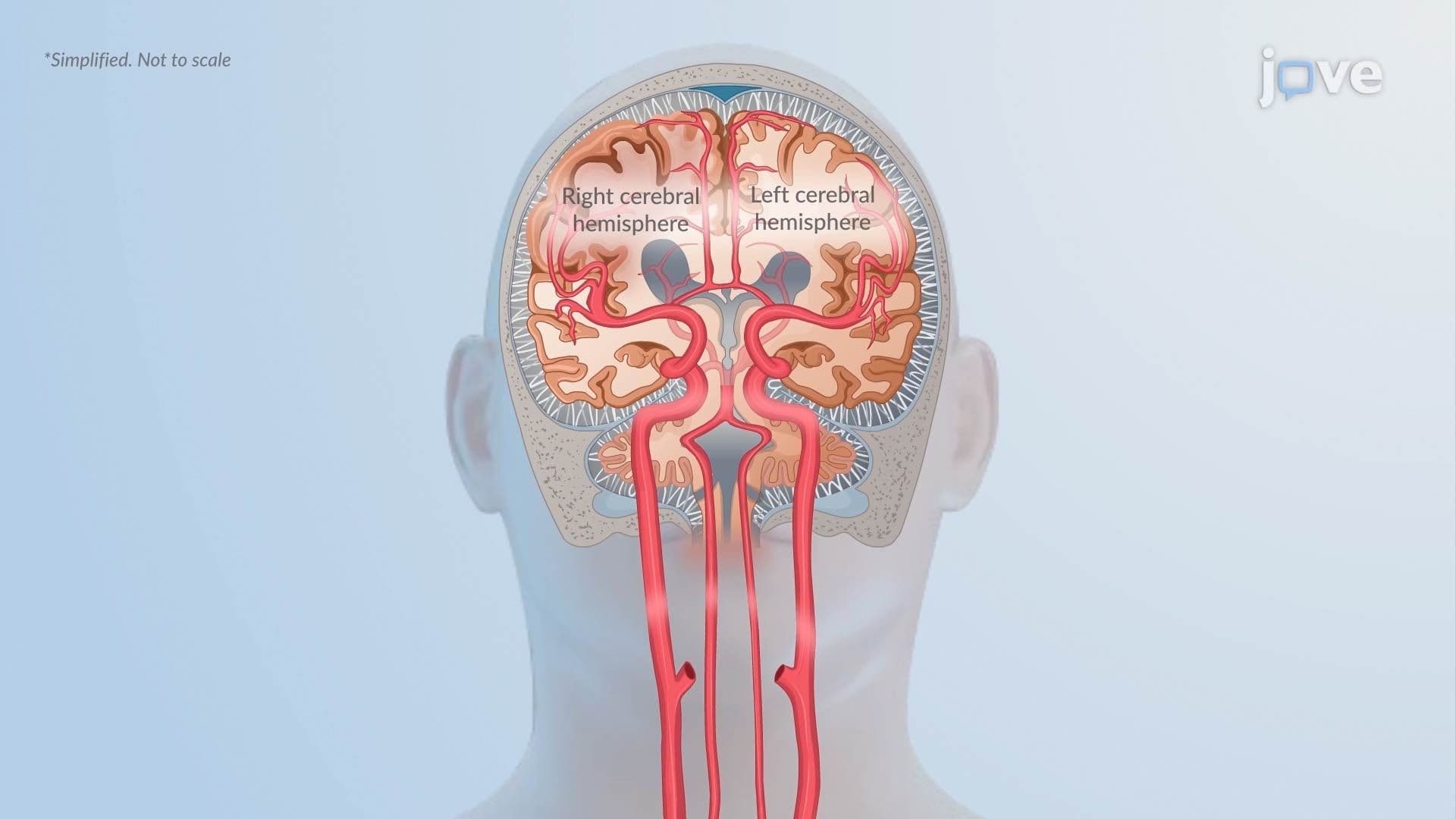
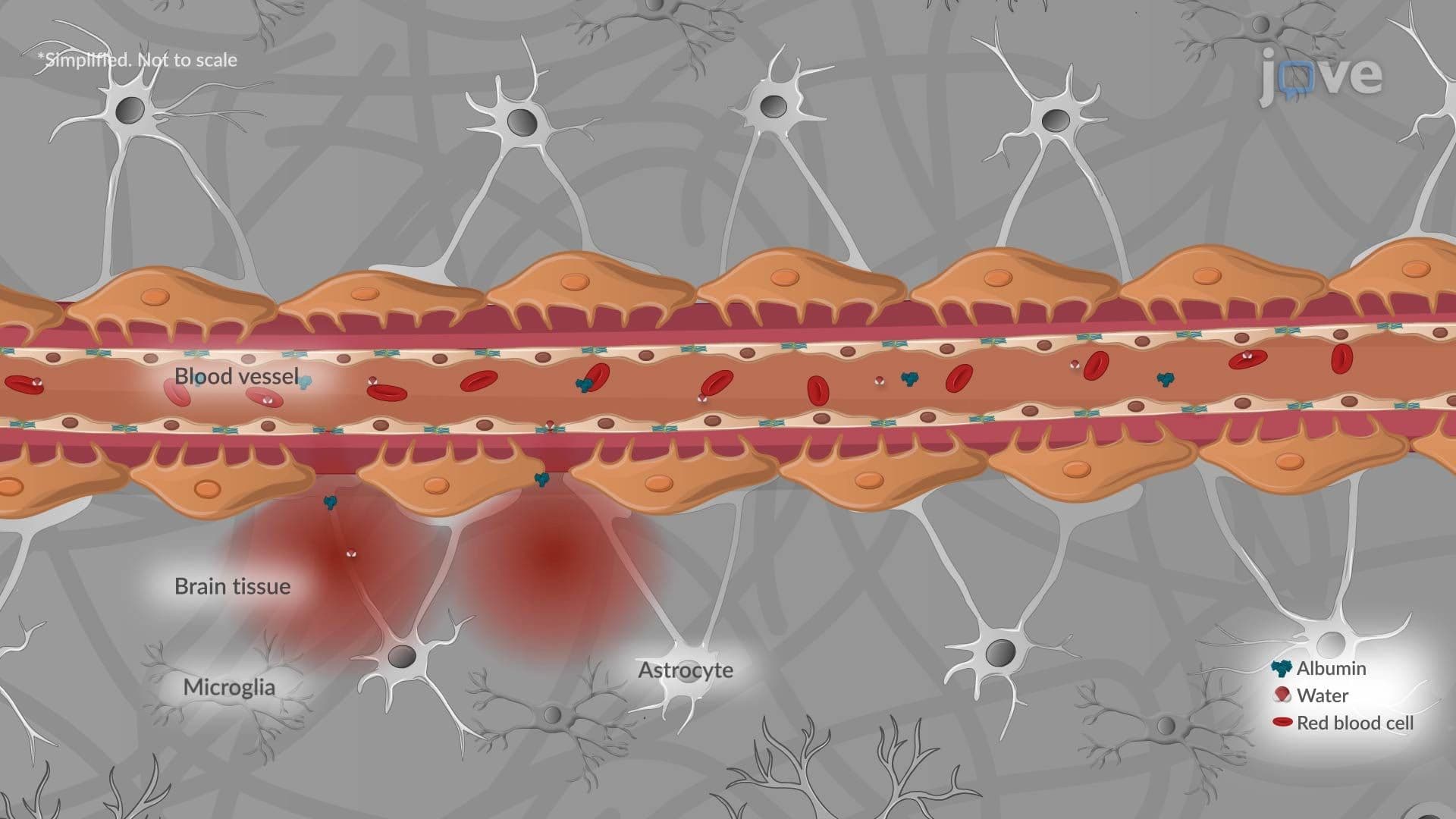
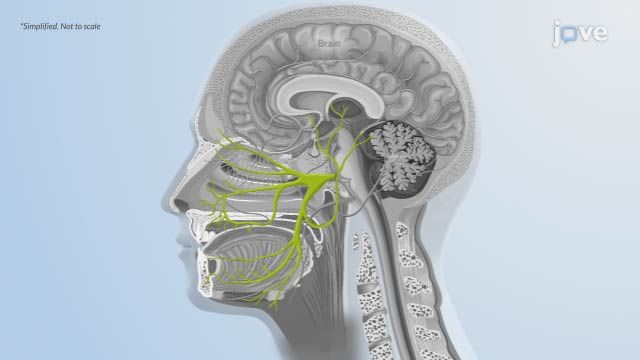
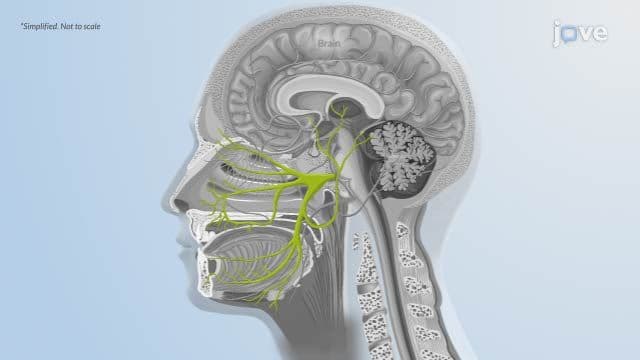
The blood-brain barrier (BBB) is the brain's frontline defense, a tightly regulated interface of specialized endothelial cells that blocks most foreign substances. Yet certain pathogens have evolved clever workarounds. Viruses can reach the CNS through at least four major routes: the bloodstream (hematogenous spread), the olfactory bulb (following the scent-processing nerve pathway directly into brain tissue), the choroid plexus (a structure that produces cerebrospinal fluid), and peripheral nerves (retrograde axonal transport).
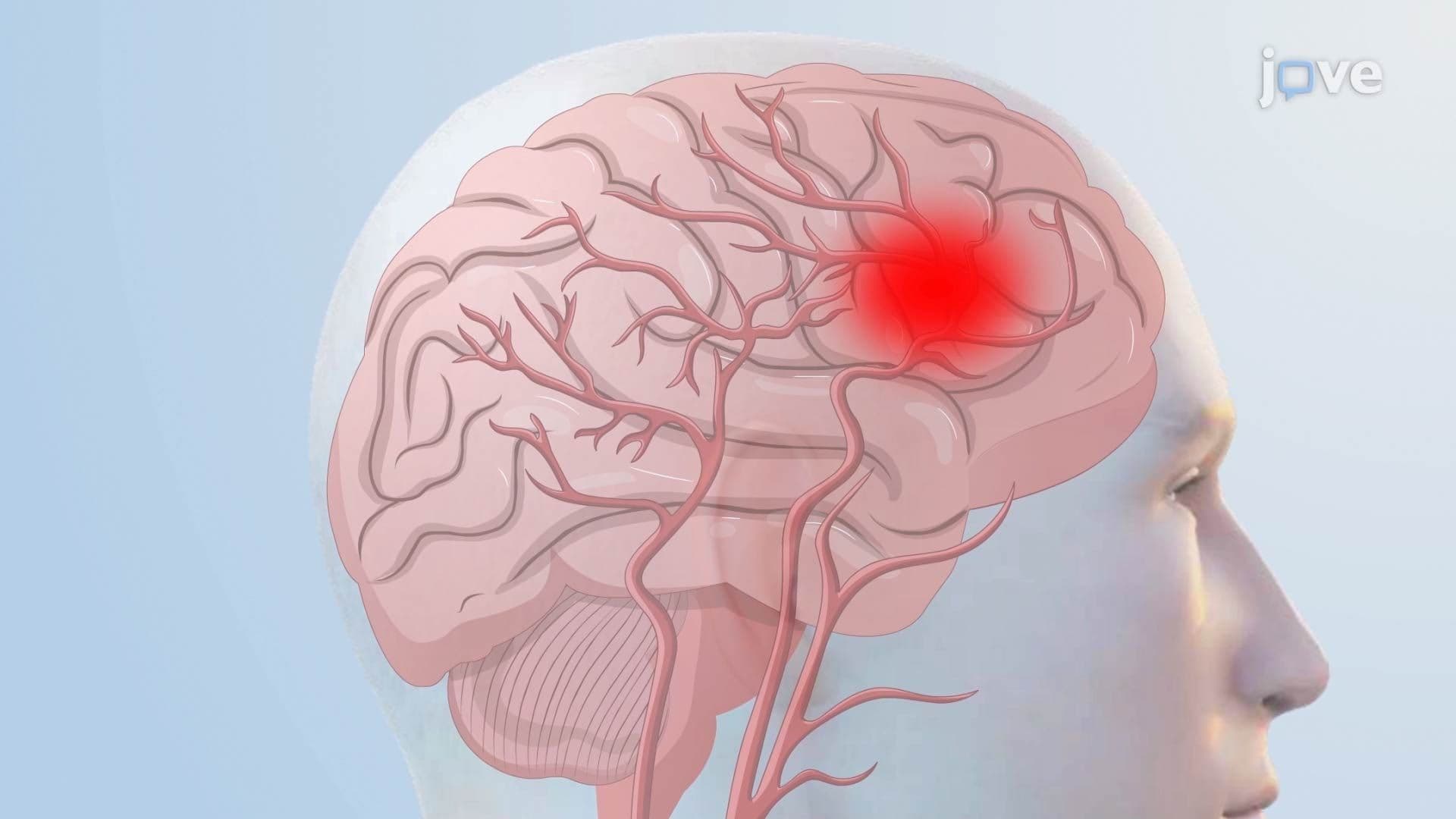
HSV-1 is the classic example taught in US medical and undergraduate neuroscience courses. Rather than always forcing its way through the BBB, it can exploit the olfactory and trigeminal nerve pathways, essentially hitchhiking along existing neural highways into the brain. This is why HSV-1 encephalitis characteristically damages the inferior and medial temporal lobes, producing symptoms like memory loss, personality changes, and seizures. On the MCAT and in college neuroscience exams, recognizing this regional tropism as receptor-driven is a high-yield concept.
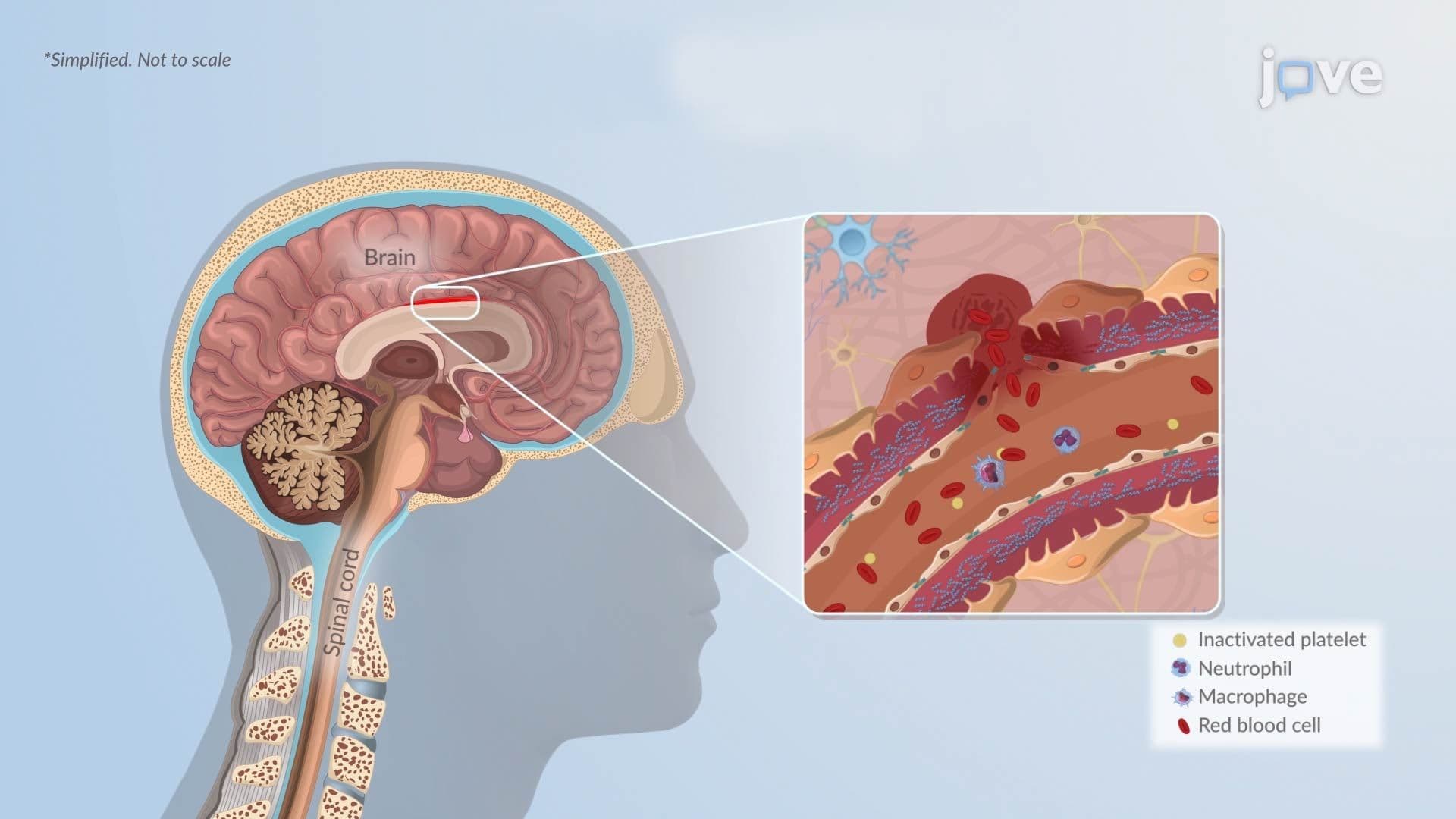
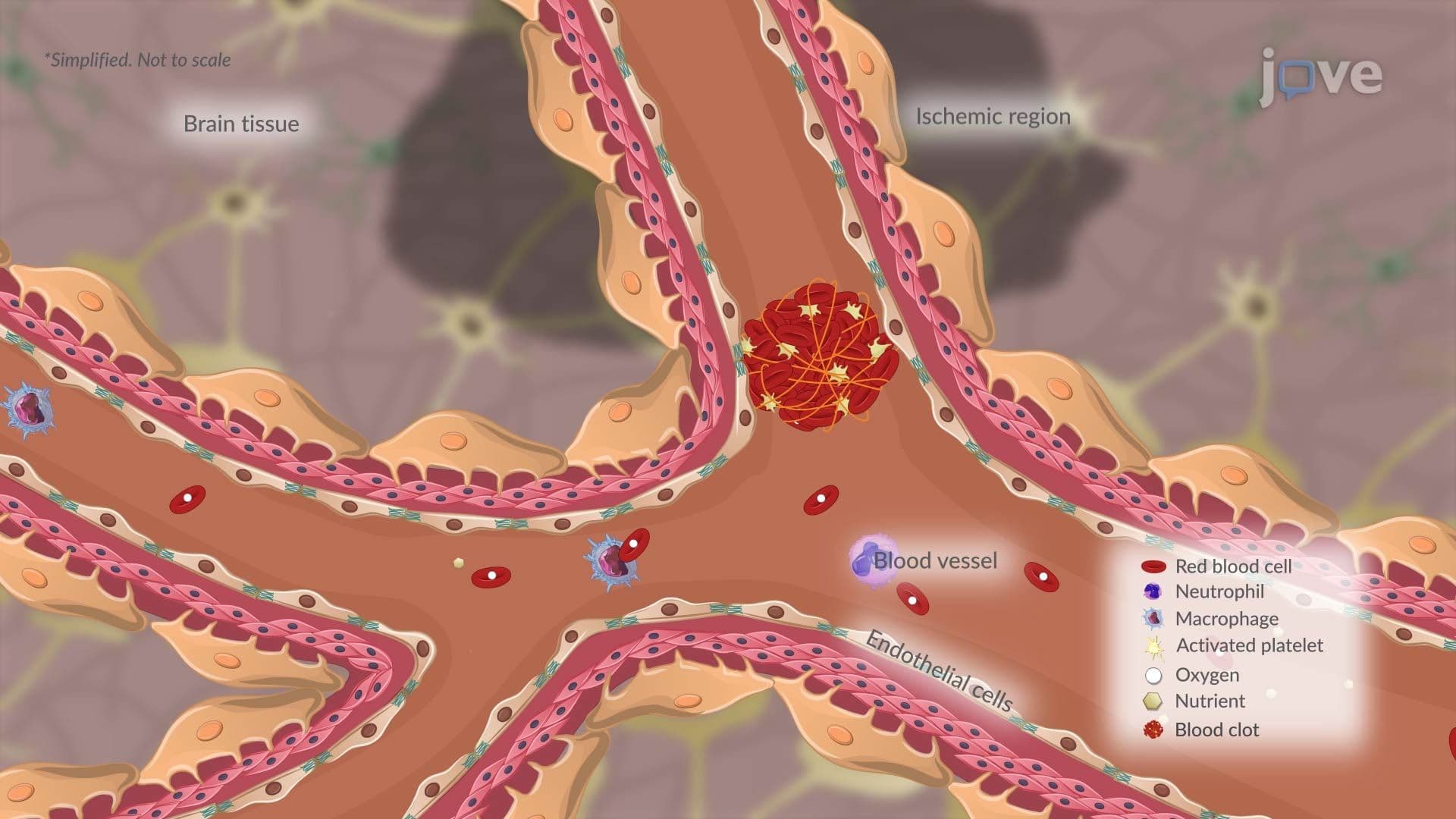
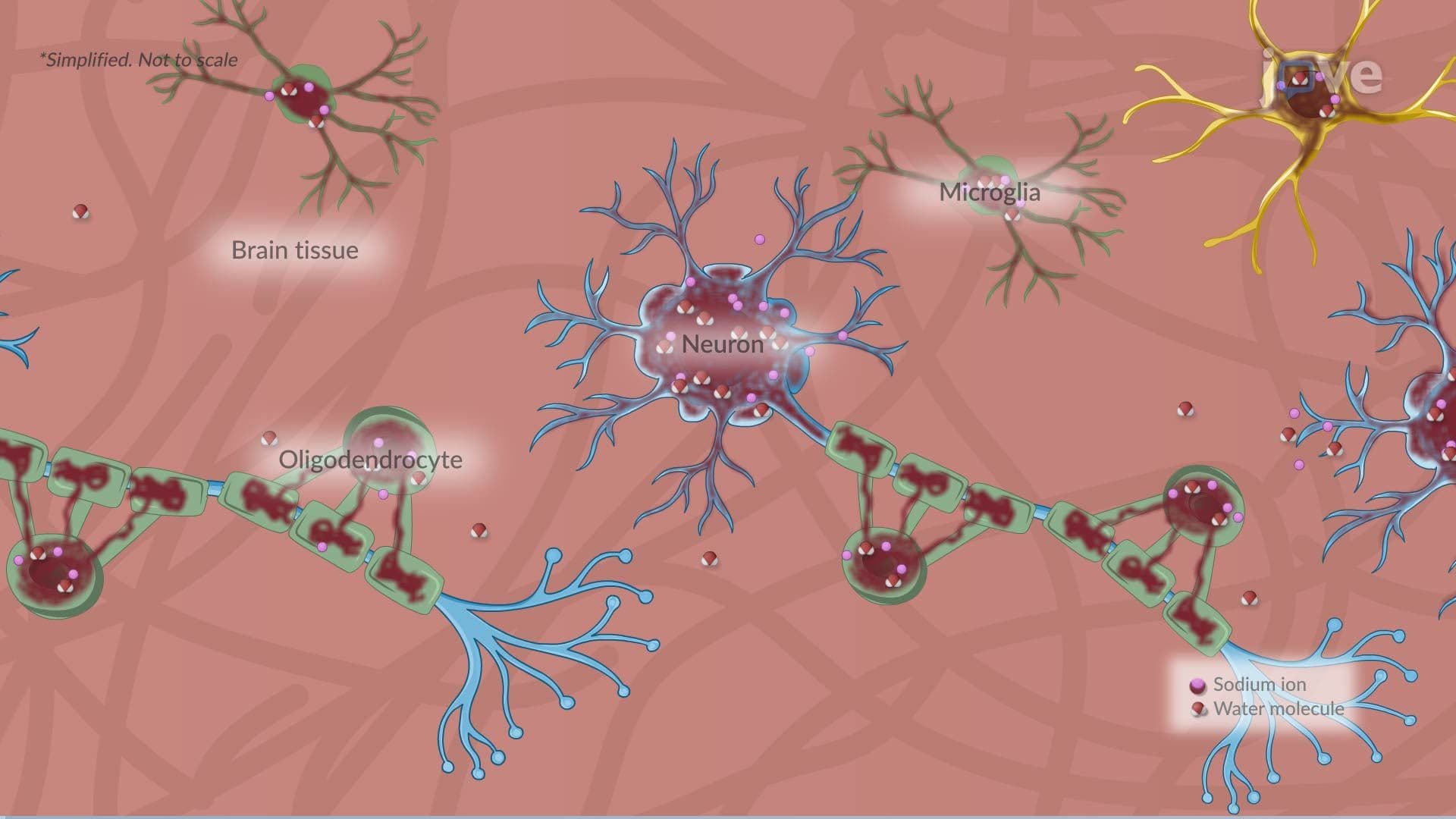
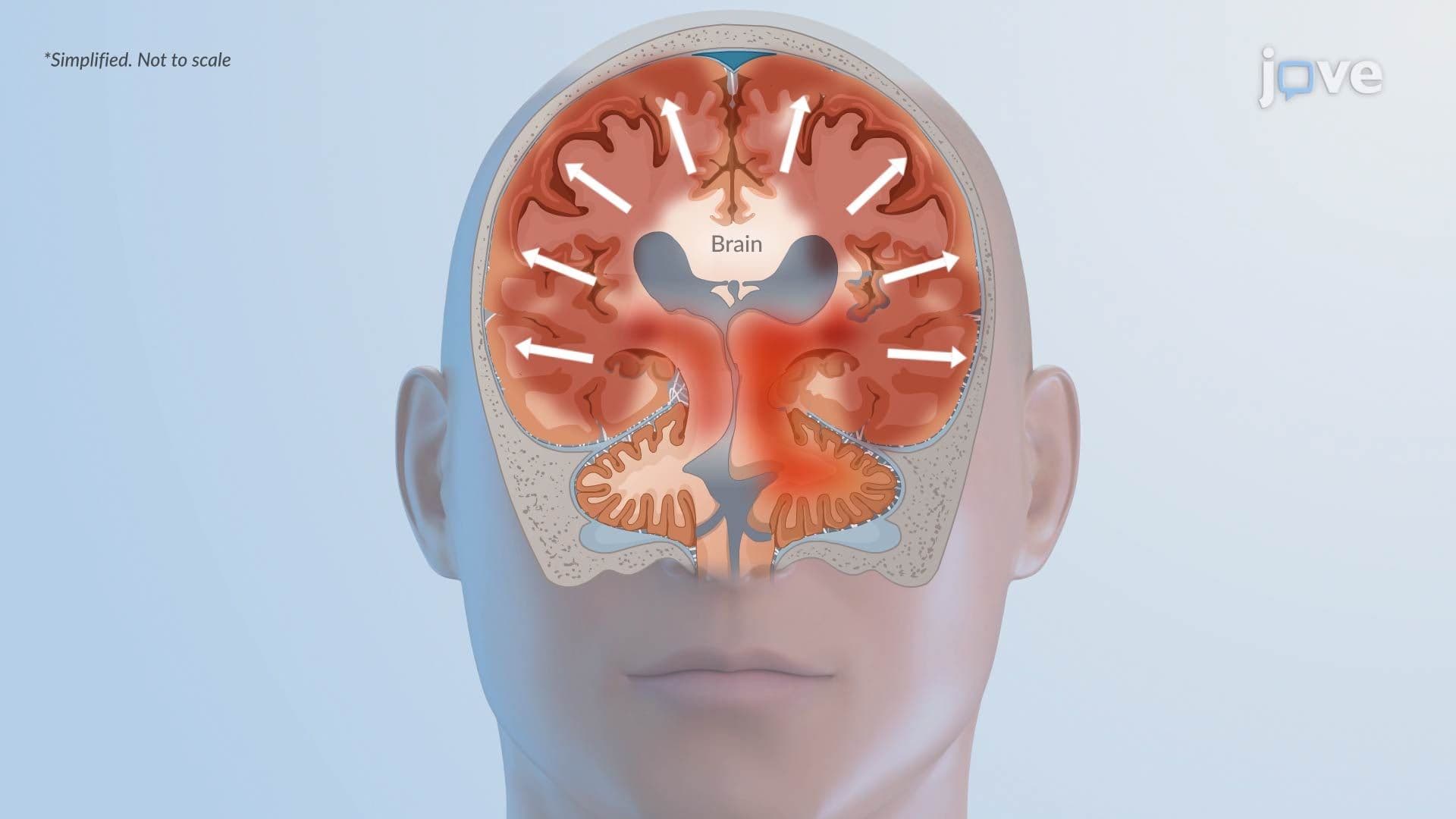
Once a virus crosses into brain tissue, it infects neurons and glial cells, the two primary cell populations of the CNS. This triggers a cascade of injury. Infected cells release cytokines and chemokines that recruit immune cells, particularly lymphocytes, which accumulate around blood vessels in a pattern called perivascular lymphocytic infiltration. Simultaneously, capillary congestion develops as blood flow becomes dysregulated, and fluid leaks into brain tissue, causing cerebral edema (swelling).
Gray matter sustains more severe damage than white matter because it contains a higher density of neuronal cell bodies with surface receptors, the very binding sites viruses use to gain entry into cells. This is not random destruction; it reflects purposeful viral tropism, a concept that connects directly to AP Biology discussions of receptor-ligand specificity and host-pathogen interactions.
Not all encephalitis is caused by infection. Autoimmune encephalitis occurs when the immune system generates antibodies that mistakenly target neuronal proteins. The most well-known form in US clinical practice is anti-NMDA receptor (anti-NMDAR) encephalitis, first characterized by researchers at the University of Pennsylvania in 2007.
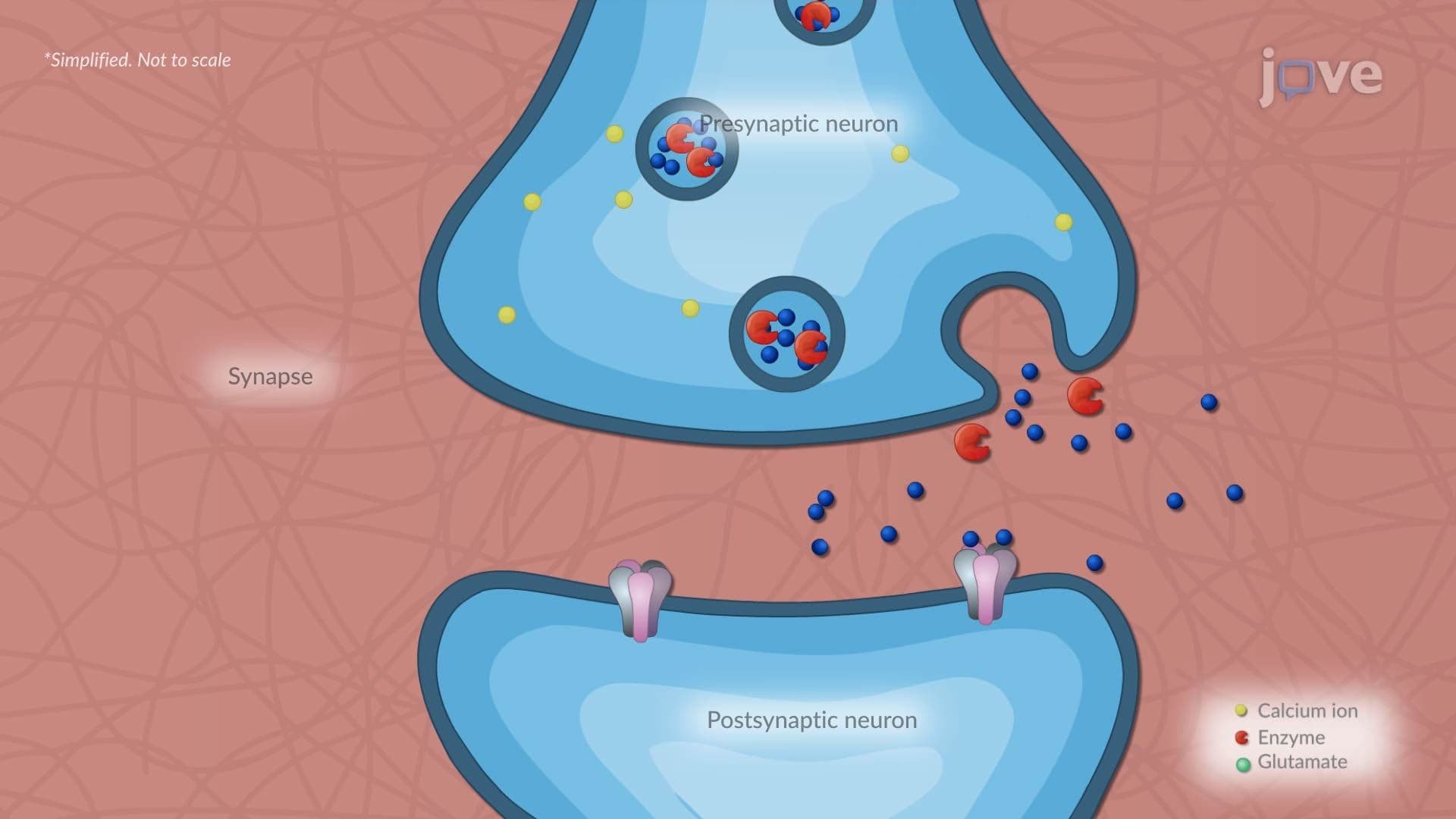
In this condition, antibodies attack NMDA receptors, glutamate receptors critical for synaptic plasticity, memory formation, and excitatory signaling. Their dysfunction produces a dramatic clinical picture: psychiatric symptoms, seizures, movement abnormalities, and altered consciousness. This connects to broader study of neurodegenerative diseases, because NMDA receptor dysfunction also appears in discussions of Alzheimer's disease and certain forms of epilepsy, making this a highly connective concept for any student preparing for college-level neuroscience or pre-health exams like the MCAT or USMLE Step 1.
Encephalitis pathophysiology is not an isolated topic. It bridges several critical areas of neuroscience: how neurological disorders are diagnosed (MRI, CSF analysis, EEG), what causes nervous system disorders at the molecular level, and how inflammation underlies conditions from multiple sclerosis to stroke. Students in AP Biology, college physiology, or pre-med tracks who master these mechanisms build a foundational framework applicable across dozens of related conditions.
Related Micro-courses