Loading video…

 35 Concepts
 5.1K views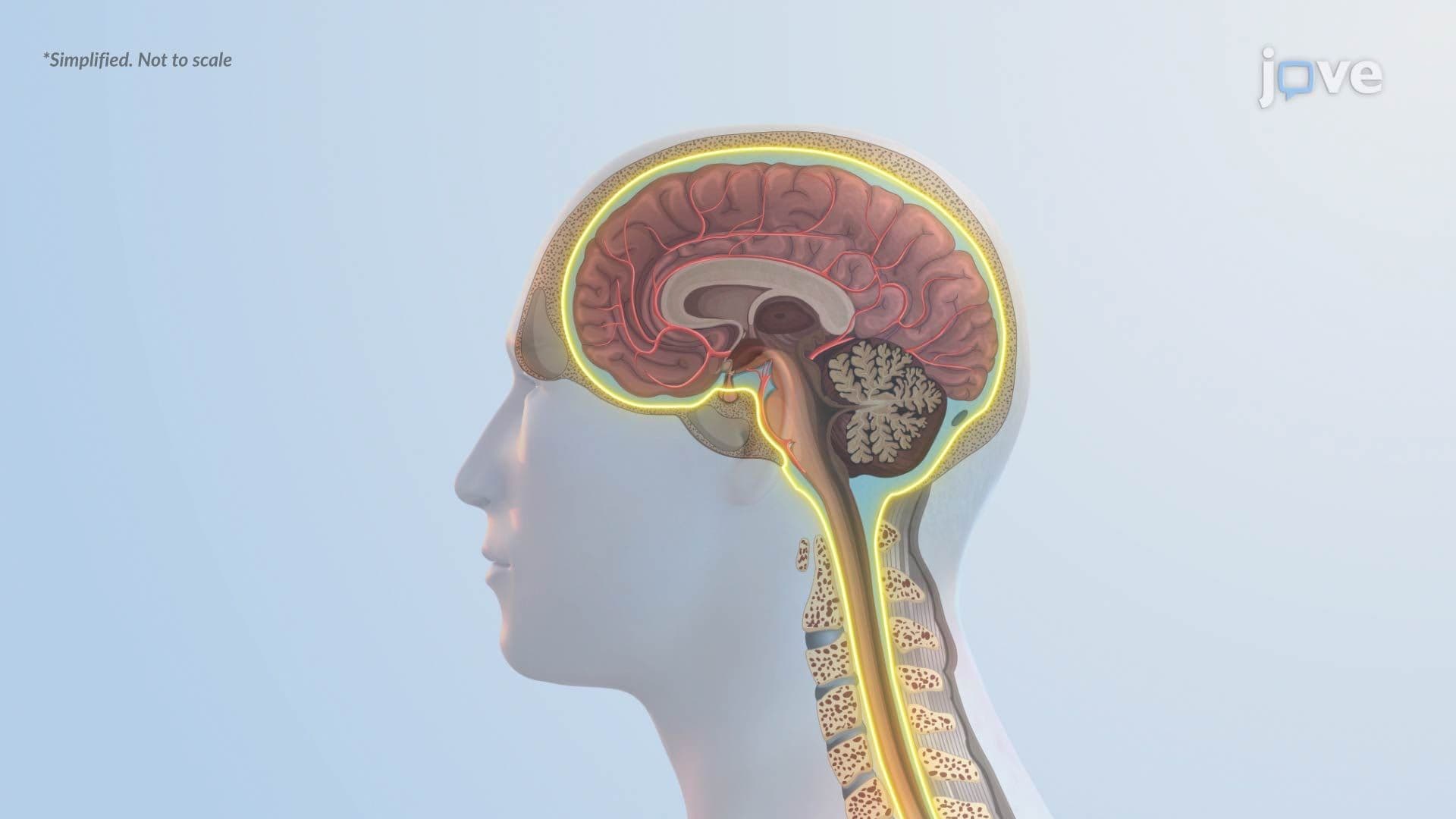

Video Summary: What Is Increased Intracranial Pressure L
Did you know that the skull has almost zero room to spare? Increased intracranial pressure (ICP) basics reveal why even a small bleed or swelling inside the skull can become life-threatening fast. In US emergency rooms, traumatic brain injuries, a leading cause of raised ICP, affect nearly 2 million Americans annually. When the brain, blood, or cerebrospinal fluid expands without compensation, pressure dangerously climbs. Watch the full video on JoVE Coach to master this concept with expert-led visuals and step-by-step explanations.
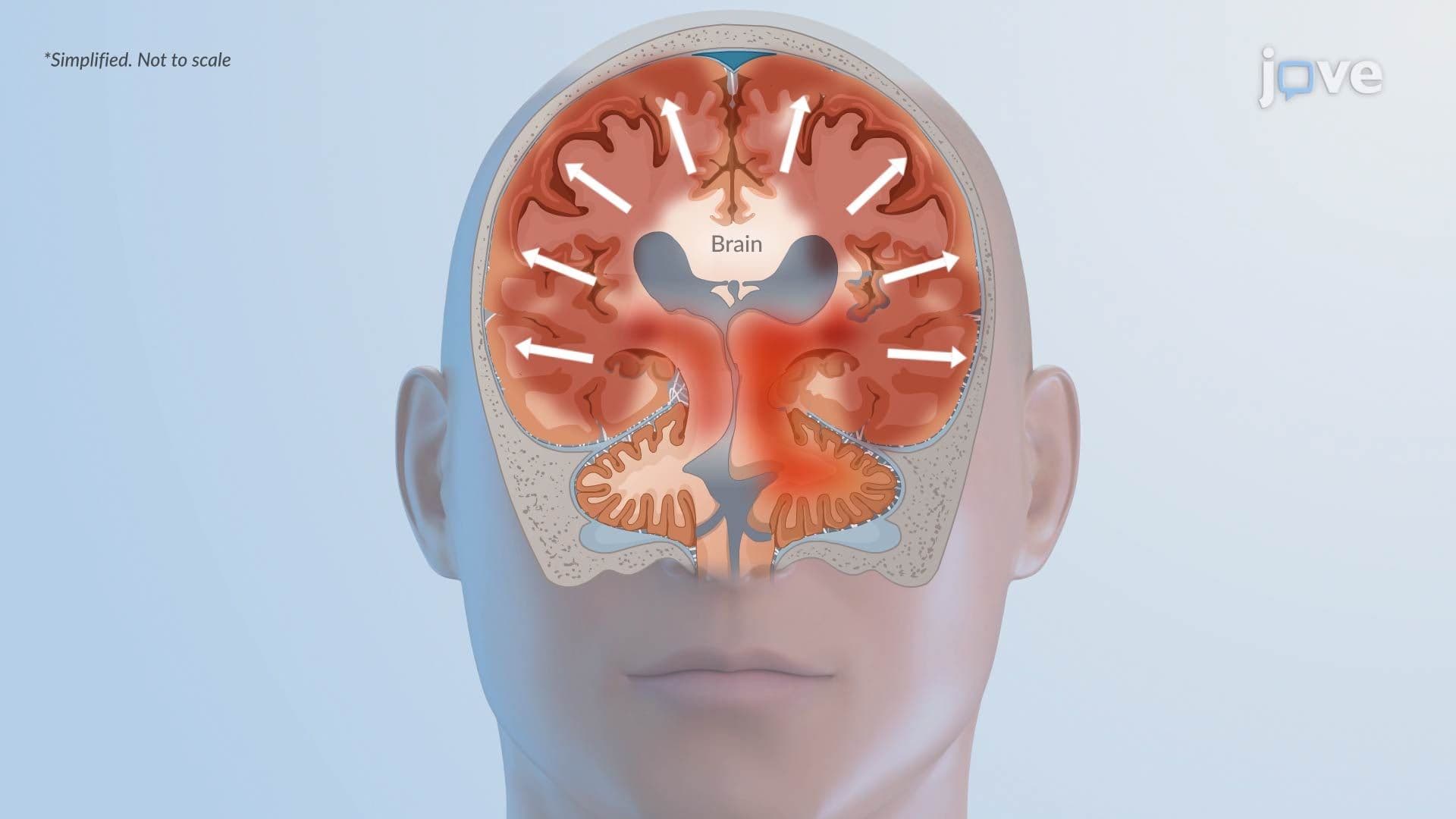
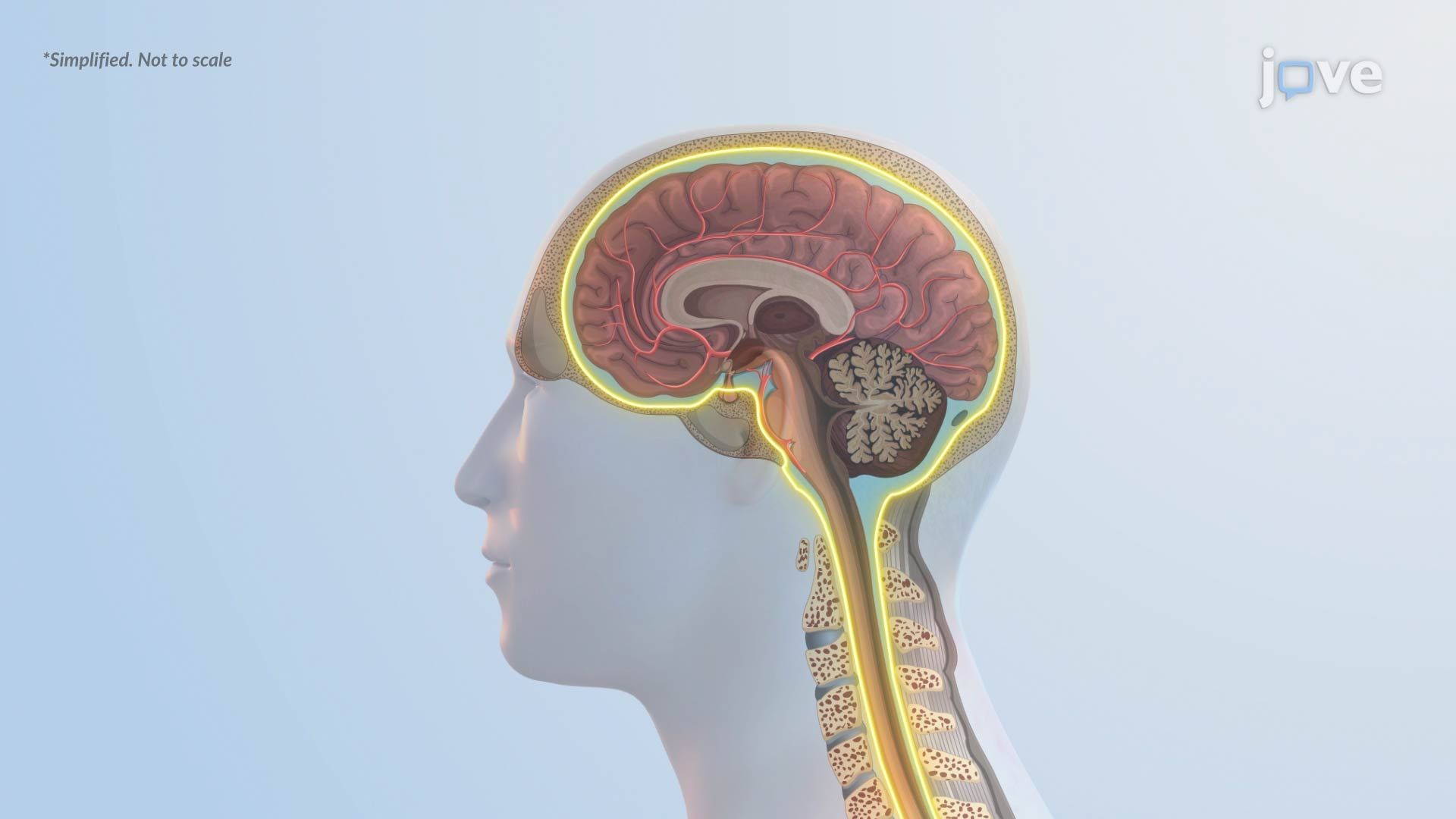
Increased intracranial pressure (ICP) is one of the most critical concepts in clinical neuroscience, and it starts with a simple but powerful constraint: the skull does not stretch. In a healthy adult at rest, ICP measures between 7 and 15 mmHg. Once pressure consistently exceeds this range, brain tissue begins to compress, blood flow diminishes, and, without rapid intervention, permanent damage or death can follow. For students studying nervous system disorders, understanding raised ICP is foundational to grasping conditions ranging from stroke to brain tumors.
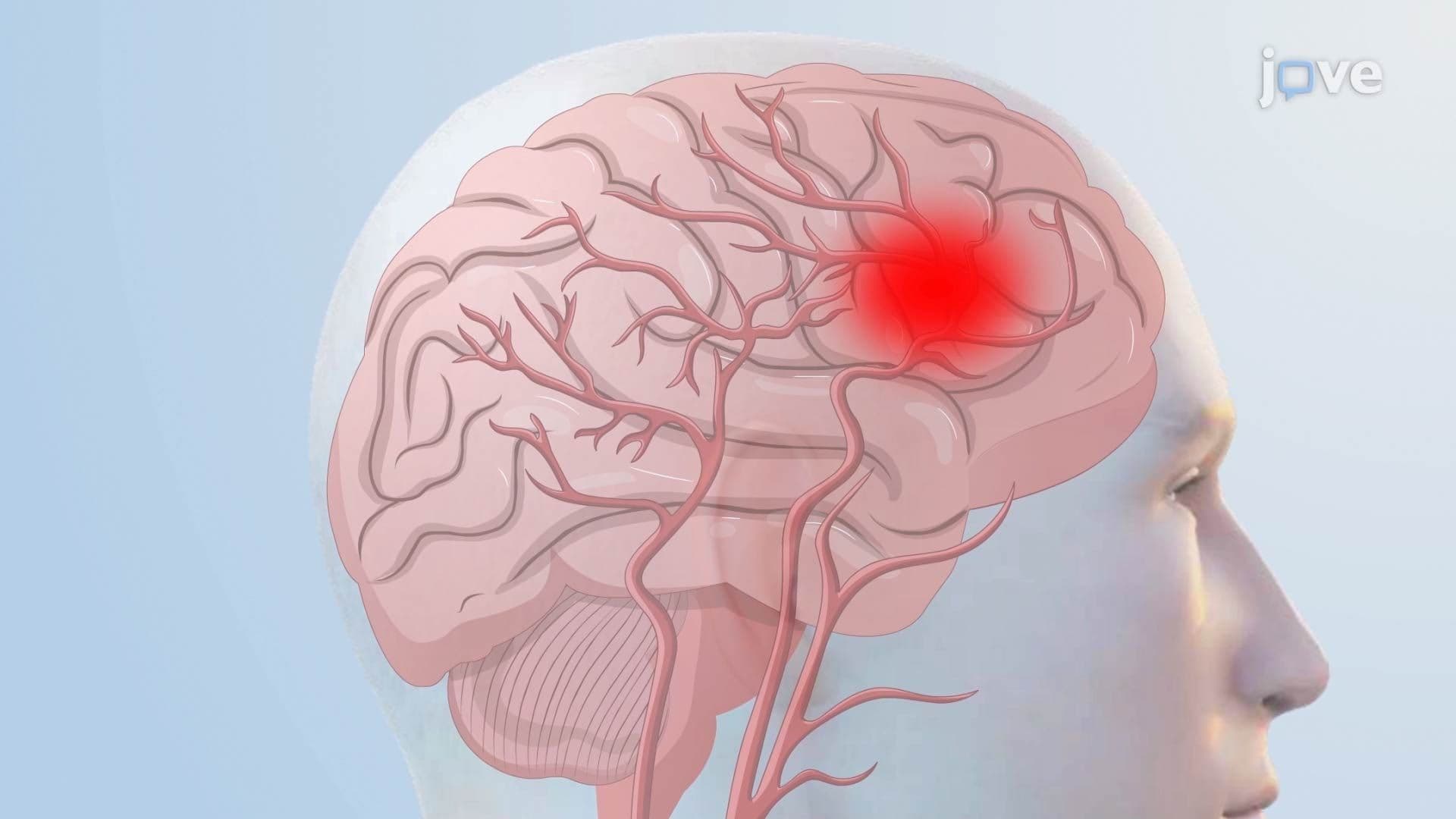
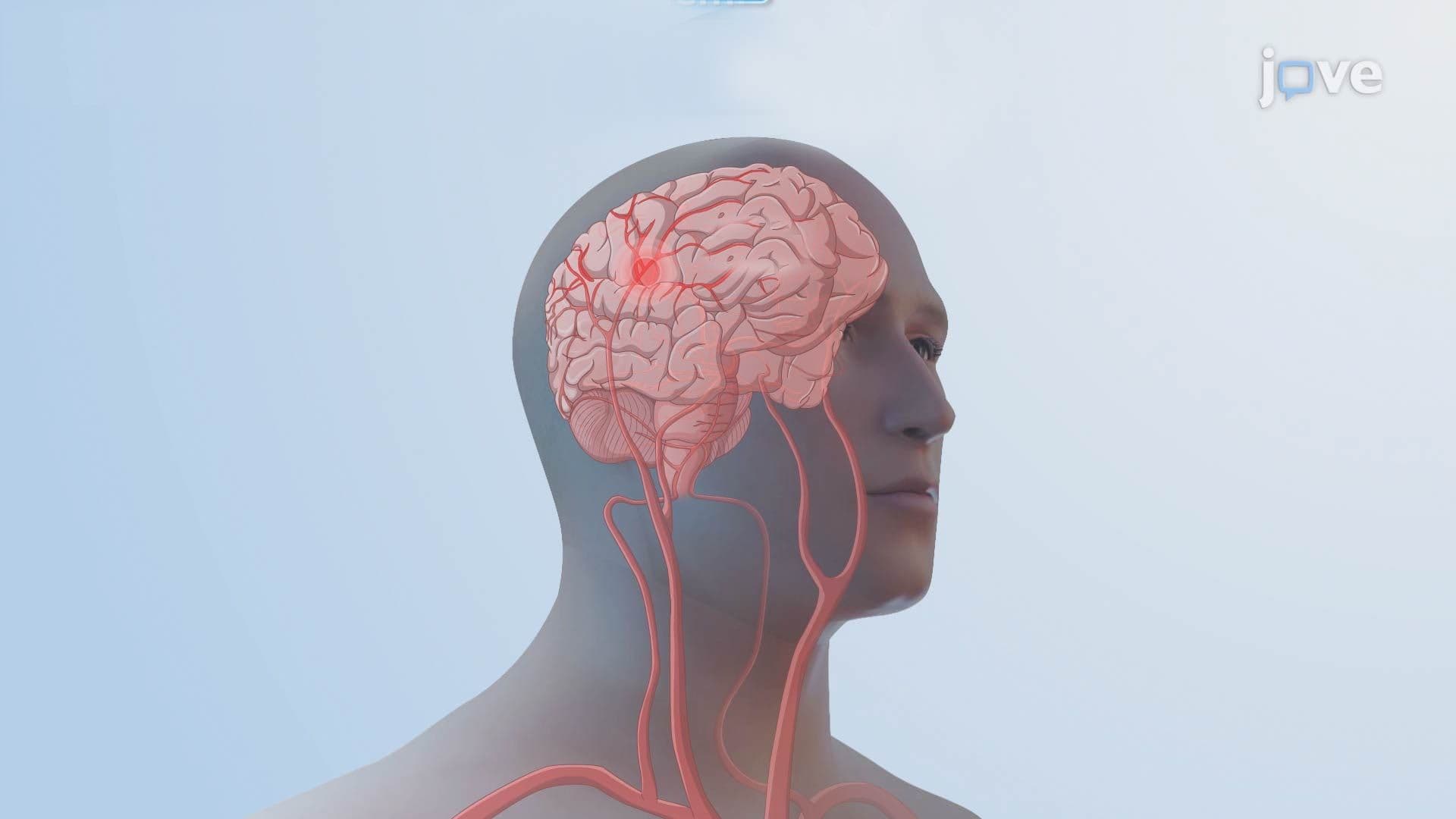
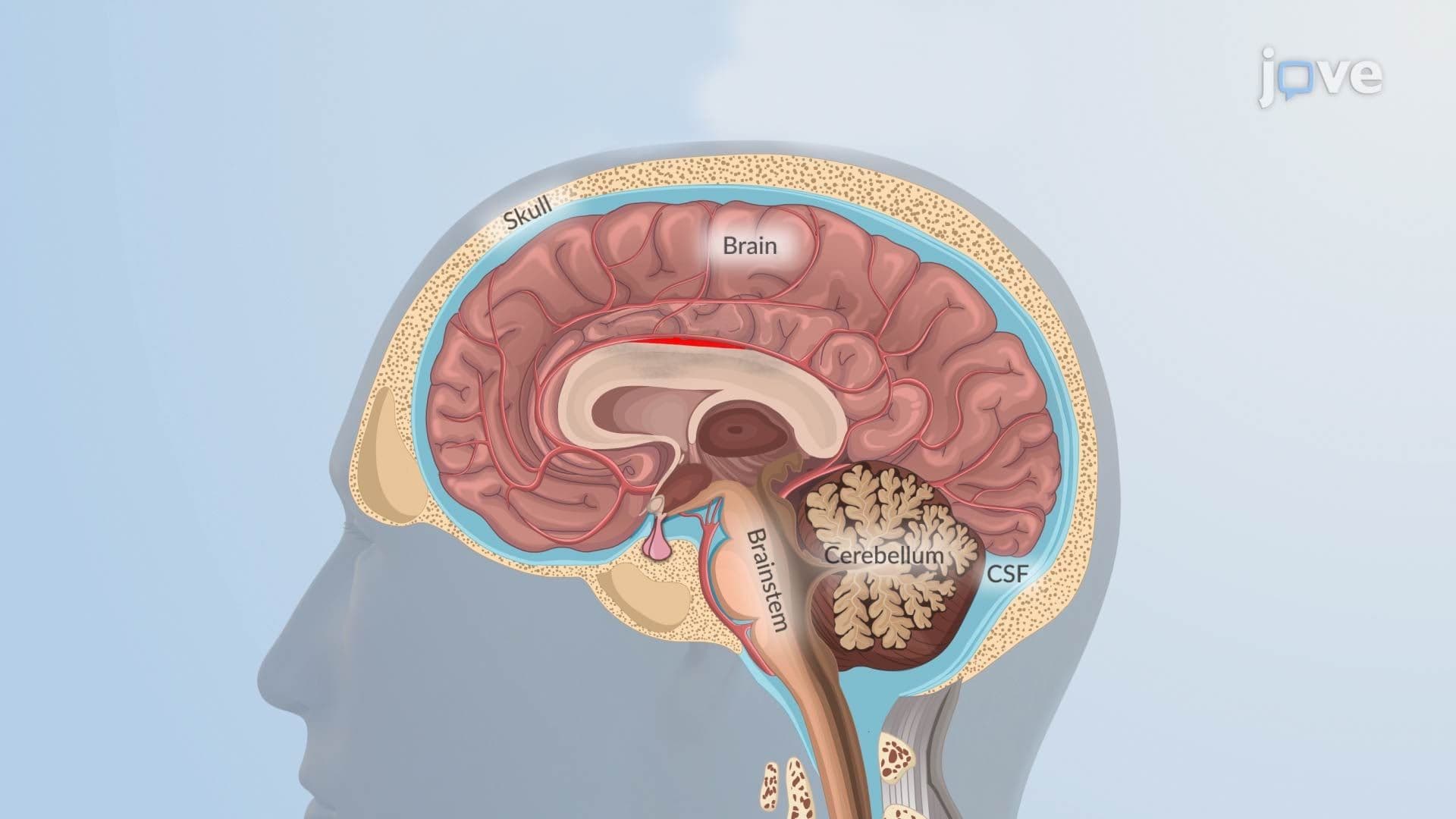
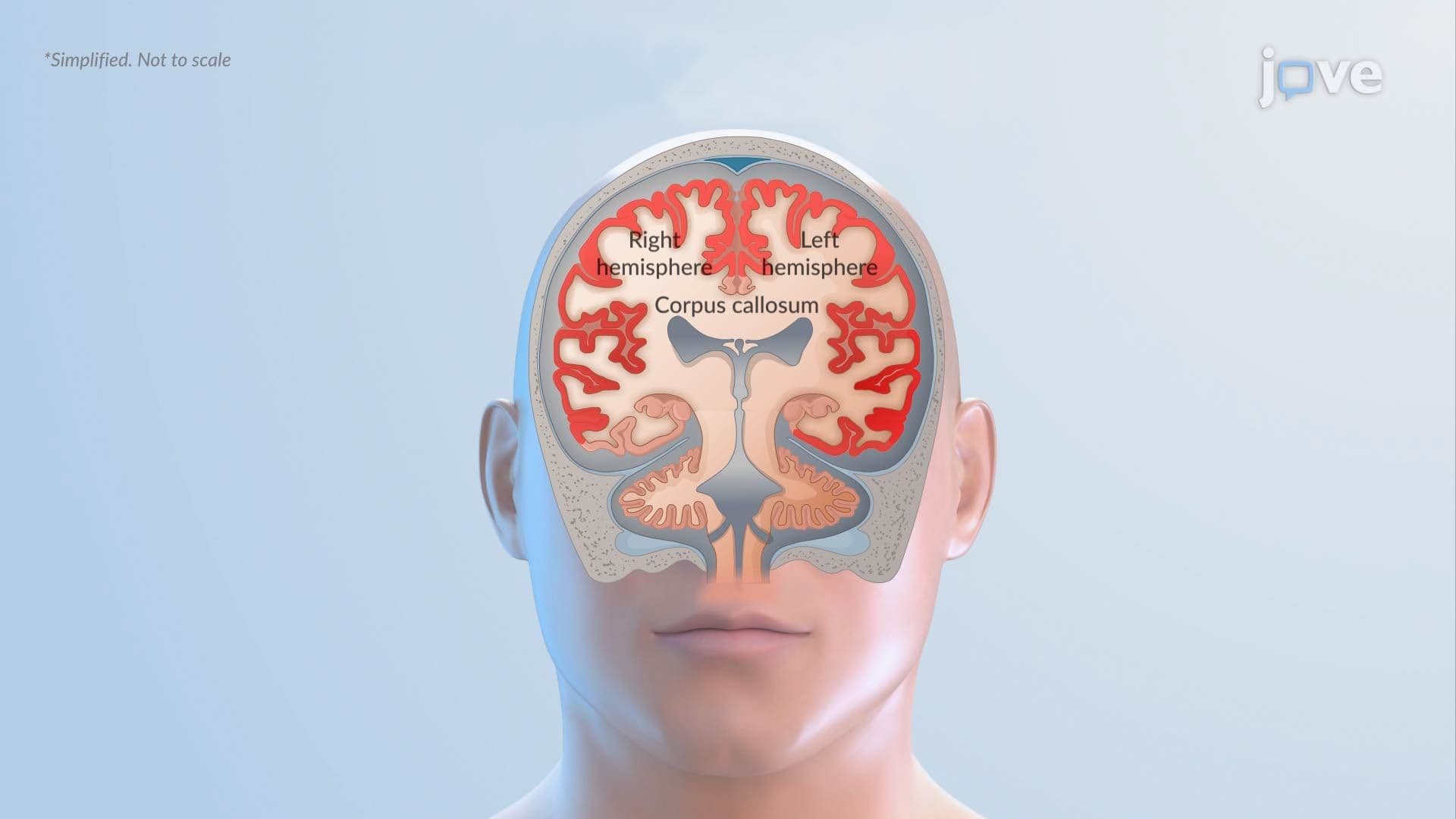
The Monro-Kellie doctrine is the governing principle behind intracranial pressure dynamics. It states that the total volume inside the rigid, nonexpandable cranium remains constant at approximately 1,700 mL in a typical adult. That volume is divided into three compartments: brain tissue (roughly 80%), blood (about 10%), and cerebrospinal fluid, or CSF (about 10%). The doctrine's key insight is that if one compartment expands, at least one of the others must decrease to compensate, otherwise, ICP rises. For example, when a blood vessel ruptures and creates an expanding hematoma, the brain and CSF must "give way" to accommodate it. When compensatory mechanisms are exhausted, pressure spikes rapidly. This concept frequently appears on MCAT biology sections and in college-level neuroscience and anatomy and physiology (A&P) courses.
Several conditions can overwhelm the brain's compensatory capacity and drive ICP to dangerous levels:
In practice, recognizing signs of raised ICP, such as severe headache, vomiting, altered consciousness, or the Cushing's triad (hypertension, bradycardia, and irregular respirations), is essential for nursing and medical students preparing for NCLEX or USMLE Step 1. In AP Biology and college neuroscience courses, increased ICP appears in units covering homeostasis, the central nervous system, and neurological disorders. Understanding how factors like stroke, meningitis, and hydrocephalus disrupt intracranial equilibrium also directly supports questions about what causes nervous system disorders and how neurological disorders are diagnosed. Connecting ICP to broader topics, including neurodegenerative diseases, epilepsy, and multiple sclerosis, helps build the integrative thinking that high-stakes exams reward.
Related Micro-courses