Loading video…

 35 Concepts
 5.1K views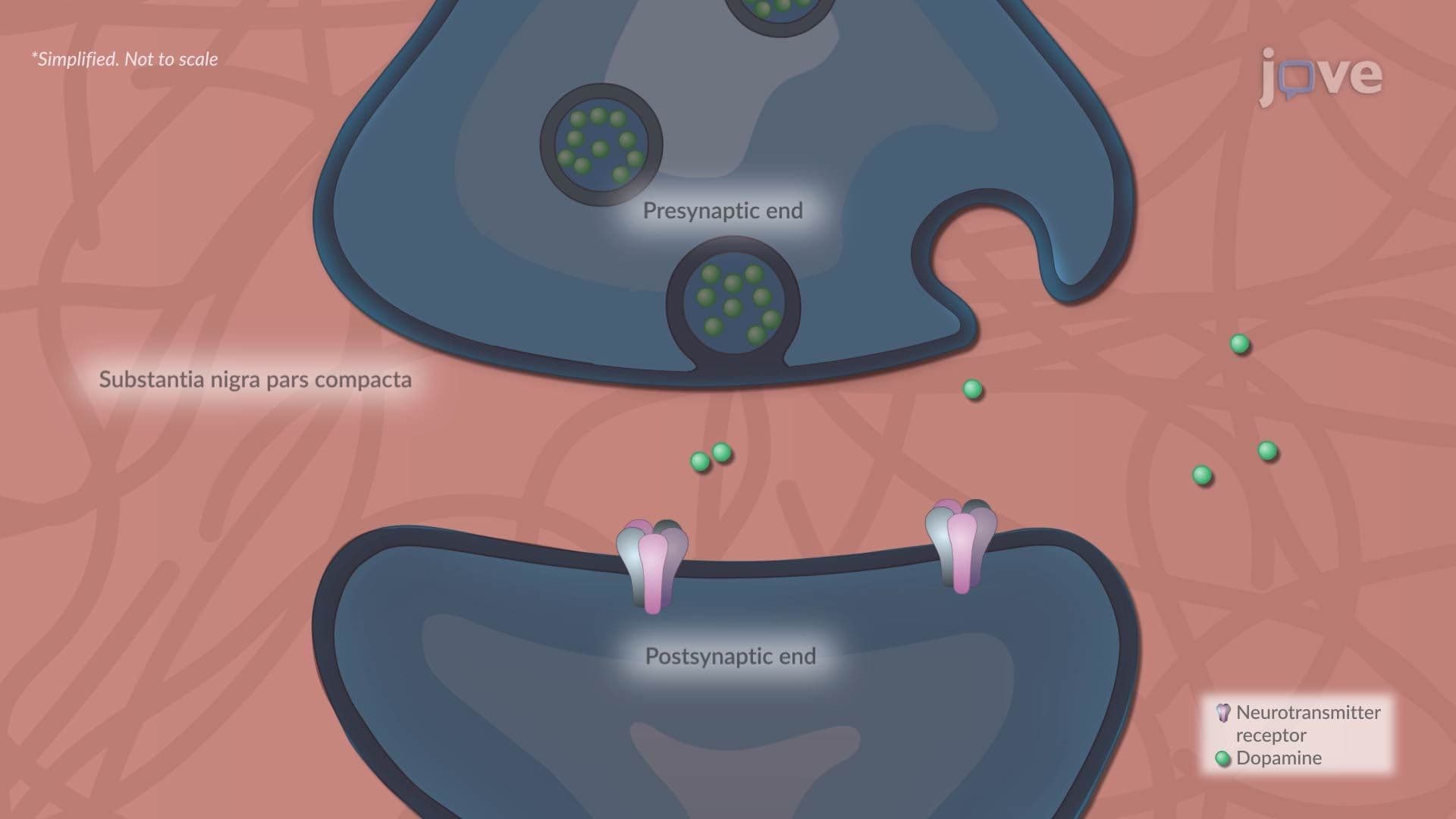

Video Summary: What Is Parkinson Disease L
Over 1 million Americans live with Parkinson Disease, yet many can't explain what's actually happening inside their brain. Parkinson Disease basics reveal a progressive breakdown of dopamine-producing neurons in the substantia nigra, disrupting movement control in the basal ganglia. At the Michael J. Fox Foundation, researchers actively study genetic mutations like LRRK2 and SNCA to unlock early intervention. Watch the full video on JoVE Coach to master this concept with expert-led visuals and step-by-step explanations.
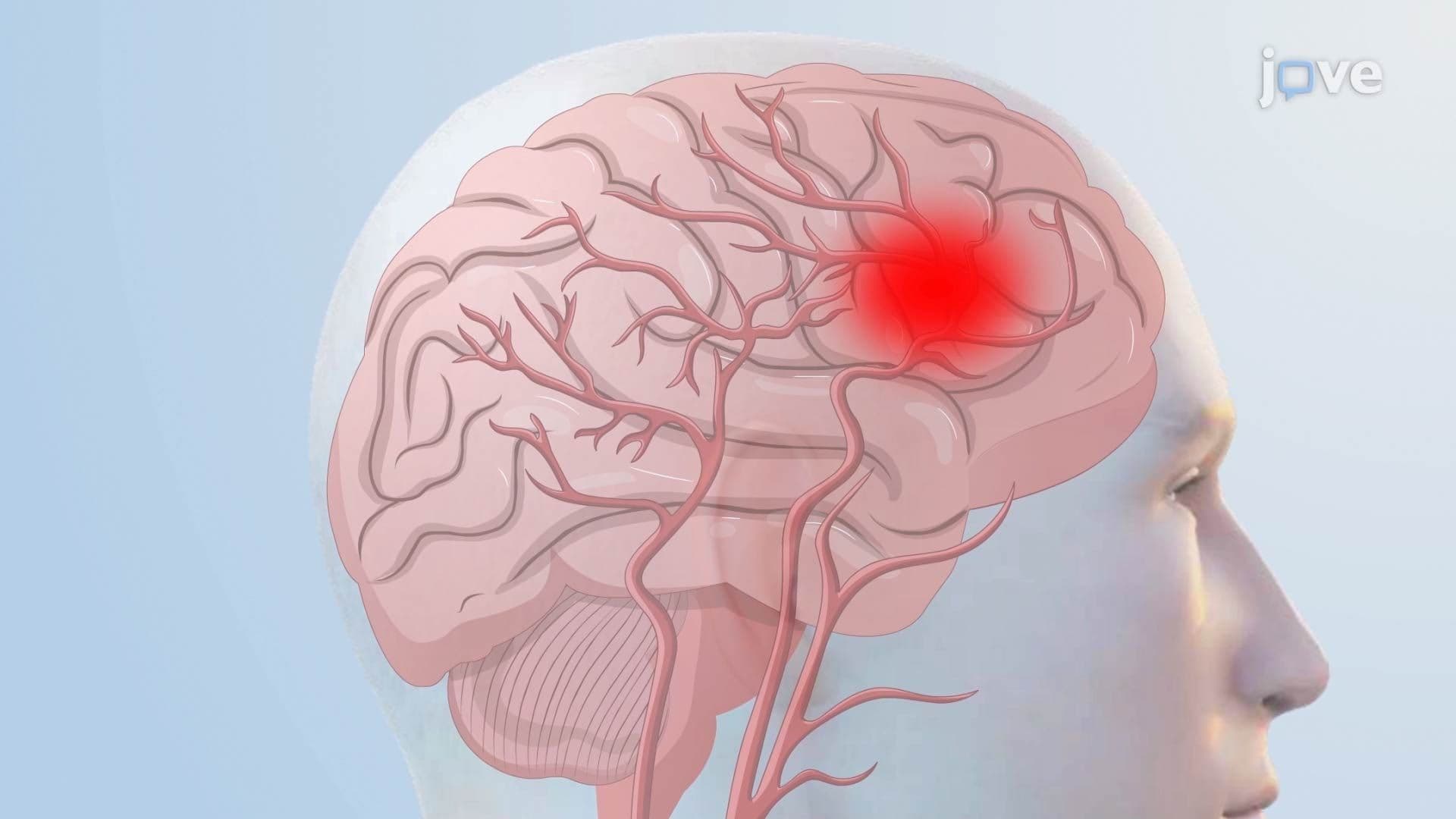
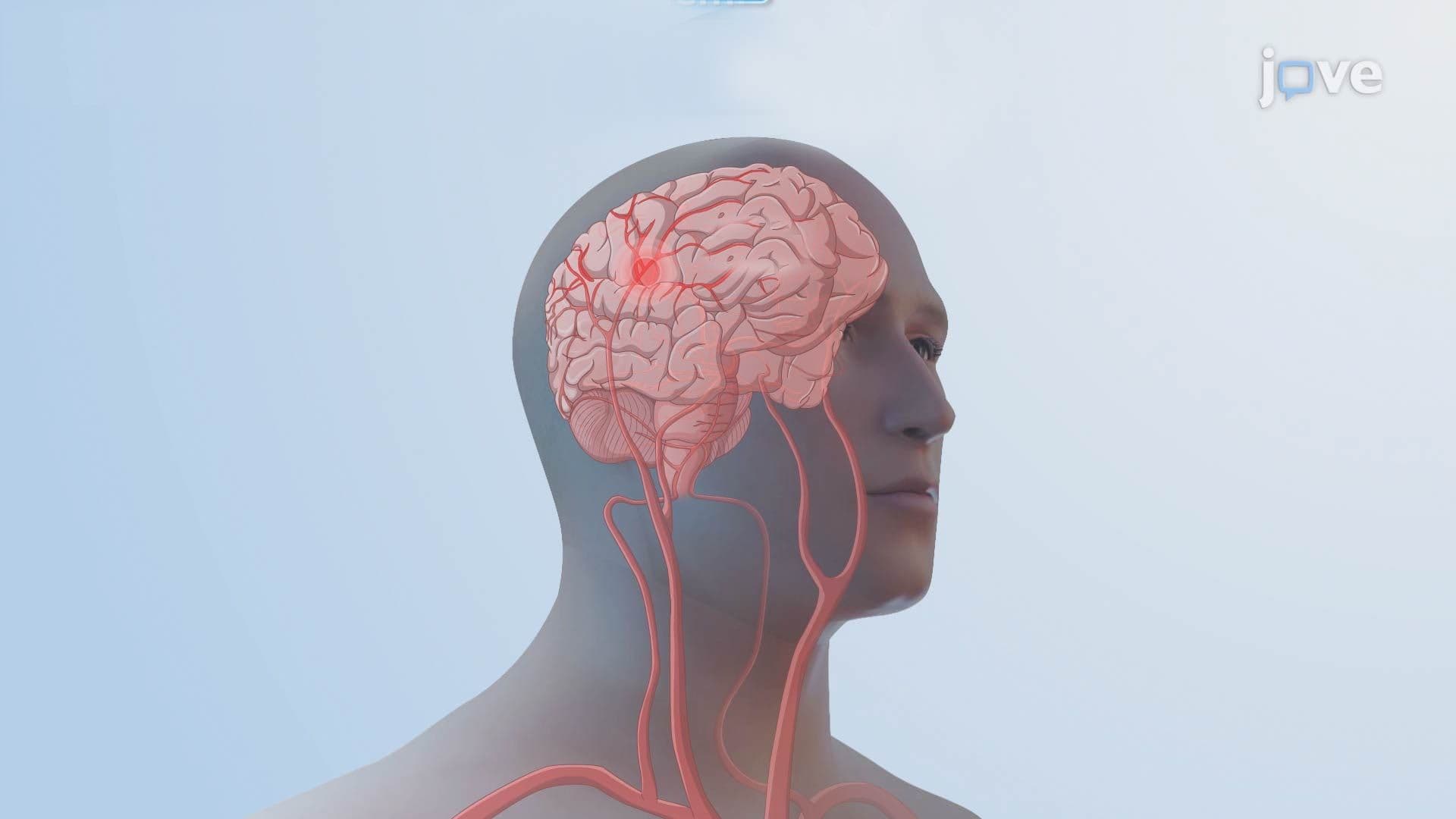
Parkinson Disease is one of the most common neurodegenerative diseases in the United States, affecting more than 1 million people and ranking second only to Alzheimer's disease in prevalence. It is a progressive disorder, meaning symptoms worsen over time as specific brain cells irreversibly break down. Unlike a stroke, which causes sudden neurological damage, Parkinson Disease develops gradually, often over years before a formal diagnosis is made. Understanding its biology is essential for students in AP Biology, college neuroscience courses, and pre-health programs preparing for exams like the MCAT or USMLE.
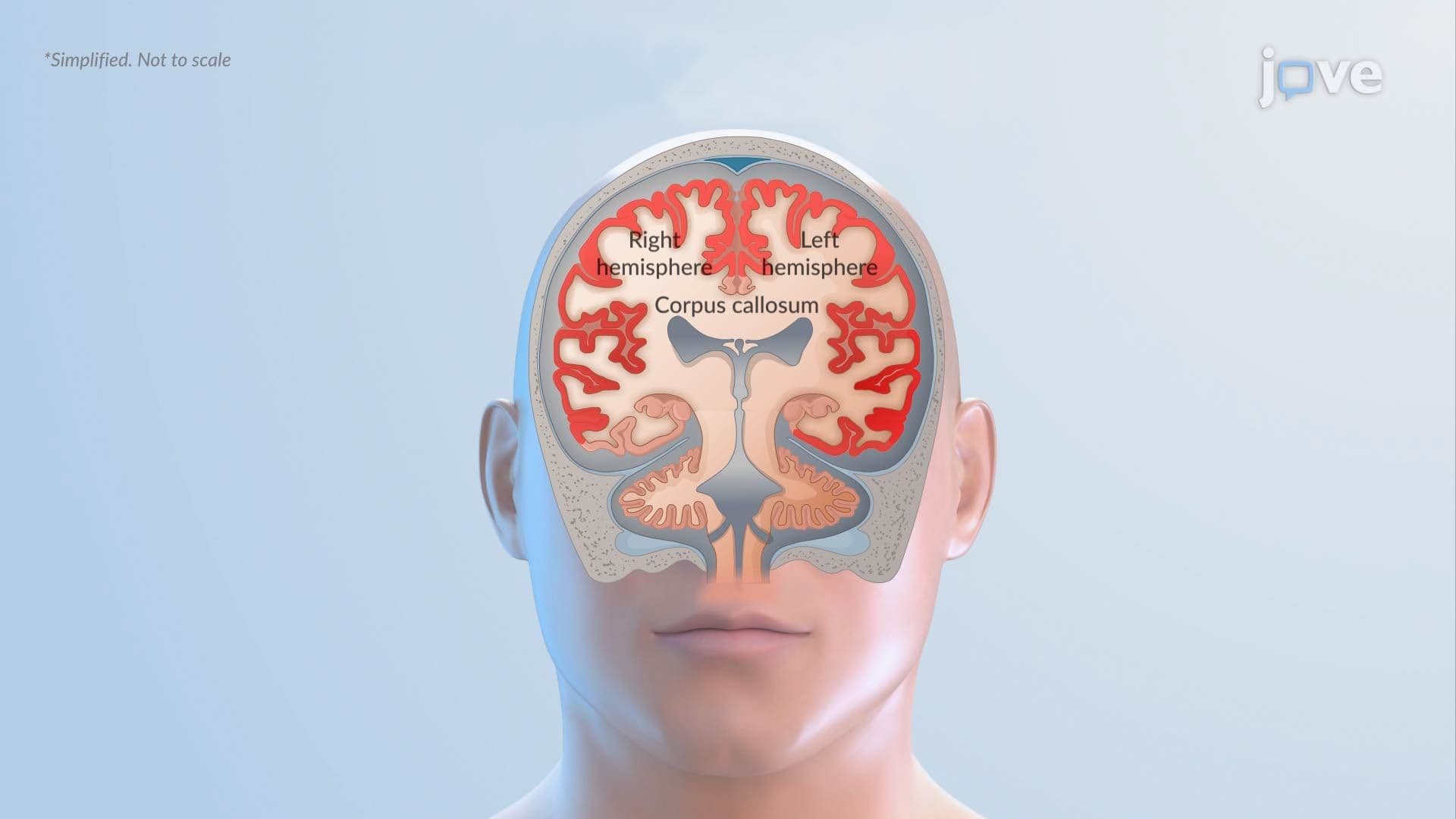
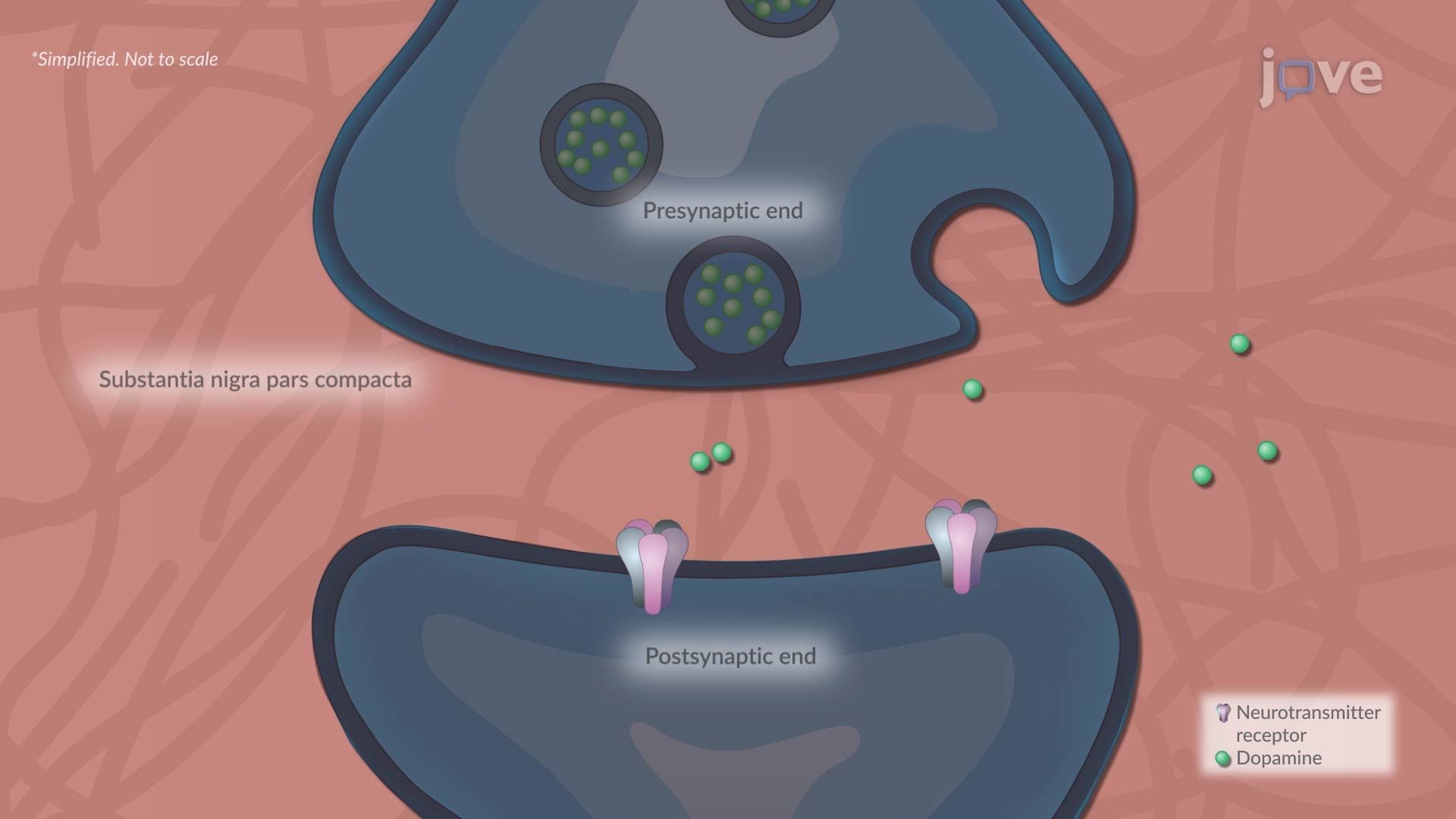
At the core of Parkinson Disease is the death of dopamine-producing neurons located in a region called the pars compacta of the substantia nigra, a small but critical structure in the midbrain. Dopamine is a neurotransmitter that helps coordinate smooth, controlled movement through a network of brain regions known as the basal ganglia motor circuit. When dopamine levels fall below roughly 80% of normal, this circuit becomes dysregulated, and the characteristic motor symptoms of Parkinson Disease emerge. This mechanism frequently appears on MCAT neuroanatomy sections and college neurophysiology midterms.
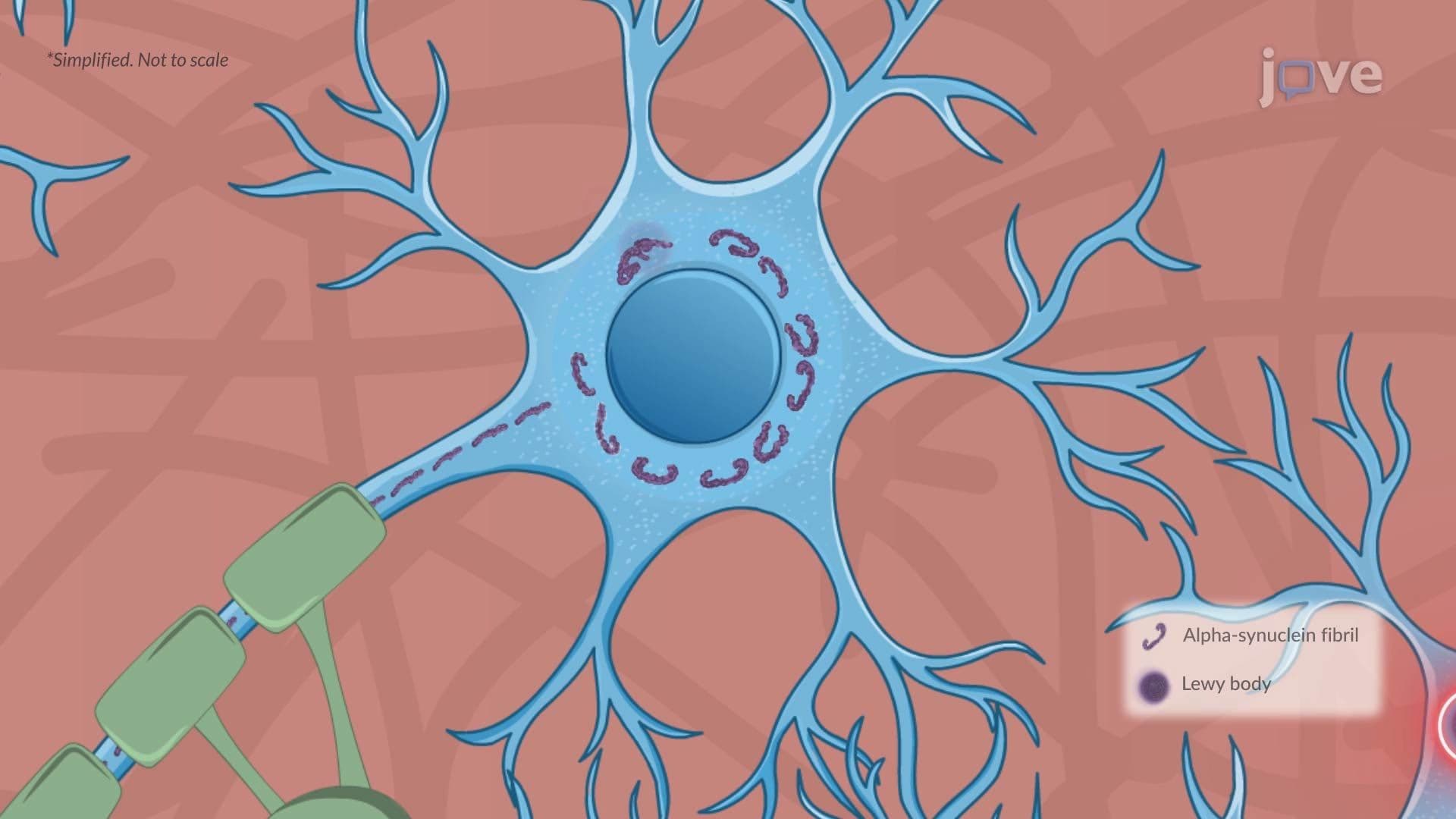
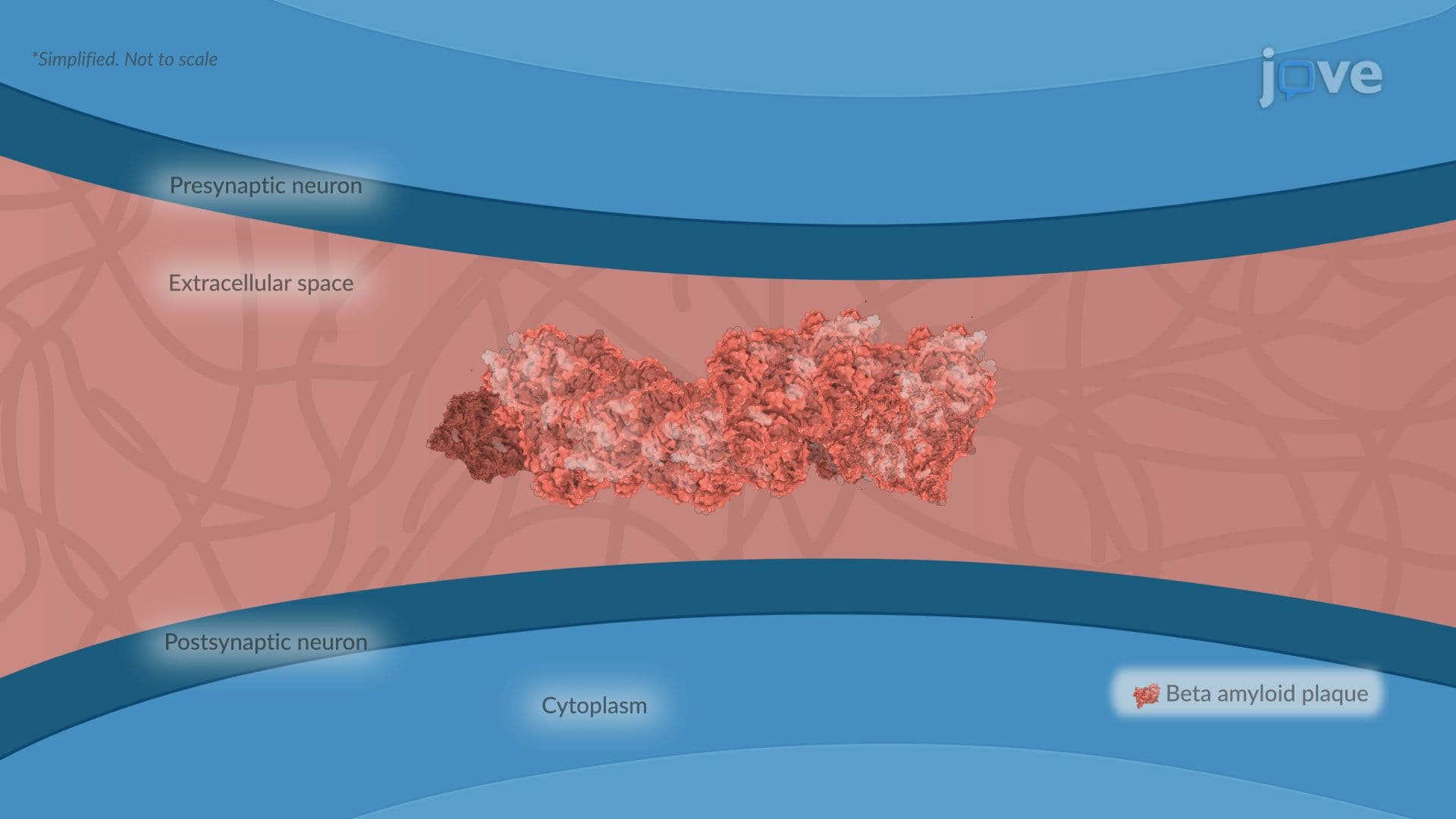
The four hallmark motor features of Parkinson Disease are resting tremor (involuntary shaking that occurs when muscles are at rest), muscle rigidity (stiffness that resists passive movement), bradykinesia (slowness of movement), and postural instability (impaired balance and coordination that develops later in the disease). Pathologically, the neurons affected in Parkinson Disease accumulate abnormal clumps of misfolded alpha-synuclein protein called Lewy bodies. These structures are a defining diagnostic marker of the disease and distinguish it from other movement disorders like essential tremor or multiple sclerosis. On USMLE Step 1 and NCLEX-style questions, recognizing Lewy bodies as the pathological hallmark is a high-yield fact.
The exact cause of Parkinson Disease remains unknown, but research strongly supports a combination of genetic predisposition and environmental triggers. Mutations in genes such as LRRK2, PINK1, DJ-1, PRKN, SNCA, and GBA have been linked to inherited and early-onset forms of the disease. However, most cases are sporadic, meaning they occur without a clear family history. Environmental factors, including long-term exposure to certain pesticides studied in California's Central Valley agricultural communities, have been associated with elevated risk. Age is the single strongest risk factor, with incidence rising sharply after 60. Males are also more frequently diagnosed than females, though the reasons remain under investigation.
In a college biology or neuroscience course, Parkinson Disease is a gateway concept that connects to larger topics: how neurological disorders are diagnosed, what distinguishes neurodegenerative diseases from demyelinating conditions like multiple sclerosis, and how genetic mutations translate into cellular dysfunction. Understanding Parkinson Disease also prepares students to think critically about epilepsy, Alzheimer's disease, and stroke, all of which involve distinct but conceptually related breakdowns in neural signaling. For AP Biology and AP Psychology students, connecting neurotransmitter function to real disorders is a recurring exam theme.
Related Micro-courses