Loading video…

 35 Concepts
 5.1K views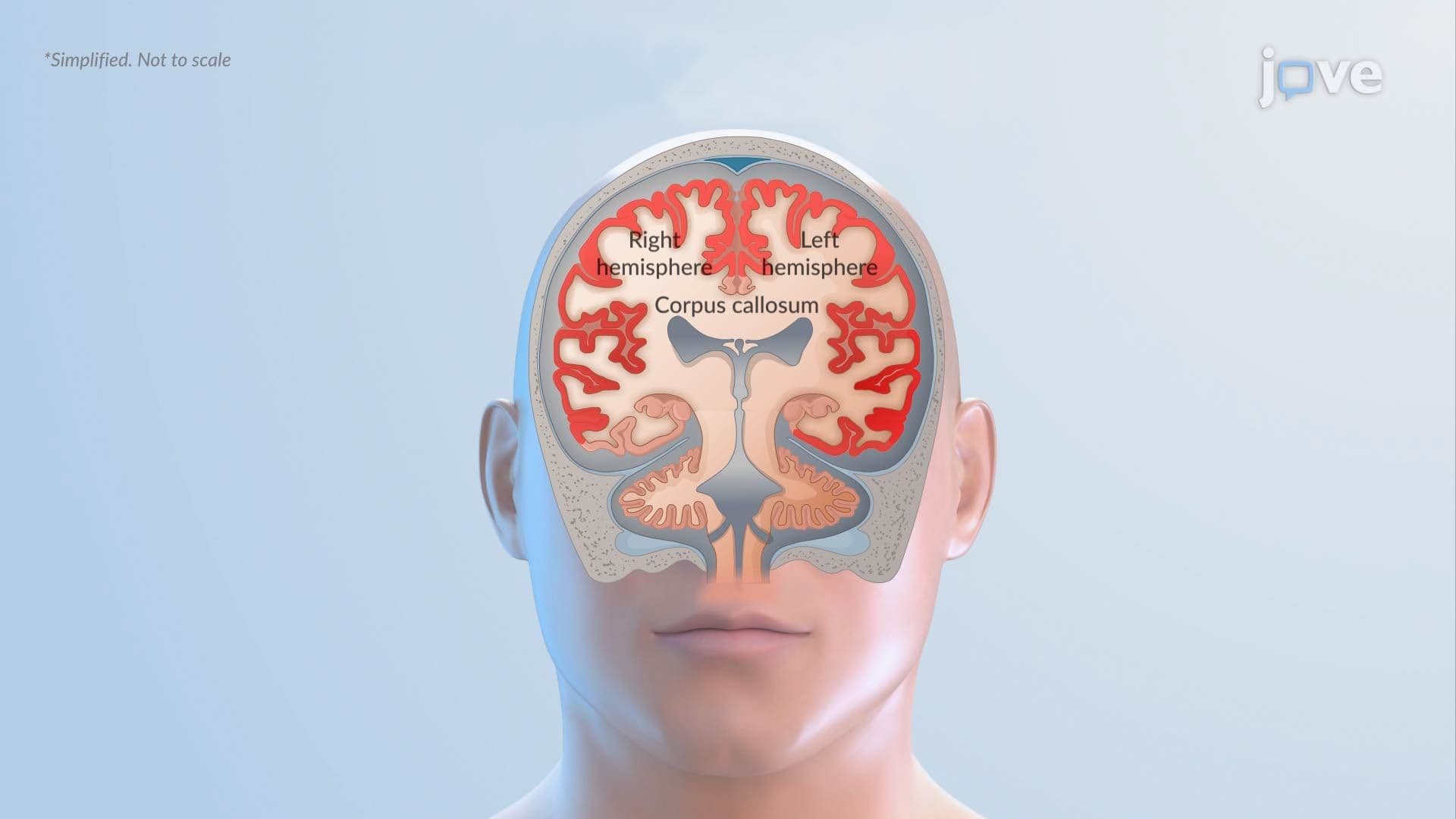

Video Summary: Types of Seizures Ll
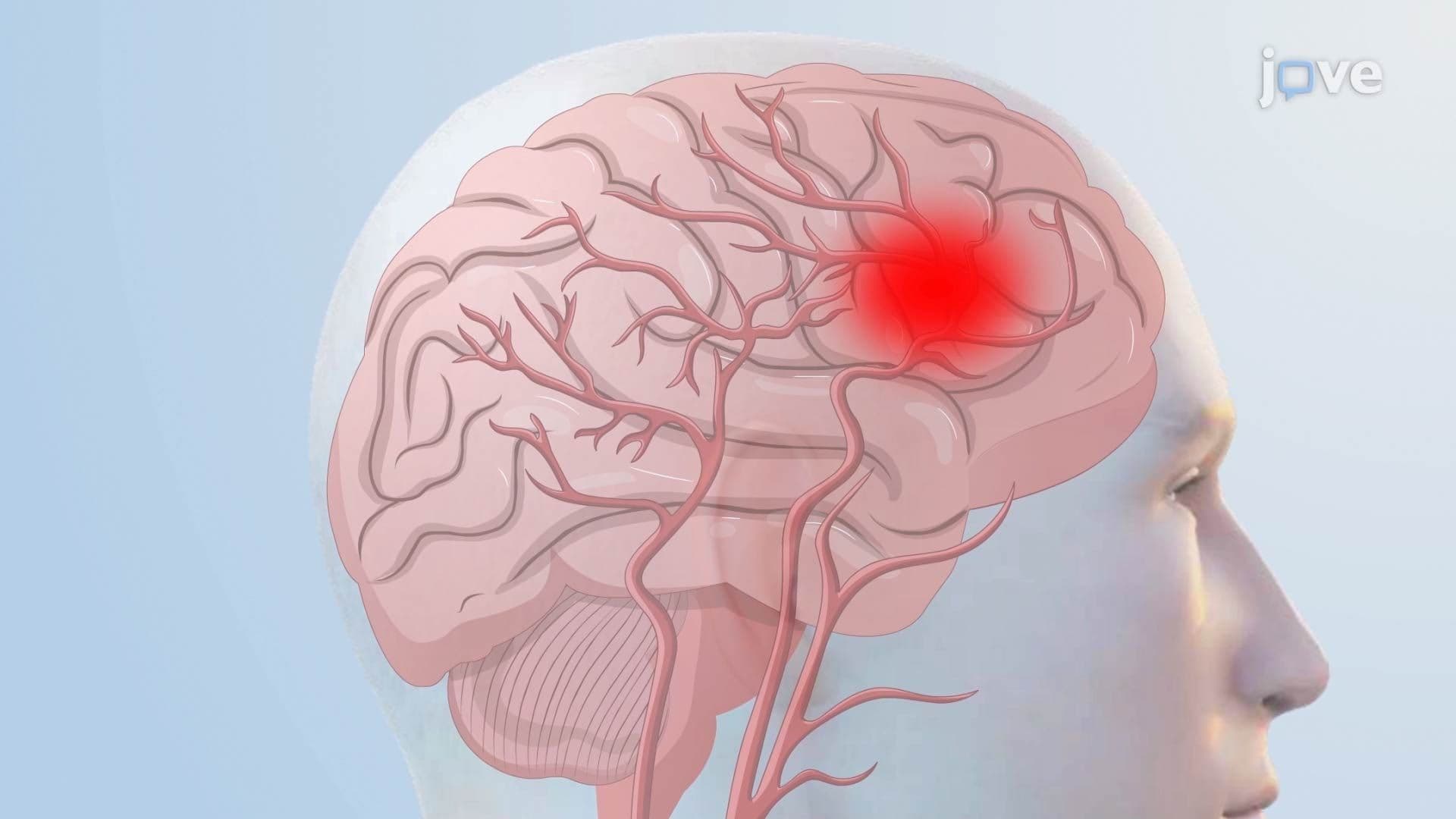
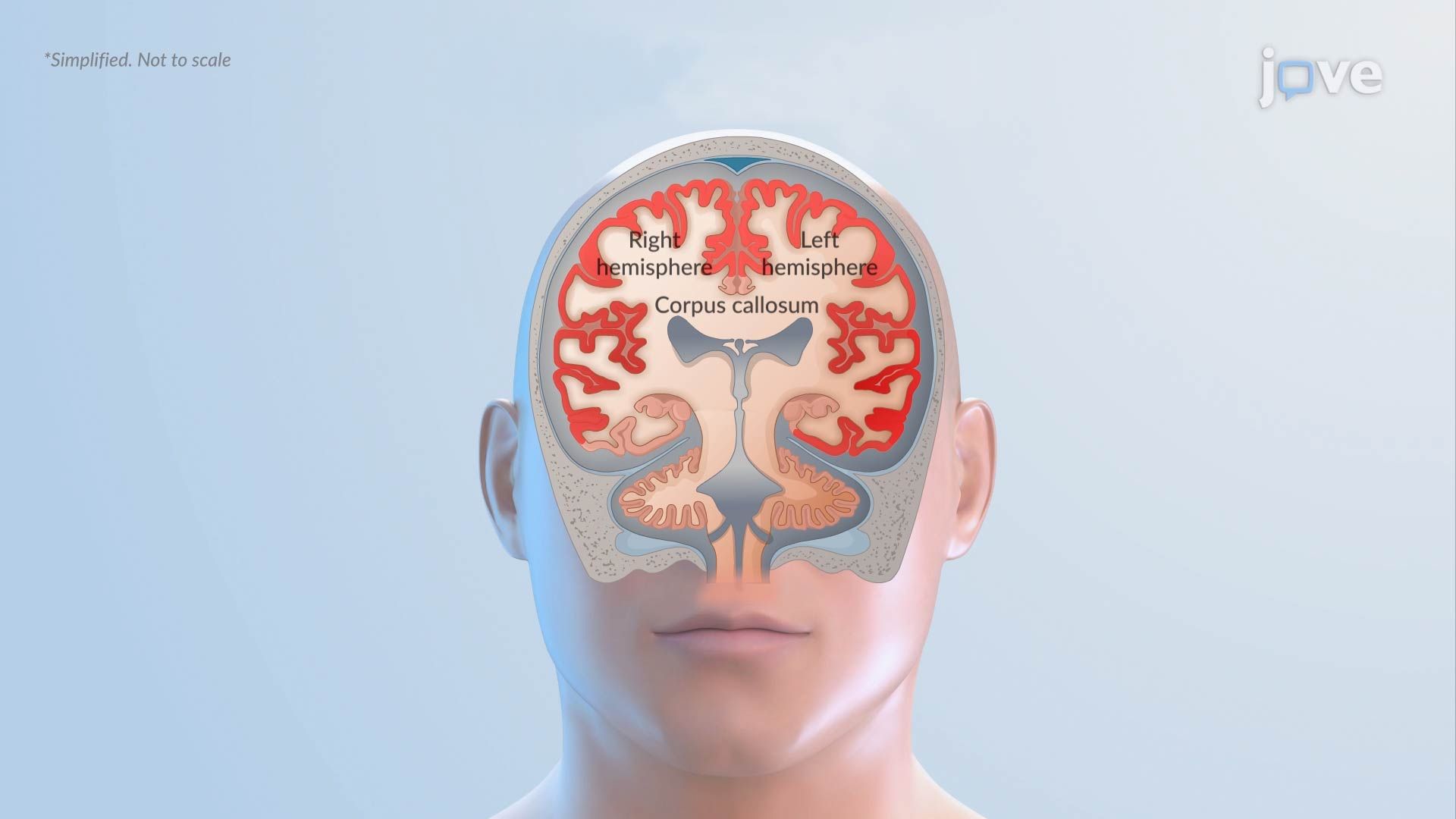
Did you know a single abnormal electrical burst in your brain can cause anything from a brief blank stare to a full-body collapse? Understanding Types of Seizures II basics helps explain why neurological events like epilepsy affect nearly 3.4 million Americans. Focal seizures start in one brain region, while generalized seizures engage both hemispheres simultaneously. Watch the full video on JoVE Coach to master this concept with expert-led visuals and step-by-step explanations.
A seizure is not a disease, it is a symptom. It occurs when a sudden surge of abnormal electrical activity disrupts the brain's normal communication patterns. Types of Seizures II dives deeper into how these events are systematically classified, why that classification matters clinically, and how each seizure type presents differently in real patients. For students studying neurology, biology, or allied health, this framework is foundational.
Focal seizures originate in a specific brain region, the frontal lobe, temporal lobe, or elsewhere, and their symptoms directly reflect that region's function. When awareness is preserved (formerly called "simple partial"), a person remains conscious but may experience sensory disturbances: tingling sensations, visual auras like flashing lights, or phantom smells. These sensory warnings are clinically called auras and often signal an oncoming larger event.
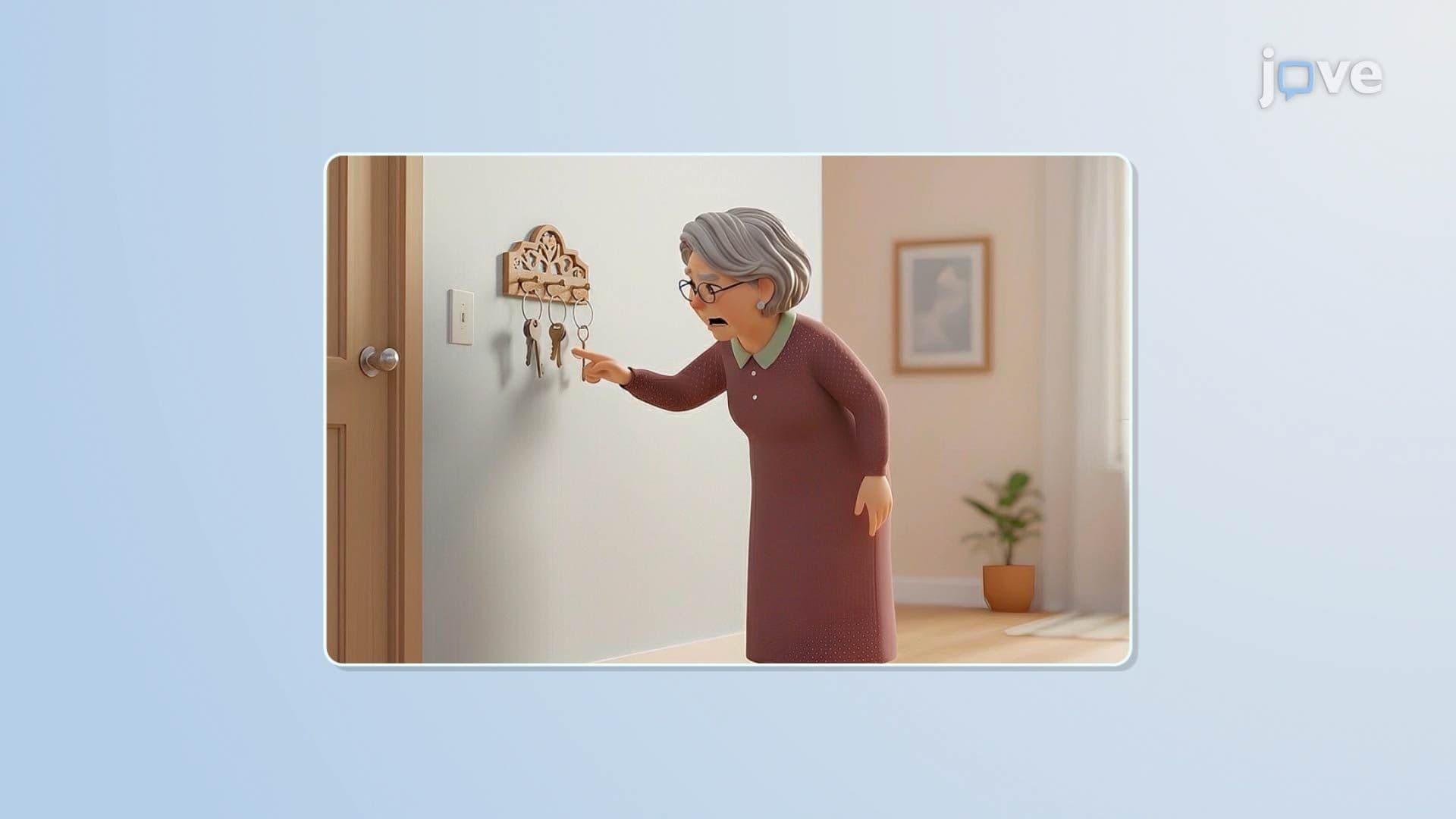
When awareness is impaired (formerly "complex partial"), the individual may stare blankly or engage in automatic, repetitive behaviors called automatisms, such as lip-smacking, hand-rubbing, or repetitive speech. These episodes frequently arise from the temporal lobe and are commonly associated with temporal lobe epilepsy, one of the most prevalent epilepsy syndromes seen at US neurology centers like the Cleveland Clinic Epilepsy Center.
Some focal seizures do not stay localized. They can spread bilaterally, evolving into focal to bilateral tonic-clonic seizures, starting on one side, then progressing to the full-body stiffening and rhythmic jerking characteristic of a tonic-clonic event. This distinction is critical on exams: the origin determines the classification, not the endpoint.
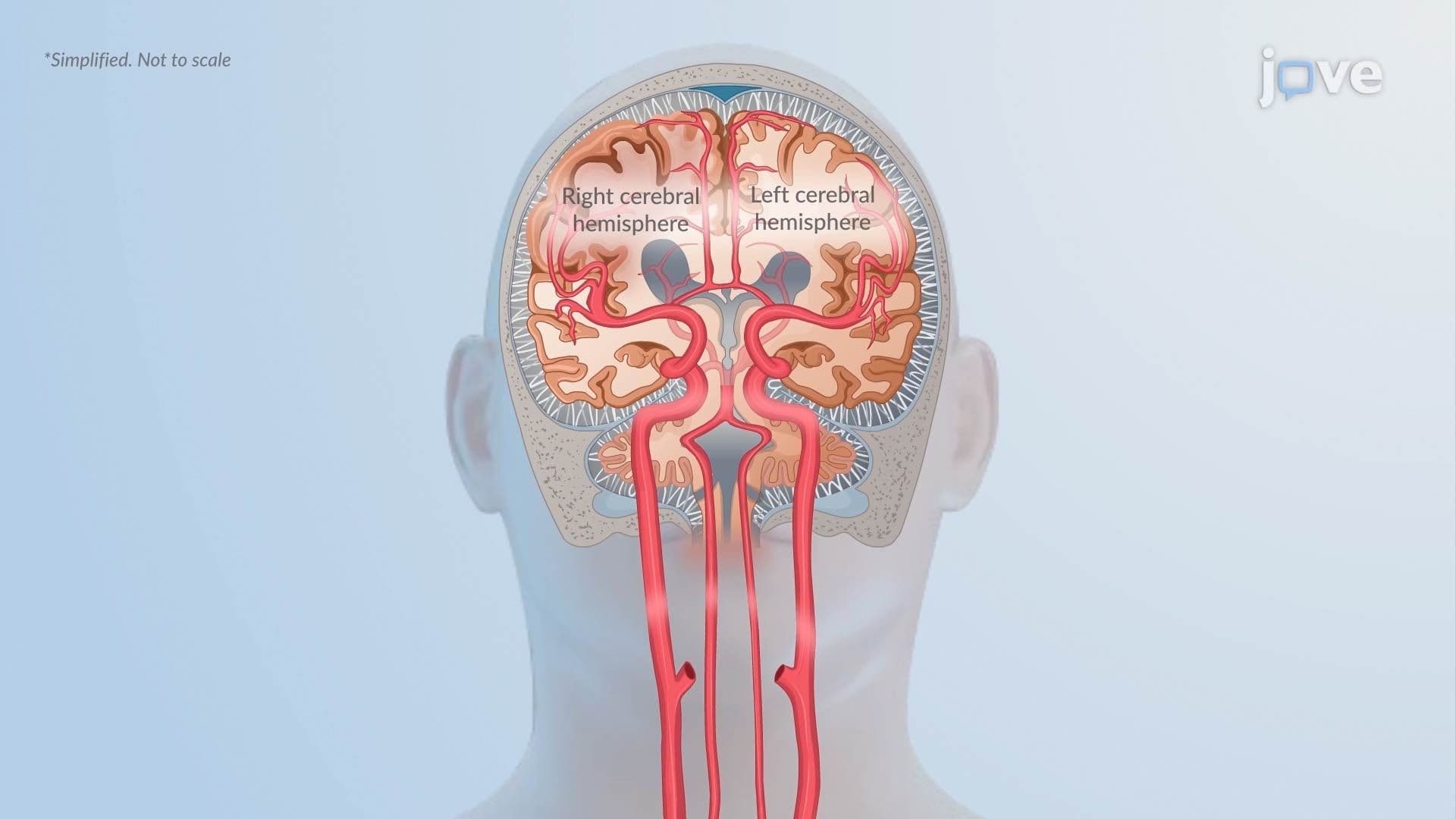
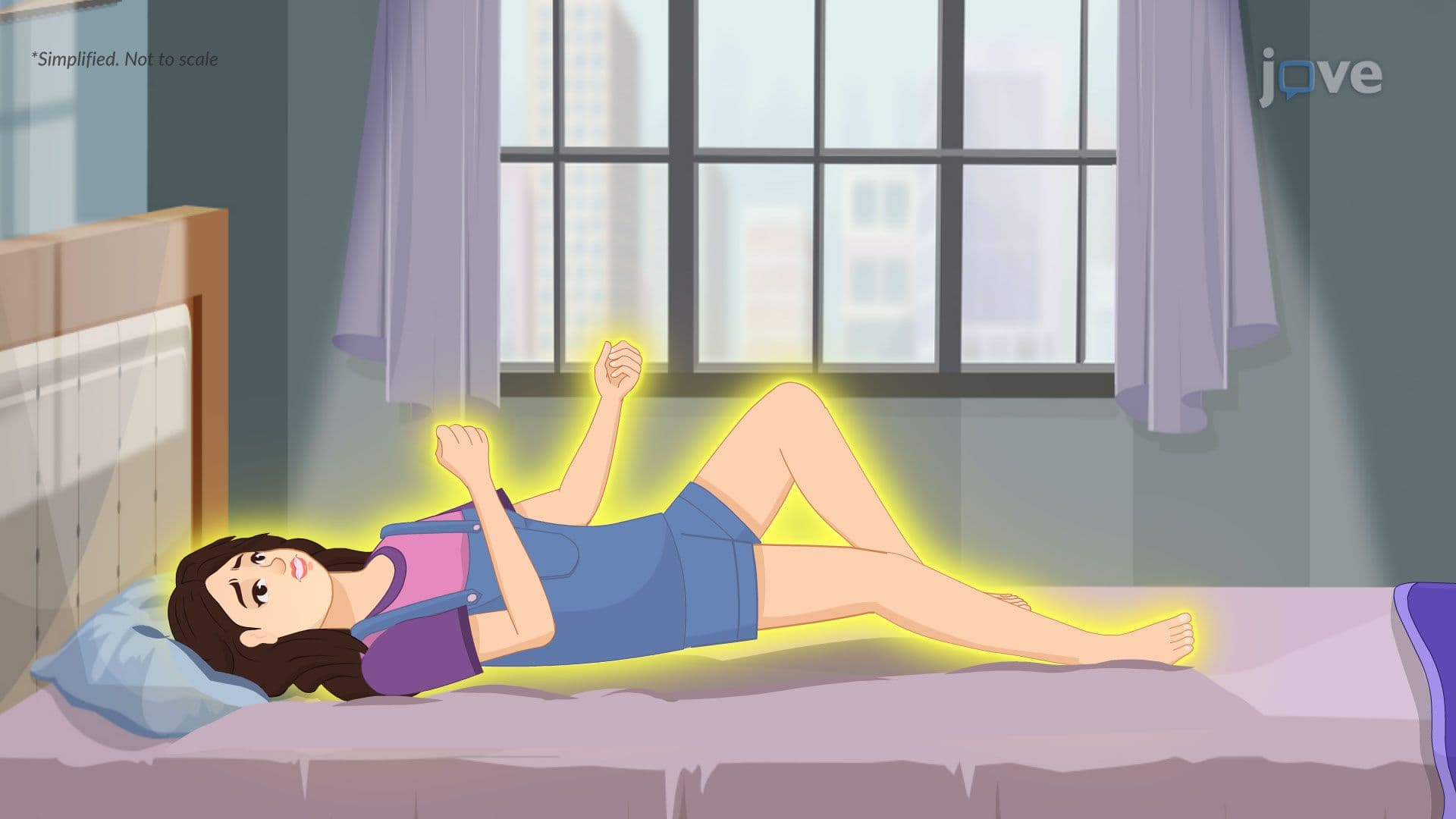
Generalized seizures involve both cerebral hemispheres simultaneously from the very beginning, which is why awareness is always impaired, there is no "preserved awareness" subtype here. This group includes several distinct seizure types:
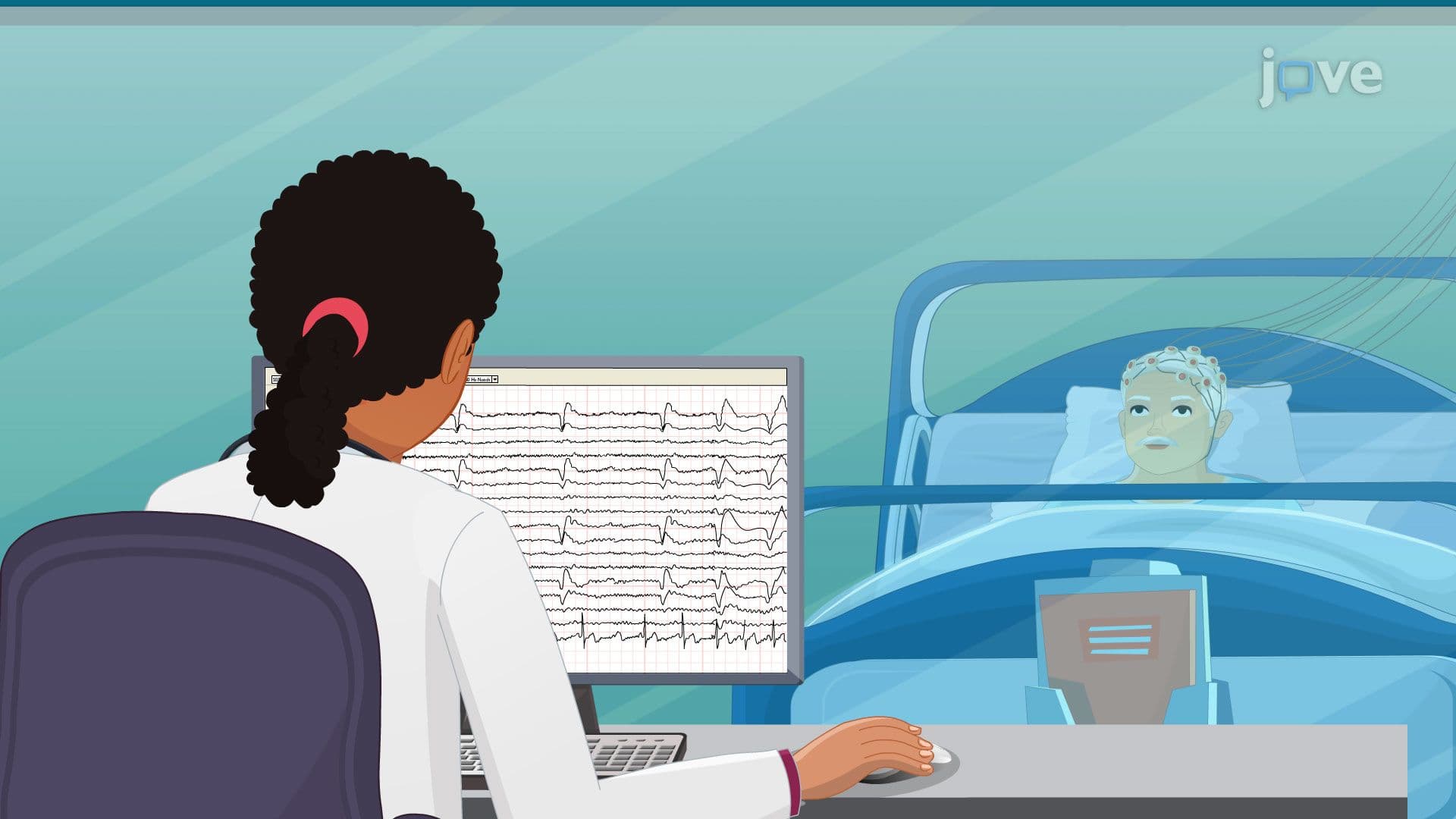
Seizures rarely occur in isolation. They are associated with epilepsy, stroke, brain tumors, Alzheimer's disease, and infections like meningitis. Conditions such as Parkinson's disease and multiple sclerosis involve widespread neurological disruption, and while seizures are less central to these, understanding how neurological disorders are diagnosed, through EEG, MRI, and clinical history, is essential context. In the US, the Epilepsy Foundation estimates that 1 in 26 Americans will develop epilepsy in their lifetime, making seizure classification a genuinely high-stakes clinical skill.
On the AP Biology and AP Psychology exams, students are expected to understand how the nervous system regulates body function and what happens when that regulation breaks down. On the MCAT, seizure disorders appear in the neuroscience and behavior section, often through clinical vignettes. NCLEX and HESI A2 candidates must distinguish seizure types to prioritize patient safety responses. Mastering these classifications, focal versus generalized, awareness preserved versus impaired, gives students a decisive edge across all these assessments.
Related Micro-courses