Loading video…

 35 Concepts
 5.1K views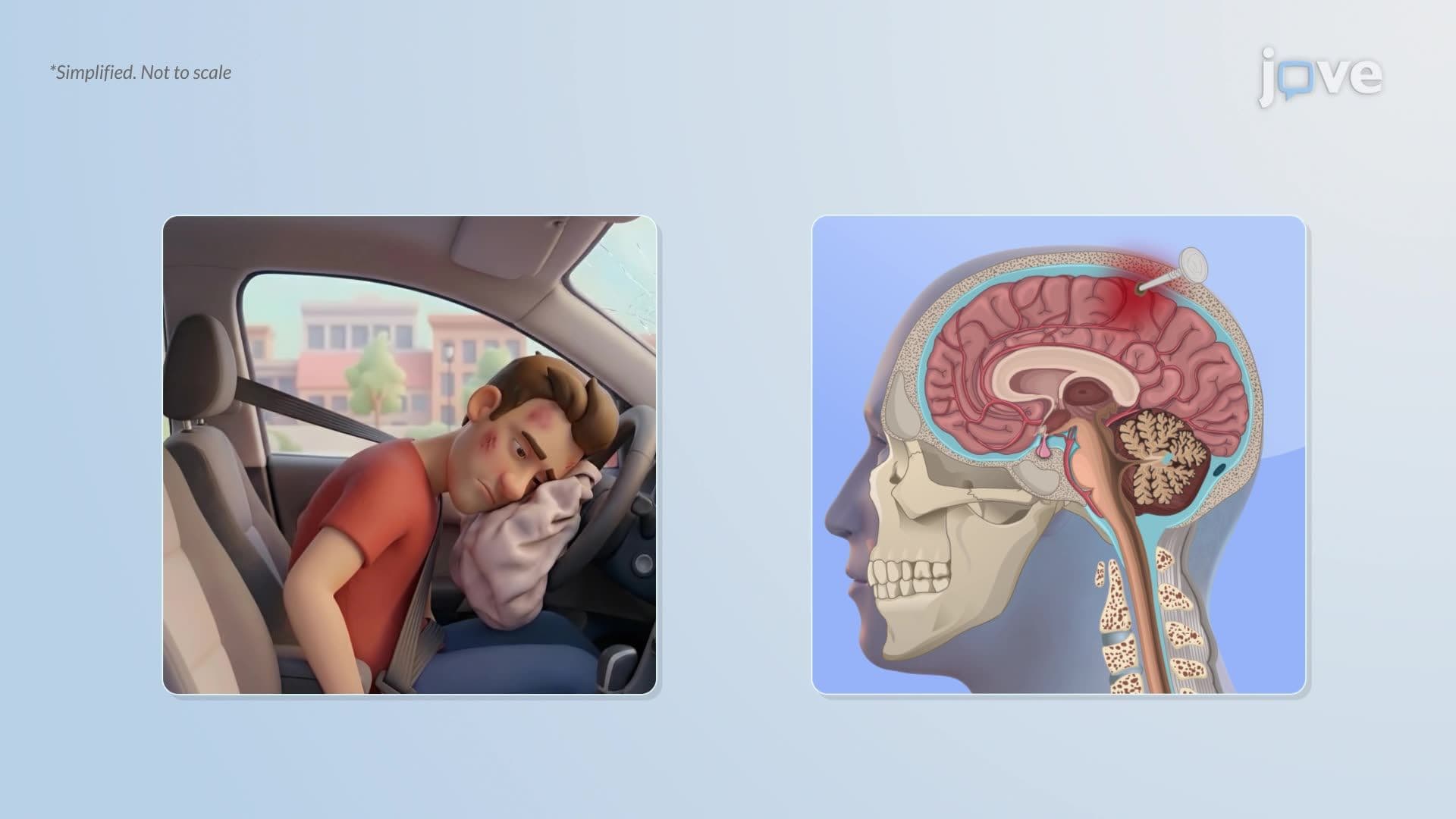

Video Summary: What Is Traumatic Brain Injury L
Every 15 seconds, someone in the United States sustains a traumatic brain injury, yet most people don't realize how differently it can affect the brain depending on severity. Traumatic Brain Injury L covers how external mechanical forces disrupt normal brain function, from mild concussions common in high school football to severe injuries caused by major falls. The Glasgow Coma Scale helps clinicians classify injury severity at the bedside. Watch the full video on JoVE Coach to master this concept with expert-led visuals and step-by-step explanations.
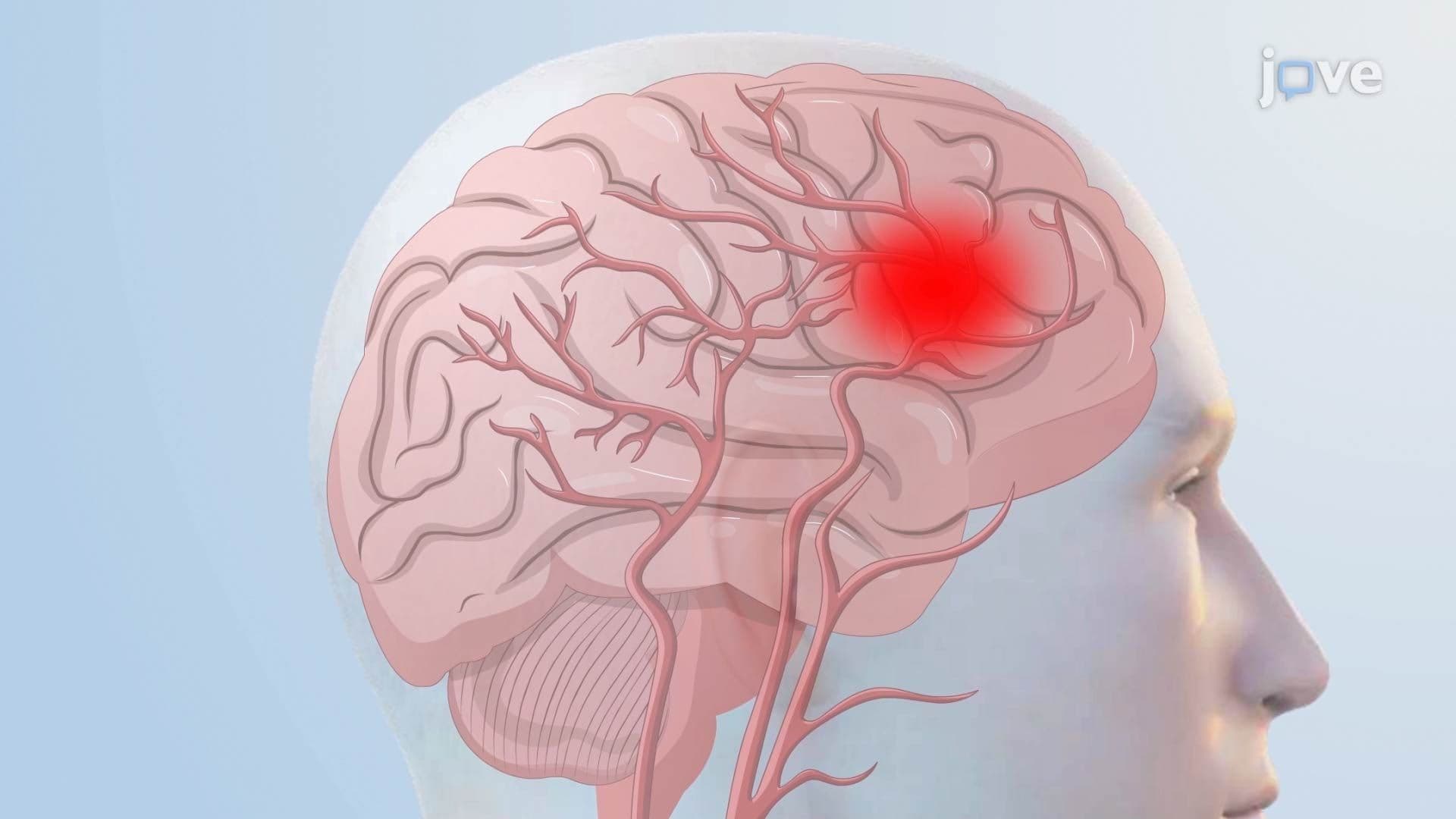
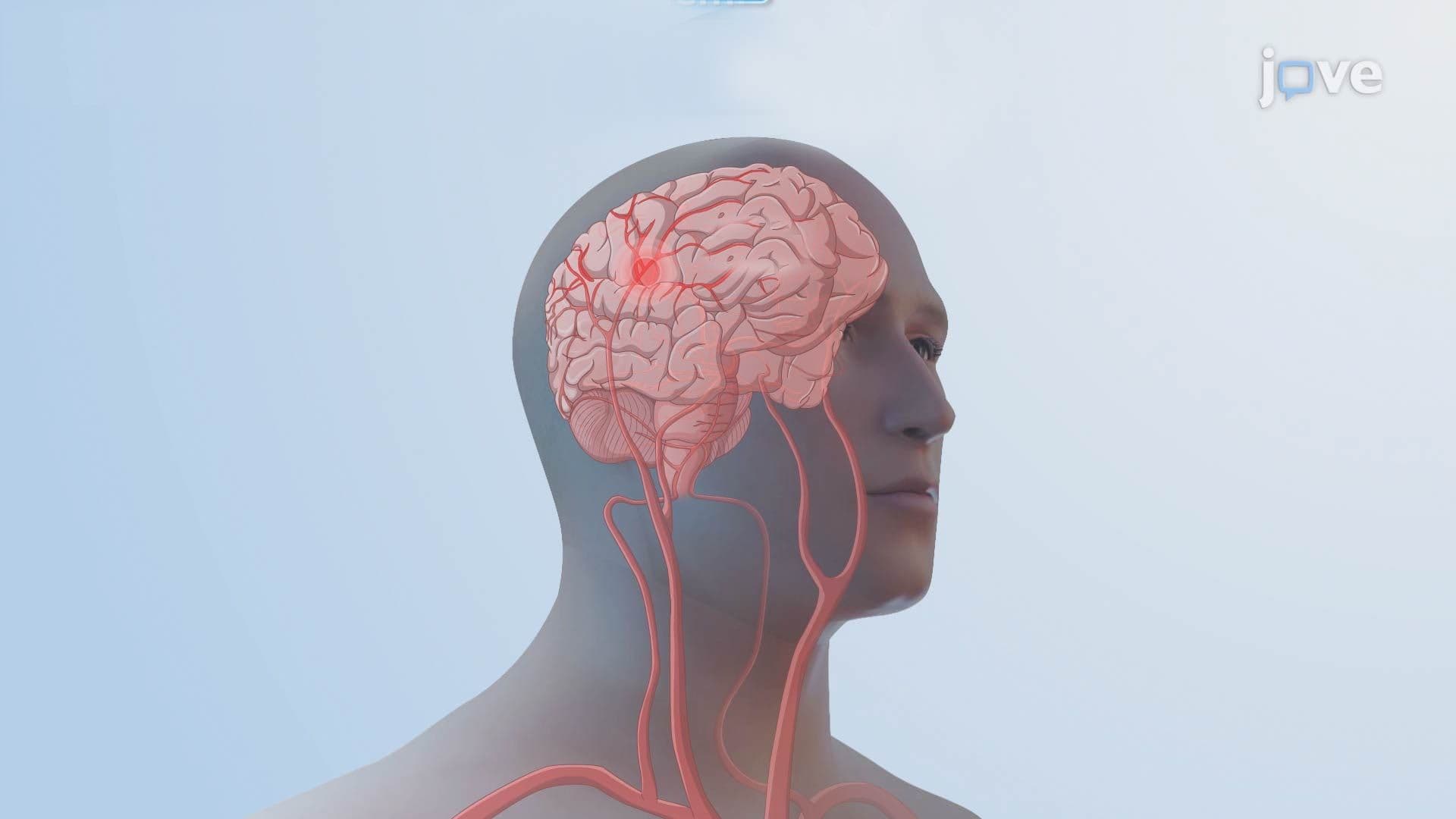
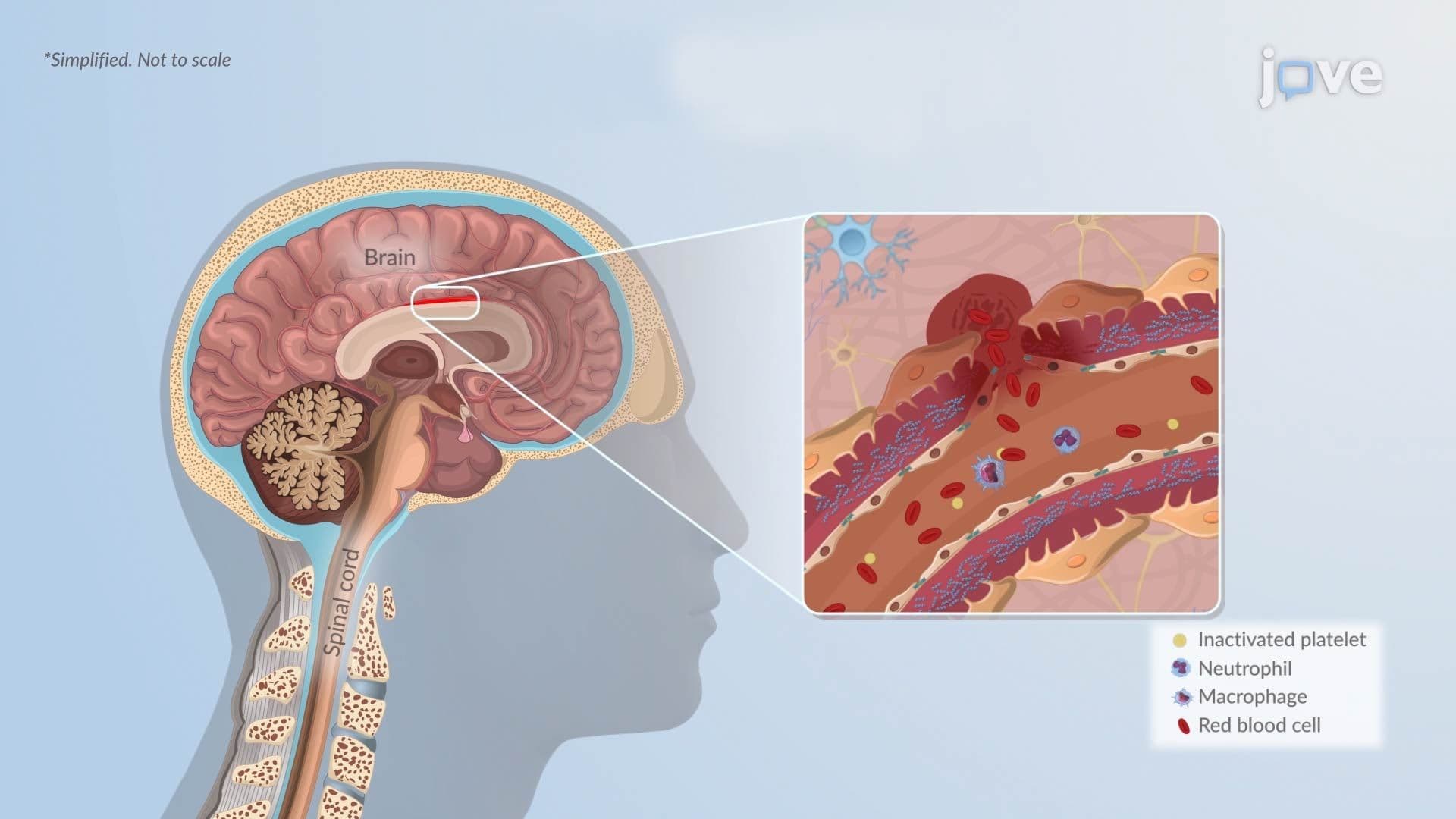
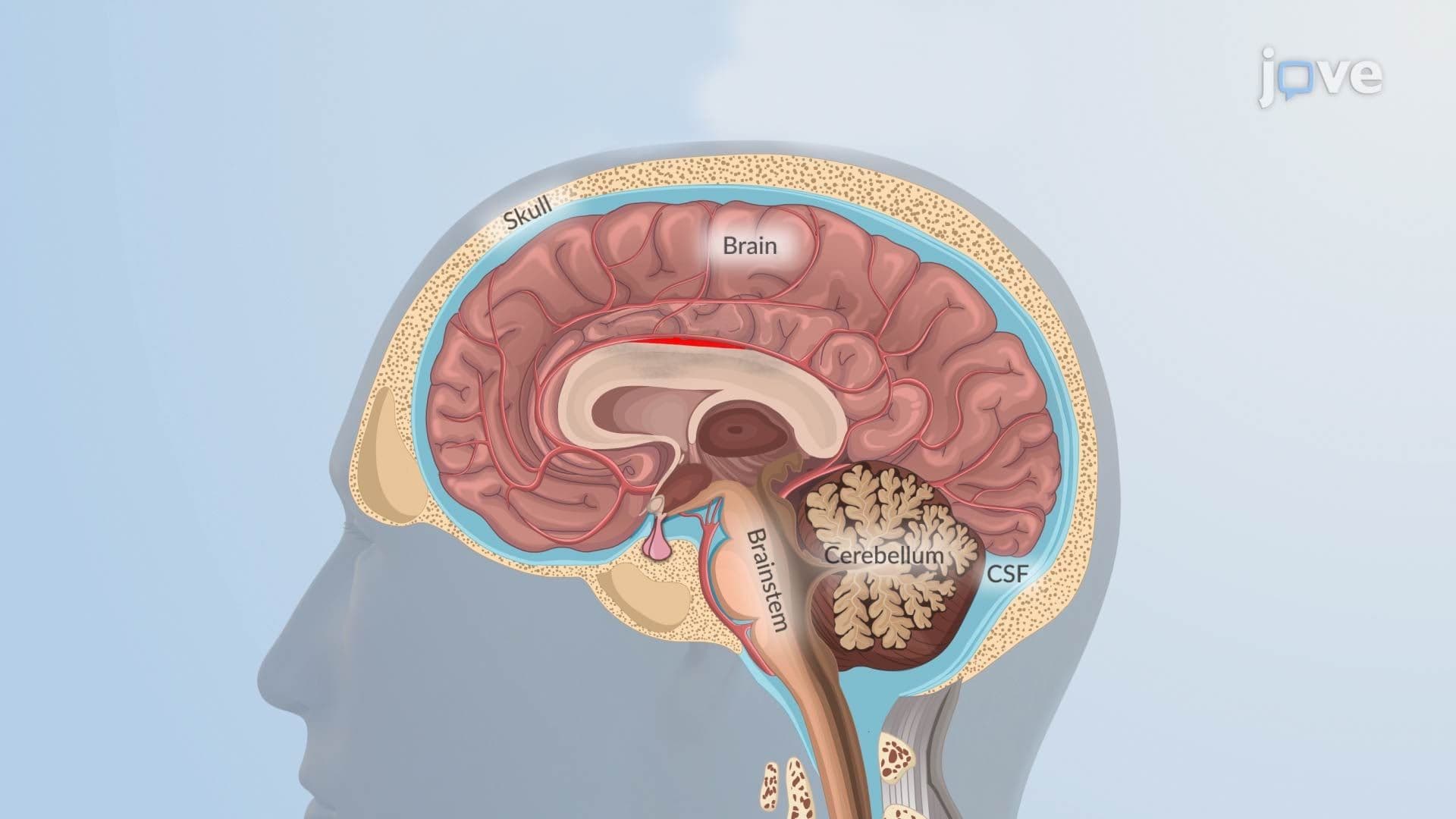
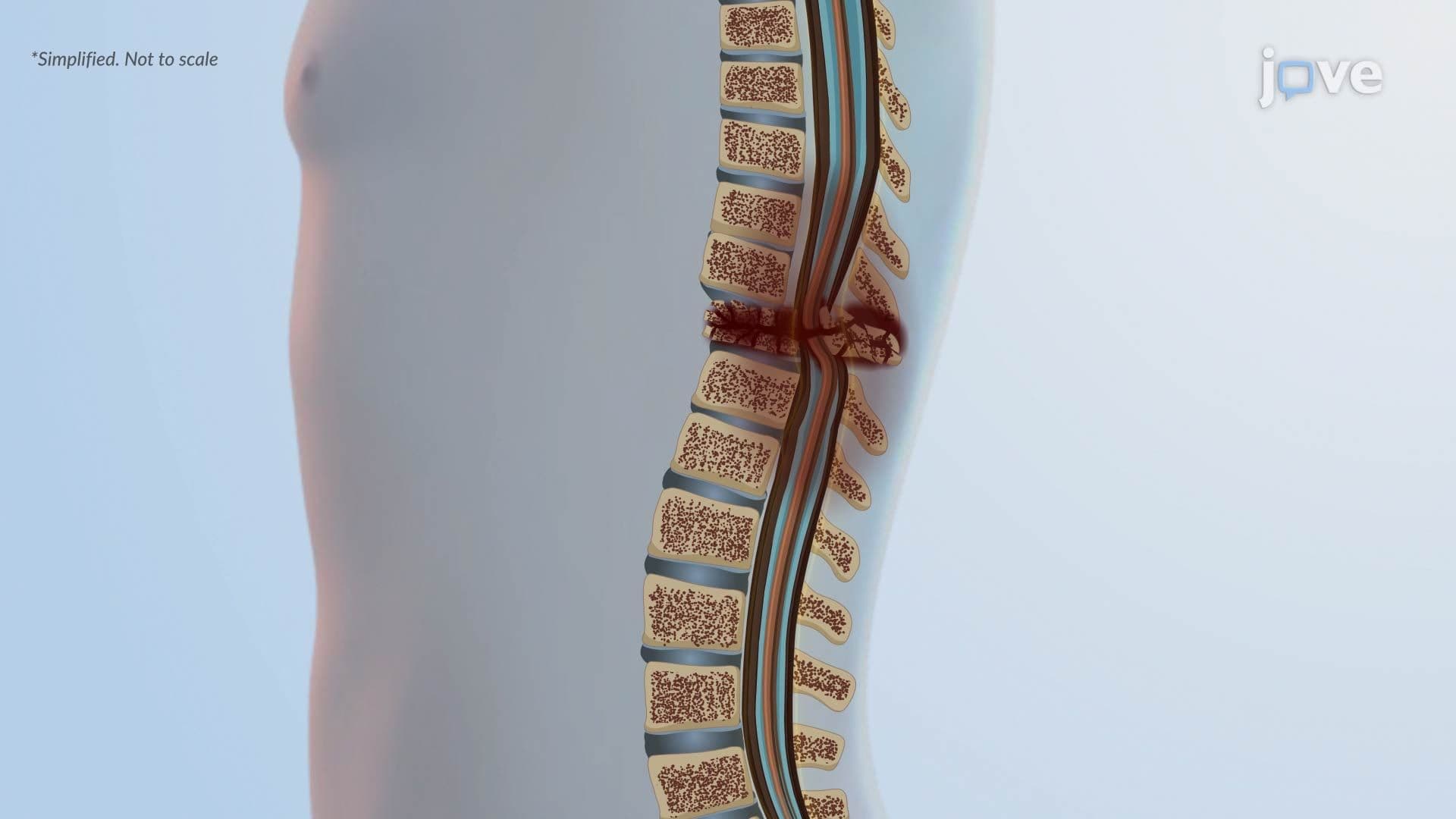
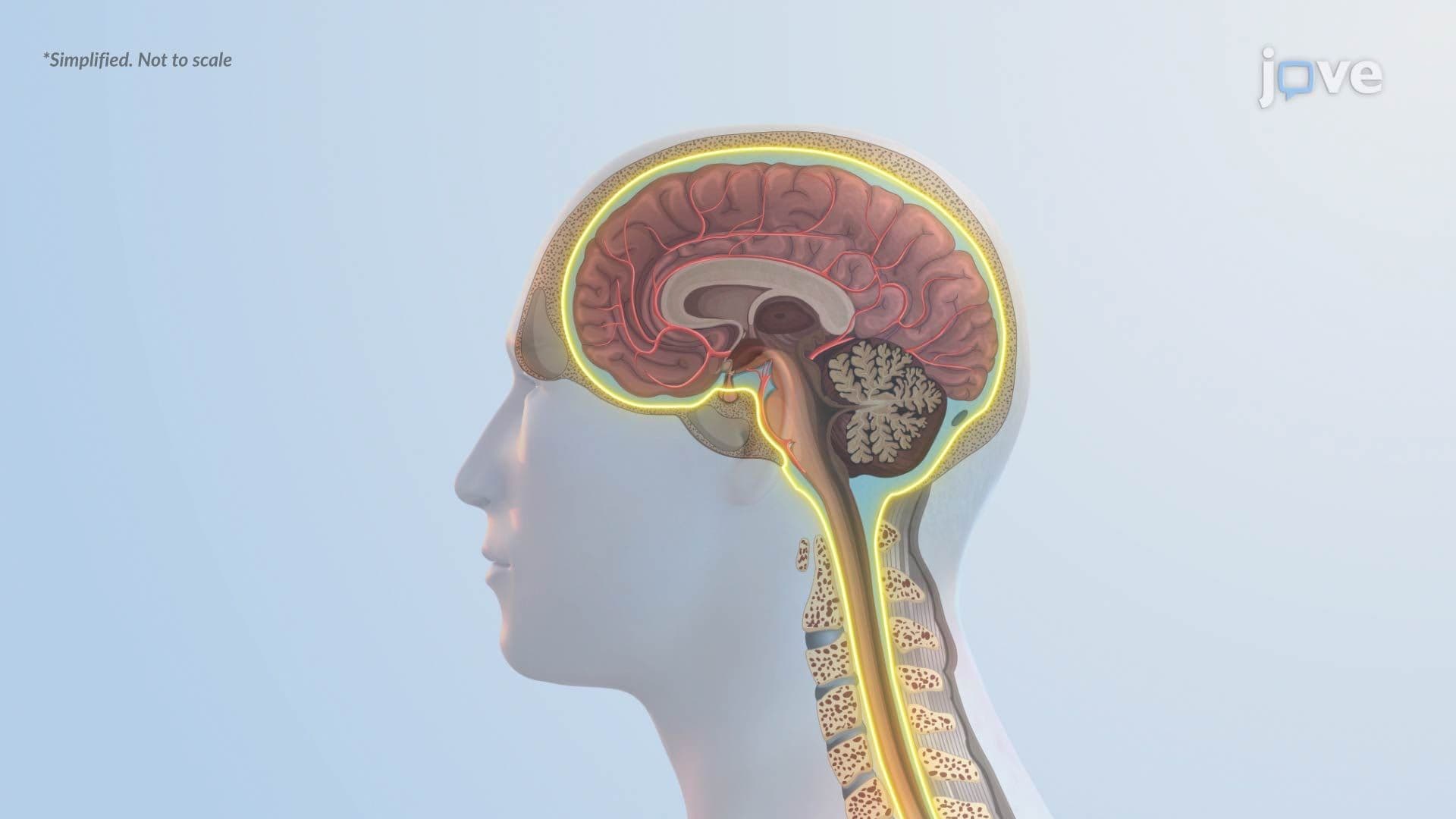
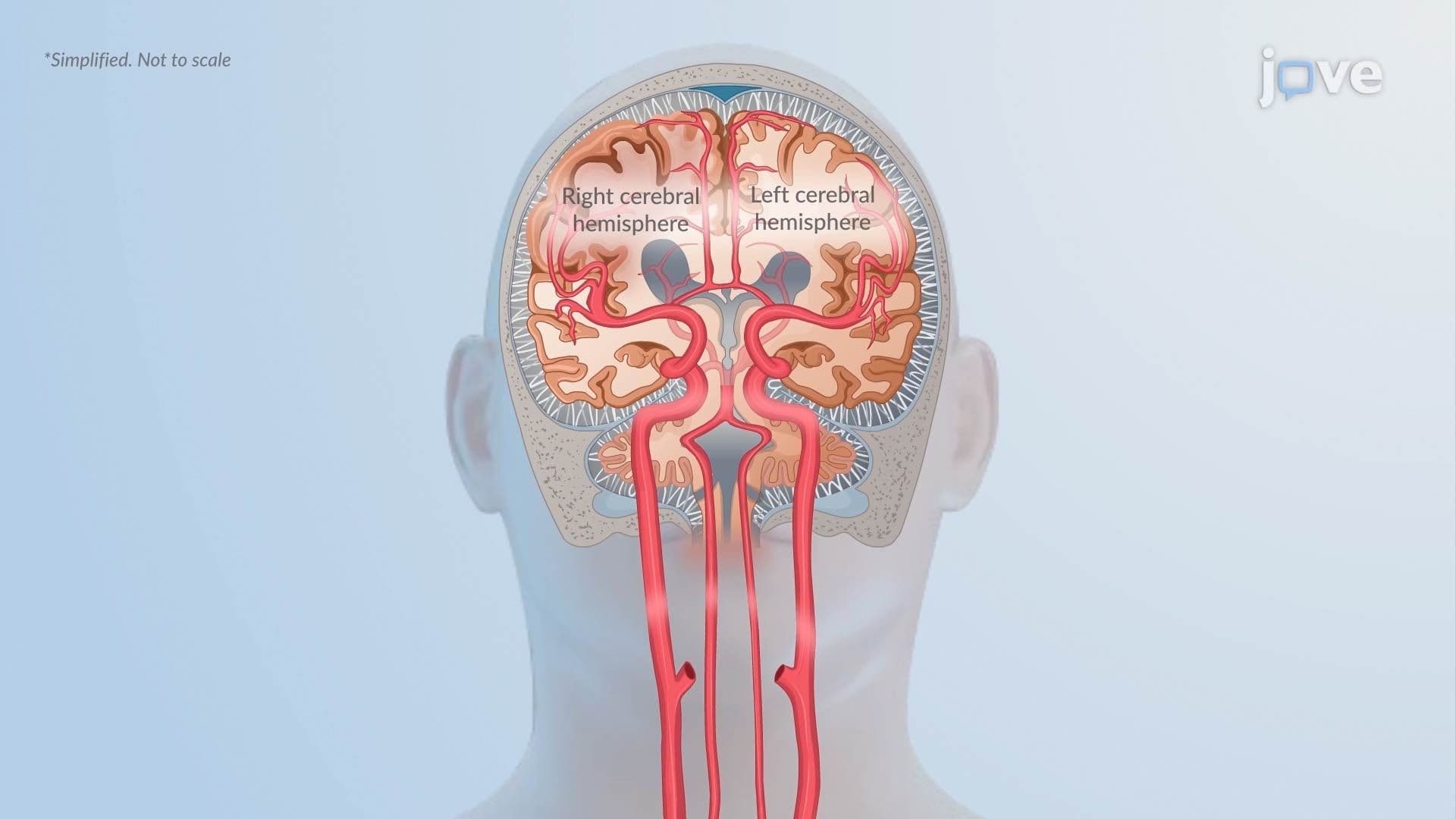
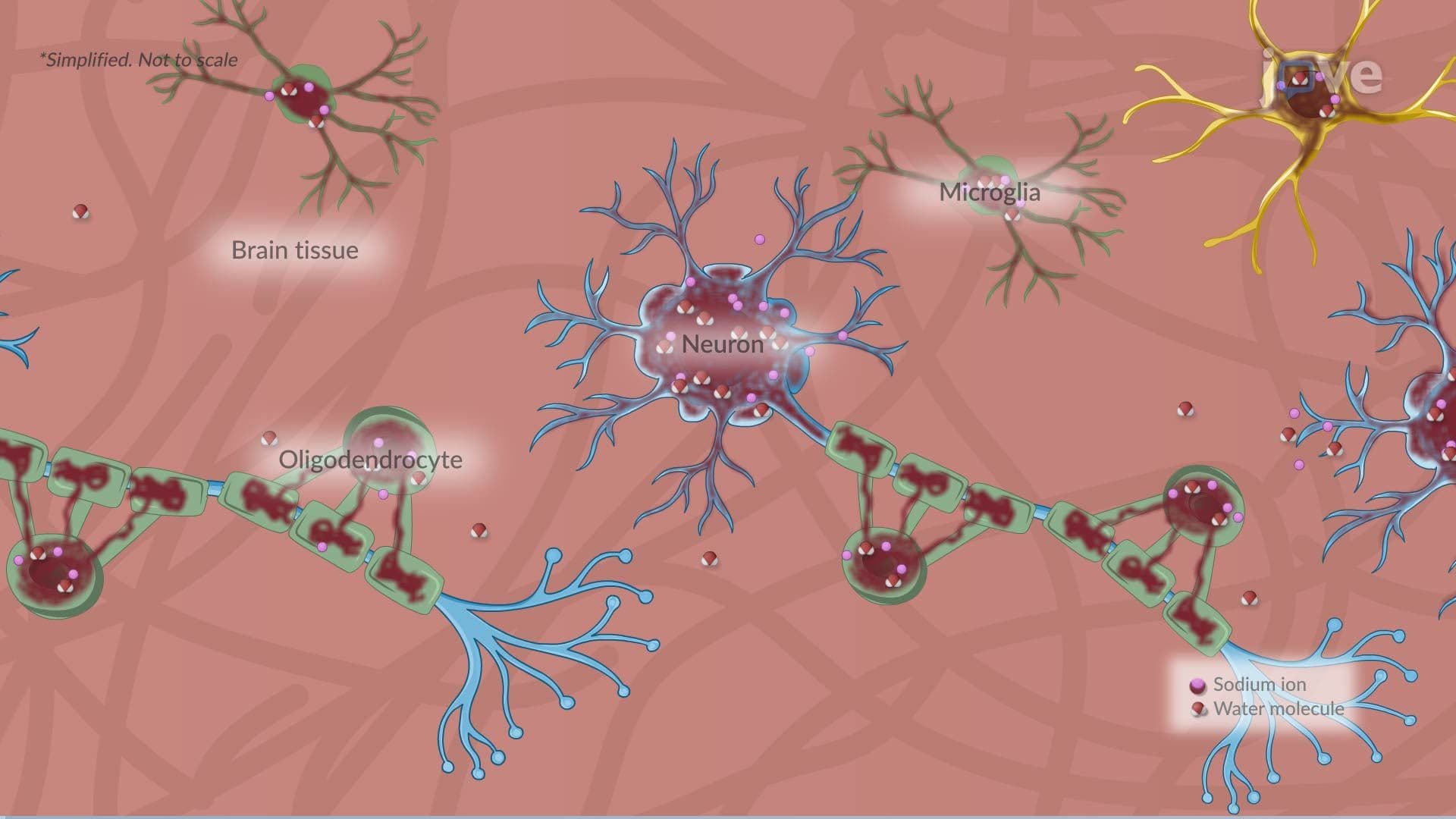
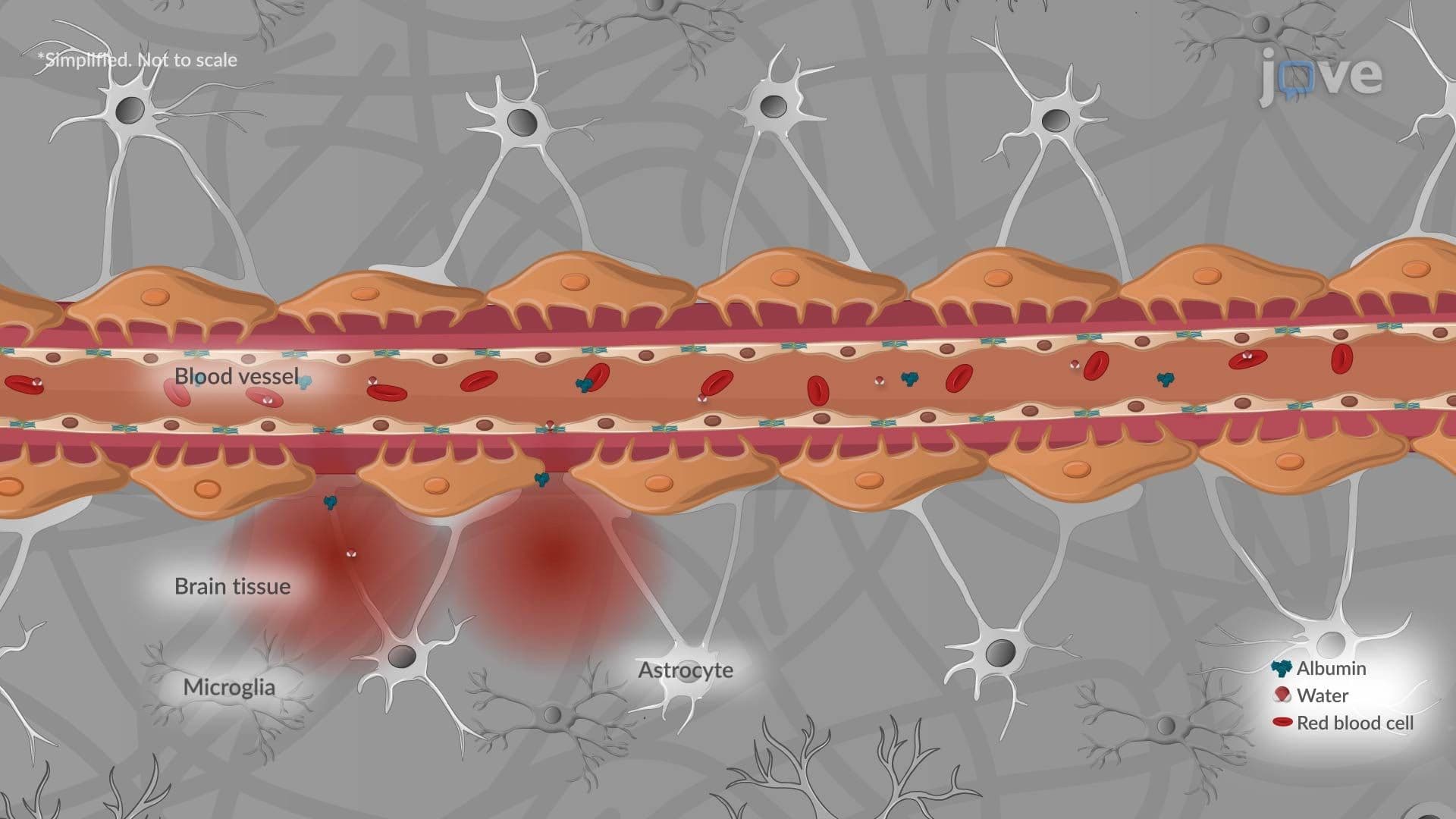
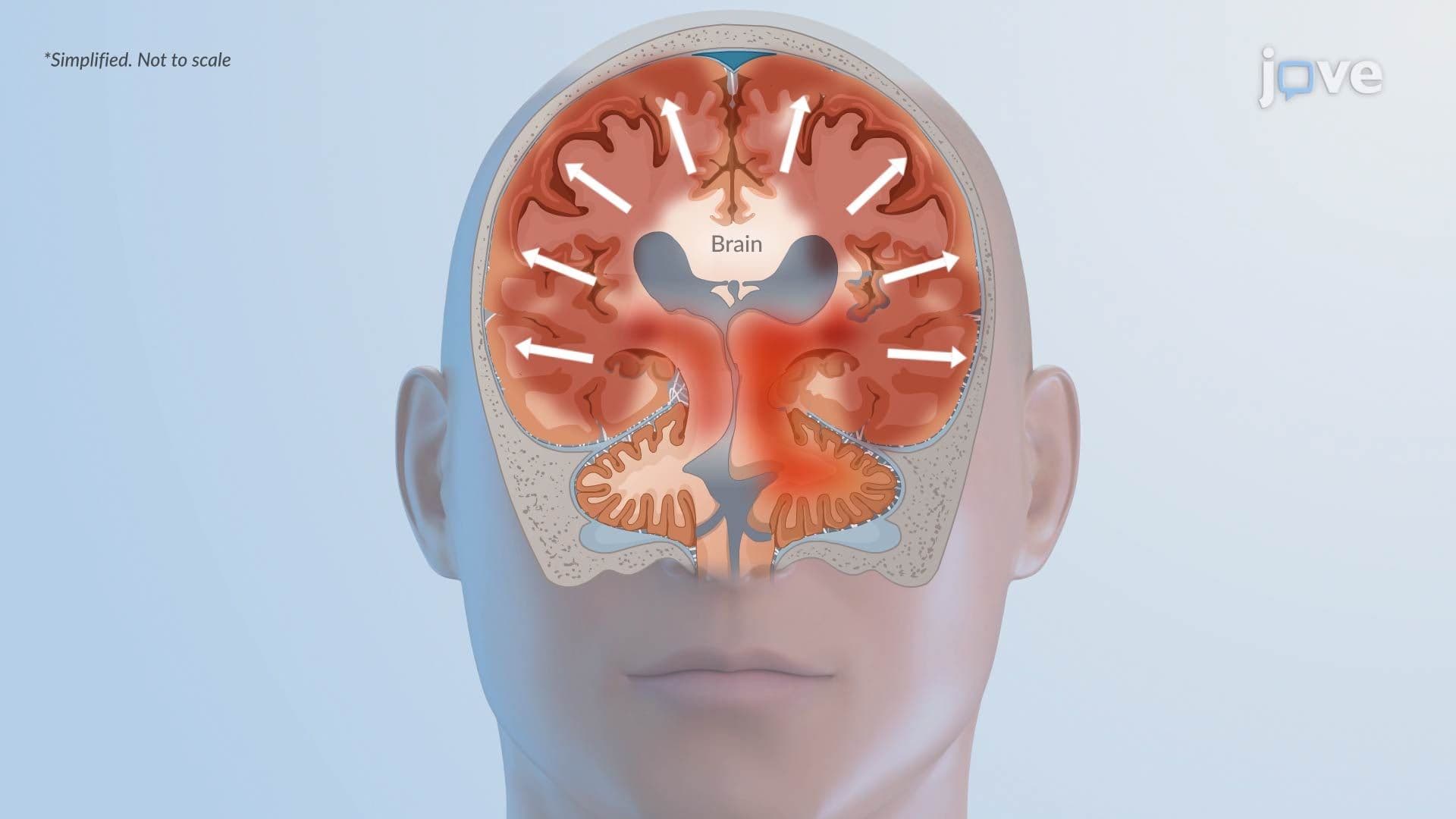
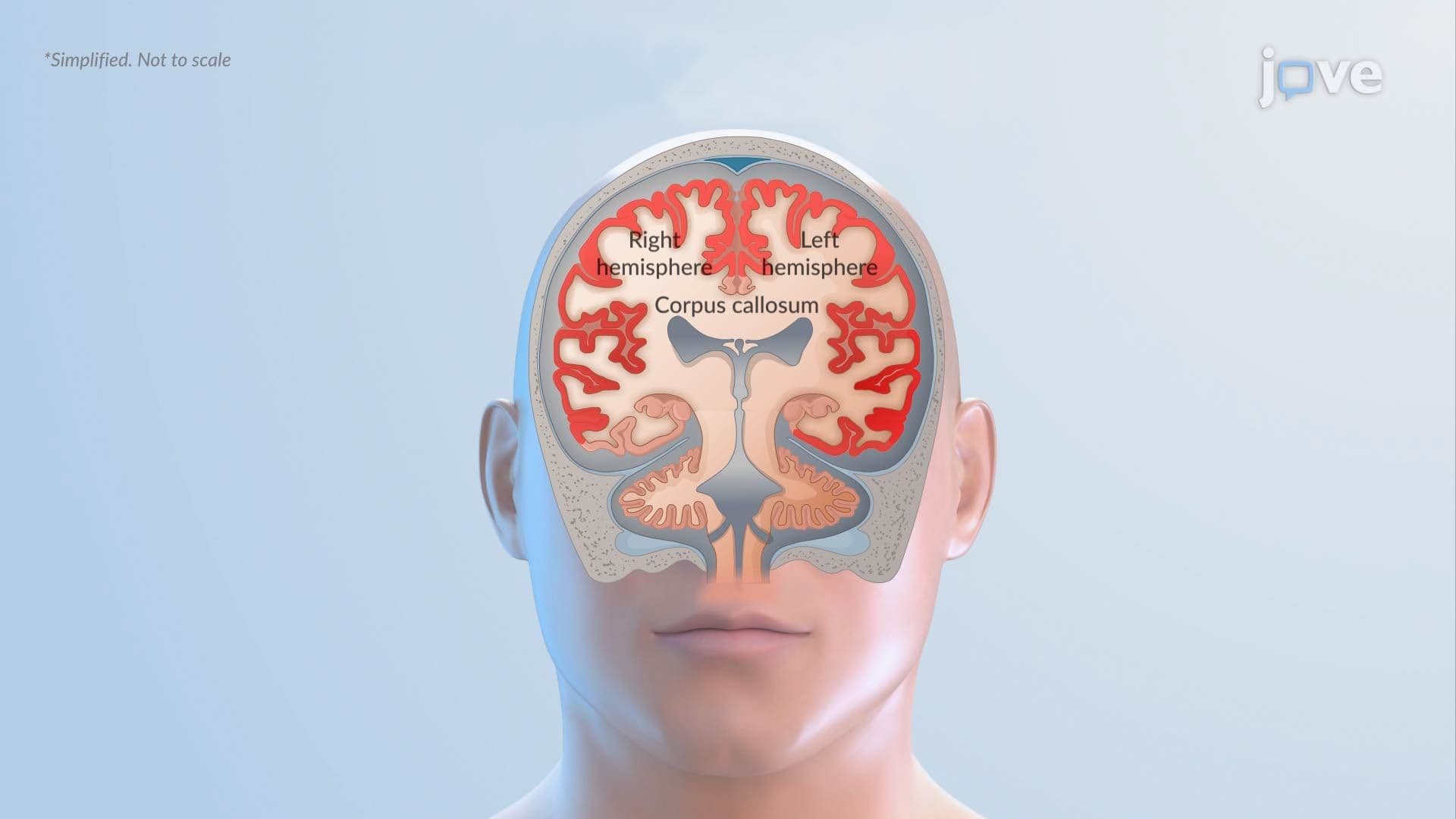
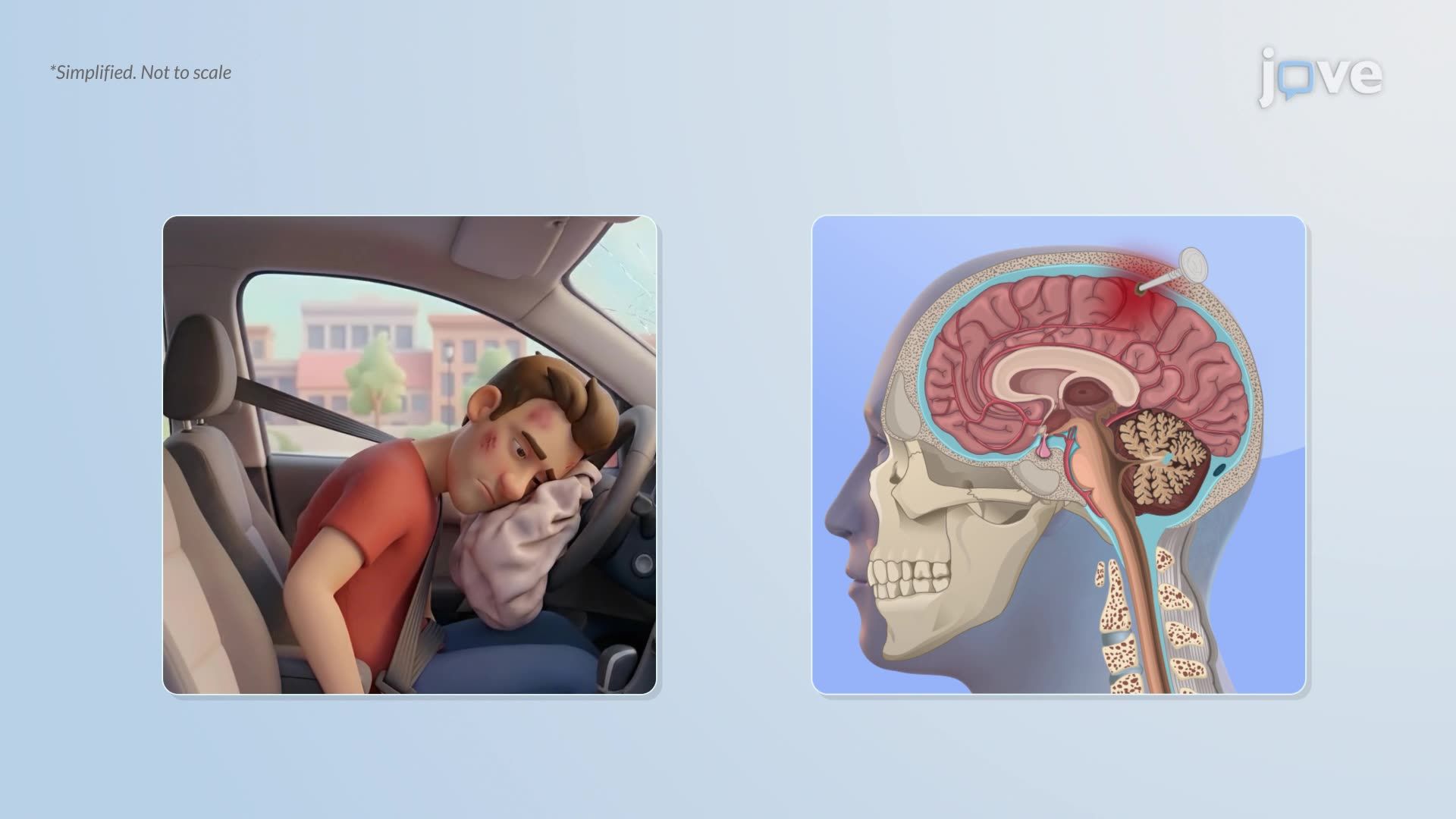
Traumatic Brain Injury (TBI) is one of the most clinically significant neurological emergencies in the United States, affecting approximately 1.5 million Americans each year according to the CDC. At its core, TBI refers to any disruption of normal brain function resulting from an external mechanical force, whether a blunt impact, rapid acceleration-deceleration, or a penetrating object. Because the brain governs everything from motor control to memory, even a mild TBI can have consequences that ripple through multiple body systems. Understanding TBI is foundational not only for healthcare careers but also for AP Biology, college-level neuroscience, and pre-med coursework.
The Glasgow Coma Scale (GCS) is the gold-standard bedside tool used by emergency providers across US hospitals to rapidly assess the severity of a brain injury. It evaluates three domains: eye opening (scored 1-4), verbal response (scored 1-5), and motor response (scored 1-6), with a maximum possible score of 15 and a minimum of 3. A higher score indicates better neurological function. Mild TBI, often called a concussion, corresponds to a GCS of 13-15; moderate TBI falls between 9-12; and severe TBI is defined by a score of 3-8. Emergency medical technicians (EMTs) and nurses use GCS as a rapid triage tool, and it frequently appears on USMLE Step 1 and NCLEX clinical scenario questions.
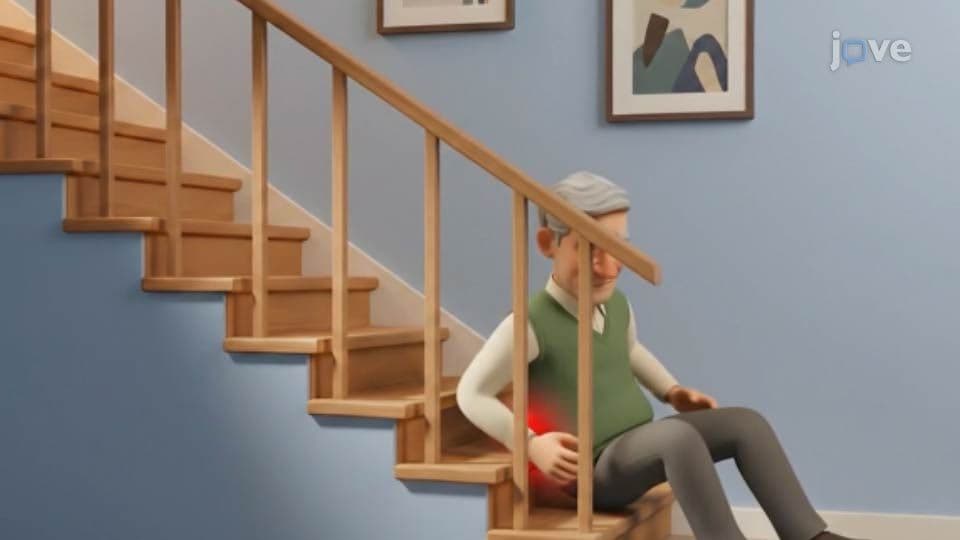
Beyond the GCS, clinicians use two additional indicators to complete severity classification: loss of consciousness (LOC) and post-traumatic amnesia (PTA). LOC refers to the period during which a patient is unresponsive after injury, while PTA describes the window of time in which the patient cannot form new memories following the event. In mild TBI, LOC lasts up to 30 minutes and PTA resolves within 24 hours, typical after a high school sports collision. Moderate TBI involves LOC between 30 minutes and 24 hours with PTA up to 7 days, commonly seen after motor vehicle crashes on US highways. Severe TBI involves LOC exceeding 24 hours and PTA lasting more than a week, characteristics often associated with falls from significant heights in occupational settings.
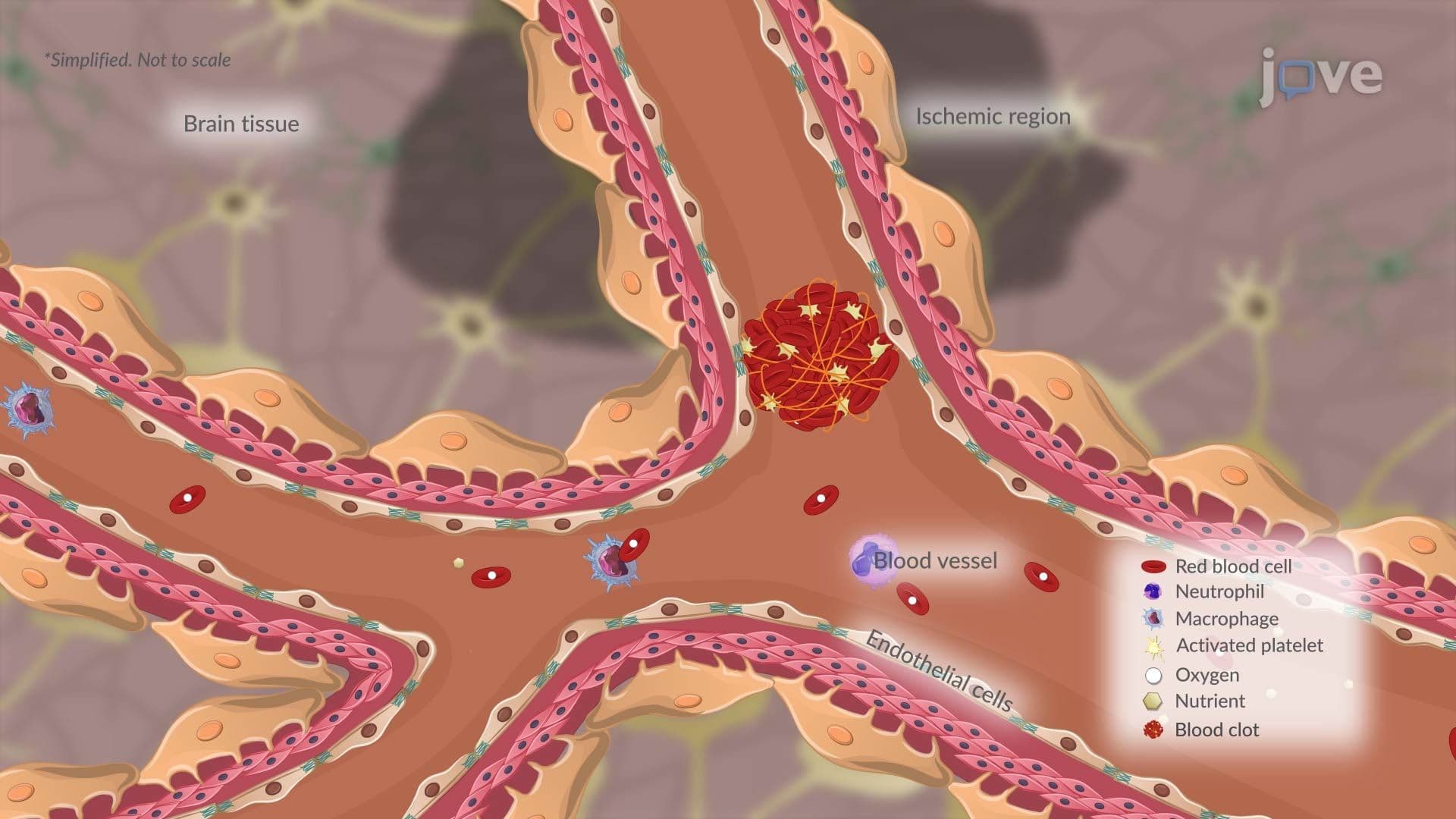
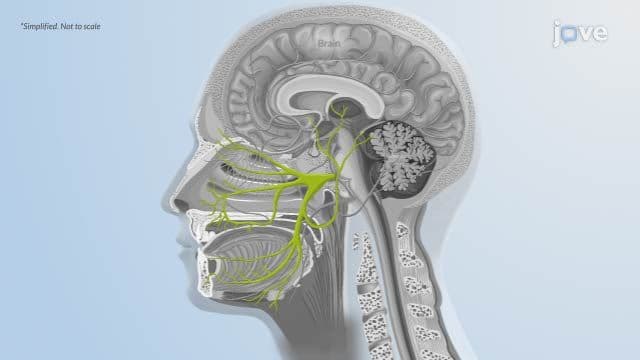
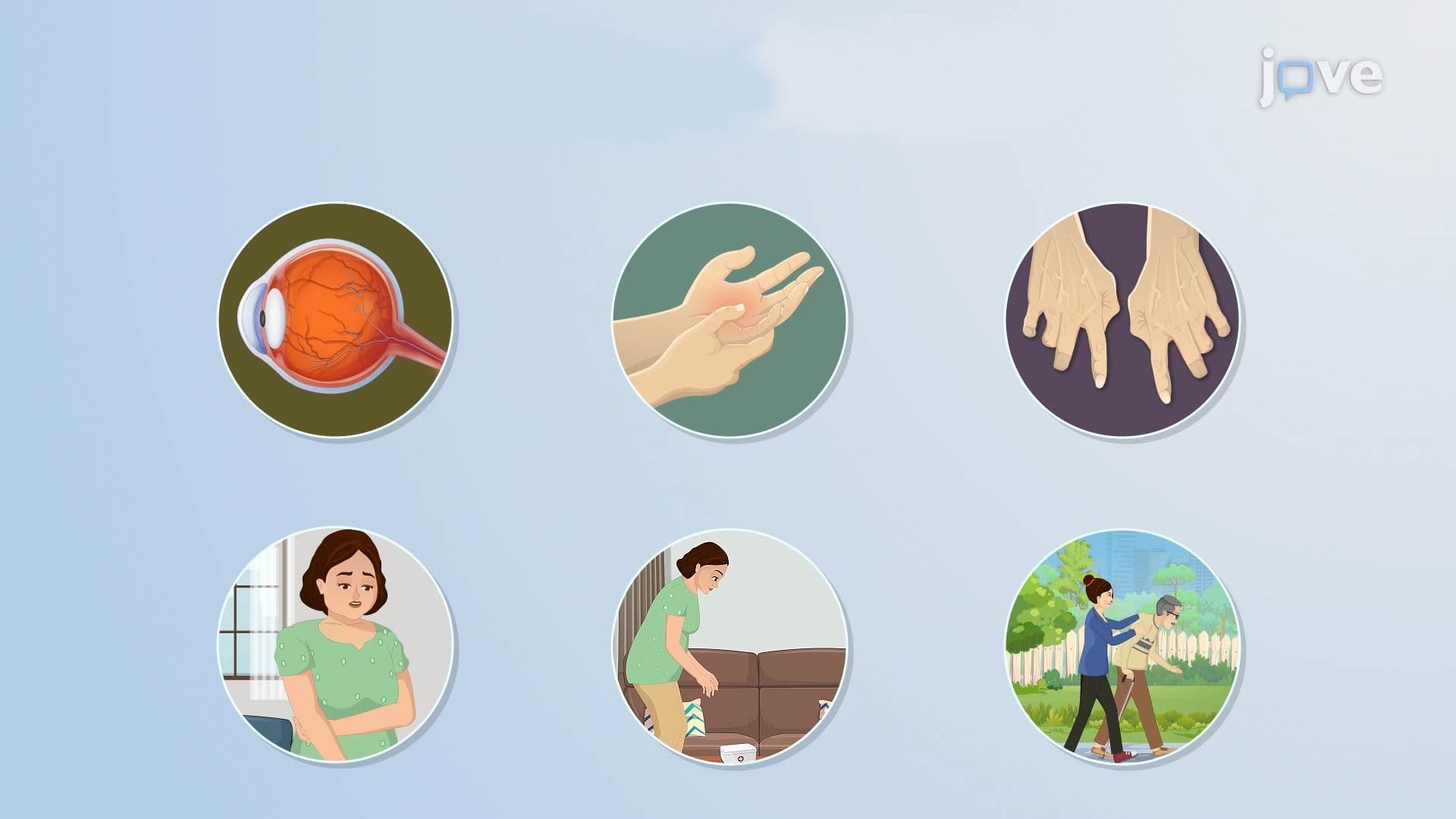
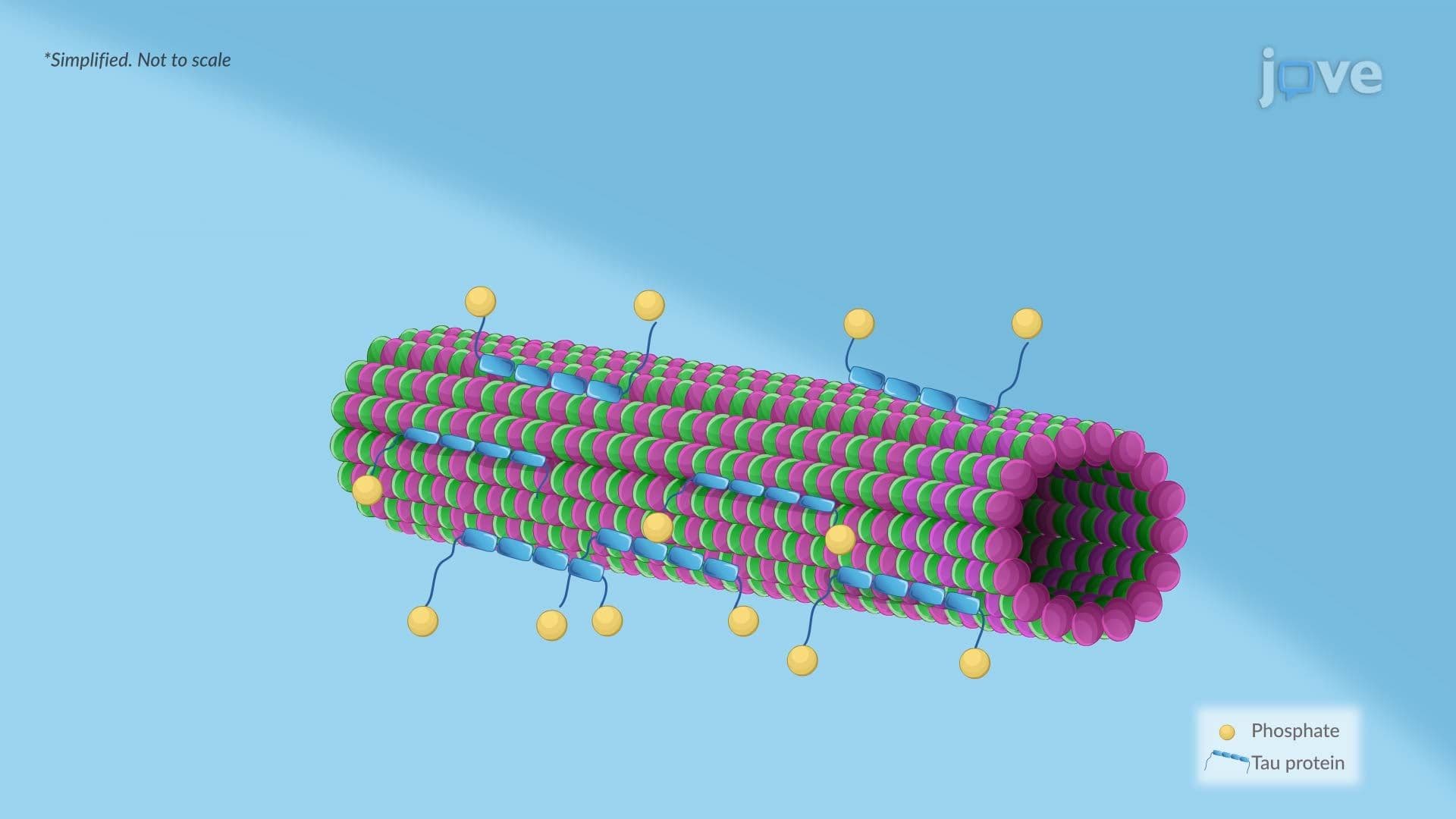
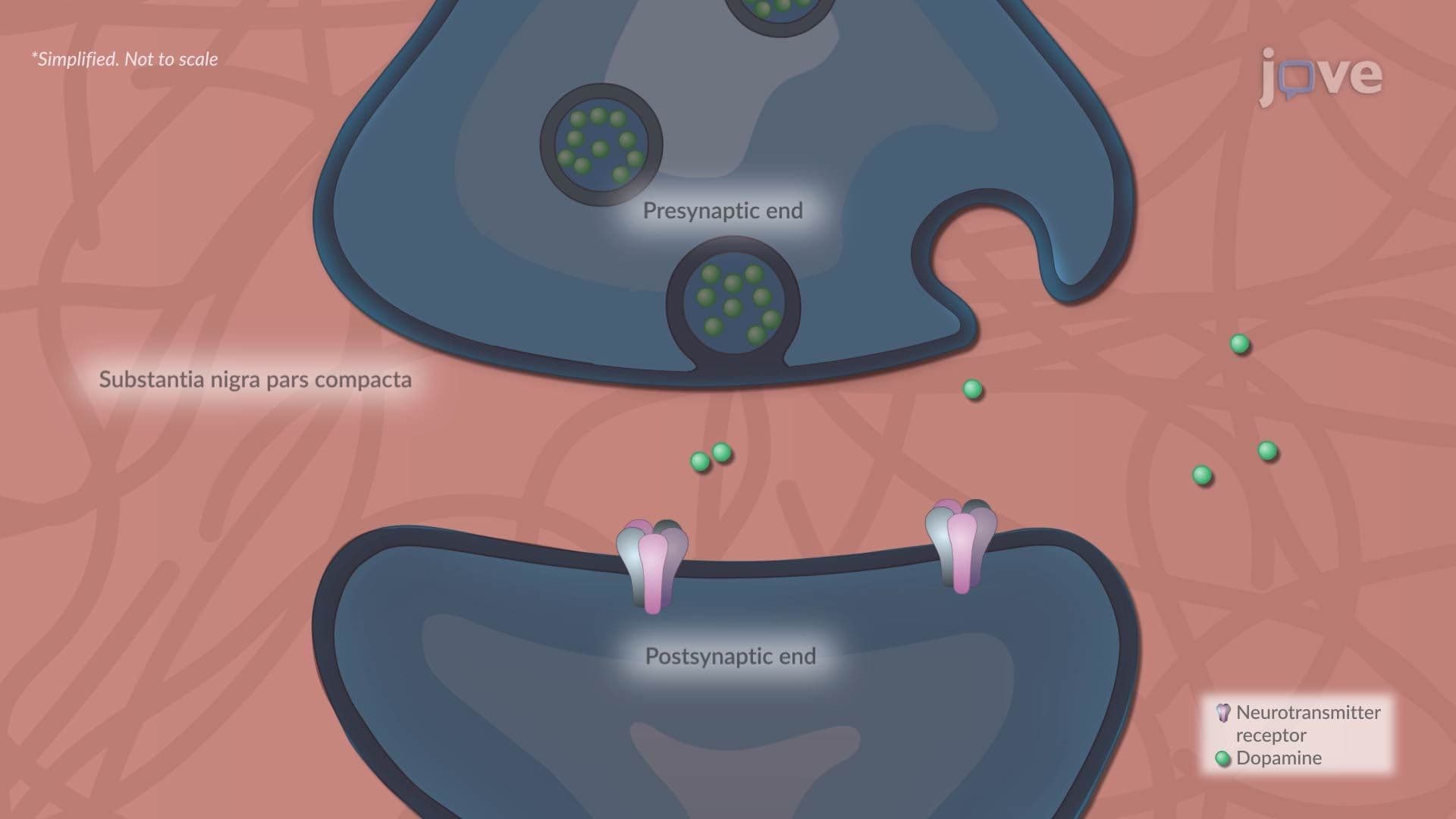
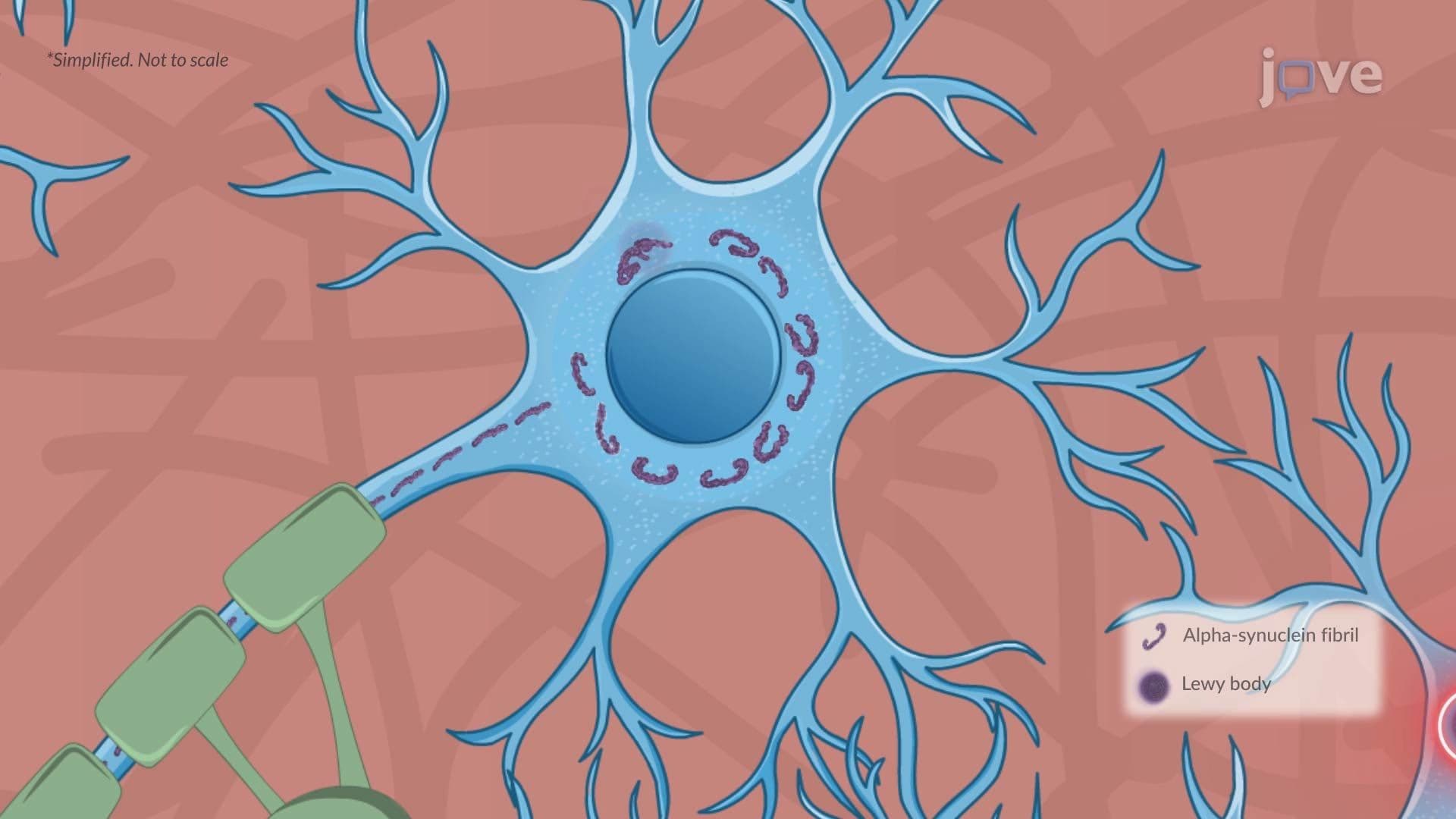
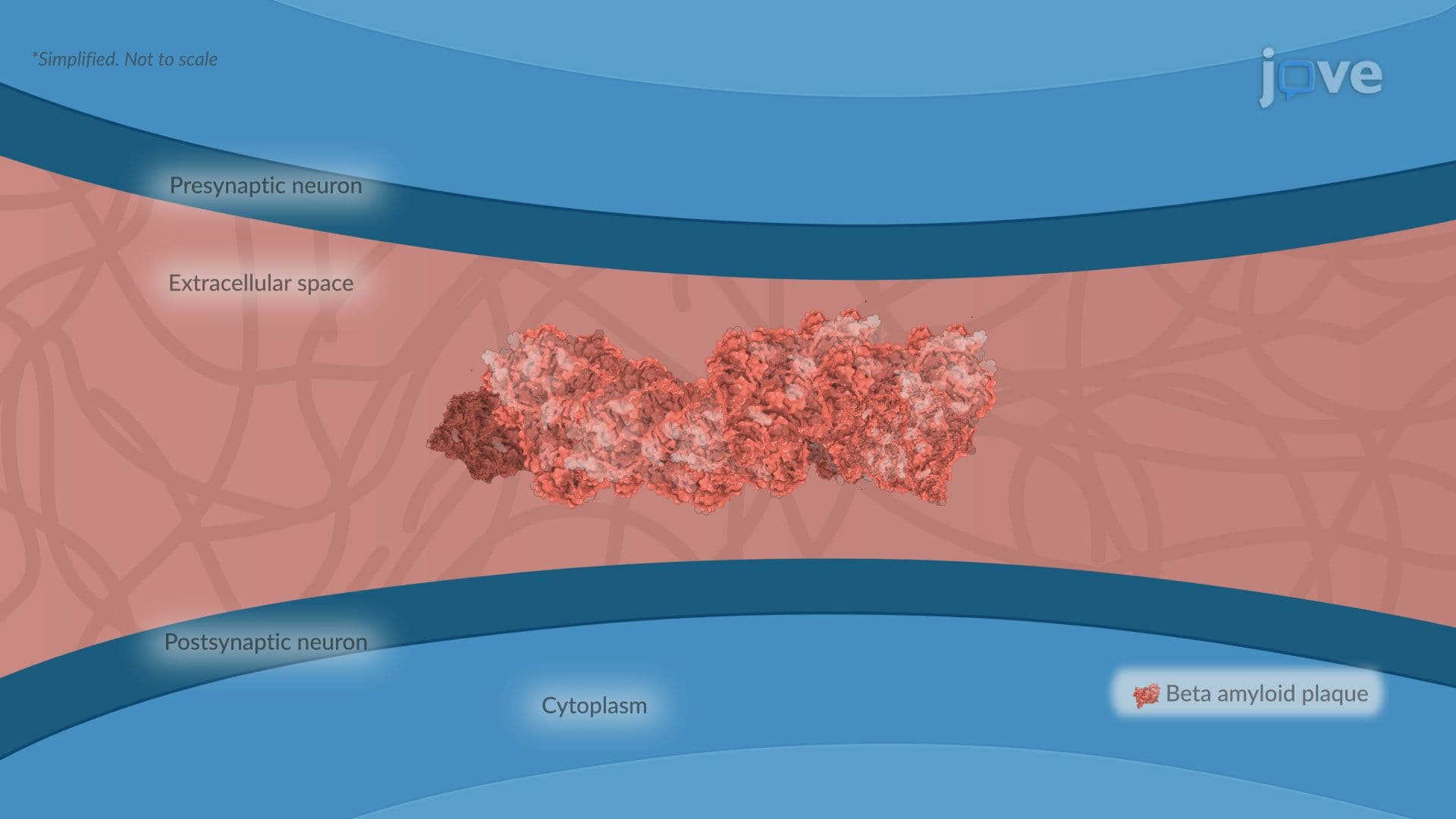
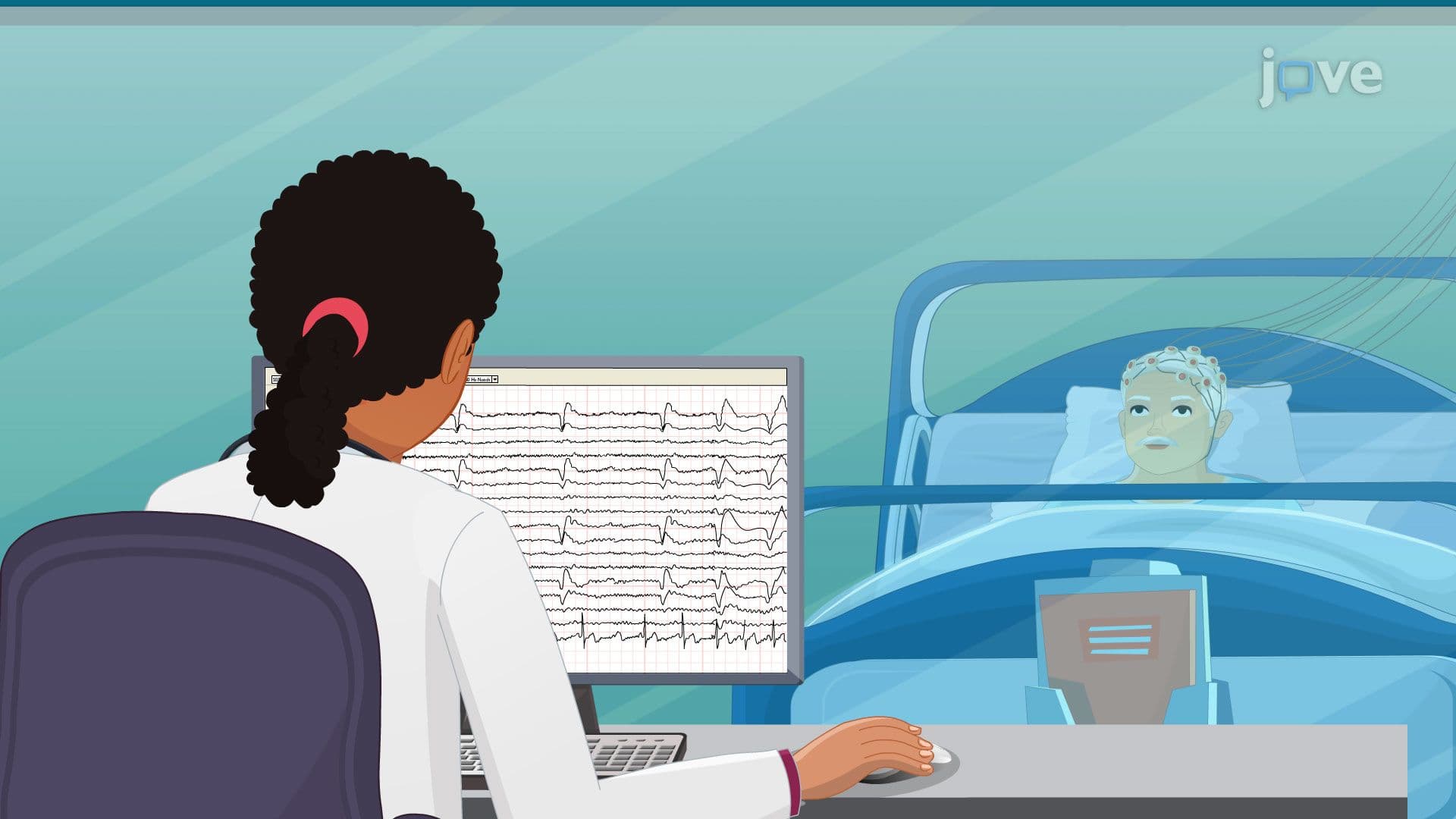
TBI does not exist in isolation, it is increasingly recognized as a risk factor for long-term neurological conditions. Research from the National Institutes of Health (NIH) has linked repeated mild TBIs, such as those sustained in contact sports, to chronic traumatic encephalopathy (CTE), a progressive neurodegenerative disease. Moderate and severe TBIs are associated with elevated risk for epilepsy (post-traumatic seizures), early-onset Alzheimer's disease, and Parkinson's disease-like symptoms years after injury. Stroke risk is also elevated post-TBI due to vascular disruption. These connections make TBI a critical topic when studying neurodegenerative diseases in college biology, anatomy and physiology, or health sciences courses. Understanding how TBI is diagnosed, using tools like GCS, imaging (CT and MRI), and neurological exams, also lays the groundwork for answering broader questions like *how are neurological disorders diagnosed?* on exams such as the MCAT.
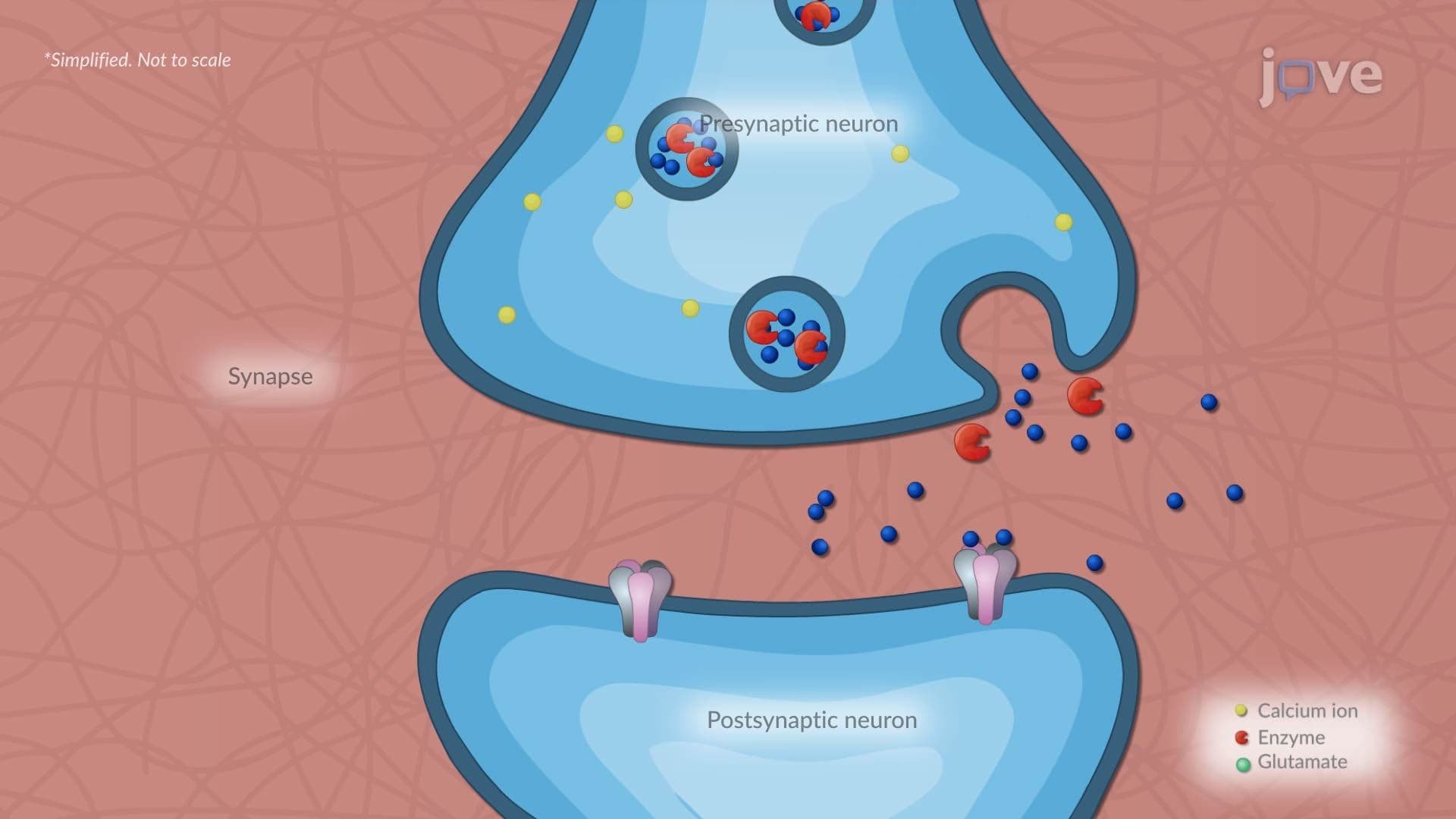
TBI classification is a high-yield topic for pre-health students. On the MCAT, questions may test your ability to interpret GCS scores or connect TBI mechanisms to downstream neurochemical changes. AP Psychology curricula address brain injury in the context of brain structure and function. College anatomy and physiology midterms frequently include clinical vignettes requiring students to identify TBI severity based on LOC and PTA durations. Understanding the heterogeneous nature of TBI, recognizing that no two injuries are identical due to differences in mechanism, location, and patient biology, prepares students for both standardized exams and real clinical reasoning.
Related Micro-courses