Loading video…

 35 Concepts
 5.1K views

Video Summary: Pathophysiology in Cytotoxic Edema
What if your brain cells could literally drown from the inside? The pathophysiology in cytotoxic edema reveals exactly that, a dangerous chain reaction where energy failure causes cells to flood with water and swell. This occurs in real US stroke emergencies every 40 seconds, according to the CDC. When ATP production collapses, the sodium-potassium pump fails, triggering swelling that can fatally compress the brain. Watch the full video on JoVE Coach to master this concept with expert-led visuals and step-by-step explanations.
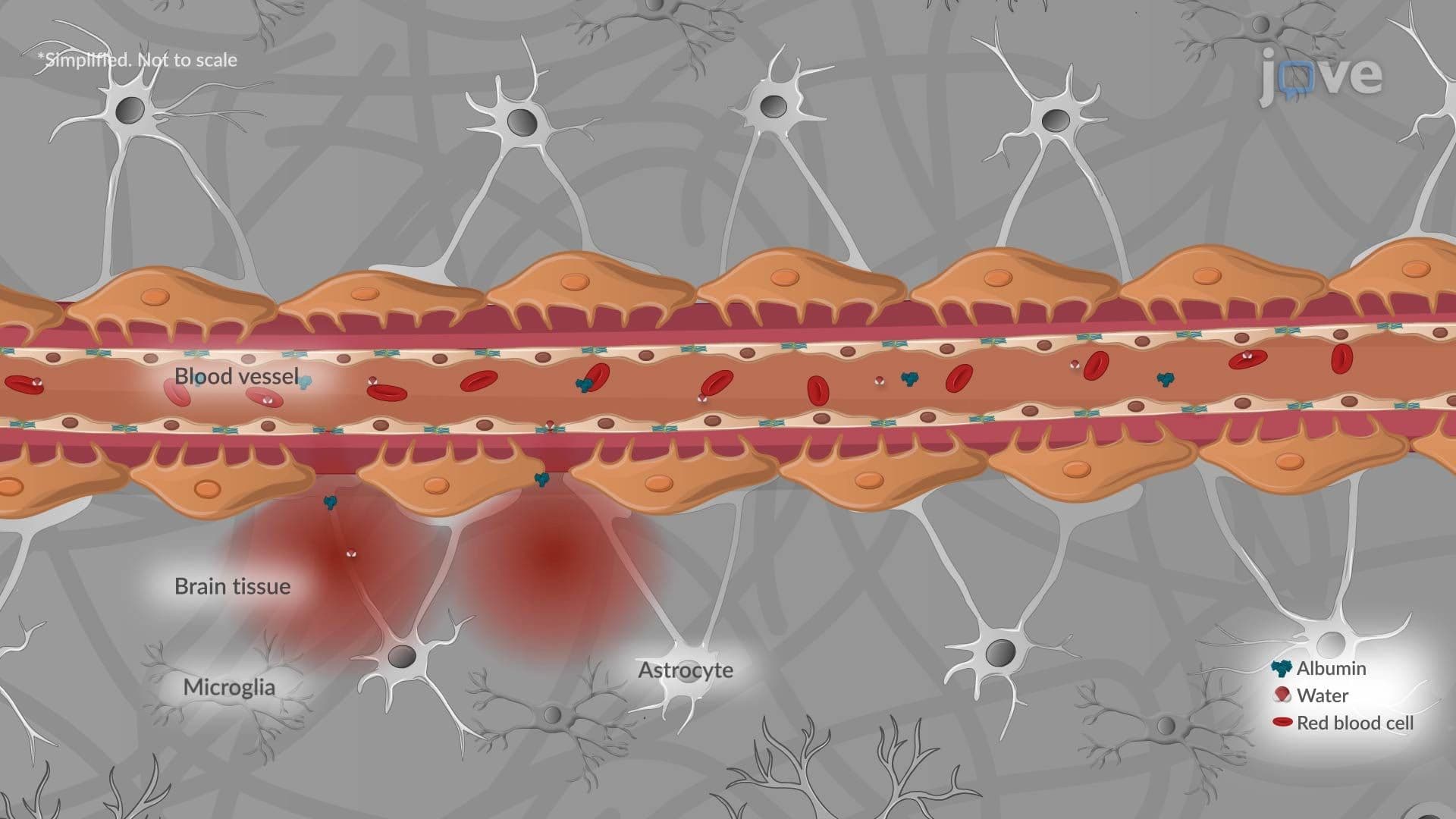
Cytotoxic edema is one of the most clinically urgent forms of brain swelling, and understanding its pathophysiology is essential for anyone studying neuroscience, physiology, or medicine. Unlike vasogenic edema, where the blood-brain barrier breaks down, the pathophysiology in cytotoxic edema originates entirely within the cells themselves. It begins when brain cells lose their energy supply and lose control of their internal environment. For AP Biology students, college undergraduates in physiology courses, and future MCAT test-takers, grasping this cascade is a high-yield topic that appears repeatedly across exams and clinical scenarios.
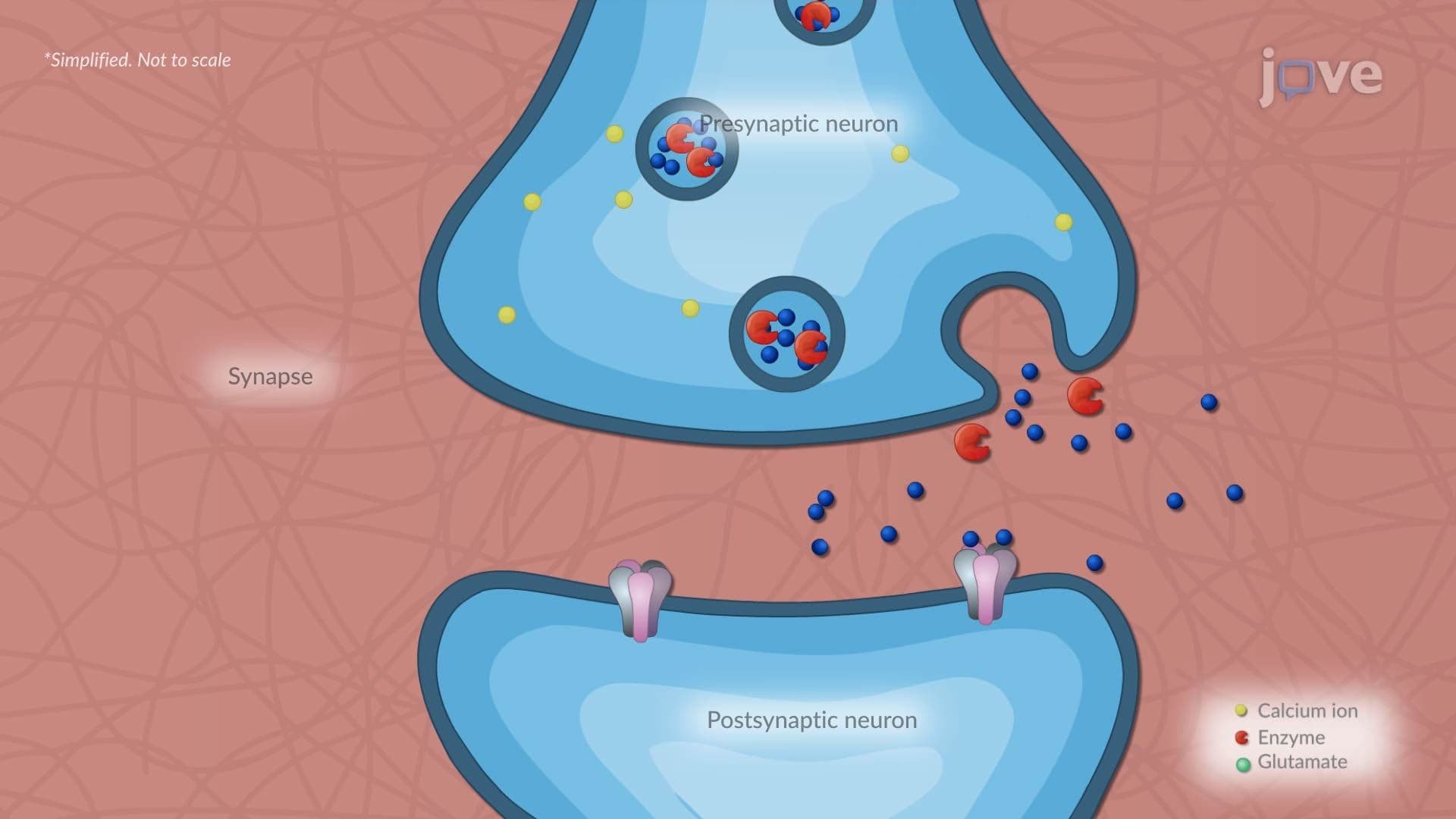
Under normal conditions, the sodium-potassium (Na⁺/K⁺) ATPase pump is a membrane protein that actively moves three sodium ions out of the cell and two potassium ions in, for every molecule of ATP it consumes. This constant ion exchange maintains the electrochemical gradient that neurons need to fire action potentials and that glial cells need to support brain function. The pump is ATP-dependent, meaning it cannot operate without a continuous energy supply generated in the mitochondria through cellular respiration. When energy is available, this pump runs tirelessly, cycling thousands of times per second across billions of brain cells.
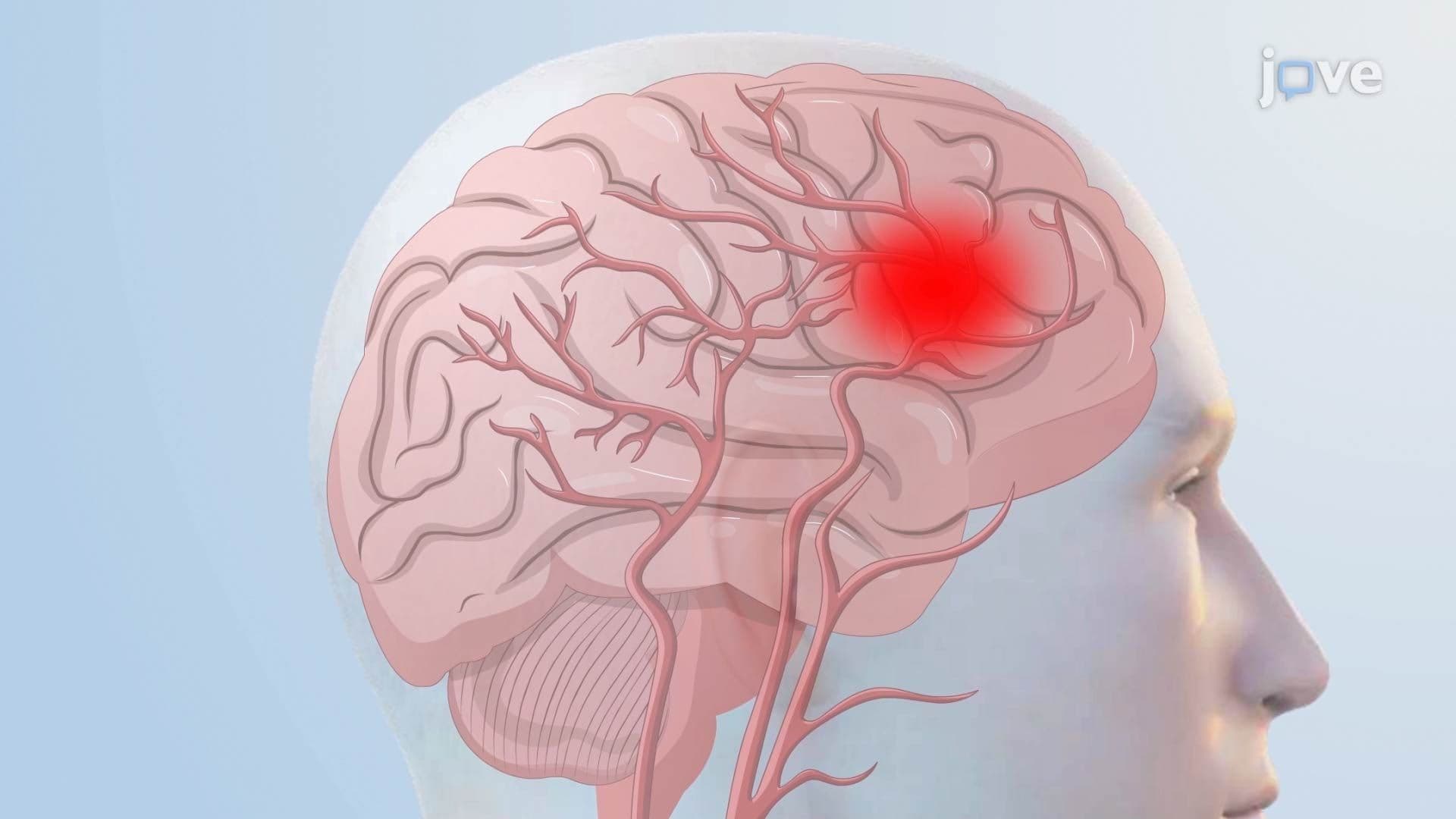
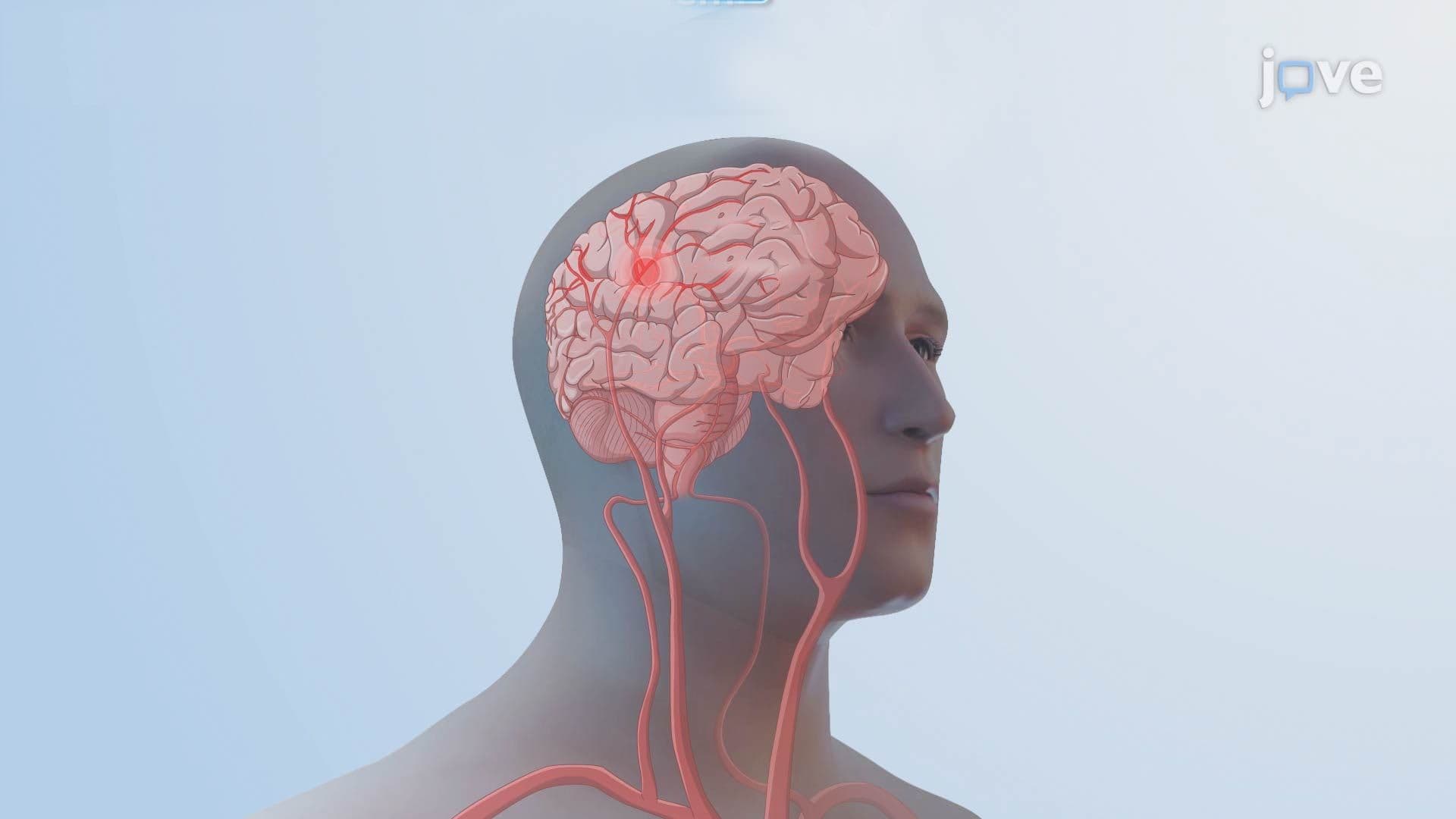
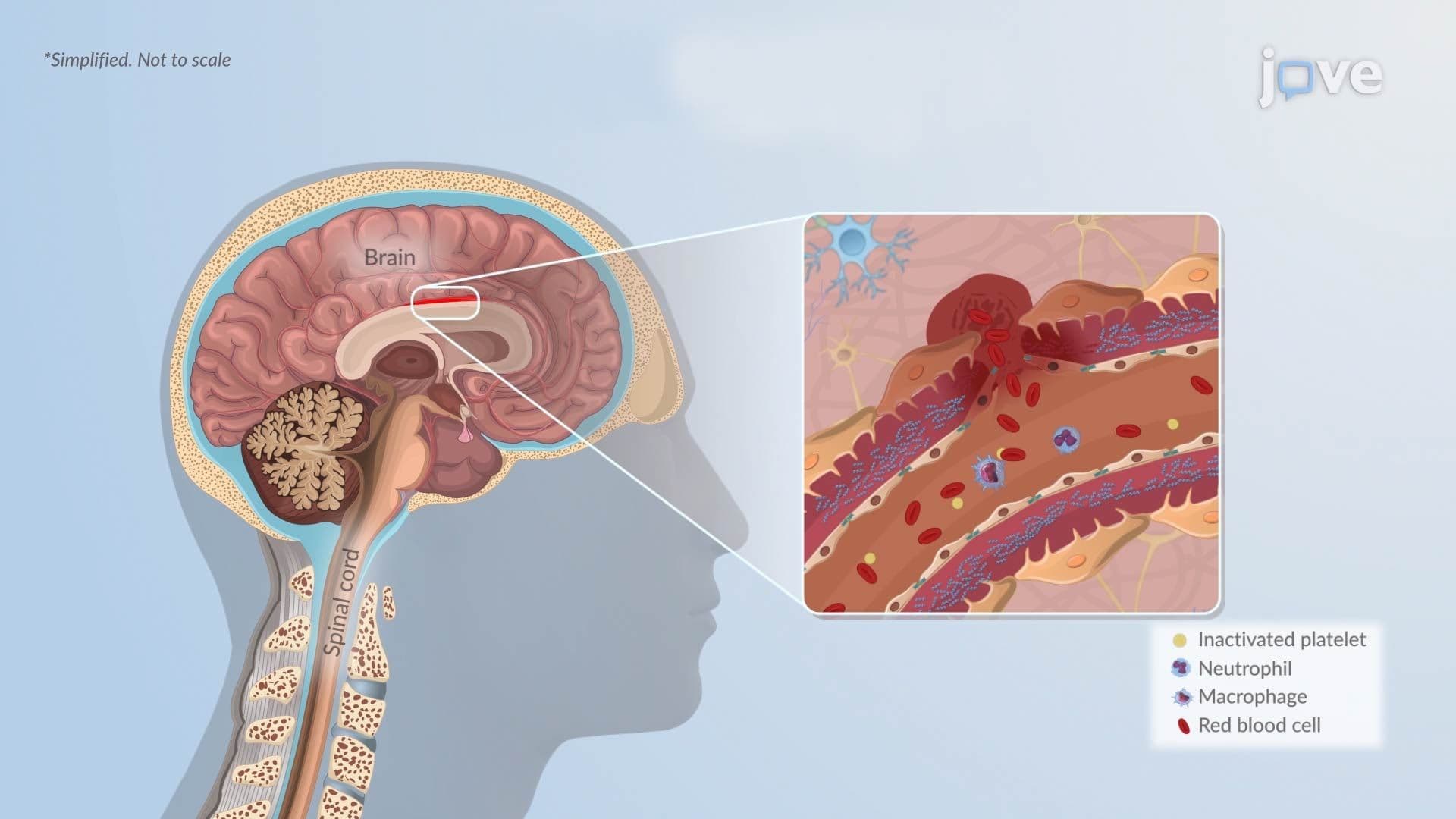
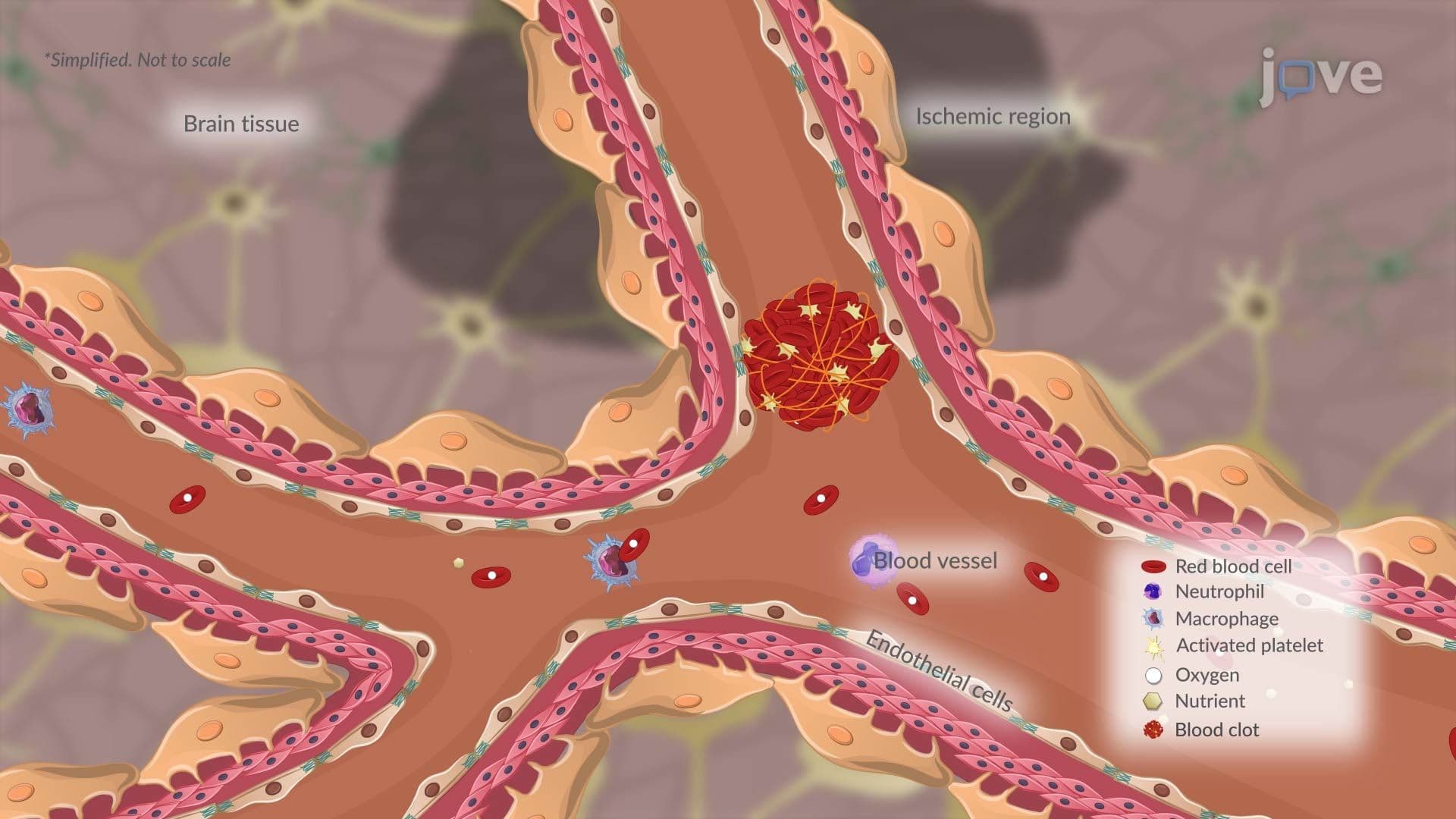
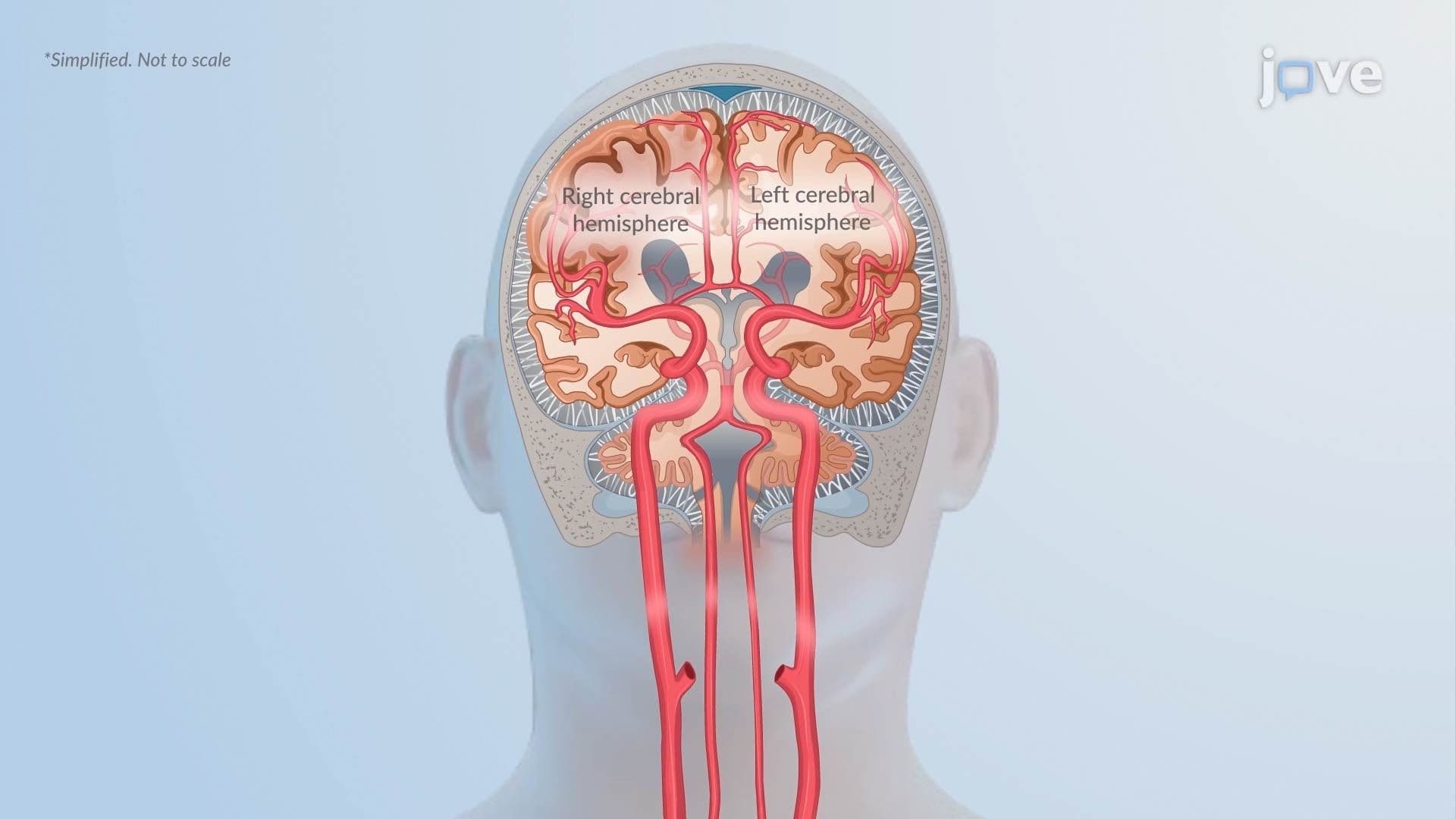
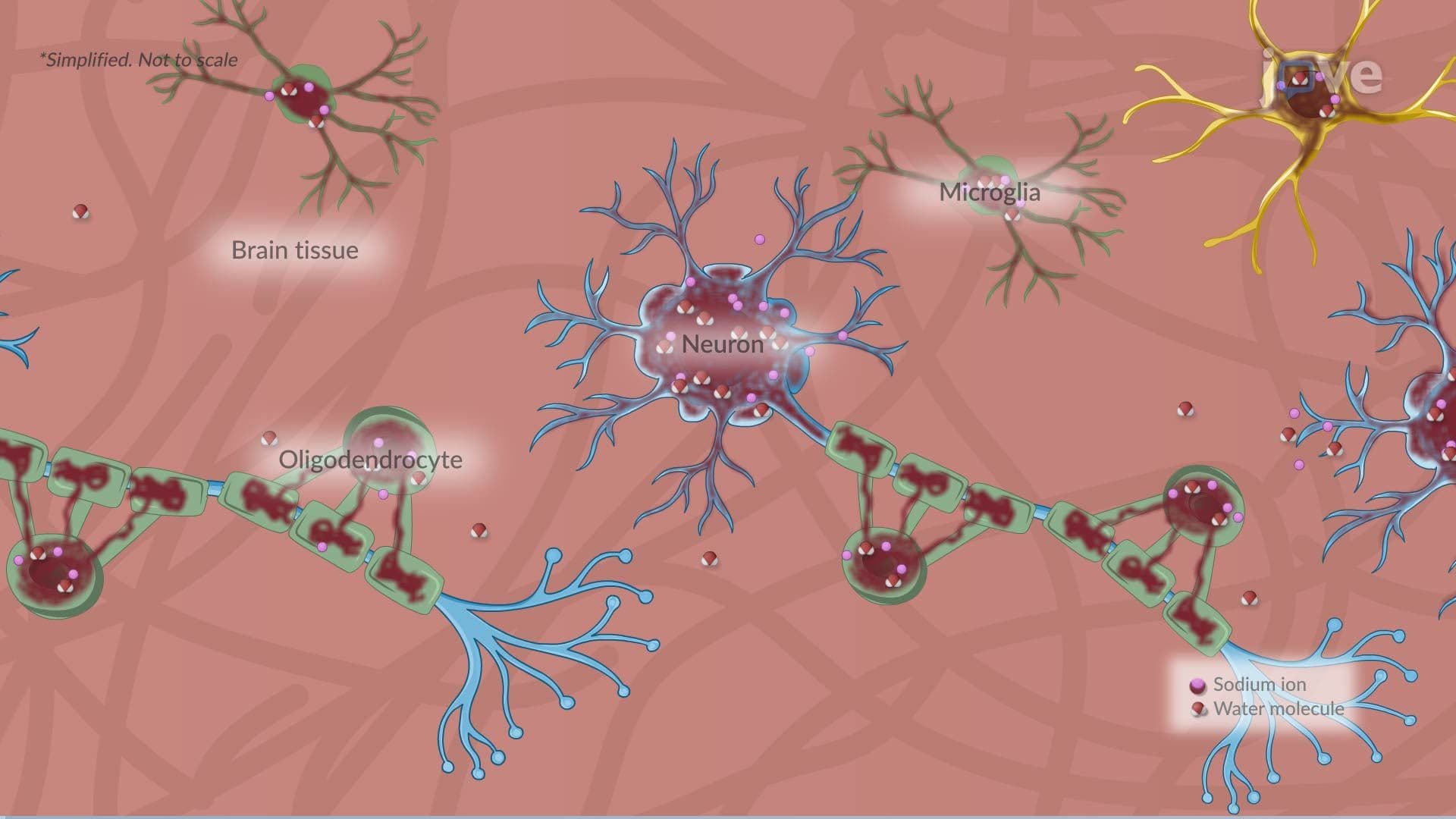
Cytotoxic edema most commonly begins during ischemia (reduced blood flow) or hypoxia (reduced oxygen supply), both of which occur during a stroke. In the United States, ischemic stroke is the leading cause of serious long-term disability, affecting nearly 800,000 Americans each year. When blood flow drops, oxygen delivery to mitochondria fails. Without oxygen, oxidative phosphorylation halts, ATP production collapses, and the sodium-potassium pump shuts down. Sodium ions, no longer actively expelled, accumulate rapidly inside neurons and glial cells. Following the osmotic gradient, water floods into the cell, causing it to visibly swell under microscopy. This is the defining event of cytotoxic, or intracellular, edema.
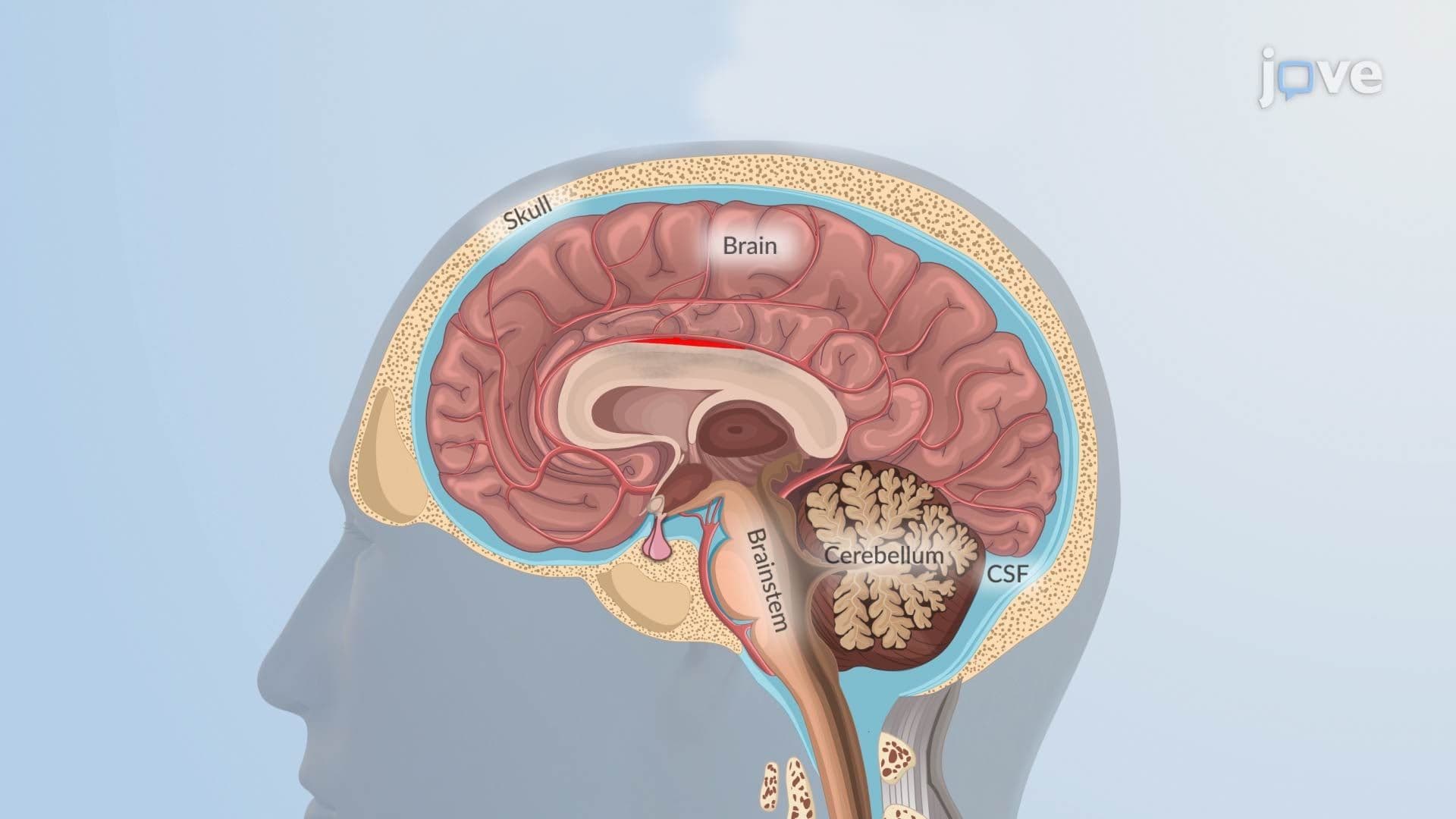
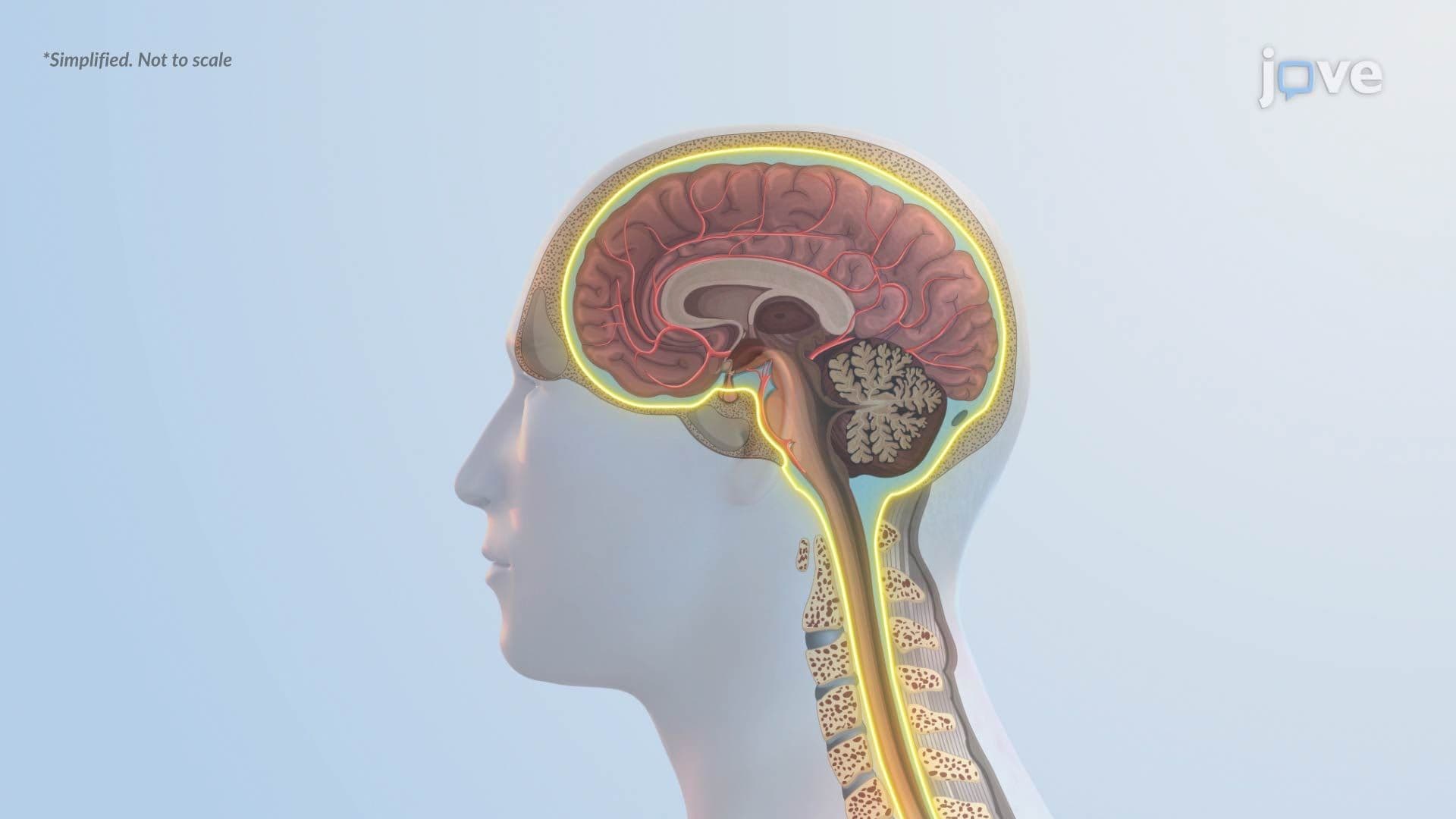
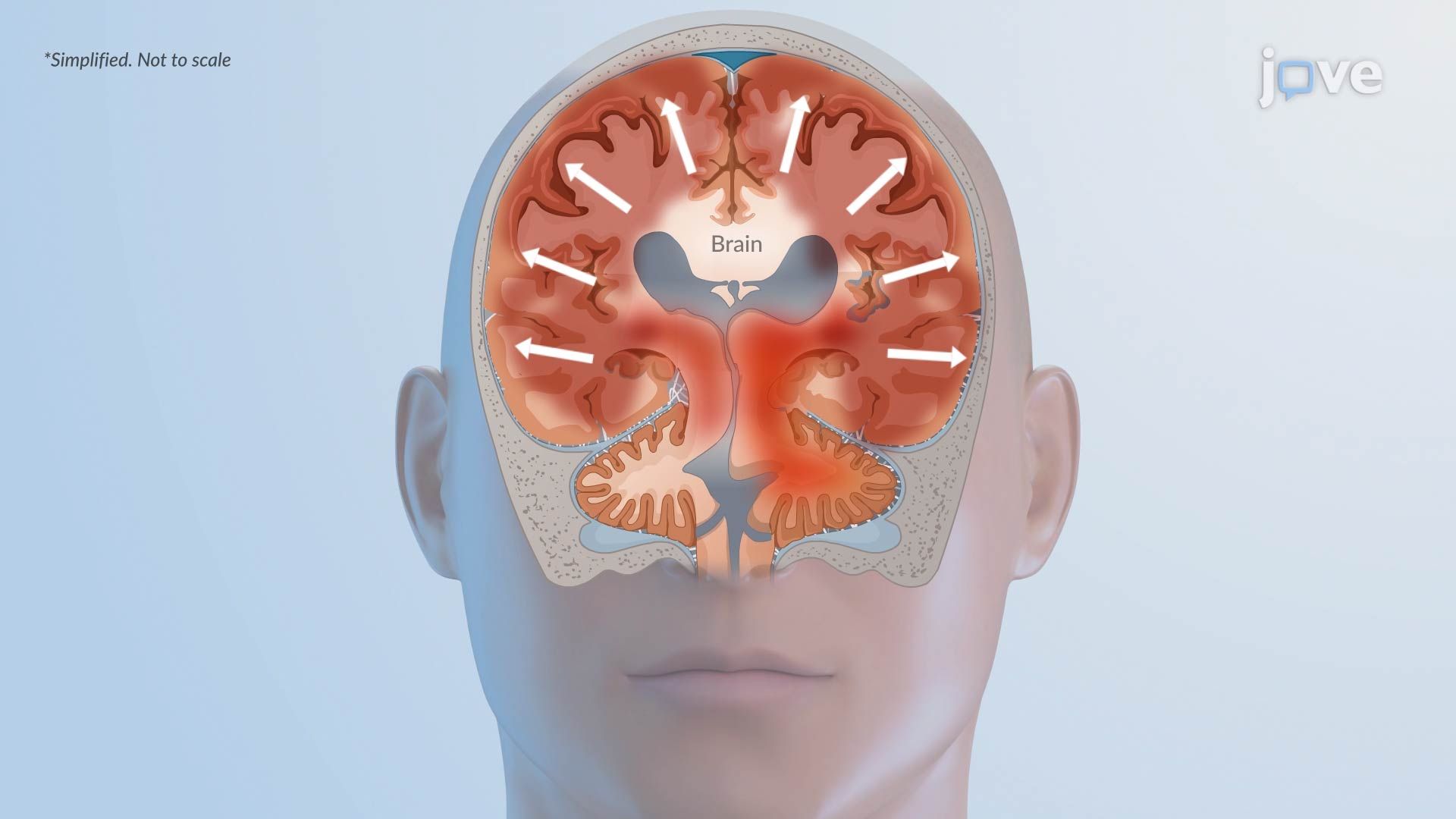
What makes the pathophysiology in cytotoxic edema particularly dangerous is its self-amplifying nature. As millions of cells swell simultaneously, total brain volume increases inside the rigid skull. This raises intracranial pressure (ICP). Elevated ICP then compresses surrounding blood vessels, reducing cerebral perfusion pressure, the very blood flow that cells need to restore ATP production. Less perfusion means more ischemia, more pump failure, more swelling, and even higher ICP. This feedback loop accelerates tissue death. In severe cases, the rising pressure forces brain structures downward through the tentorium or foramen magnum, a catastrophic event called brain herniation, which is rapidly fatal without emergency neurosurgical intervention. Understanding this cycle is directly tested on the USMLE Step 1, MCAT, and NCLEX board exams.
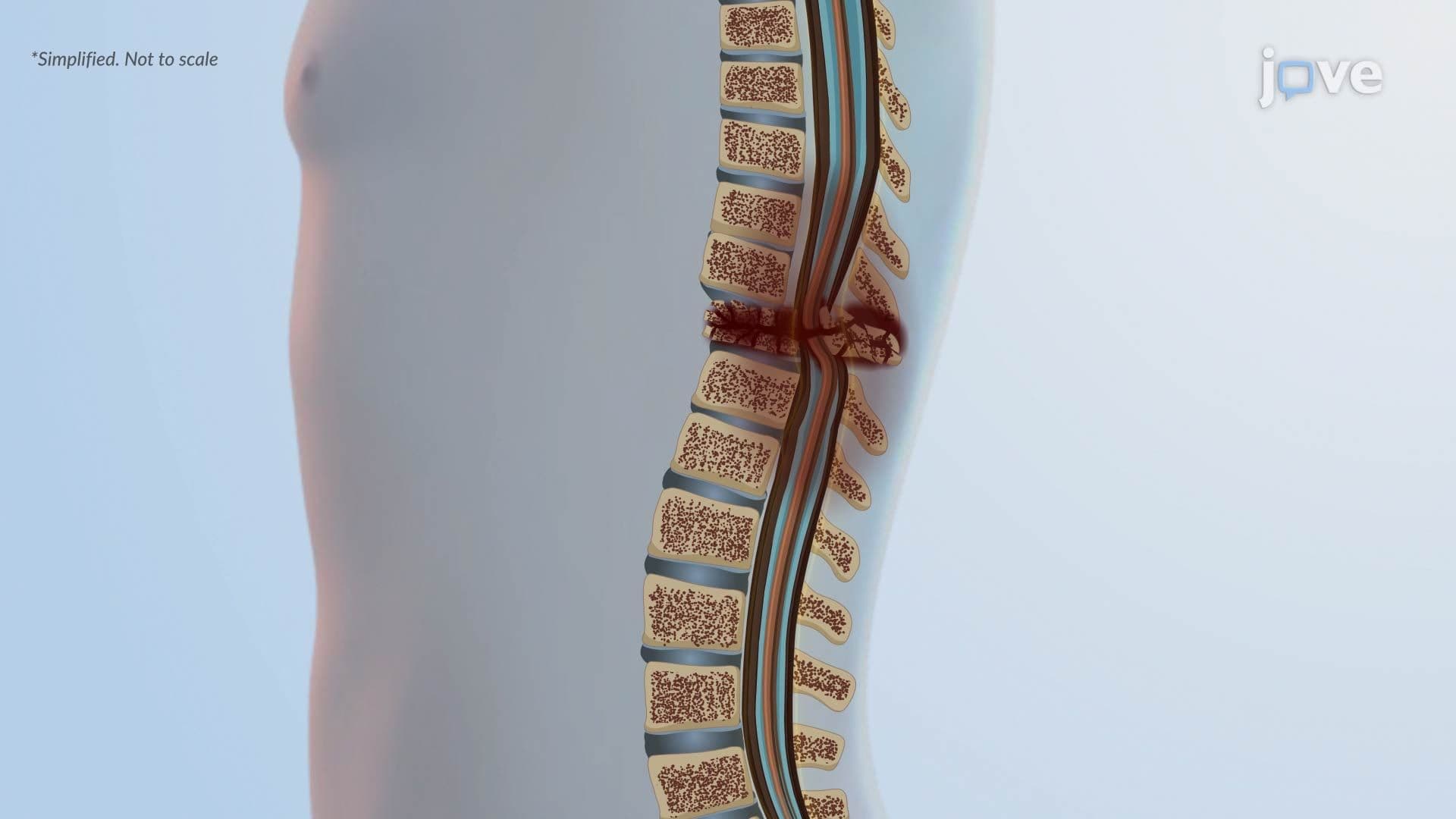
While stroke is the prototype, the same cellular mechanism underlies brain injury in epilepsy (prolonged seizures), traumatic brain injury (TBI), and severe hypoglycemia, all common in US clinical settings. Researchers also study whether similar energy-failure mechanisms contribute to chronic neurodegenerative diseases such as Alzheimer's disease, Parkinson's disease, and multiple sclerosis, where mitochondrial dysfunction is increasingly implicated. For high school students in AP Biology or AP Psychology, cytotoxic edema is an outstanding example of how cellular-level biochemistry, specifically membrane transport and ATP metabolism, has direct, life-or-death consequences at the whole-organism level.
Related Micro-courses