Loading video…

 35 Concepts
 5.1K views

Video Summary: Types of Epilepsy Ll
Did you know nearly 3.4 million Americans live with epilepsy, yet many seizures go unclassified for years? Understanding Types of Epilepsy II basics reveals how neurologists organize seizures by onset location, focal, generalized, combined, or unknown, and by clinical syndromes like childhood absence epilepsy and Lennox-Gastaut syndrome, commonly diagnosed in US pediatric neurology centers. Watch the full video on JoVE Coach to master this concept with expert-led visuals and step-by-step explanations.
Epilepsy is not a single disease, it is a spectrum of neurological conditions united by recurrent, unprovoked seizures. Grasping the Types of Epilepsy II framework is essential for any student in biology, anatomy, or health sciences because it reflects how clinicians actually think: systematically, using brain localization and clinical patterns to guide diagnosis and care. In the United States, the International League Against Epilepsy (ILAE) classification system is the gold standard used by neurologists at institutions like the Mayo Clinic, Cleveland Clinic Epilepsy Center, and Johns Hopkins Medicine.
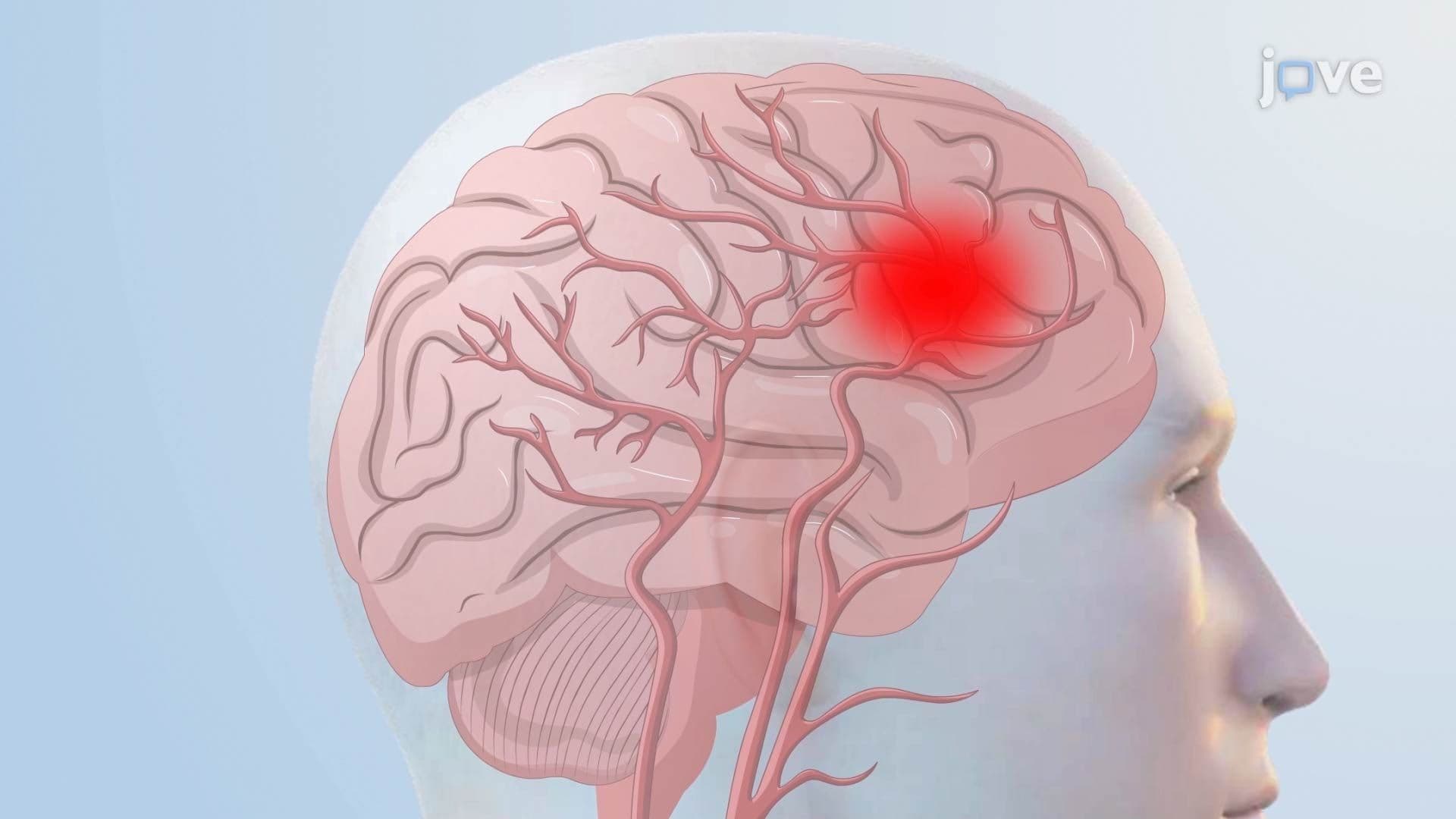
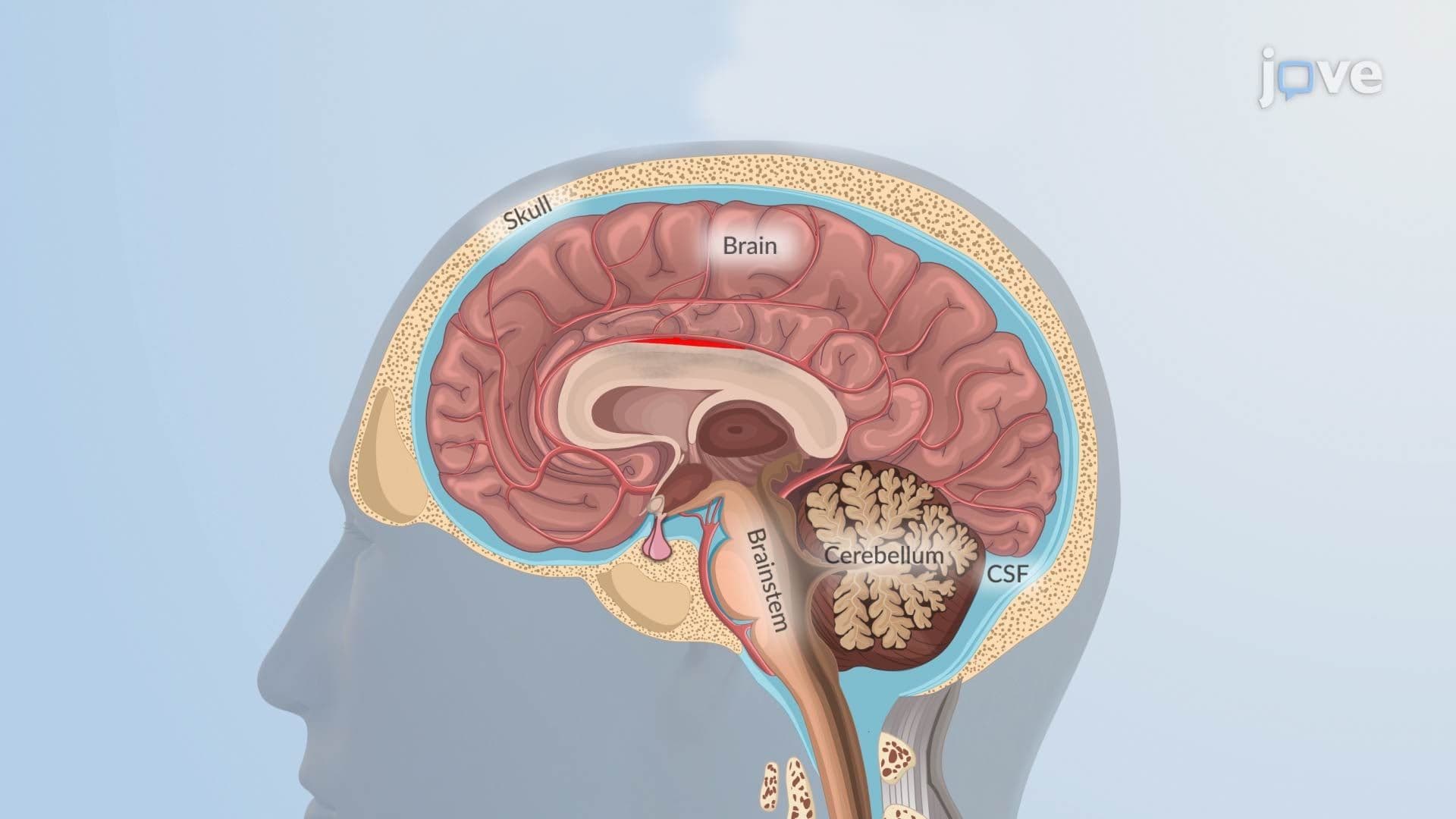
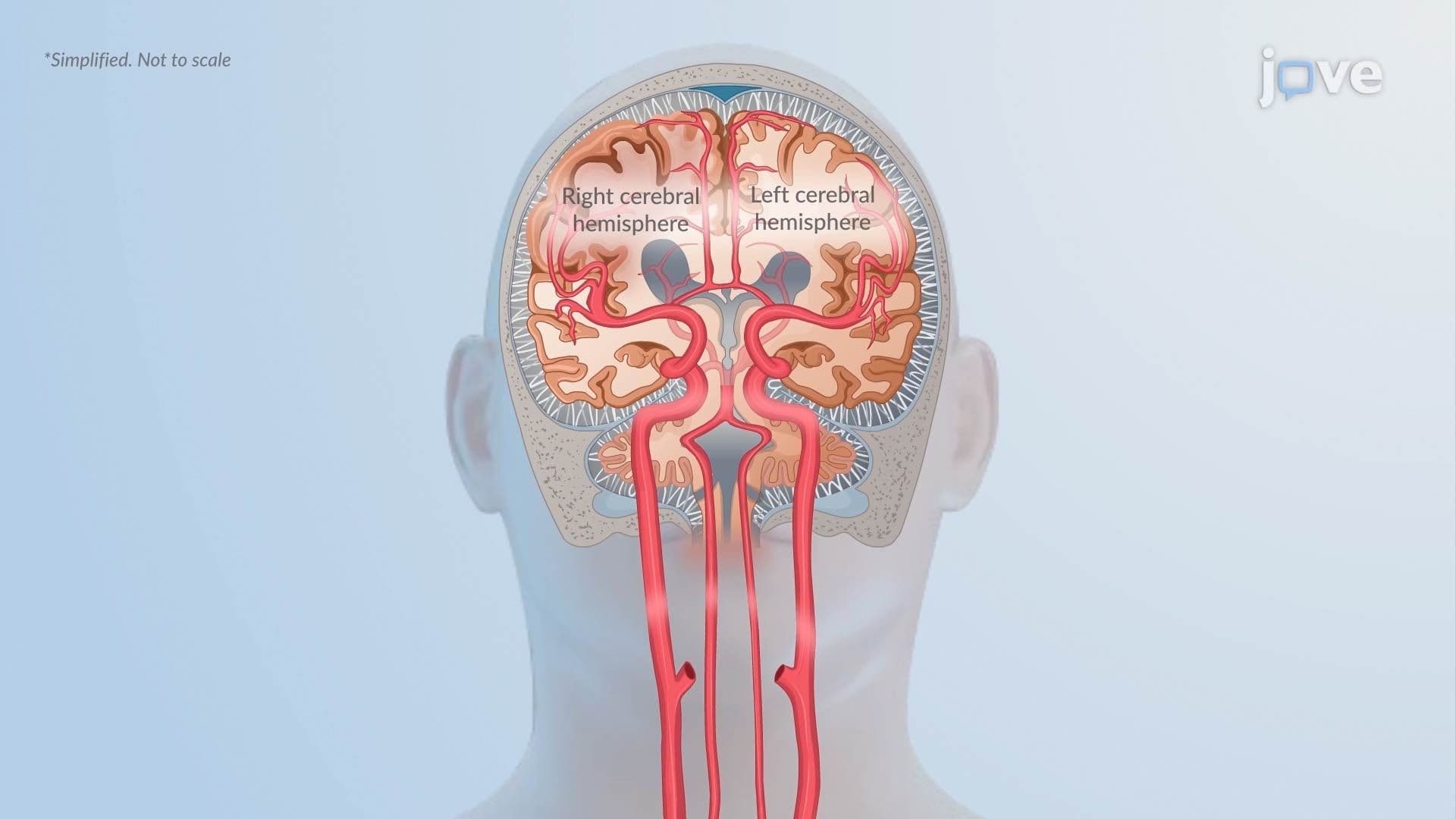
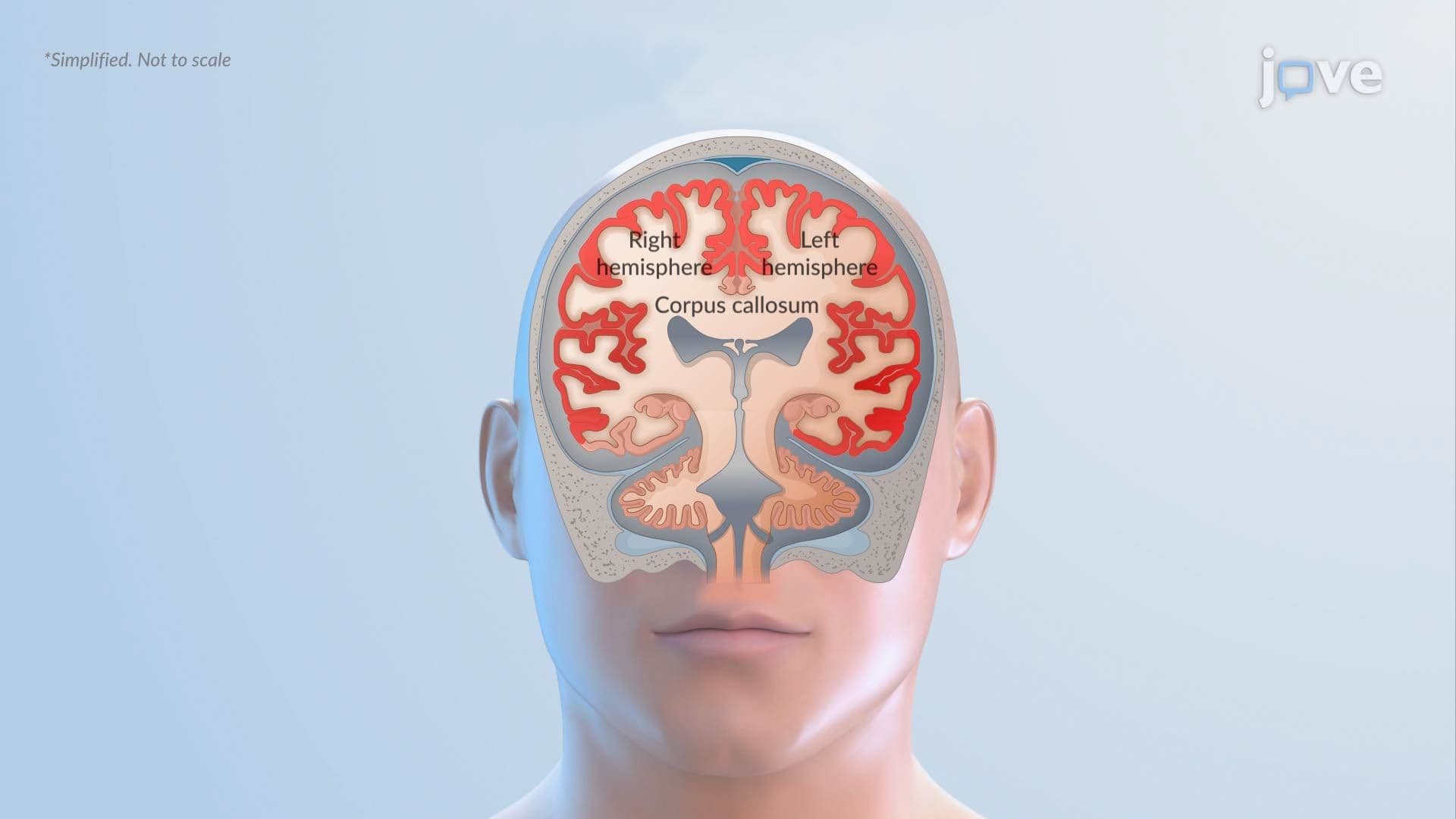
The first method divides epilepsy based on *where seizures originate* in the brain. In focal epilepsy, seizures begin in a localized region of one cerebral hemisphere. A patient might experience involuntary arm jerking on one side of the body, or a sudden emotional sensation, both pointing to a specific cortical area. In generalized epilepsy, both hemispheres are engaged simultaneously from the very start of the seizure, producing symptoms like full-body convulsions or sudden loss of muscle tone.
Combined epilepsy acknowledges that some patients experience *both* focal and generalized seizures over the course of their condition, not one or the other. Finally, unknown epilepsy is assigned when available clinical evidence cannot confirm a specific site of onset. This category reflects real diagnostic limitations and is important for students to understand: not all neurological events are immediately classifiable, especially early in a patient's history.
The second framework groups epilepsies into syndromes, distinct clinical entities defined by a constellation of features: seizure type, age of onset, EEG findings, and how the condition evolves over time. This is a more nuanced approach and is heavily emphasized in medical and nursing education.
Childhood absence epilepsy (CAE) typically emerges between ages 4 and 10 and is characterized by brief, frequent staring spells lasting just seconds. These episodes are often mistaken for daydreaming, delaying diagnosis. US schools frequently flag these children for attention issues before a neurologist confirms the diagnosis via EEG.
Juvenile myoclonic epilepsy (JME) begins in adolescence, commonly between ages 12 and 18. Its hallmark is sudden, involuntary muscle jerks, especially in the morning upon waking. Many adolescents in the US first notice dropping their toothbrush or coffee cup before ever experiencing a full tonic-clonic seizure.
Lennox-Gastaut syndrome (LGS) represents one of the most severe pediatric epilepsy syndromes. It involves multiple seizure types, characteristic slow spike-and-wave EEG patterns, and significant cognitive and developmental impairment. LGS is frequently managed at specialized pediatric epilepsy centers across the US, such as Boston Children's Hospital and Children's Hospital of Philadelphia.
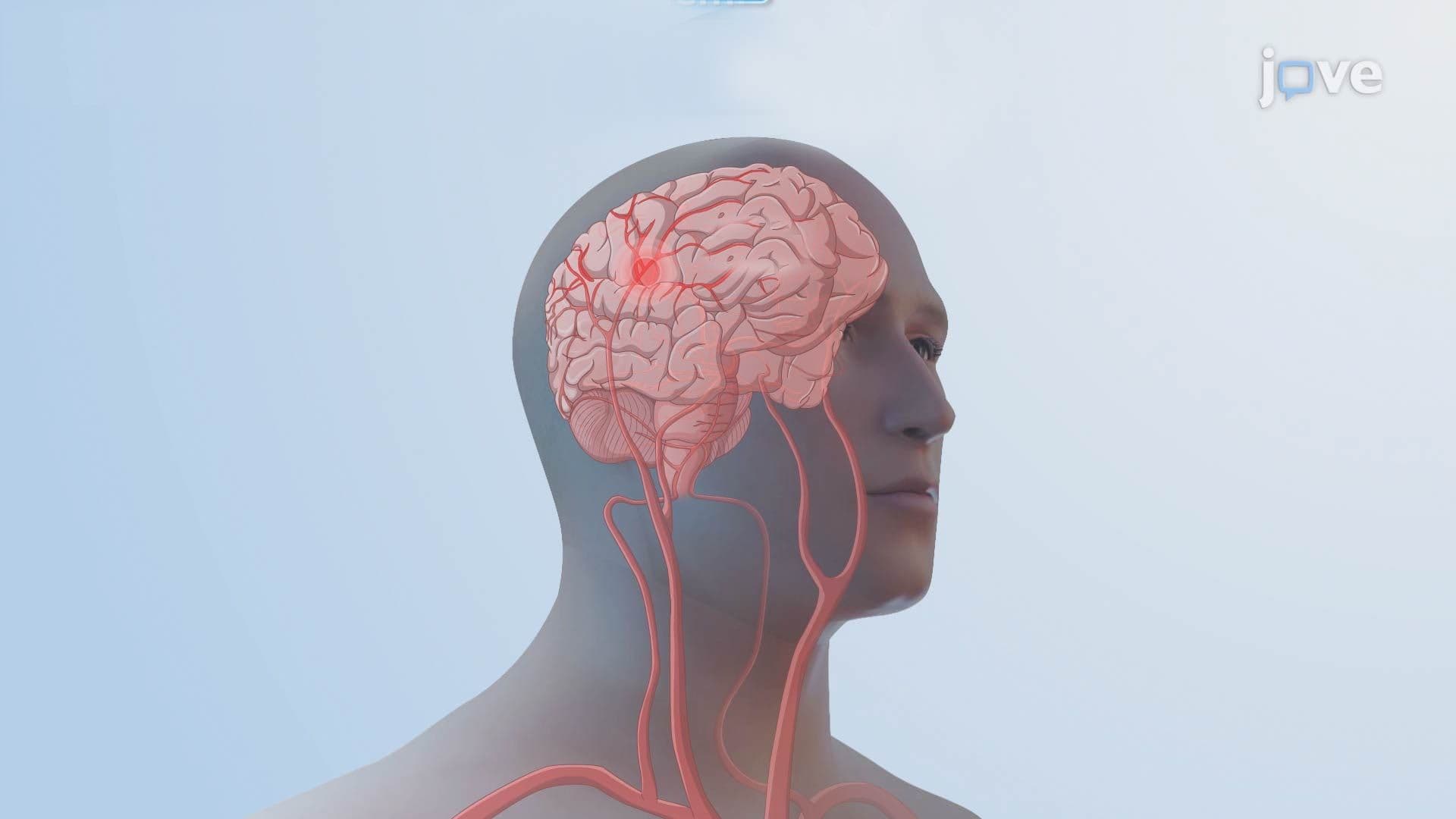
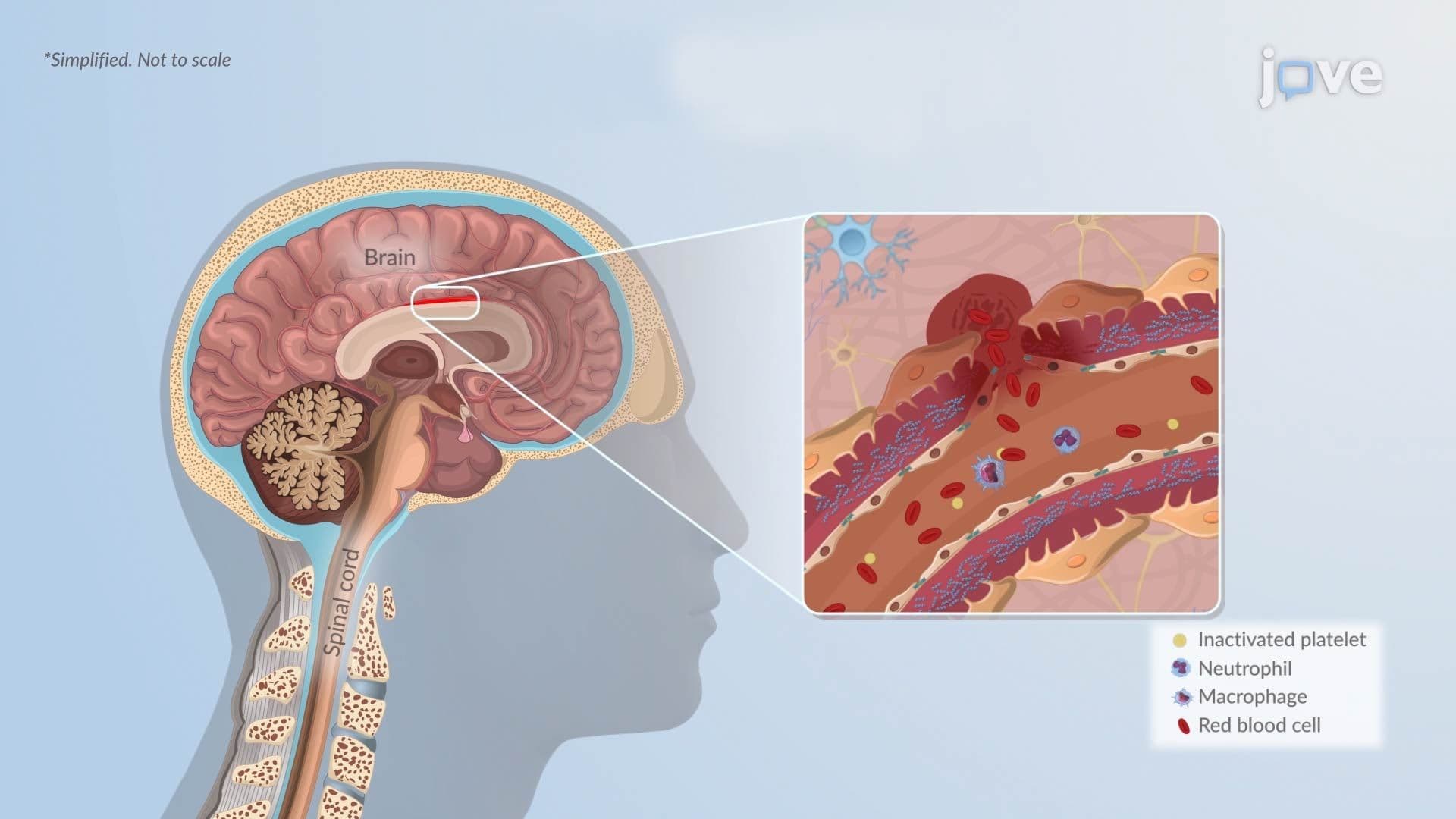
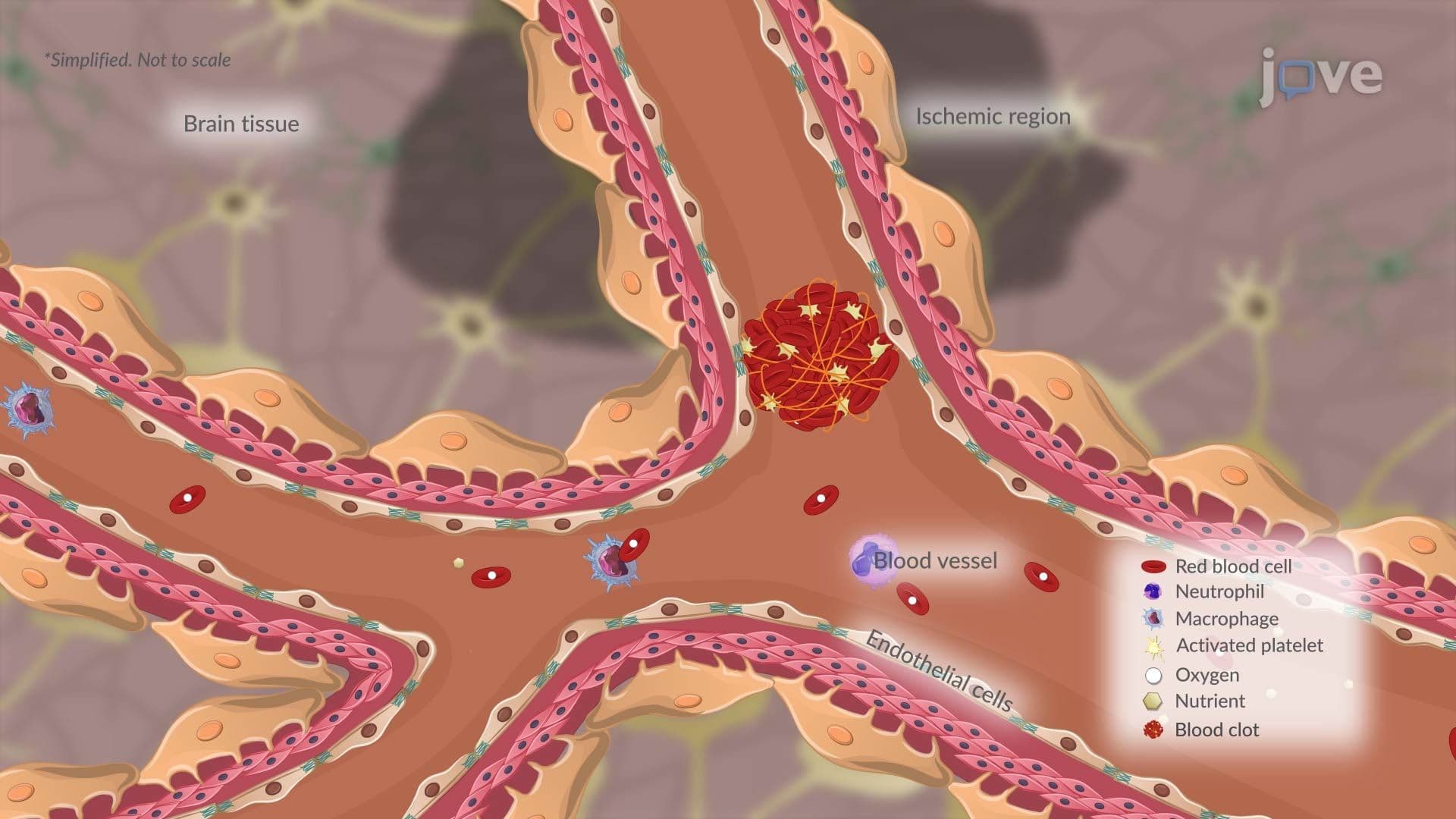
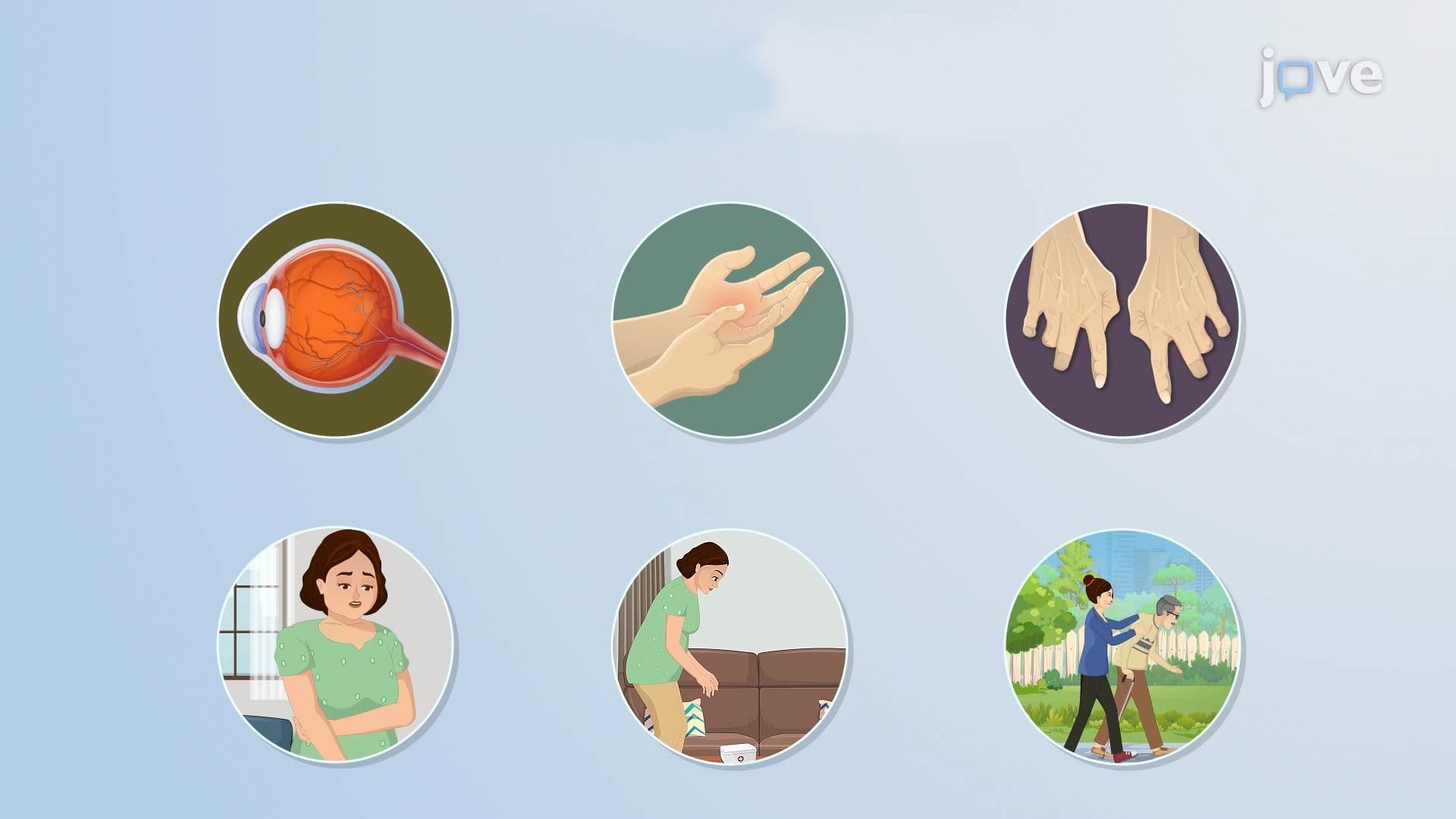
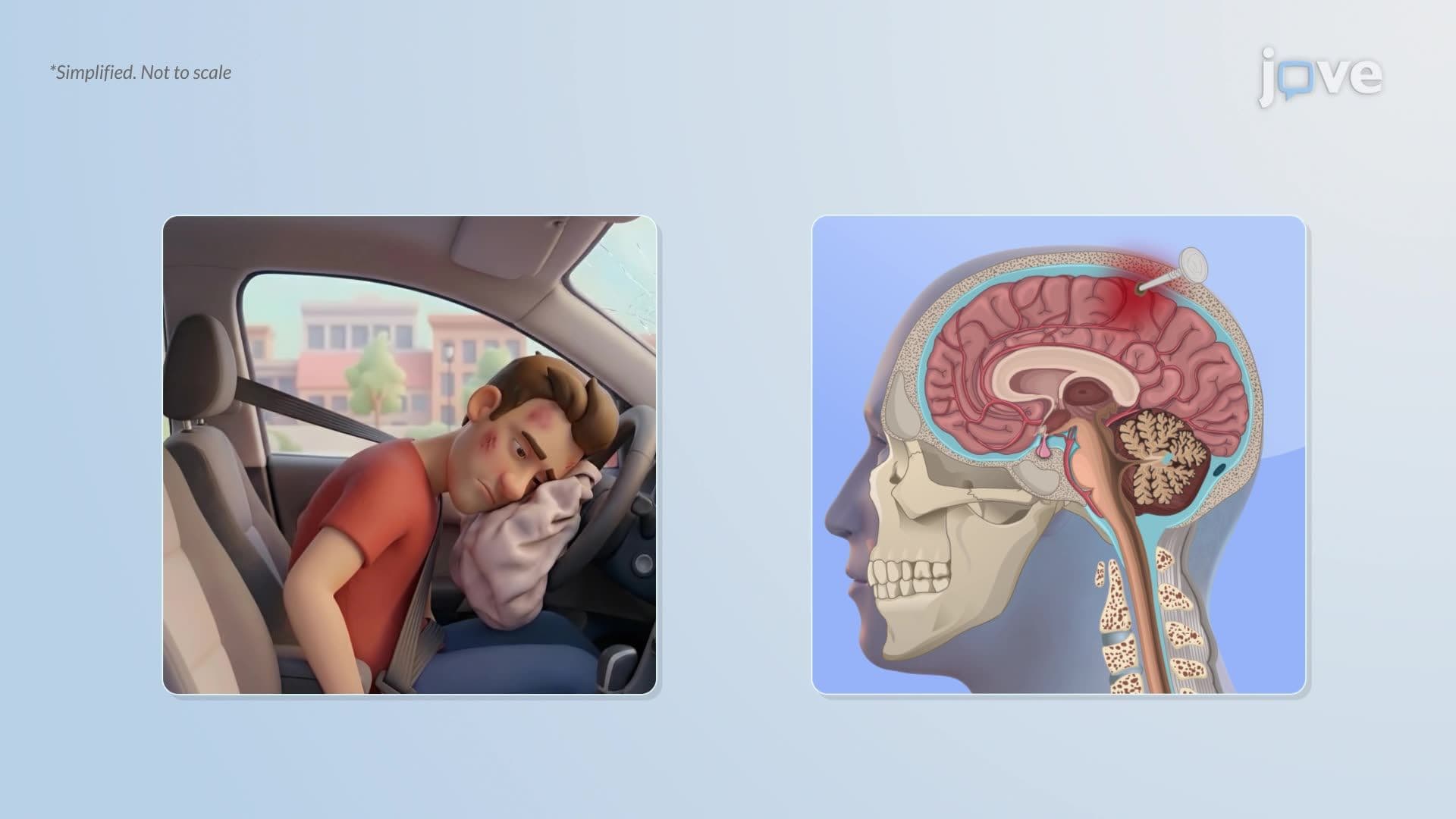
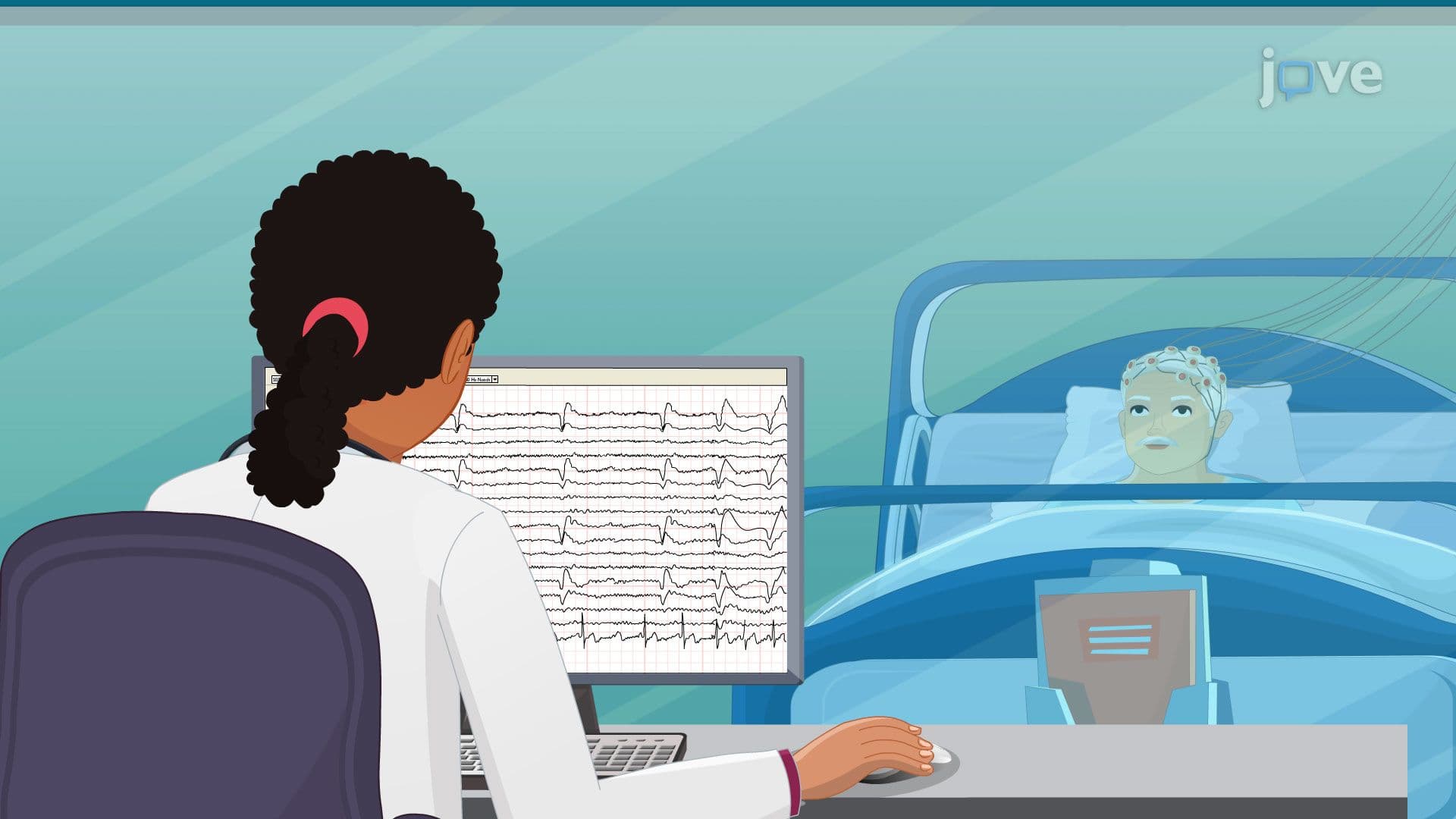
Epilepsy does not exist in isolation. Students studying nervous system disorders will find meaningful overlap with conditions like multiple sclerosis, stroke, and neurodegenerative diseases such as Parkinson's disease and Alzheimer's disease. For example, stroke is a leading cause of acquired focal epilepsy in adults, while neurodegenerative diseases can lower seizure thresholds as brain tissue deteriorates. Understanding how neurological disorders are diagnosed, through EEG, MRI, and clinical history, reinforces skills tested in AP Biology, college neuroscience courses, and health profession entrance exams like the MCAT and TEAS.
Mastering epilepsy classification builds the analytical vocabulary needed to interpret patient scenarios, compare disorder mechanisms, and apply brain anatomy knowledge, all critical competencies for pre-health undergraduates and high school students preparing for advanced coursework.
Related Micro-courses