Loading subject page…

4,546 views

Video Summary: What Is Esophageal Achalasia
Swallowing feels automatic, until it isn't. Esophageal achalasia is a rare but serious motor disorder where the lower esophageal sphincter refuses to relax, trapping food before it ever reaches the stomach. Think of it like a locked door with no key. Affecting roughly 1 in 100,000 Americans annually, this condition causes progressive swallowing difficulty, weight loss, and even lung complications. Watch the full video on JoVE Coach to master this concept with expert-led visuals and step-by-step explanations.
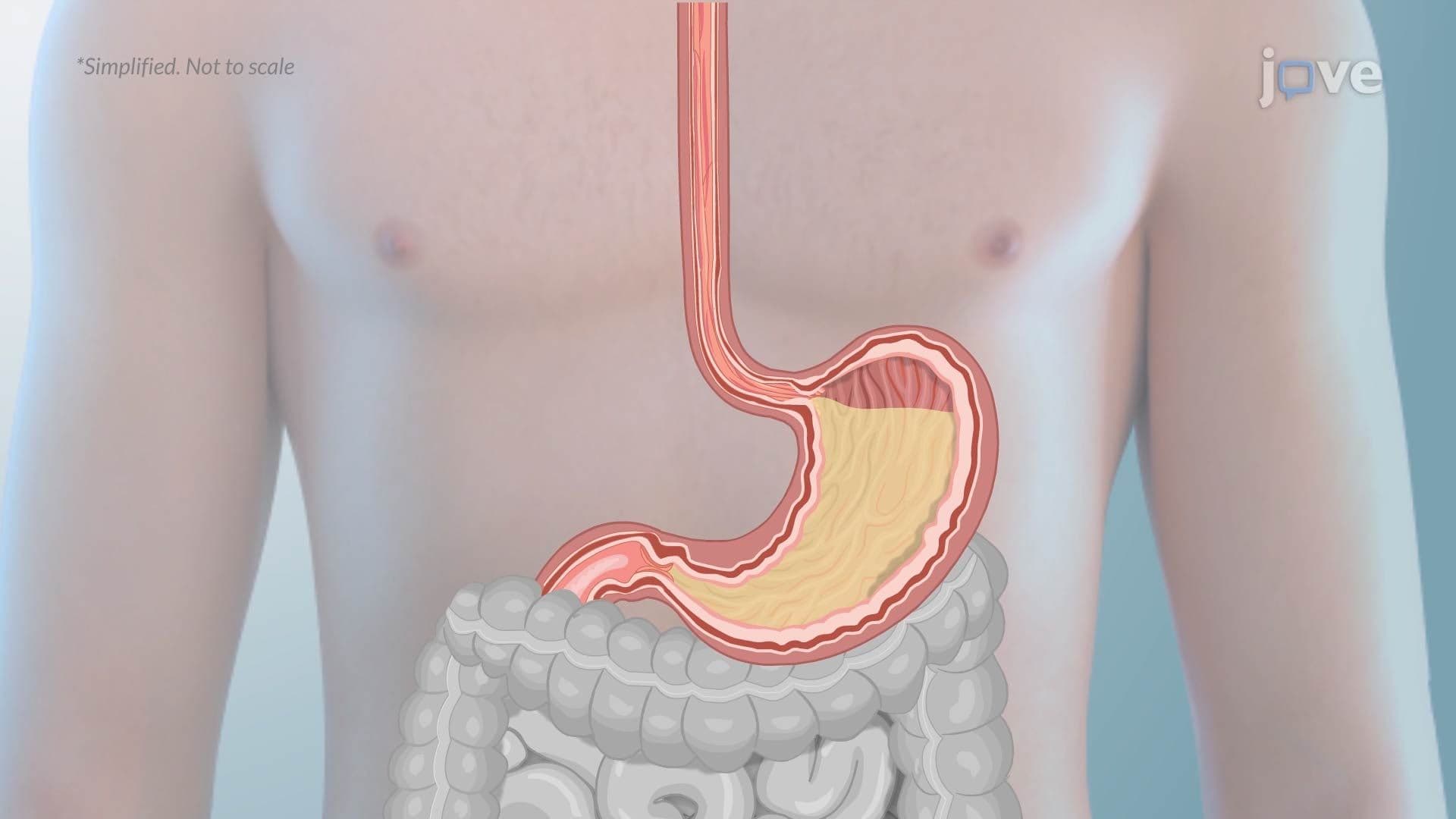
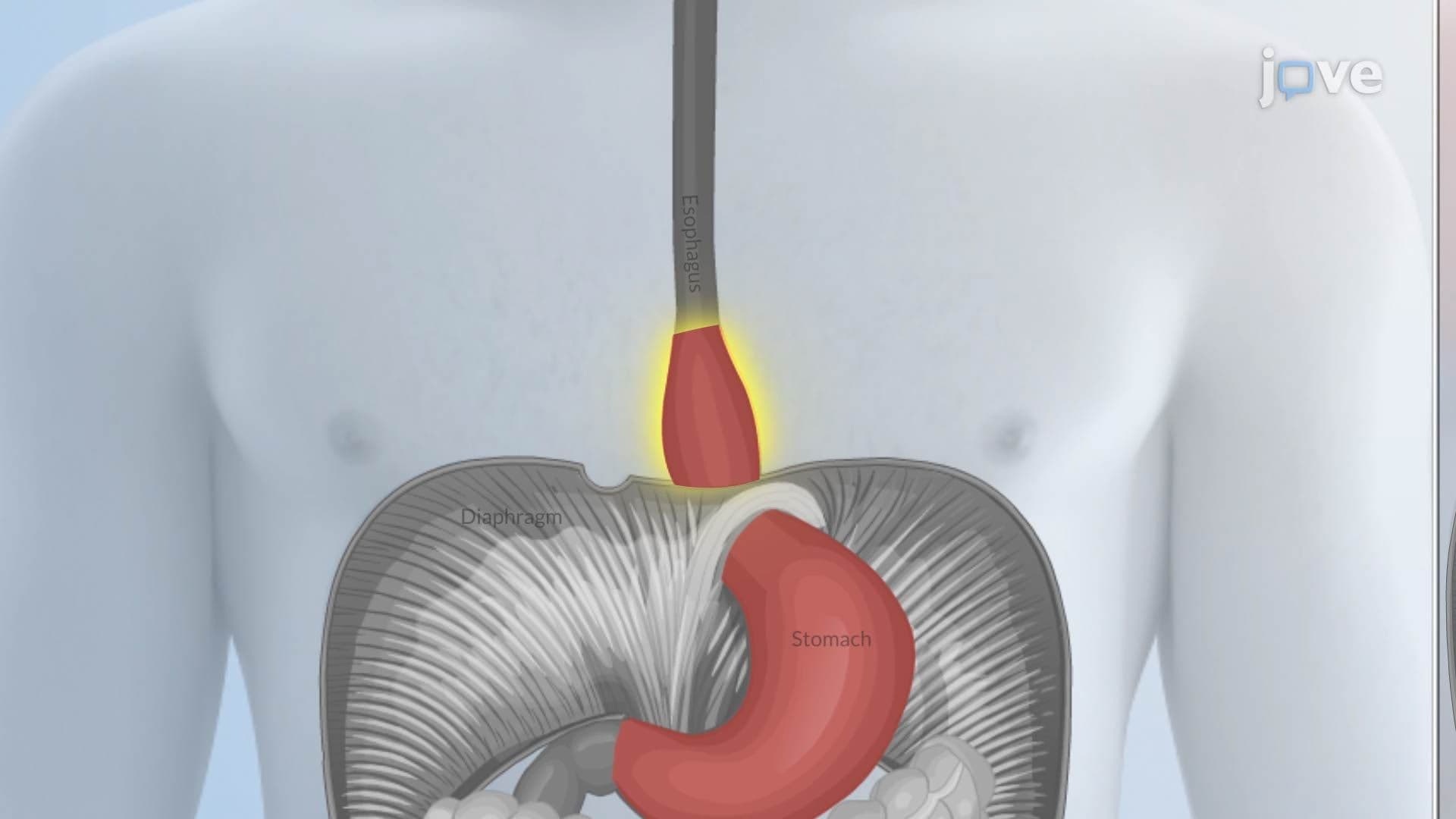
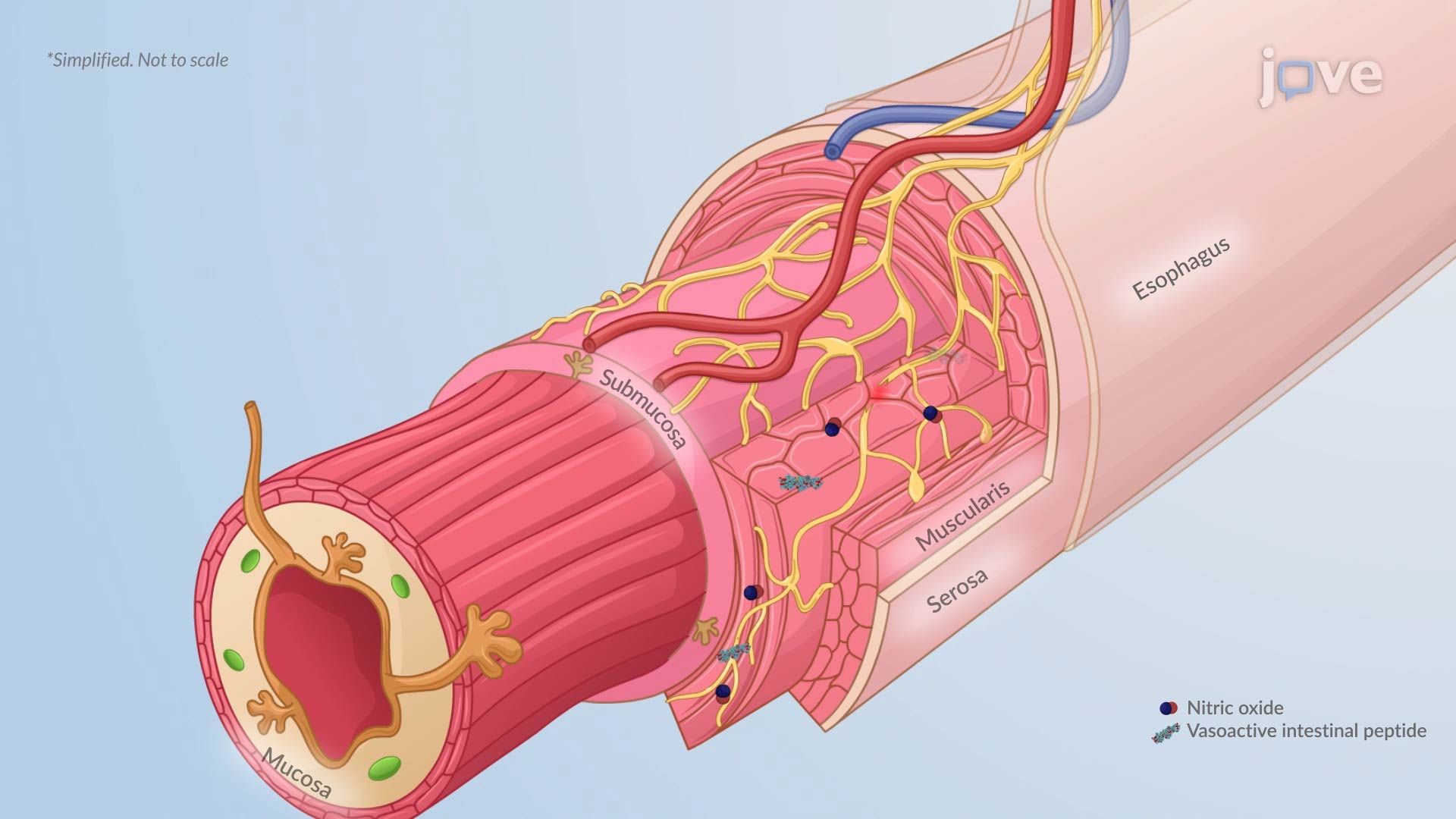
Esophageal achalasia is a relatively rare but clinically significant motor disorder of the esophagus. Under normal conditions, swallowing triggers a coordinated wave of muscle contractions called peristalsis, which pushes food downward. At the end of this journey, the lower esophageal sphincter (LES), a ring of muscle separating the esophagus from the stomach, relaxes to let food pass through. In achalasia, this relaxation fails. The LES remains tonically contracted, and peristalsis in the lower esophagus is either severely impaired or completely absent. The result is a functional obstruction: food accumulates above the sphincter rather than entering the stomach.
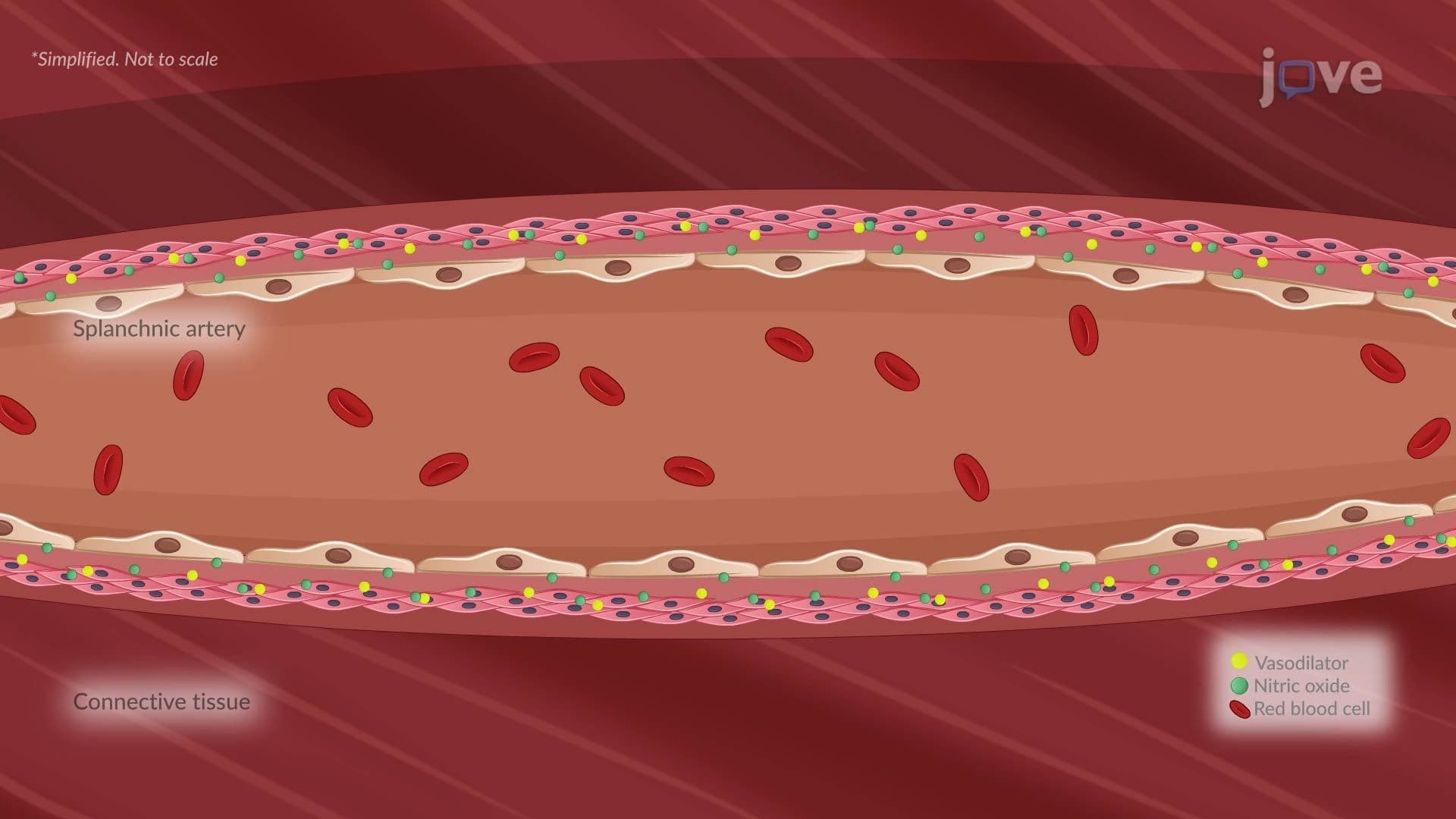
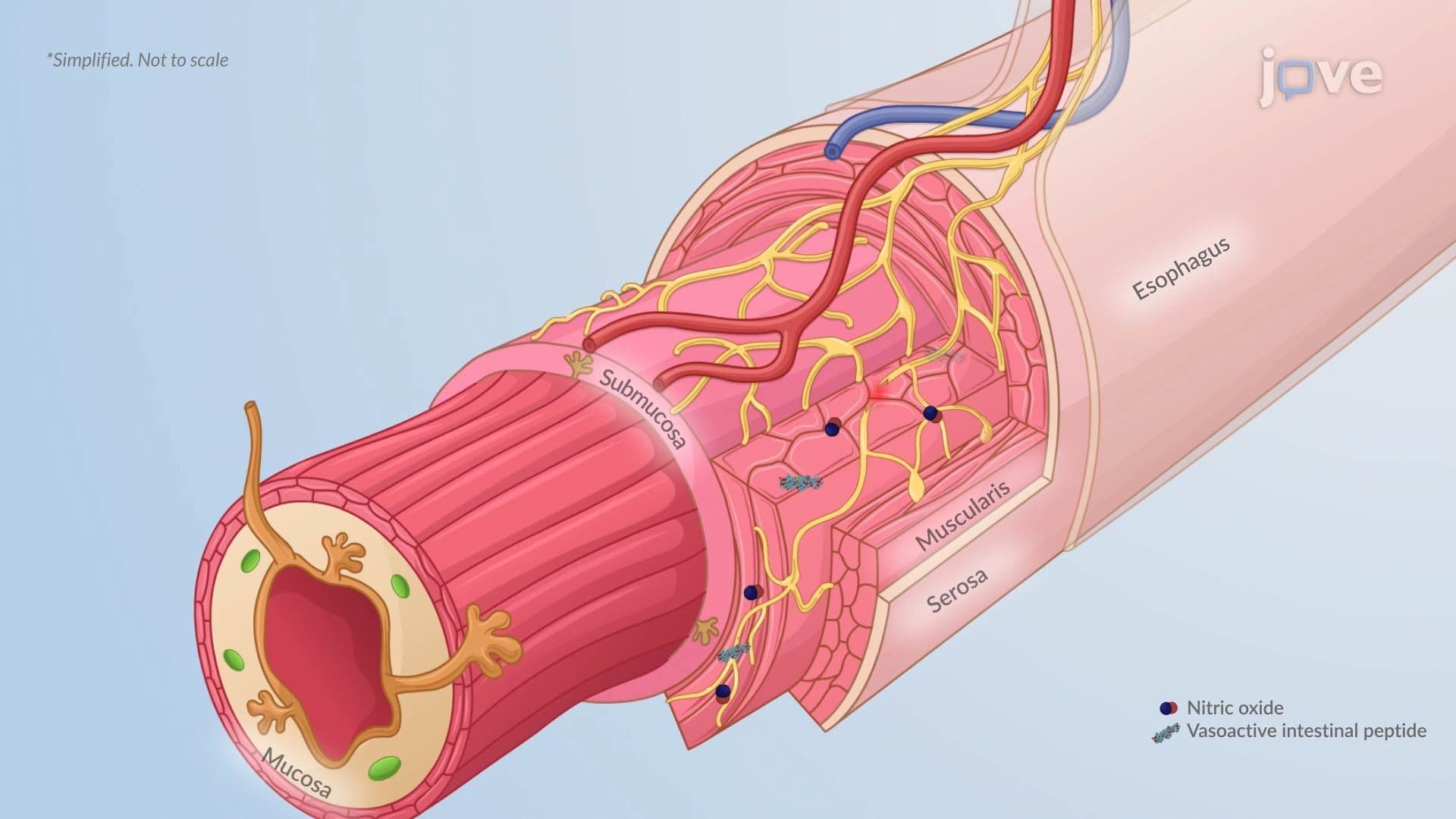
The root cause of esophageal achalasia remains incompletely understood, but current evidence points to a progressive loss of inhibitory neurons in the myenteric plexus, a network of nerve cells embedded in the esophageal wall that coordinates smooth muscle activity. These neurons normally release nitric oxide (NO) and vasoactive intestinal peptide (VIP), chemical signals that trigger LES relaxation. When these neurons degenerate, the inhibitory signal disappears, leaving the excitatory drive unopposed and the LES locked shut.
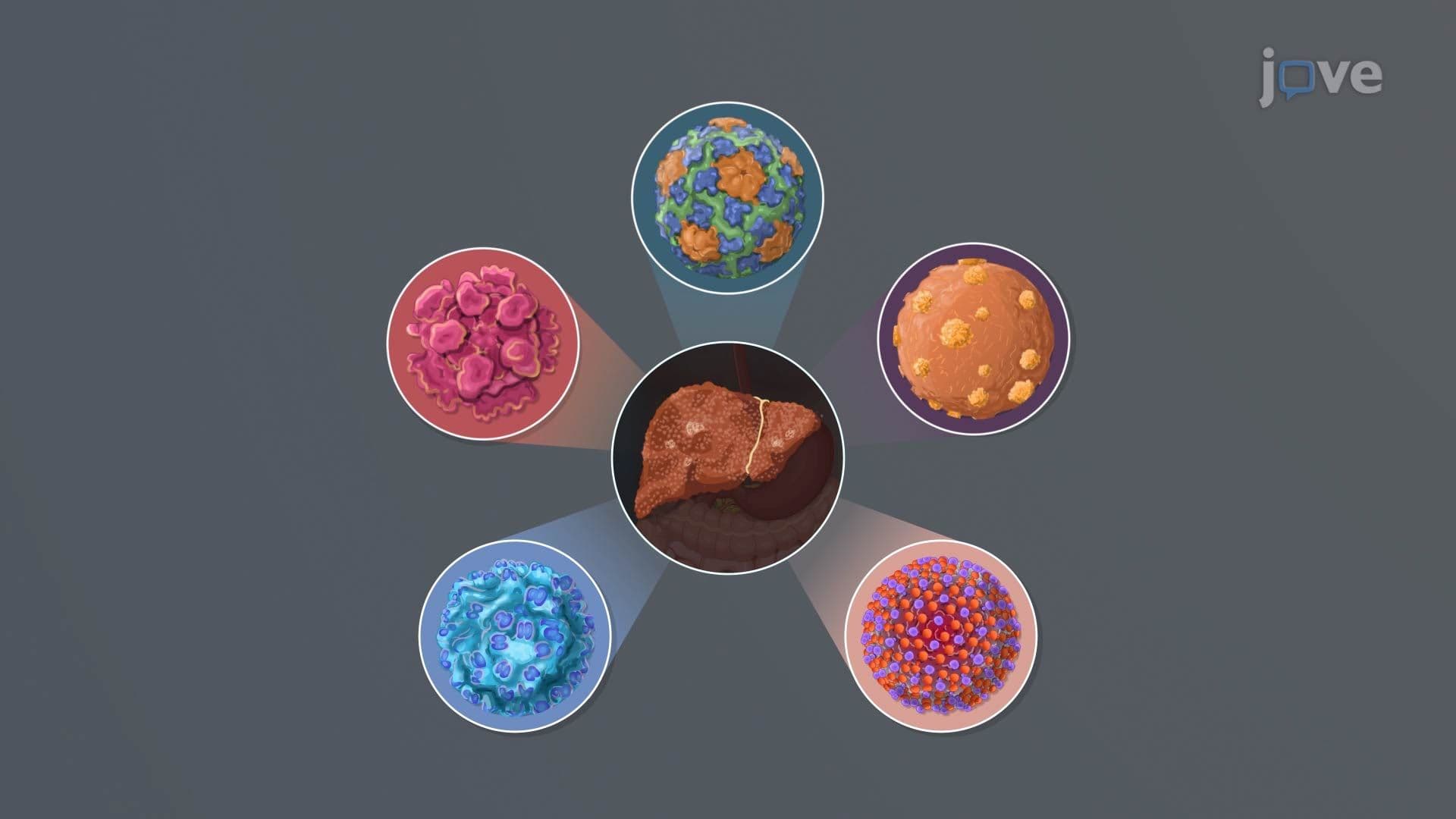
What triggers this neuronal loss? Researchers suspect a combination of viral infection and autoimmune response. Herpes simplex virus type 1 (HSV-1) and human papillomavirus (HPV) have both been implicated as potential initiating agents. The leading hypothesis is that viral exposure in a genetically susceptible individual sparks an immune-mediated inflammatory attack on the myenteric plexus, essentially, the immune system inadvertently destroys the very neurons needed for normal swallowing.
In the early stages, patients, including college-aged young adults who are sometimes misdiagnosed with anxiety-related swallowing difficulties, report gradual difficulty swallowing both solids and liquids, a hallmark that helps distinguish achalasia from structural obstructions, which typically affect solids first. Chest discomfort and regurgitation of undigested food are also common presenting complaints.
As the condition worsens, retained food causes the esophagus to dilate and pressure builds above the sphincter. Chronic stasis, food sitting stagnant for hours, creates a breeding ground for bacterial overgrowth and ongoing mucosal inflammation. Over years, this persistent irritation significantly raises the risk of esophageal squamous cell carcinoma, an important long-term concern that clinicians managing this condition must monitor. In severe or untreated cases, aspiration of retained esophageal contents into the lungs can cause recurrent pneumonia, and the structural stress of a massively dilated esophagus can culminate in esophageal rupture.
Students often encounter esophageal achalasia alongside conditions like GERD, peptic ulcer disease, celiac disease, and inflammatory bowel disease (IBD) in college anatomy, physiology, and pathophysiology courses. Understanding where achalasia fits within this spectrum is valuable. Unlike GERD, where the LES is *too relaxed*, allowing acid reflux, achalasia involves a sphincter that *won't relax at all*. This conceptual contrast is a favorite test point on MCAT and USMLE Step 1 exams.
On the MCAT, questions about achalasia often test knowledge of the autonomic nervous system, neurotransmitter function, and esophageal physiology. For AP Biology and college-level Anatomy and Physiology courses, achalasia illustrates key principles of smooth muscle regulation, the enteric nervous system, and the consequences of neurodegeneration. Recognizing the clinical presentation, progressive dysphagia to both solids and liquids, weight loss, regurgitation, absence of heartburn, helps students apply pathophysiology to patient scenarios, a critical skill for both academic exams and future healthcare careers.
Related Micro-courses