Loading video…

 29 Concepts
 4.5K views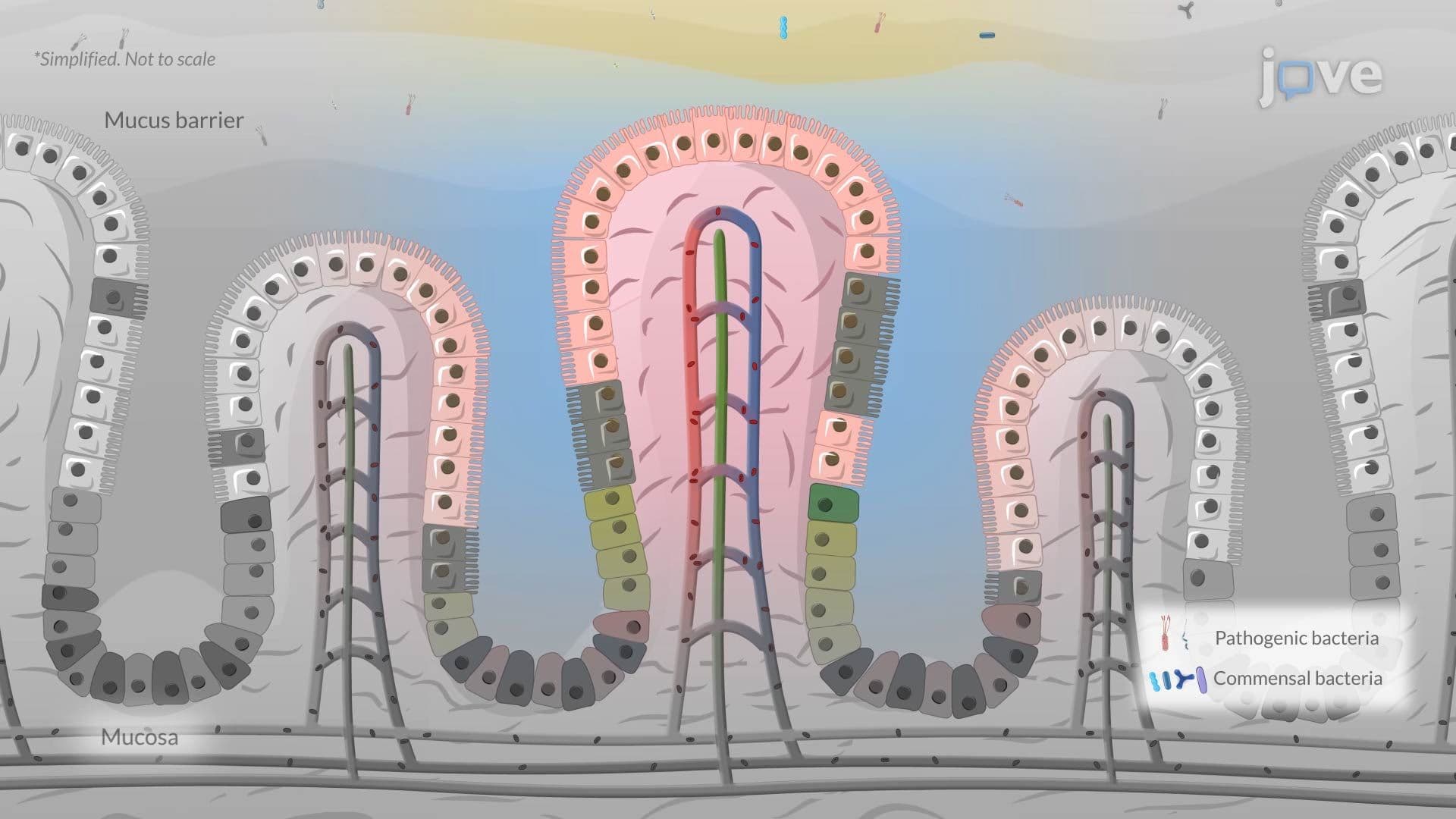

Video Summary: Ulcerative Colitis in Inflammatory Bowel Disease Ii
Did you know your immune system can accidentally attack your own colon, triggering painful bleeding and diarrhea? Ulcerative Colitis in Inflammatory Bowel Disease II breaks down exactly how this happens, from a collapsing mucus barrier to rogue immune cells flooding the gut lining. Millions of Americans live with this condition, yet its cellular mechanisms remain widely misunderstood. Watch the full video on JoVE Coach to master this concept with expert-led visuals and step-by-step explanations.
Ulcerative Colitis in Inflammatory Bowel Disease II refers to the detailed cellular and immunological mechanisms that explain why and how the inner lining of the colon becomes chronically inflamed, ulcerated, and functionally impaired. Unlike a simple overview of symptoms, this level of understanding gets into the biology, the barrier failures, the cytokine storms, and the tissue destruction, that make ulcerative colitis (UC) one of the most clinically significant forms of inflammatory bowel disease (IBD). For students in AP Biology, college-level pathophysiology, or anyone preparing for the MCAT or USMLE Step 1, understanding this mechanistic depth is essential.
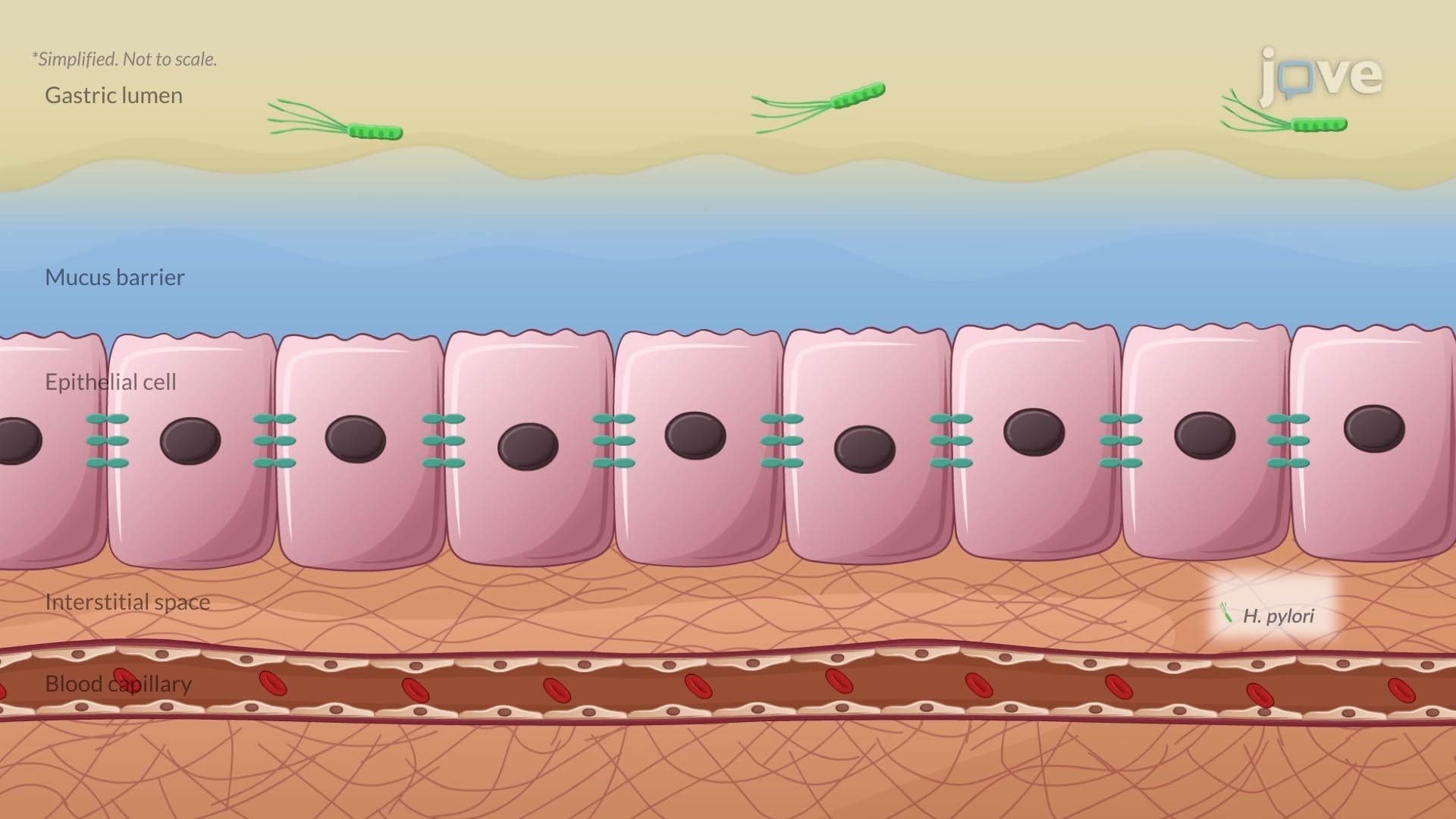
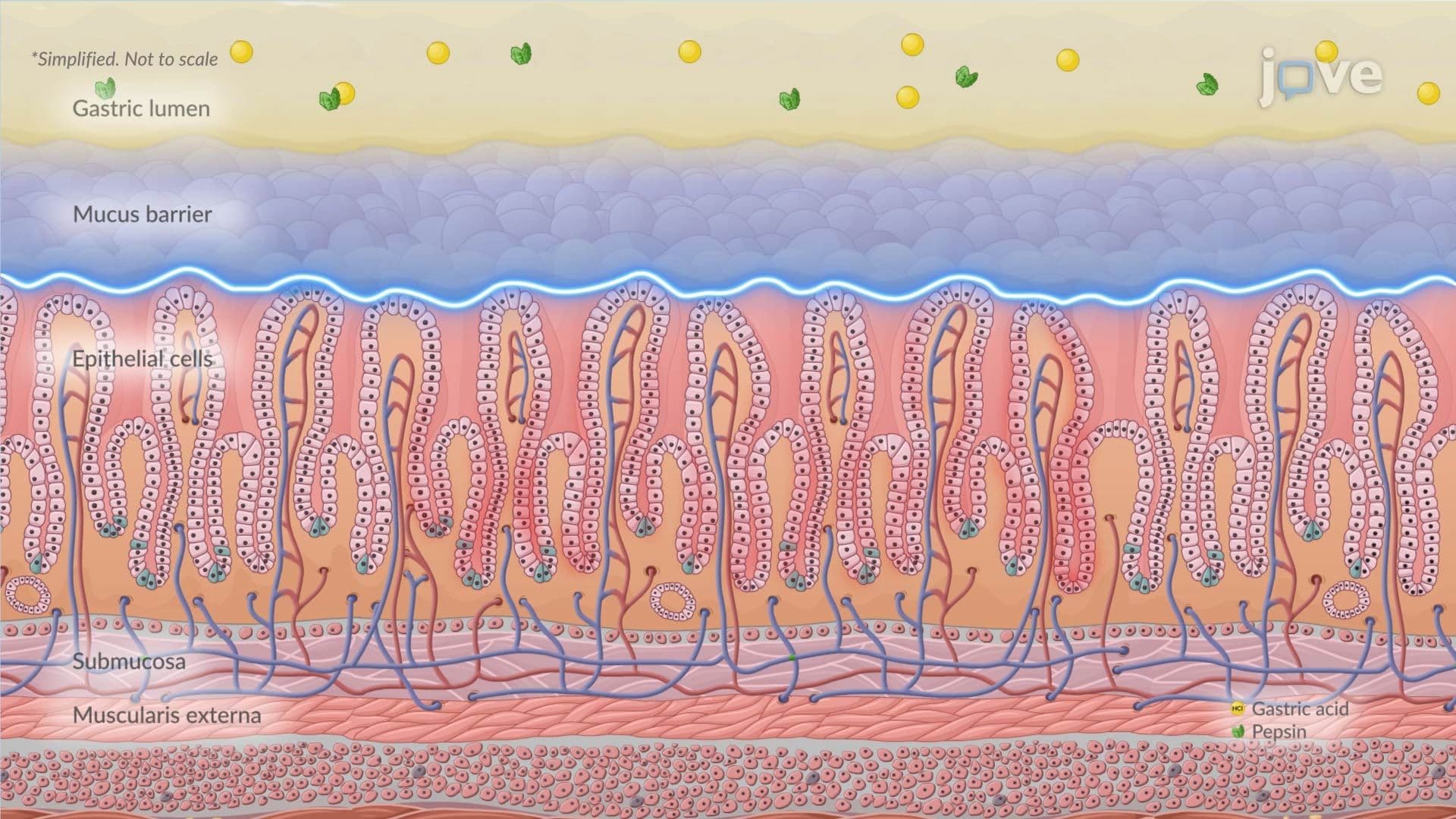
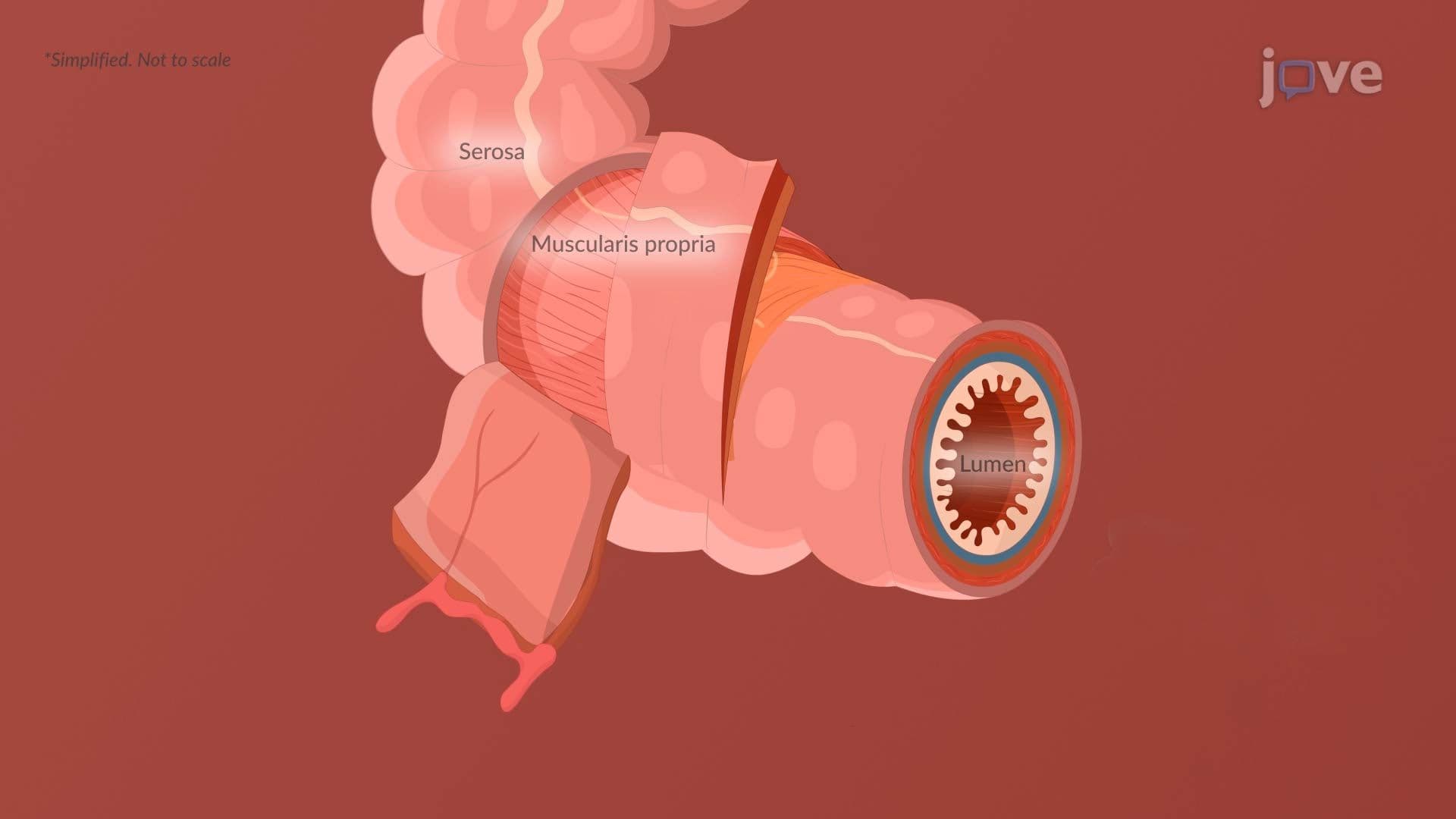
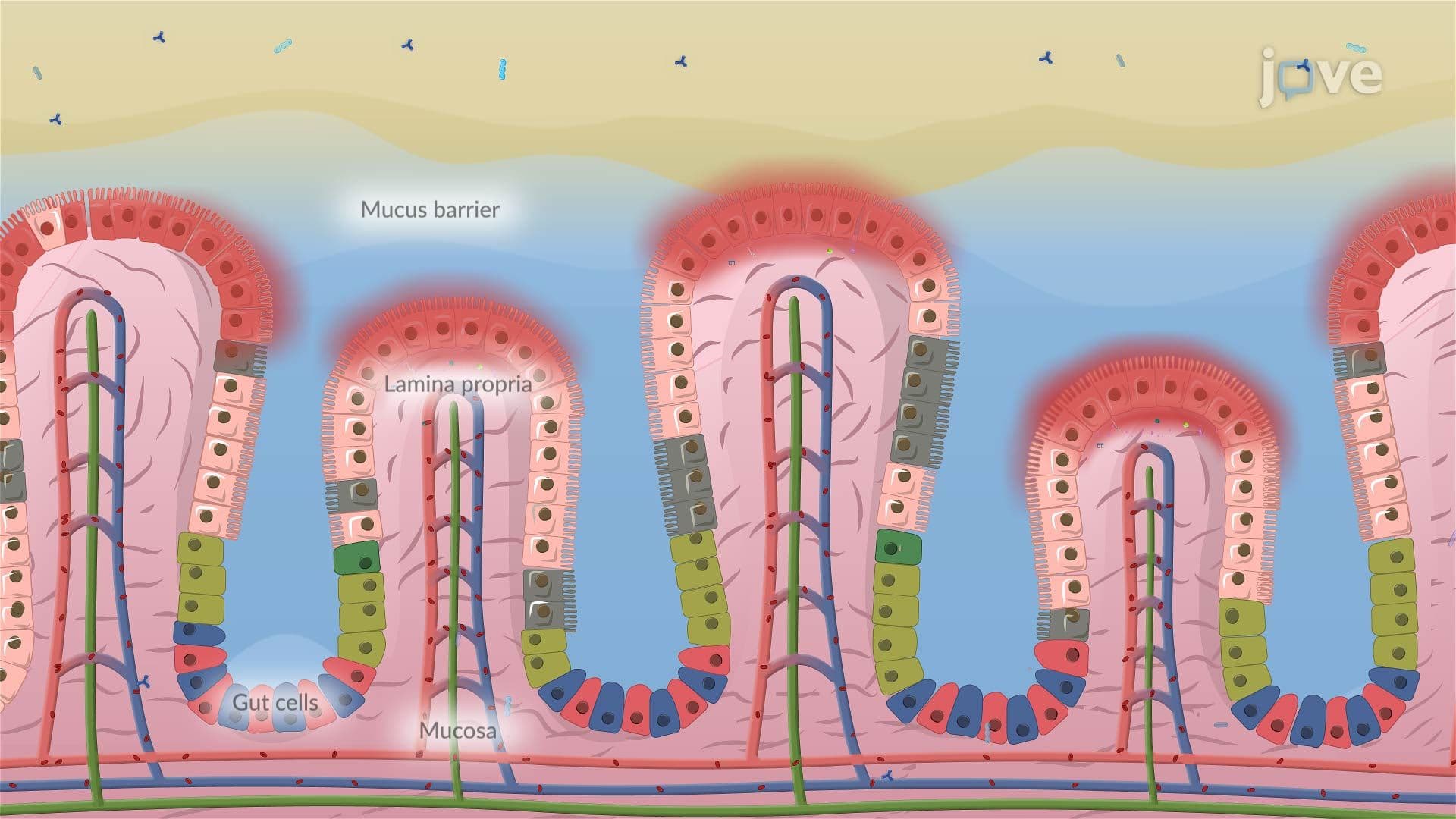
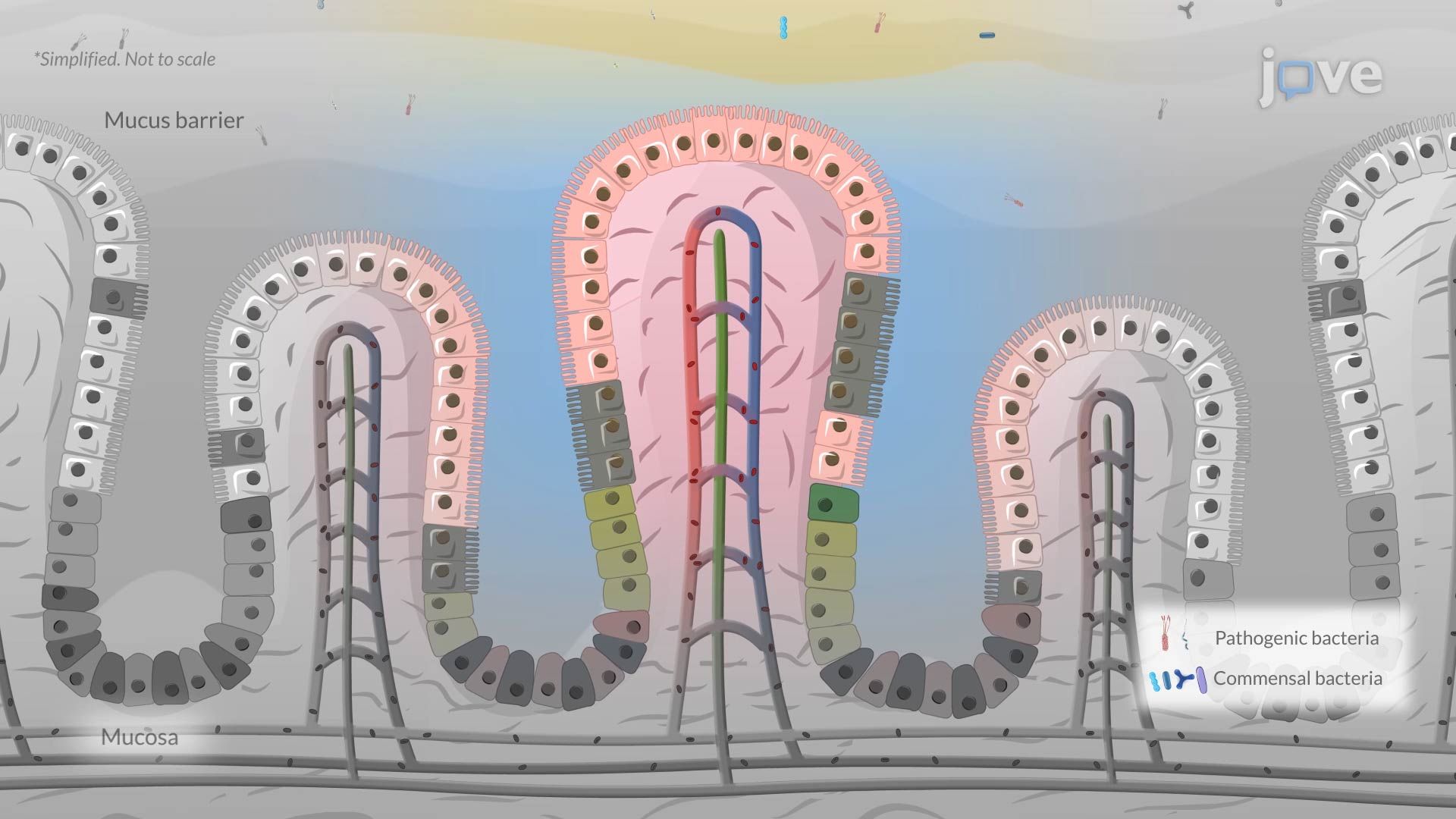
Under normal conditions, the colon is protected by a thick mucus layer and tightly sealed epithelial cells held together by structures called tight junctions. In ulcerative colitis, a combination of genetic susceptibility, environmental triggers (such as diet, stress, or prior gut infections), and immune dysregulation causes this barrier to break down. When tight junction proteins malfunction, intestinal permeability increases, meaning bacteria, antigens, and other harmful substances can slip through the gut wall and into underlying tissue. This "leaky gut" scenario is the critical first step that sets the inflammatory cascade in motion. Students often confuse this with IBS, which is a functional disorder without this kind of structural immune-mediated damage.
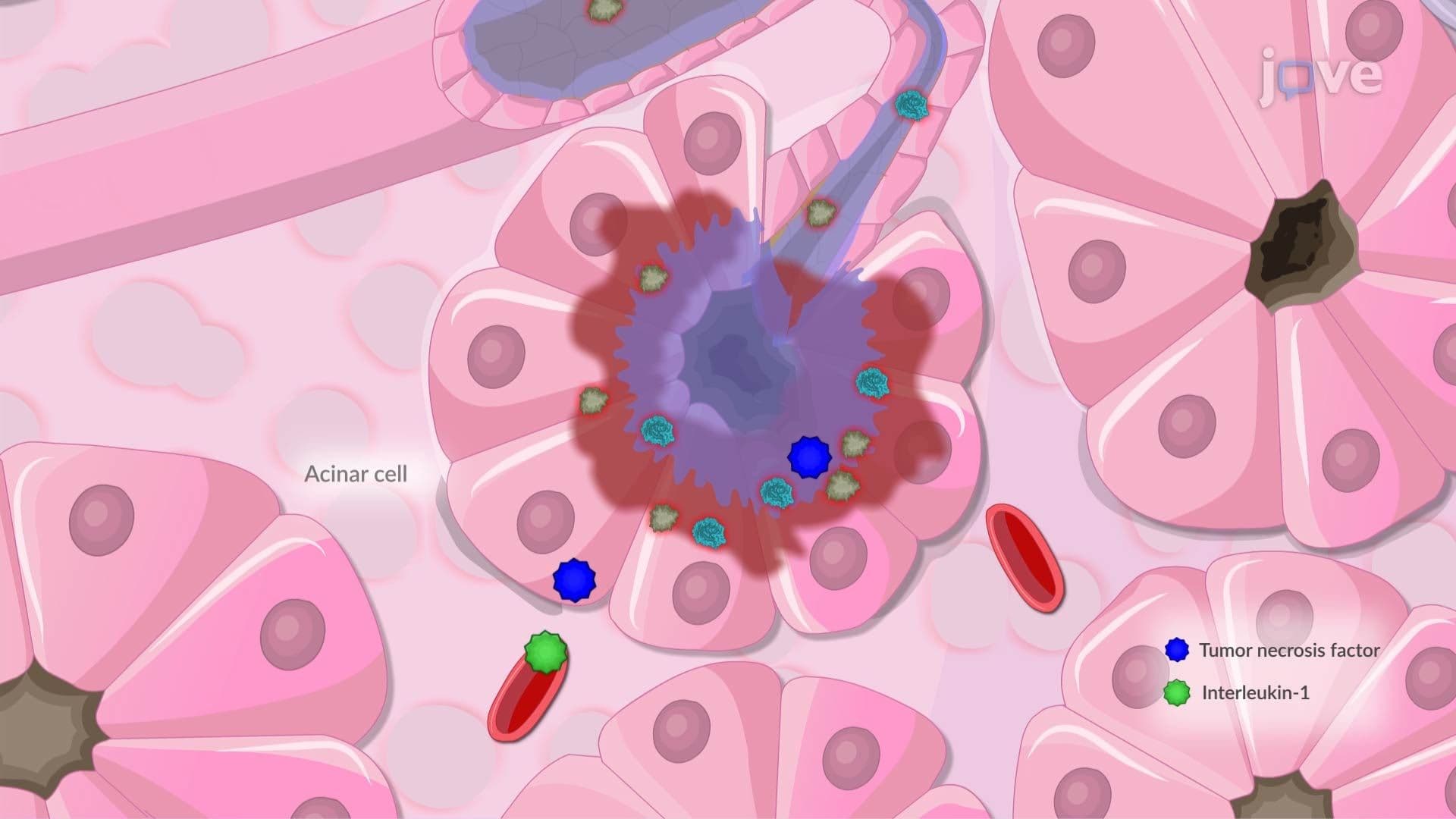
Once the epithelial barrier is compromised, the immune system mounts an aggressive response. Neutrophils, lymphocytes, plasma cells, macrophages, and eosinophils flood the colonic mucosa. These cells release a wave of pro-inflammatory cytokines, chemical messengers including tumor necrosis factor-alpha (TNF-alpha), interleukin-1 (IL-1), interleukin-6 (IL-6), and interleukin-13 (IL-13), that amplify inflammation rather than resolve it. This is a key concept tested on MCAT Biology sections and college immunology midterms. Understanding why the immune response becomes self-destructive, rather than protective, is what distinguishes IBD from a straightforward infection like a gastrointestinal bacterial illness.
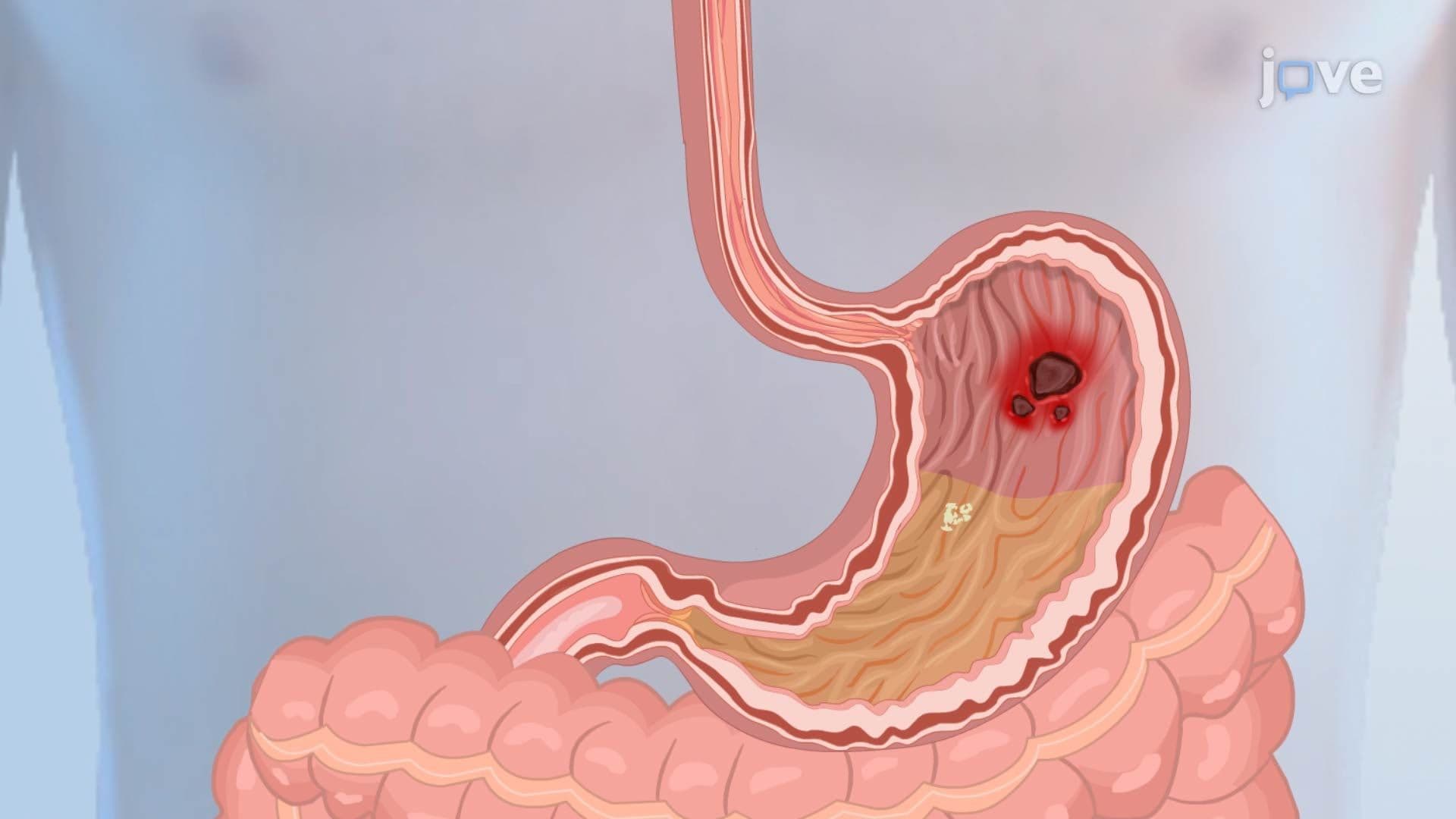
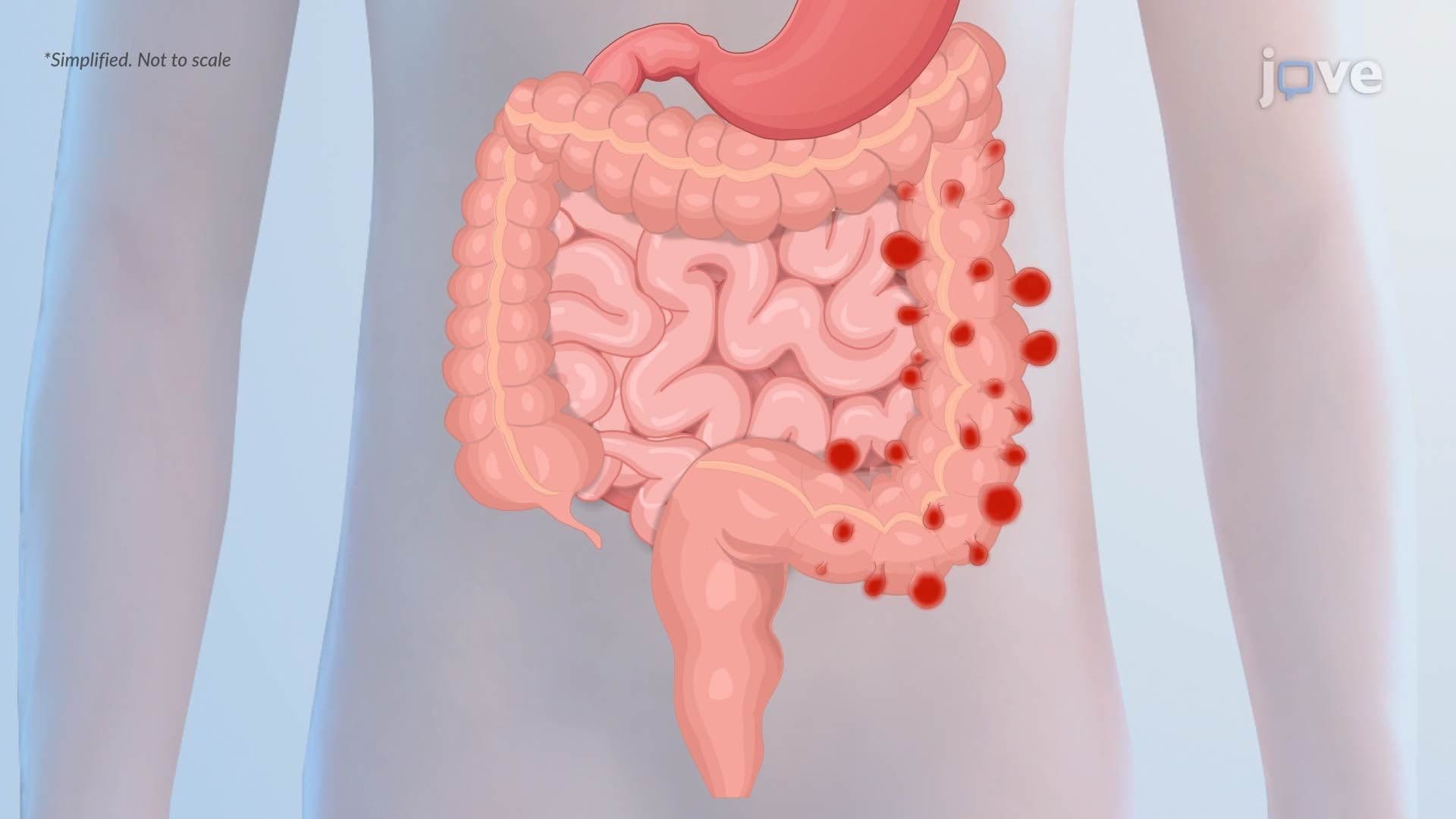
As inflammation deepens, neutrophils invade the crypts of Lieberkühn, the tubular glands that line the colon and help regulate fluid and electrolyte absorption. This invasion leads to crypt abscesses, which are pockets of pus inside glandular structures. Over time, these abscesses destroy the glandular tissue itself. With fewer functional glands, the colon loses its ability to reabsorb water and electrolytes from digested material, producing the hallmark symptom of chronic, watery diarrhea. Simultaneously, mucosal ulceration weakens capillary walls throughout the lining, causing rectal bleeding, a symptom that distinguishes UC from conditions like peptic ulcer disease or celiac disease, which affect different regions of the GI tract.
In the United States, approximately 900,000 people are diagnosed with ulcerative colitis, and it is most commonly identified in young adults between ages 15 and 35. Major US academic medical centers like the Mayo Clinic and Cleveland Clinic use targeted biologic therapies, including drugs that specifically block TNF-alpha (such as infliximab), directly informed by the cytokine mechanisms described here. This connection between cellular pathophysiology and pharmaceutical intervention is a high-yield topic for NCLEX, HESI A2, and USMLE preparation. Understanding how the gut manages, or fails to manage, inflammation also provides crucial context for comparing IBD to related but distinct conditions like GERD, gastrointestinal bleeding disorders, and celiac disease on standardized exams.
Related Micro-courses