Loading video…

 29 Concepts
 4.5K views

Video Summary: Crohn S Disease in Inflammatory Bowel Disease Iii
Did you know your immune system can mistakenly attack your own gut bacteria, triggering lifelong inflammation? Crohn's Disease in Inflammatory Bowel Disease III breaks down exactly how this happens, from genetic mutations in genes like NOD2 to environmental triggers like cigarette smoking and ultra-processed diets. Students at schools across the US encounter this topic in AP Biology and college physiology courses. Watch the full video on JoVE Coach to master this concept with expert-led visuals and step-by-step explanations.
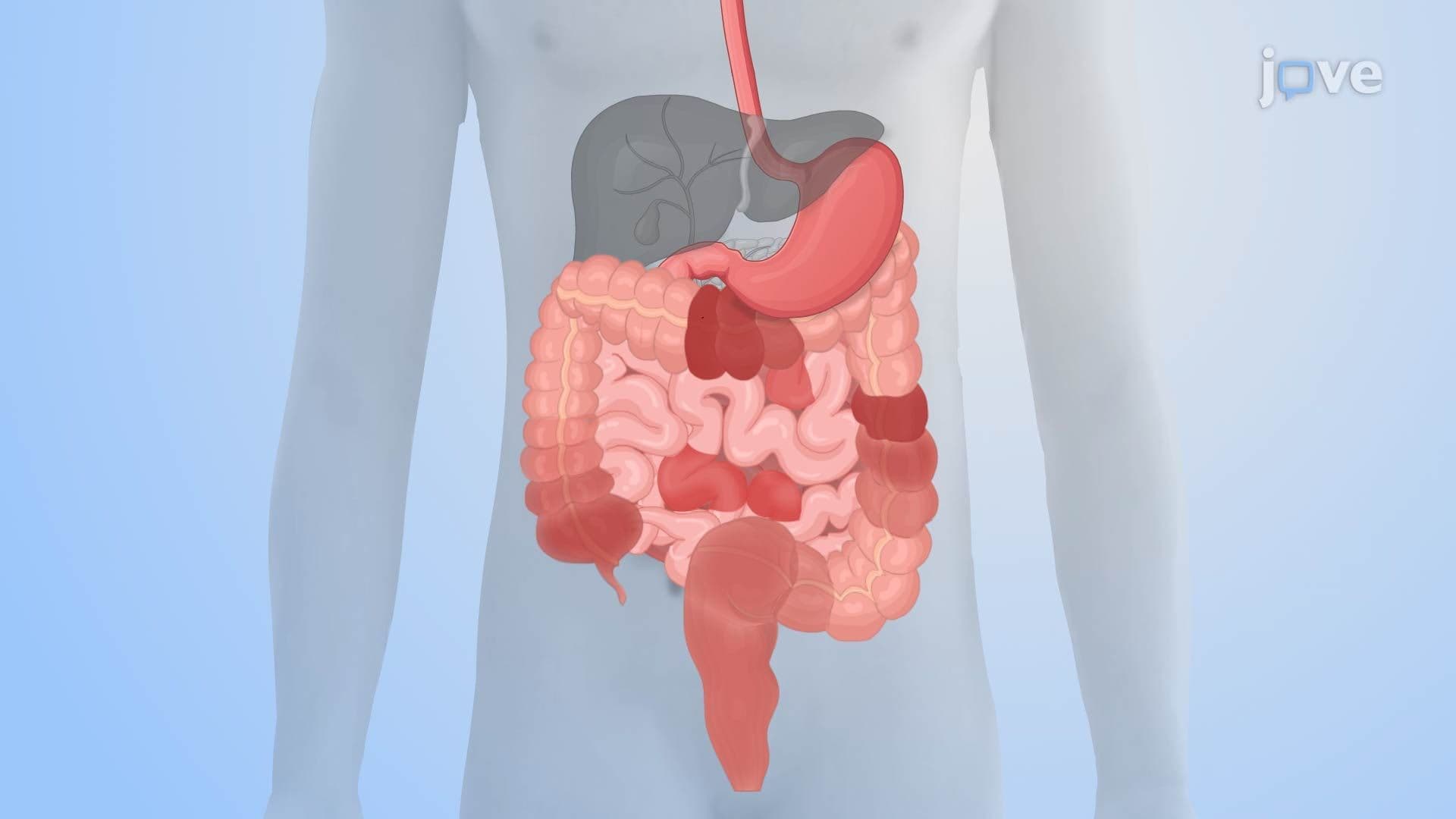
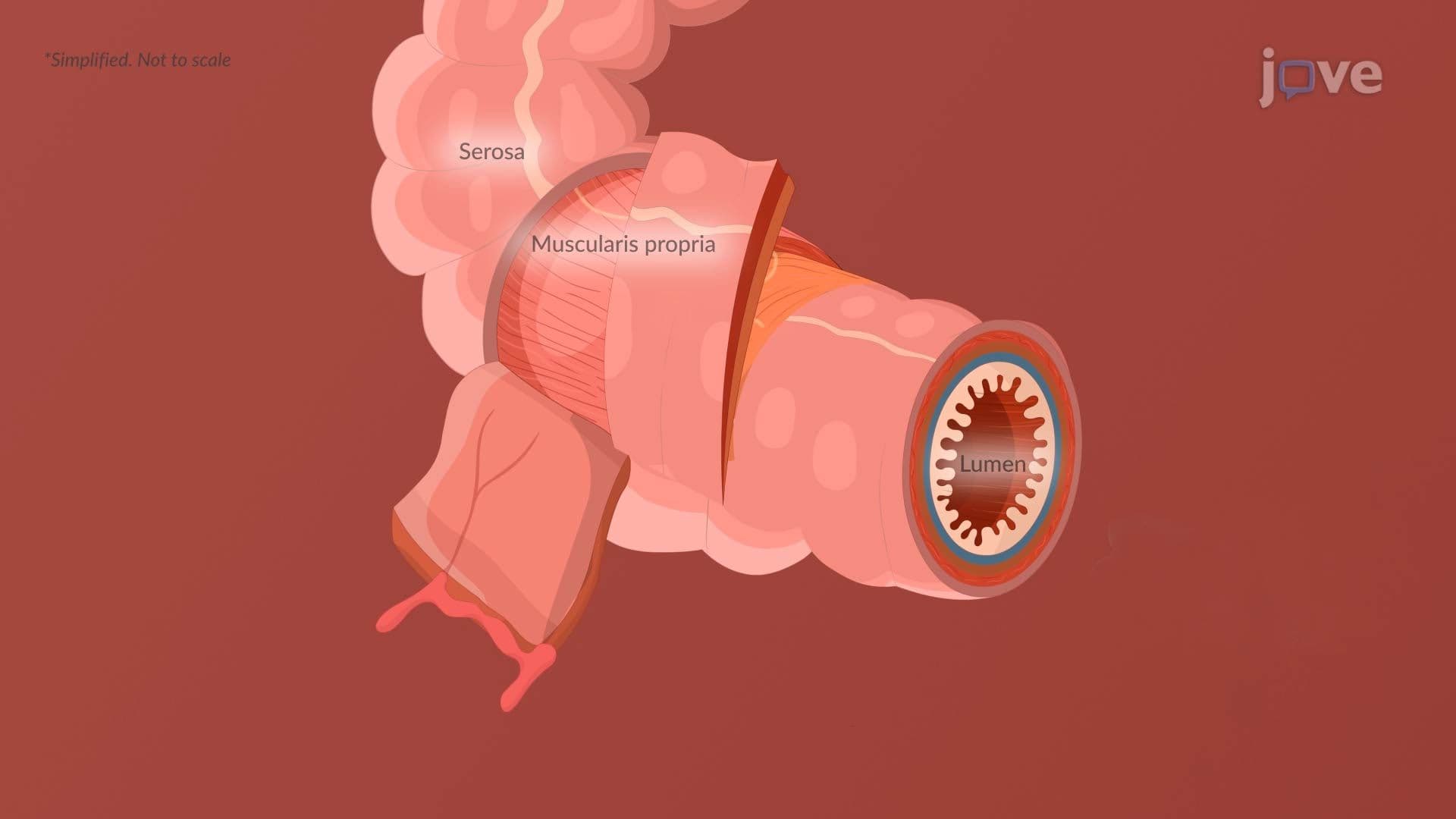
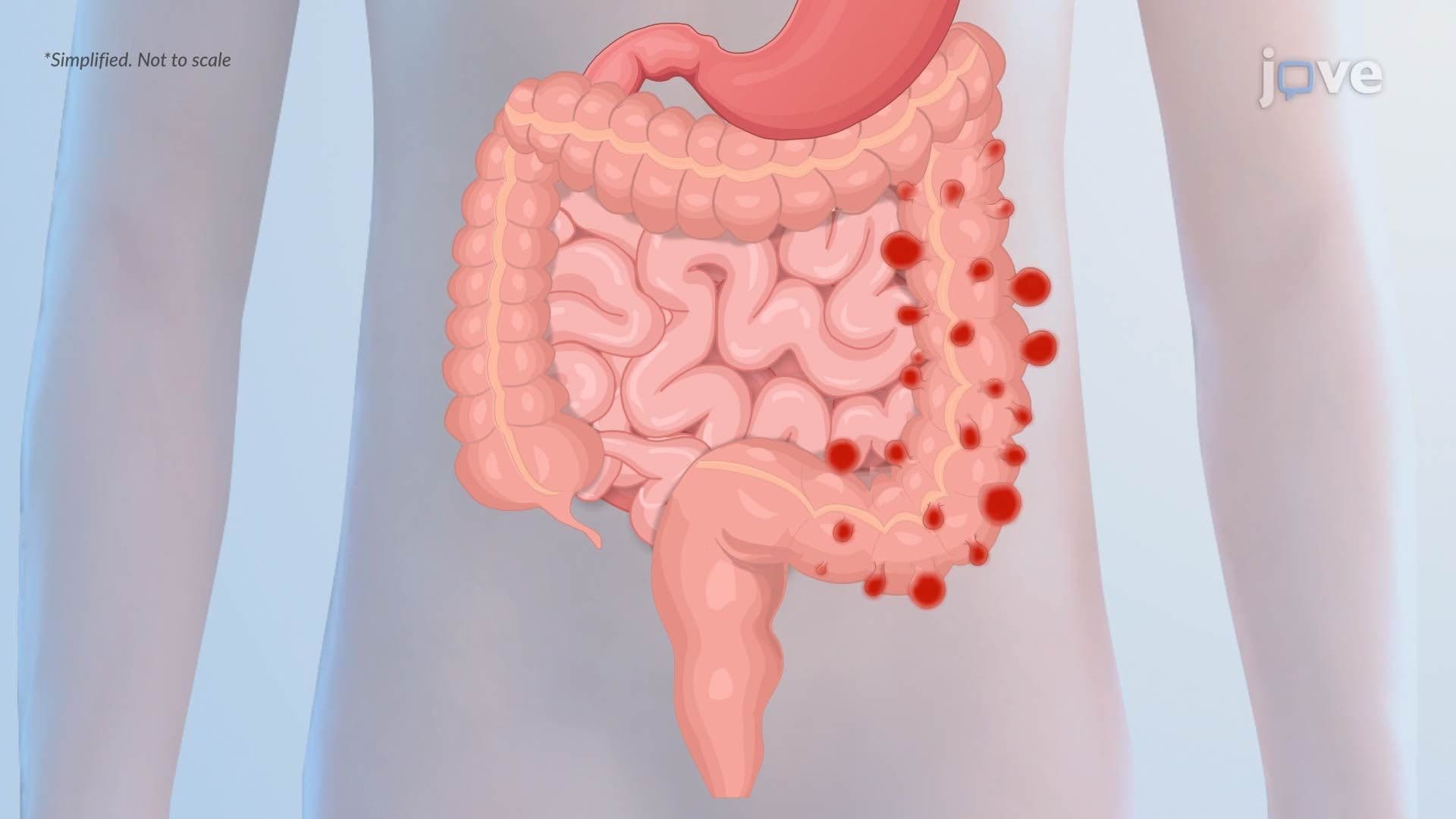
Crohn's disease is one of the two major forms of inflammatory bowel disease (IBD), the other being ulcerative colitis. Unlike ulcerative colitis, which is confined to the colon's inner lining, Crohn's disease produces transmural inflammation, meaning it affects every layer of the intestinal wall and can occur anywhere from the mouth to the anus. Understanding the full mechanistic picture is critical for students preparing for MCAT, USMLE Step 1, college immunology exams, and even AP Biology coursework.
Not everyone exposed to the same environmental triggers develops Crohn's disease. Genetic background plays a decisive role. Three of the most clinically significant gene variants involve:
These mutations have been identified through large-scale genome-wide association studies (GWAS) conducted by US research institutions, including work supported by the Crohn's and Colitis Foundation.
Even with genetic risk, an environmental trigger is typically needed to initiate disease. Three major contributors stand out:
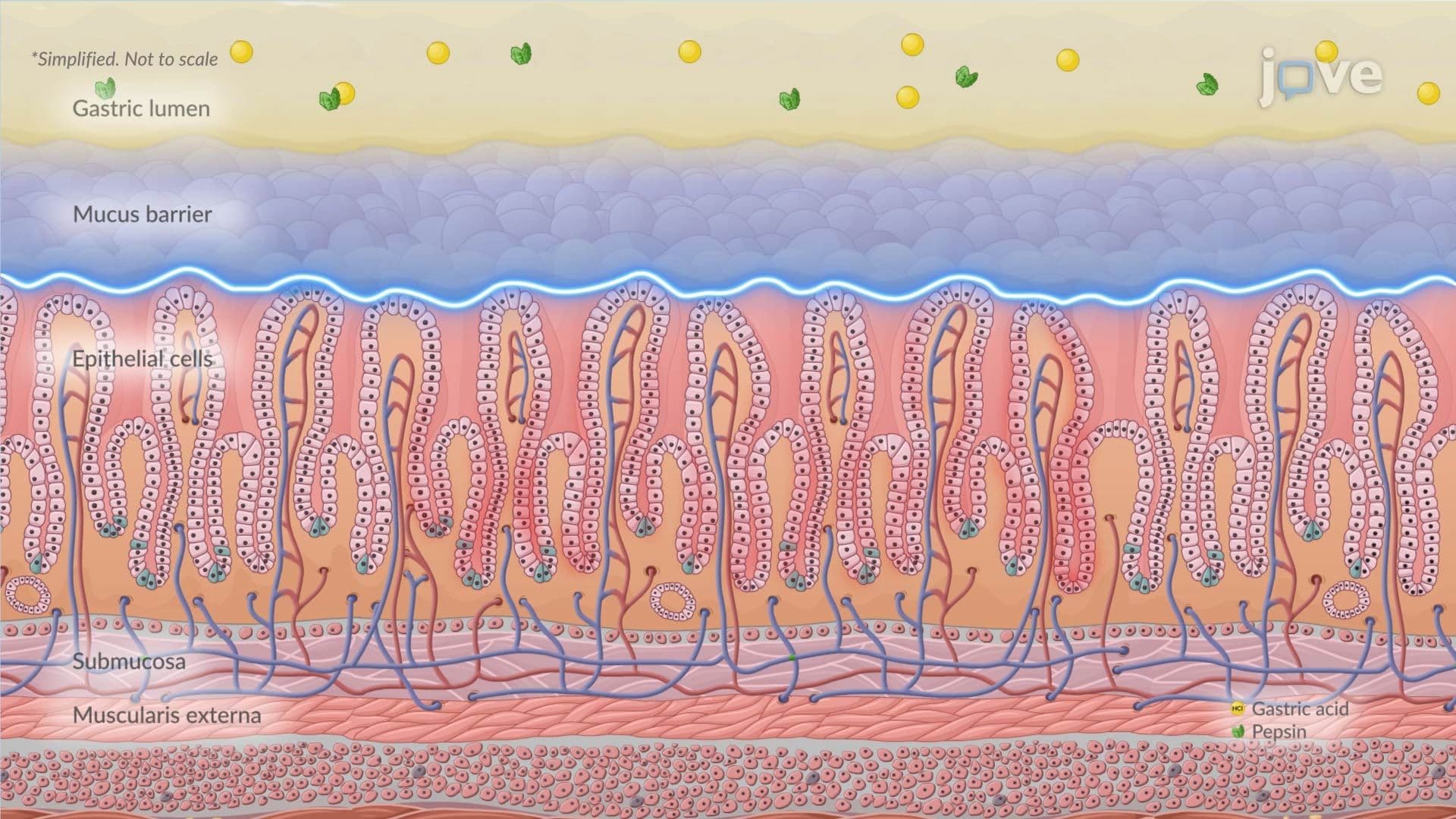
1. Cigarette smoking is one of the most well-established risk factors. Smoking impairs the mucus layer lining the gut, reduces blood flow to intestinal tissues, and directly disturbs the gut microbiome. Notably, smoking worsens Crohn's disease but appears to have a paradoxically protective effect in ulcerative colitis, a fact that frequently appears on MCAT biology sections. 2. Prior gastrointestinal infections with organisms like *Salmonella* or *Campylobacter* can permanently alter the microbiome's composition and sensitize intestinal immune cells, leaving the gut in a low-level inflammatory state long after the infection resolves. 3. Ultra-processed food diets, prevalent across much of the US, are associated with reduced microbial diversity, lower production of protective short-chain fatty acids, and weakened epithelial tight junctions, all of which lower the gut's defenses against luminal antigens.
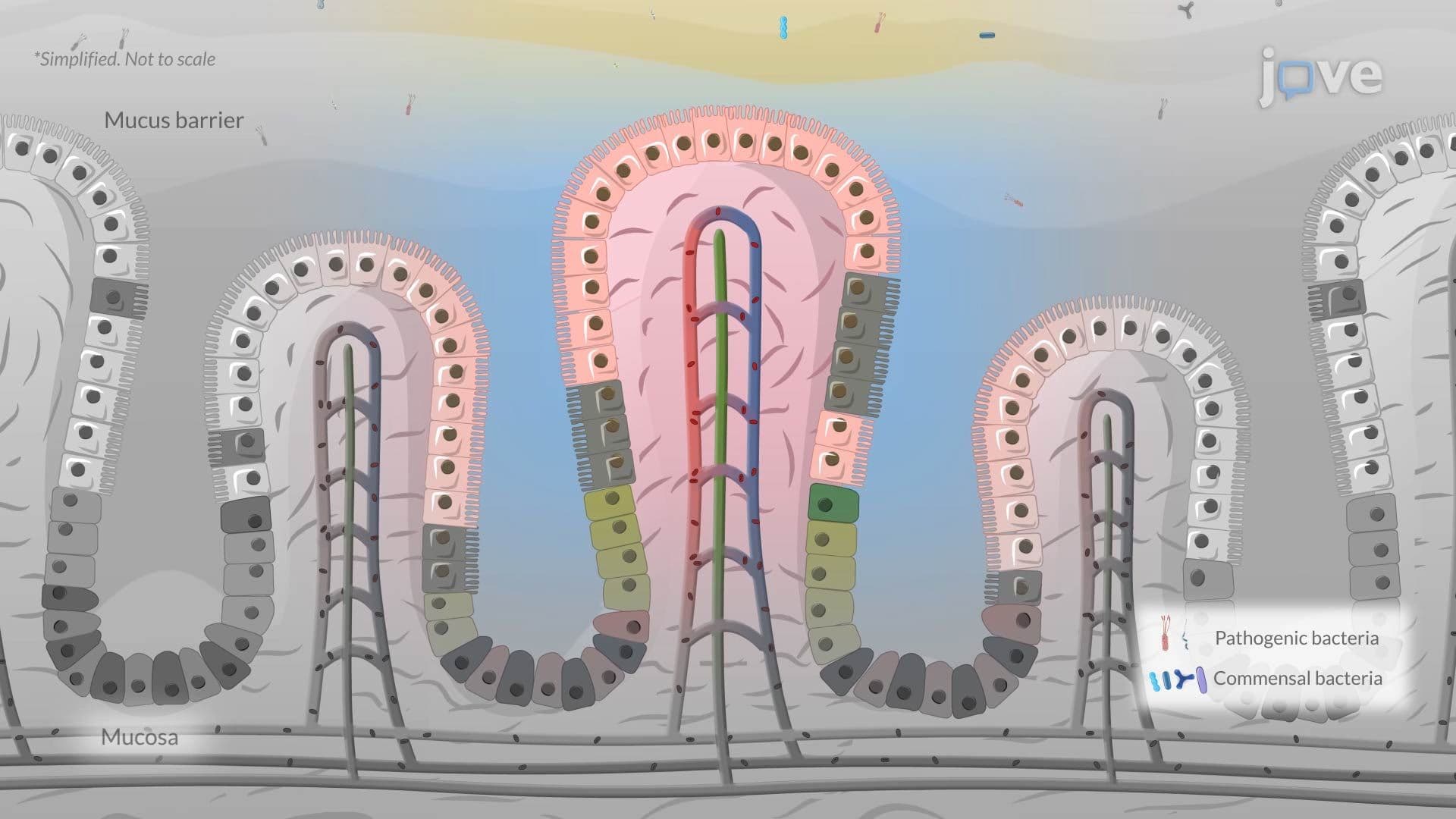
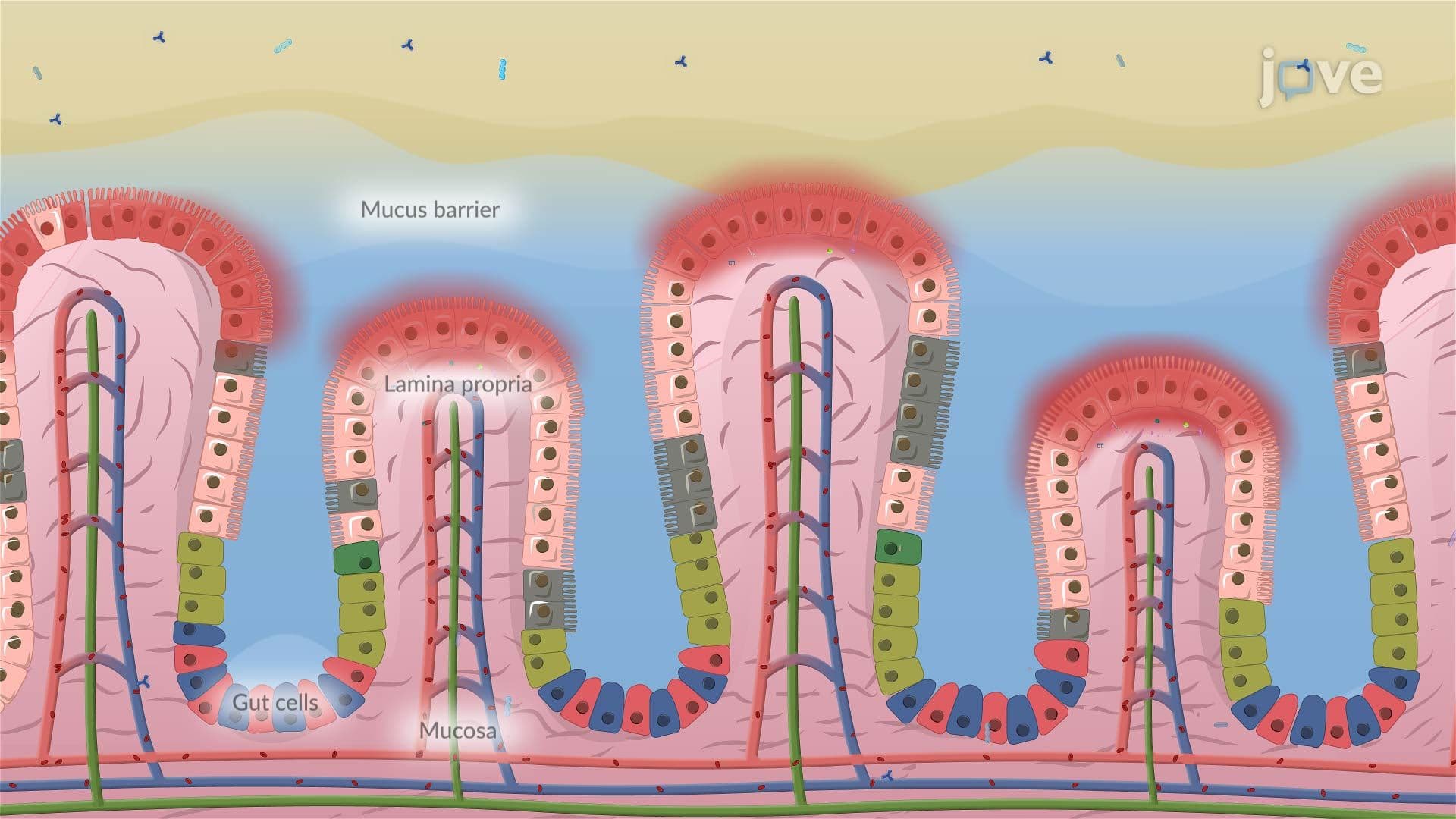
When epithelial barrier integrity breaks down, luminal antigens, bacterial products, metabolites, and microbial fragments, gain abnormal access to the underlying immune tissue. In a healthy gut, the immune system maintains tolerance to commensal bacteria. In Crohn's disease, this tolerance collapses.
Innate immune cells, including macrophages, dendritic cells, and neutrophils, are first responders. They release pro-inflammatory cytokines, especially TNF-alpha and IL-12, which in turn activate adaptive immune cells. T lymphocytes differentiate predominantly into Th1 and Th17 subtypes, which drive sustained, aggressive inflammation. Th1 cells produce interferon-gamma, while Th17 cells produce IL-17, both of which recruit more immune cells and perpetuate tissue destruction through all layers of the gut wall.
This pathway explains why biologic therapies like infliximab and adalimumab, which block TNF-alpha, are cornerstone treatments prescribed at major US gastroenterology centers such as the Mayo Clinic and Cleveland Clinic.
Understanding Crohn's disease deepens your grasp of related GI conditions tested on US exams. For example, celiac disease also involves T-cell-mediated intestinal damage, but its trigger is dietary gluten rather than commensal bacteria. Peptic ulcer disease involves mucosal breakdown, but without the systemic immune dysregulation seen in IBD. Recognizing these distinctions is essential for clinical vignette questions on the USMLE and NCLEX.
Related Micro-courses