Loading video…

 29 Concepts
 4.5K views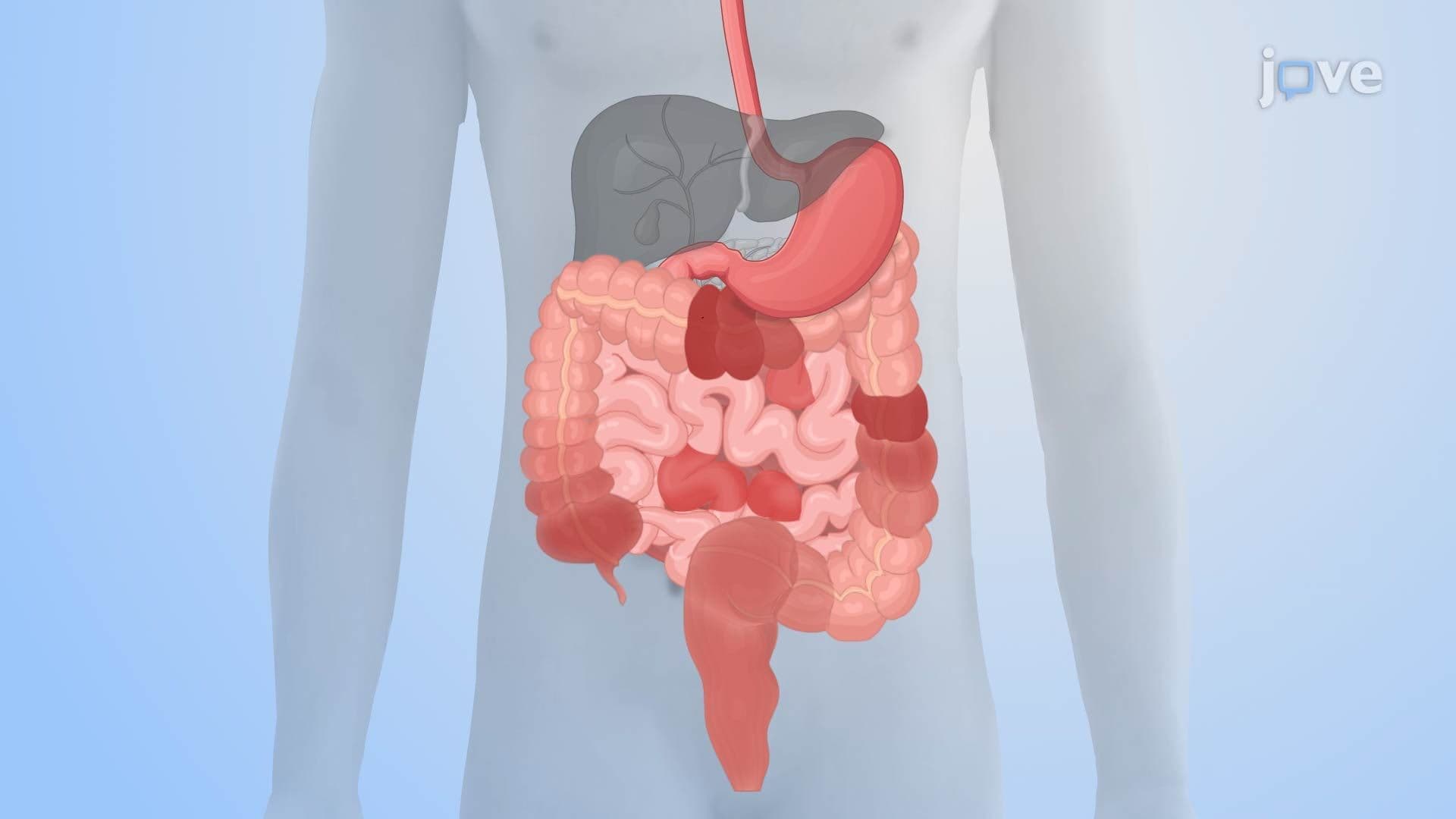

Video Summary: What Is Inflammatory Bowel Disease I
Did you know that over 3 million Americans live with a condition where their own immune system attacks their digestive tract? Inflammatory Bowel Disease I covers the foundational basics of IBD, including Crohn's disease and ulcerative colitis, two distinct but often confused conditions. Crohn's can strike anywhere from mouth to anus, while ulcerative colitis targets only the colon and rectum. Watch the full video on JoVE Coach to master this concept with expert-led visuals and step-by-step explanations.
Inflammatory Bowel Disease (IBD) is one of the most clinically significant chronic conditions affecting the gastrointestinal tract in the United States. Affecting over 3 million Americans, IBD is not a single disease, it is an umbrella term describing recurrent GI inflammation driven by a dysregulated immune response. The two primary forms are Crohn's disease and ulcerative colitis. Understanding their differences is essential for students in biology, anatomy, nursing, and pre-med programs, and it's a topic that regularly appears on the MCAT, NCLEX, and college-level pathophysiology exams.
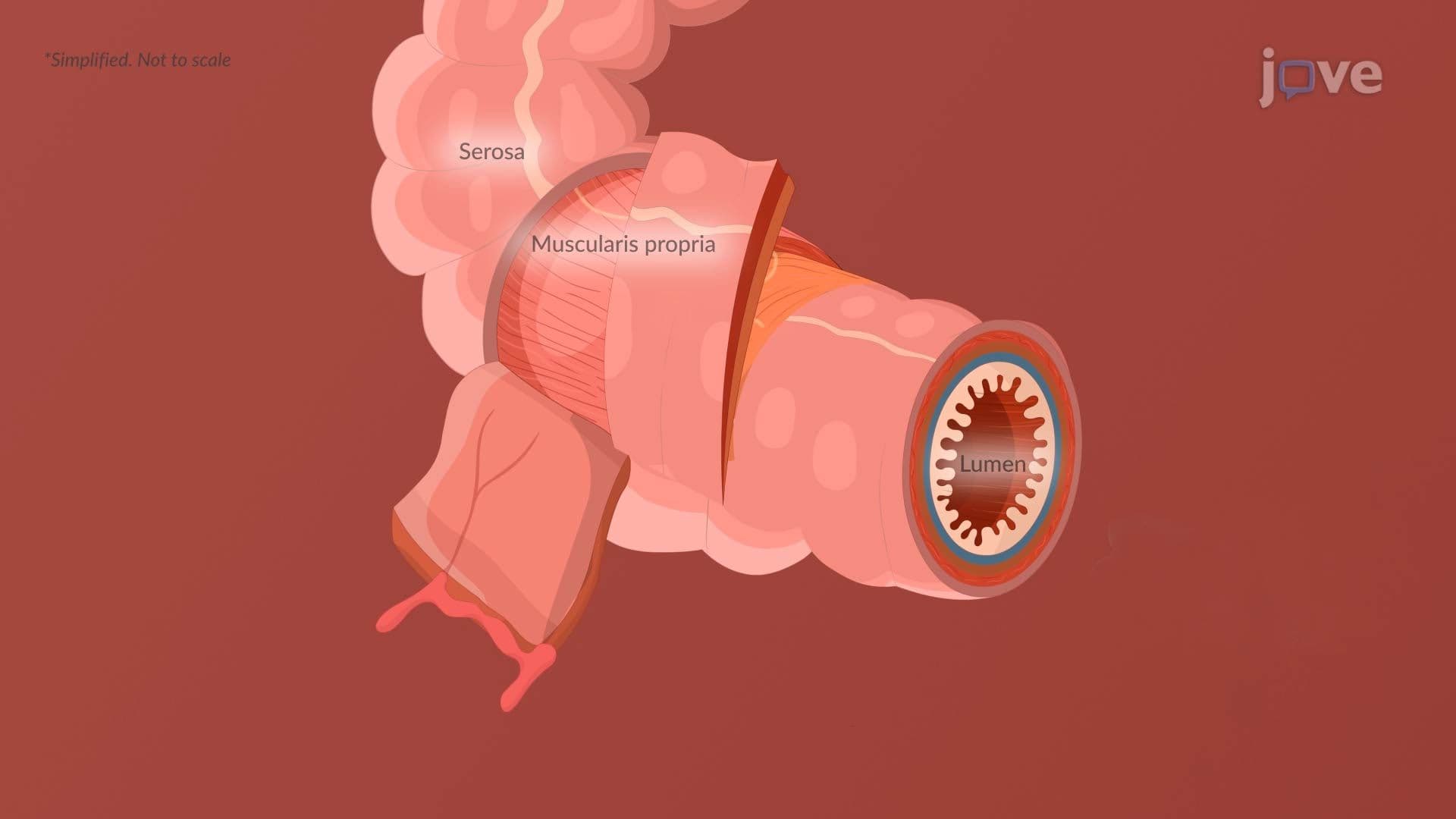
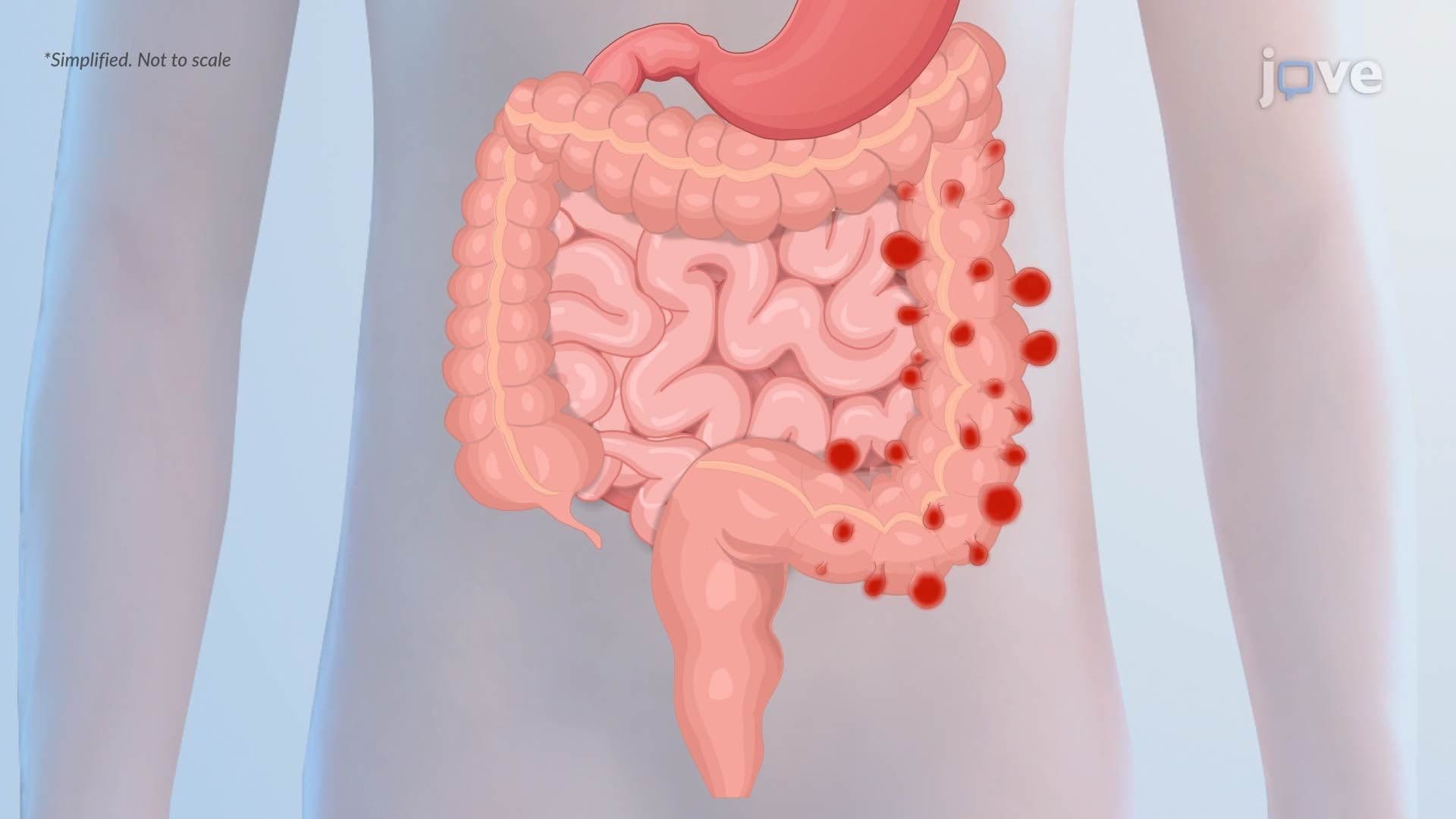
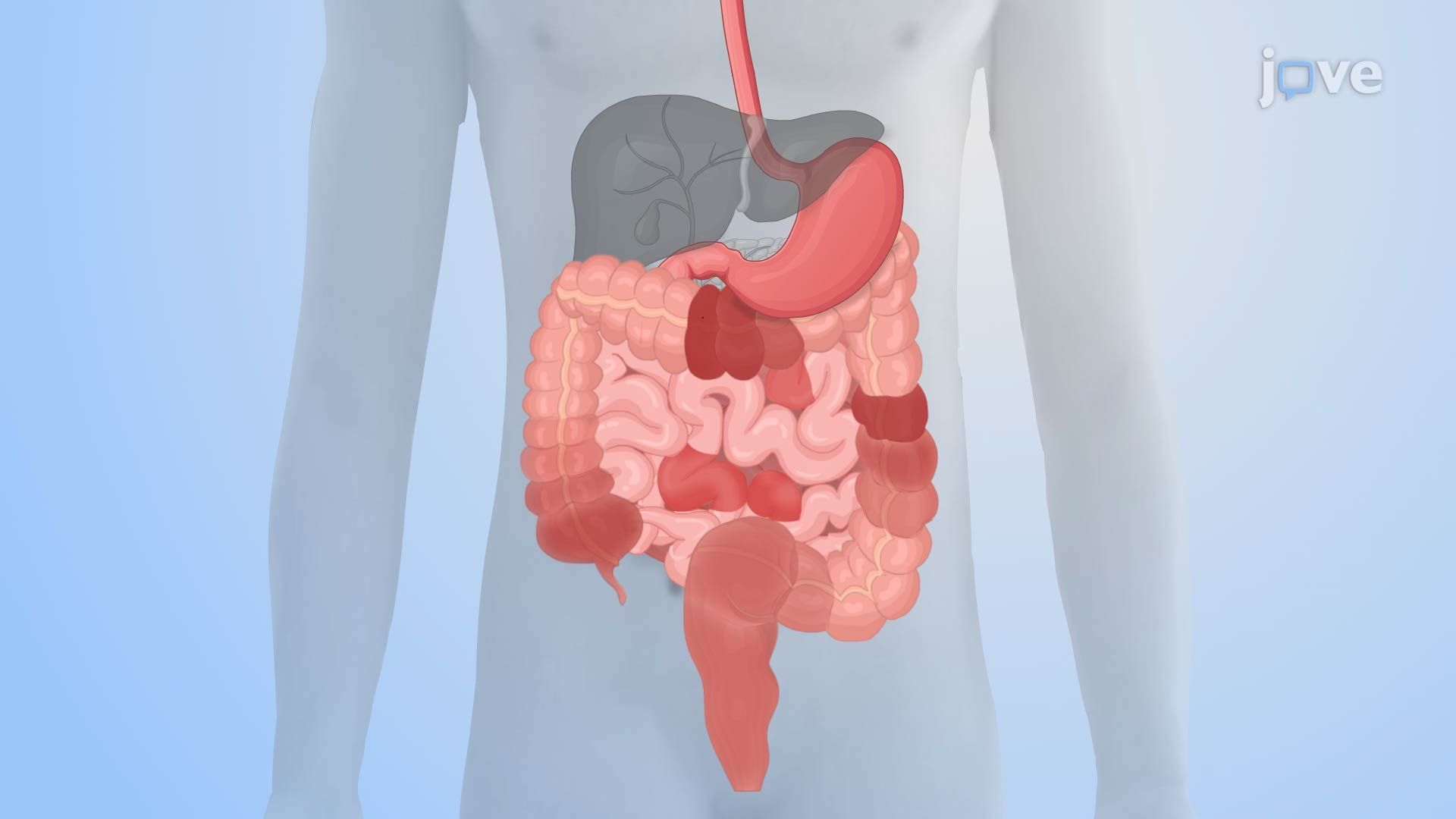
Crohn's disease is uniquely unpredictable because it can affect any segment of the GI tract, from the mouth all the way to the anus. More importantly, Crohn's inflammation penetrates through all layers of the intestinal wall (transmural), which distinguishes it from other GI conditions like ulcerative colitis or peptic ulcer disease.
Clinicians classify Crohn's by location:
A key hallmark of Crohn's is its skip lesions, inflamed patches separated by healthy tissue. This patchy, discontinuous distribution is a defining feature tested on the USMLE and MCAT alike.
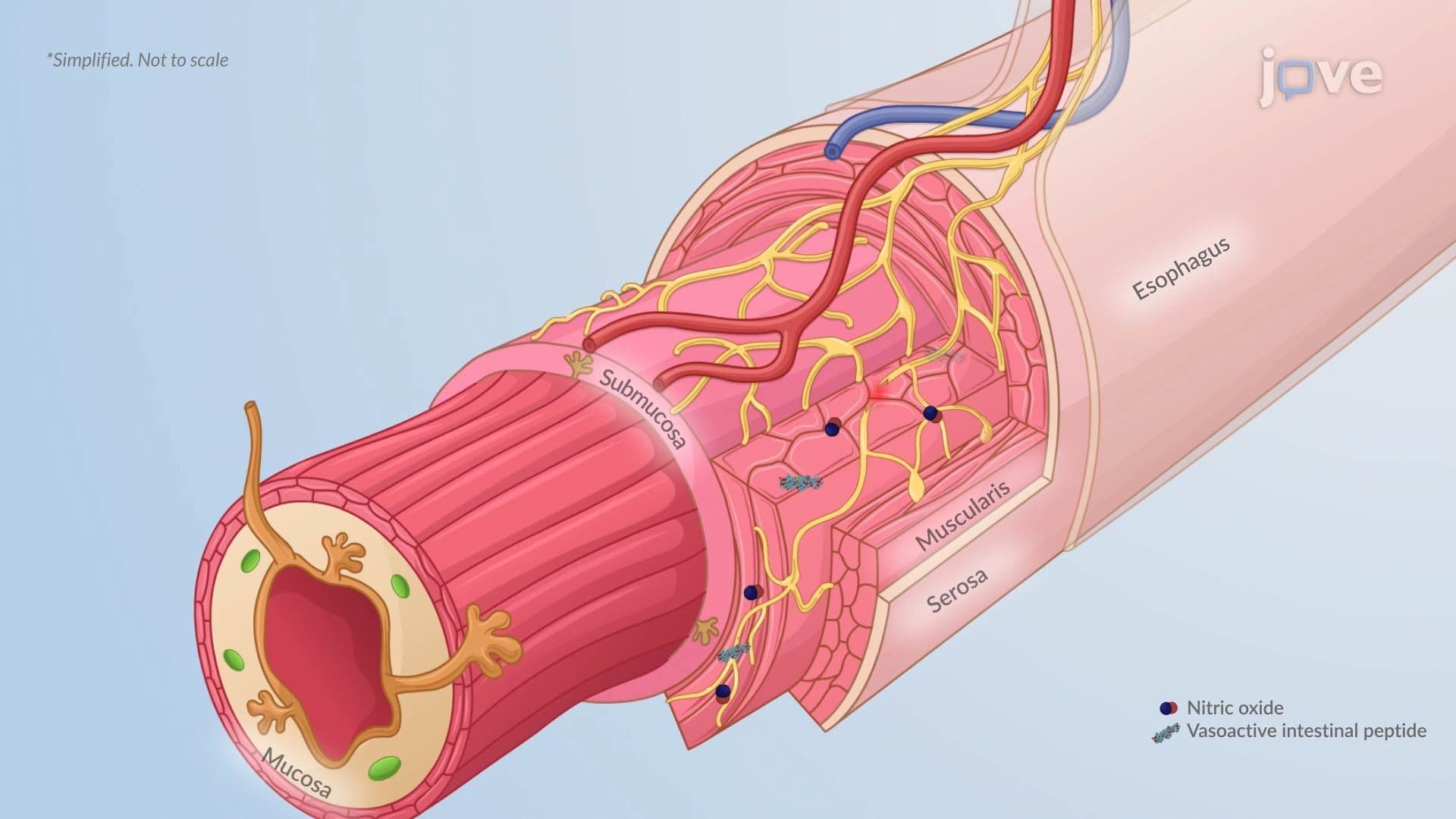
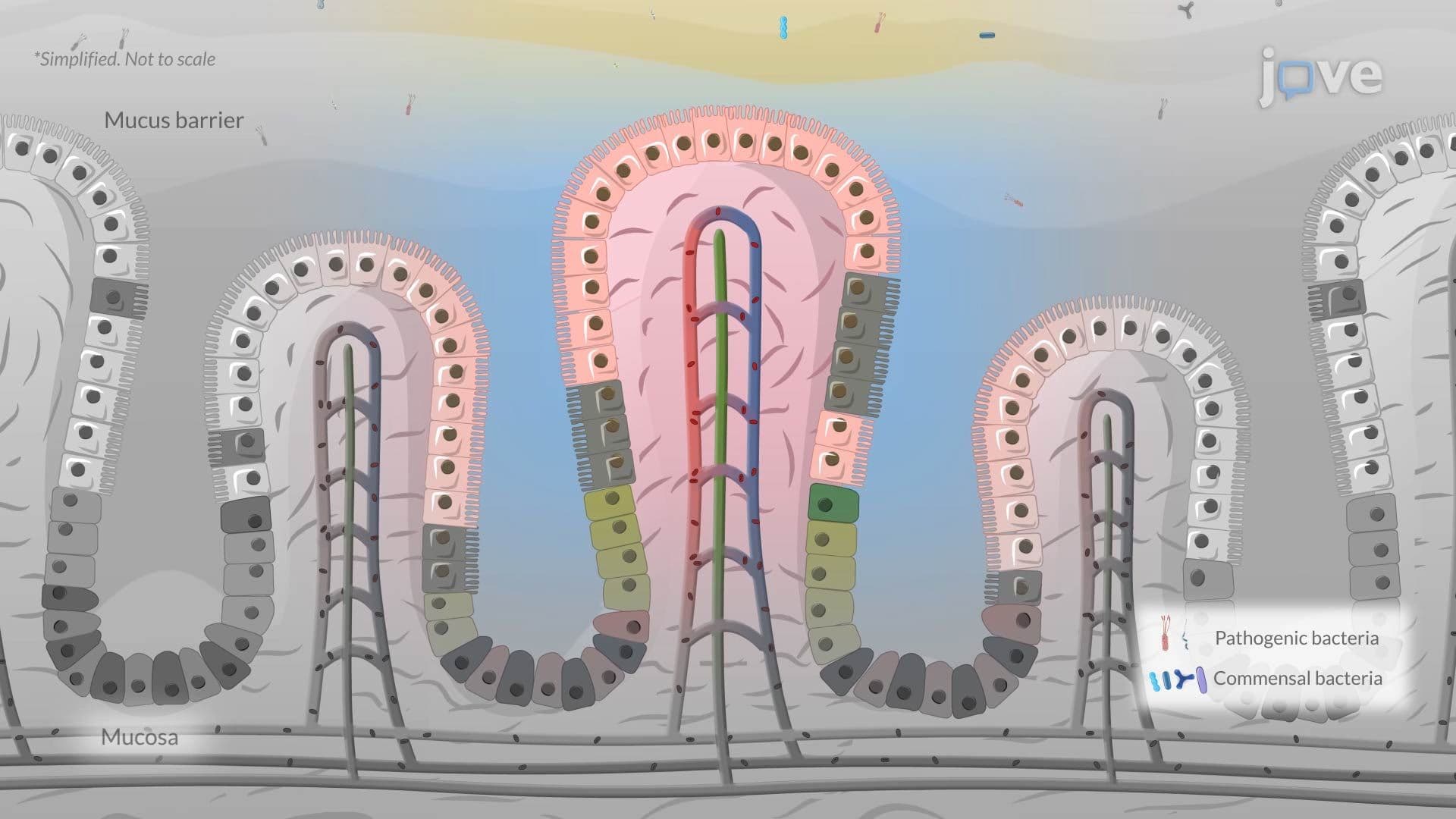
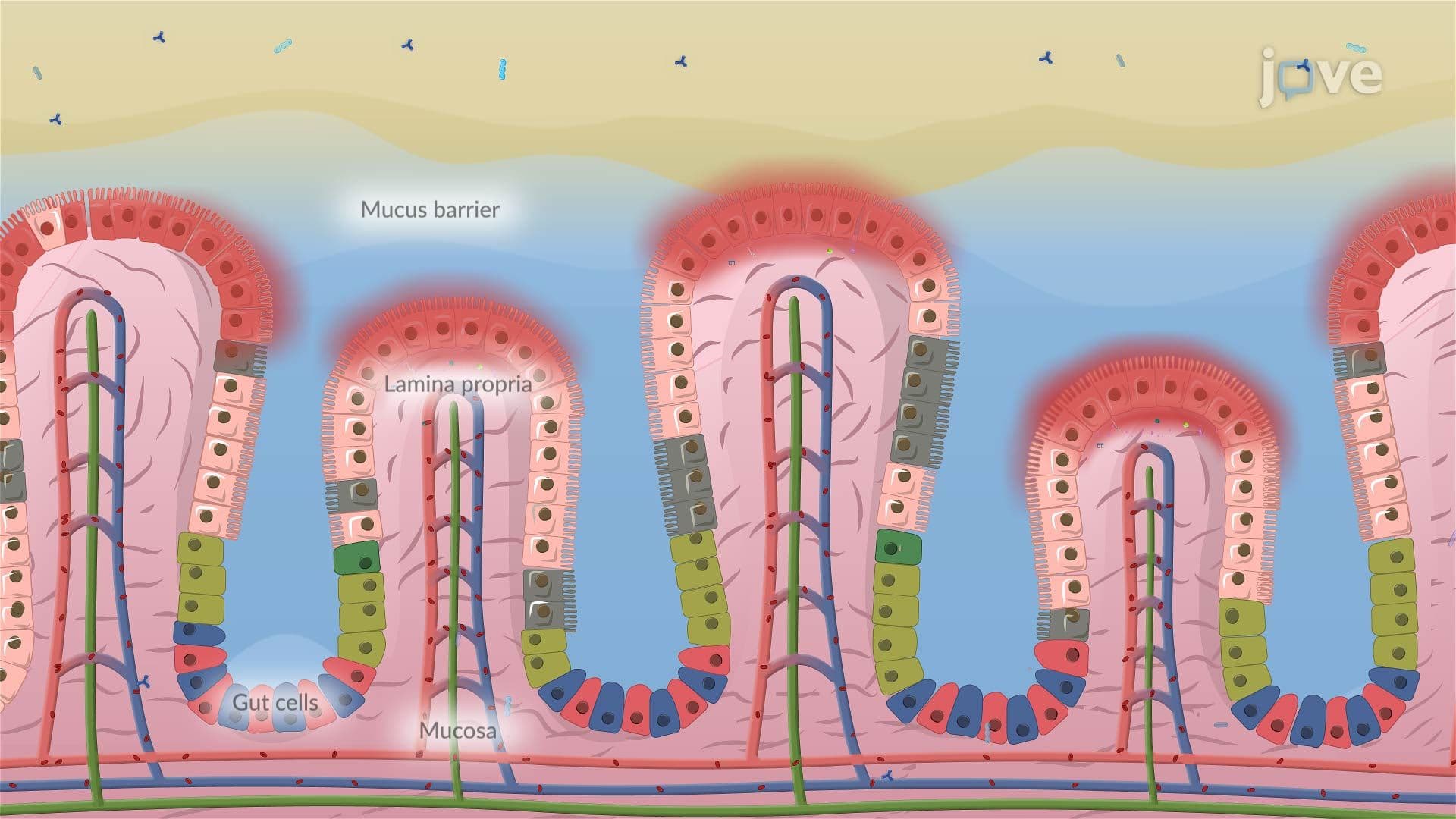
Unlike Crohn's disease, ulcerative colitis (UC) is confined strictly to the colon and rectum, and its inflammation is limited to the mucosa and submucosa, the innermost layers of the bowel wall. UC is considered idiopathic, meaning its exact cause remains unknown, though immune dysfunction and genetic factors play significant roles.
What makes UC clinically distinctive is its continuous, proximal spread, it almost always begins in the rectum and moves upward in an unbroken pattern:
This continuous pattern (no skip lesions) is a critical distinguishing feature from Crohn's and is a favorite comparison point on AP Biology exams and college anatomy midterms.
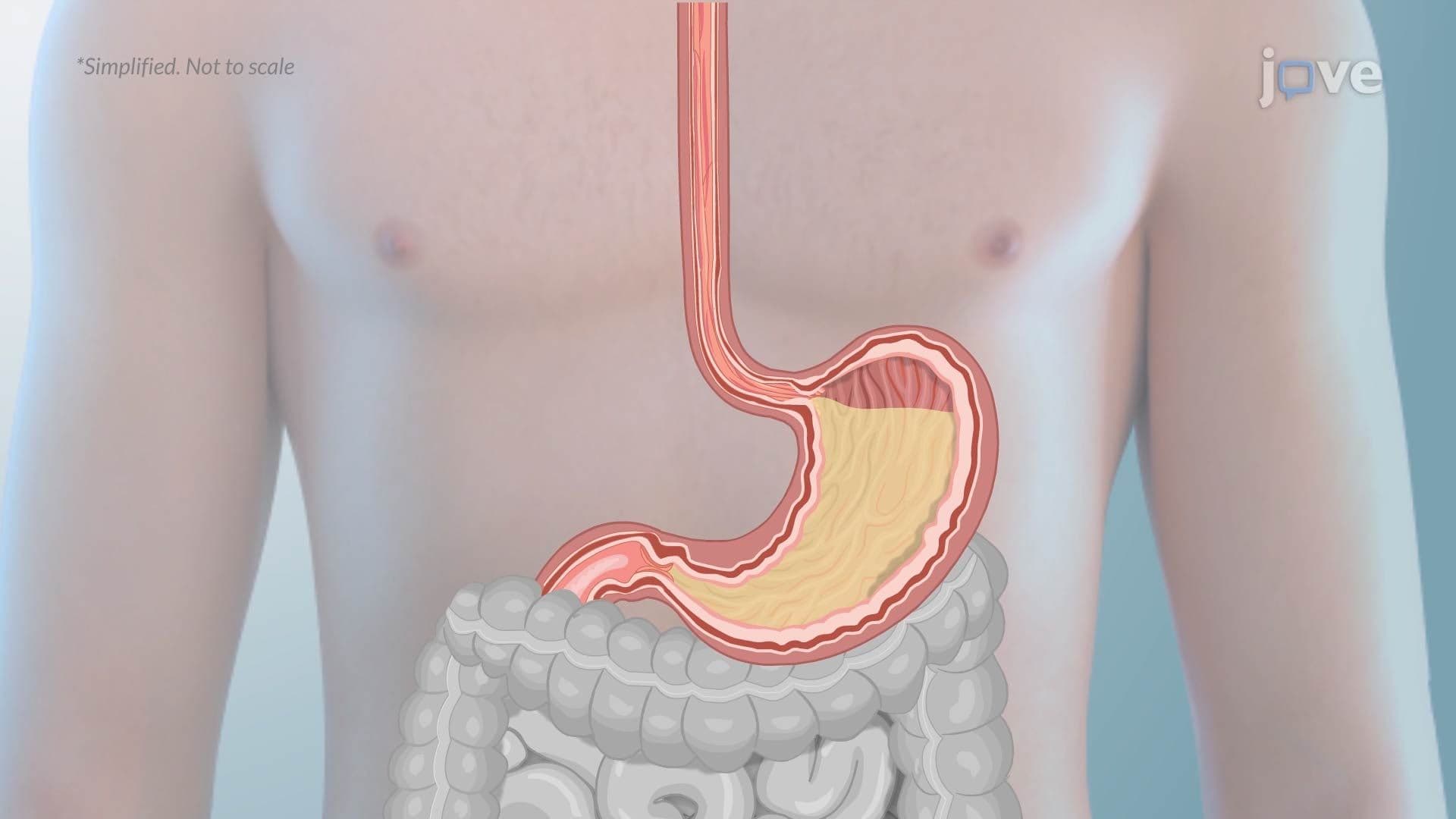
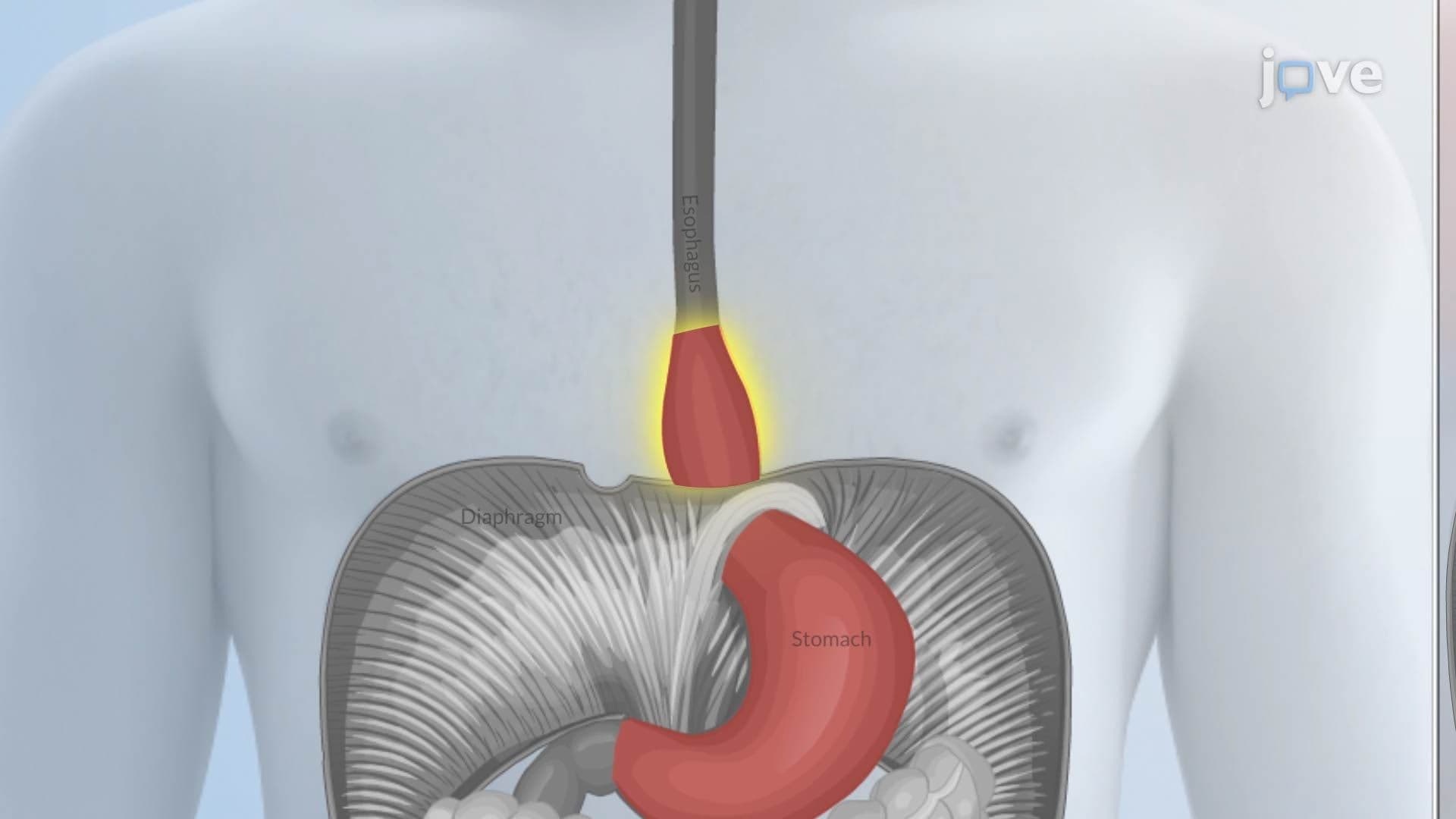
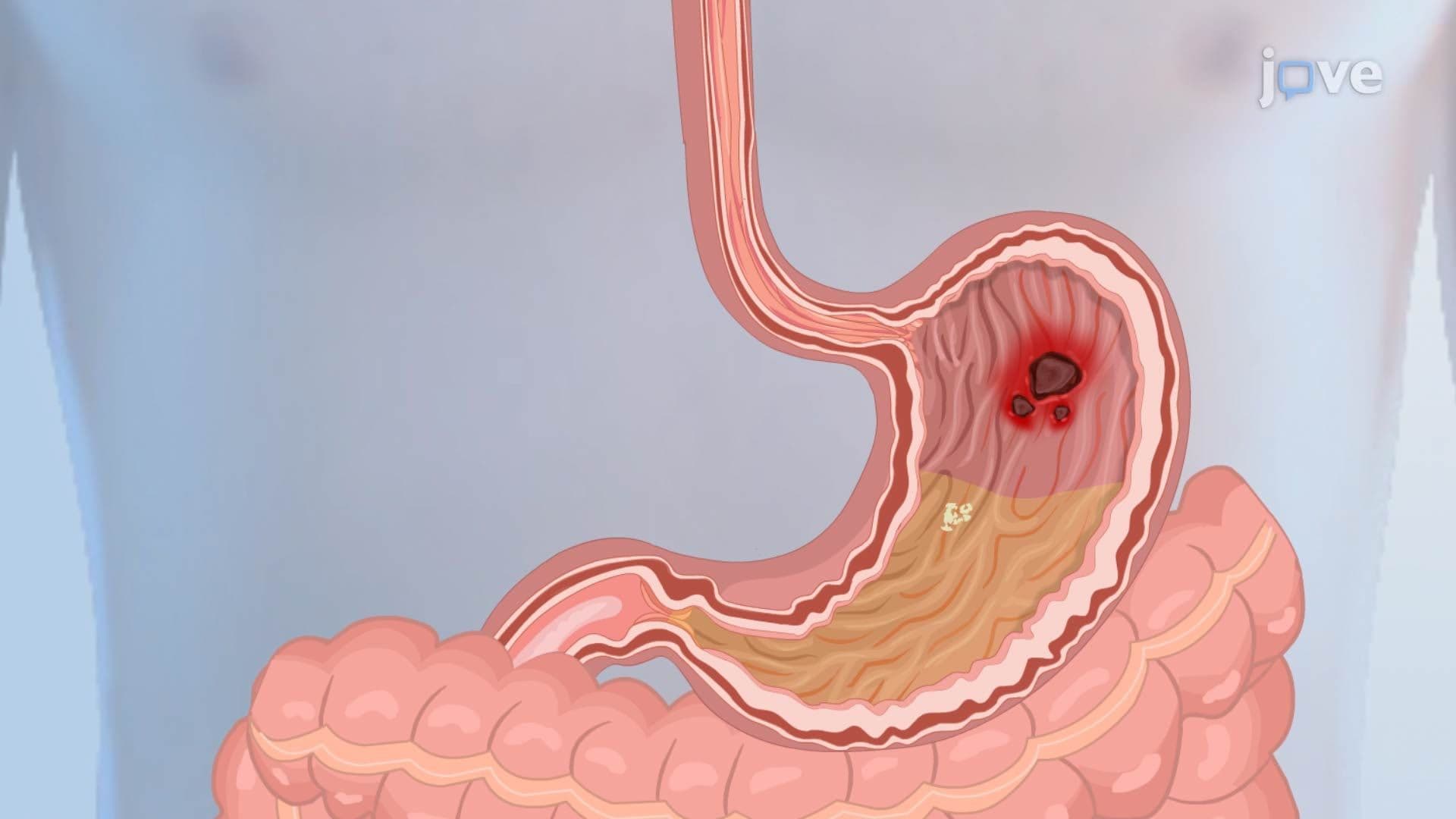
Students frequently confuse IBD with IBS (Irritable Bowel Syndrome), GERD, peptic ulcer disease, and celiac disease. The key distinction: IBD involves confirmed structural inflammation visible on endoscopy and biopsy, while IBS is a functional disorder with no visible tissue damage. GERD primarily affects the esophagus and is driven by acid reflux, not immune dysregulation. Celiac disease involves an immune reaction to gluten but is confined to the small intestine's mucosa. Gastrointestinal bleeding is a serious complication that can arise from IBD, particularly in severe UC, making early diagnosis critical. In the US, conditions like IBD are commonly managed by gastroenterologists at institutions such as the Mayo Clinic and Cleveland Clinic, using a combination of anti-inflammatory medications, biologics, and surgical intervention when necessary.
Related Micro-courses