Loading video…

 29 Concepts
 4.5K views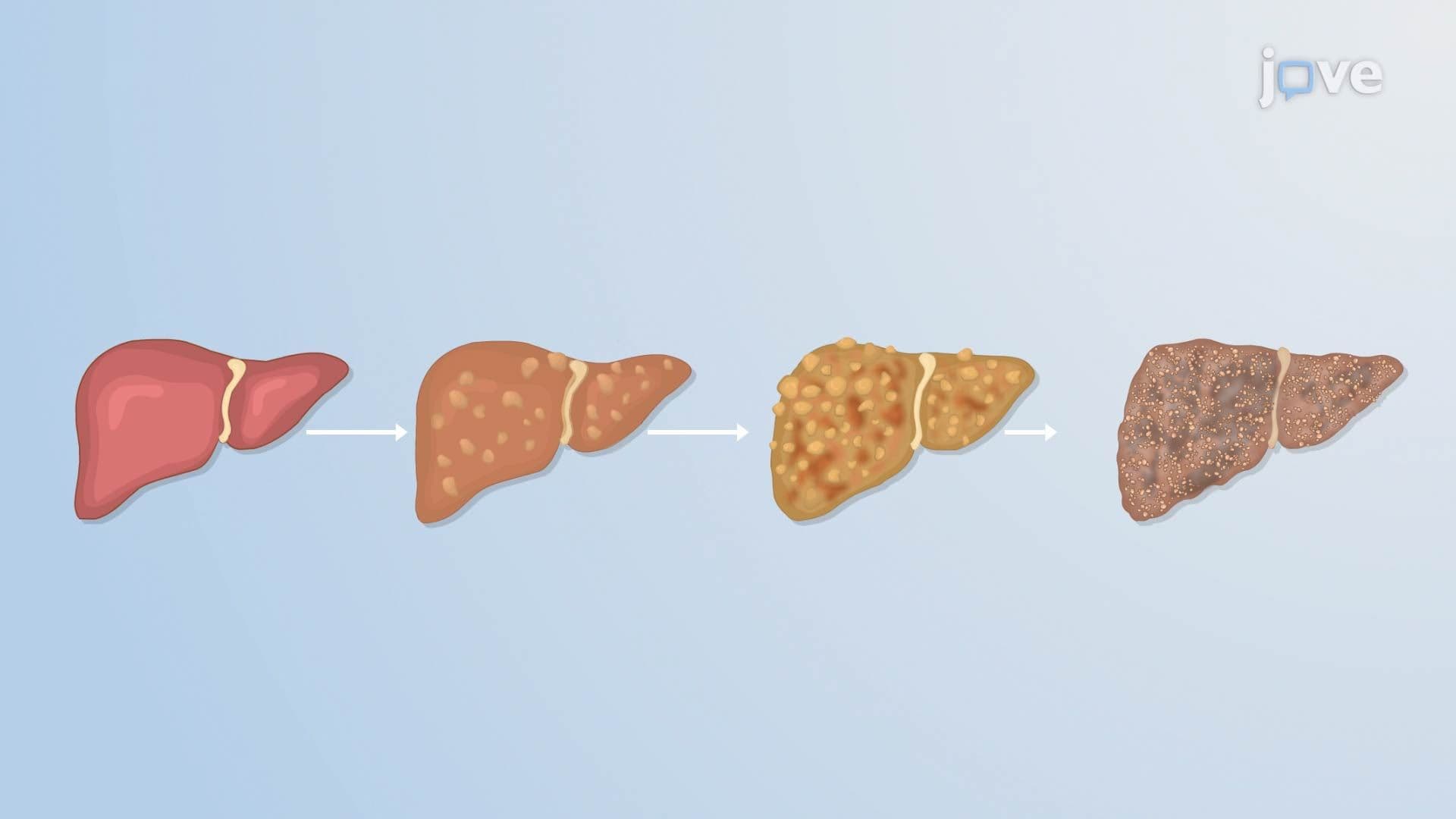

Video Summary: What Is Cirrhosis I
Did you know that roughly 4.5 million Americans are living with chronic liver disease, and many don't realize it until serious damage has already occurred? Cirrhosis I basics explain how repeated liver injury triggers a destructive cycle of scarring and nodule formation. At major US medical centers like the Mayo Clinic, cirrhosis I is recognized as a leading cause of liver transplantation. Watch the full video on JoVE Coach to master this concept with expert-led visuals and step-by-step explanations.
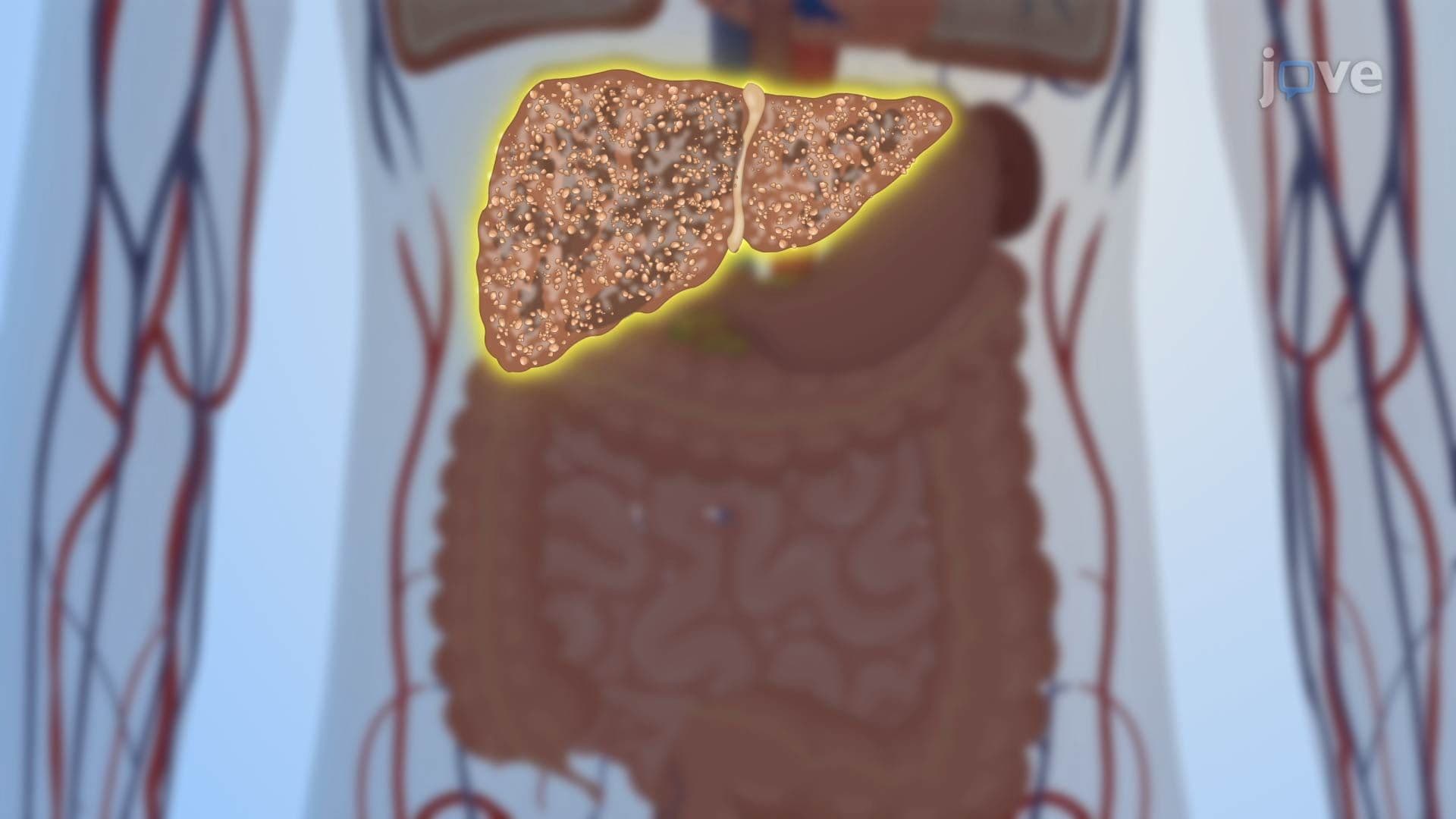
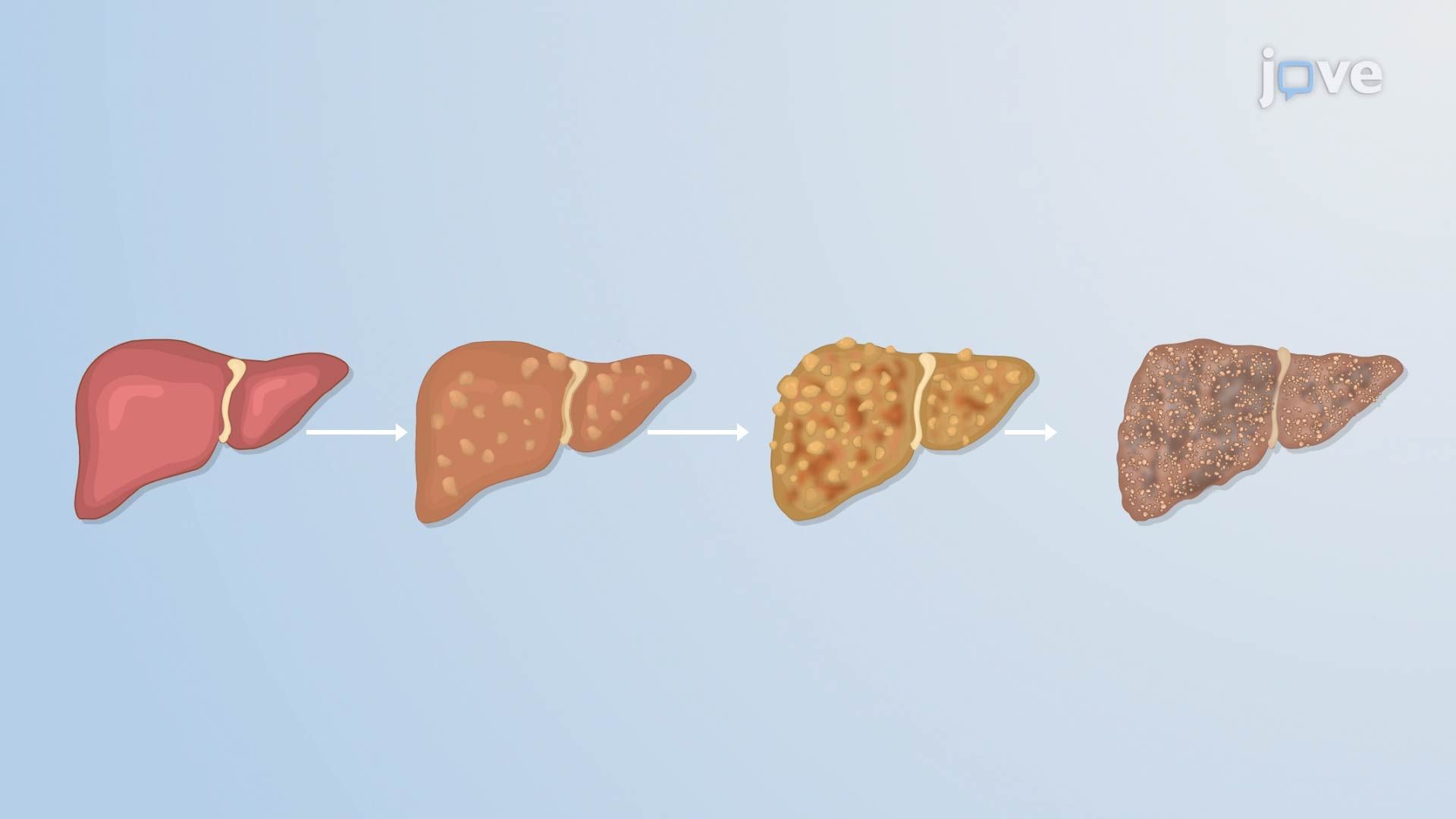
Cirrhosis I refers to the foundational concepts behind one of the most serious outcomes of chronic liver disease, the irreversible replacement of functional liver tissue with scar tissue and regenerative nodules. Unlike a simple injury that heals cleanly, chronic liver damage triggers a fibrotic response that accumulates over months or years. The liver, which performs over 500 vital functions including detoxification, protein synthesis, and bile production, gradually loses its ability to work effectively as healthy cells are displaced by non-functional scar tissue.
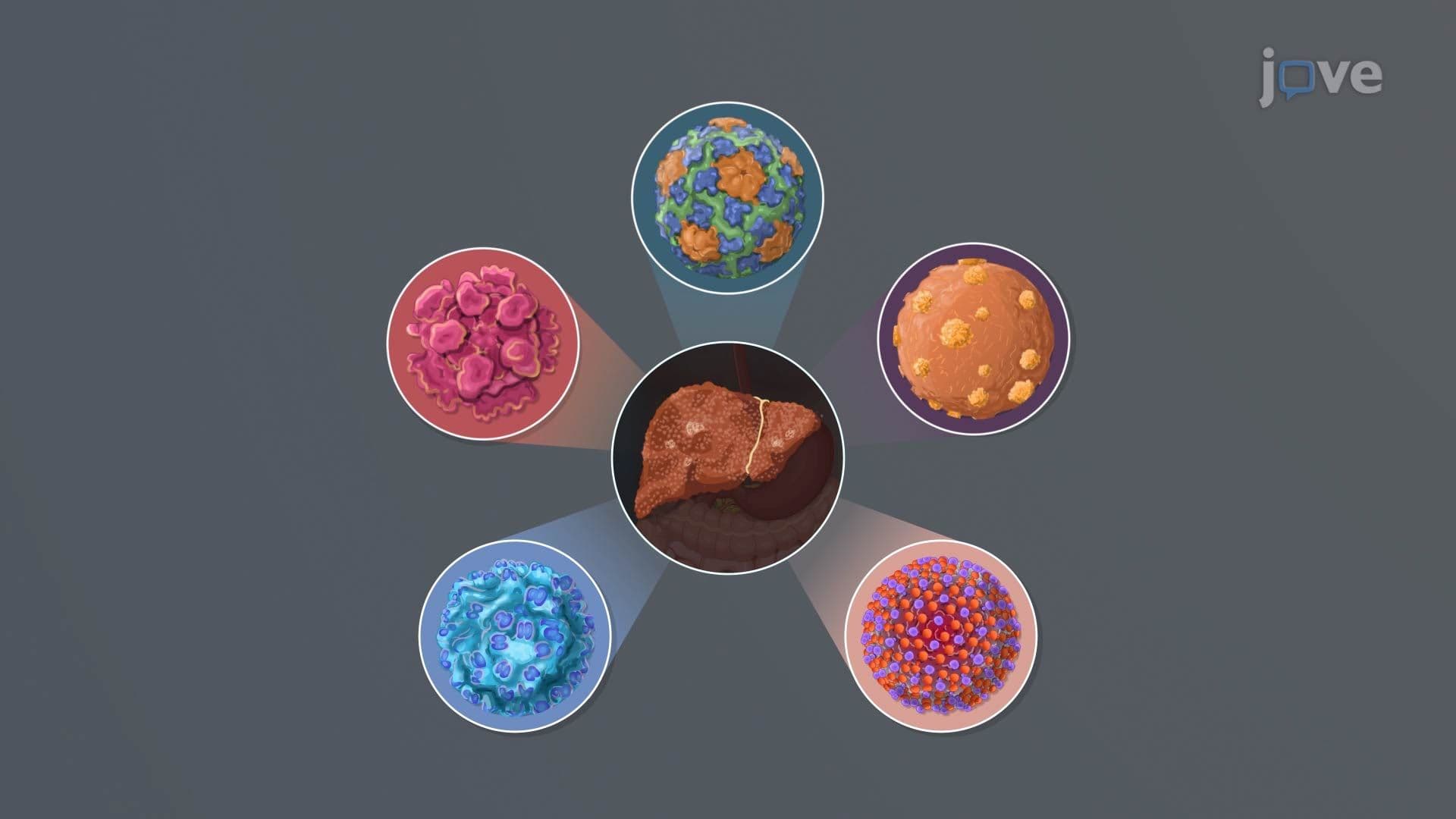
Several well-established conditions drive cirrhosis in the United States. Chronic alcohol use disorder is one of the leading causes, with the liver sustaining repeated toxic injury from alcohol metabolism. Chronic hepatitis B and C infections are also major contributors, hepatitis C alone affects approximately 2.4 million Americans and is a top reason for liver transplant evaluation. Nonalcoholic fatty liver disease (NAFLD), increasingly common due to rising rates of obesity and type 2 diabetes, is now one of the fastest-growing causes of cirrhosis in the US. Beyond these, autoimmune hepatitis causes the immune system to mistakenly attack liver cells, while Wilson disease, a genetic disorder causing copper accumulation, illustrates how inherited metabolic errors can produce the same scarring outcome.
Once fibrosis progresses far enough, the liver undergoes structural reorganization that pathologists classify into three distinct patterns:
Understanding these classifications is not just academic, pathologists and hepatologists use them to assess disease severity, guide biopsy interpretation, and inform treatment decisions at US hospitals and liver clinics.
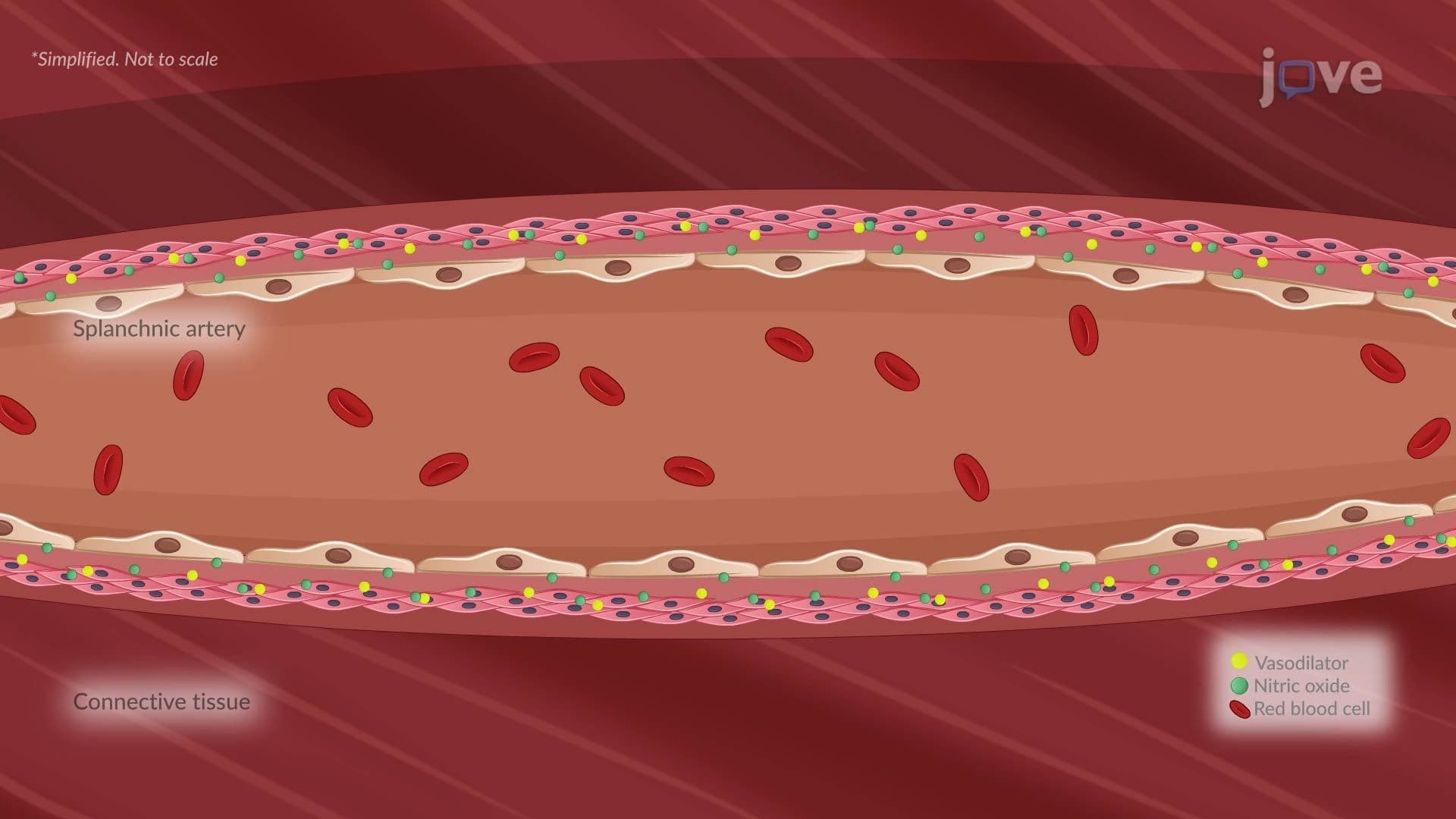
The structural distortion caused by cirrhosis has two major functional consequences. First, compromised liver function impairs the organ's ability to synthesize clotting factors, metabolize drugs, and regulate blood sugar, effects that ripple across nearly every body system. Second, increased portal pressure (portal hypertension) develops because fibrous tissue compresses blood vessels running through the liver. This backs up blood in the portal venous system, leading to complications like esophageal varices, ascites (fluid in the abdomen), and splenomegaly. These complications are directly tested on the MCAT and USMLE Step 1, and appear in undergraduate pathophysiology and anatomy courses across US colleges.
For high school students in AP Biology or AP Environmental Science, cirrhosis illustrates the broader concept of how chronic environmental exposures, alcohol, viral infection, diet, cause irreversible cellular and tissue-level change.
Related Micro-courses