Loading video…

 29 Concepts
 4.5K views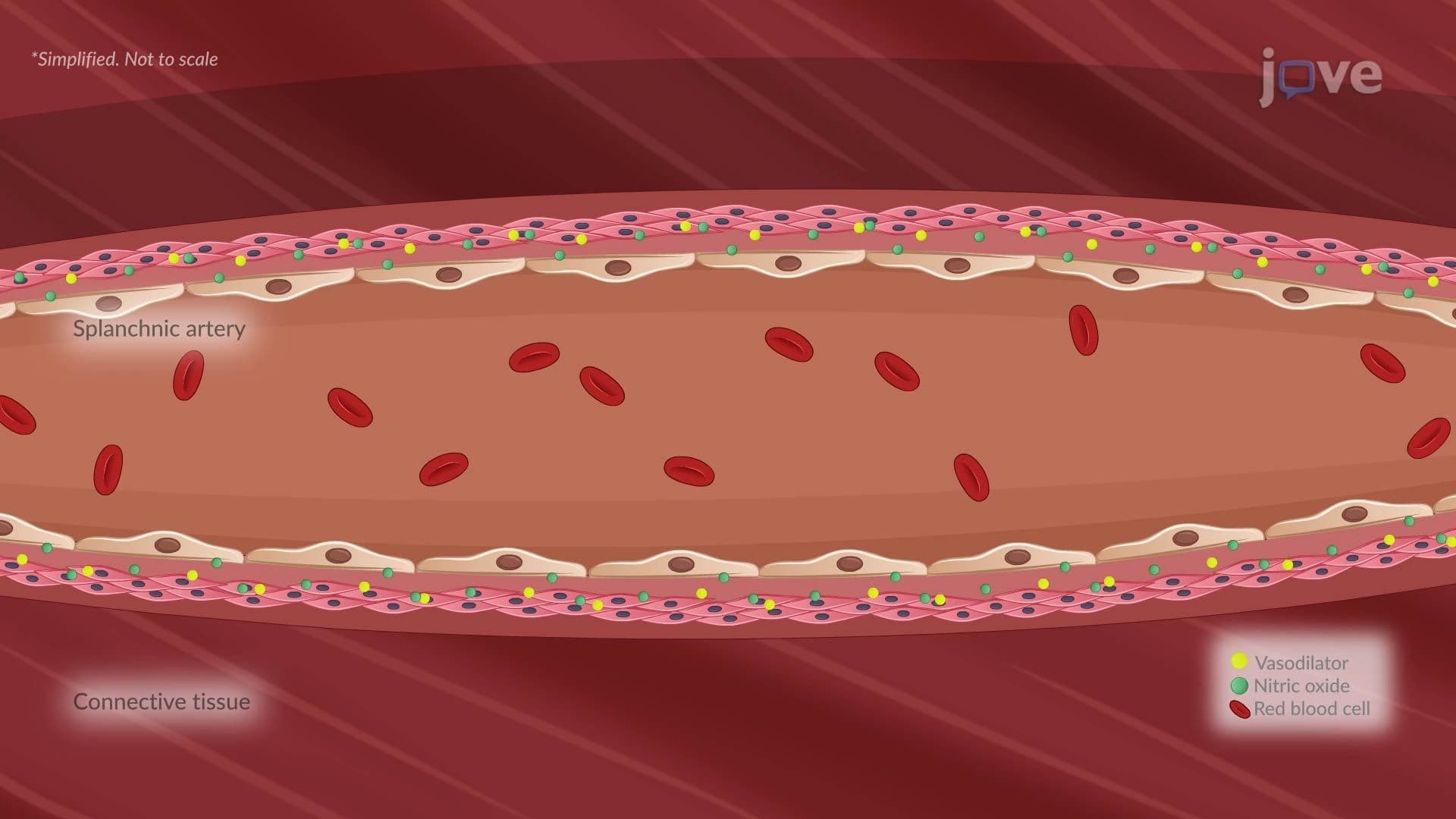

Video Summary: What are Ascites
Did you know your abdomen can accumulate liters of fluid without a single visible wound? Ascites, the pathological buildup of fluid inside the peritoneal cavity, is one of the most recognizable complications of liver cirrhosis in the US, affecting roughly 50% of cirrhosis patients within a decade of diagnosis. Understanding what ascites is reveals how the liver, kidneys, and circulatory system are dangerously interconnected. Watch the full video on JoVE Coach to master this concept with expert-led visuals and step-by-step explanations.
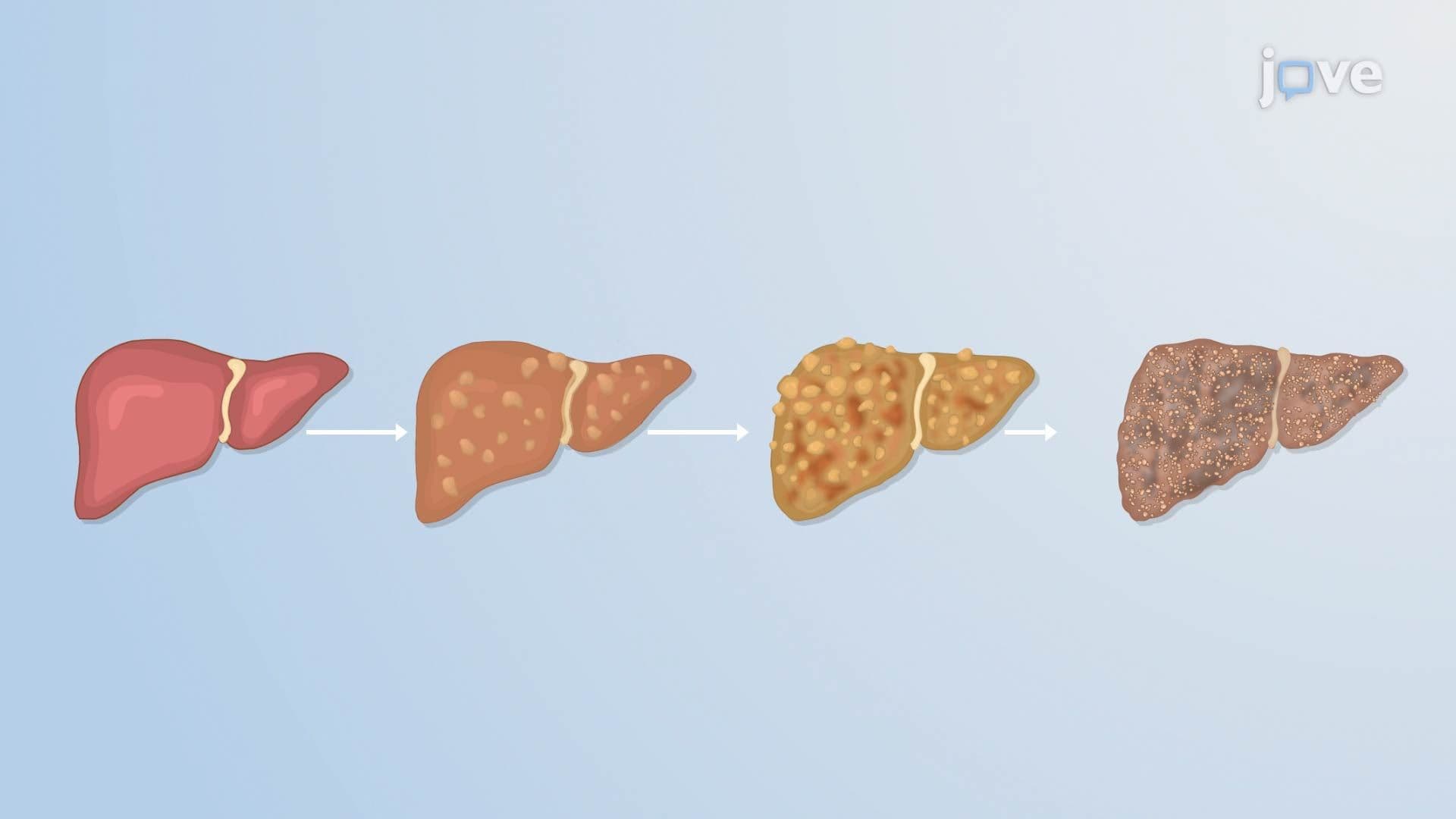
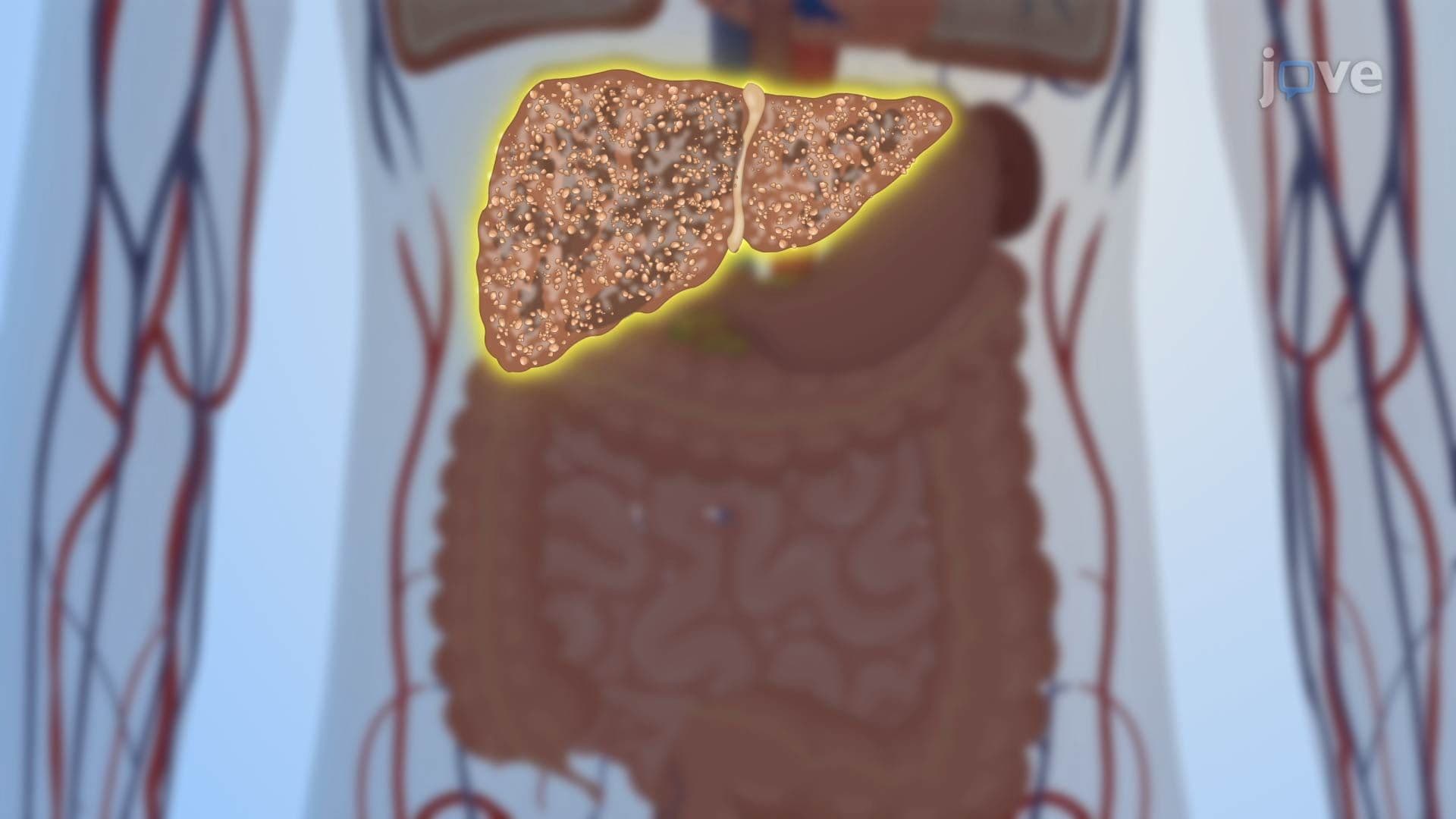
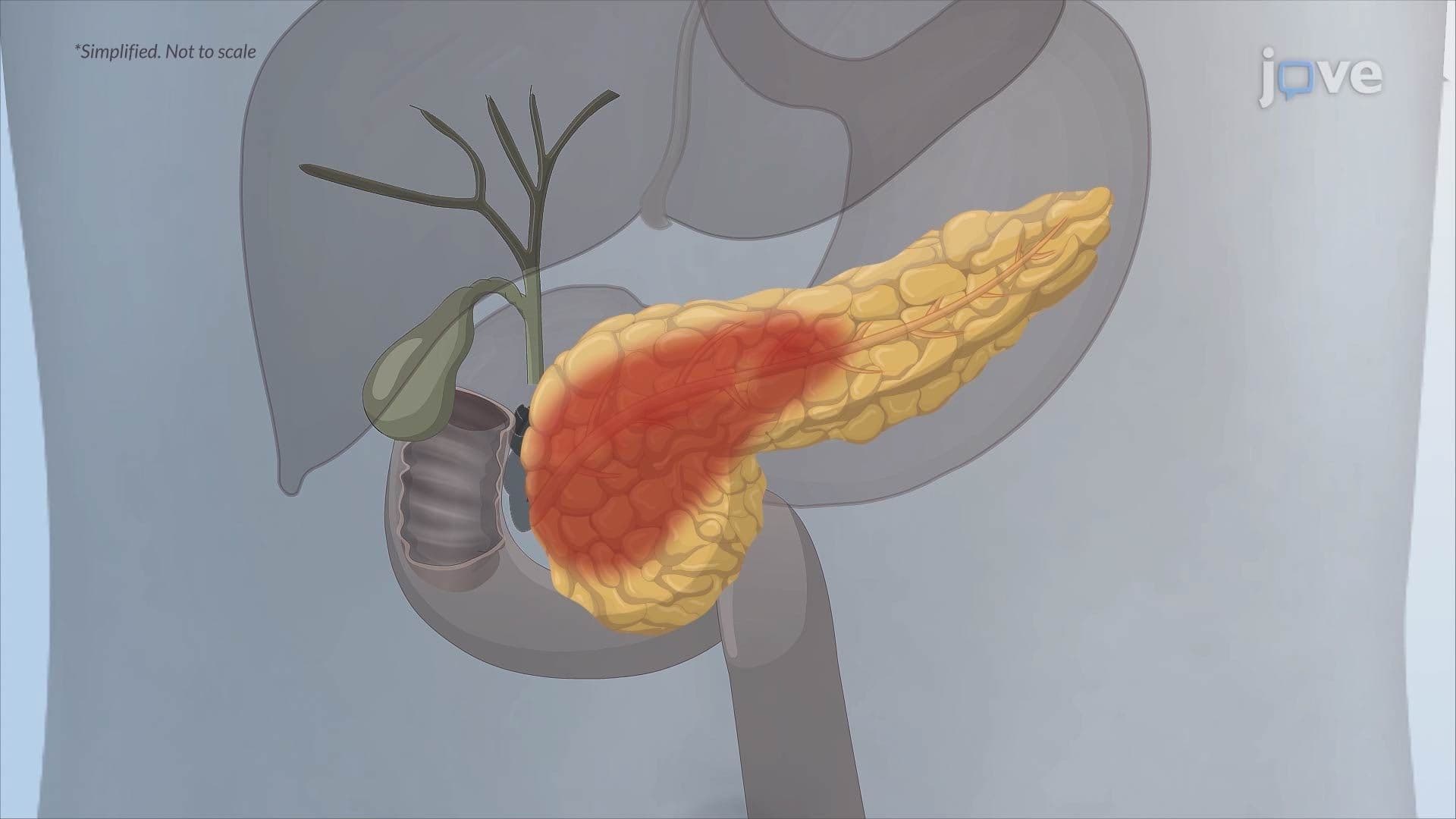
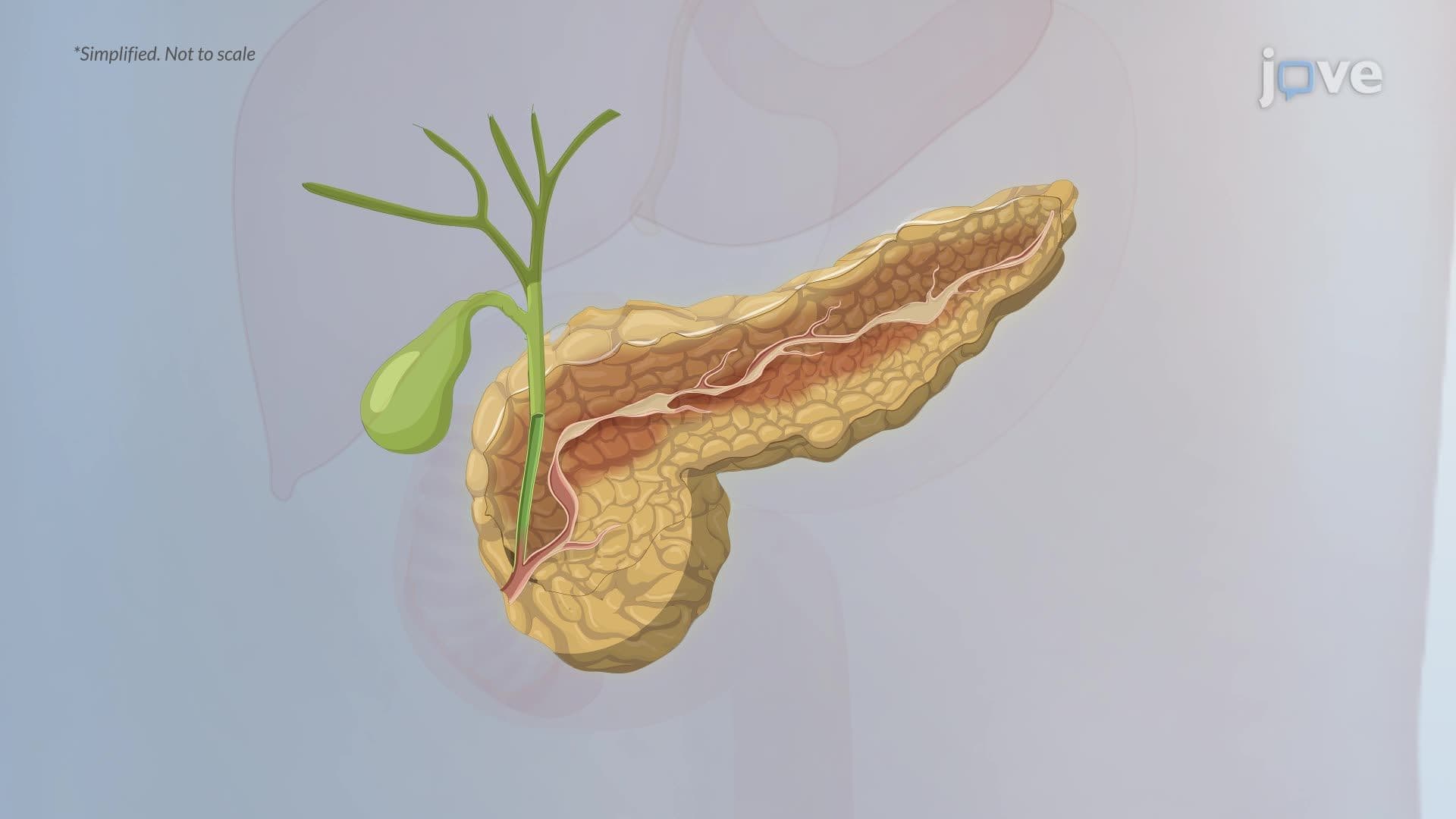
Ascites refers to the abnormal accumulation of fluid within the peritoneal cavity, the space between the abdominal organs and the abdominal wall lining. While a small amount of peritoneal fluid is normal, ascites describes a pathological excess that causes noticeable abdominal distension, discomfort, and serious downstream complications. It is not a disease itself but a symptom of an underlying problem, most commonly advanced liver cirrhosis, which accounts for approximately 75% of ascites cases in the United States.
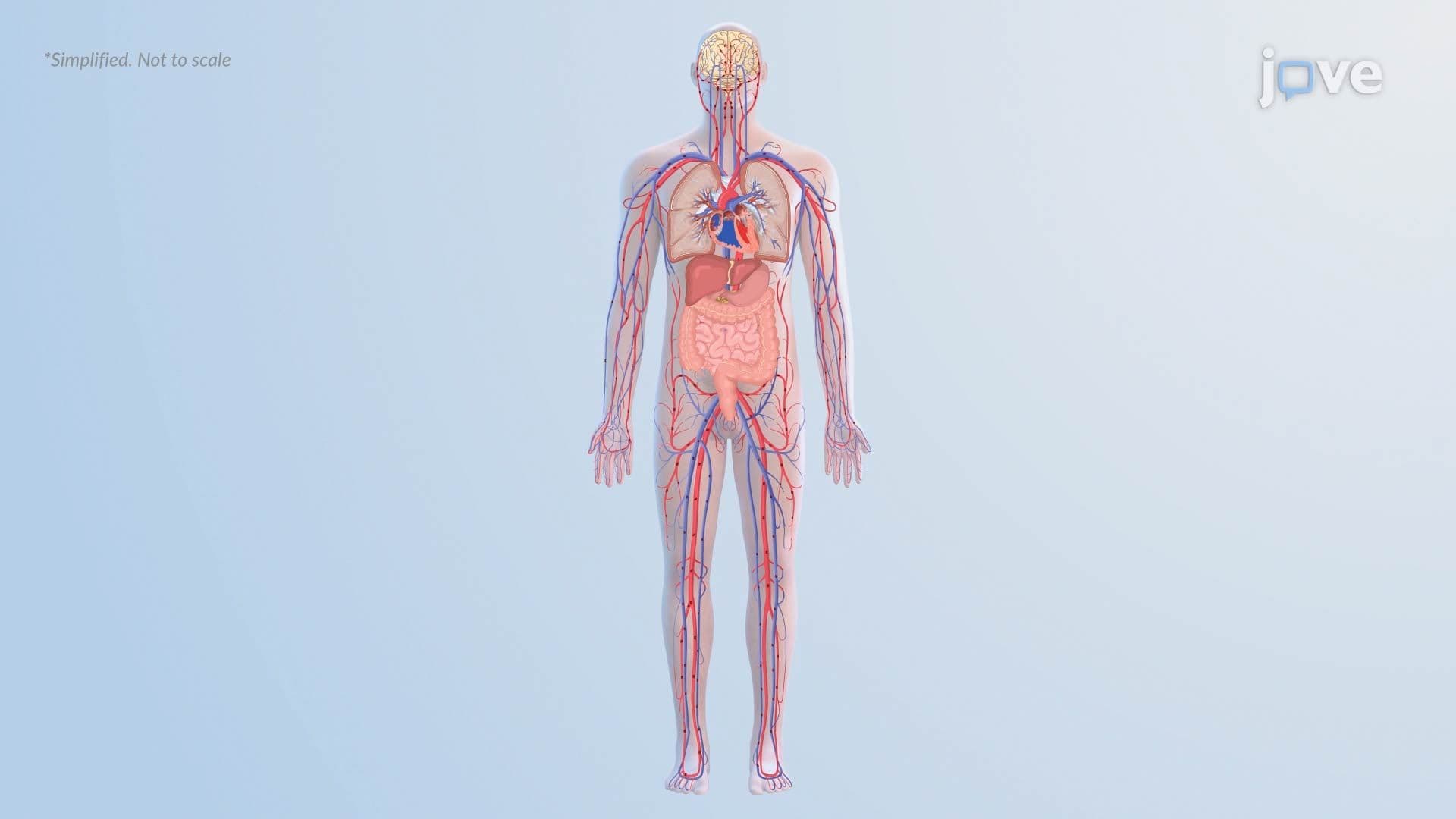
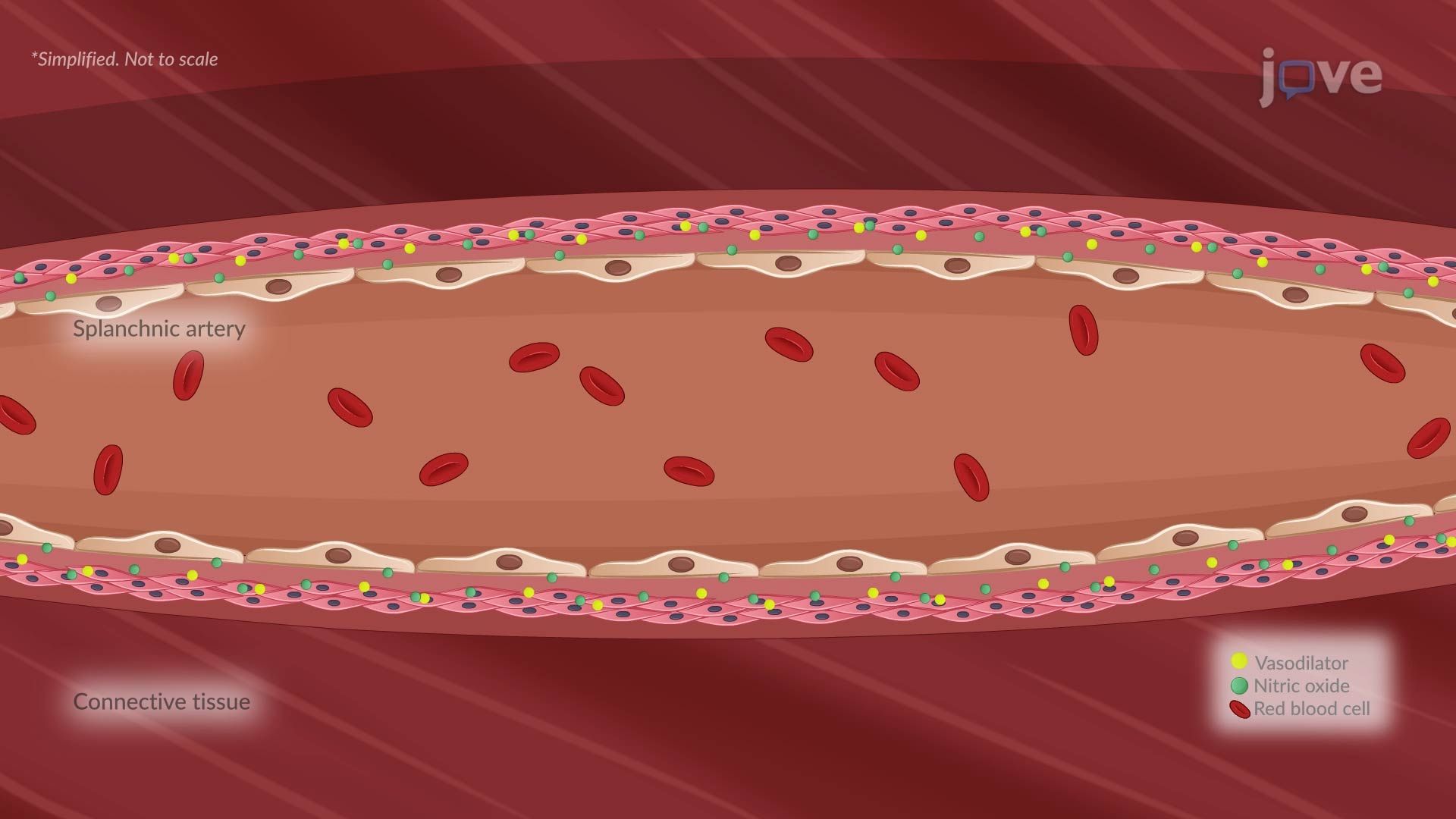
The most widely accepted explanation for how ascites develops is the splanchnic vasodilation model. In cirrhosis, damaged liver tissue triggers an overproduction of nitric oxide and other vasodilatory molecules. These chemicals dilate the splanchnic arteries, the blood vessels supplying the intestines and abdominal organs. Although total body fluid volume is actually elevated, this dilation drops the *effective* circulating blood volume, meaning the body perceives itself as volume-depleted. In response, two critical systems activate: the renin-angiotensin-aldosterone system (RAAS) and antidiuretic hormone (ADH). Both drive the kidneys to retain sodium and water aggressively, expanding plasma volume. This increased plasma volume raises pressure inside the hepatic sinusoids (tiny capillaries in the liver). That elevated sinusoidal pressure forces excess fluid into the lymphatic system faster than it can drain, causing lymph to leak into the peritoneal cavity, forming ascitic fluid.
As ascitic fluid accumulates in the abdomen, effective circulating volume continues to fall, triggering what is called the underfill stage. Here, the body doubles down on fluid retention signals, worsening the very problem it is trying to solve. This self-reinforcing loop is why untreated ascites can rapidly progress from mild abdominal bloating to massive, life-threatening fluid buildup requiring medical drainage (paracentesis), a common procedure performed at hospitals like the Mayo Clinic and Johns Hopkins in the US.
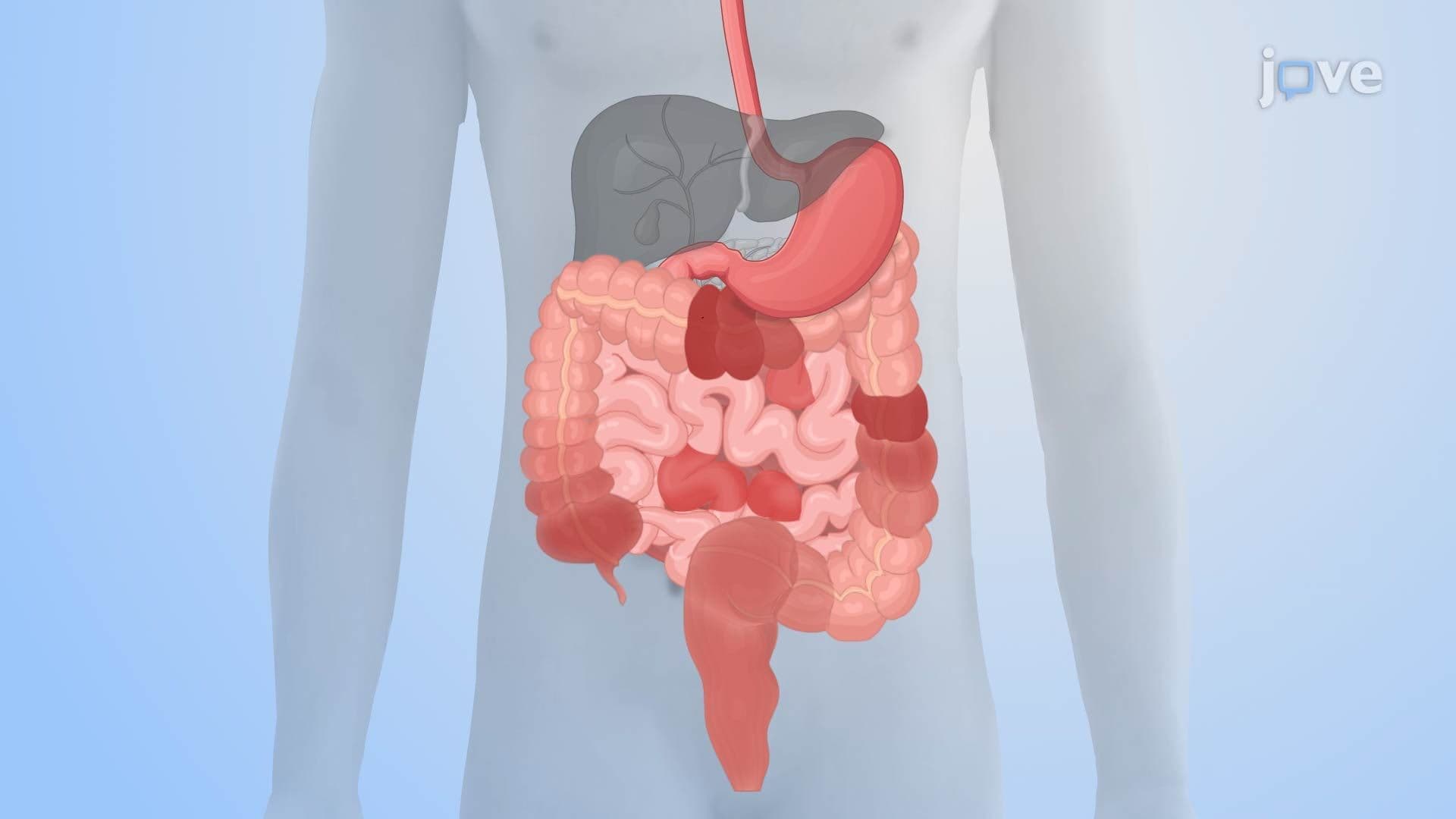
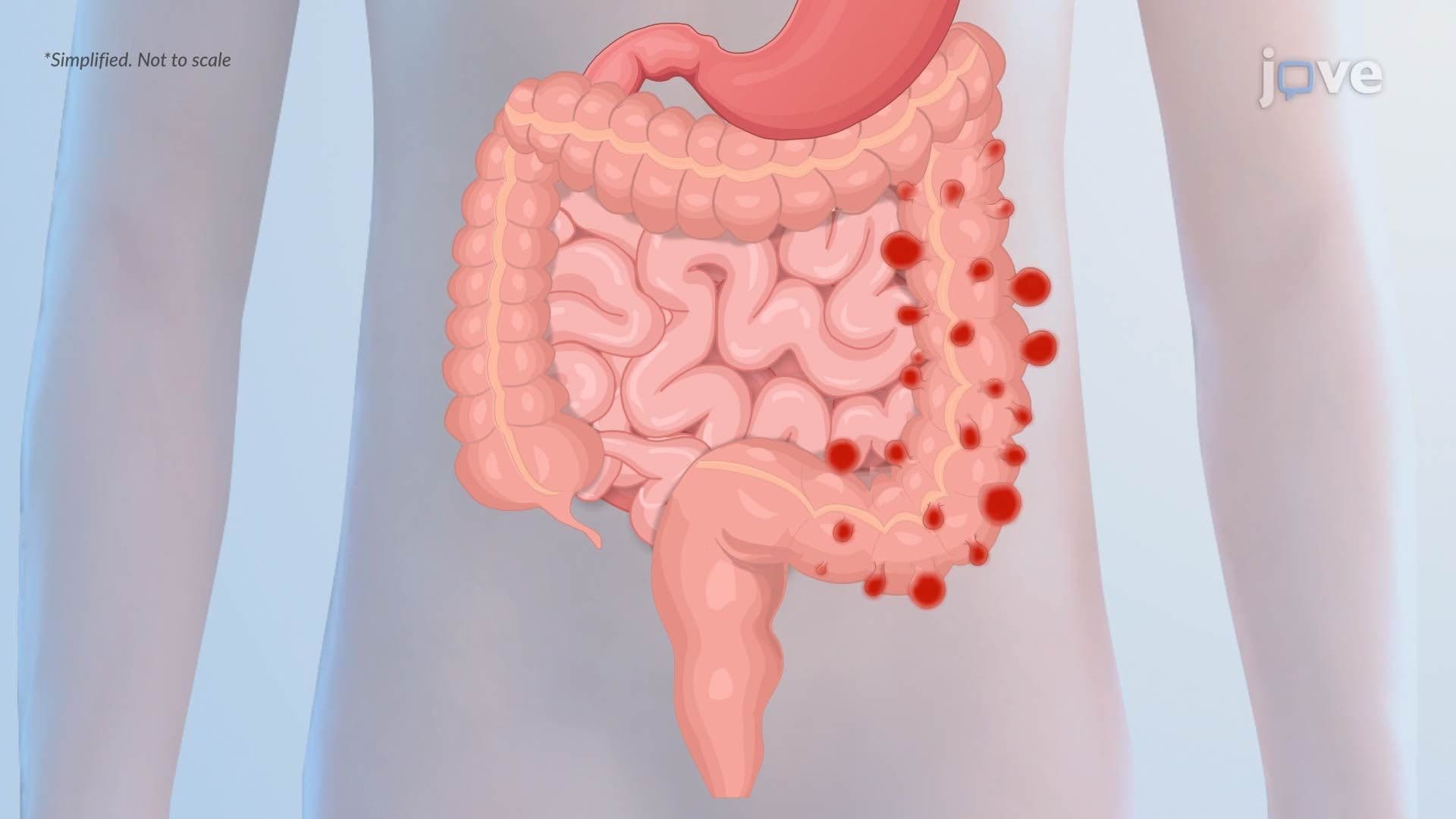
While liver disease dominates, ascites can also develop from malignancy (cancer seeding the peritoneum), heart failure (elevated venous back-pressure), kidney dysfunction (loss of oncotic pressure from low albumin), and systemic inflammation involving intestinal and mesenteric changes. Conditions such as inflammatory bowel disease (IBD), including Crohn's disease and ulcerative colitis, can contribute to systemic inflammation that further disrupts fluid balance. Understanding these varied causes is essential for clinical reasoning, as distinguishing the source of ascites directly guides treatment, from diuretics and dietary sodium restriction in cirrhosis to chemotherapy in malignant ascites.
On the MCAT and USMLE Step 1, ascites is a high-yield topic frequently presented in clinical vignettes involving cirrhosis, portal hypertension, or abdominal distension. Students in college-level physiology and pathophysiology courses at US universities are expected to trace the full RAAS-ADH cascade and explain sinusoidal pressure changes. Connecting ascites to broader gastrointestinal concepts, such as how portal hypertension relates to peptic ulcer disease complications or gastrointestinal bleeding, strengthens both exam performance and clinical reasoning skills.
Related Micro-courses