Loading video…

 29 Concepts
 4.5K views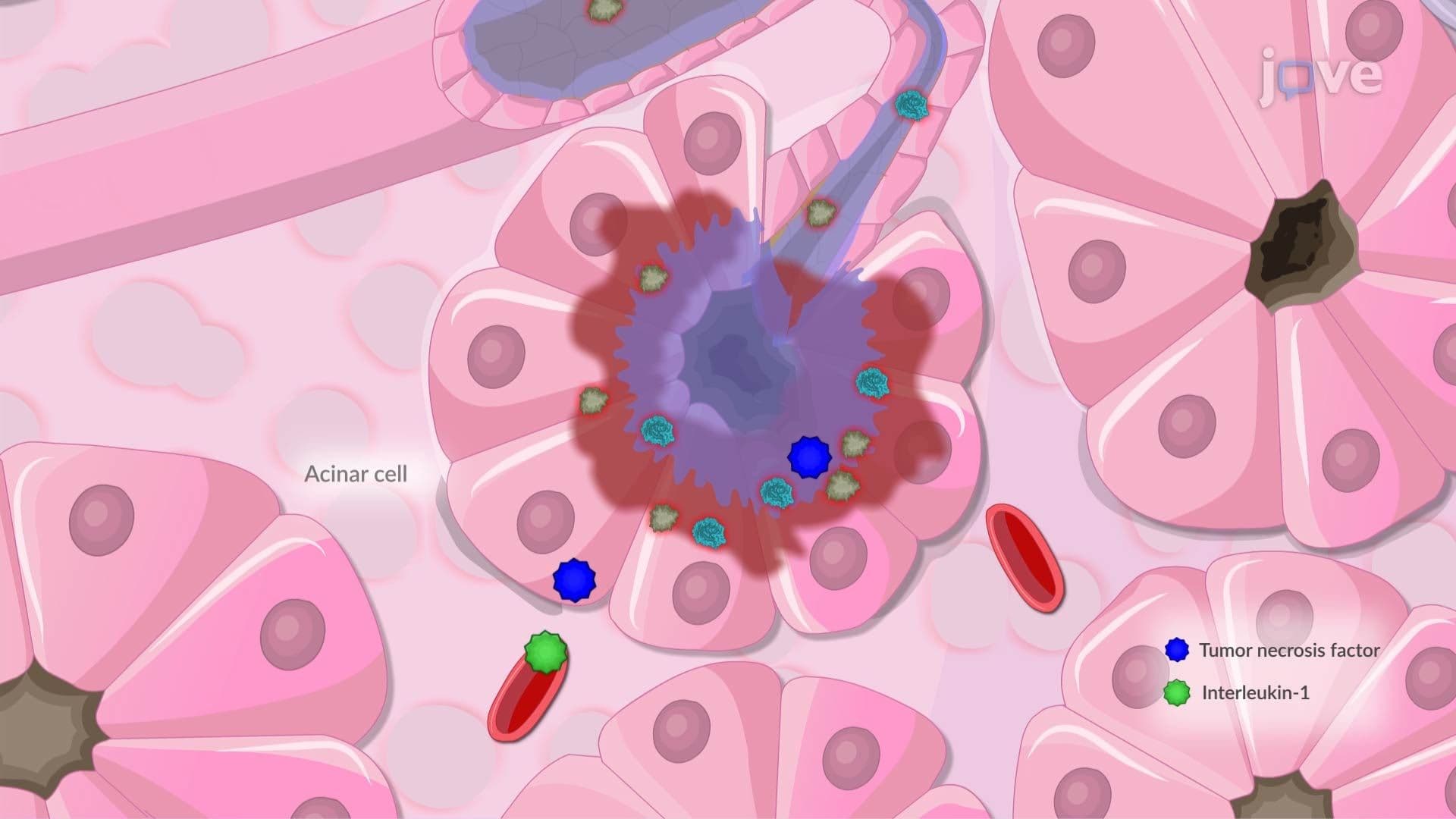

Video Summary: Pathophysiology in Acute Pancreatitis Ii
Did you know your own digestive enzymes can literally start digesting *you*? The pathophysiology in acute pancreatitis II reveals exactly how this dangerous chain reaction unfolds, from a gallstone blockage to organ-wide damage. In the US, over 300,000 hospitalizations annually involve acute pancreatitis. Watch the full video on JoVE Coach to master this concept with expert-led visuals and step-by-step explanations.
Acute pancreatitis is one of medicine's most striking examples of the body becoming its own enemy. The pathophysiology in acute pancreatitis II builds on foundational knowledge to explain the precise molecular and cellular events that transform a localized injury into a potentially life-threatening crisis. Understanding this pathway is essential not only for future healthcare professionals but also for any student studying human biology, anatomy, or physiology at the high school or undergraduate level.
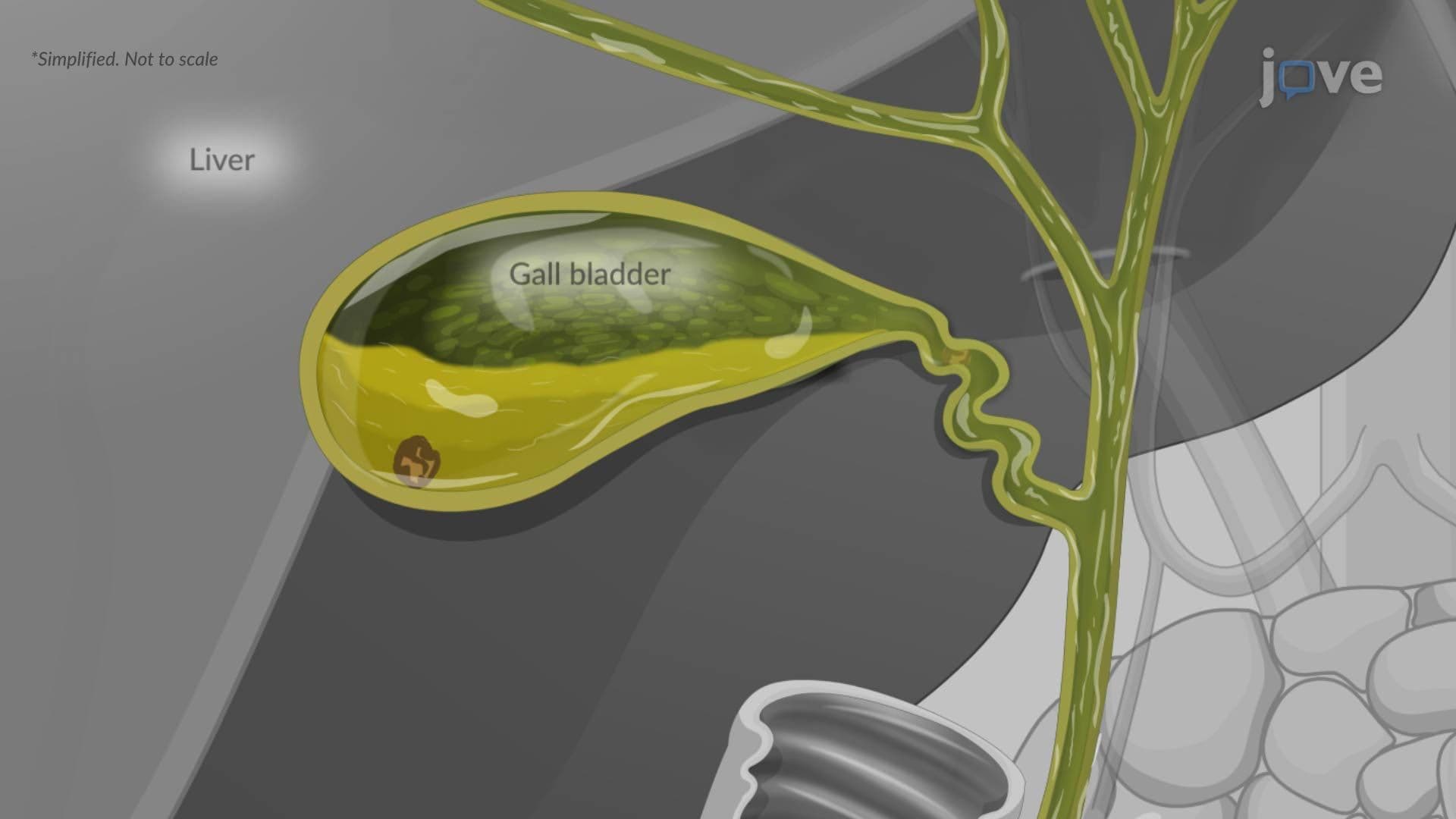
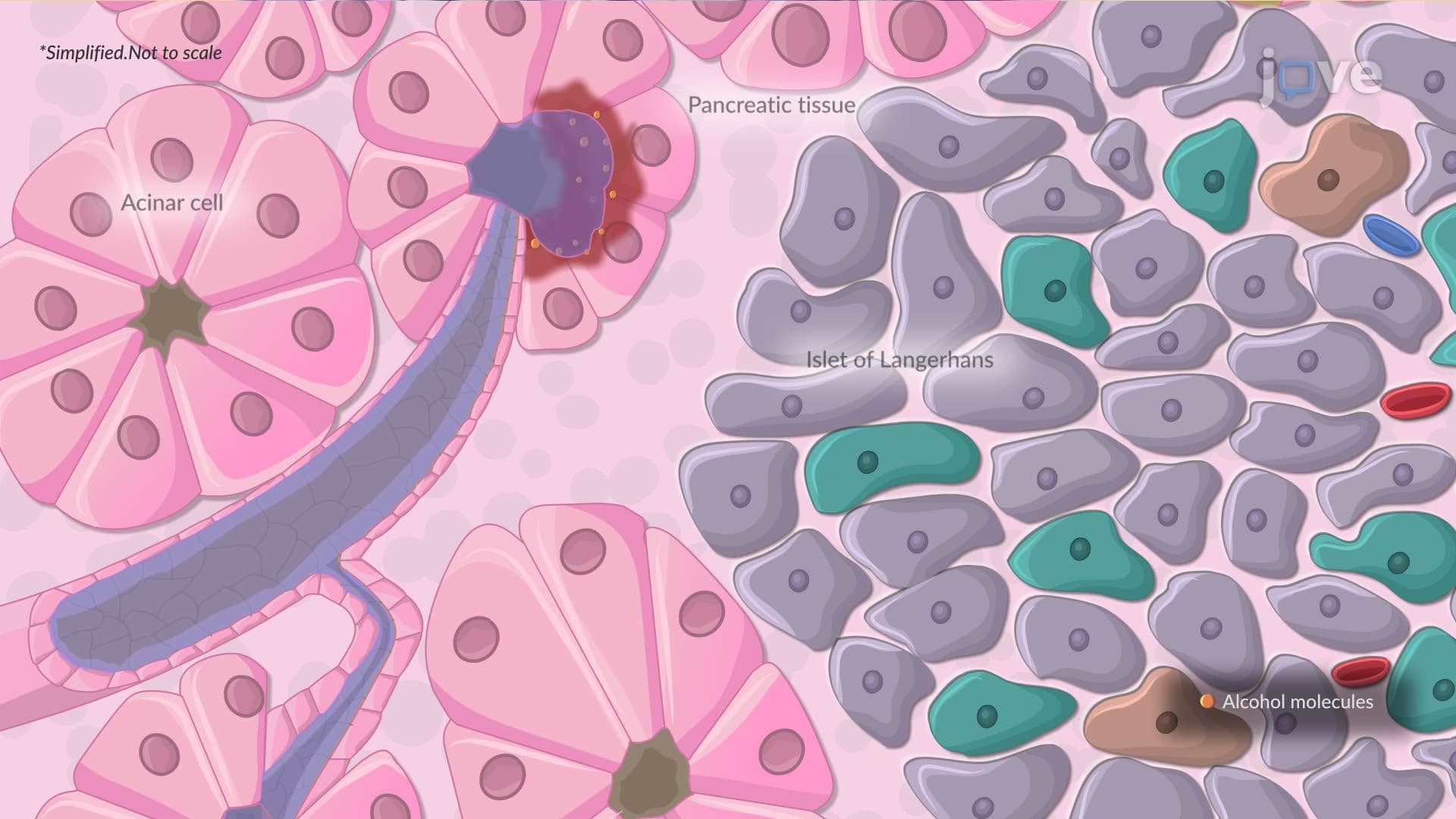
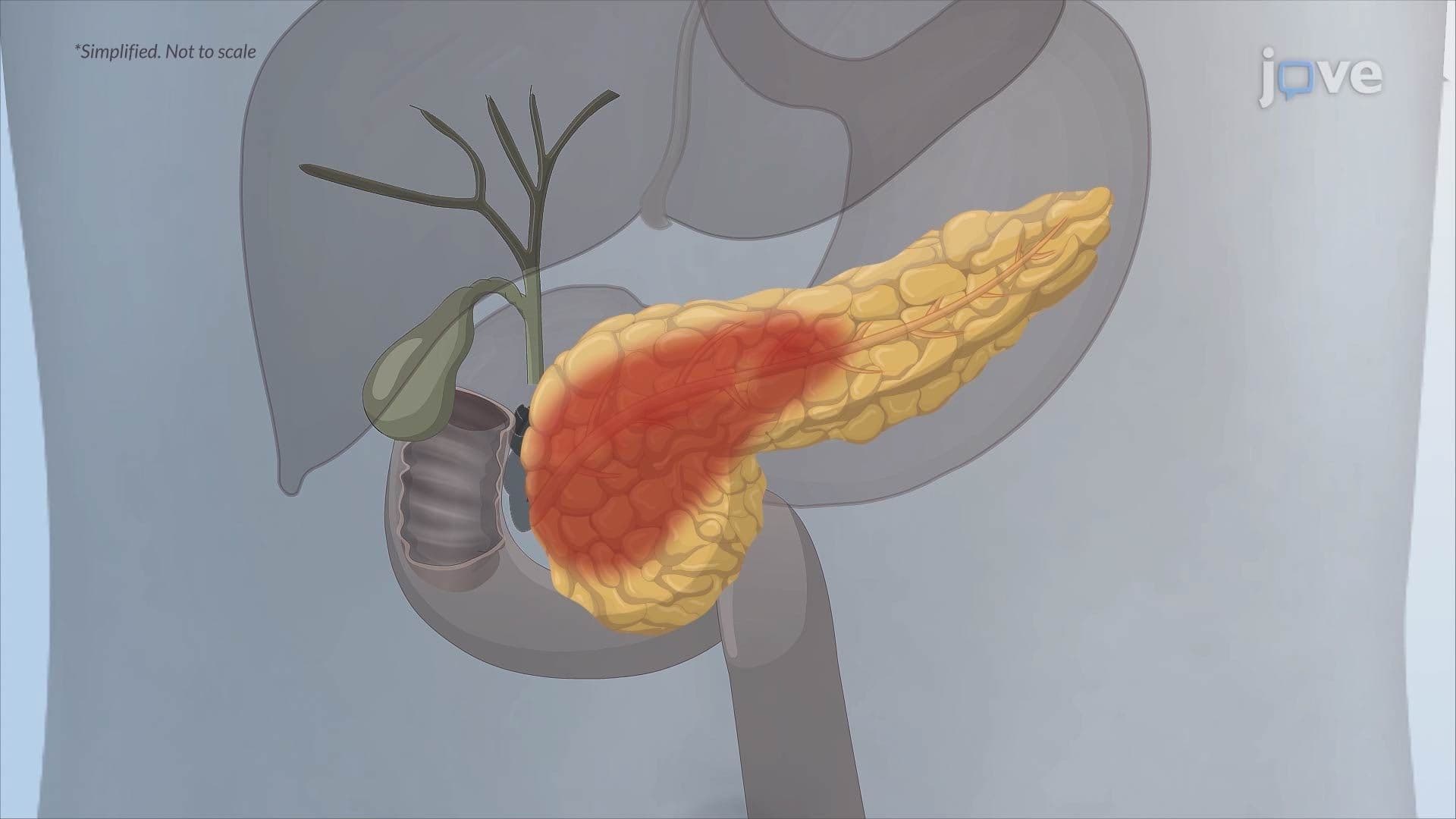
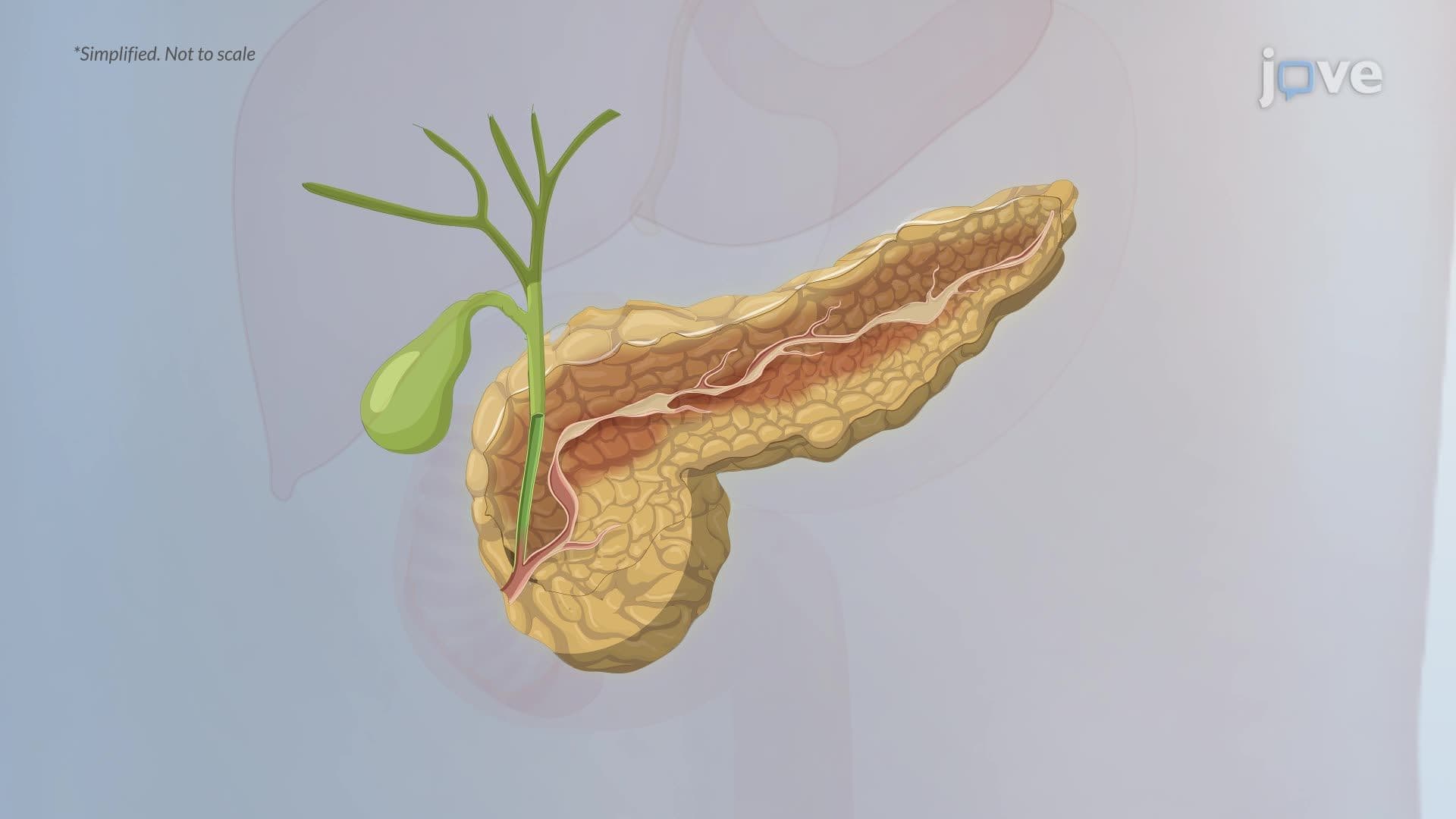
Under normal conditions, the pancreas produces powerful digestive enzymes, including trypsinogen, lipase, and amylase, in inactive forms called zymogens. These enzymes only become active after they reach the small intestine. In acute pancreatitis, this protective system breaks down. Common US clinical triggers include gallstones (which block the pancreatic duct) and chronic alcohol use, which disrupts intracellular enzyme packaging.
When acinar cells are injured, trypsinogen prematurely converts to its active form, trypsin, *inside* the pancreas. Trypsin then acts like a rogue switch, activating other zymogens and launching a destructive enzymatic assault on surrounding pancreatic tissue. The result is autodigestion: the pancreas literally begins digesting itself, producing local swelling, hemorrhage, and fat necrosis. This concept is frequently tested on the MCAT and appears in college-level physiology and pathophysiology courses.
As acinar cells sustain damage, they lose the ability to regulate calcium properly. Excess calcium floods into the cell and is absorbed by mitochondria, the organelles responsible for producing ATP. This overload disrupts mitochondrial function, causing a steep drop in ATP production. Without adequate energy, the endoplasmic reticulum (ER), the cell's protein-processing factory, becomes stressed and malfunctions, further impairing the cell's ability to handle enzyme production safely.
This sequence of calcium dysregulation → mitochondrial dysfunction → ER stress → inflammatory signaling is a high-yield concept in undergraduate pathophysiology and is directly relevant to USMLE Step 1 and NCLEX prep for students pursuing nursing or medical careers.
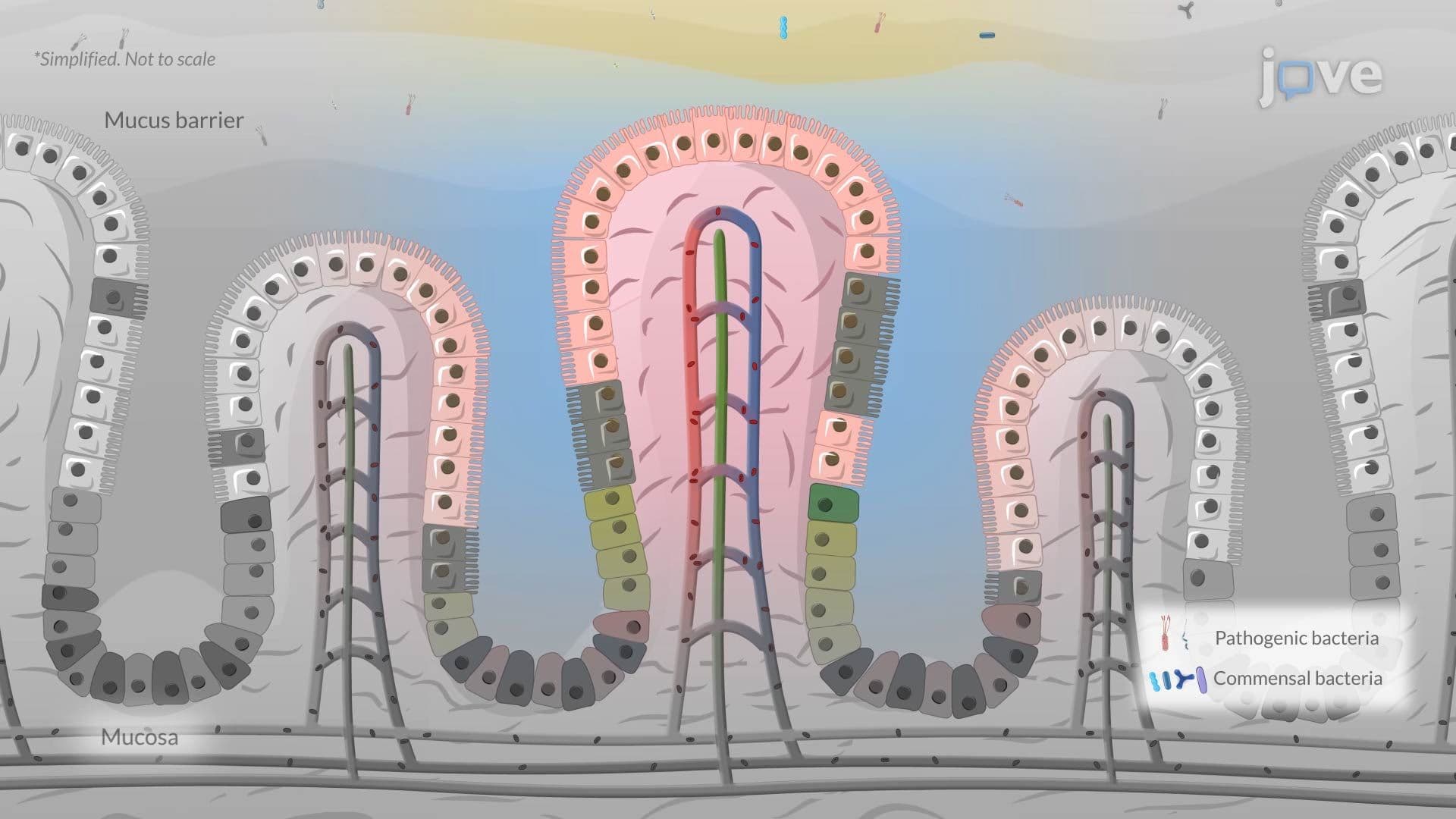
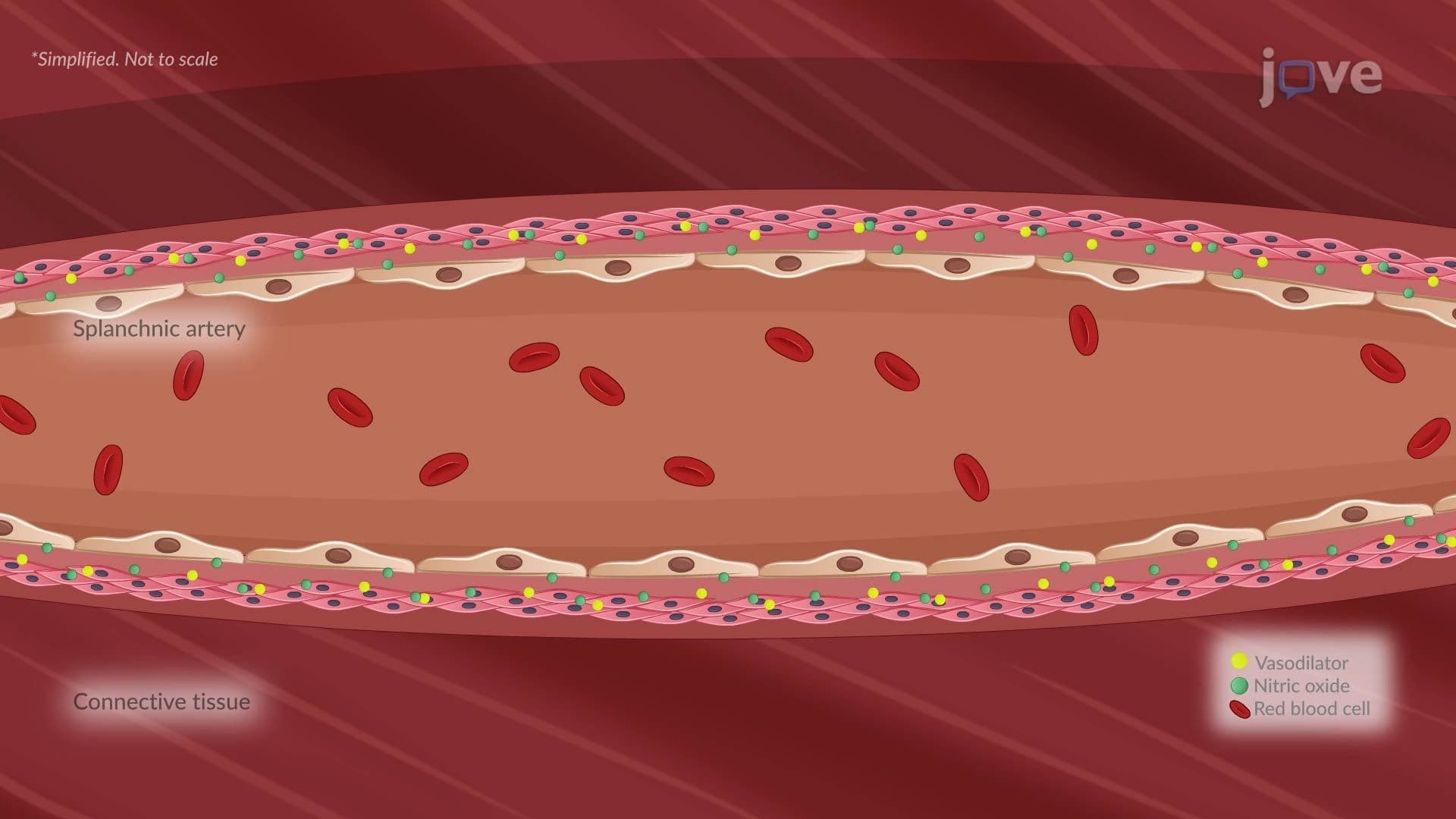
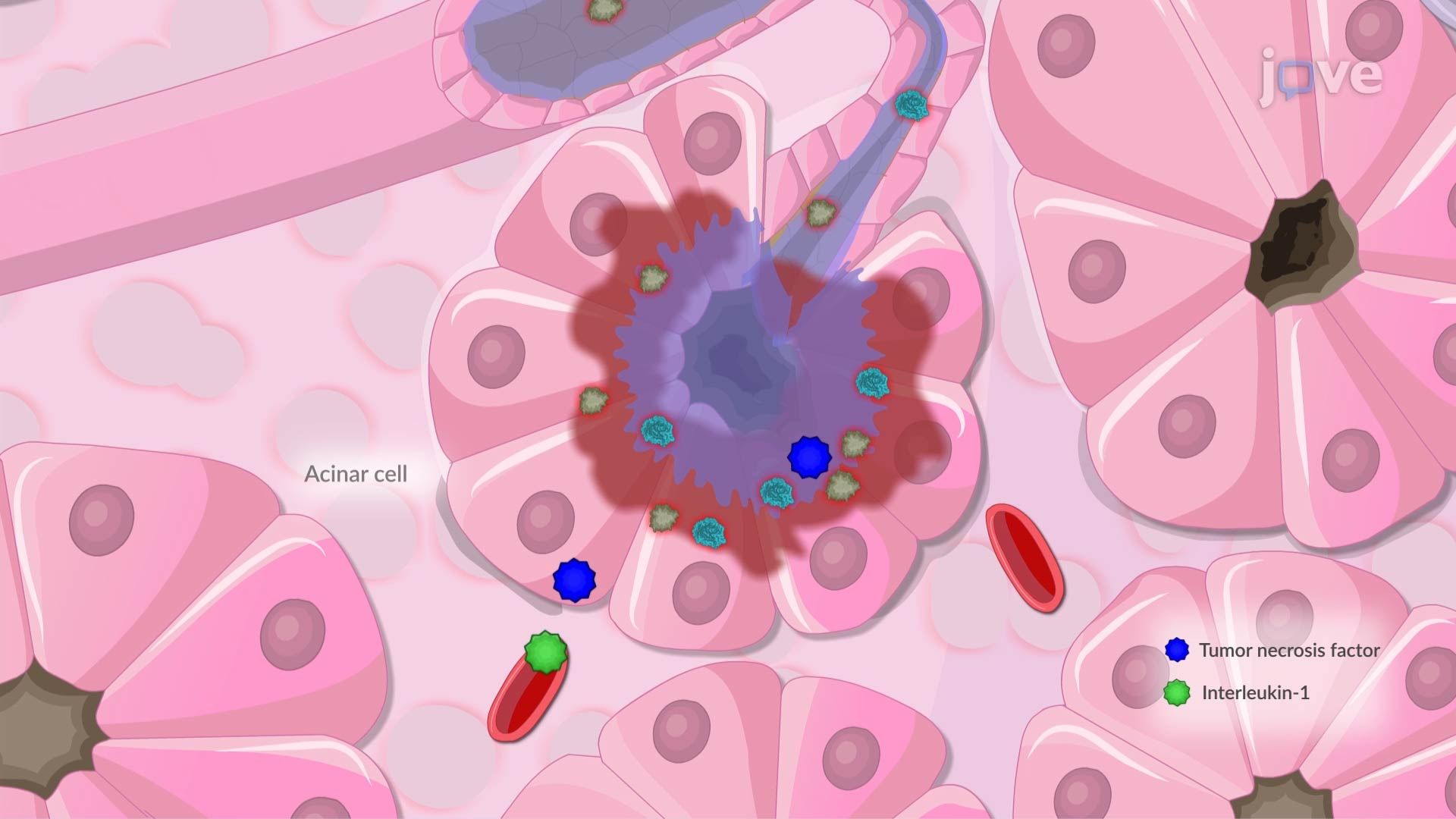
Damaged pancreatic cells release distress signals that recruit the immune system. Key cytokines, including interleukin-1 (IL-1) and tumor necrosis factor (TNF), are released, increasing blood vessel permeability and drawing in immune cells. This amplifies inflammation beyond the pancreas into surrounding tissues and, in severe cases, into the bloodstream.
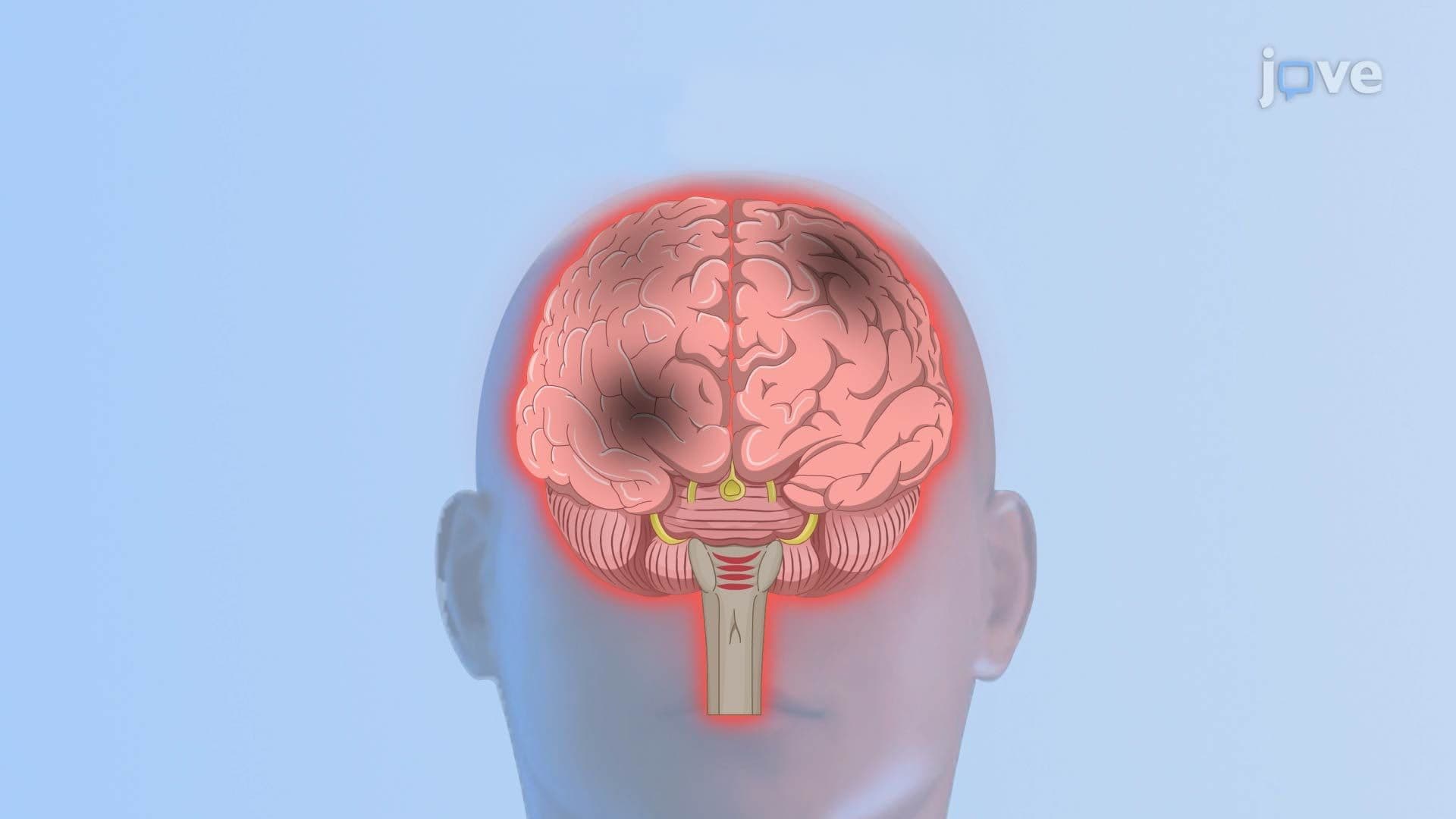
This systemic spillover is known as Systemic Inflammatory Response Syndrome (SIRS). When SIRS occurs in the context of pancreatitis, it can damage distant organs. Lungs may develop acute respiratory distress syndrome (ARDS); kidneys may experience acute kidney injury (AKI); and the cardiovascular system may become unstable. In US emergency departments, identifying this progression early is critical to preventing multi-organ failure.
One of the most clinically significant, and commonly tested, complications of acute pancreatitis is hypocalcemia (low blood calcium). Activated lipase breaks down fat cells in and around the pancreas, releasing free fatty acids. These fatty acids chemically bind to free calcium ions in the bloodstream, effectively removing calcium from circulation in a process called saponification. This explains why serum calcium levels drop in acute pancreatitis, a finding students will encounter in AP Biology, college biochemistry, and clinical exam preparation alike.
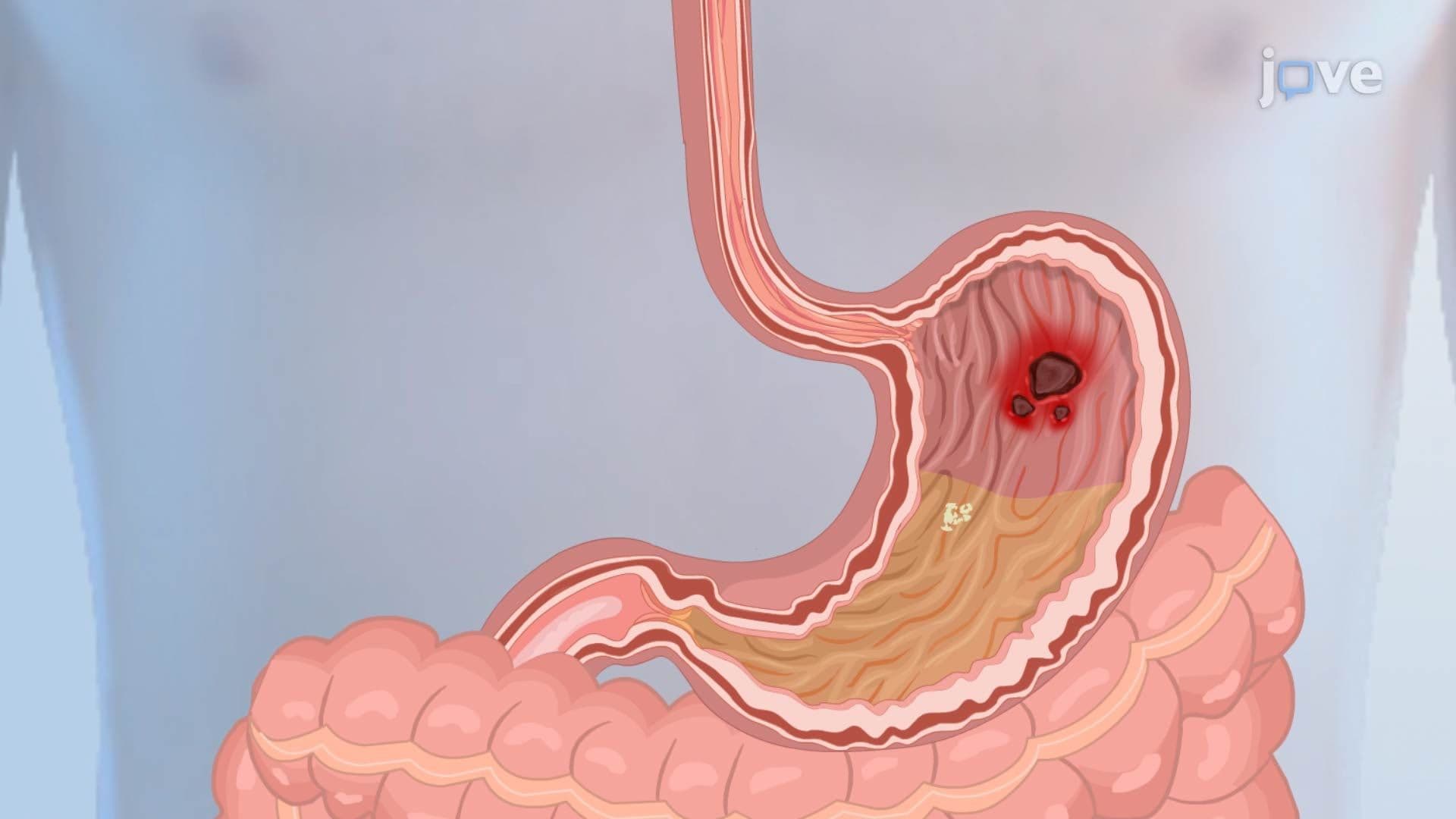
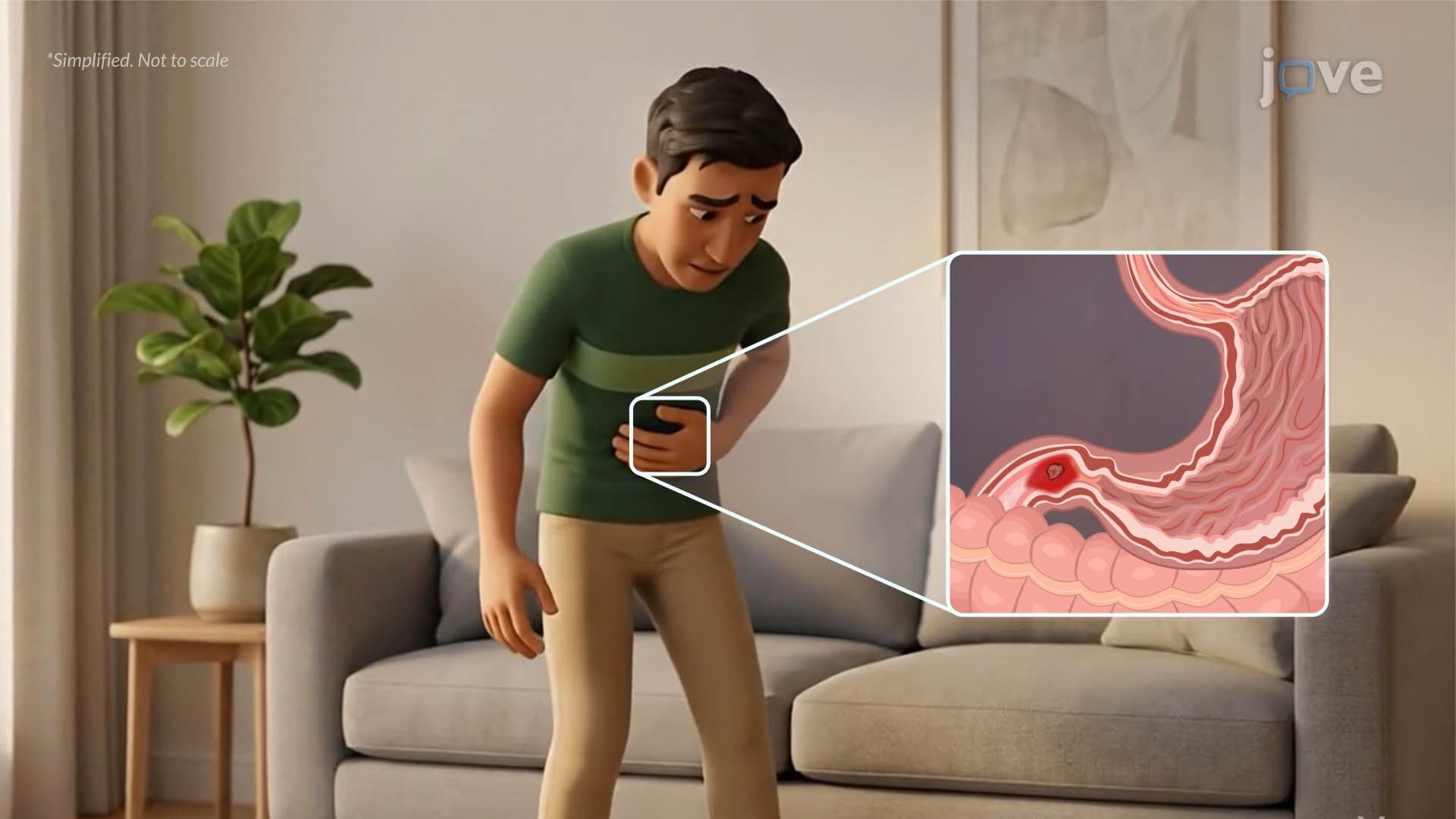
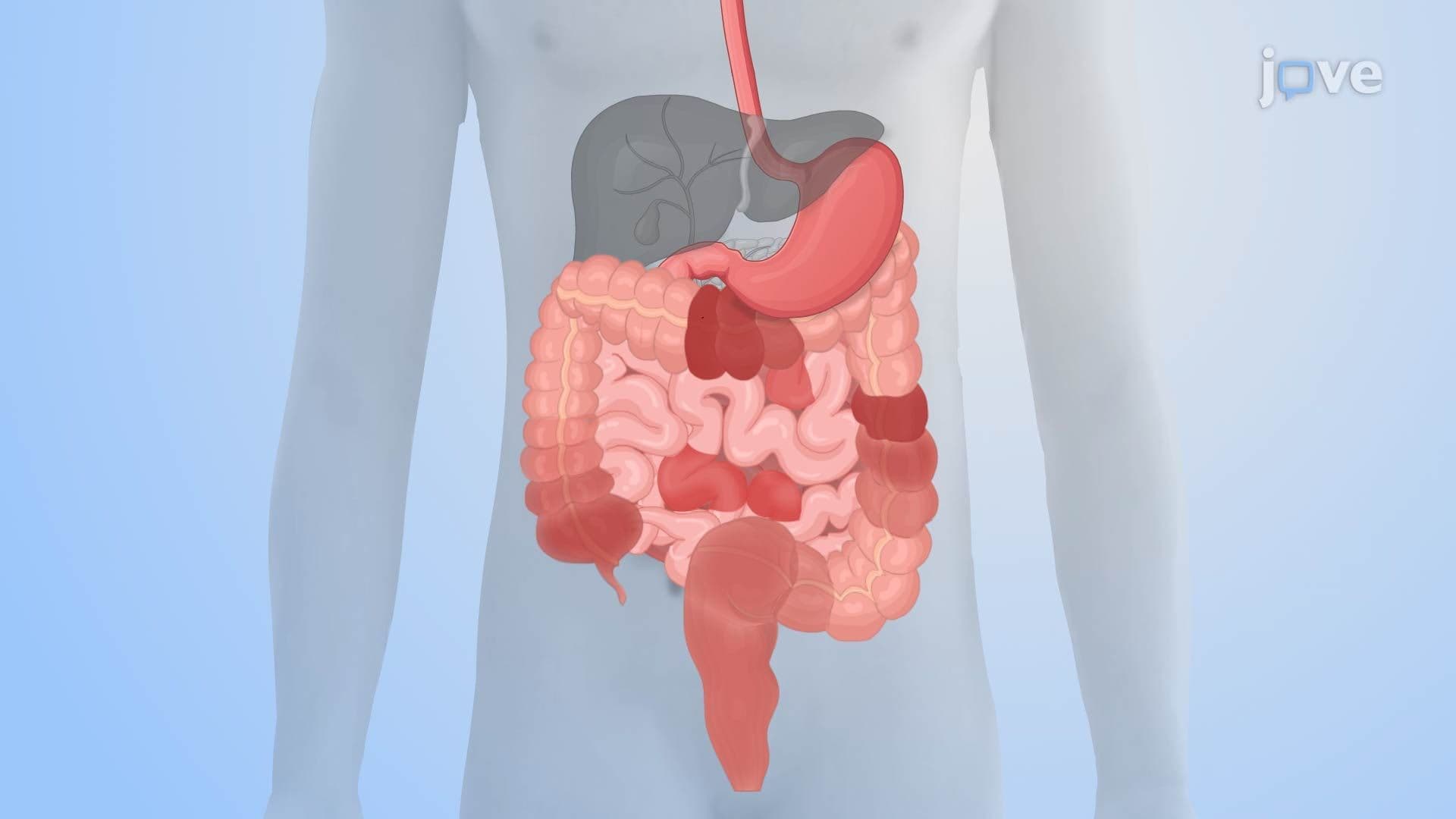
Understanding these interconnected mechanisms helps students appreciate how gastrointestinal conditions, from peptic ulcer disease to inflammatory bowel disease (IBD), share overlapping inflammatory pathways, making this a powerful conceptual anchor for broader GI studies.
Related Micro-courses