Loading video…

 29 Concepts
 4.5K views

Video Summary: Pathophysiology in Chronic Pancreatitis Ii
Did you know your pancreas can silently destroy itself over years, long before symptoms become obvious? The pathophysiology in chronic pancreatitis II reveals how repeated inflammation triggers irreversible fibrosis, glandular damage, and life-altering complications like diabetes and malabsorption, conditions affecting millions of Americans annually. Think of it like scar tissue gradually replacing a working organ. Watch the full video on JoVE Coach to master this concept with expert-led visuals and step-by-step explanations.
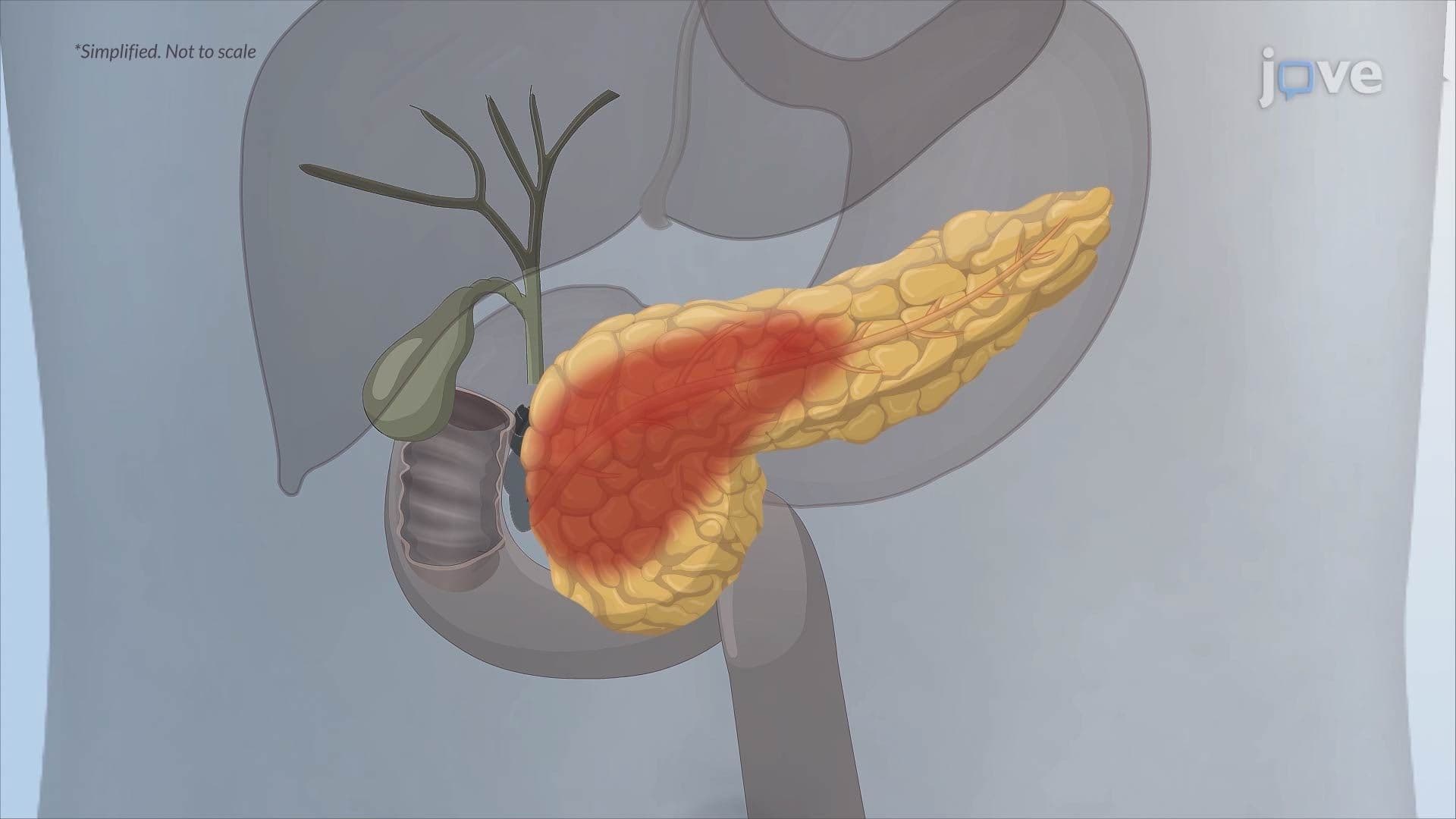
Chronic pancreatitis is not simply a prolonged version of an acute attack, it represents a fundamentally different, irreversible process in which the pancreas undergoes structural destruction over time. Unlike the temporary inflammation seen in acute pancreatitis, chronic pancreatitis leads to permanent replacement of functional tissue with fibrous scar tissue. Understanding this distinction is critical for students in college-level anatomy, physiology, and pathophysiology courses, as well as for those preparing for the MCAT or USMLE Step 1.
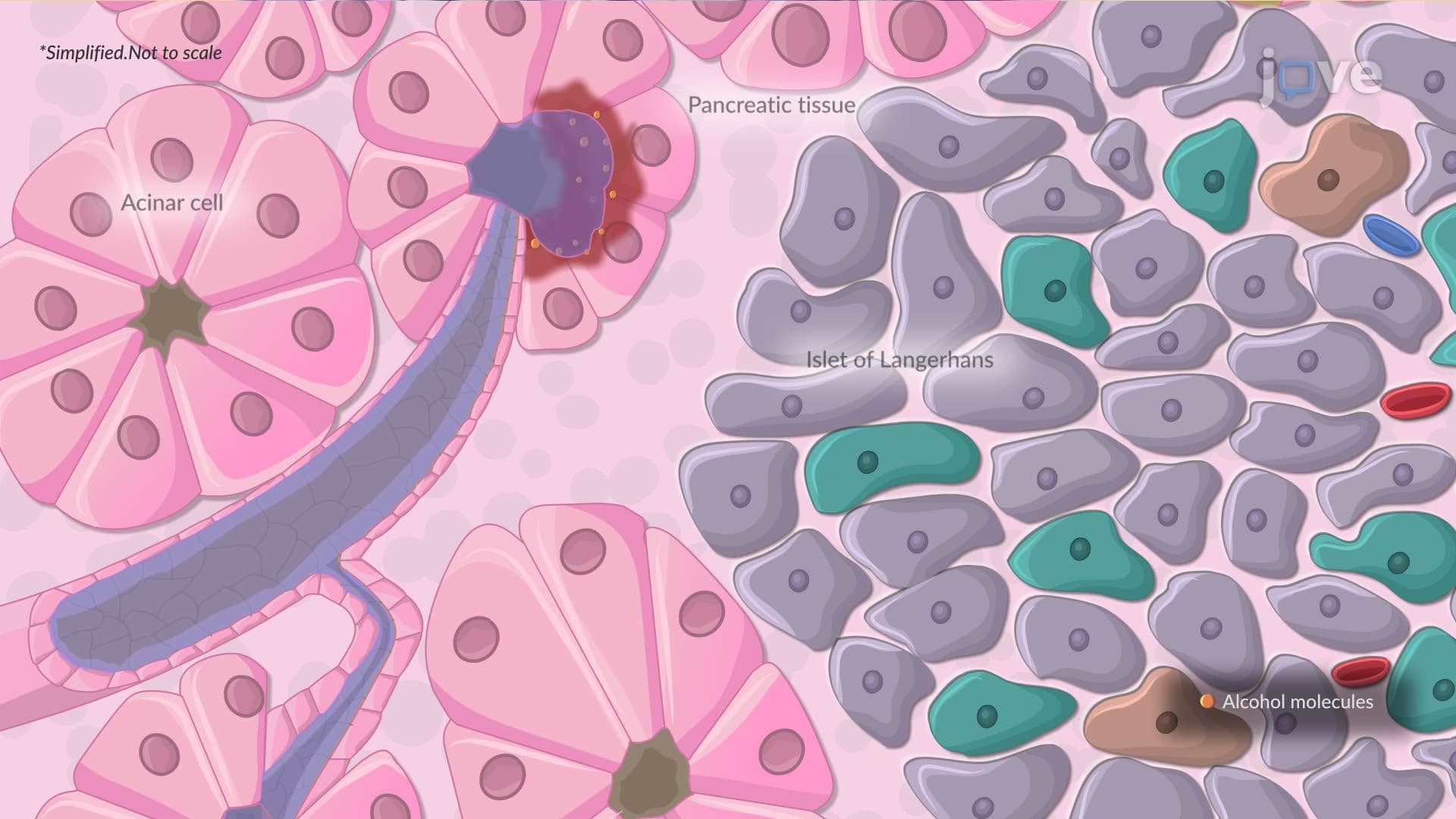
While chronic alcohol use remains the most widely recognized risk factor in the United States, accounting for roughly 70% of cases in some studies, the condition is increasingly understood to be multifactorial. Smoking independently doubles the risk and accelerates disease progression even in non-drinkers. Genetic mutations also play a significant role: PRSS1 mutations cause hereditary pancreatitis by triggering premature activation of trypsinogen inside the pancreas, while SPINK1 mutations impair a natural defense mechanism that normally prevents this self-digestion. Idiopathic chronic pancreatitis, where no clear cause is identified, accounts for a meaningful proportion of cases seen at major US academic medical centers like the Mayo Clinic and Johns Hopkins.
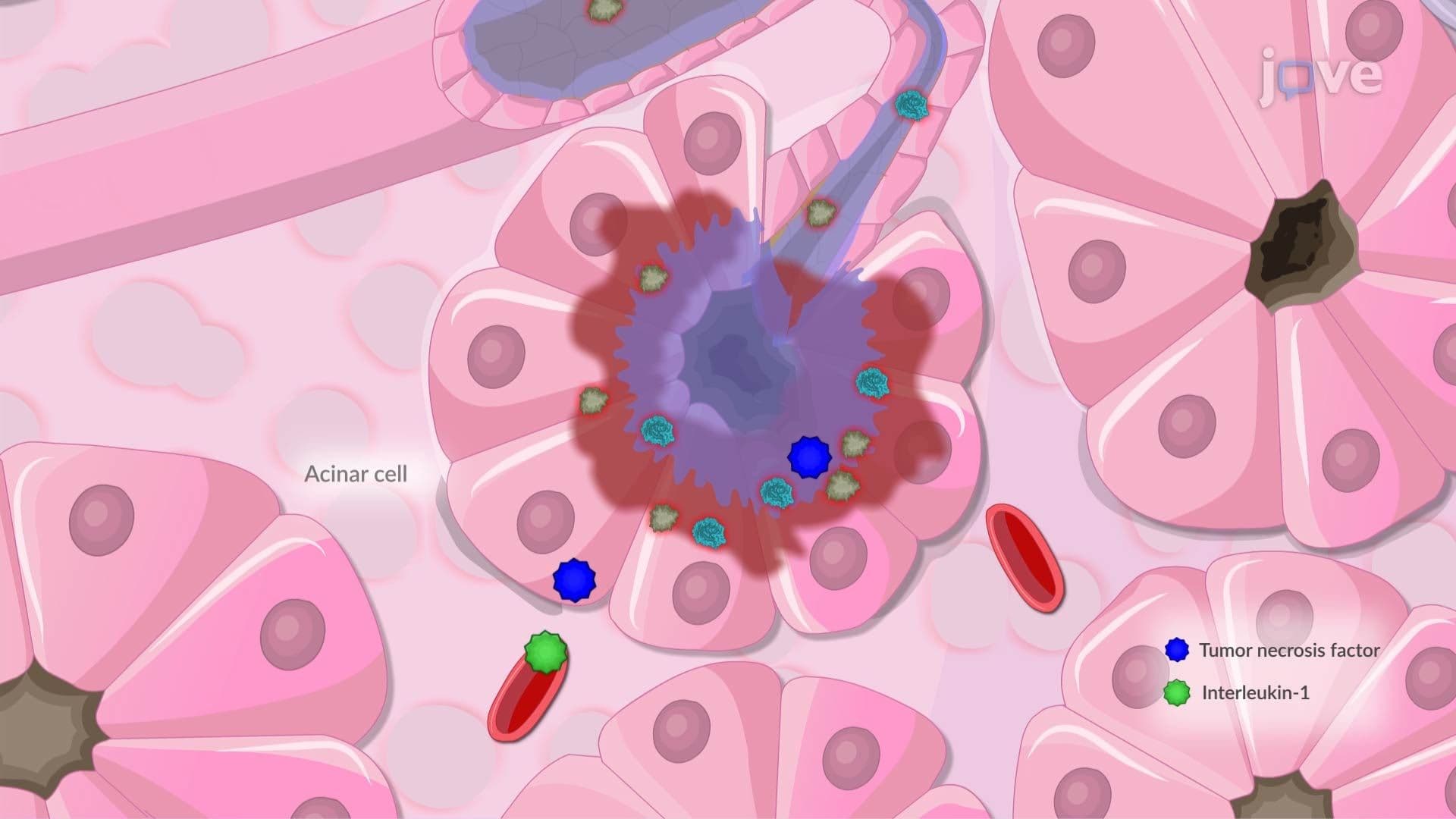
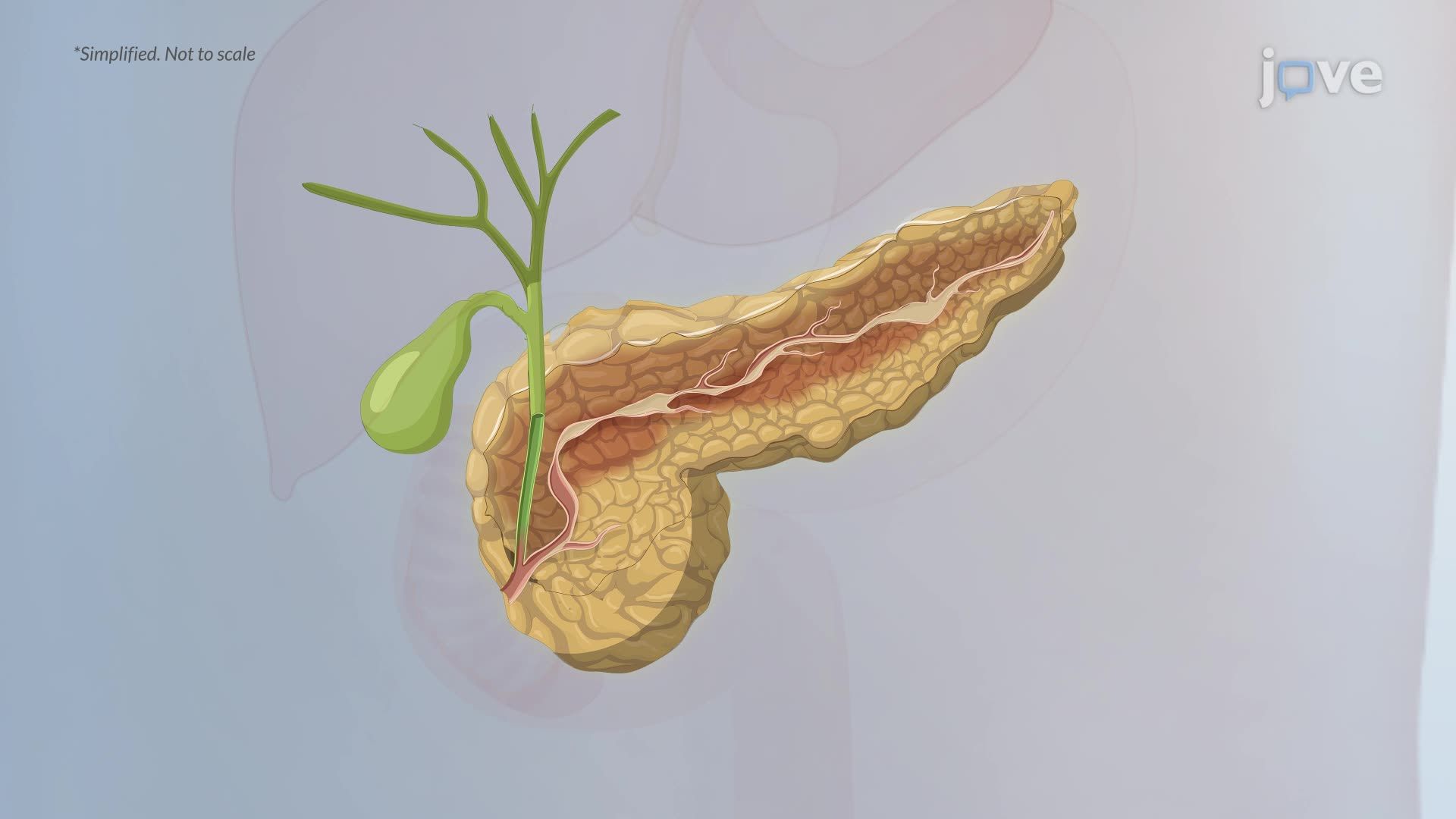
As repeated inflammatory cycles damage acinar cells, the body replaces lost tissue with fibrous scar material. This fibrosis distorts the architecture of the pancreas and narrows the main pancreatic duct and its branches, forming strictures. These narrowed segments trap thick, protein-rich secretions, which can calcify into pancreatic stones. The result is a chronically obstructed ductal system. During flare-ups, this obstruction can cause ductal pressure to build, potentially leading to pseudocyst formation, though this complication is less common in chronic pancreatitis than in acute episodes. When pseudocysts do occur in the chronic setting, they typically represent walled-off collections from prior acute-on-chronic episodes rather than fresh ductal ruptures. These structural changes are visible on imaging studies such as CT scans and MRCP (magnetic resonance cholangiopancreatography), making them clinically and academically relevant for courses that cover diagnostic medicine.
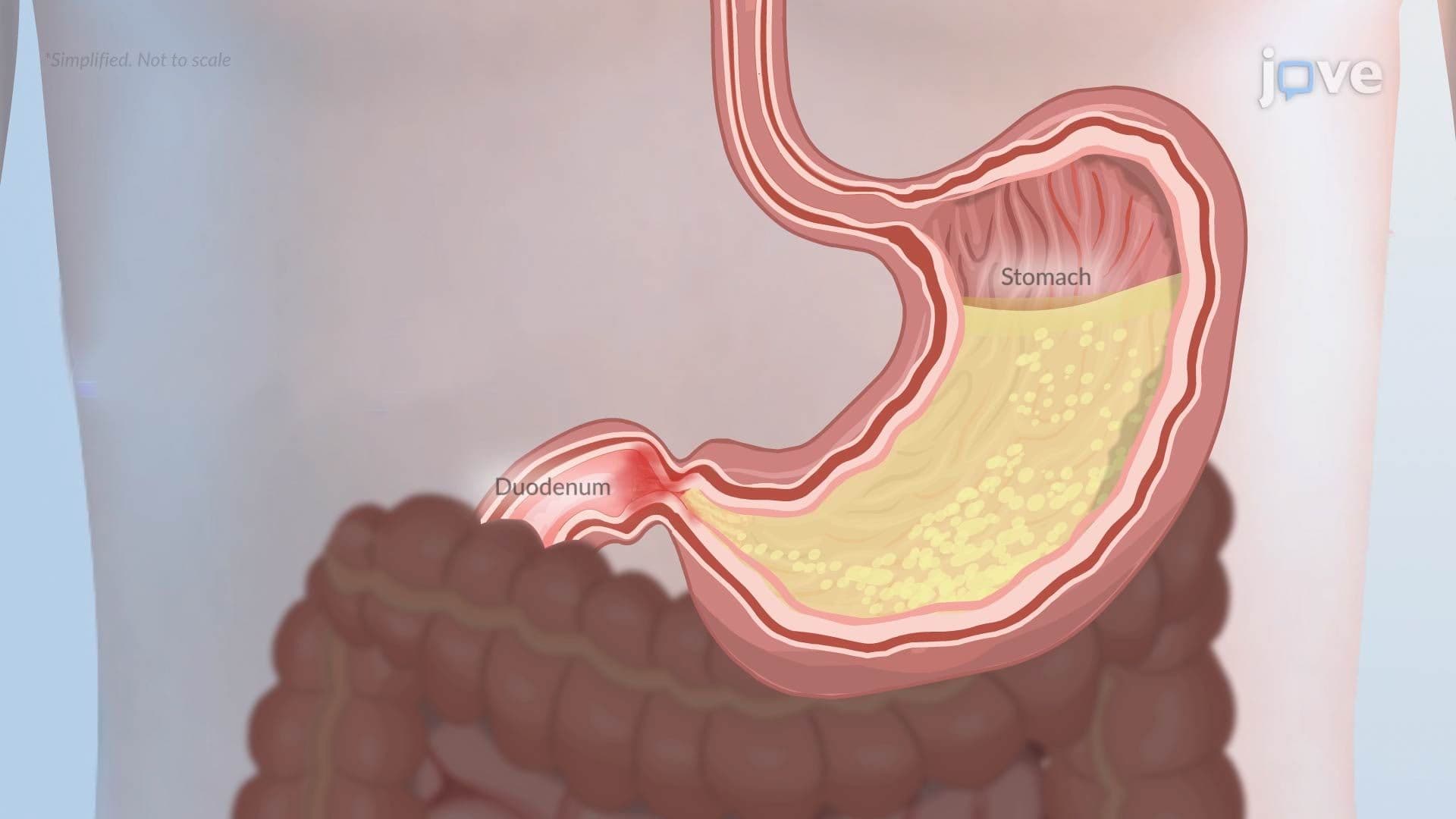
The pancreas serves two distinct functional roles, and chronic pancreatitis systematically dismantles both. The endocrine function is compromised when fibrosis destroys the islets of Langerhans, the clusters of cells responsible for producing insulin and glucagon. This leads to Type 3c diabetes (also called pancreatogenic diabetes), which differs from Type 1 and Type 2 diabetes in its mechanisms and is often underdiagnosed in the US. On the exocrine side, the loss of acinar cells dramatically reduces secretion of digestive enzymes, including lipase, amylase, and proteases, as well as bicarbonate into the duodenum. Without adequate bicarbonate, the duodenal environment becomes overly acidic, impairing enzyme function even further. The result is profound malabsorption, particularly of dietary fats, leading to steatorrhea (fatty, foul-smelling stools). This symptom overlaps with presentations seen in celiac disease, GERD, and peptic ulcer disease, making differential diagnosis an important skill tested on the MCAT and in college pathophysiology exams. Nutritional deficiencies in fat-soluble vitamins (A, D, E, and K) are a serious long-term consequence that students in nursing and pre-med programs must be prepared to identify and address.
Related Micro-courses