Loading video…

 29 Concepts
 4.5K views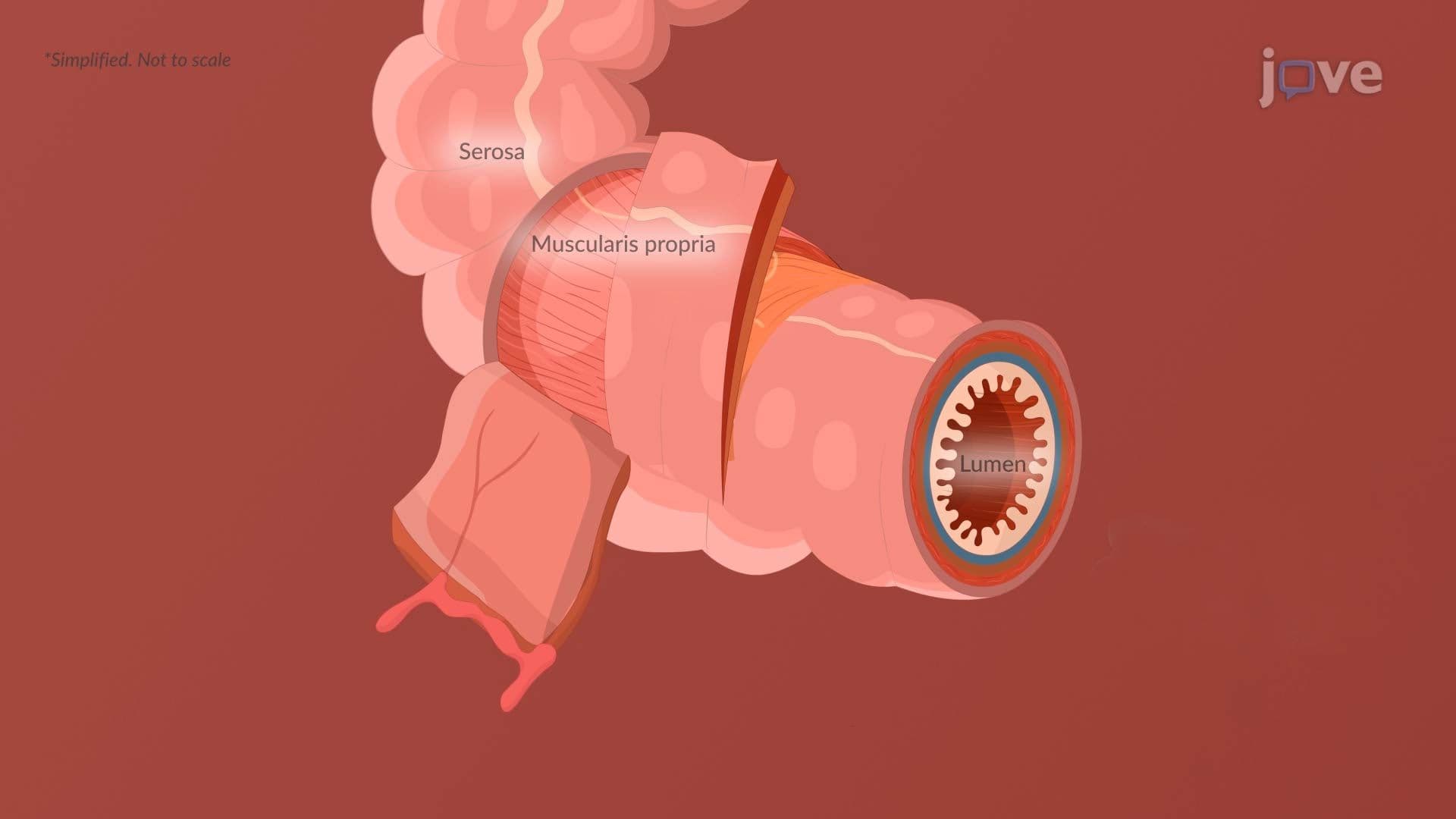

Video Summary: Clinical Manifestations in Inflammatory Bowel Disease Iv
Did you know that a single severe flare of ulcerative colitis can cause a patient to pass six or more bloody stools per day? Understanding Clinical Manifestations in Inflammatory Bowel Disease IV helps explain why inflammatory bowel disease (IBD) is a life-disrupting condition affecting nearly 3 million Americans. This concept breaks down the key differences between ulcerative colitis and Crohn's disease, from mild mucosal inflammation to severe transmural bowel damage. Watch the full video on JoVE Coach to master this concept with expert-led visuals and step-by-step explanations.
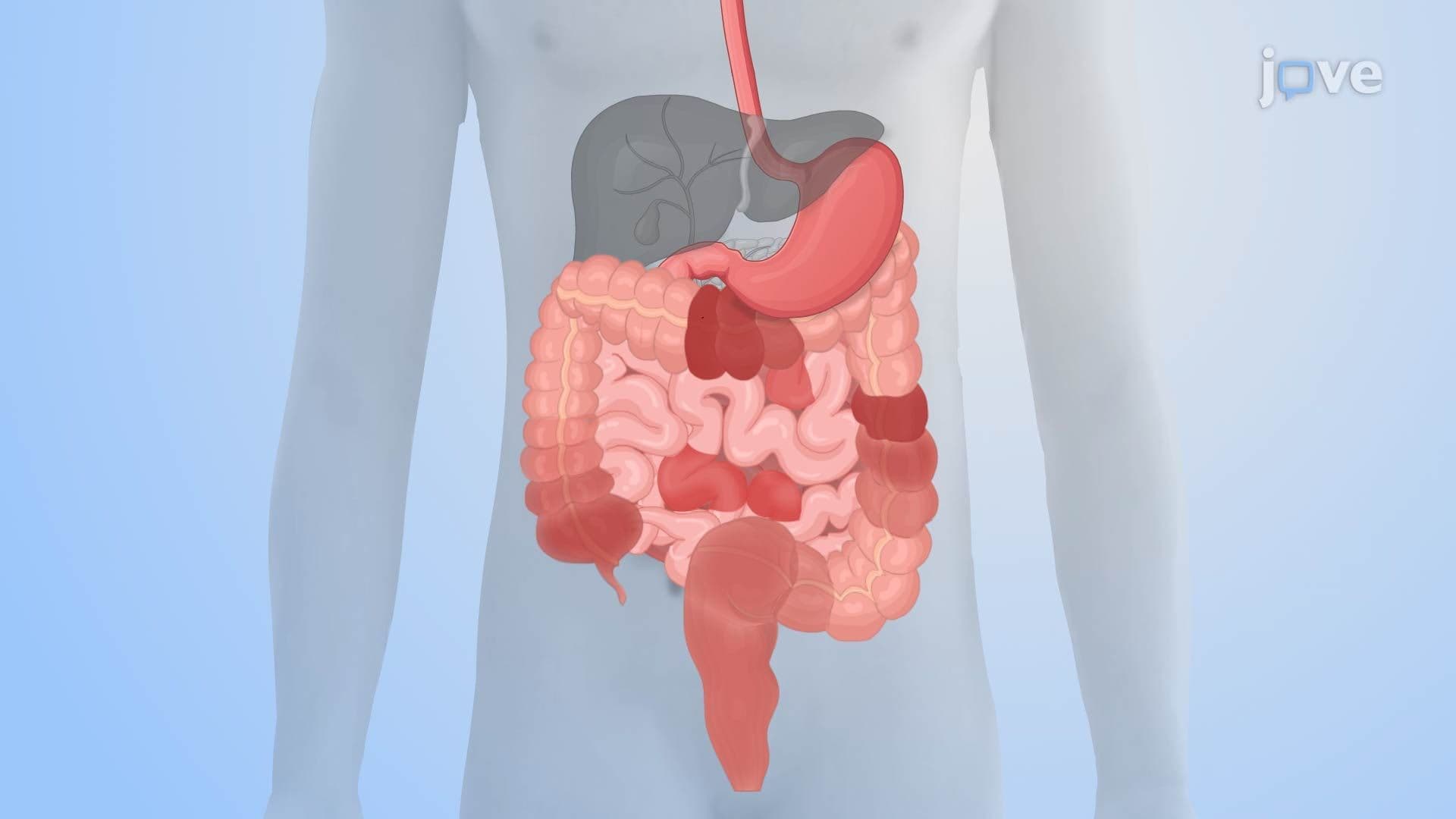
Inflammatory bowel disease (IBD) is a chronic, immune-mediated condition that causes persistent inflammation in the gastrointestinal (GI) tract. It primarily takes two forms: ulcerative colitis (UC) and Crohn's disease (CD). While both produce significant GI symptoms, they differ fundamentally in location, depth of tissue involvement, and clinical presentation. Understanding these differences is essential for anyone studying human biology, pathophysiology, or preparing for health science exams like the MCAT, USMLE, NCLEX, or HESI A2.
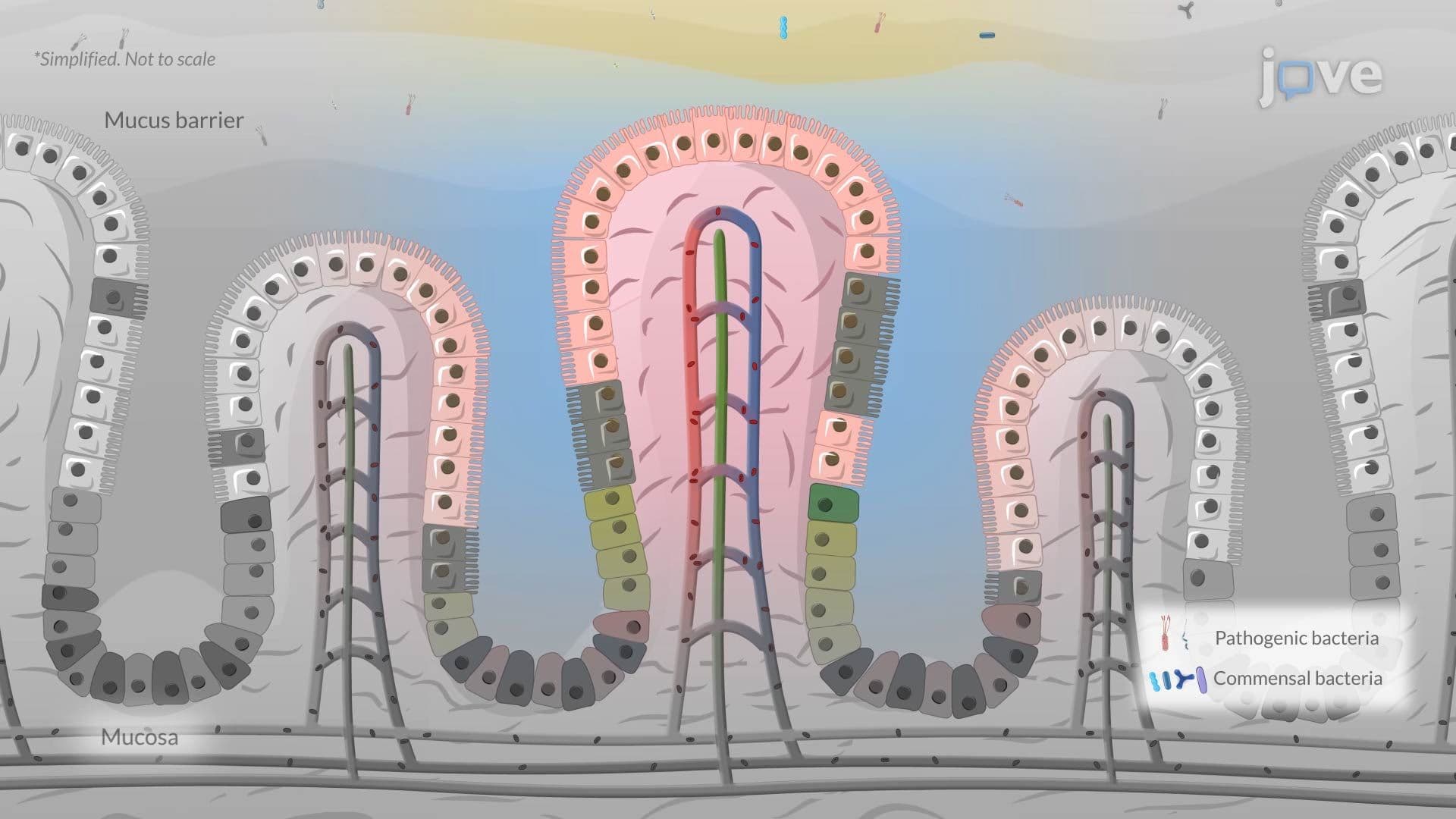
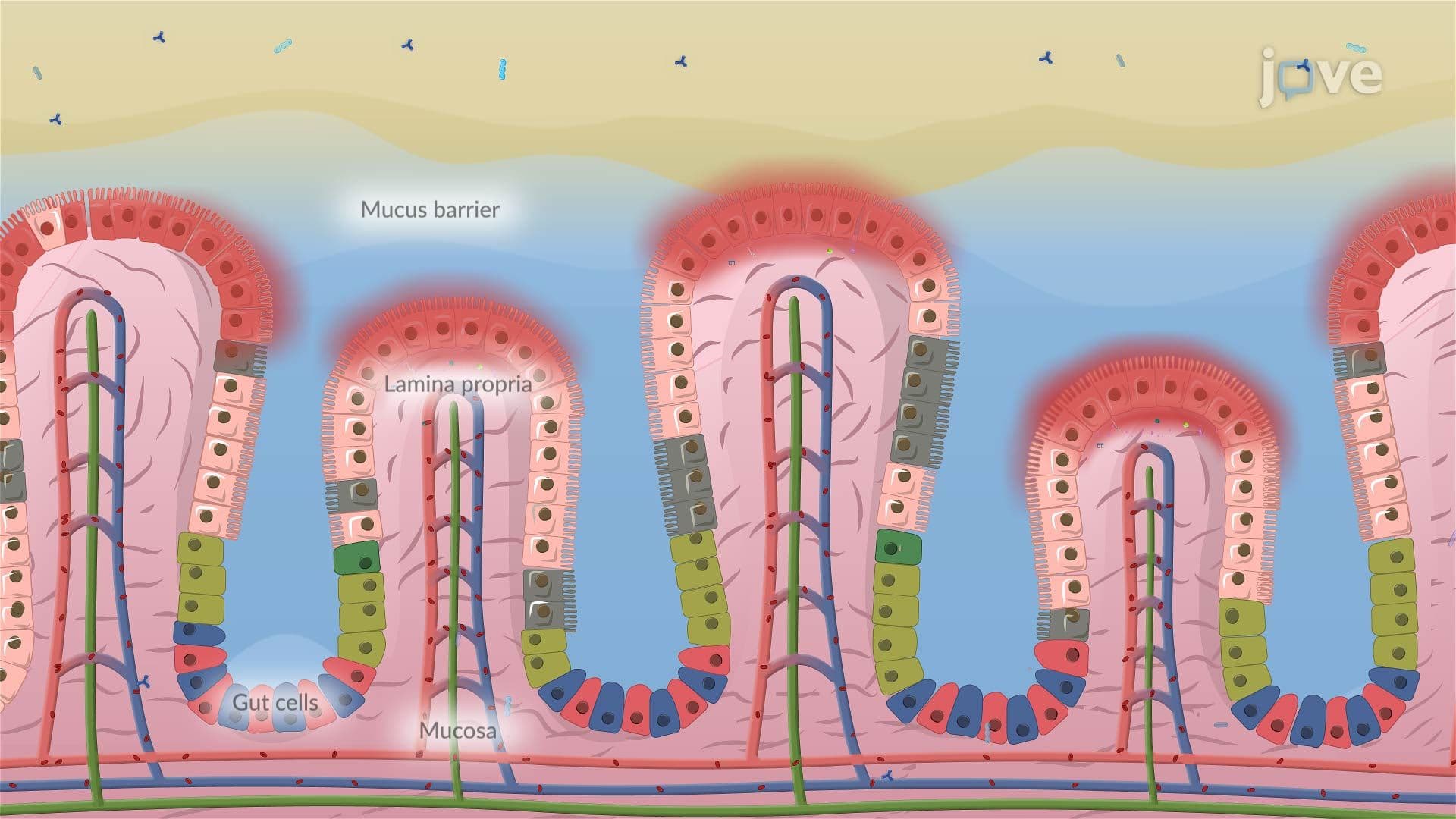
Ulcerative colitis is a condition defined by mucosal inflammation, meaning it affects only the innermost lining of the colon. It follows a relapsing-remitting pattern, where patients experience periods of active disease (flares) followed by relative calm (remission).
In mild cases, patients may notice a slight increase in bowel movements, minimal rectal bleeding, and low-grade abdominal discomfort. These symptoms may be easy to dismiss early on, which is one reason IBD is often underdiagnosed. In fact, the Crohn's and Colitis Foundation of America estimates that many patients wait years before receiving a confirmed diagnosis.
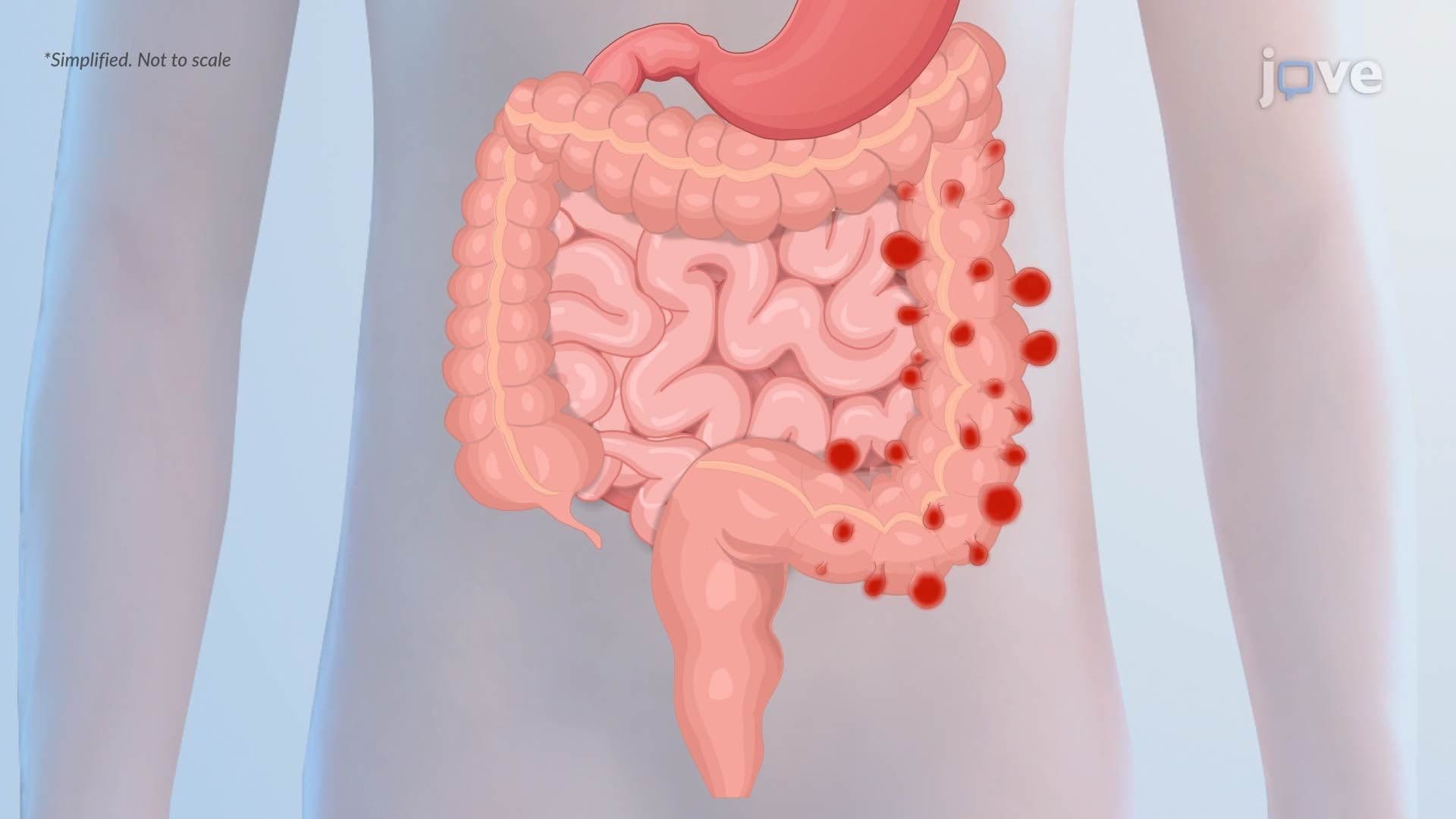
During severe flares, the inflammation can extend throughout the entire colon, a condition sometimes called pancolitis. Patients may pass six or more bloody stools per day. Accompanying systemic signs include fever and tachycardia (rapid heart rate), signaling that the body is under significant physiological stress. Over time, ongoing blood and fluid loss leads to iron-deficiency anemia, dehydration, unintentional weight loss, and persistent fatigue. In a US clinical setting, these patients may require hospitalization, IV fluids, corticosteroids, or biologic therapies such as infliximab to bring the disease under control.
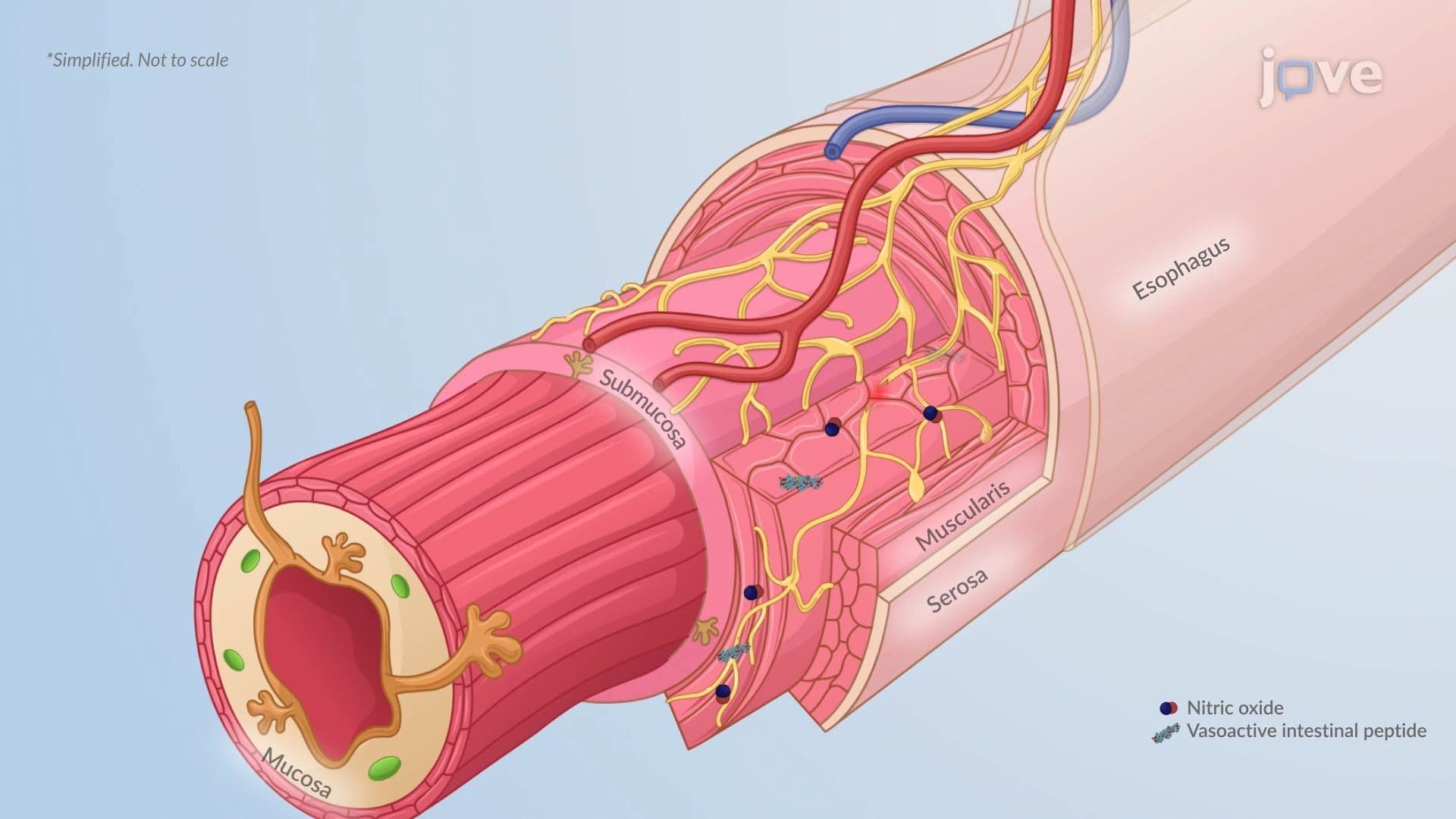
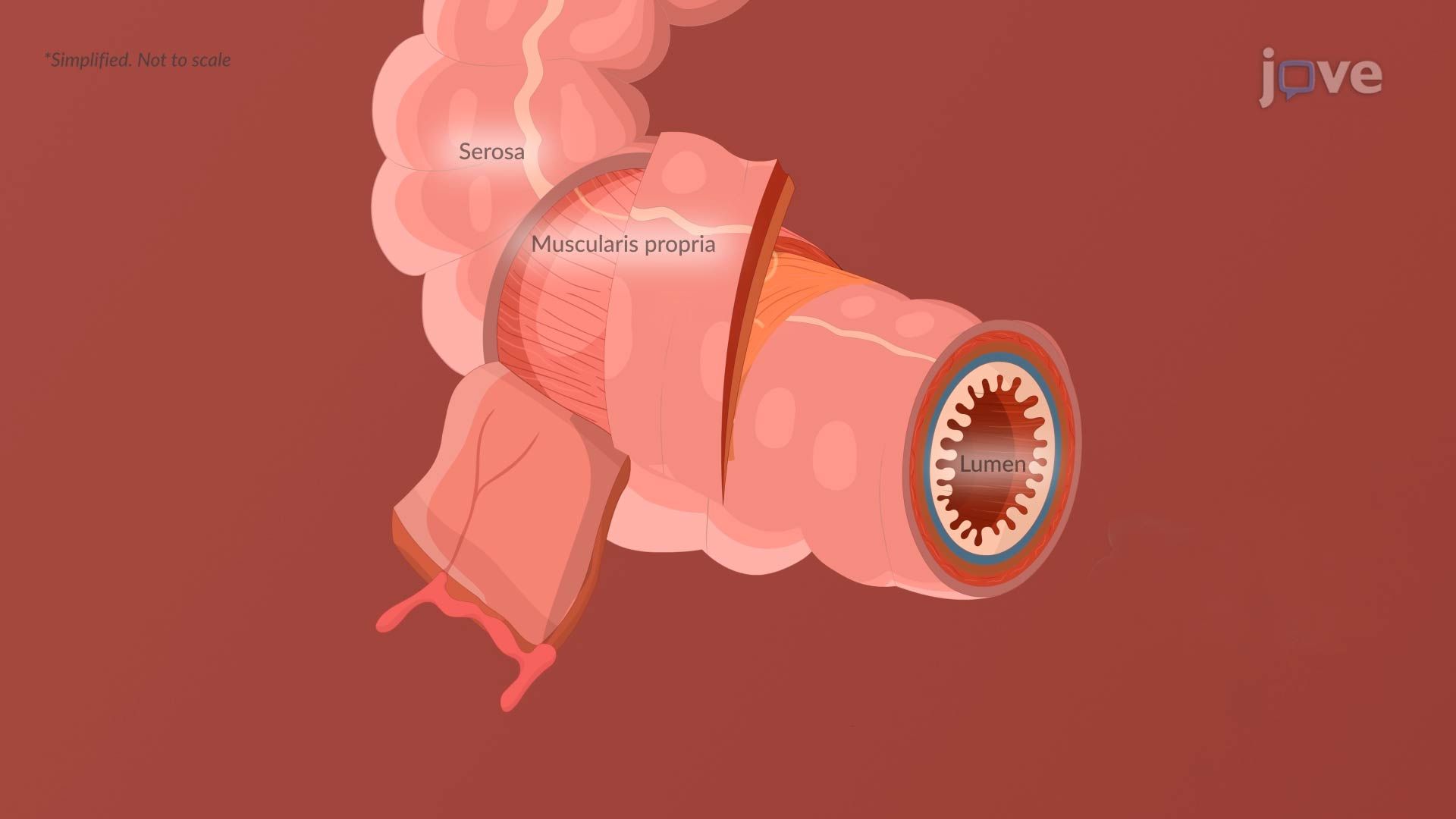
Unlike ulcerative colitis, Crohn's disease is characterized by transmural inflammation, inflammation that penetrates through all layers of the bowel wall, not just the mucosal surface. This structural difference has major clinical consequences. Crohn's can affect any segment of the GI tract from mouth to anus, but it most commonly targets the terminal ileum and colon.
Diarrhea is the hallmark symptom of Crohn's disease. When the colon is involved, rectal bleeding may also occur, creating a presentation that can initially resemble UC. Generalized abdominal pain and significant weight loss are also common, often resulting from reduced food intake due to pain, nutrient malabsorption, or both.
A particularly high-yield concept for exams is the role of ileal involvement. The terminal ileum is responsible for absorbing vitamin B12 and reabsorbing bile acids. When Crohn's disease damages this region, patients develop vitamin B12 deficiency, which can contribute to megaloblastic anemia, and bile acid malabsorption, which impairs fat digestion and can cause osmotic diarrhea.
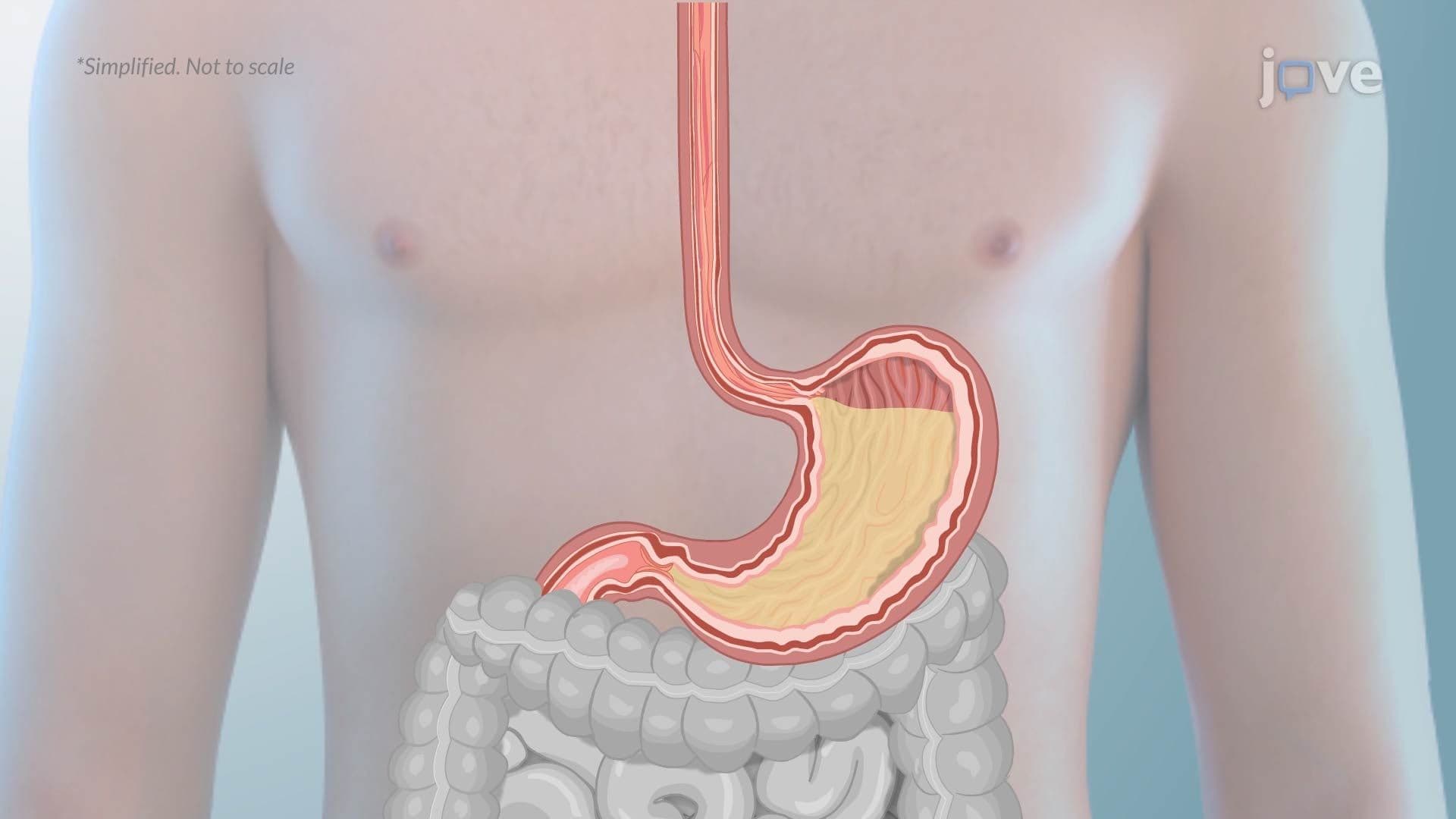
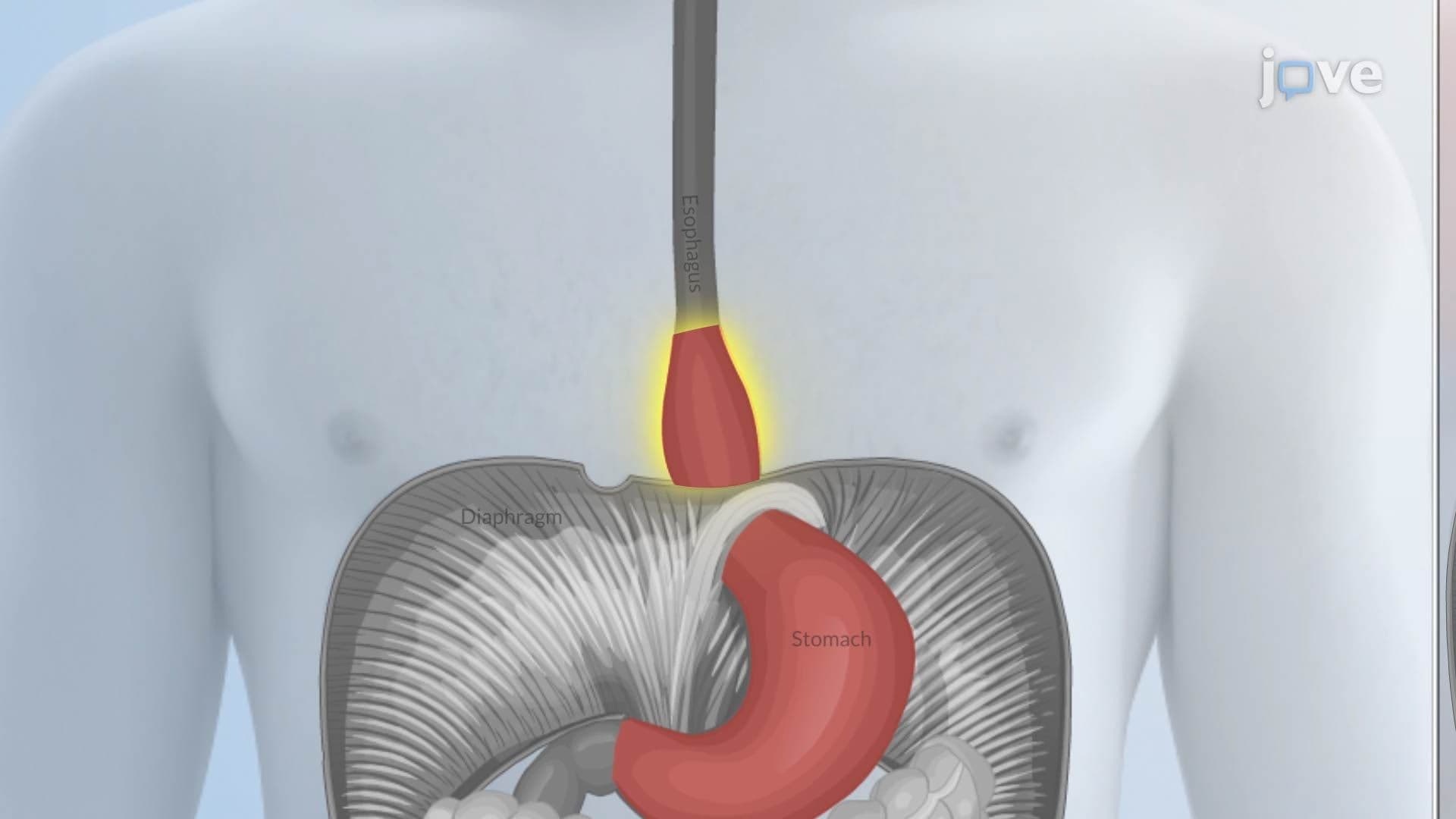
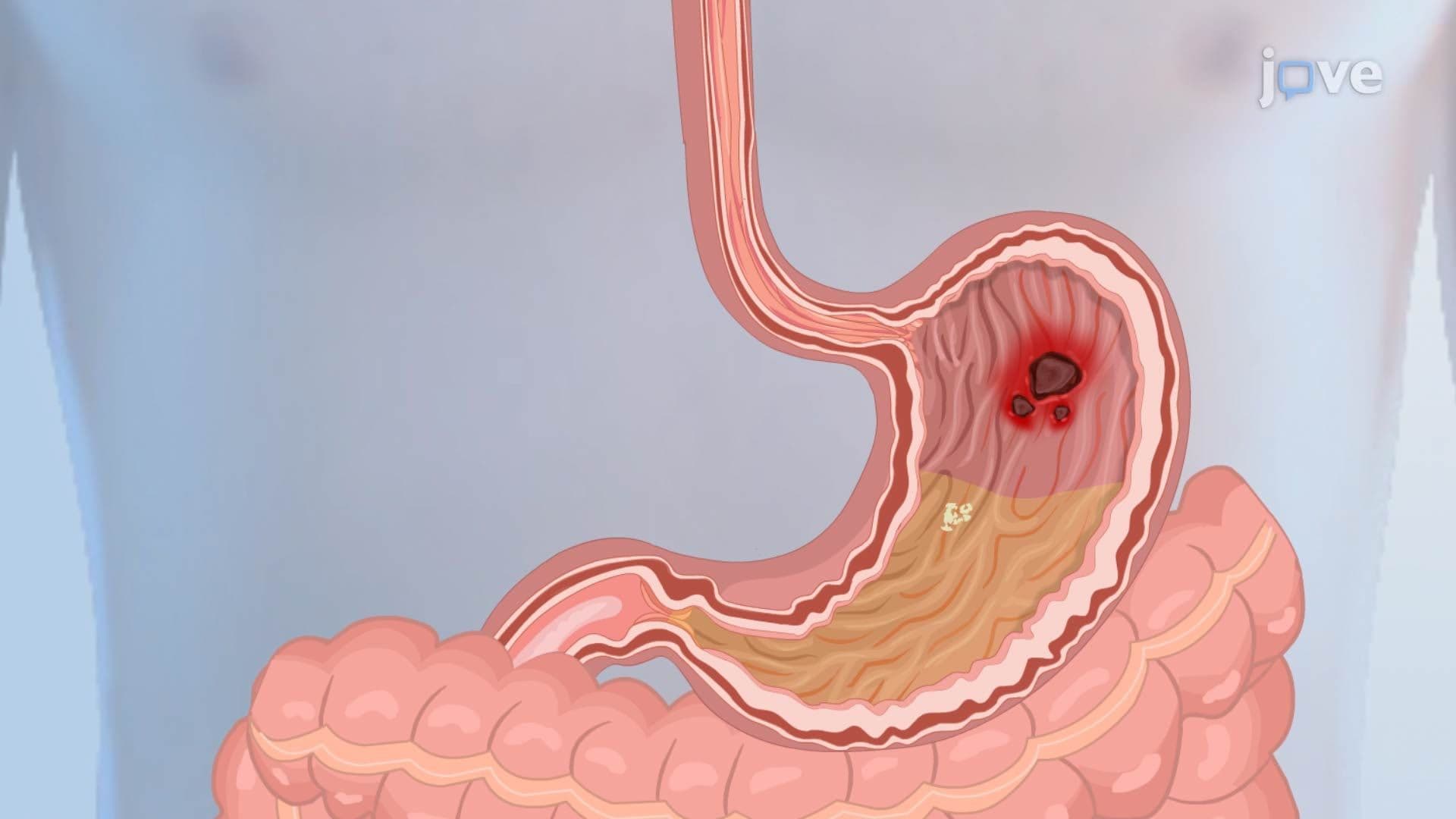
IBD shares symptom overlap with several other GI conditions, including celiac disease (autoimmune damage to the small intestine triggered by gluten), peptic ulcer disease (ulcers in the stomach or duodenum), and GERD (gastroesophageal reflux disease). Distinguishing IBD from these conditions requires understanding the anatomical location, depth of tissue involvement, and specific lab and imaging findings, a skill directly tested on the MCAT and USMLE Step 1.
Gastrointestinal bleeding, a complication shared across many of these disorders, can range from occult blood loss (detected only via lab testing) to overt hemorrhage requiring emergency intervention. In IBD specifically, chronic occult bleeding is a primary driver of iron-deficiency anemia.
For high school students in AP Biology or Health Sciences, and for undergraduates in Anatomy, Physiology, or Pathophysiology courses, mastering IBD presentations builds a strong foundation for understanding immune-mediated disease, nutritional biochemistry, and clinical reasoning. This topic appears frequently on college midterms, nursing entrance exams like the TEAS and HESI A2, and pre-med standardized tests like the MCAT.
Related Micro-courses