Loading video…

 29 Concepts
 4.5K views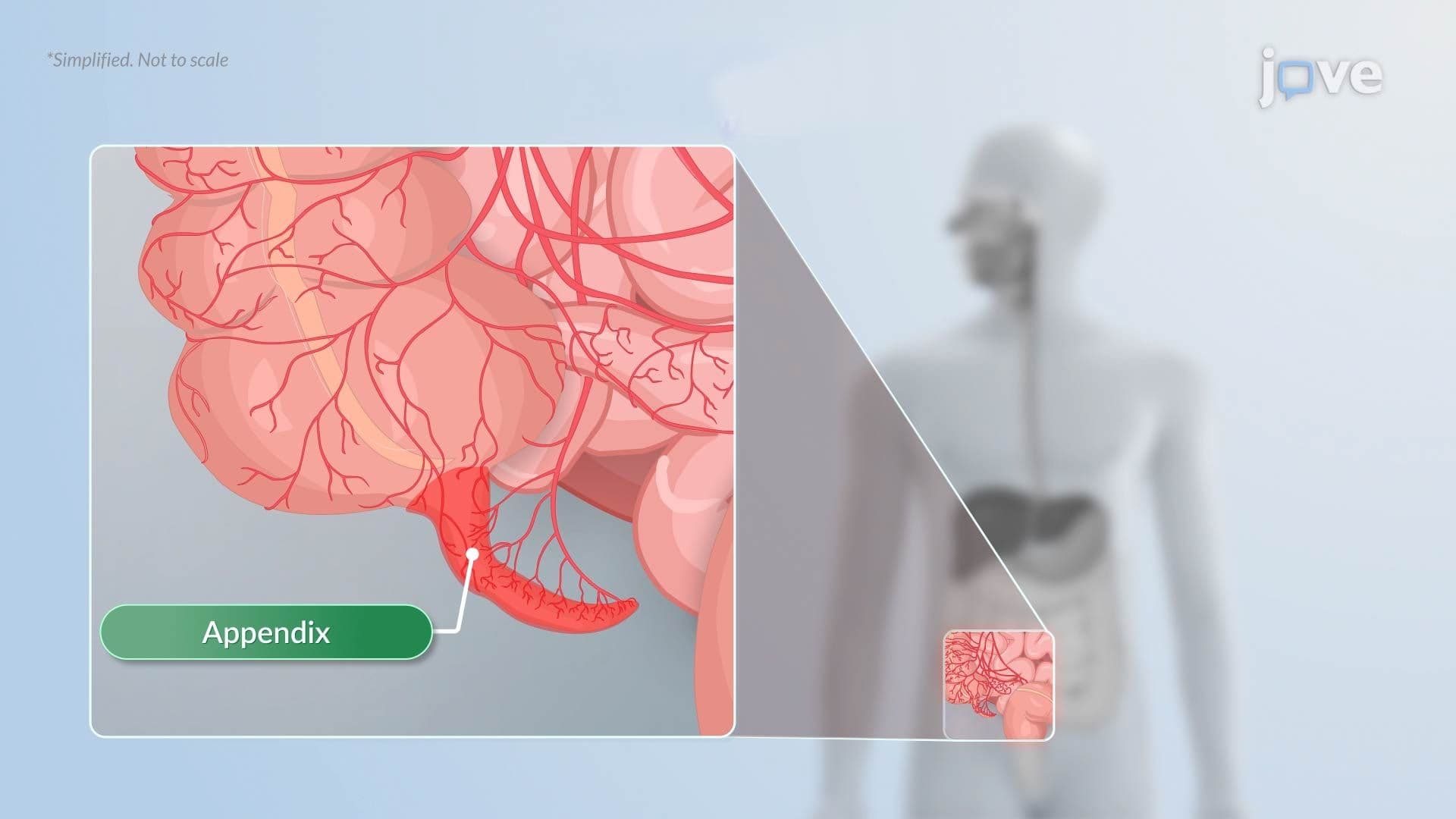

Video Summary: What Is Appendicitis
Every year, about 300,000 Americans undergo emergency surgery for appendicitis, yet many people don't know what's actually happening inside their body. Appendicitis is the inflammation of the appendix, a small pouch attached to the large intestine, triggered when a blockage traps bacteria and causes dangerous pressure buildup. Left untreated, it can become life-threatening. Watch the full video on JoVE Coach to master this concept with expert-led visuals and step-by-step explanations.
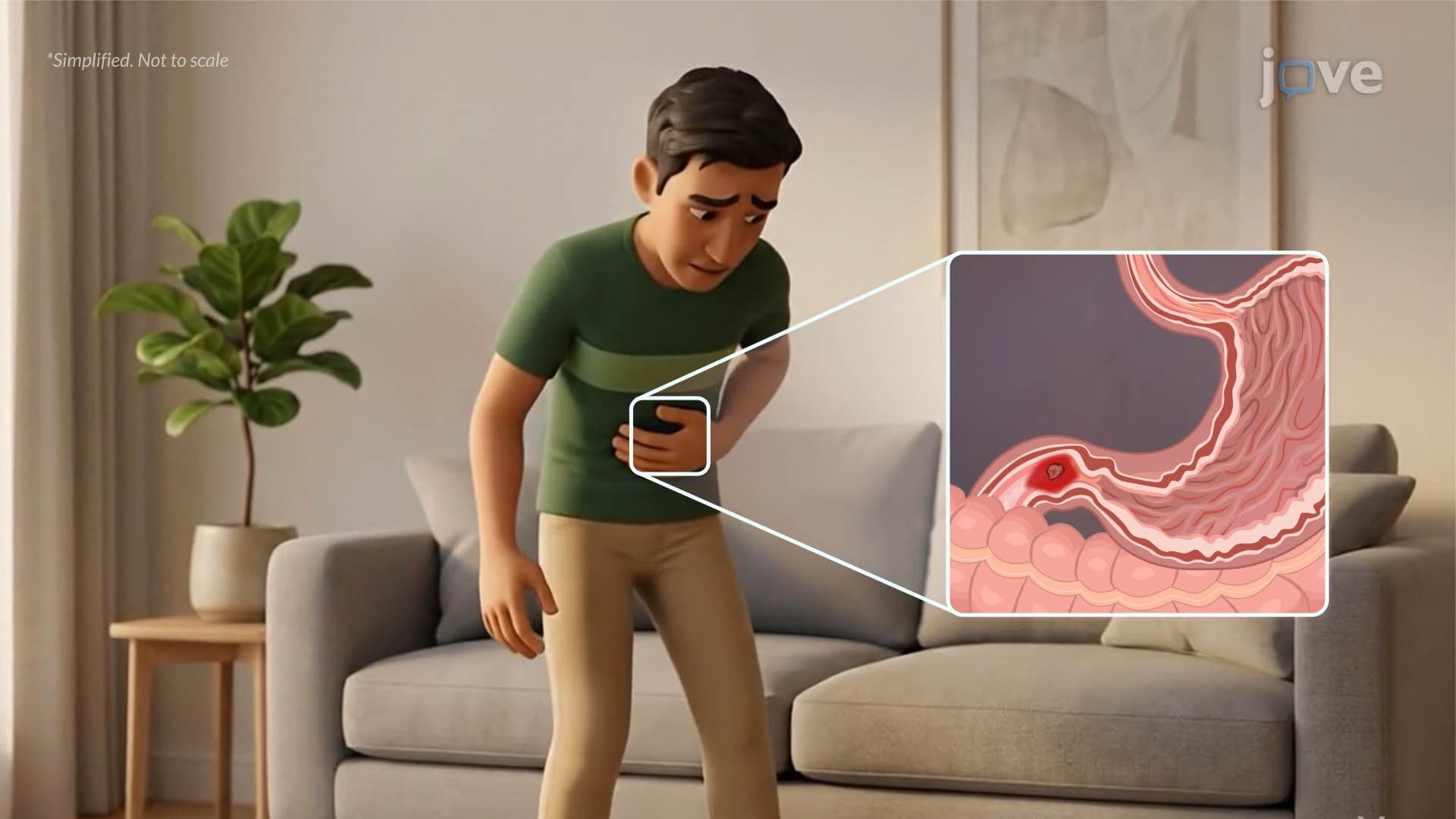
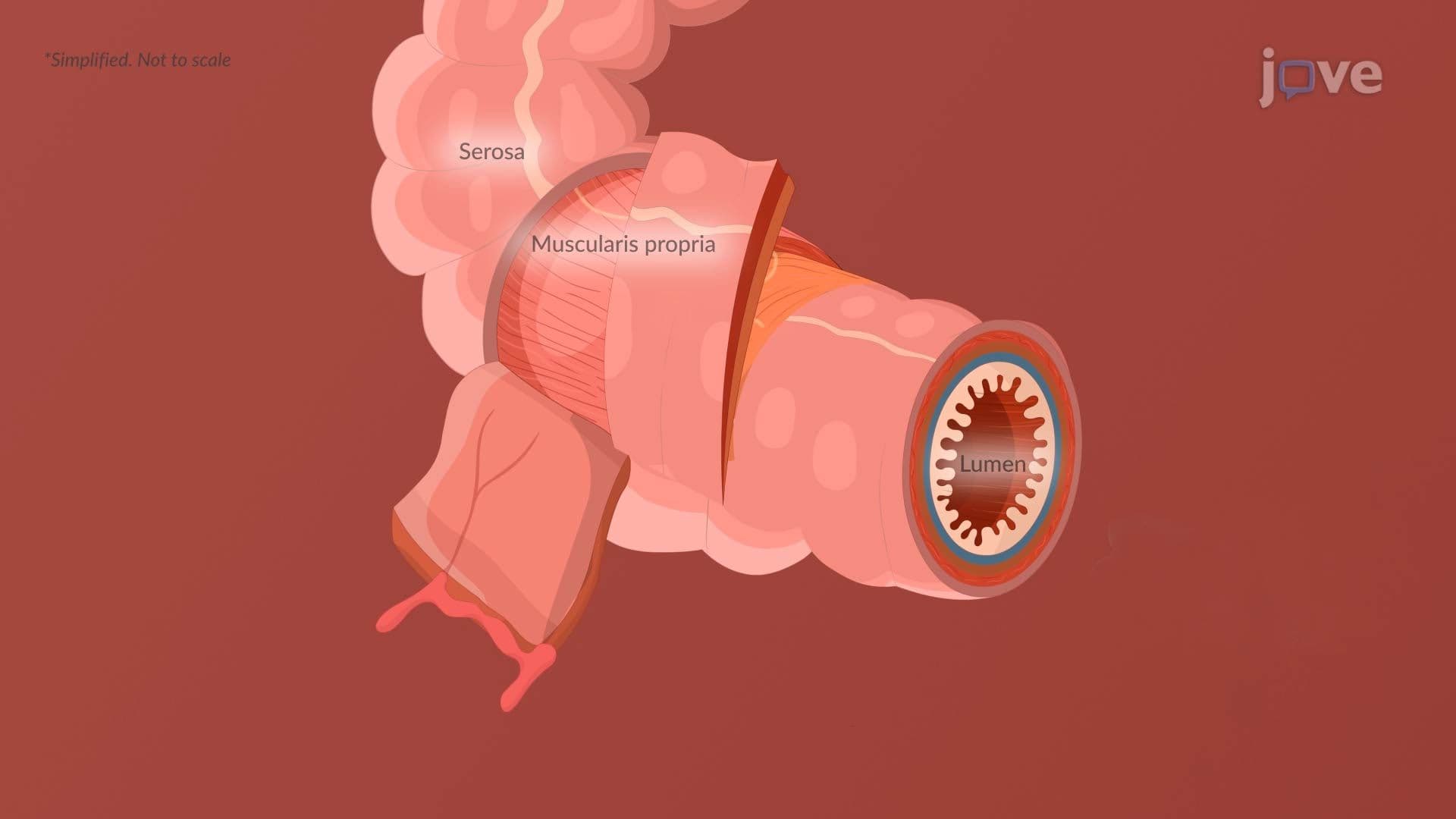
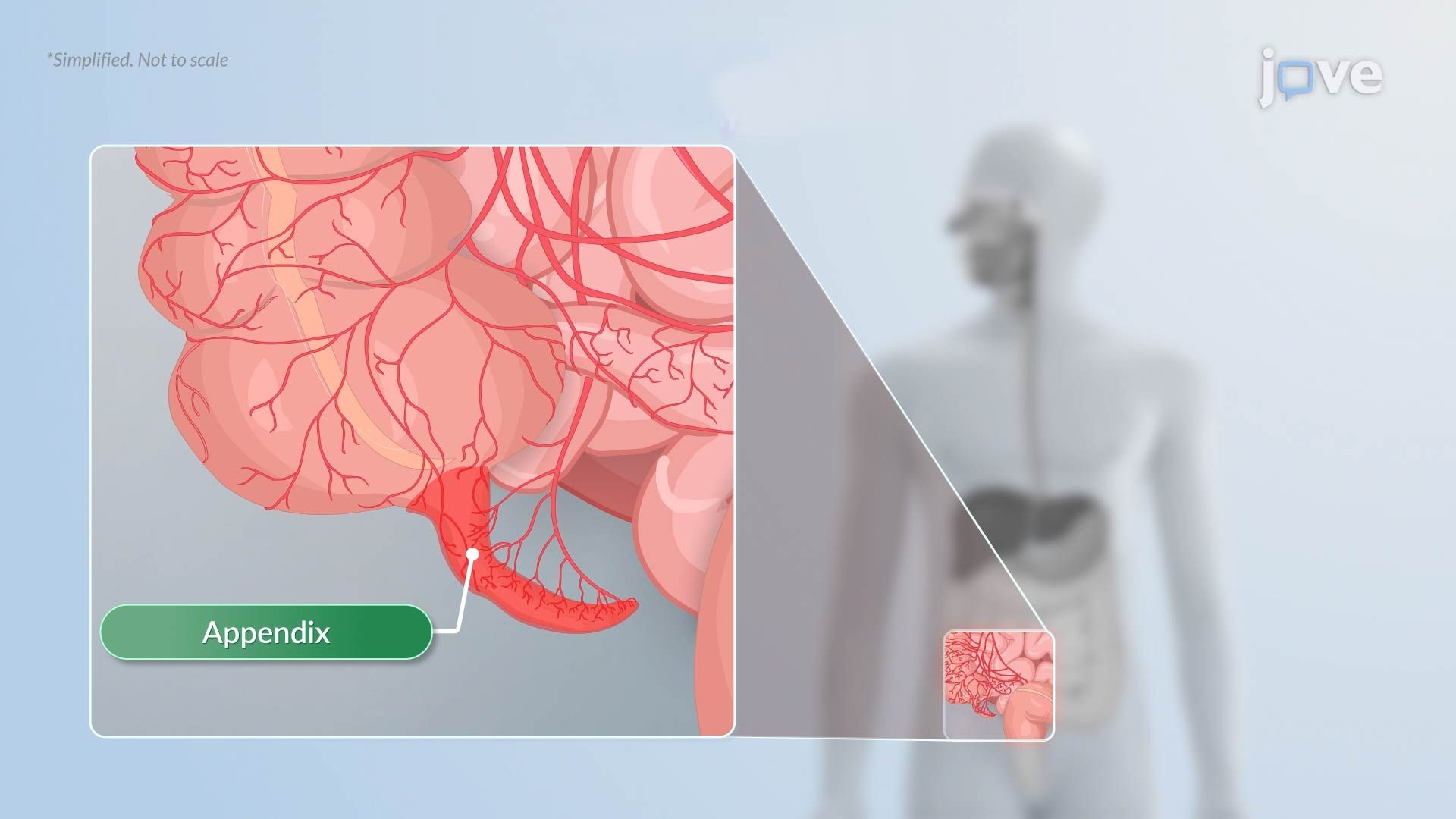
Appendicitis is the acute inflammation of the appendix, a narrow, finger-shaped pouch that branches off the cecum, which is the starting point of the large intestine, located in the lower right abdomen. Although the appendix was once dismissed as a vestigial organ with no function, current research suggests it may play a minor role in gut immunity. Despite this, when it becomes inflamed, it poses a serious and immediate health risk. Appendicitis is one of the most common causes of emergency abdominal surgery in the United States, with peak incidence occurring in people between the ages of 10 and 30.
The trouble almost always begins with an obstruction. The appendiceal lumen, the hollow channel running through the appendix, can become blocked by hardened stool fragments called fecaliths, swollen lymph tissue (lymphoid hyperplasia), parasites, tumors, or foreign material. Once blocked, mucus and digestive secretions have nowhere to go. They accumulate rapidly, causing intraluminal pressure to rise. This pressure compresses the blood vessels supplying the appendix, cutting off arterial blood flow and triggering ischemia, a state of oxygen deprivation. Without adequate oxygen, the cells lining the appendix begin to break down.
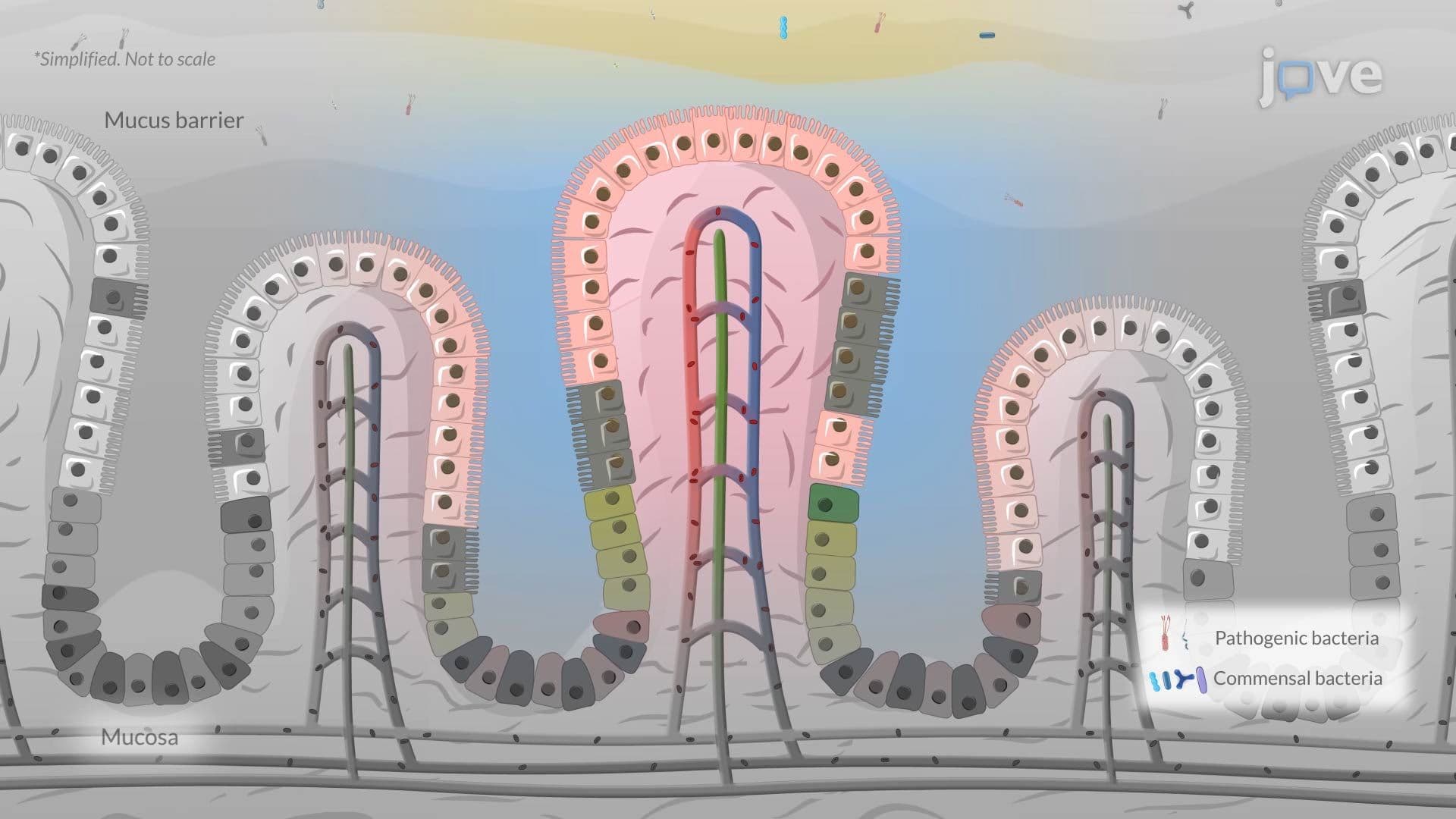
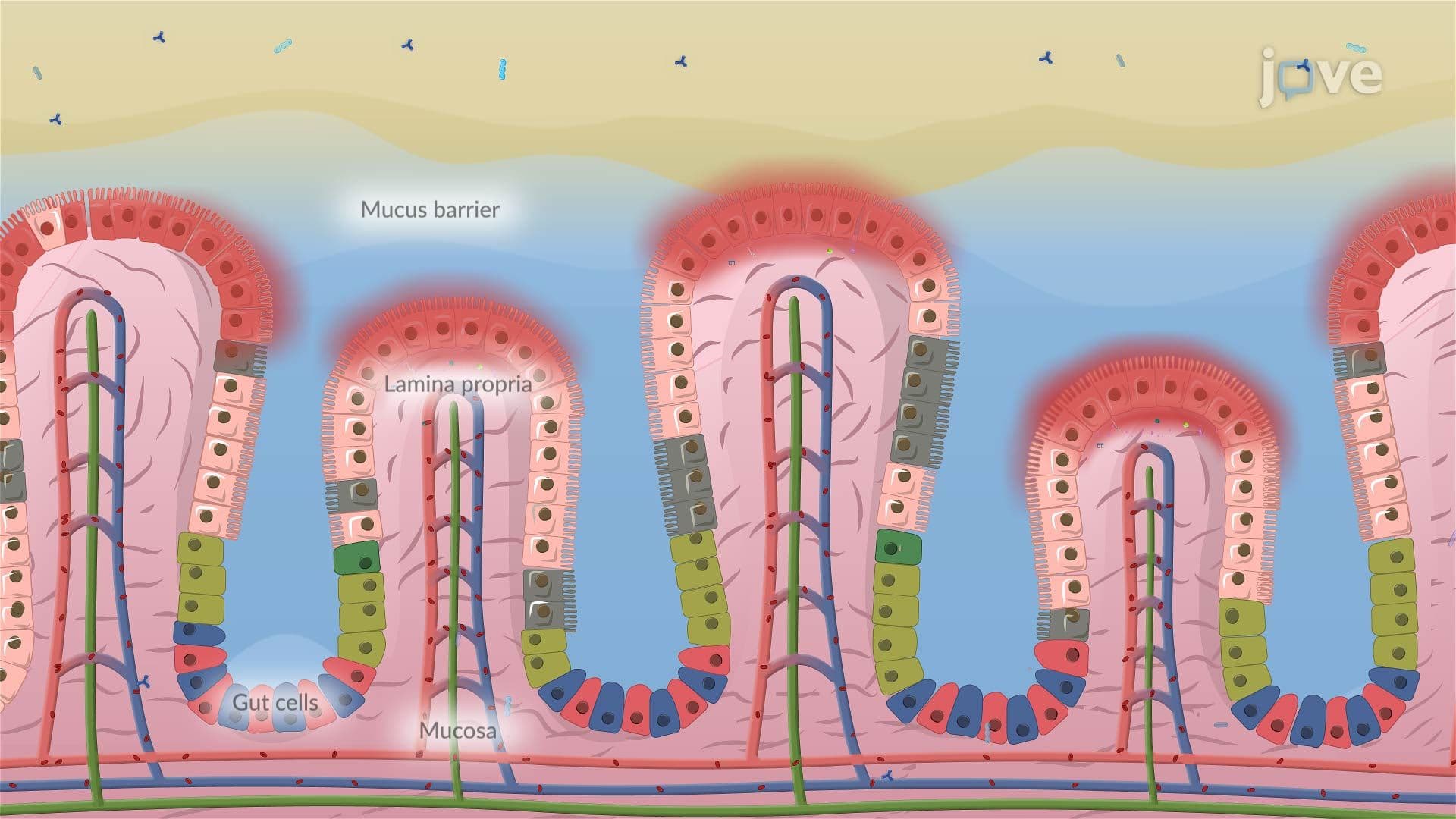
As the mucosal lining weakens and ulcerates, the protective barrier between the gut's interior and the appendiceal wall is lost. Bacteria that normally live harmlessly in the intestine, particularly *Escherichia coli* (*E. coli*) and *Bacteroides* species, exploit this breach and invade the appendiceal wall. The immune system mounts a rapid response: neutrophils flood the area, triggering acute inflammation. The appendix swells, fills with purulent (pus-containing) fluid, and becomes increasingly tender. This is the classic presentation that brings patients to emergency rooms across the US, sudden onset of pain that often migrates from around the belly button to the lower right abdomen (McBurney's point), accompanied by fever, nausea, and loss of appetite.
If treatment is delayed, the condition escalates rapidly. Sustained pressure and ischemia cause progressive tissue death, ultimately leading to gangrenous appendicitis, where portions of the organ literally die. A gangrenous appendix is at extremely high risk of rupturing (perforating), spilling infectious material into the abdominal cavity and causing peritonitis, a potentially fatal whole-abdomen infection. This is why appendicitis is treated as a surgical emergency. The standard treatment in the US is an appendectomy, most commonly performed laparoscopically. In select mild cases, antibiotic therapy alone may be attempted, though surgery remains the gold standard.
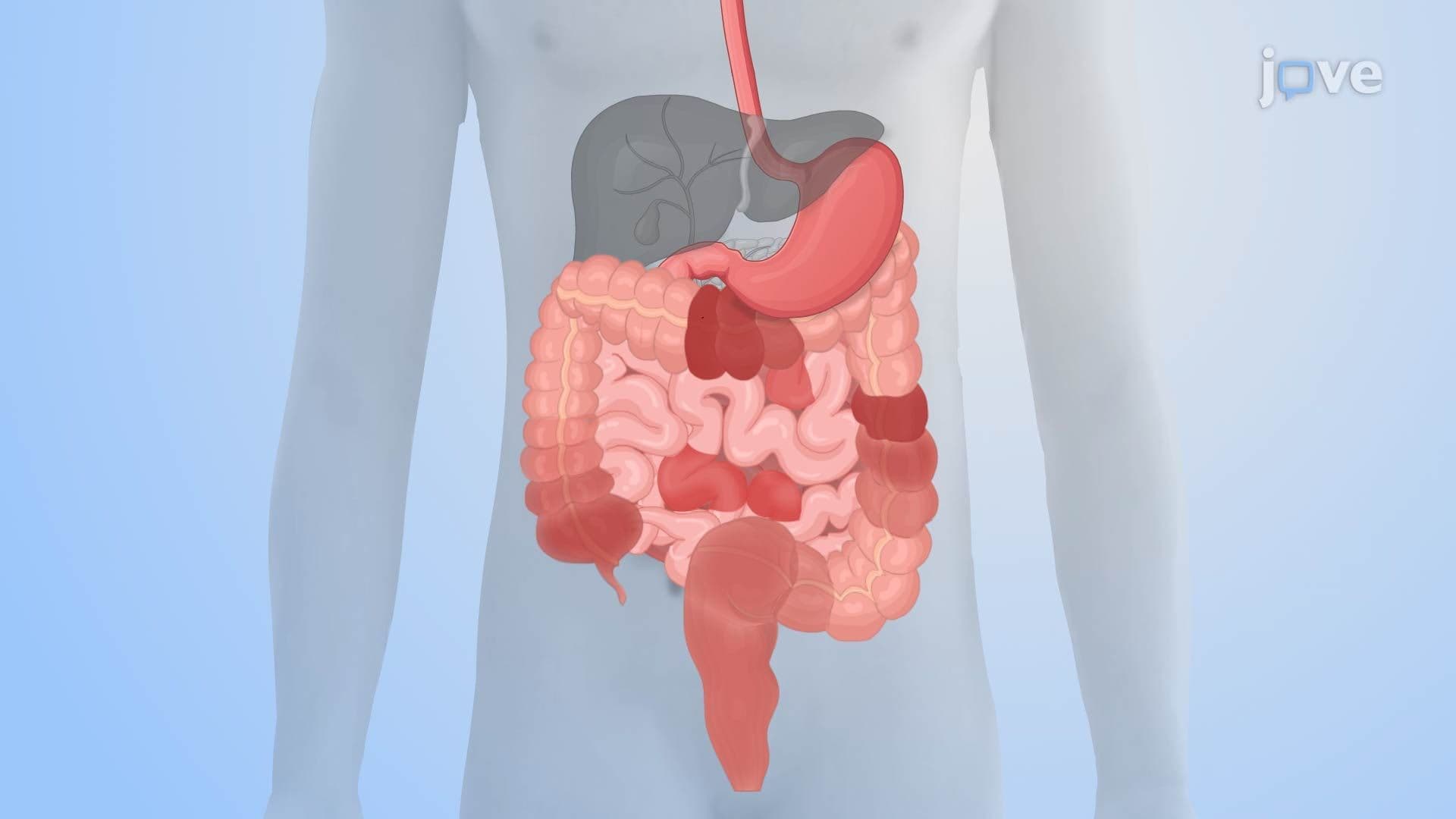
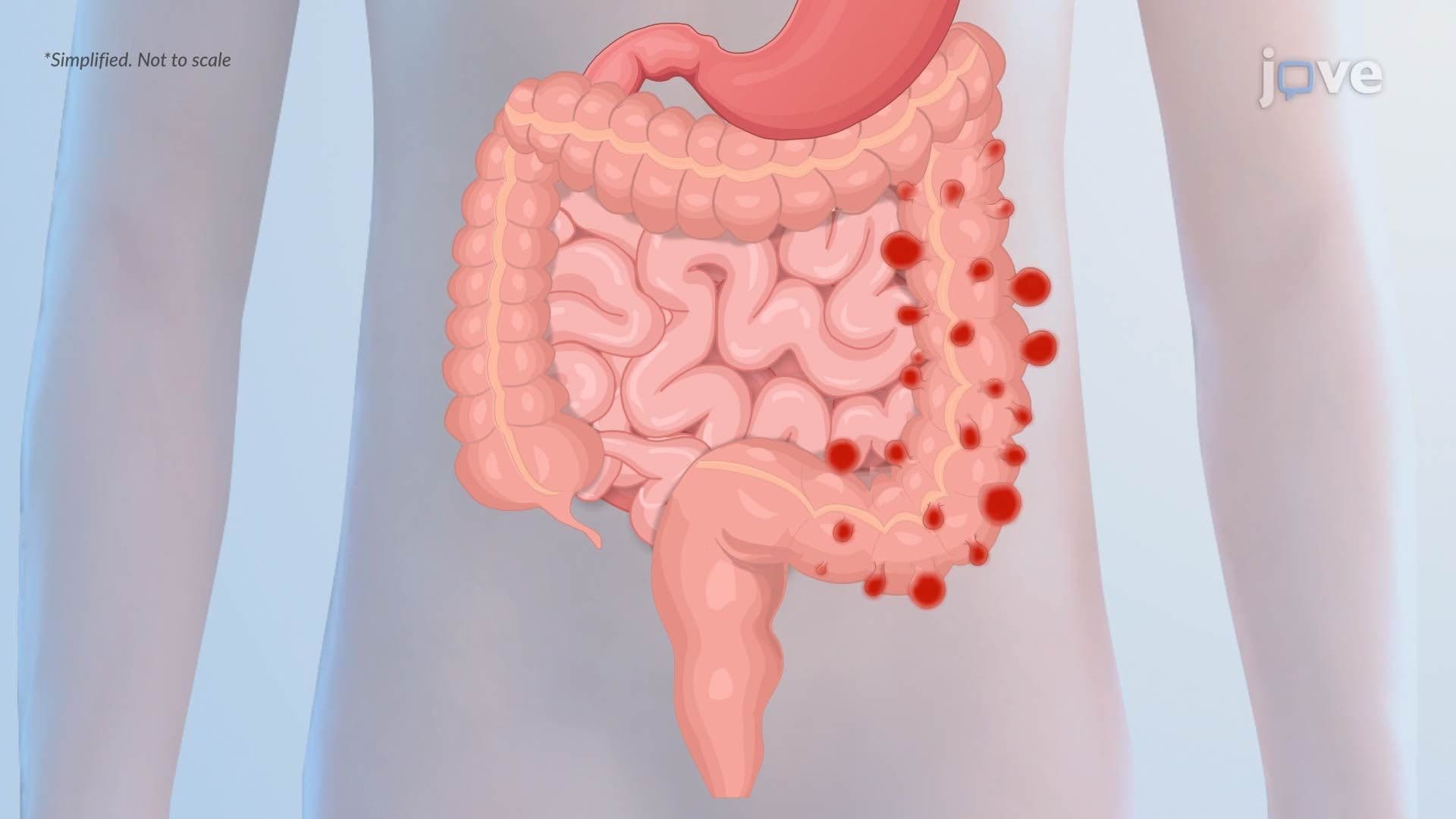
For students in AP Biology, college-level Anatomy & Physiology, or anyone preparing for the MCAT, USMLE Step 1, NCLEX, or HESI A2, appendicitis is a high-yield topic. It integrates core concepts including gastrointestinal anatomy, the inflammatory response, bacterial pathophysiology, and clinical decision-making. Understanding how appendicitis differs from other GI conditions, such as inflammatory bowel disease (IBD), irritable bowel syndrome (IBS), peptic ulcer disease, celiac disease, GERD, and gastrointestinal bleeding, is essential for clinical reasoning questions. The step-by-step pathophysiological progression of appendicitis (obstruction → pressure → ischemia → bacterial invasion → inflammation → gangrene) is a model framework that shows up repeatedly across health science curricula.
Related Micro-courses