Loading subject page…

4,546 views

Video Summary: What Is Portal Hypertension
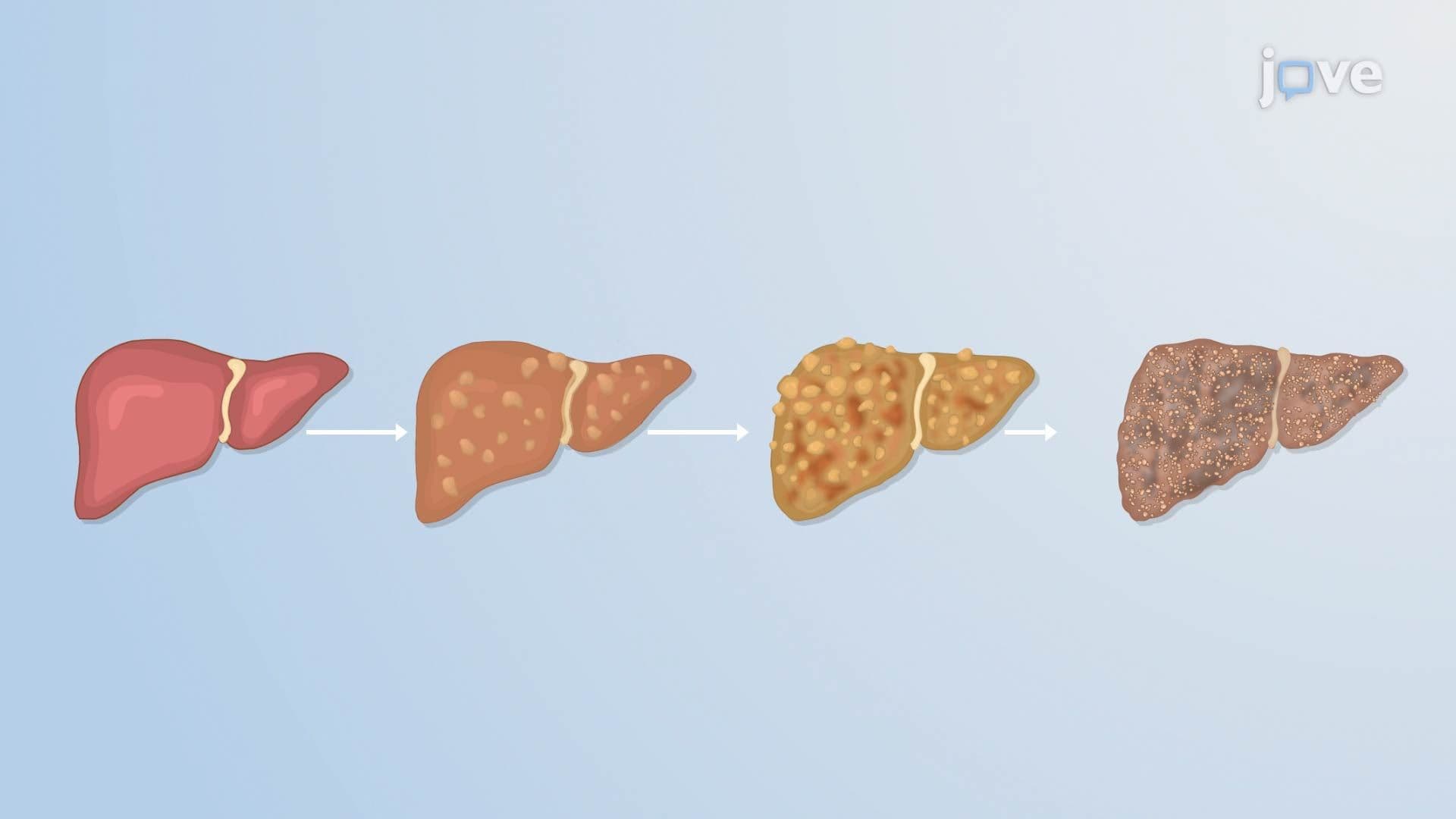
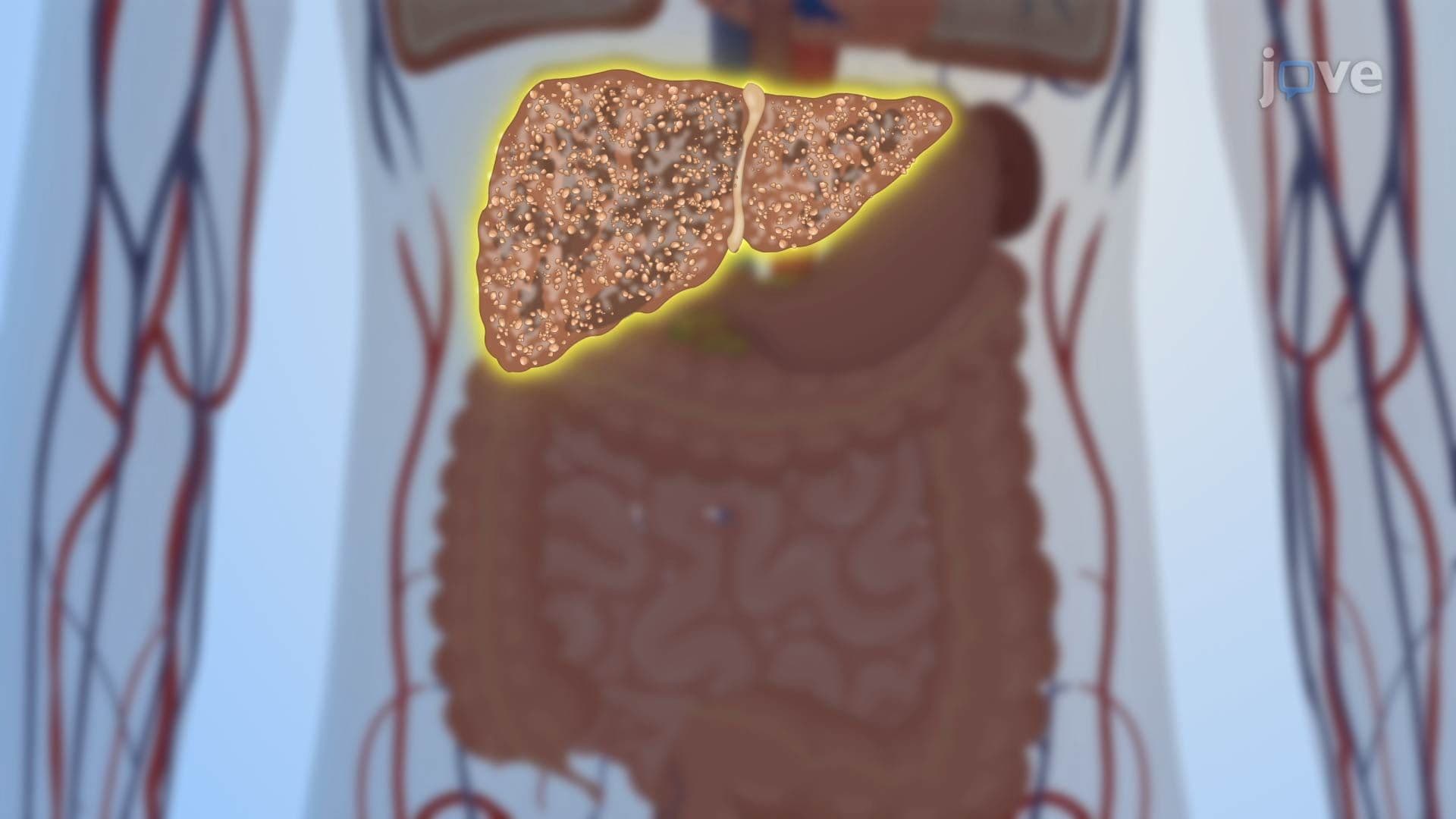
Did you know that a single diseased liver can force blood to reroute through veins never designed to handle that pressure? Portal hypertension occurs when pressure inside the portal venous system rises dangerously high, often due to cirrhosis scarring the liver. In the US, millions of Americans with chronic liver disease face this complication. Understanding portal hypertension basics can mean the difference between early intervention and life-threatening bleeding. Watch the full video on JoVE Coach to master this concept with expert-led visuals and step-by-step explanations.
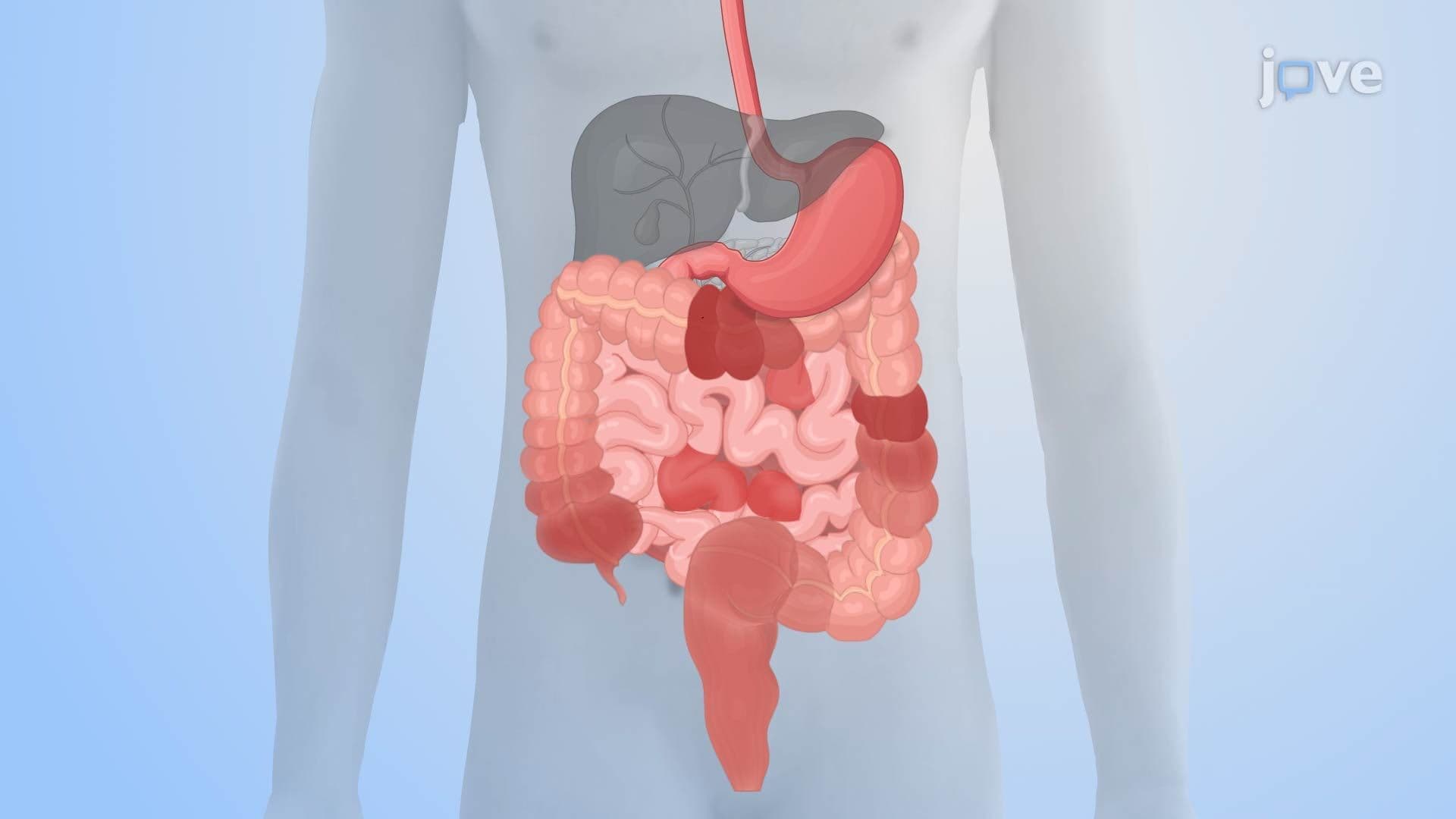
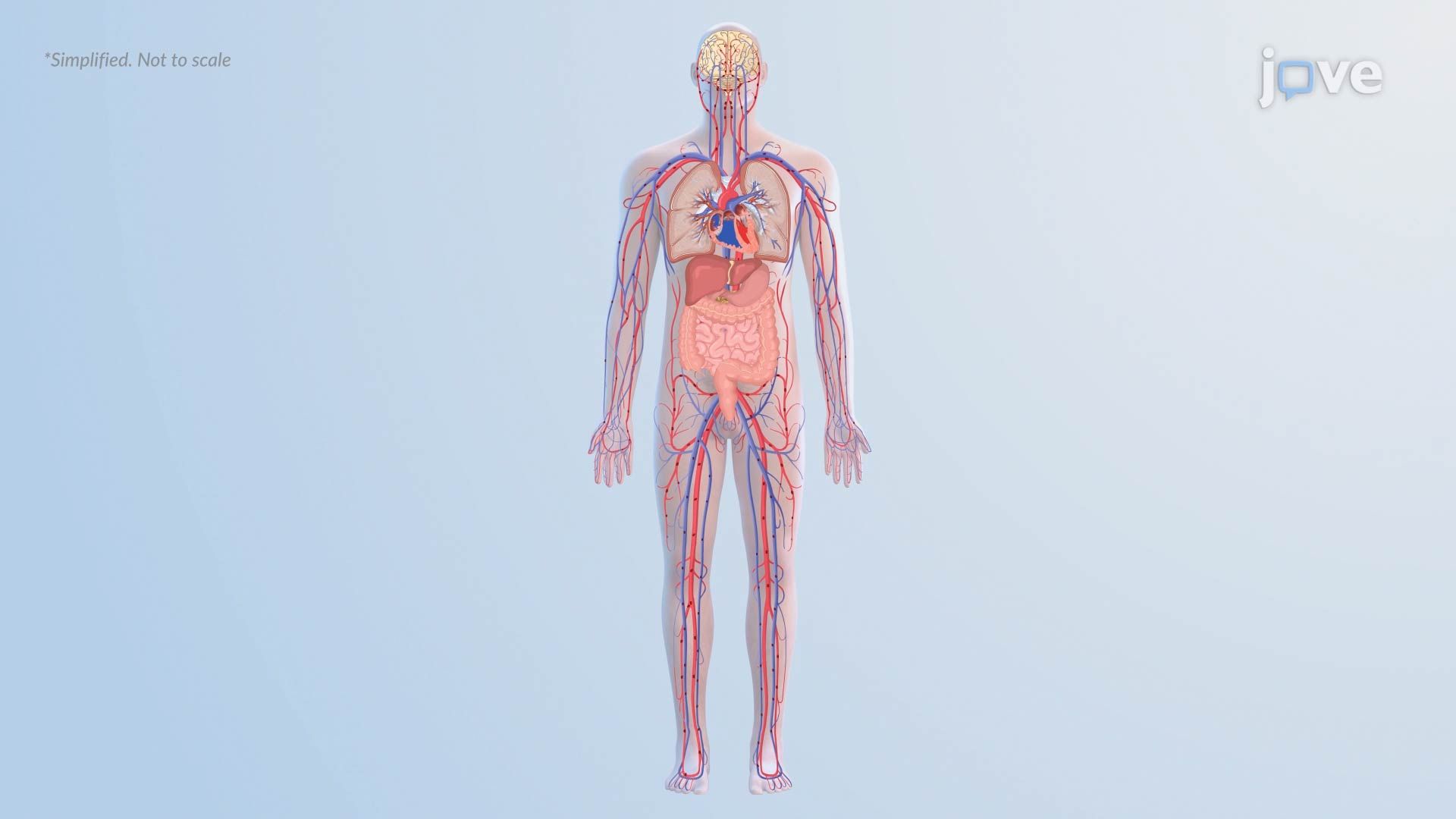
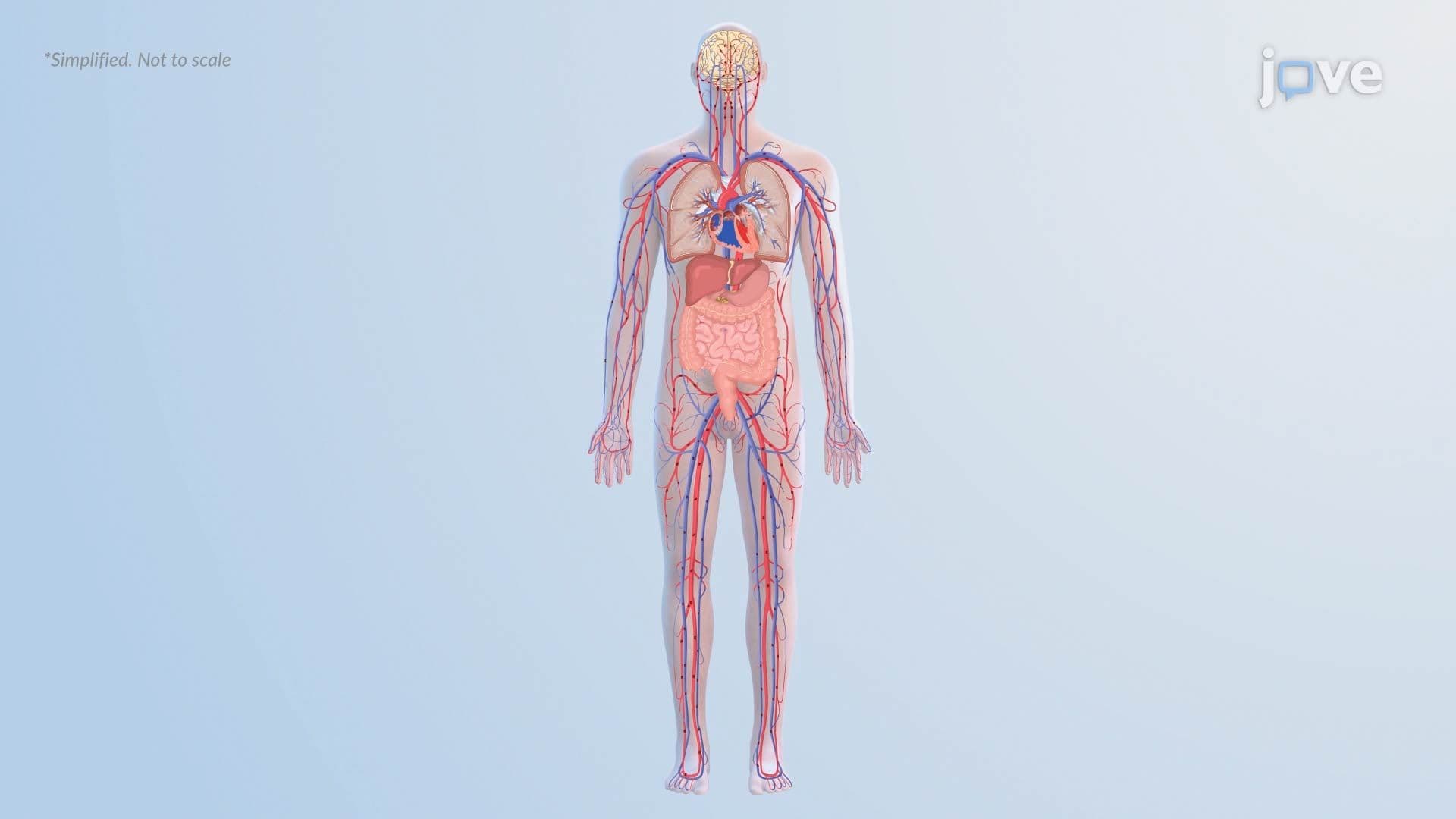
The portal venous system is a specialized network that carries nutrient-rich blood from the gastrointestinal tract, including the intestines and spleen, directly to the liver for processing. Normally, pressure within this system stays below 5 mmHg. Portal hypertension is formally defined as portal venous pressure rising above this threshold. However, the condition becomes clinically dangerous when pressure exceeds 10 to 12 mmHg, at which point the body begins compensating in ways that can cause serious harm. Think of it like a backed-up highway: when the main route is blocked, traffic is forced onto side roads never built for that volume.
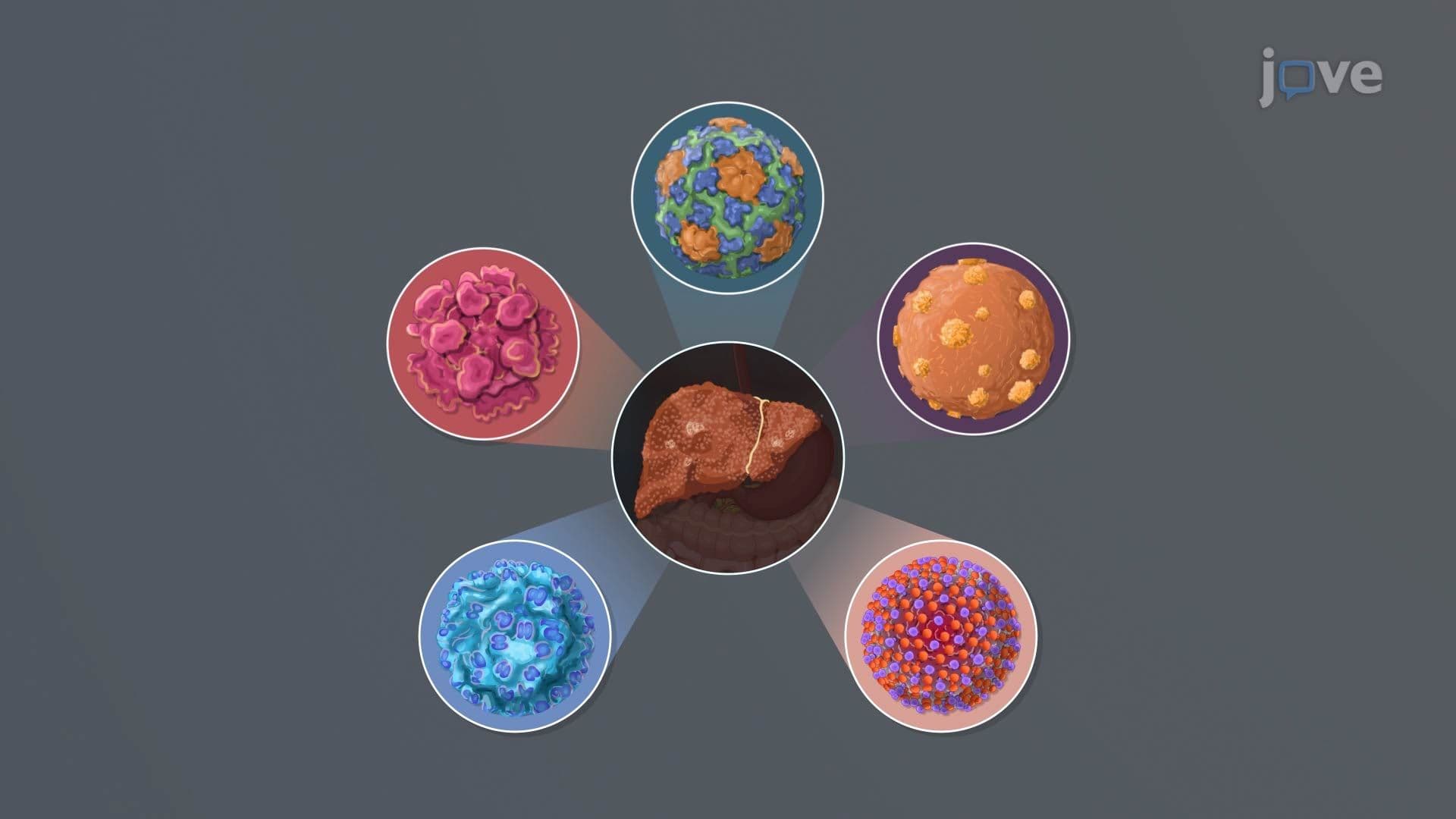
Physicians classify the causes of portal hypertension by where the obstruction occurs relative to the liver. Prehepatic causes, such as portal vein thrombosis (a blood clot in the portal vein), block blood before it reaches the liver. Intrahepatic causes occur within the liver tissue itself; cirrhosis is the most common culprit in the United States, responsible for the majority of portal hypertension cases. Chronic alcohol use and hepatitis C are leading drivers of cirrhosis among American adults. Parasitic infections like schistosomiasis, though more common globally, are also classified here. Posthepatic causes arise after blood exits the liver, such as right-sided heart failure, which creates backpressure into the hepatic veins. Recognizing this three-part classification is essential for college physiology courses and is a high-yield concept on the MCAT.
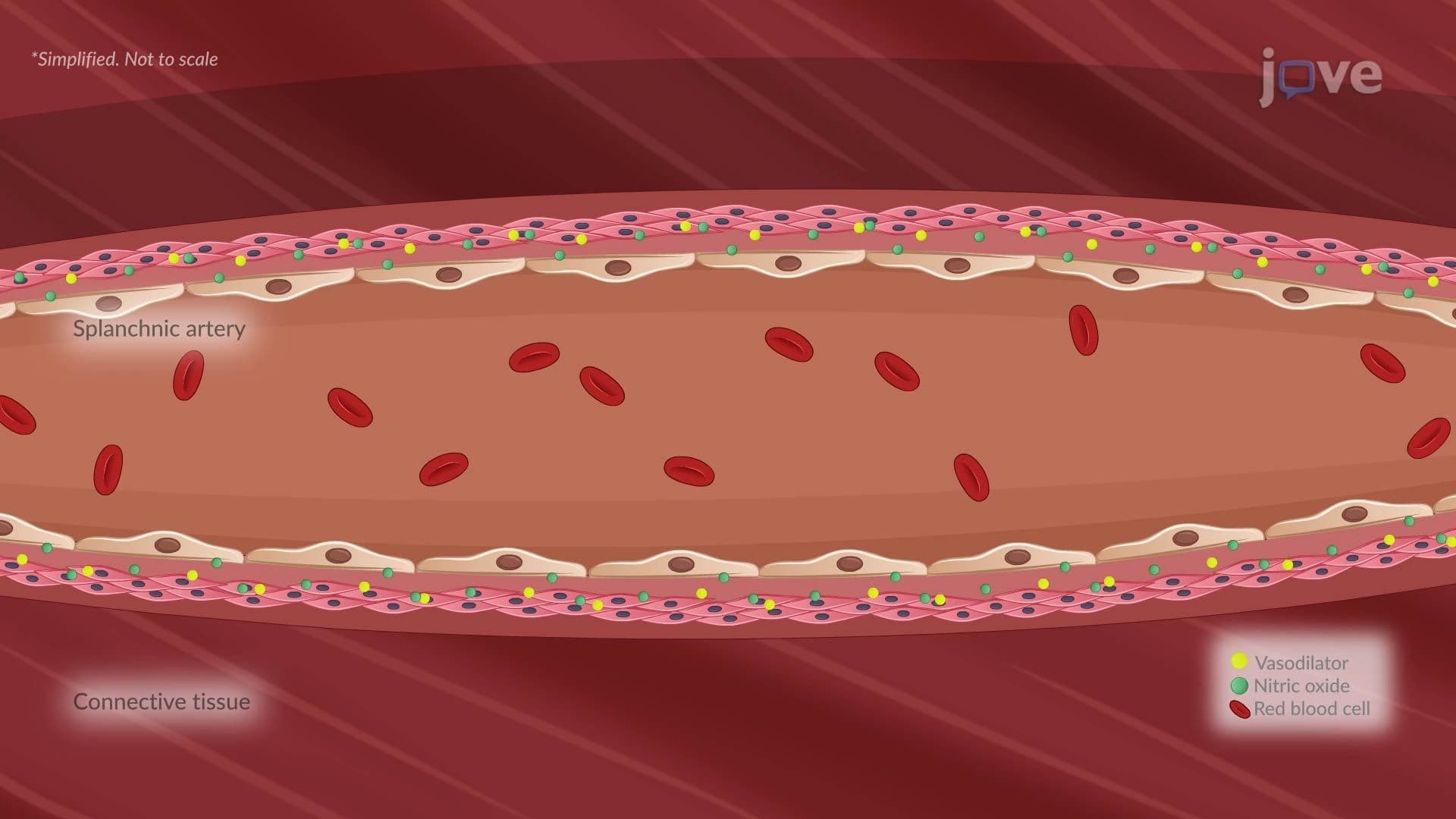
When liver resistance rises, the body attempts to relieve pressure by opening alternative routes called collateral vessels. These pathways bypass the liver, routing blood through veins in the esophagus, stomach, abdominal wall, and rectum. While this compensatory mechanism temporarily reduces portal pressure, it introduces serious risks. Veins in the esophagus and stomach are not designed to handle high-pressure flow, causing them to dilate into fragile, balloon-like structures called varices. Esophageal varices in particular carry a high risk of rupture. Variceal bleeding is a leading cause of gastrointestinal bleeding-related hospitalizations in the US and can be rapidly life-threatening if not treated.
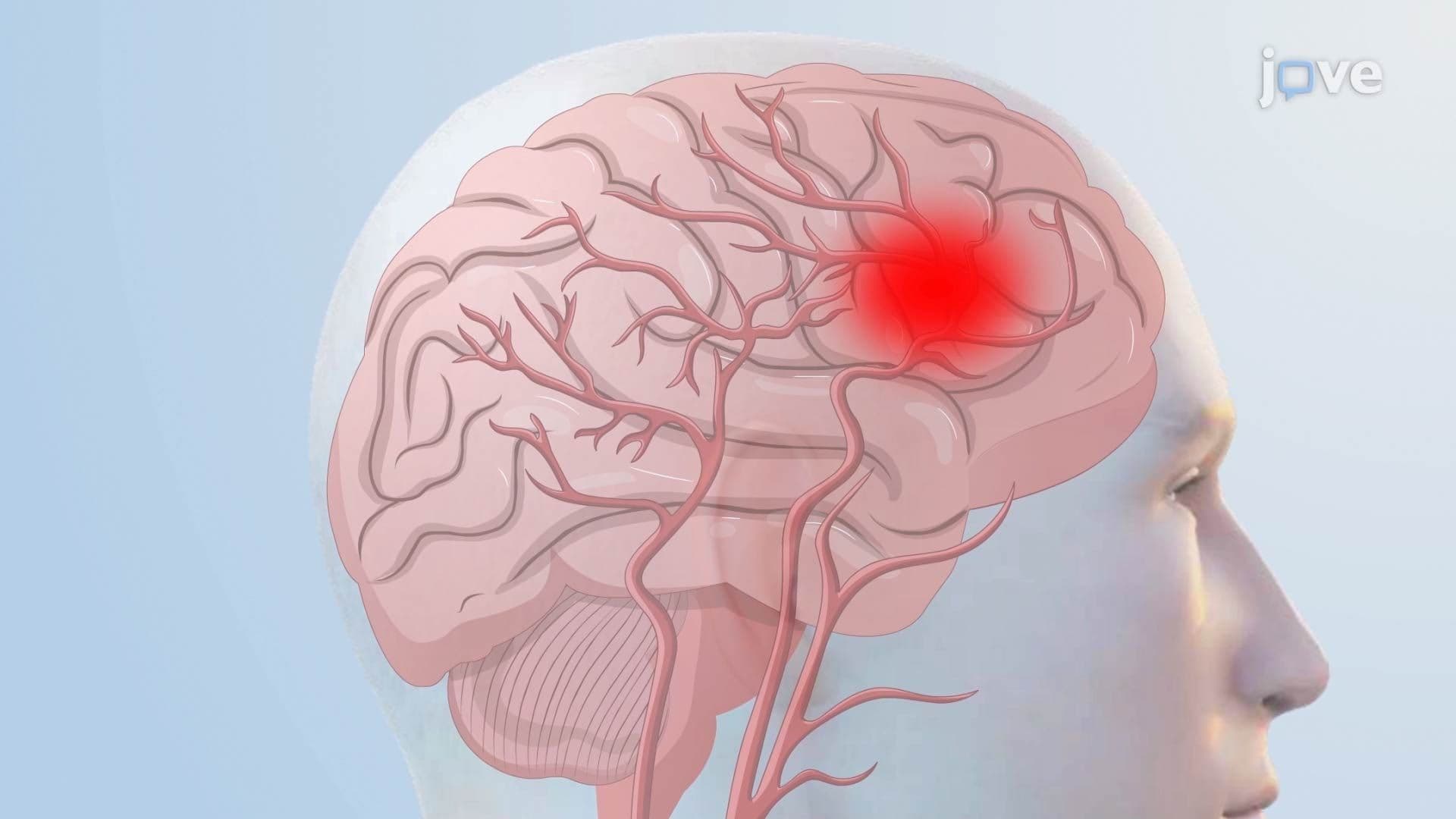
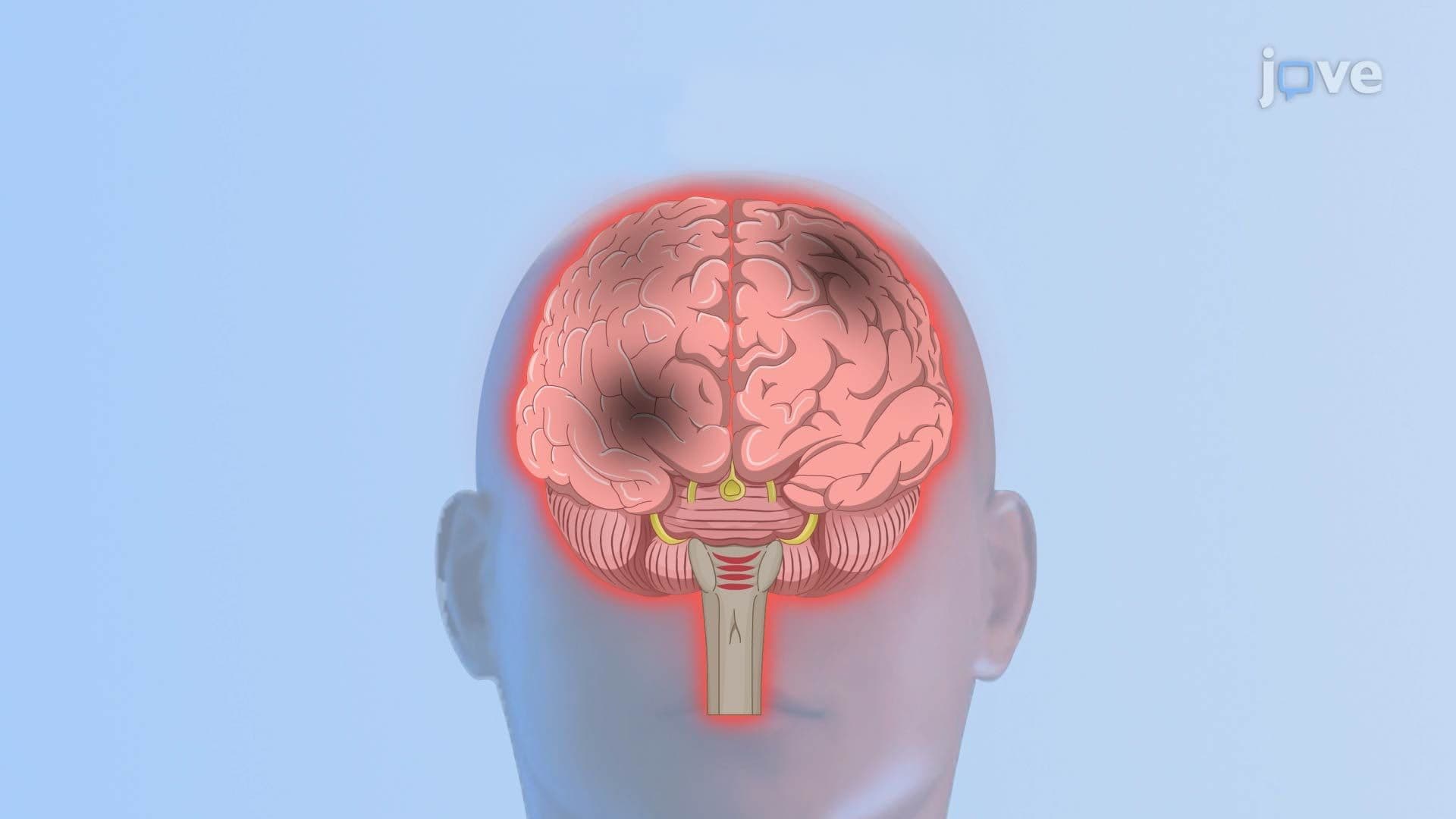
Because collateral vessels bypass the liver entirely, blood reaching the brain and other organs skips hepatic detoxification. Ammonia, a metabolic waste product normally converted to urea by the liver, accumulates in circulation and crosses into the brain, causing hepatic encephalopathy. Patients may experience confusion, personality changes, and in severe cases, coma. Beyond the brain, rising portal pressure creates venous congestion that affects nearby structures. The spleen enlarges (splenomegaly), abdominal fluid accumulates (ascites), and the kidneys can eventually be affected. Students studying for AP Biology, college anatomy and physiology courses, or the MCAT will encounter these interconnected complications repeatedly, making a strong conceptual foundation in portal hypertension essential for academic success.
Related Micro-courses