Loading video…

 29 Concepts
 4.5K views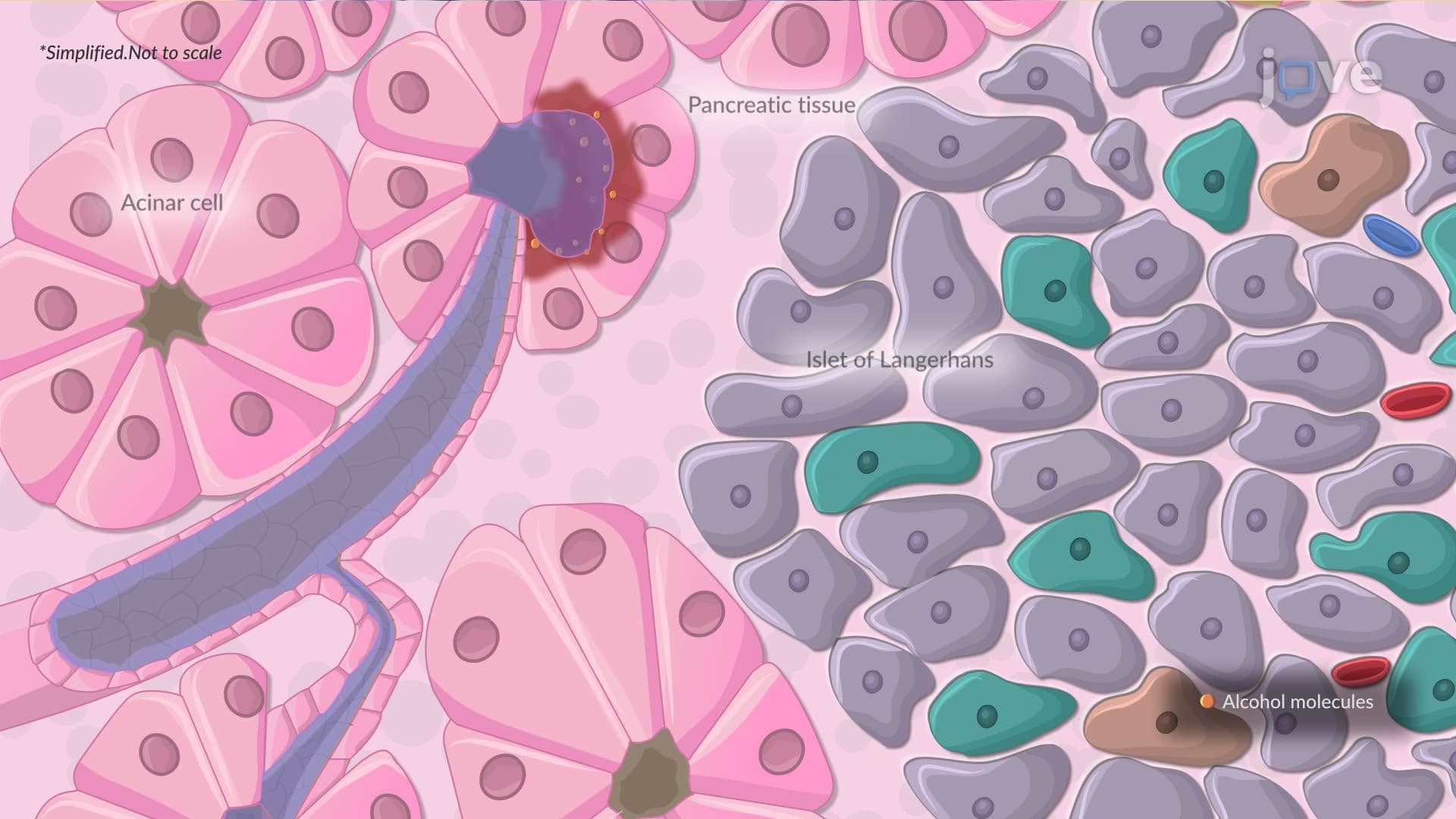

Video Summary: What Is Acute Pancreatitis I
Every year, nearly 300,000 Americans are hospitalized for a condition that starts silently inside the pancreas, then suddenly explodes into intense abdominal pain. Acute Pancreatitis I basics reveal how digestive enzymes mistakenly attack the pancreas itself, triggered by causes like gallstones or alcohol use. Understanding what is Acute Pancreatitis I helps explain why this condition can escalate to life-threatening organ failure. Watch the full video on JoVE Coach to master this concept with expert-led visuals and step-by-step explanations.
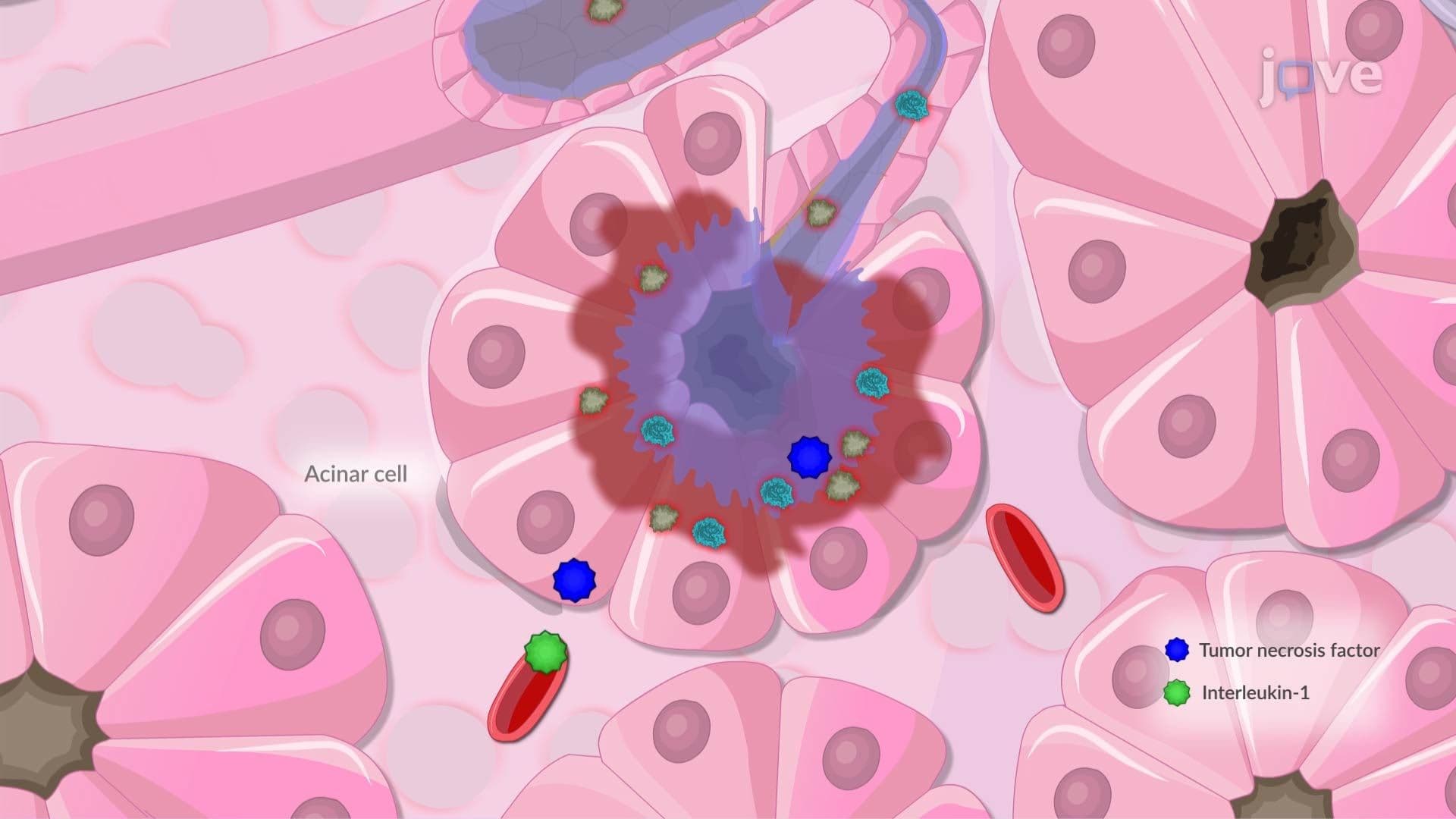
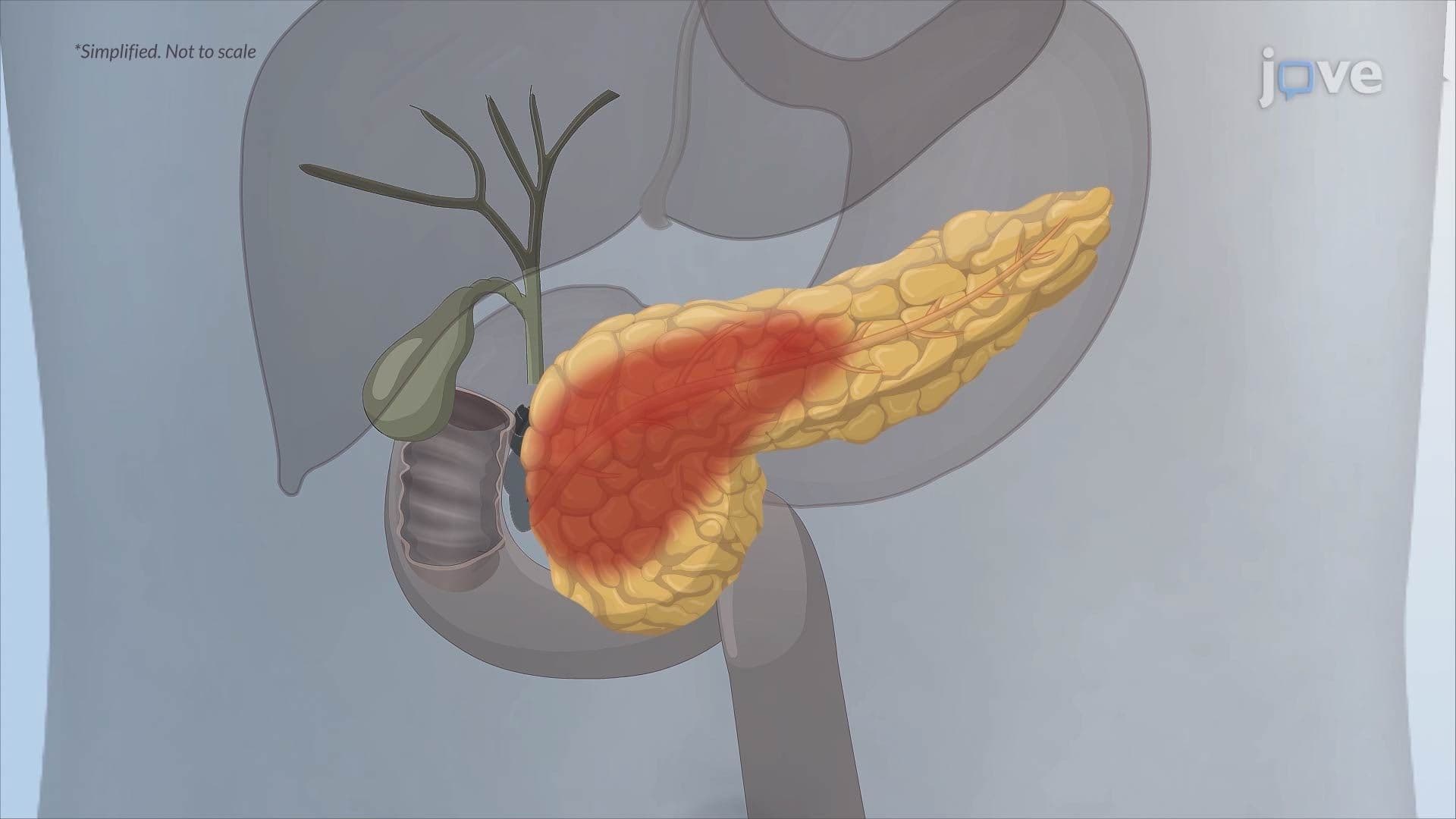
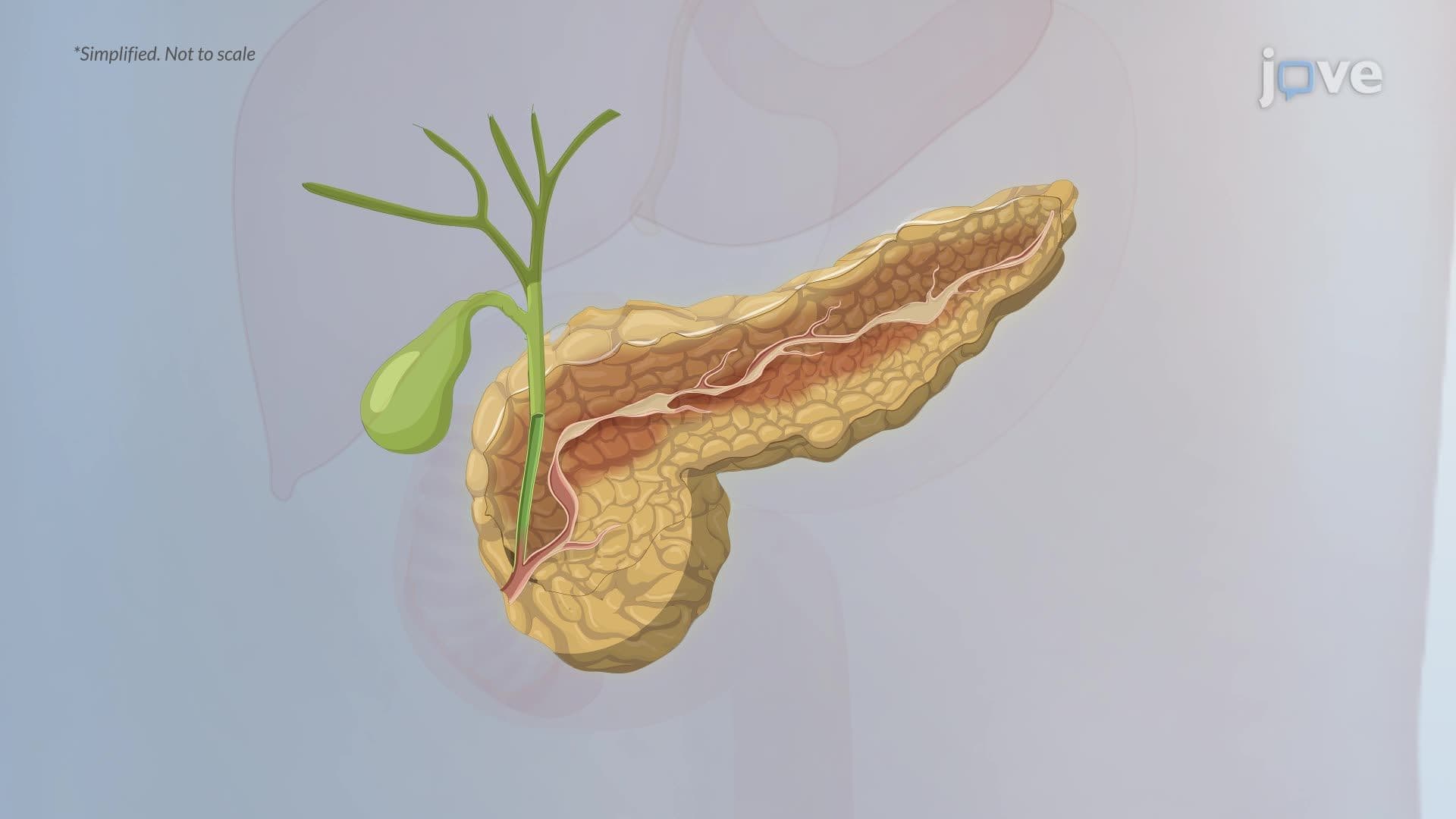
Acute Pancreatitis I describes the sudden onset of pancreatic inflammation driven by one of medicine's most counterintuitive processes: the pancreas digesting itself. Normally, digestive enzymes like trypsinogen, lipase, and amylase are produced in inactive precursor forms and only activated in the small intestine. When something disrupts that sequencing, whether a gallstone, excessive alcohol, or a medication, those enzymes activate prematurely inside the pancreas. The result is autodigestion: the gland's own tissue is broken down, triggering swelling, cellular death, and fluid leakage into surrounding abdominal structures.
This condition affects people across all age groups and is one of the leading gastrointestinal causes of hospital admission in the United States.
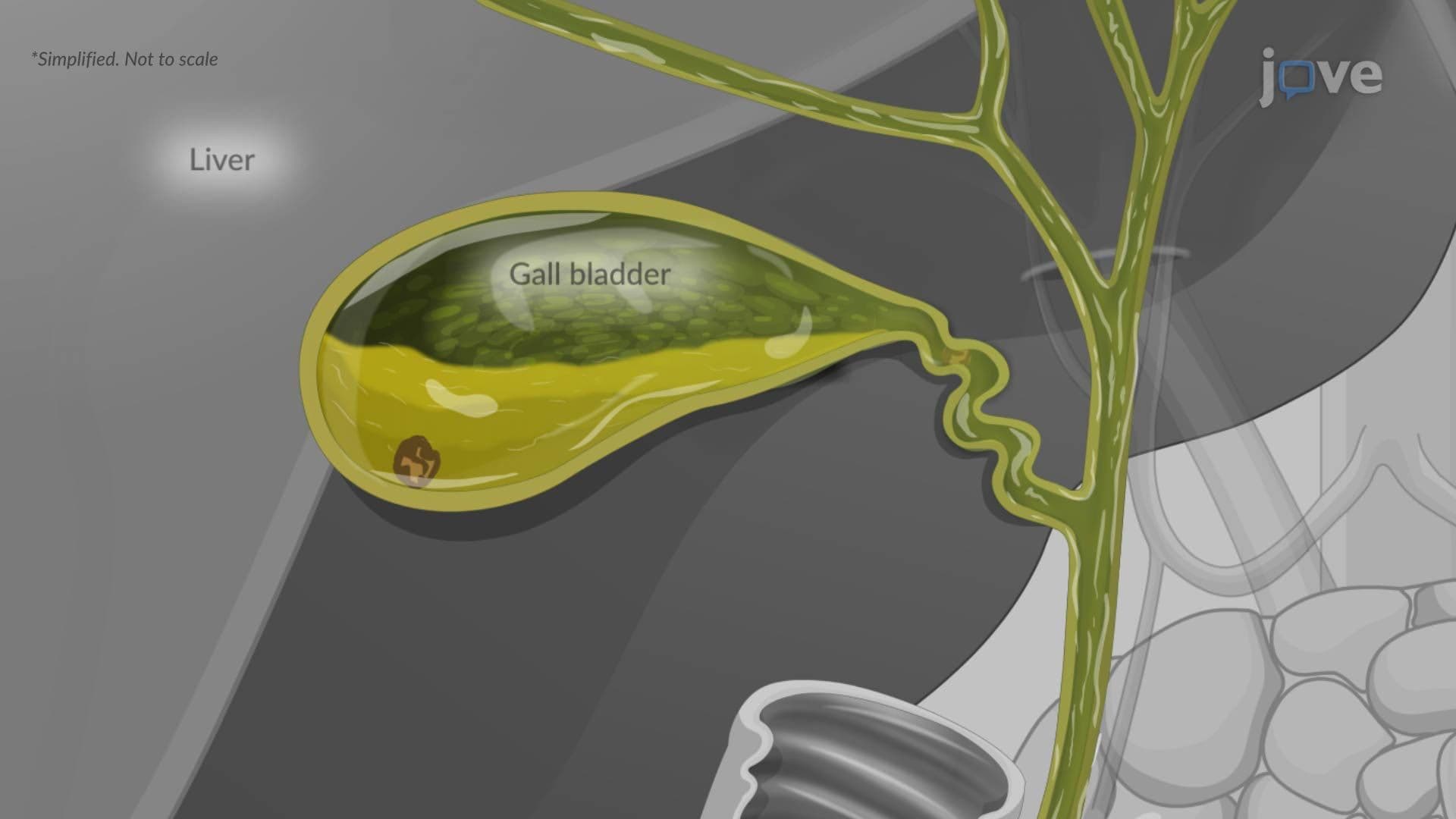
The two most common triggers account for roughly 70-80% of all acute pancreatitis cases in the US. Gallstones cause obstruction at the ampulla of Vater, the shared opening where the bile duct and pancreatic duct empty into the small intestine. When a stone blocks this junction, pancreatic secretions back up, building pressure that activates enzymes prematurely. This is especially relevant in adults over 40 with a history of cholelithiasis.
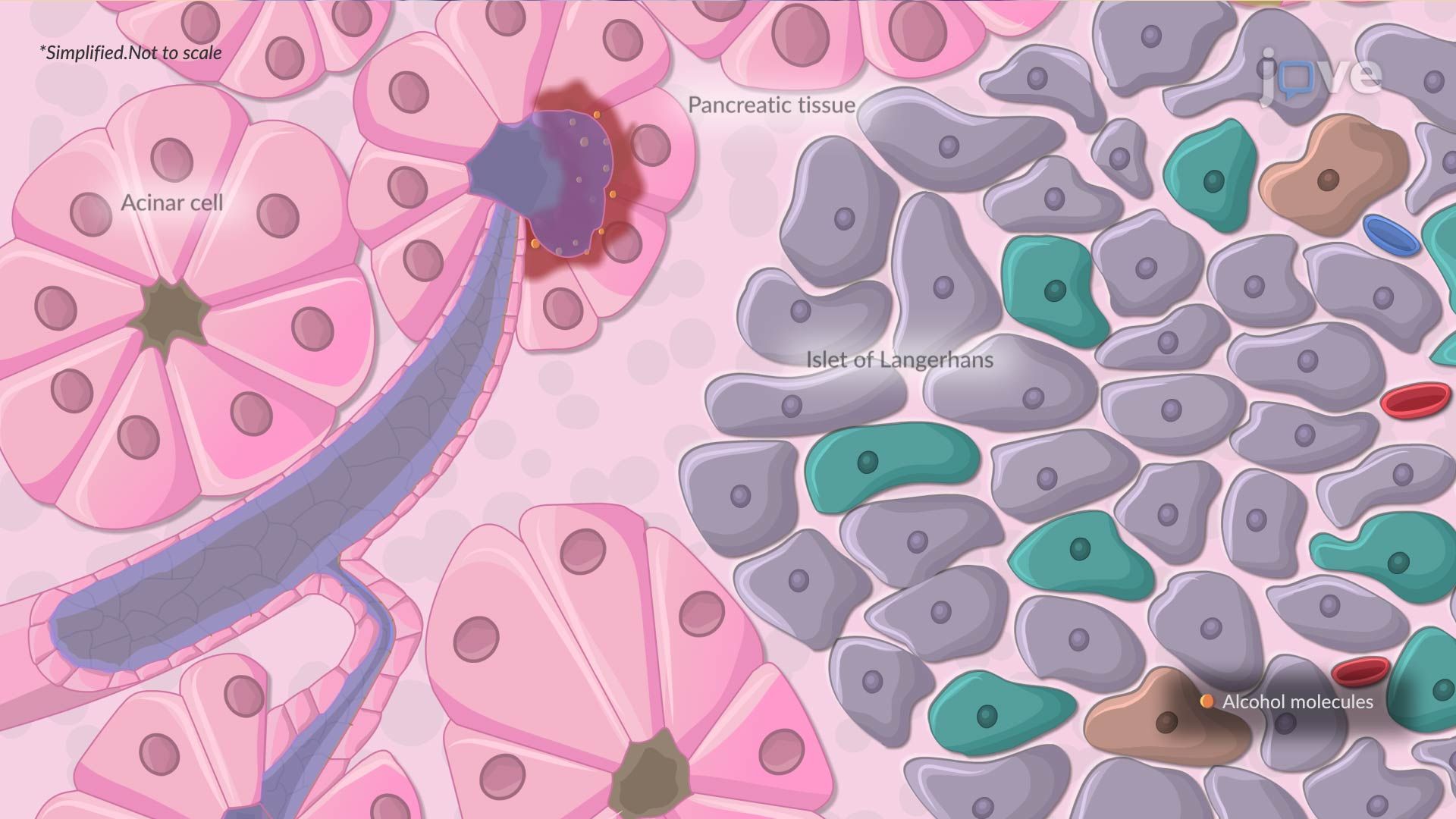
Chronic alcohol use injures pancreatic acinar cells directly and impairs the regulatory mechanisms that keep enzymes inactive. Alcohol also increases the protein concentration in pancreatic secretions, promoting ductal plugging. This makes alcohol-associated pancreatitis more likely in younger adults and a recurring condition if alcohol use continues.
While gallstones and alcohol dominate, a range of other triggers appear on major US exams and in clinical practice. Hypertriglyceridemia, typically when serum triglycerides exceed 1,000 mg/dL, can cause significant pancreatic inflammation and is increasingly relevant given rising rates of metabolic syndrome across the US population.
Certain medications are well-known culprits. Azathioprine, used in organ transplant patients and those with inflammatory bowel disease (IBD), is a classic pharmacological cause. Abdominal trauma, viral infections such as mumps, and iatrogenic injury following ERCP (a procedure used to treat bile duct conditions) round out the list of recognized secondary causes. Students preparing for the MCAT or USMLE Step 1 should be able to list these triggers and explain their mechanisms, as they frequently appear in clinical vignette-style questions.
Clinically, acute pancreatitis presents as sharp, constant epigastric pain, the region just below the sternum, that often radiates straight through to the back. Eating amplifies the pain because food intake stimulates further enzyme secretion. Nausea and vomiting are common, and in cases involving bile duct obstruction, jaundice may develop.
Severe acute pancreatitis can extend far beyond the abdomen. Fluid shifts, systemic inflammatory response syndrome (SIRS), hypotension, and eventual multi-organ failure represent the dangerous end of the severity spectrum. Medical students and NCLEX candidates must understand how acute pancreatitis differs from conditions with overlapping abdominal symptoms, including peptic ulcer disease, GERD, celiac disease, and gastrointestinal bleeding, all of which require distinct management approaches. Recognizing the distinguishing features of each condition is a core competency in both clinical training and standardized exam preparation.
Related Micro-courses