Loading video…


 29 Concepts
 4.5K views

Video Summary: What Is Intestinal Obstruction I
Every year, over 300,000 Americans are hospitalized for intestinal obstruction, yet most people have never heard of it. Intestinal Obstruction I basics cover the partial or complete blockage of the small or large intestine, preventing normal digestive flow. From post-surgical adhesions in US hospital patients to hernias and volvulus, this concept reveals how the gut can fail mechanically or functionally. Watch the full video on JoVE Coach to master this concept with expert-led visuals and step-by-step explanations.
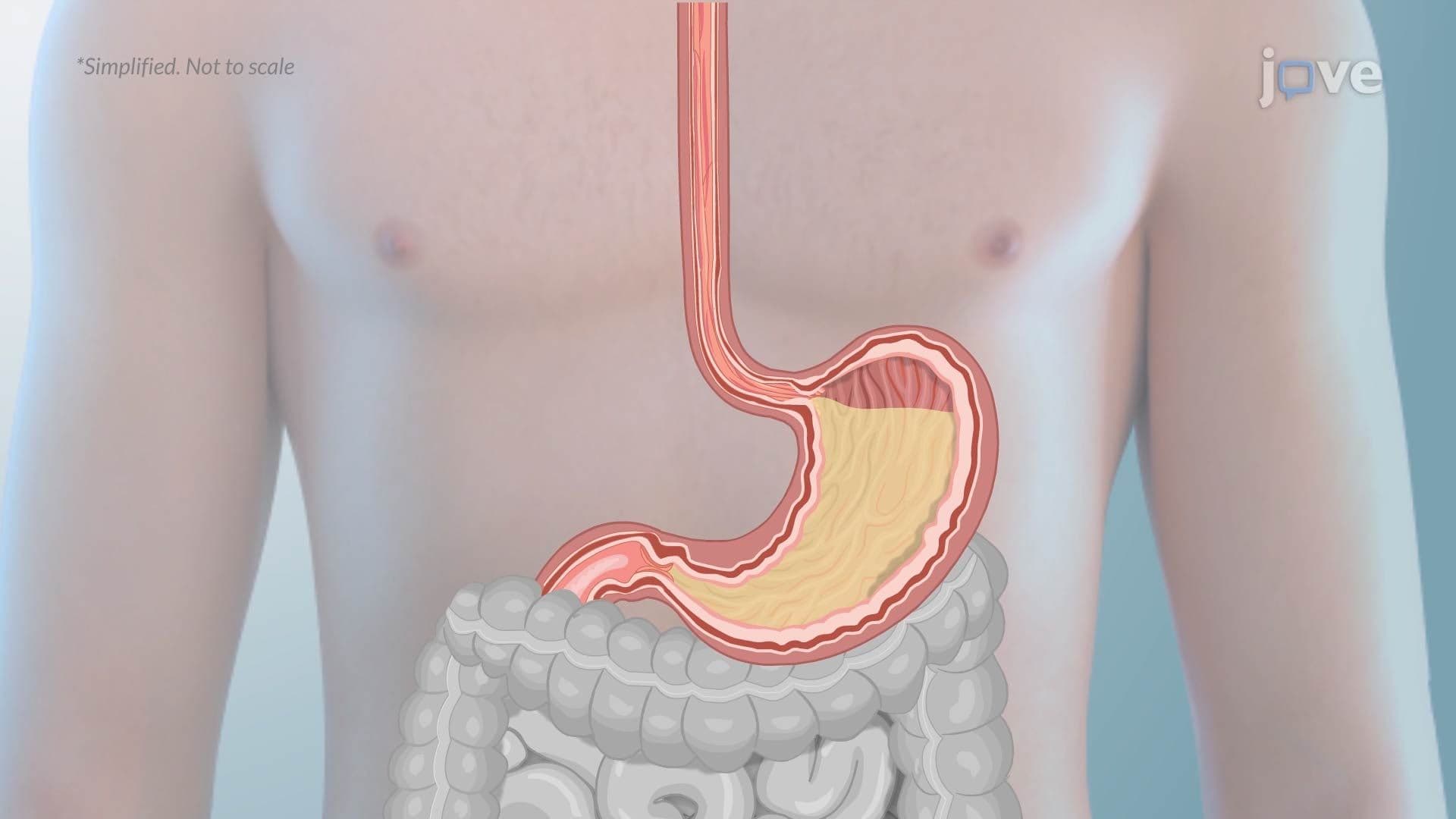
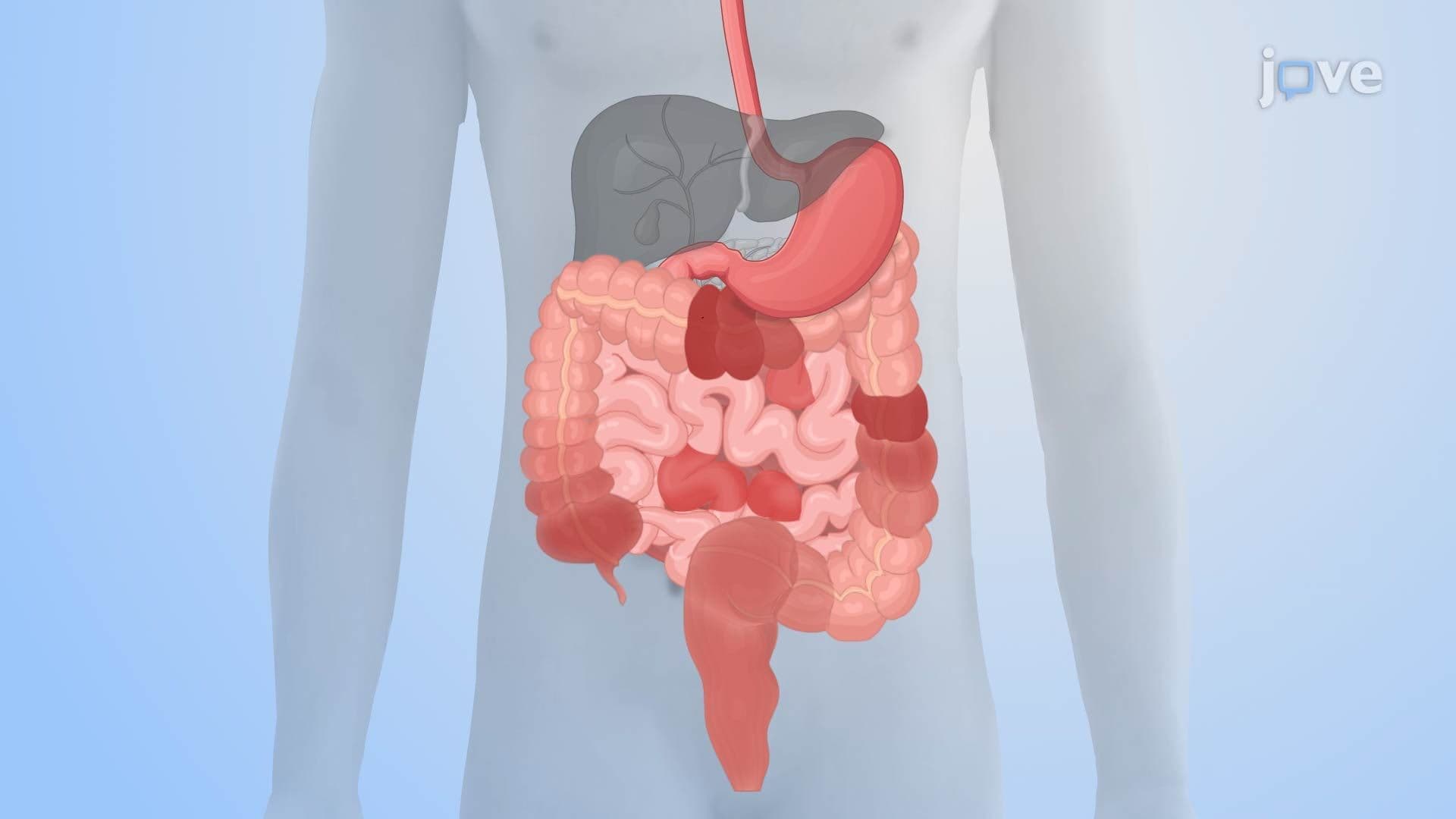
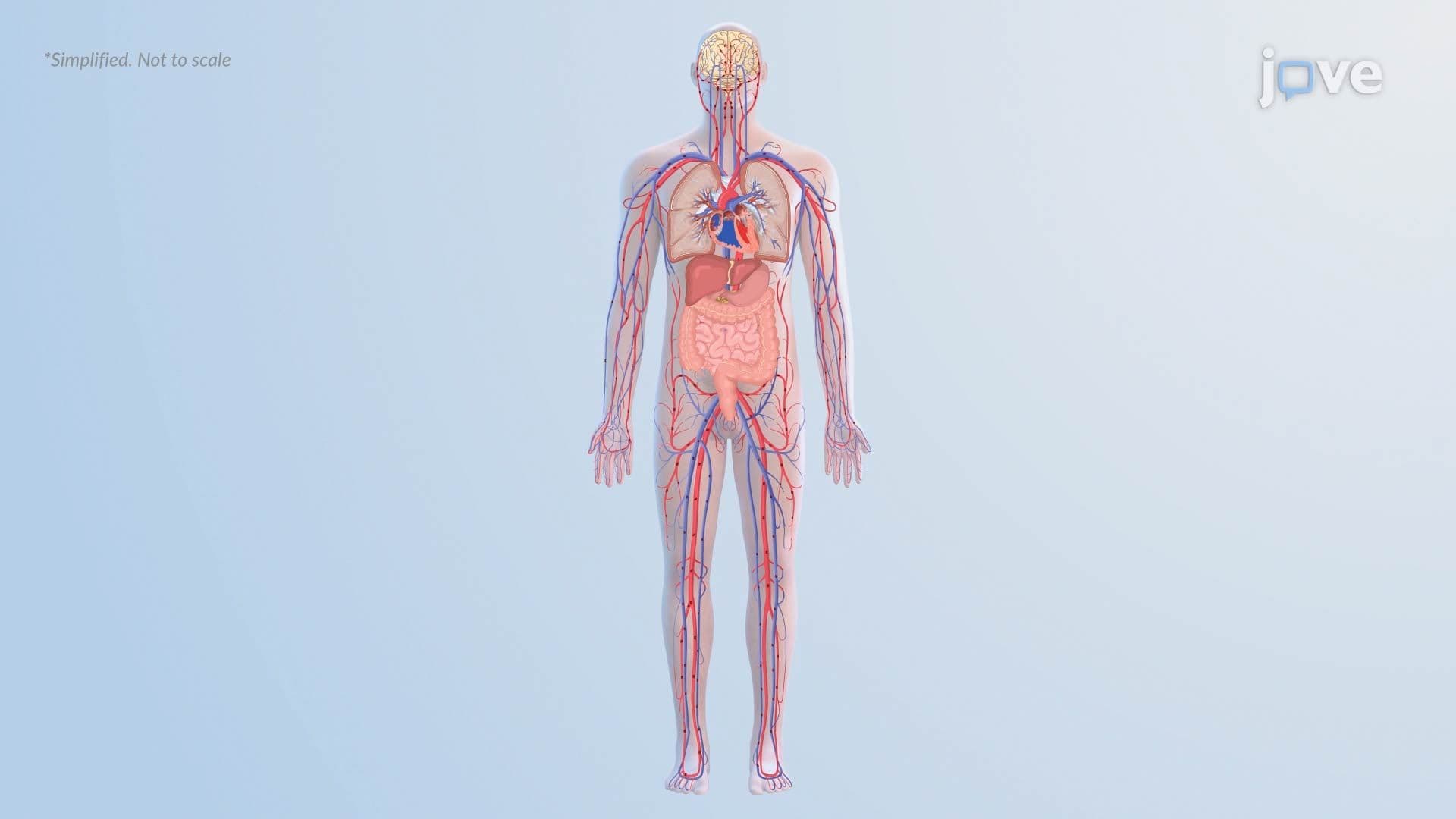
The digestive system is essentially a long, coordinated tube, and like any pipeline, it can become blocked. Intestinal Obstruction I introduces one of the most clinically significant disruptions in gastroenterology: the partial or complete blockage of the small or large intestine. When intestinal contents cannot move normally through the lumen, serious complications follow, from fluid and electrolyte imbalances to tissue death. Understanding this topic builds a strong foundation for more advanced GI concepts and is directly relevant to courses in biology, anatomy and physiology, and health sciences at both the high school and college level.
Mechanical obstruction occurs when a physical barrier prevents intestinal content from passing through. There are four major causes students should know:
Each of these conditions has a distinct anatomical mechanism, a distinction that appears frequently in college anatomy exams and MCAT preparation.
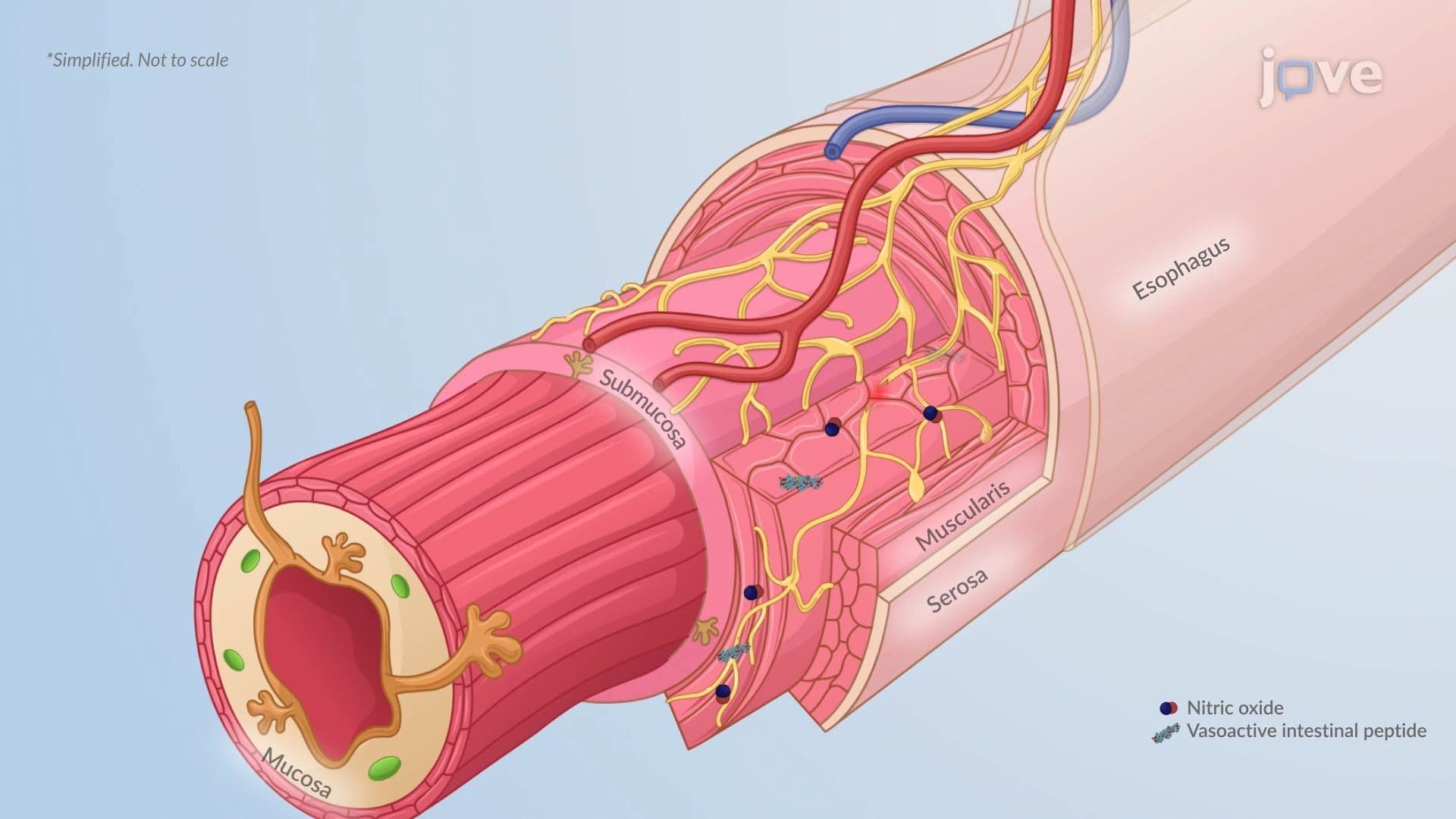
Unlike mechanical obstruction, paralytic ileus (functional obstruction) involves no physical barrier. Instead, the intestine temporarily loses its ability to move contents forward, a condition called dysmotility. This most commonly occurs following abdominal surgery, when manipulation of the bowel triggers a temporary shutdown of peristalsis. It can also result from opioid medications (which slow gut motility, a well-known side effect in US hospital settings) or from bowel ischemia, where poor blood supply impairs muscle function. Because there is no structural block, paralytic ileus is often reversible once the underlying trigger is addressed.
Intestinal obstruction does not exist in isolation. It shares overlapping symptoms, cramping, bloating, nausea, and altered bowel habits, with conditions like inflammatory bowel disease (IBD), celiac disease, and peptic ulcer disease. For example, Crohn's disease (a form of IBD) can cause chronic intestinal narrowing that mimics or directly leads to mechanical obstruction. Similarly, gastrointestinal bleeding can be a downstream consequence of strangulated bowel. Understanding obstruction helps contextualize these related conditions and strengthens performance in AP Biology, college physiology courses, and standardized exams like the MCAT and USMLE Step 1.
Intestinal obstruction is a high-yield topic in US medical and allied health education. On the MCAT, it tests your ability to integrate organ system anatomy with pathophysiology. For NCLEX and HESI A2 candidates, recognizing obstruction types and their nursing implications is essential. In AP Biology or a college Human Anatomy course, you may be asked to distinguish between mechanical and functional causes or to explain why certain surgeries increase obstruction risk. Mastering the classification system introduced in Intestinal Obstruction I gives you a reliable framework for answering these questions accurately.
Related Micro-courses