Loading subject page…

4,546 views

Video Summary: What Is Gastroesophageal Reflux Disease
Ever wonder why millions of Americans reach for antacids after every meal? Gastroesophageal Reflux Disease, a condition where stomach acid repeatedly flows backward into the esophagus, affects roughly 20% of US adults. When the valve between your stomach and esophagus stops working properly, it sets off a chain reaction of inflammation, tissue damage, and uncomfortable symptoms. Watch the full video on JoVE Coach to master this concept with expert-led visuals and step-by-step explanations.
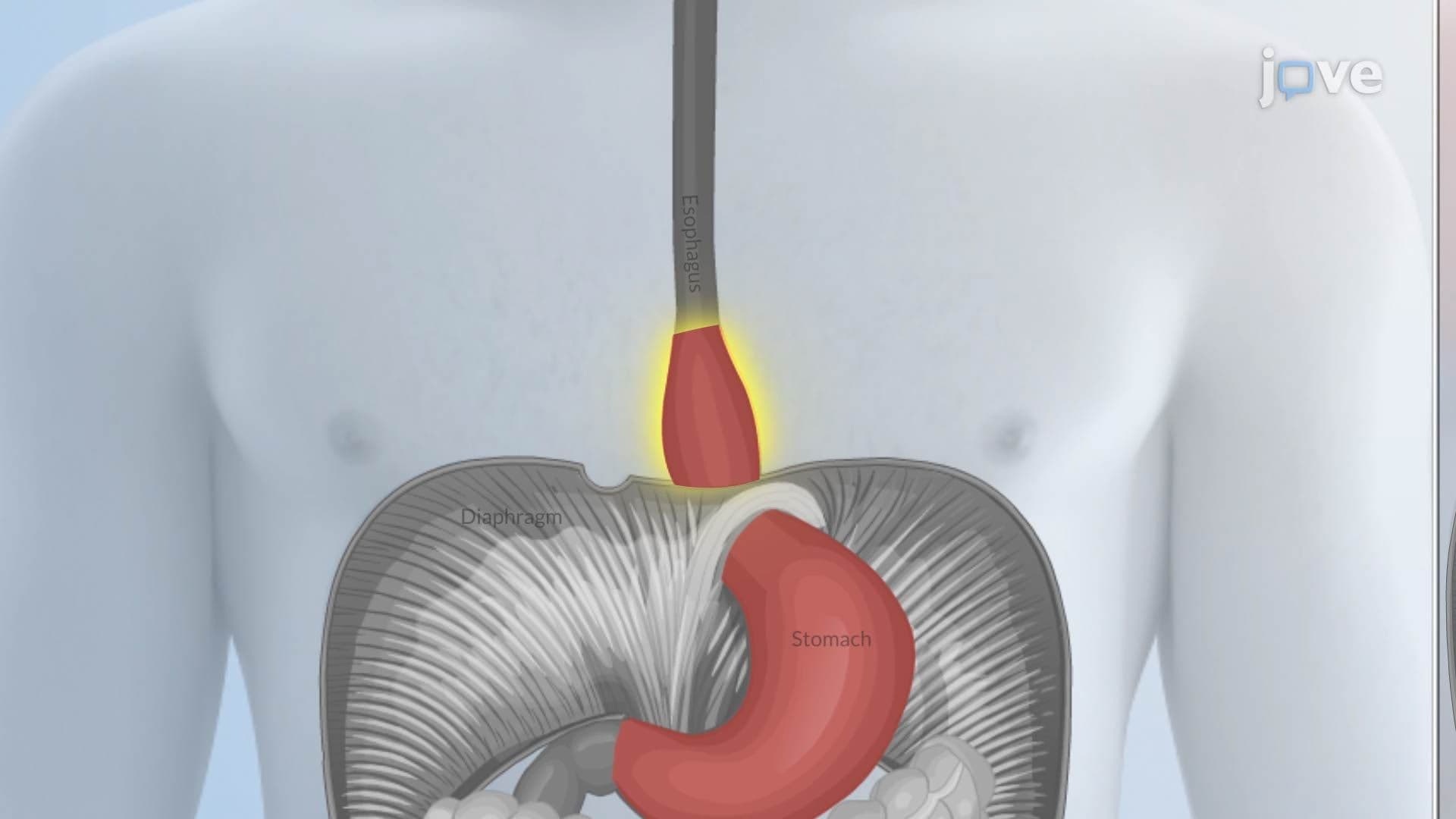
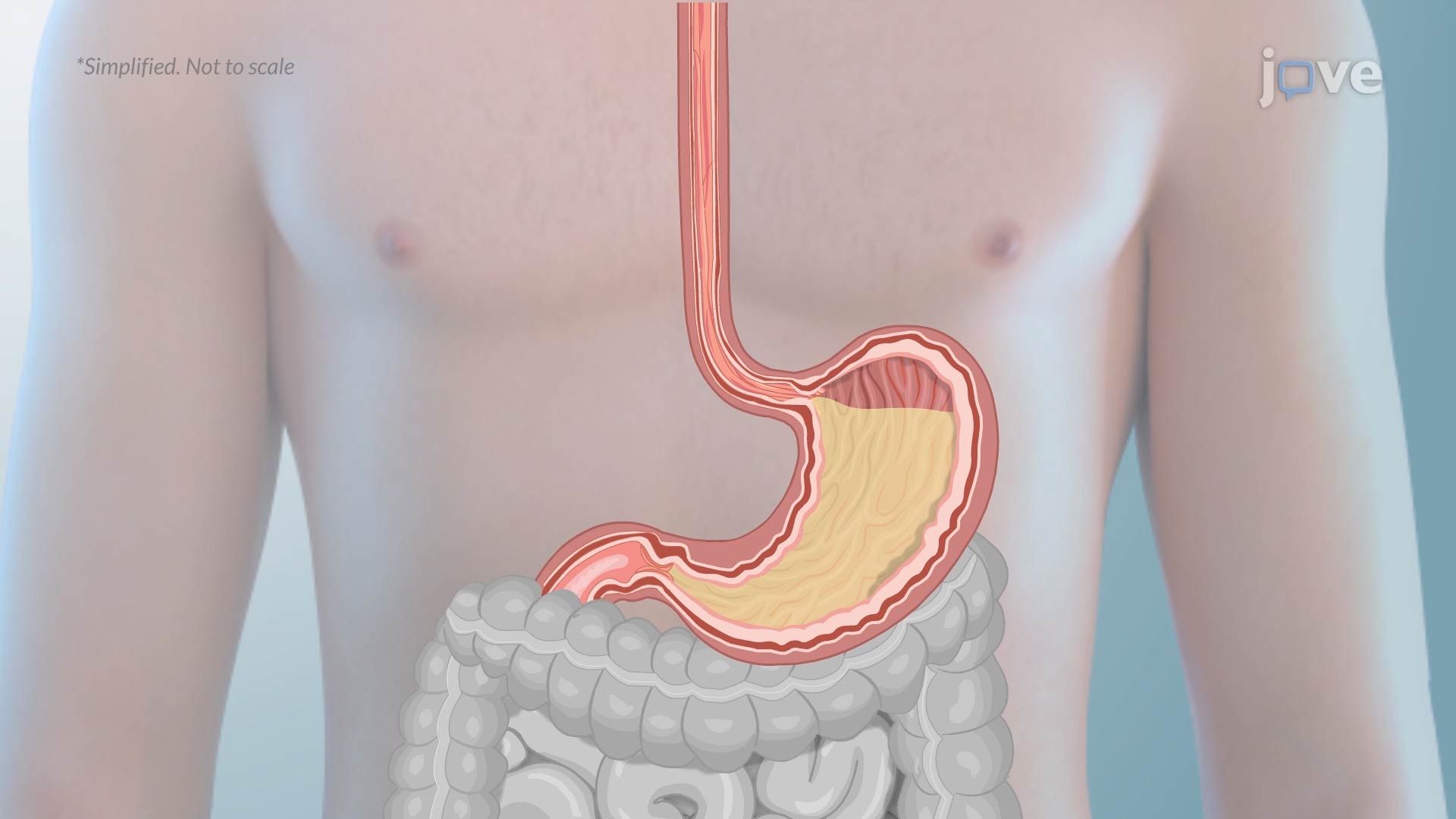
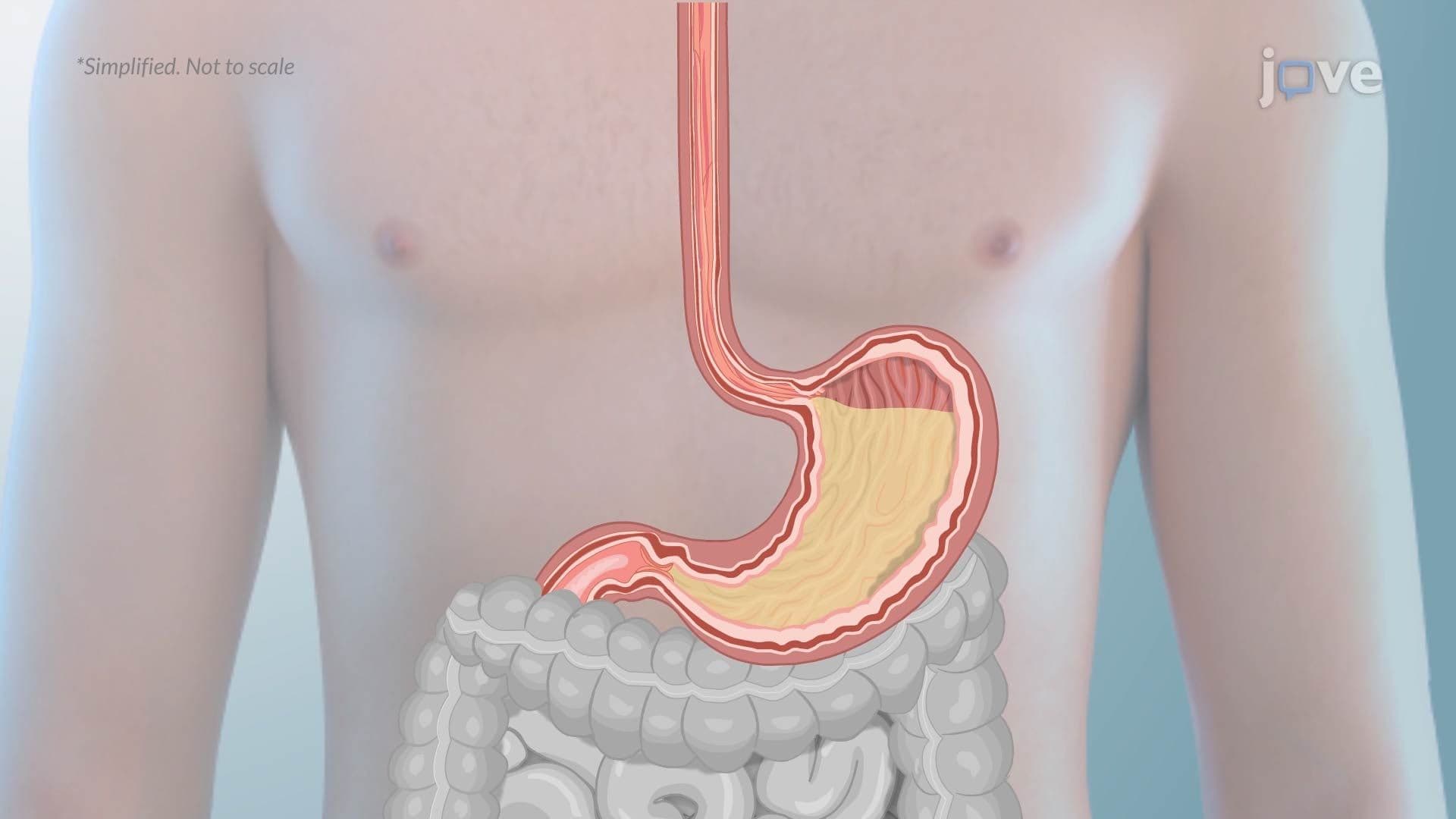
Gastroesophageal Reflux Disease, commonly abbreviated as GERD, is one of the most prevalent gastrointestinal disorders in the United States, affecting an estimated 60 million Americans at least once a month. At its core, GERD is a chronic condition in which the contents of the stomach, primarily hydrochloric acid, the digestive enzyme pepsin, and occasionally bile, travel backward into the esophagus. This retrograde flow occurs because of a failure in the body's primary anti-reflux mechanism: the lower esophageal sphincter, or LES.
Under normal conditions, the LES acts like a one-way valve. It remains contracted to prevent stomach contents from re-entering the esophagus and only relaxes intentionally during swallowing. In GERD, the LES relaxes at the wrong time, particularly after large meals when the stomach is distended, allowing acid to escape upward.
Several factors increase the likelihood of LES dysfunction. Obesity is a leading risk factor in the US because excess abdominal fat increases intra-abdominal pressure, which mechanically forces stomach contents upward. Pregnancy creates a similar pressure dynamic while progesterone simultaneously reduces LES tone. Aging weakens the sphincter muscle over time, and a sliding hiatal hernia, where part of the stomach slides above the diaphragm, physically disrupts the normal anti-reflux barrier.
Lifestyle and pharmacological factors also play a significant role. Nicotine from cigarette smoking, alcohol consumption, caffeine, fatty foods, and anticholinergic drugs (commonly prescribed for bladder conditions and allergies) all reduce LES pressure, making reflux more likely. Understanding these triggers is especially relevant in AP Biology and introductory college physiology courses, where students are expected to connect lifestyle variables to specific physiological outcomes.
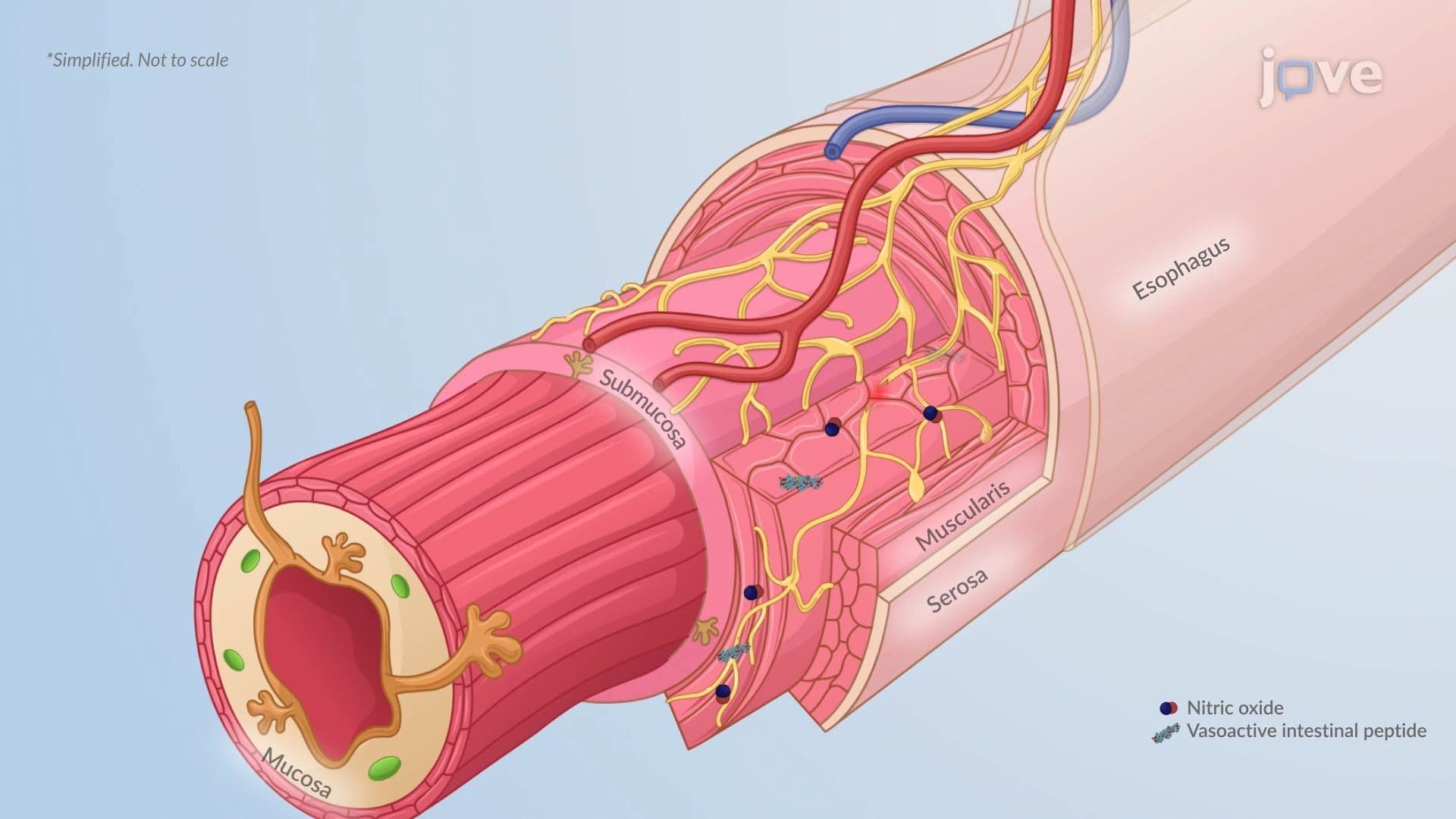
When reflux episodes are frequent, the esophagus cannot neutralize and clear acid quickly enough, a process called esophageal clearance. Repeated acid contact causes inflammation of the esophageal lining, a condition called esophagitis, which presents as redness, swelling, and erosions visible during endoscopy.
If GERD remains untreated for years, the chronic injury can trigger fibrosis, a scarring response that stiffens esophageal tissue and impairs normal peristaltic movement. The most serious long-term complication is Barrett's esophagus, in which the normal squamous epithelium (flat, protective cells) is replaced by specialized columnar cells more typical of the intestine. This metaplastic change is a recognized precursor to esophageal adenocarcinoma, making early GERD diagnosis clinically critical. Barrett's esophagus is a high-yield topic on the USMLE Step 1 and MCAT, often appearing alongside questions about cellular adaptation and carcinogenesis.
The hallmark symptoms of GERD include heartburn (a burning sensation rising from the chest), regurgitation of sour or bitter fluid, and chest discomfort that can mimic cardiac pain, a distinction that emergency physicians in US hospitals routinely evaluate. Atypical symptoms like chronic cough, hoarseness, and throat clearing are caused by acid irritating the larynx and airways, sometimes leading to misdiagnosis as asthma or sinusitis.
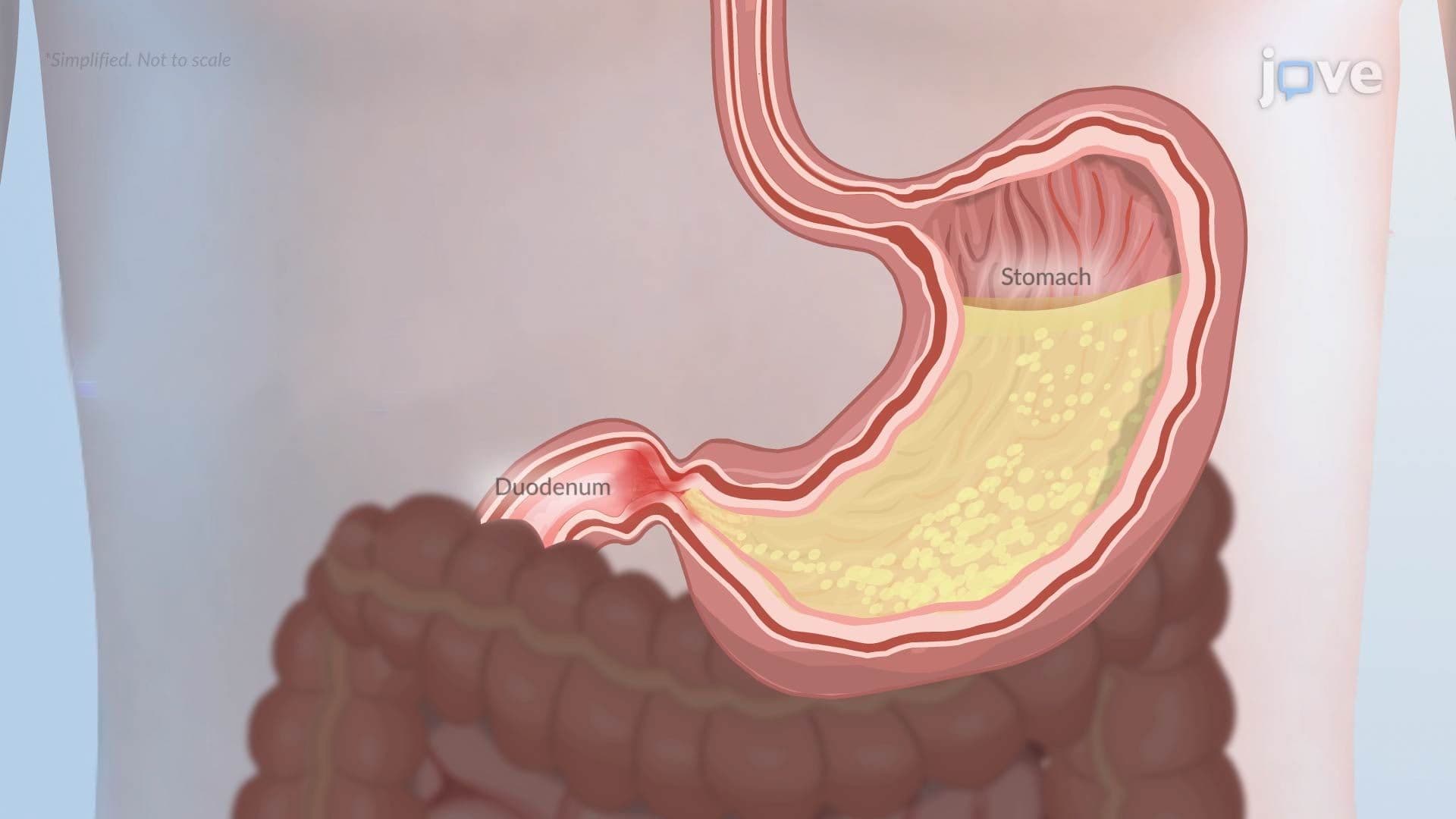
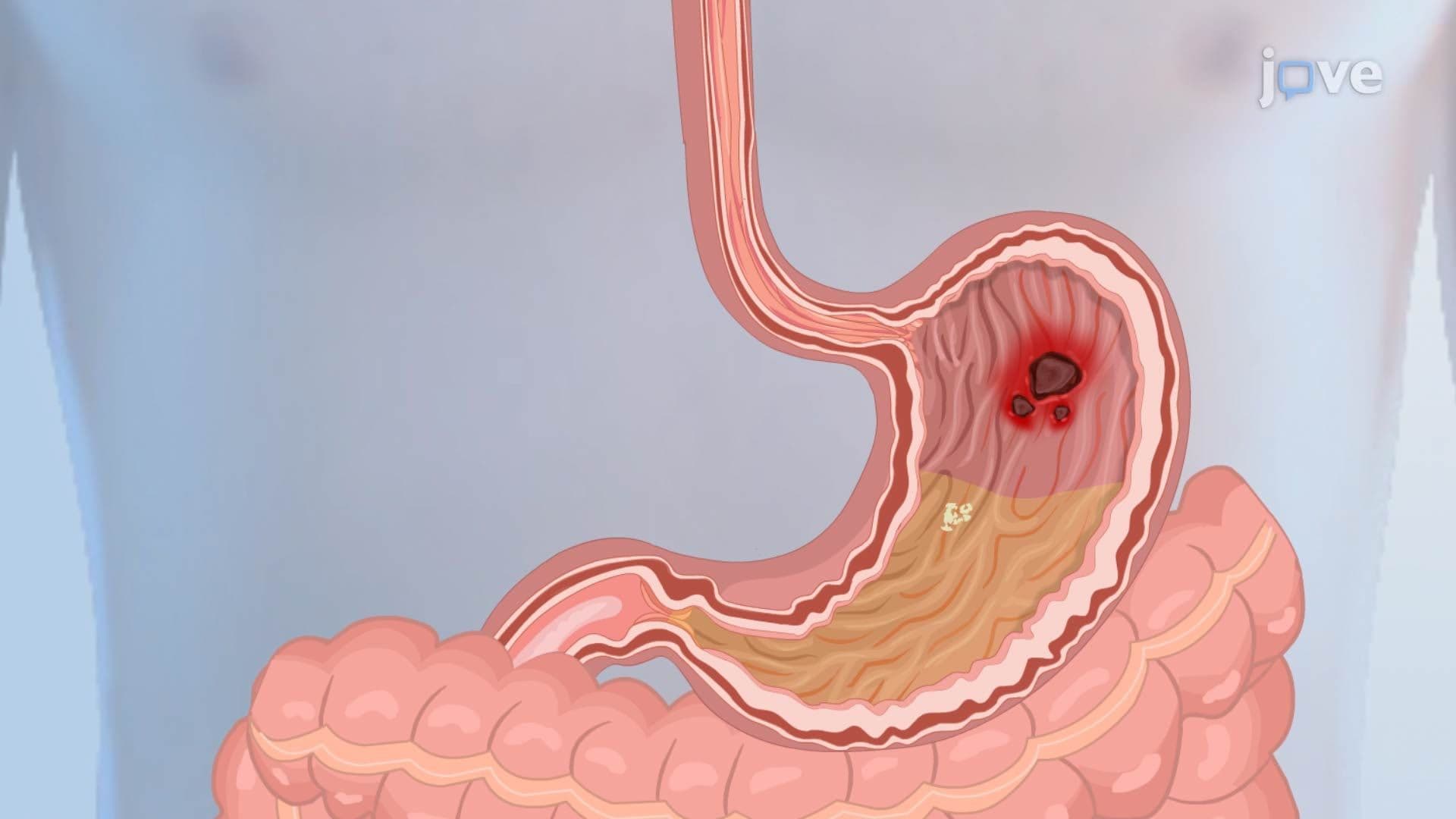
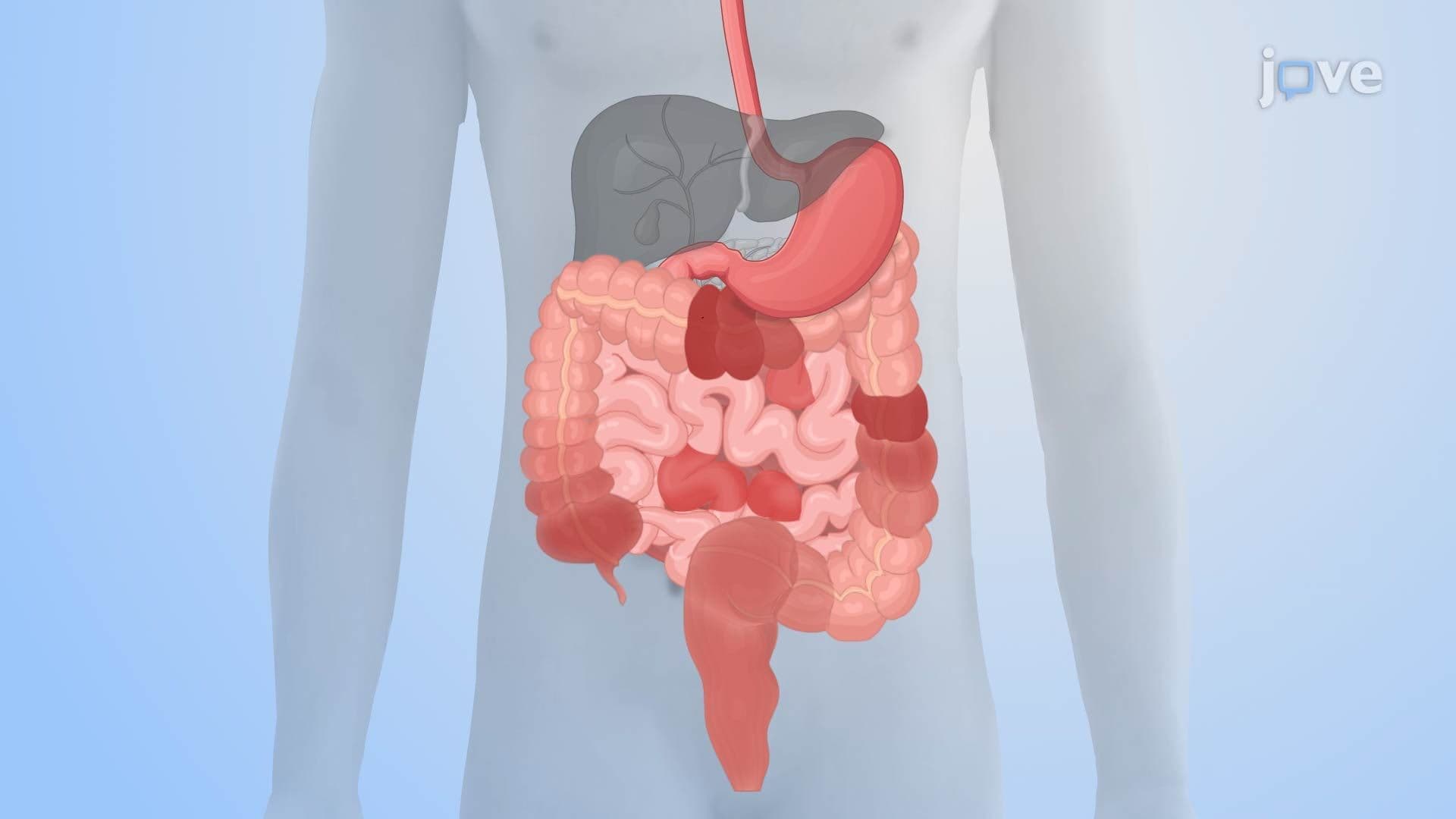
Clinically, GERD is distinguished from peptic ulcer disease (which involves mucosal erosion in the stomach or duodenum), inflammatory bowel disease (a systemic immune-mediated condition), and celiac disease (triggered by gluten sensitivity). Understanding how these conditions differ, yet sometimes overlap, is a common focus in college-level Anatomy & Physiology and Pathophysiology courses. For students preparing for the MCAT or NCLEX, being able to map GERD's mechanism, risk factors, symptoms, and complications onto a single coherent framework is both a high-yield study strategy and a clinical necessity.
Related Micro-courses