Loading video…

 29 Concepts
 4.5K views

Video Summary: Pathophysiology in Peptic Ulcer Disease Ii
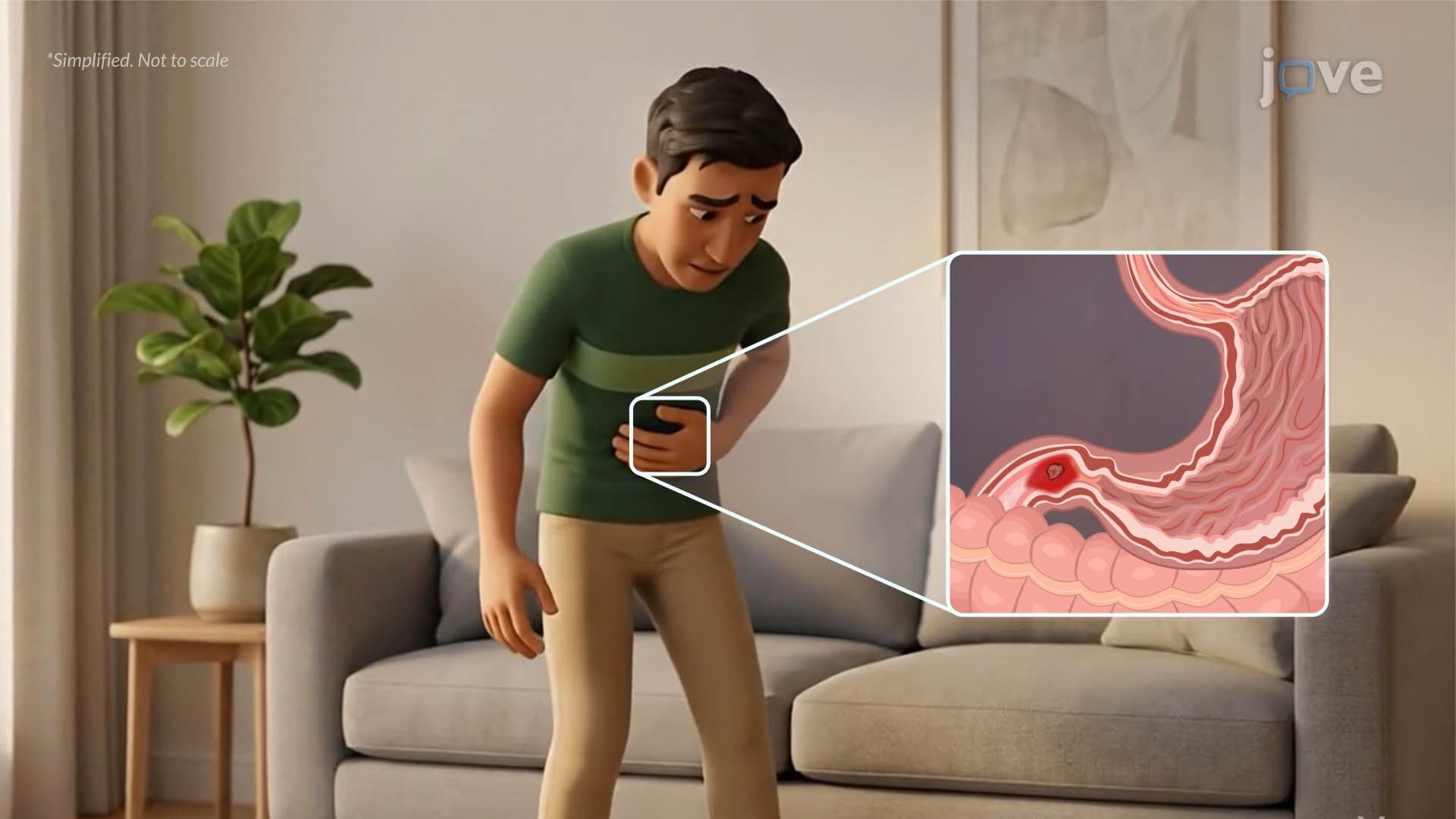
Did you know a single bacterium can outsmart your stomach's acid defenses and silently eat away at your gut lining for years? Pathophysiology in Peptic Ulcer Disease II breaks down exactly how *H. pylori* and NSAIDs, like ibuprofen, widely used across US households, destroy the stomach's protective barriers. Understanding pathophysiology in peptic ulcer disease II basics reveals why ulcers form and persist. Watch the full video on JoVE Coach to master this concept with expert-led visuals and step-by-step explanations.
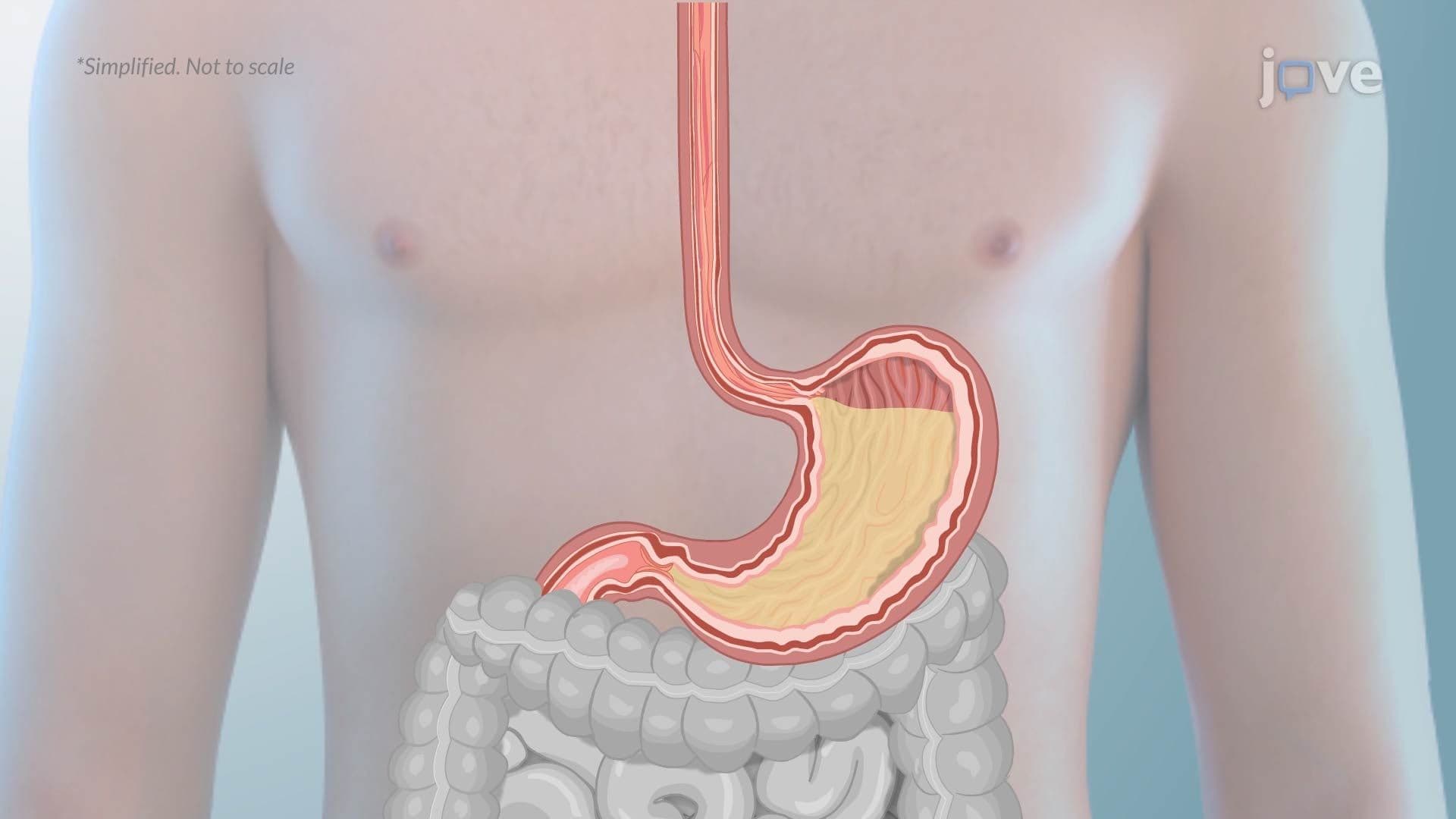
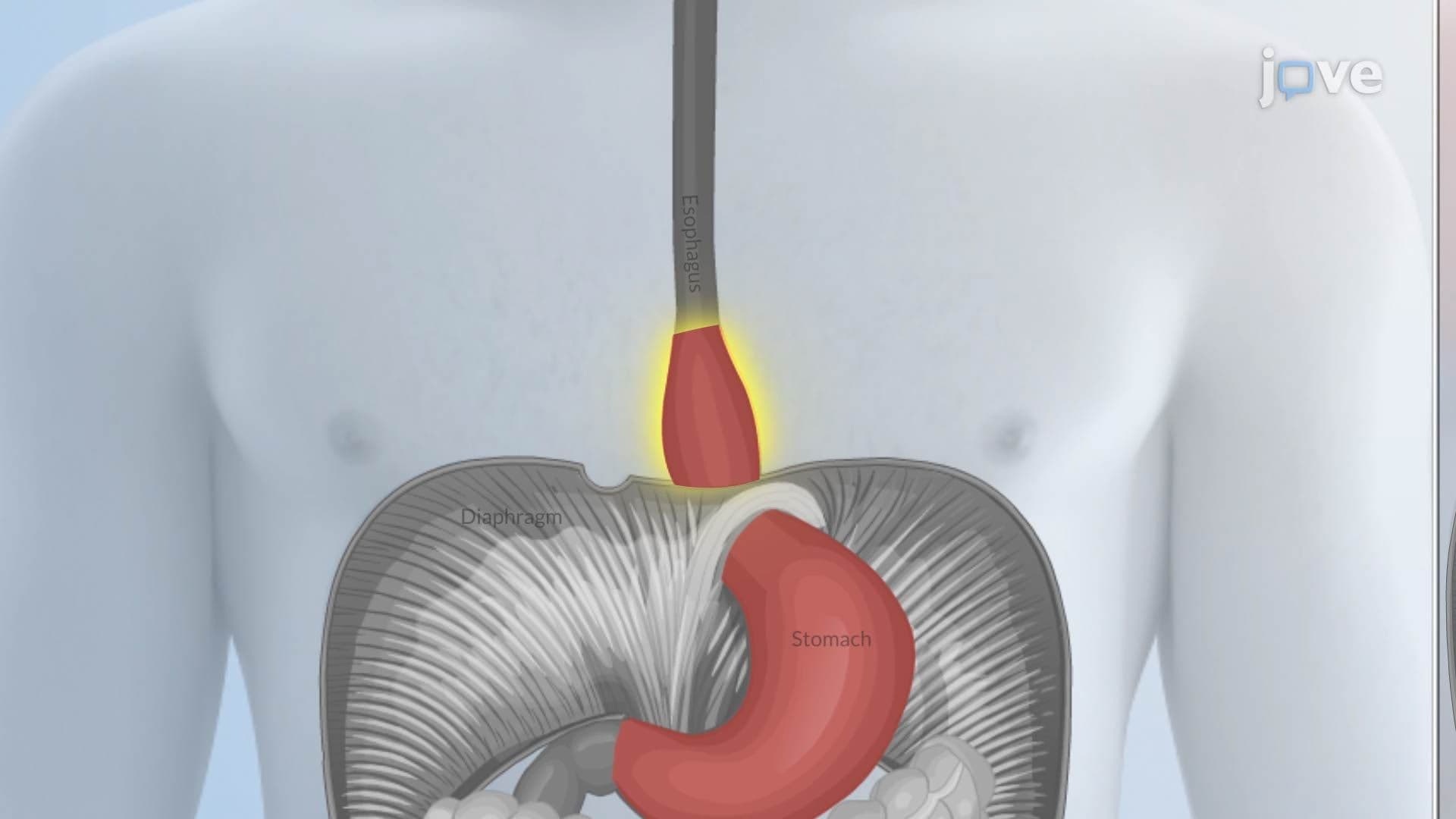
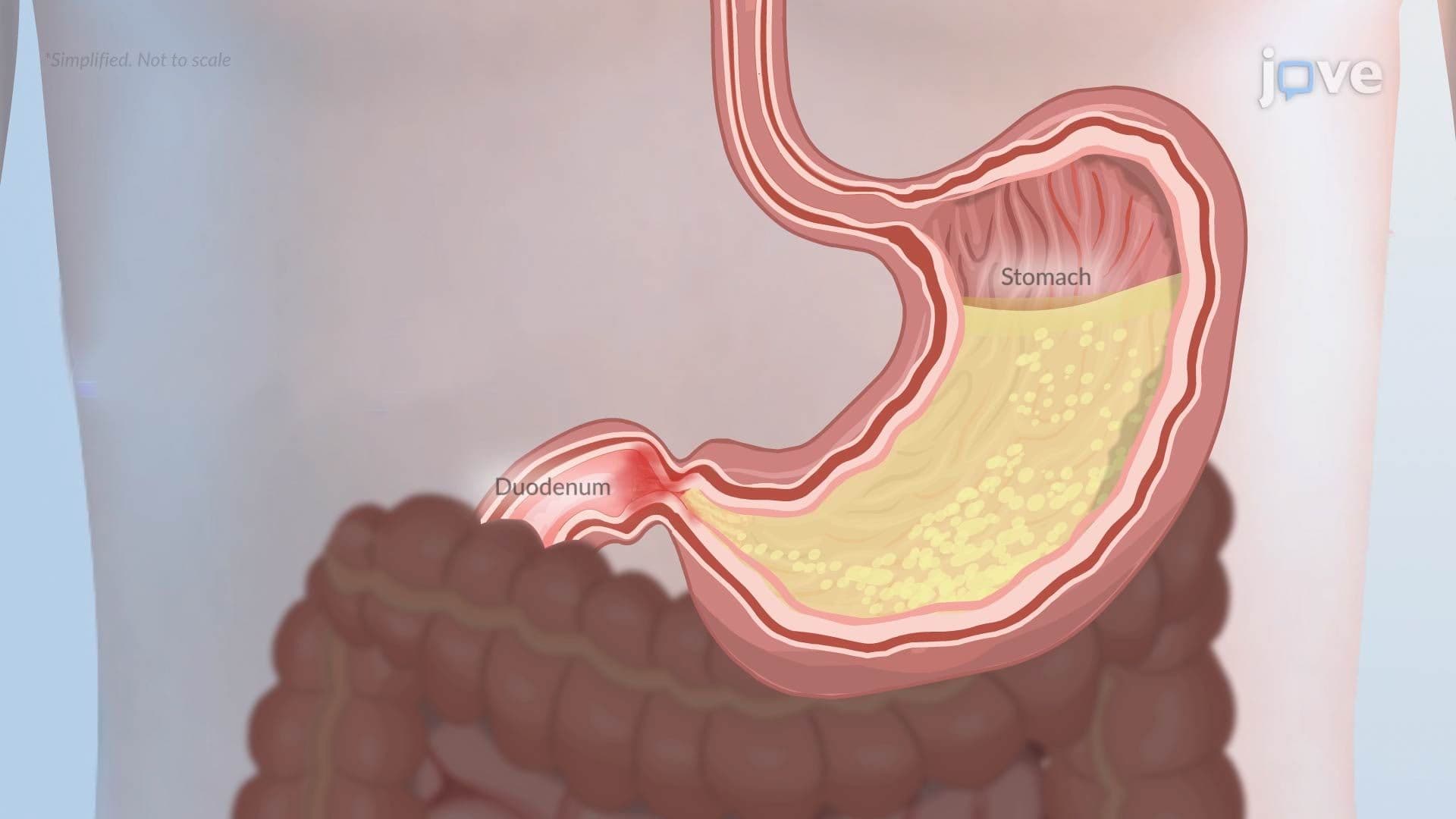
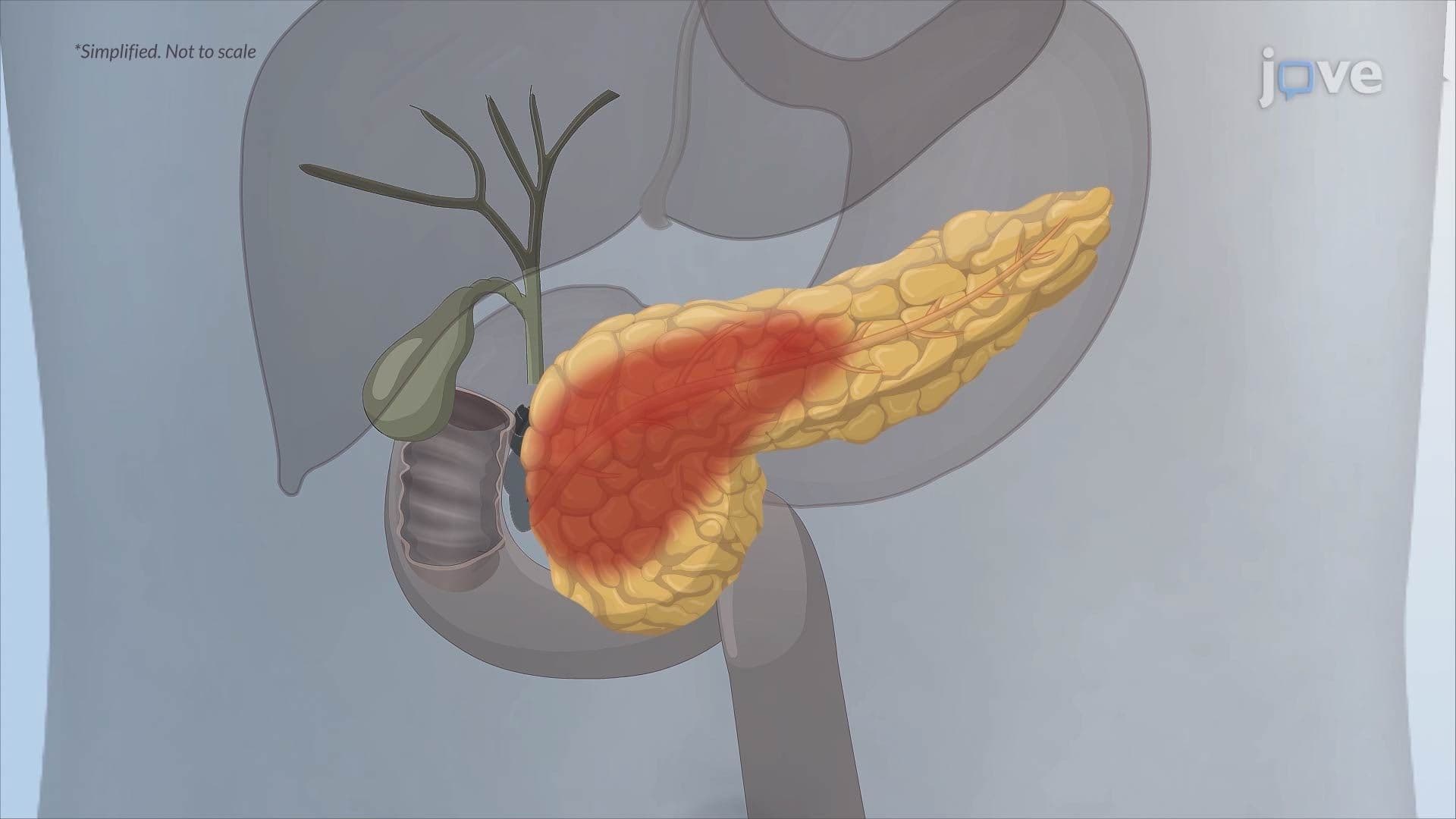
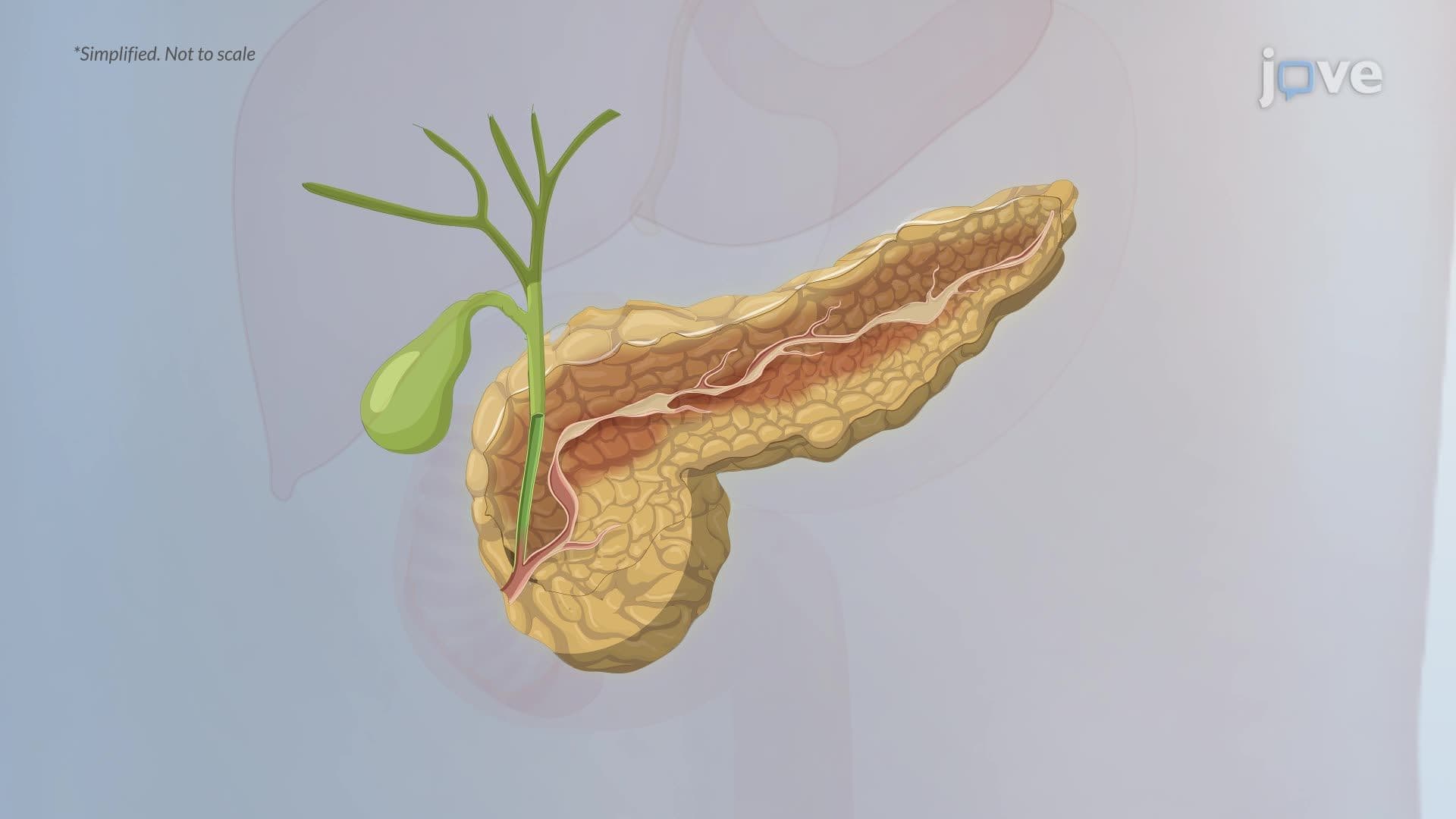
Peptic ulcer disease (PUD) affects millions of Americans annually, and understanding its pathophysiology goes far beyond knowing that "stomach acid causes ulcers." Pathophysiology in Peptic Ulcer Disease II focuses on two of the most clinically significant mechanisms behind ulcer formation, infection with *Helicobacter pylori* and chronic NSAID use. Together, these two causes account for the overwhelming majority of peptic ulcers seen in US emergency departments and primary care clinics.
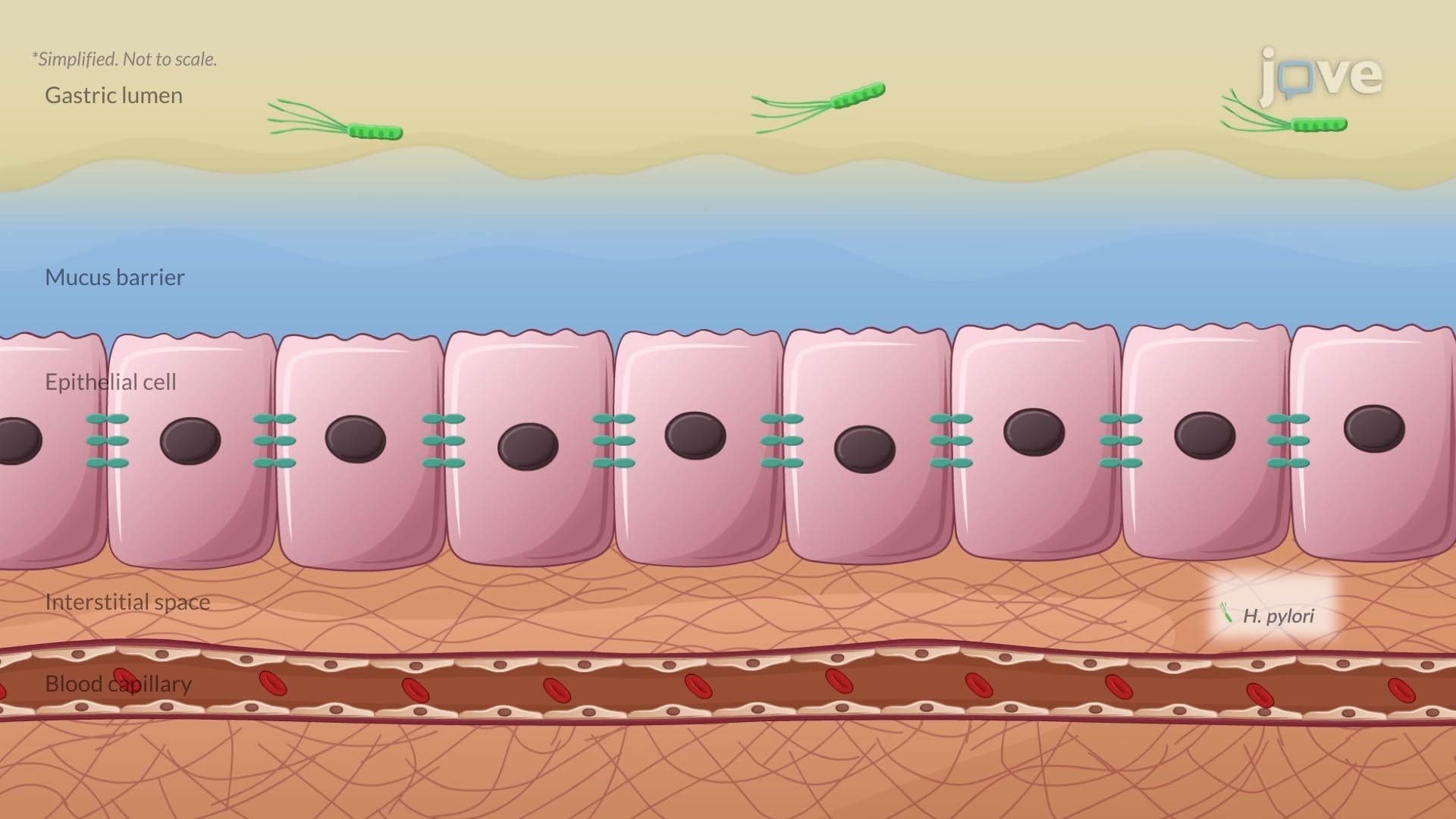
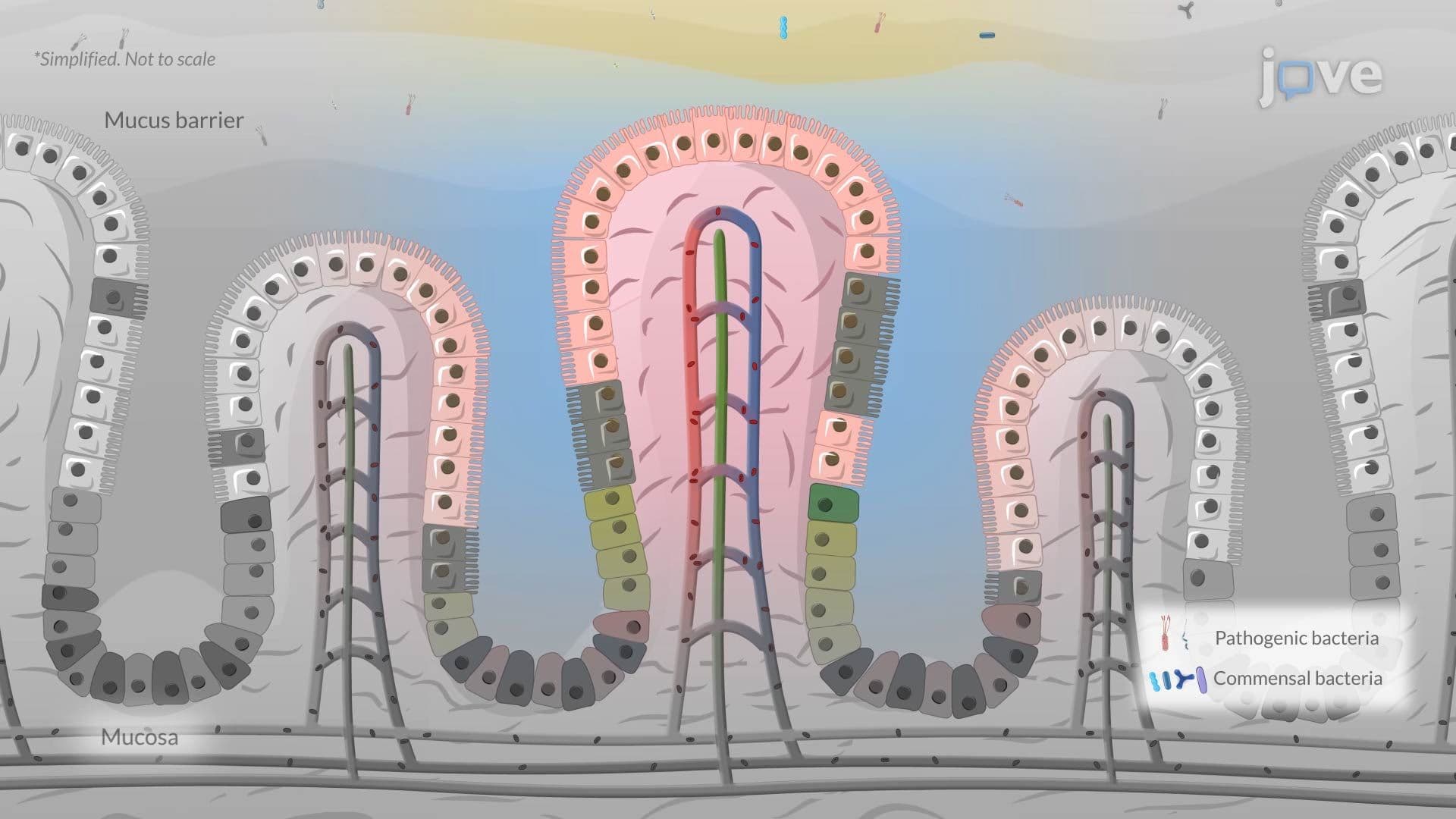
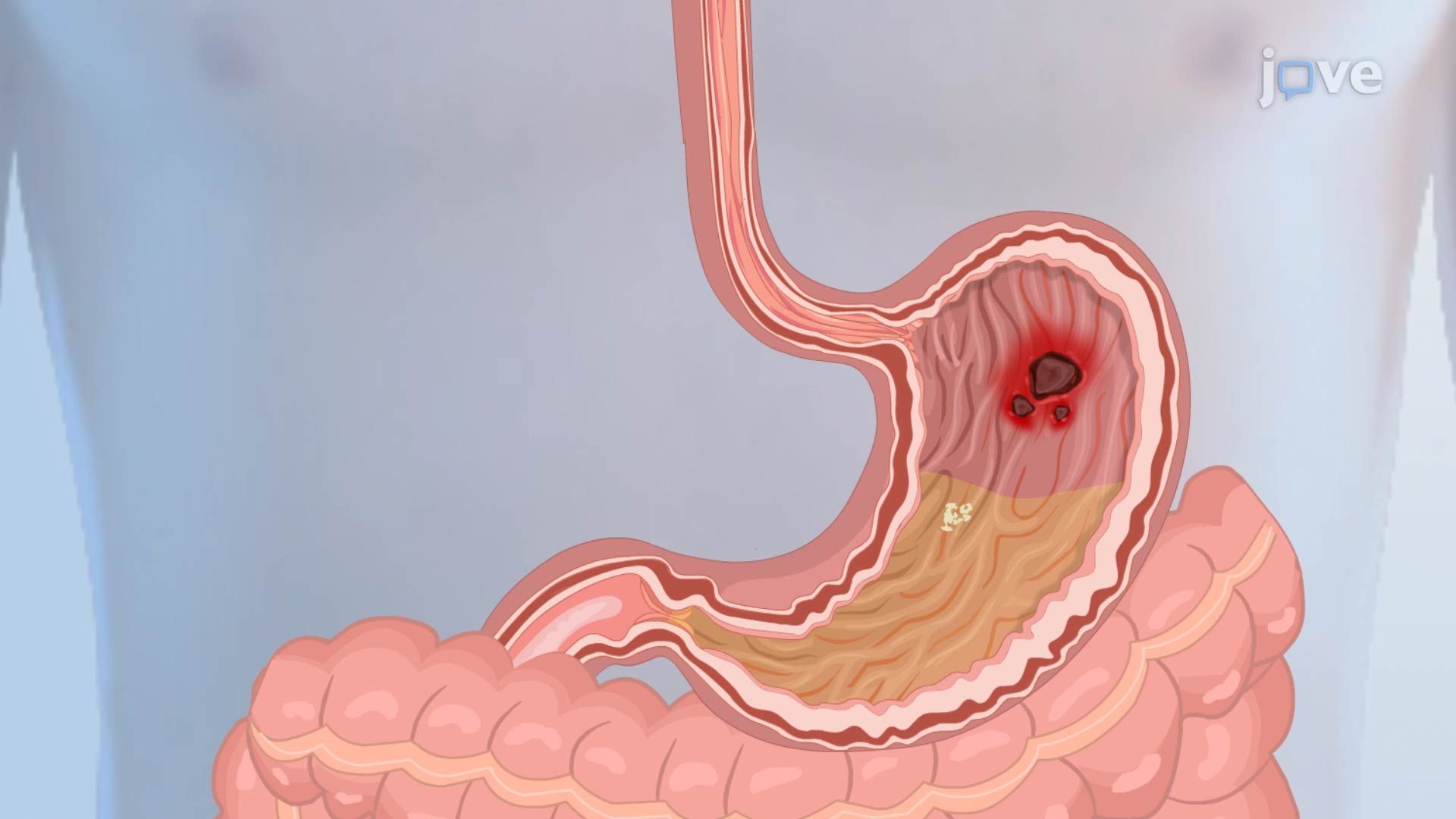
The stomach's acidic environment, with a pH as low as 1.5-2, should be lethal to most bacteria. Yet *H. pylori* has evolved a remarkable survival toolkit. It secretes urease, an enzyme that breaks down urea, a natural component of gastric fluid, into ammonia. Ammonia locally neutralizes gastric acid, creating a buffered microenvironment around the bacterium. Using flagella for motility and mucolytic enzymes that break down the mucus gel layer, *H. pylori* physically penetrates the stomach's first line of defense and anchors itself to gastric epithelial cells using outer membrane proteins.
Once attached, *H. pylori* deploys a type IV secretion system, essentially a molecular syringe, to inject CagA protein directly into host cells. CagA disrupts normal intracellular signaling pathways, altering cell growth and promoting inflammation. Simultaneously, VacA toxin targets mitochondria, triggering cell death (apoptosis), and suppresses T-cell immune responses, allowing the bacterium to evade host immunity. This combination of physical penetration, cellular sabotage, and immune evasion explains why *H. pylori* infections can persist for decades in untreated patients, driving chronic inflammation that progressively damages the gastric mucosa.
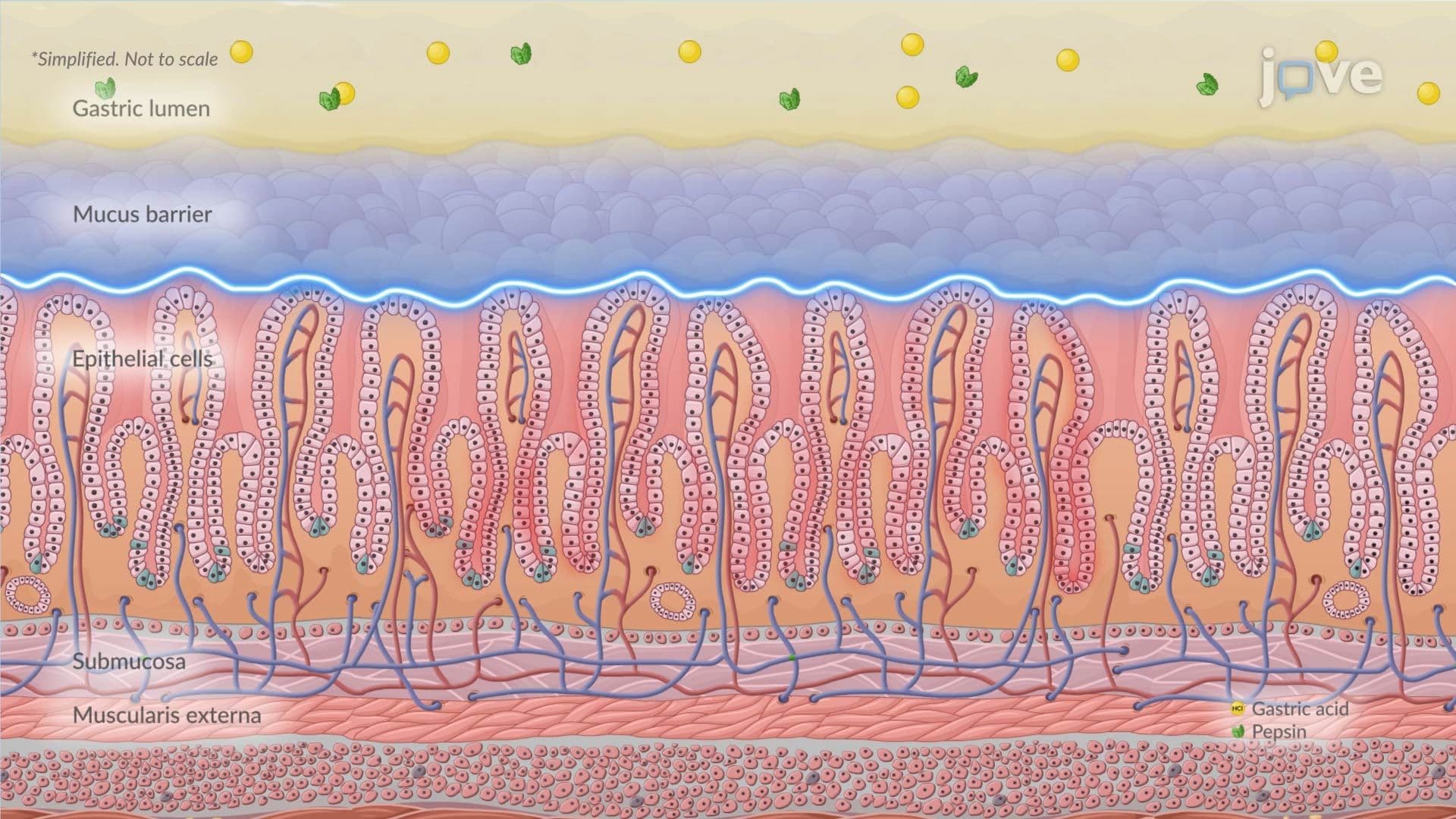
NSAIDs, including over-the-counter drugs like ibuprofen (Advil) and naproxen (Aleve), among the most commonly used medications in the United States, pose a serious risk to the stomach lining through a well-defined biochemical mechanism. NSAIDs inhibit cyclooxygenase-1 (COX-1), an enzyme responsible for synthesizing prostaglandins in the gastric mucosa. Prostaglandins play a critical protective role: they stimulate mucus and bicarbonate secretion, maintain mucosal blood flow, and promote epithelial repair after injury.
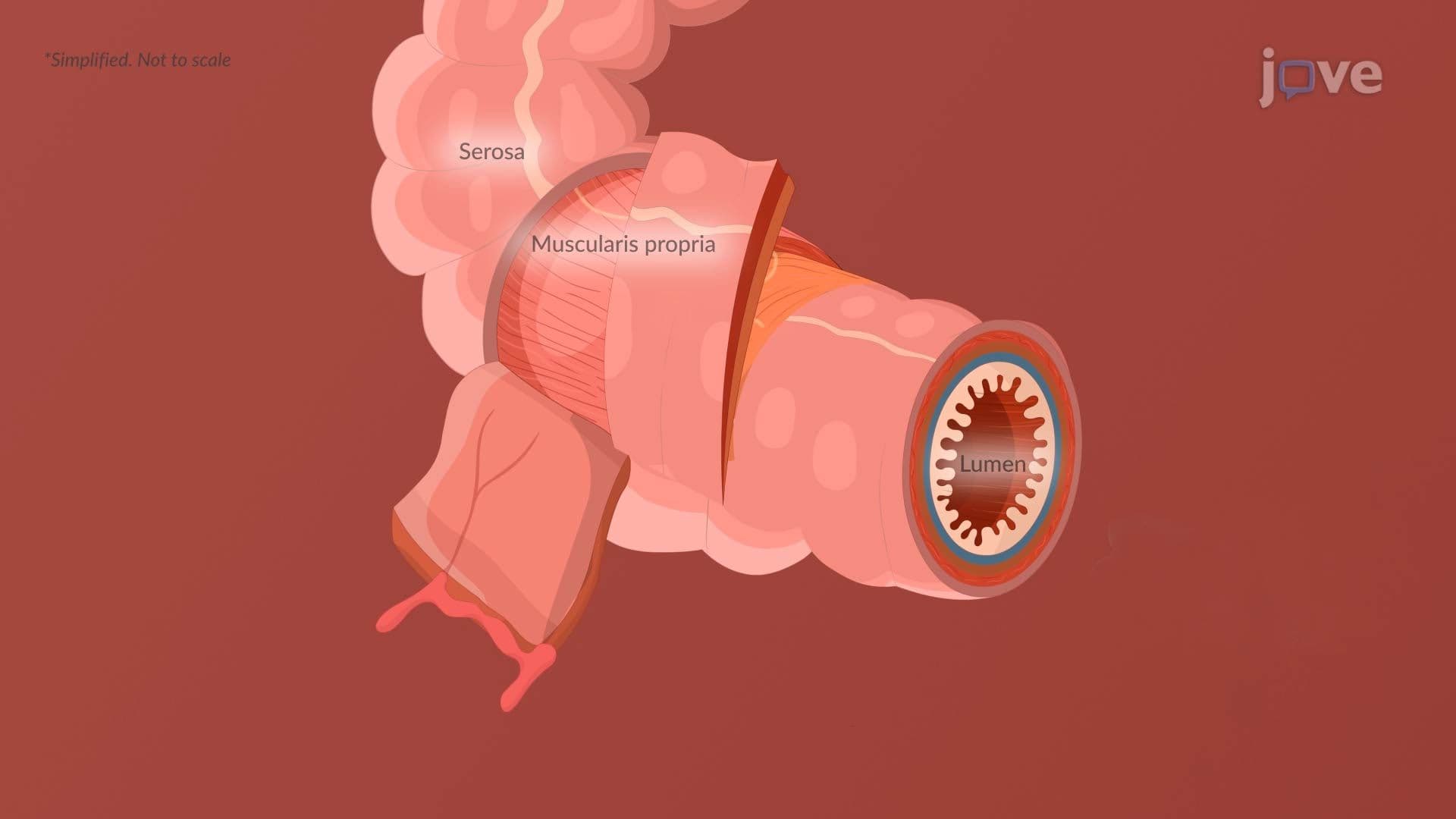
When COX-1 is inhibited, prostaglandin levels drop, leaving the mucosa vulnerable. Without adequate mucus and bicarbonate, gastric acid and the enzyme pepsin come into direct, prolonged contact with the epithelial lining. The result is erosion of the mucosal surface, ulcer formation, and in severe cases, gastrointestinal bleeding, a serious complication requiring urgent medical care. This is why physicians in the US often co-prescribe proton pump inhibitors (PPIs) or misoprostol (a prostaglandin analog) to patients on long-term NSAID therapy.
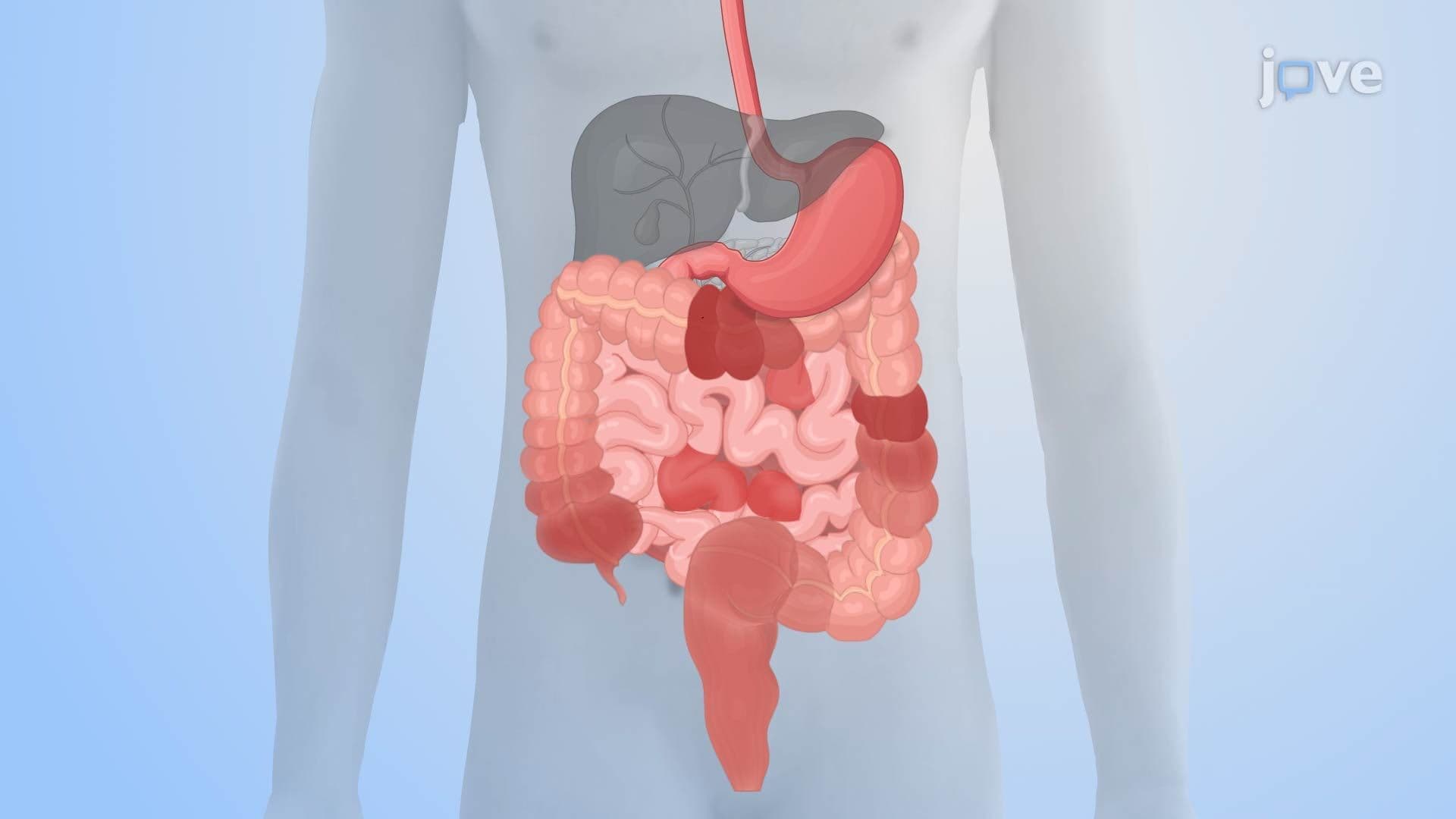
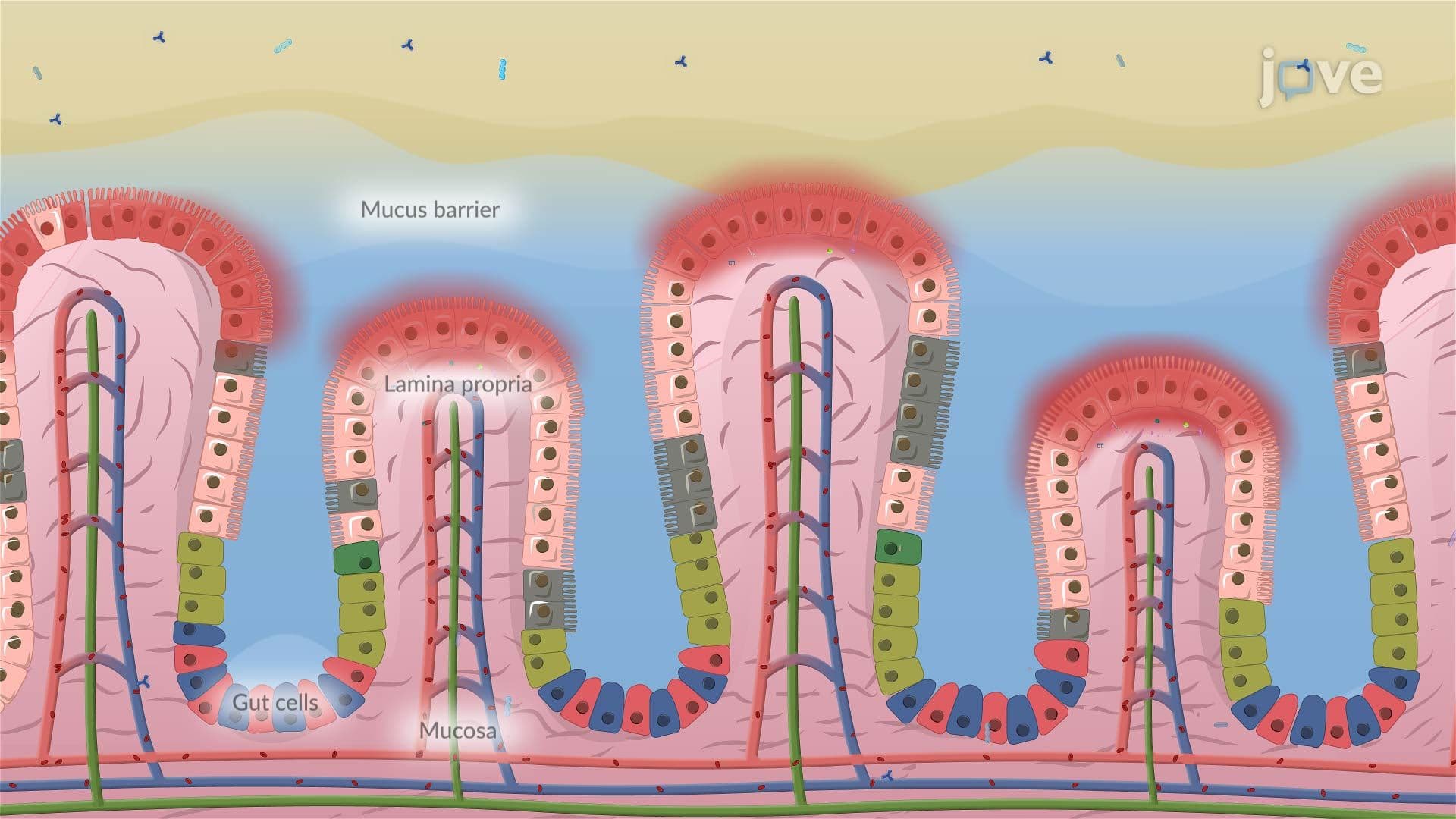
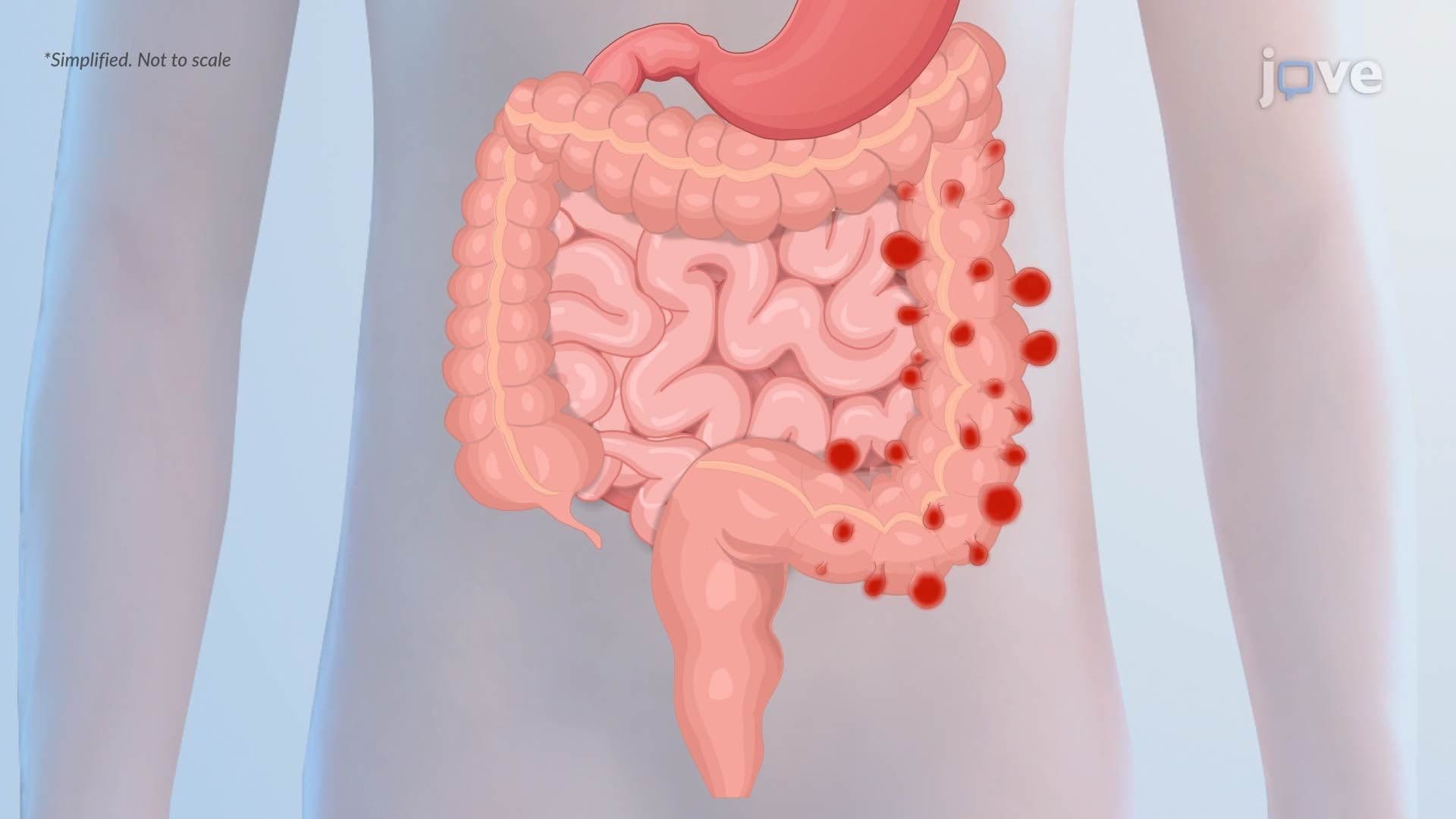
Understanding peptic ulcer disease pathophysiology is foundational for grasping related gastrointestinal conditions. For example, the mucosal damage mechanisms in PUD share conceptual overlap with GERD (gastroesophageal reflux disease), where acid overwhelms esophageal defenses rather than gastric ones. Similarly, chronic inflammation from *H. pylori* illustrates immune dysregulation principles relevant to inflammatory bowel disease (IBD) and gastrointestinal bleeding management. Celiac disease, by contrast, shows how immune-mediated damage can target the small intestine's lining through a different but structurally analogous mechanism.
For US students, this content is high-yield for AP Biology and AP Human Anatomy courses, college-level microbiology and pathophysiology midterms, and standardized exams like the MCAT and USMLE Step 1, where enzyme mechanisms, immune evasion strategies, and drug mechanisms (COX inhibition) are frequently tested. Mastering the logic of how each pathway disrupts mucosal integrity, rather than memorizing isolated facts, builds the analytical framework examiners reward.
Related Micro-courses