Loading subject page…

4,546 views

Video Summary: Diverticular Disease of the Colon Explained
Did you know that nearly 50% of Americans over age 60 have small pouches forming in their colon walls, most without ever knowing it? Diverticular disease of the colon begins when pressure forces the colon's inner lining through weak spots in the muscle wall. At Johns Hopkins Medical Center, clinicians link this condition directly to low-fiber Western diets. Watch the full video on JoVE Coach to master this concept with expert-led visuals and step-by-step explanations.
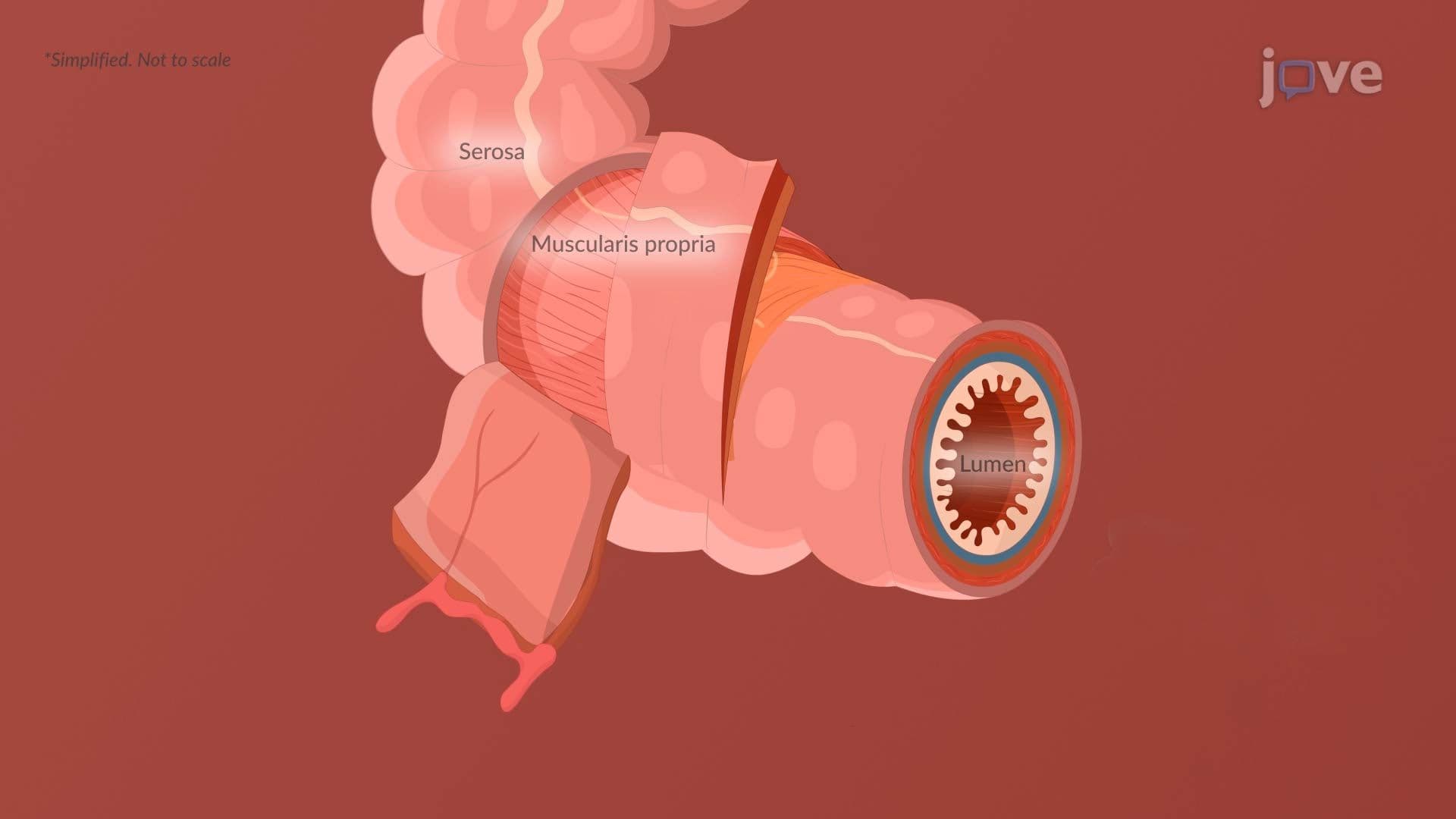
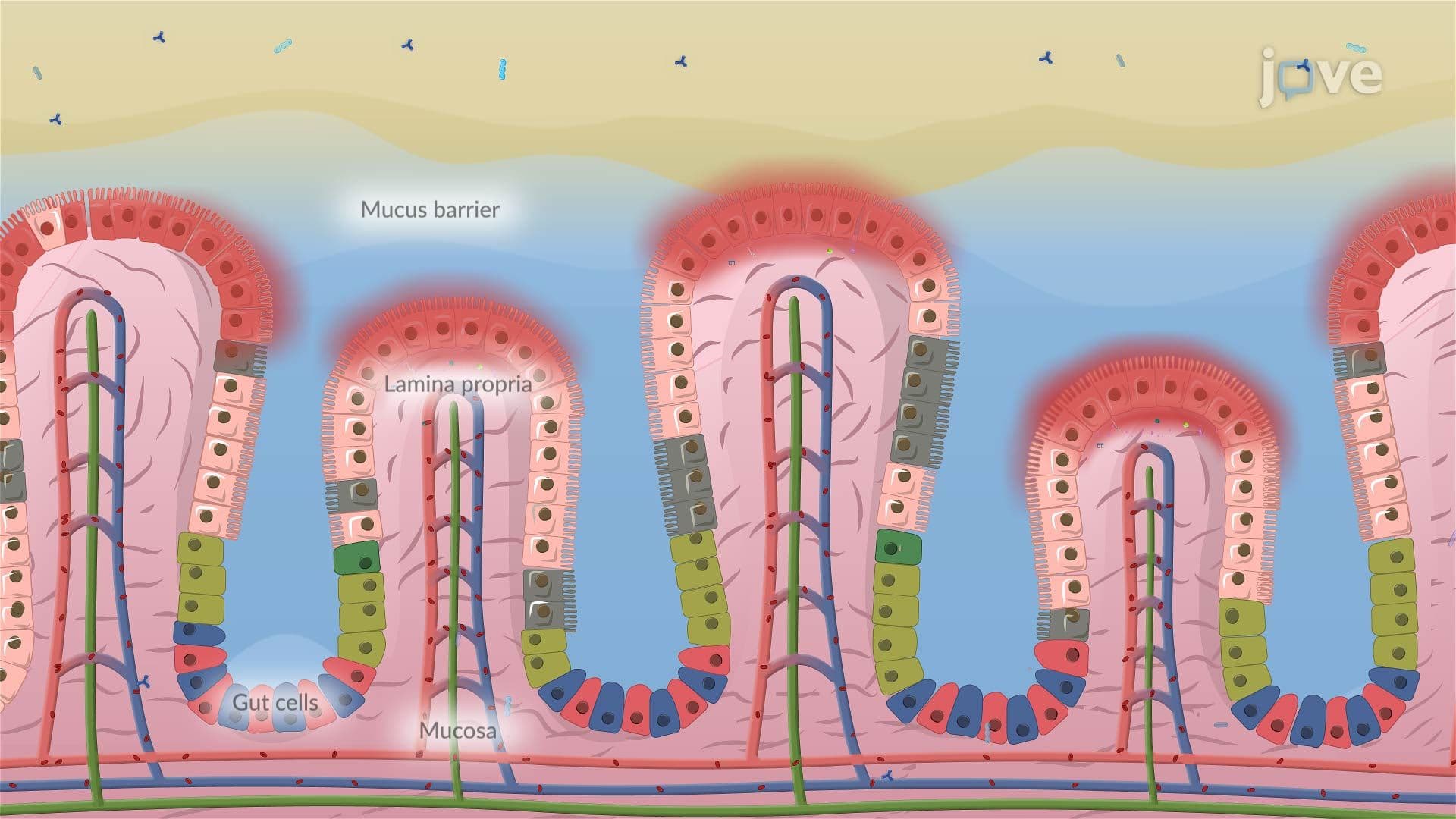
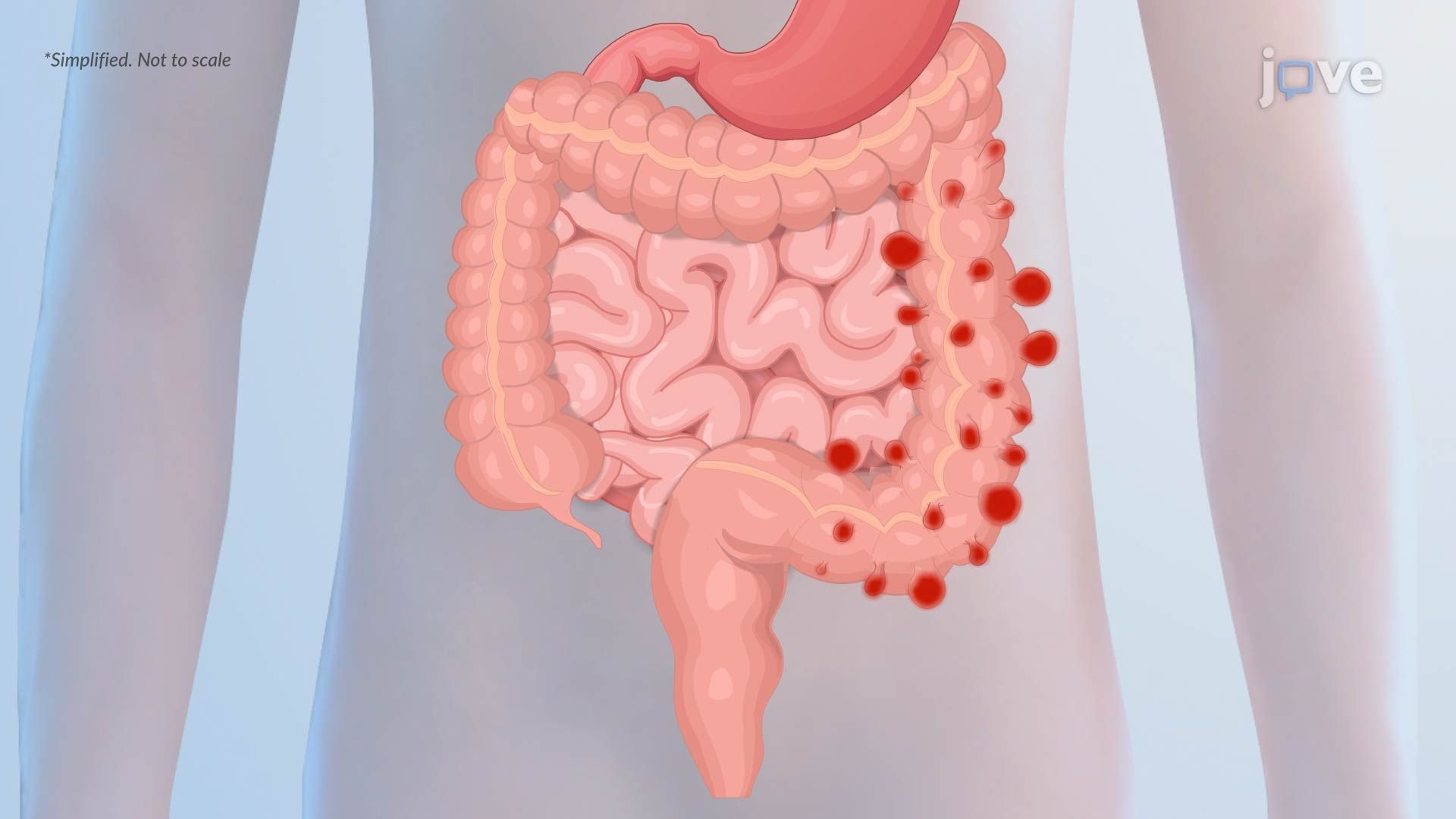
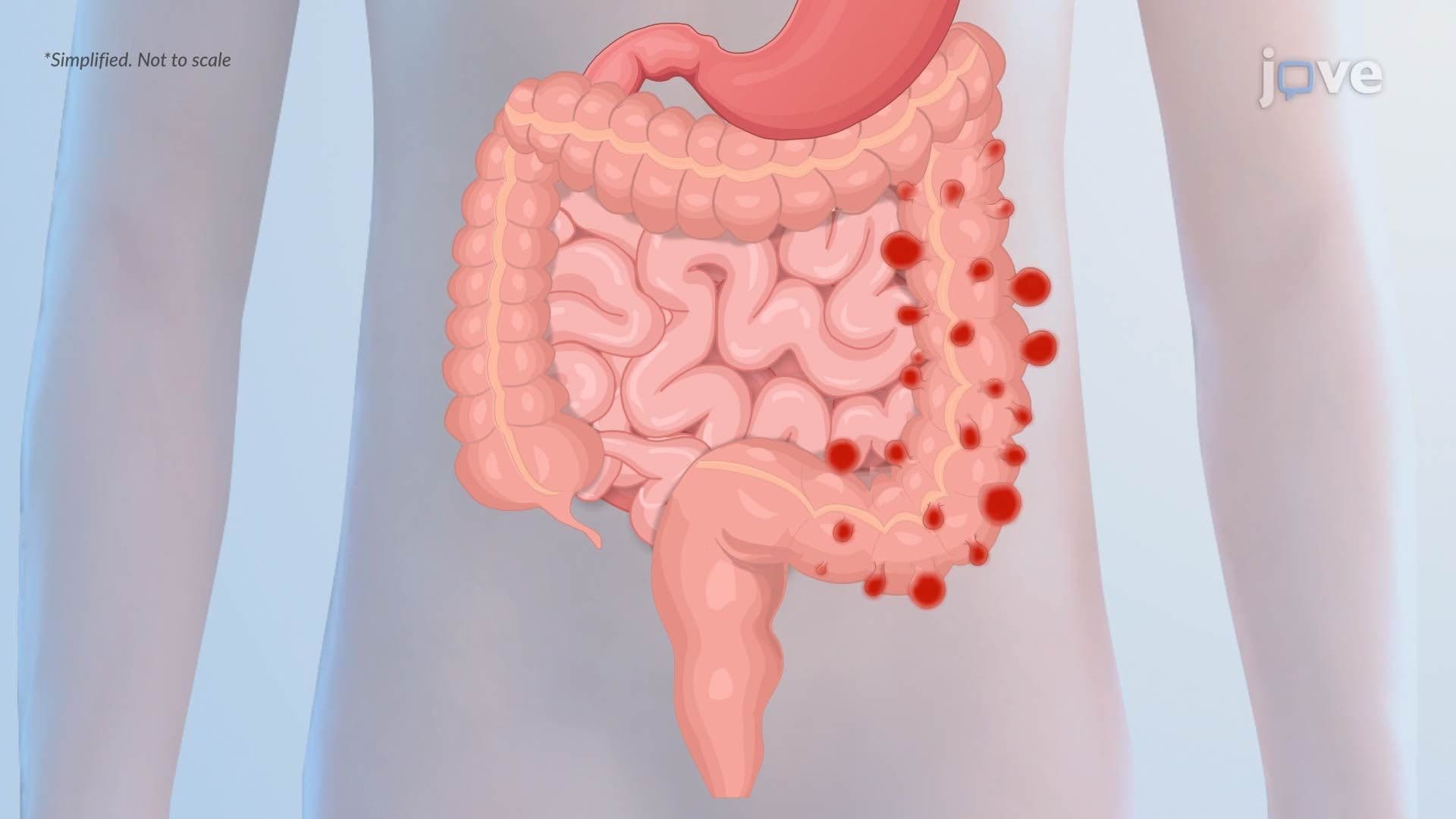
Diverticular disease of the colon is one of the most prevalent gastrointestinal conditions in the United States, yet it remains widely misunderstood, even among students who've already studied basic digestive anatomy. At its core, this disease involves structural failure of the colon wall under repeated pressure, leading to the outward bulging of the mucosal and submucosal layers through weakened points in the muscular wall. Understanding this condition requires connecting anatomy, physics, and physiology in a way that mirrors real clinical reasoning.
One of the most important concepts in understanding diverticular disease is the Law of Laplace, which states that wall tension in a hollow tube is directly proportional to the internal pressure and radius of that tube. In plain terms: a narrower tube experiences *greater* pressure per unit of wall area when the same force is applied. This is exactly why the sigmoid colon, the narrowest segment of the large intestine, is the most common site for diverticula formation. When a person strains during a bowel movement or regularly consumes a low-fiber diet that reduces stool bulk, intraluminal pressure spikes. The inner lining of the colon has no choice but to find the path of least resistance, and that path runs through weak spots in the muscular wall, typically at sites where blood vessels penetrate the muscle layer.
Diverticular disease is not a one-time event, it's a progressive process. As the condition develops, the circular muscle layer of the colon thickens in response to chronic pressure. The taeniae coli, three longitudinal bands of muscle that run along the outside of the large intestine, gradually shorten. These changes are compounded by increasing deposits of collagen and elastin, which stiffen the colon wall and reduce its natural flexibility. A stiffer colon cannot contract and relax efficiently, which impairs normal motility. This leads to increased segmentation, the colon essentially trapping pockets of contents under higher local pressure, which in turn drives the formation of even more diverticula. It's a self-reinforcing cycle.
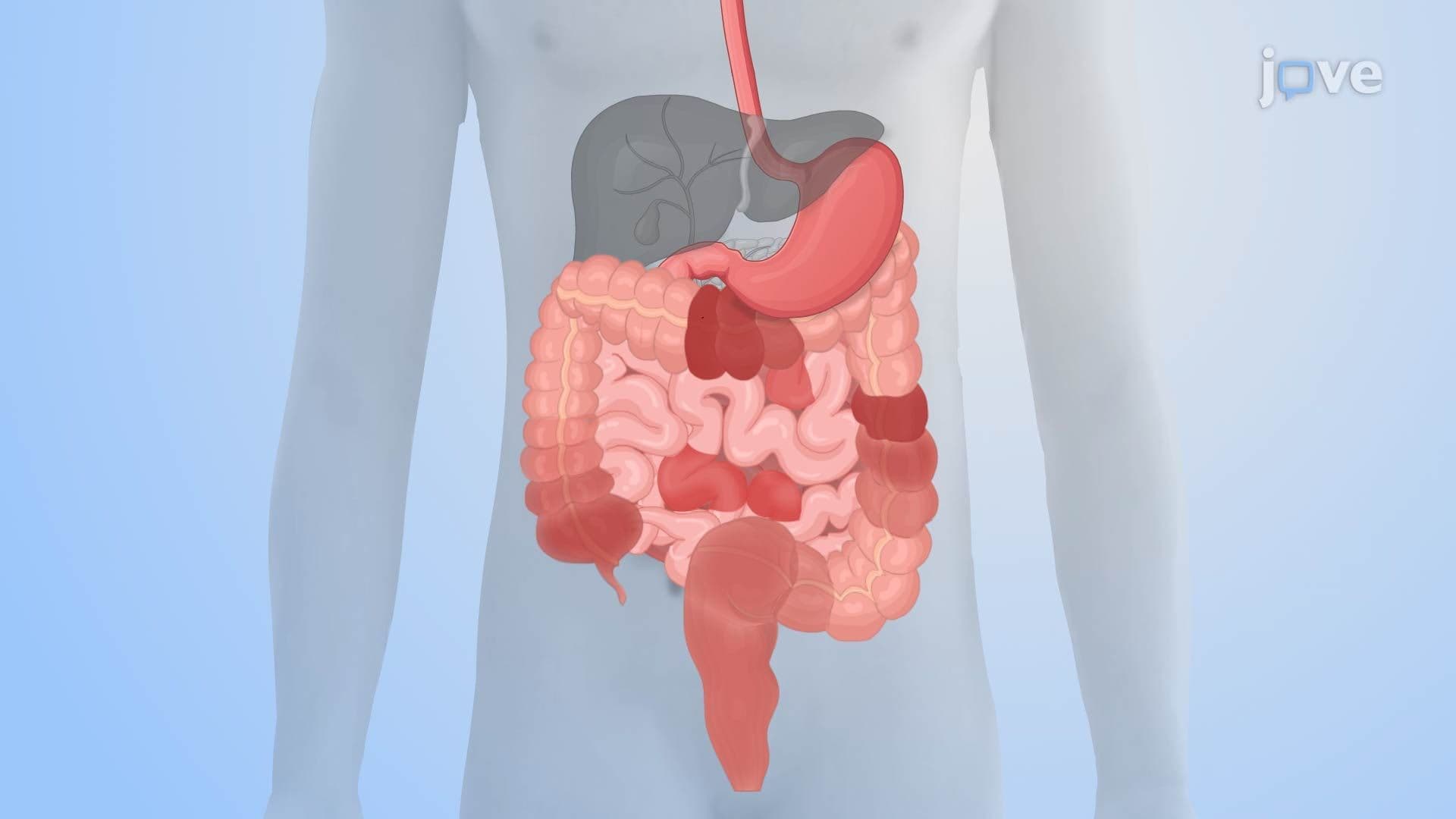
Students preparing for college-level biology, pre-med coursework, or standardized exams like the MCAT or USMLE Step 1 often need to distinguish diverticular disease from other gastrointestinal disorders. Unlike inflammatory bowel disease (IBD), which includes Crohn's disease and ulcerative colitis and involves autoimmune-driven chronic inflammation throughout the GI tract, diverticular disease is primarily mechanical and pressure-driven. Unlike peptic ulcer disease, which targets the stomach and duodenum through acid erosion, diverticular disease is localized to the colon wall's structural integrity. Gastrointestinal bleeding can be a complication of advanced diverticular disease, making it clinically relevant to distinguish from bleeding caused by celiac disease or GERD. On AP Biology exams and college anatomy and physiology midterms, these distinctions frequently appear as comparison questions.
According to the American Gastroenterological Association, diverticular disease accounts for approximately 300,000 hospitalizations per year in the United States and is one of the top five most costly GI conditions in the US healthcare system. Diverticulitis, the inflamed form, typically presents with left lower quadrant pain, fever, and changes in bowel habits. US emergency departments regularly manage acute diverticulitis, and understanding this disease is a foundational requirement in NCLEX prep for nursing students and HESI A2 and TEAS test takers studying the digestive system. For high school students in AP Biology or Health Science pathways, this topic bridges anatomy, nutrition, and disease prevention in a deeply practical way.
Related Micro-courses