Loading video…

 29 Concepts
 4.5K views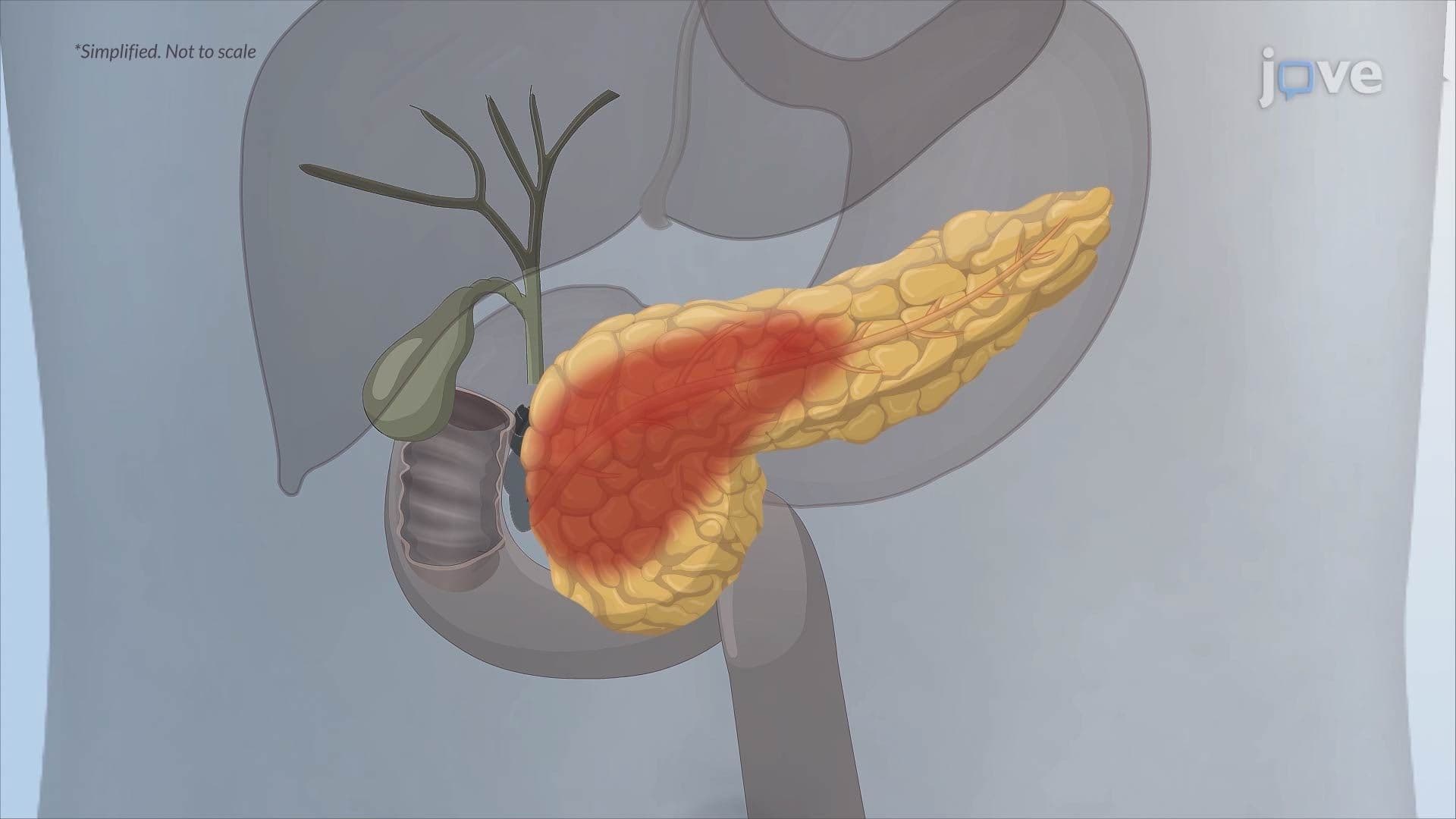

Video Summary: What Is Chronic Pancreatitis I
Did you know that years of seemingly mild pancreatic stress can silently destroy the organ's ability to digest food and regulate blood sugar? Chronic pancreatitis I basics reveal how this progressive inflammatory condition develops through repeated tissue injury, enzyme misfiring, and eventual scarring. In the US, chronic alcohol use drives most cases, making it a critical topic in gastroenterology and pre-med coursework. Watch the full video on JoVE Coach to master this concept with expert-led visuals and step-by-step explanations.
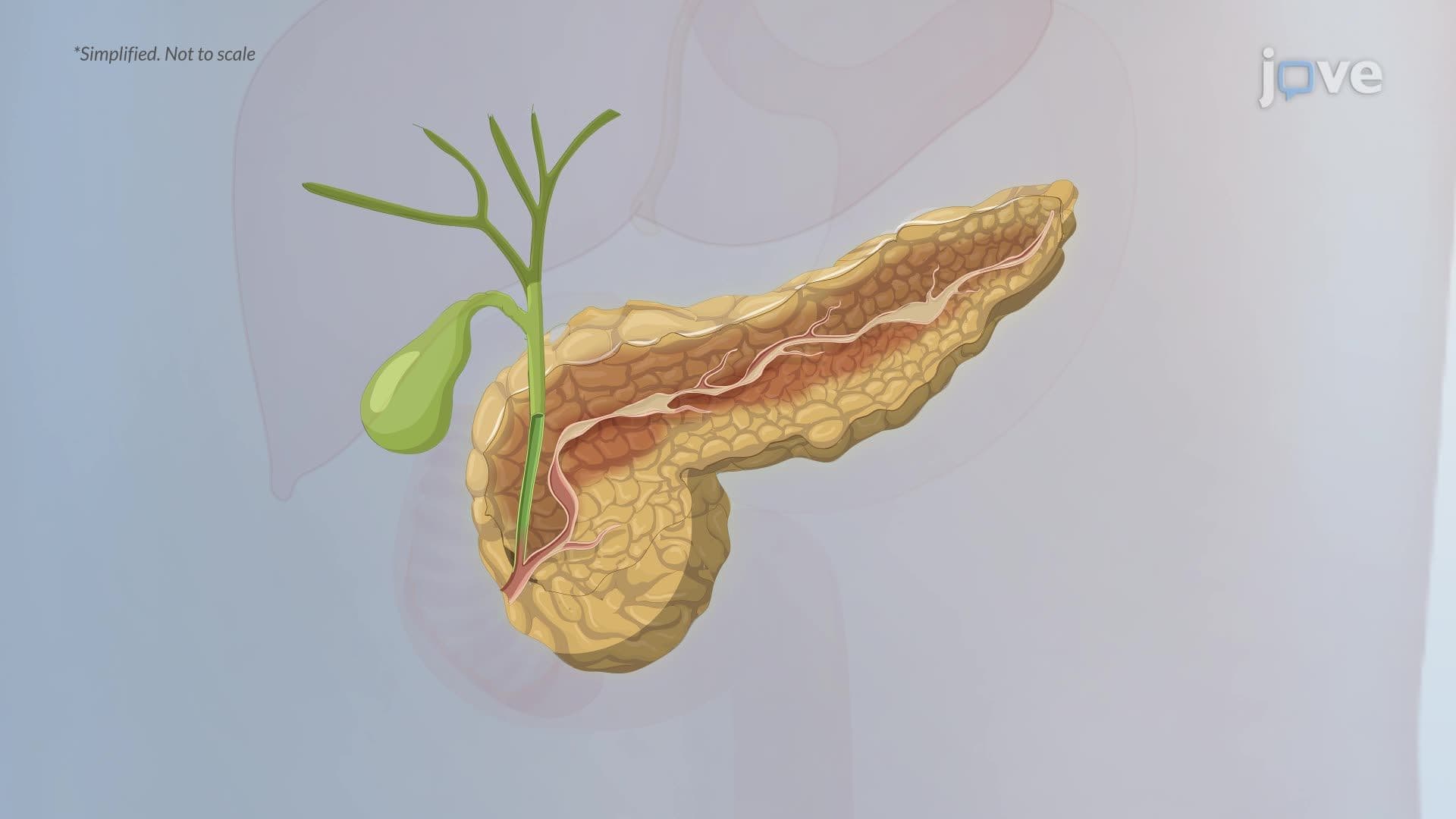
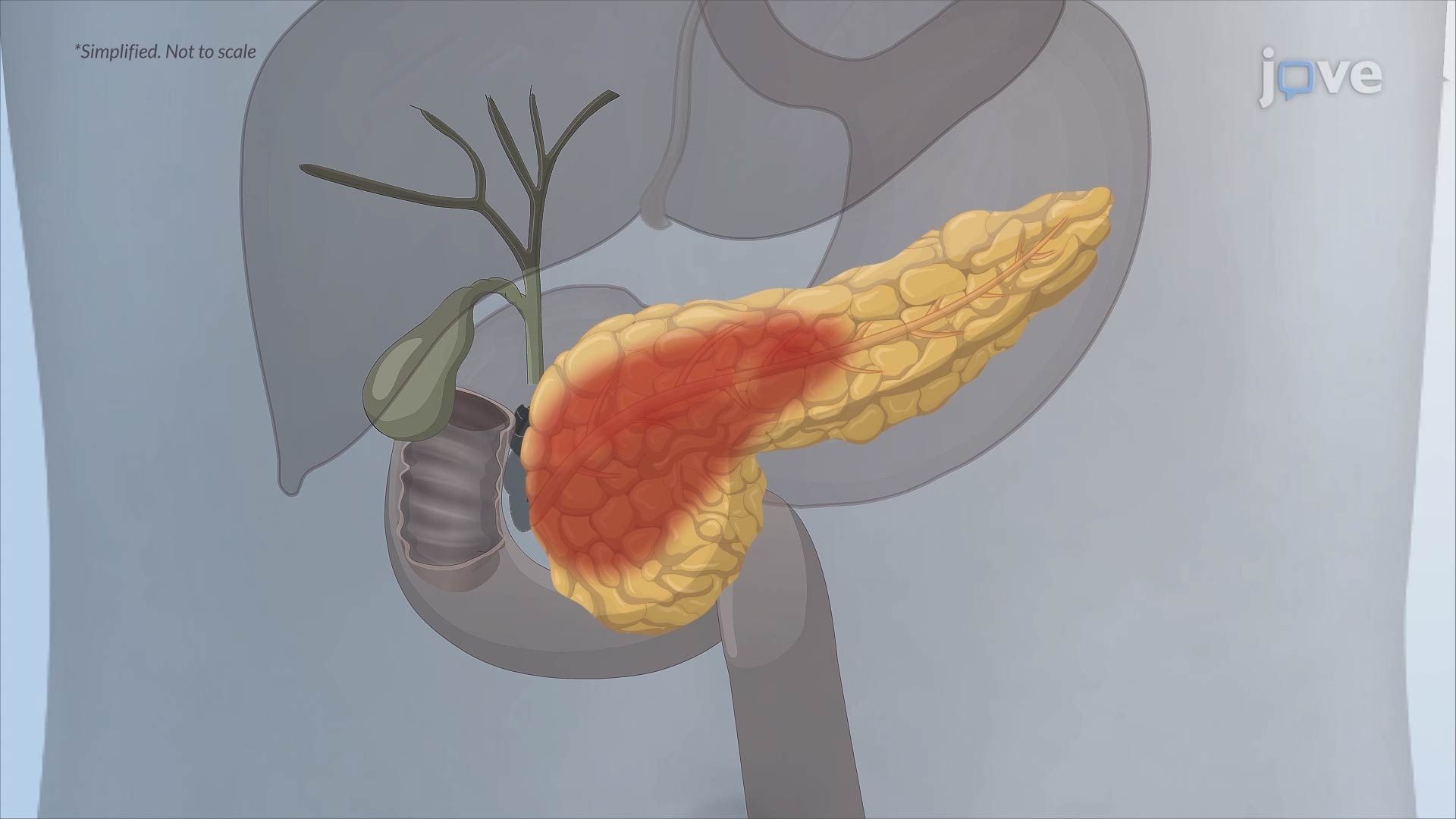
Chronic Pancreatitis I refers to the foundational understanding of a progressive, irreversible inflammatory disease of the pancreas. Unlike acute pancreatitis, which is a sudden and often self-limiting event, chronic pancreatitis involves sustained cycles of injury, inflammation, and repair that ultimately destroy normal pancreatic tissue. The result is fibrosis, the replacement of functional cells with scar tissue, and eventual pancreatic atrophy. For students studying human biology, pathophysiology, or preparing for exams like the USMLE, NCLEX, or AP Biology, grasping this concept is essential for understanding broader gastrointestinal disease.
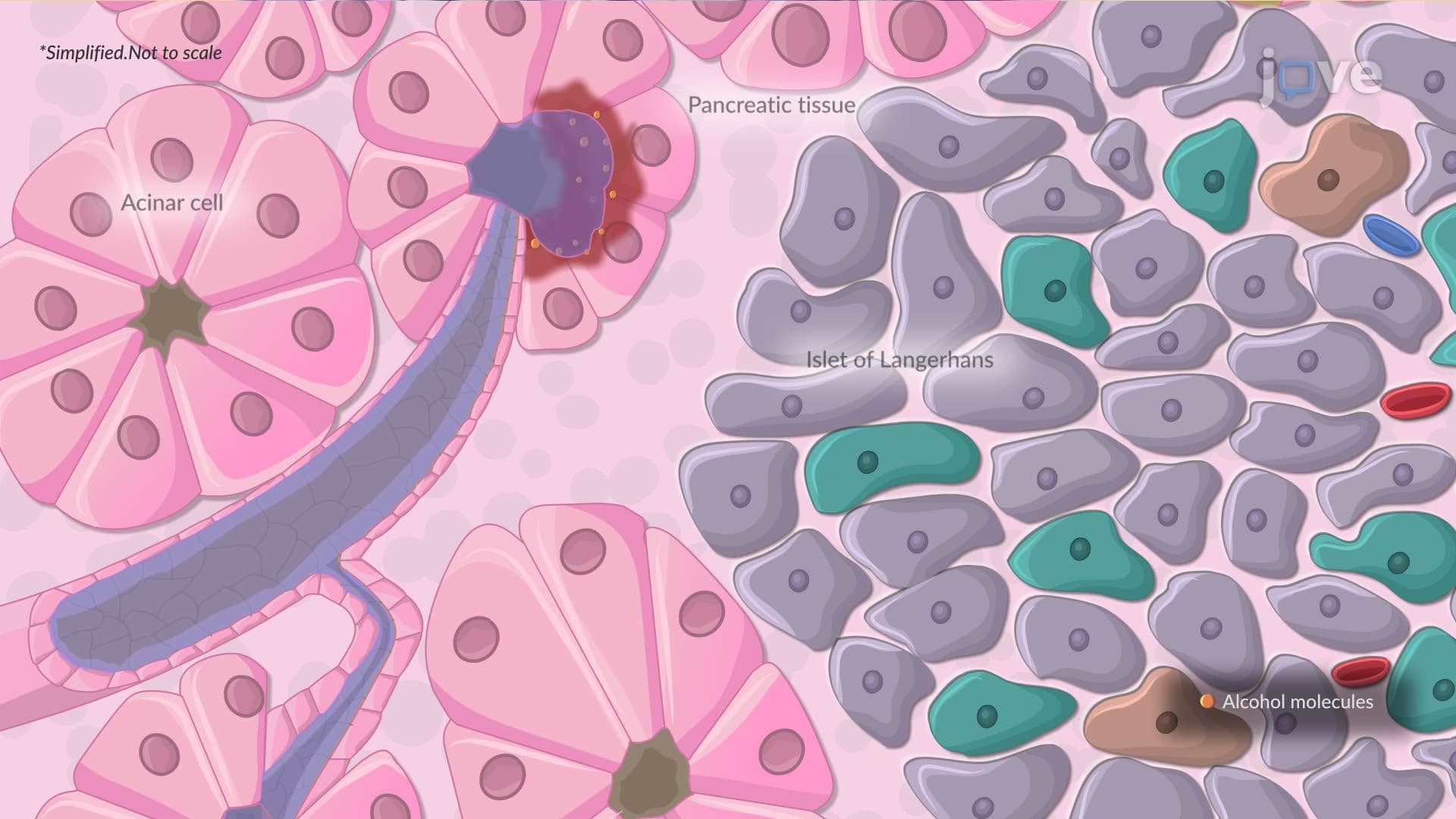
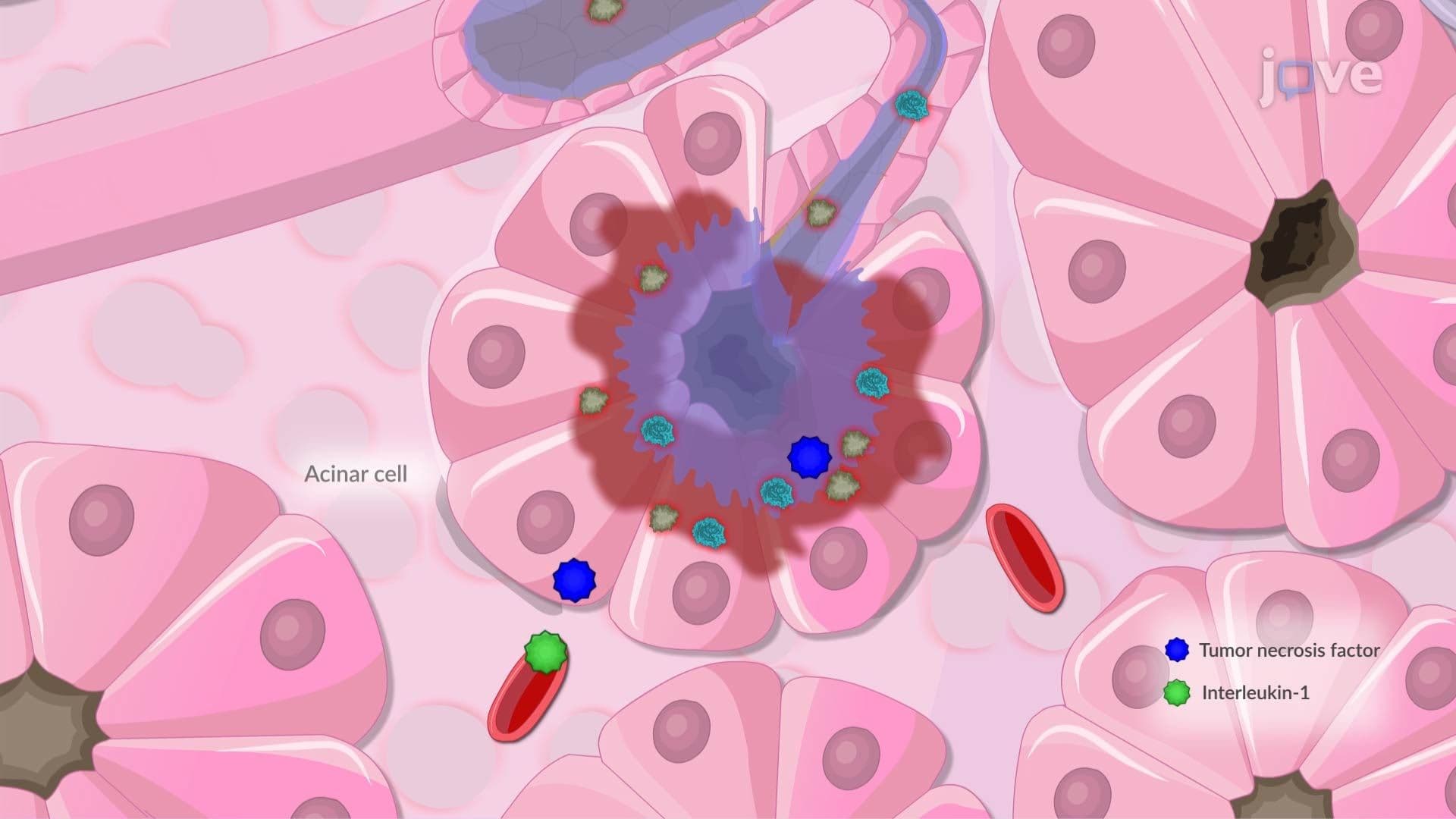
At the cellular level, chronic pancreatitis begins with the premature activation of digestive enzymes inside the pancreas itself. Under normal conditions, enzymes like trypsin are released in inactive forms and only become active in the small intestine. When this process misfires, due to alcohol toxicity, ductal blockage, or other triggers, active enzymes begin digesting pancreatic tissue, a process called autodigestion. This triggers immune activation, drawing inflammatory cells to the site. Repeated cycles of this process lay down fibrous tissue, progressively stiffening and shrinking the organ. In US clinical settings, gastroenterologists often use imaging like CT scans or MRCP (Magnetic Resonance Cholangiopancreatography) to visualize calcifications and ductal changes that confirm this damage.
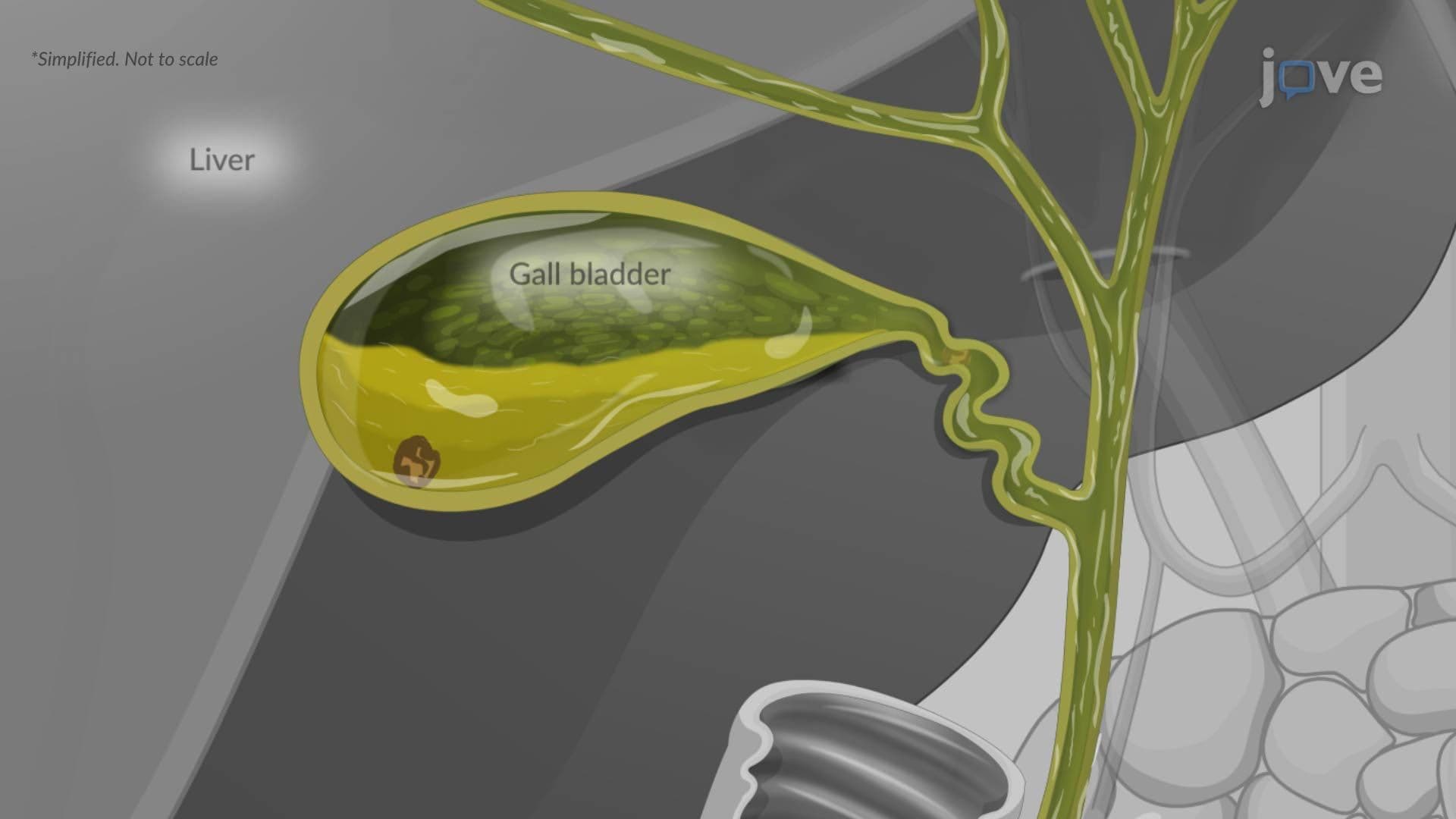
Chronic alcohol use is the single most common identifiable cause of chronic pancreatitis in the United States, accounting for roughly 70% of cases according to data from the American Gastroenterological Association. However, alcohol is far from the only culprit. Hypertriglyceridemia, elevated blood triglycerides, often seen in patients with poorly managed metabolic syndrome, can precipitate repeated enzyme activation. Smoking independently doubles the risk of developing chronic pancreatitis and accelerates progression. Ductal obstruction (from gallstones or tumors) and hypercalcemia also impair enzyme flow, promoting premature activation. Importantly, a significant proportion of patients have no identifiable cause, classified as idiopathic chronic pancreatitis. This category is common in younger patients and is an active area of genetic research.
The clinical picture of chronic pancreatitis extends well beyond abdominal discomfort. Pain is typically felt in the upper abdomen and may radiate to the back, a pattern students often encounter in USMLE and NCLEX clinical vignettes. As exocrine function declines, the pancreas can no longer produce sufficient digestive enzymes, leading to fat malabsorption. This presents as steatorrhea (foul-smelling, greasy stools), bloating, and significant unintentional weight loss. Students should distinguish this from other conditions with similar presentations, such as celiac disease, peptic ulcer disease, and inflammatory bowel disease (IBD), which also involve malabsorption but through different mechanisms. Endocrine dysfunction emerges when insulin-producing beta cells are destroyed, resulting in diabetes mellitus, a complication sometimes called pancreatogenic or Type 3c diabetes. This makes chronic pancreatitis a systemic disease with both digestive and metabolic consequences, reinforcing its importance in comprehensive health science curricula.
Related Micro-courses