Loading video…

 29 Concepts
 4.5K views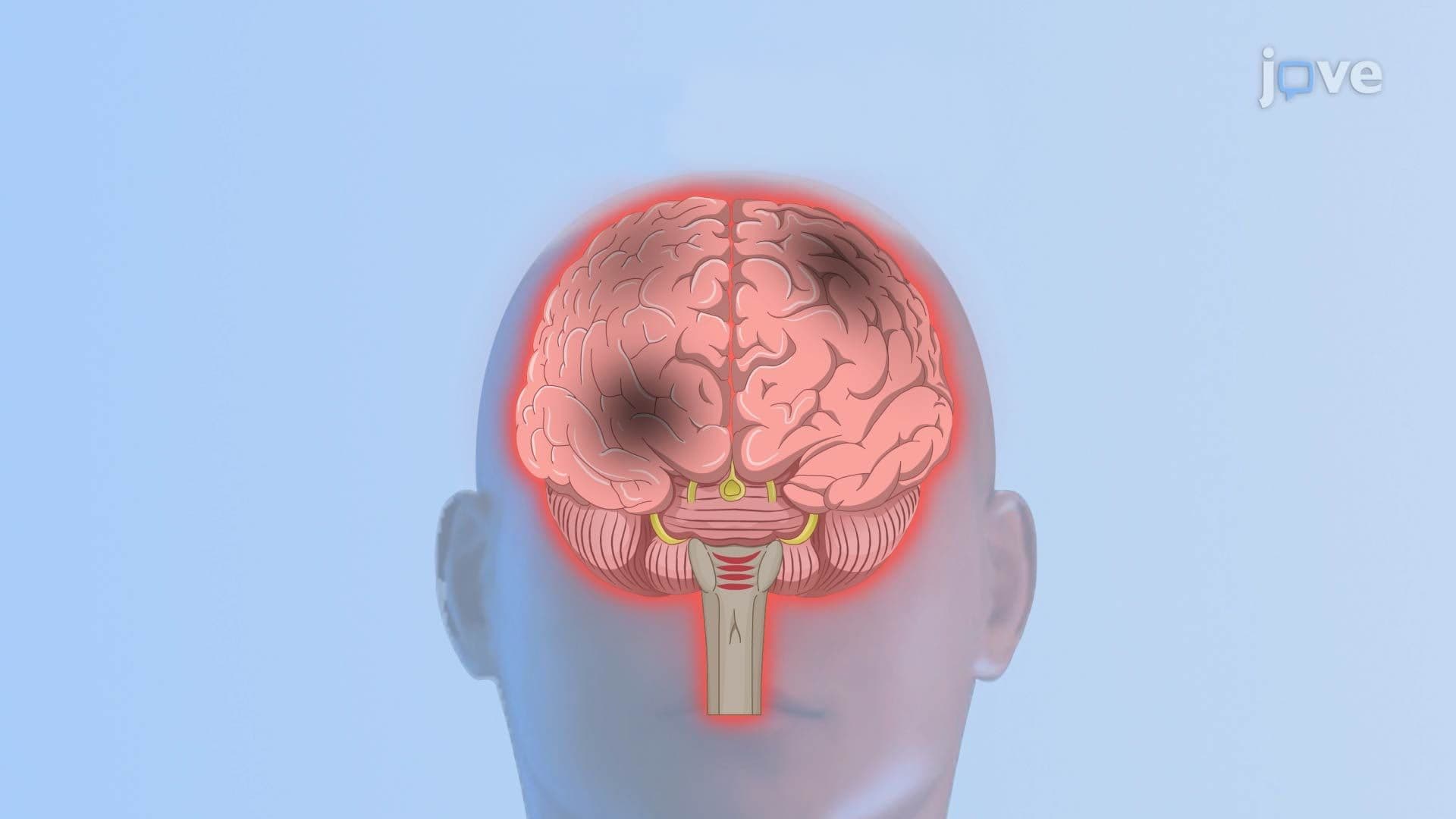

Video Summary: What Is Hepatic Encephalopathy
Did you know your liver silently filters hundreds of toxins every day, and when it fails, your brain pays the price? Hepatic encephalopathy is a reversible brain disorder triggered by severe liver dysfunction, causing confusion, memory loss, and motor problems. In the US, it affects thousands of cirrhosis patients annually, often leading to hospital readmissions. Watch the full video on JoVE Coach to master this concept with expert-led visuals and step-by-step explanations.
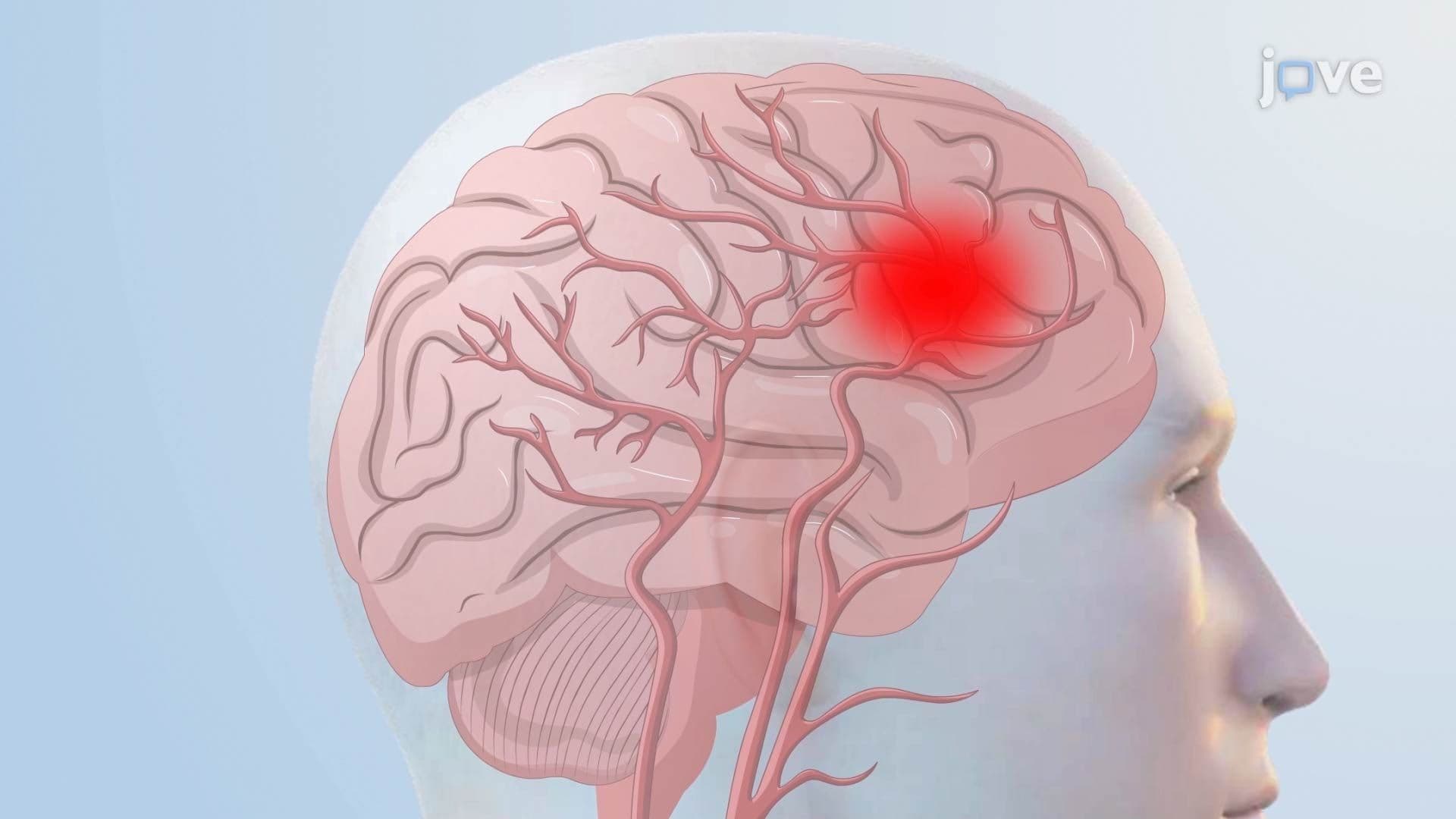
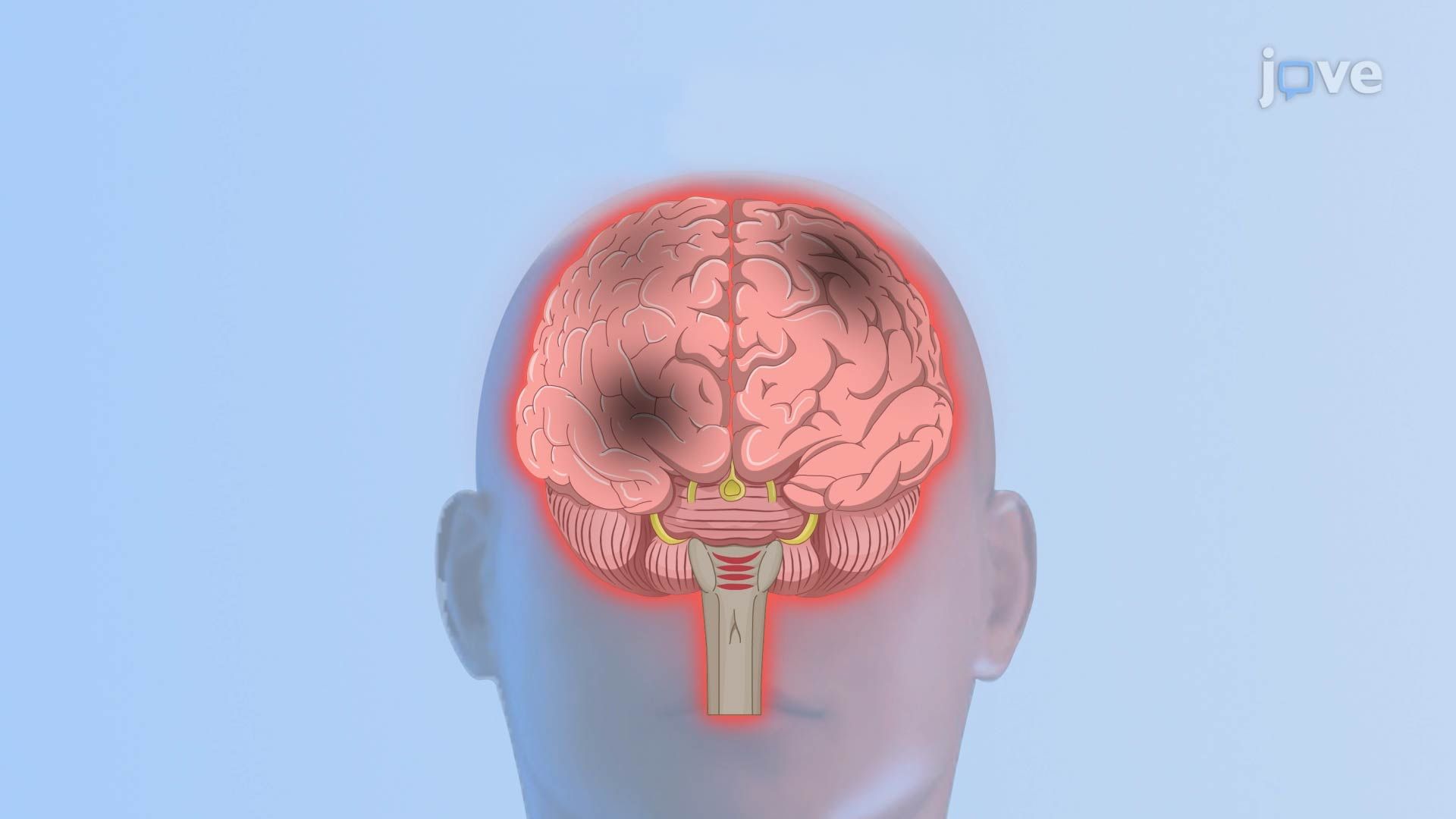
Hepatic encephalopathy (HE) is a reversible neuropsychiatric syndrome that develops when a severely damaged or failing liver can no longer adequately filter toxic byproducts from the bloodstream. The result is a cascade of neurological disturbances, ranging from mild confusion and personality changes to deep coma. For students in biology, anatomy, or pre-health tracks, understanding HE bridges core concepts in biochemistry, neuroscience, and clinical medicine.
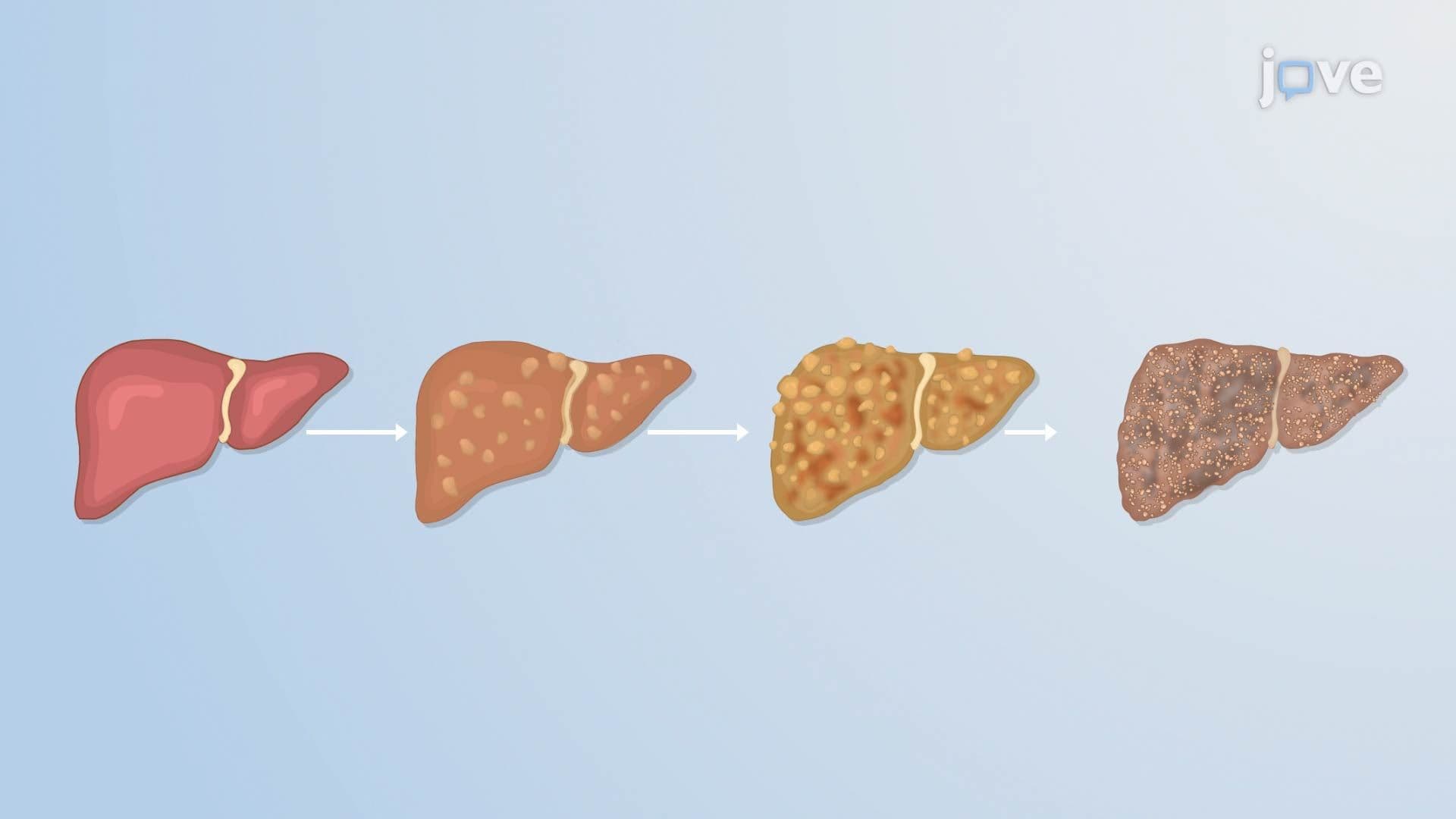
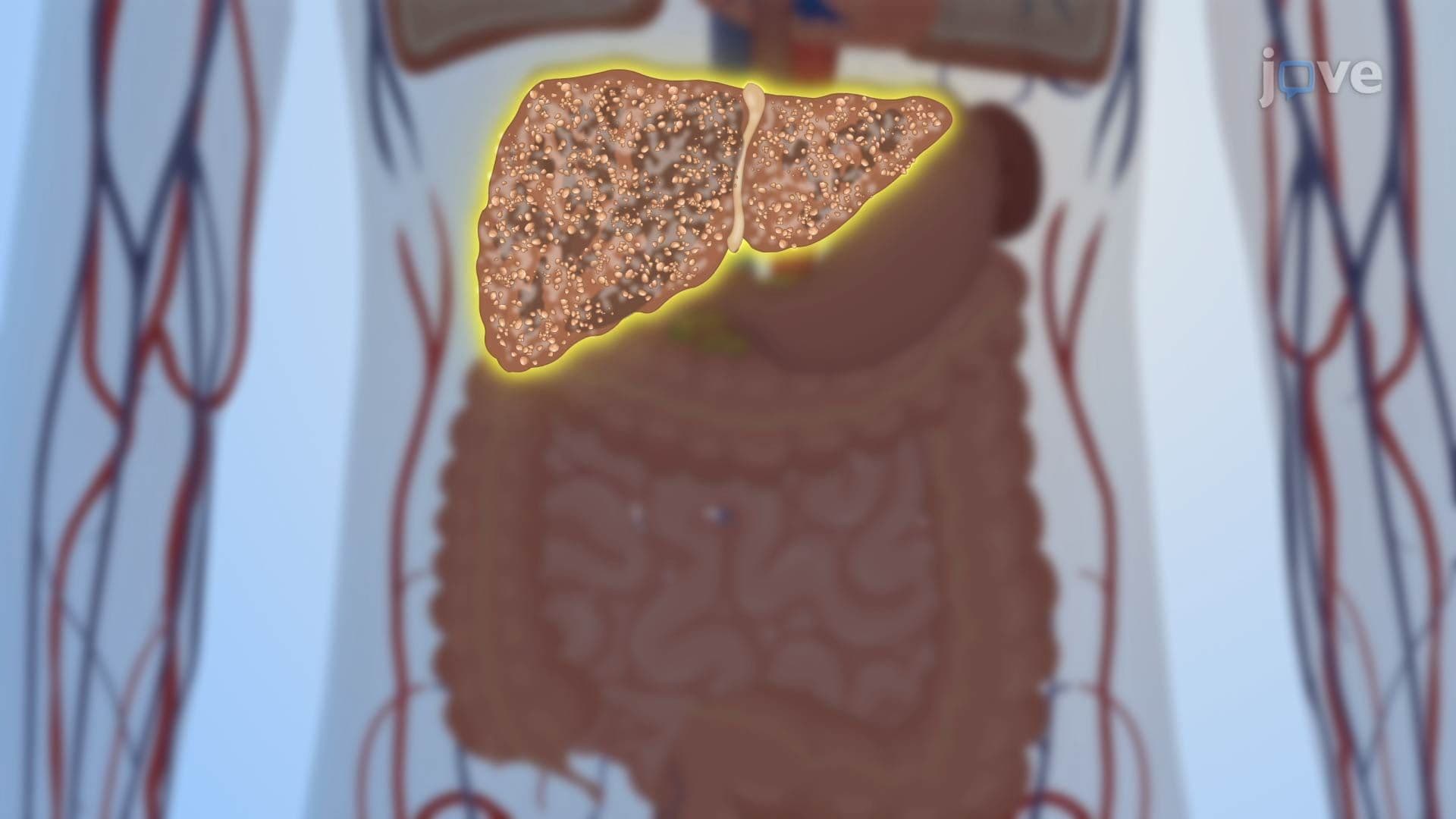
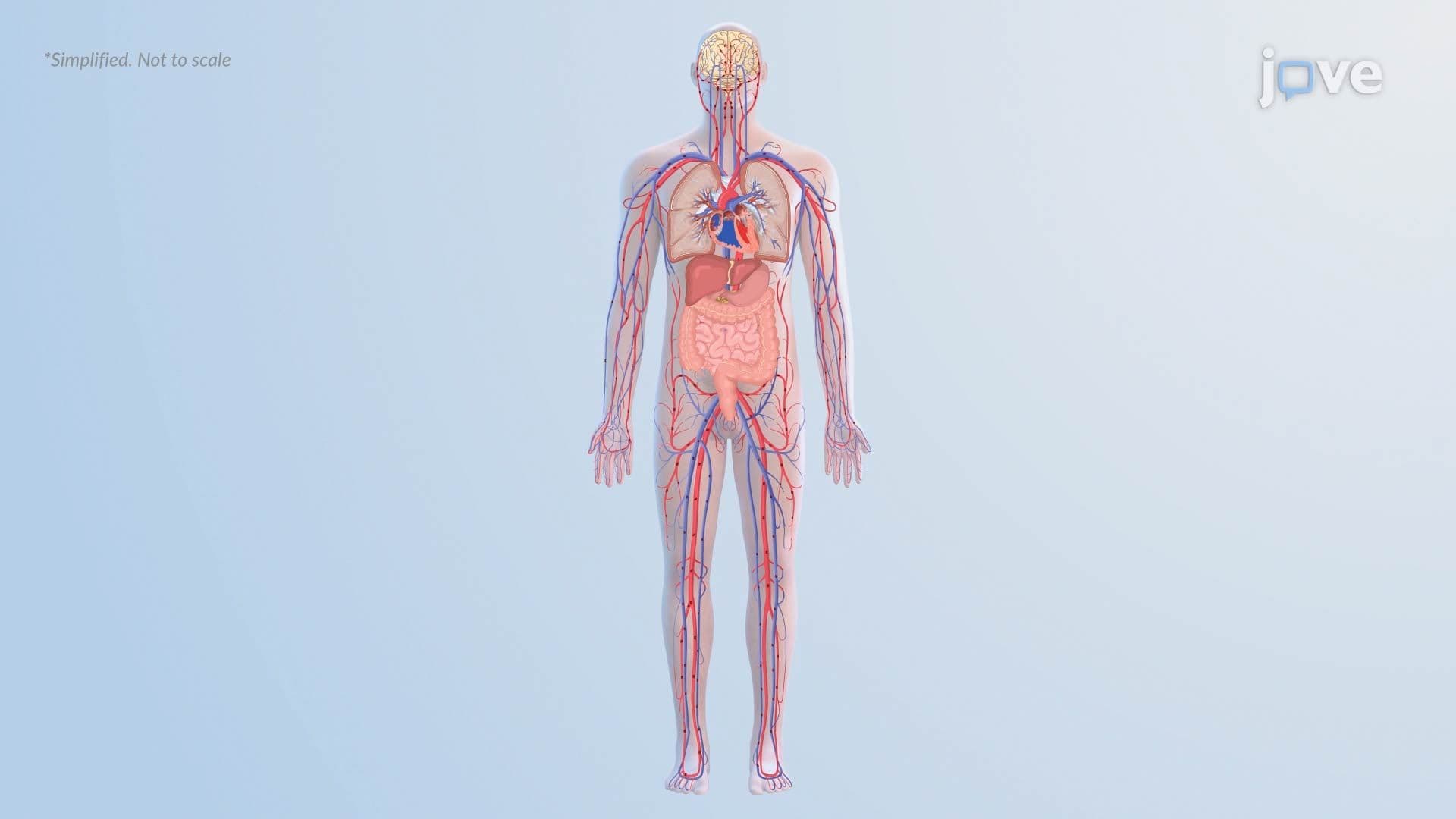
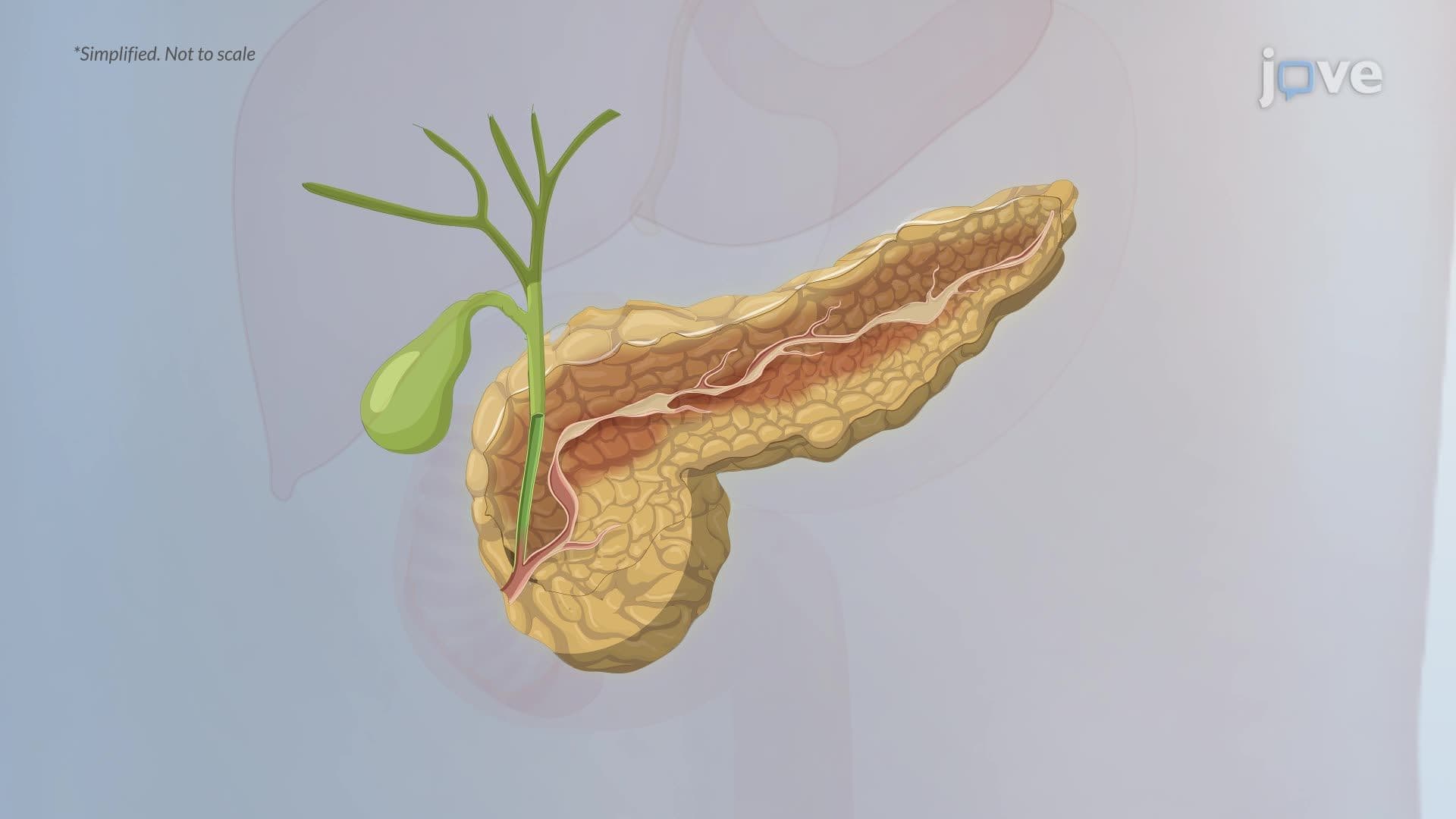
The liver performs over 500 functions, including detoxifying ammonia, a waste product generated during the breakdown of dietary proteins and amino acids. In healthy individuals, the liver converts ammonia into urea through the urea cycle, which is then excreted by the kidneys. In patients with cirrhosis or acute liver failure, conditions that affect approximately 4.5 million Americans, this detoxification process breaks down. Ammonia builds up in the bloodstream and crosses the blood-brain barrier, where it accumulates in astrocytes, the support cells of the brain.
Inside astrocytes, the enzyme glutamine synthetase converts excess ammonia into glutamine. While this is an attempt to neutralize ammonia, the buildup of glutamine causes osmotic stress, leading to astrocyte swelling and cerebral edema. This physical swelling disrupts neural signaling networks and impairs the brain's ability to regulate cognition, alertness, and motor control.
Beyond cellular swelling, ammonia directly alters cerebral blood flow and disrupts energy metabolism at the neuronal level, starving brain cells of the fuel they need to function. Simultaneously, the dysfunctional liver allows neuroinhibitory substances, compounds with GABA-like activity, to accumulate in circulation. These molecules enhance inhibitory neurotransmission by binding to or mimicking GABA receptors, the brain's primary "brake" system.
The result is excessive GABAergic signaling, which suppresses arousal pathways, impairs memory consolidation, and causes disorientation. This mechanism is conceptually similar to how benzodiazepines work, a useful comparison point for students studying pharmacology or preparing for the MCAT.
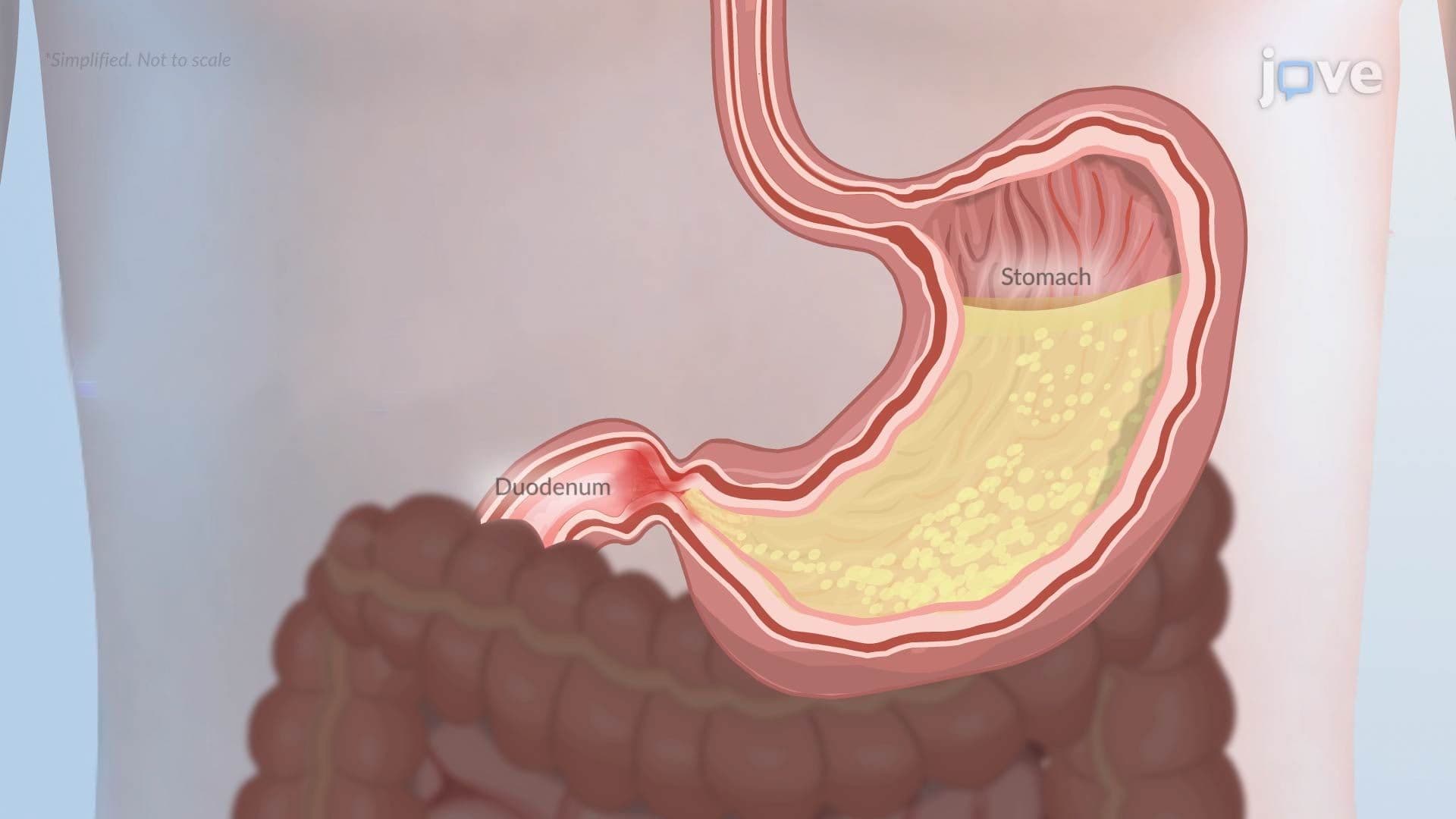
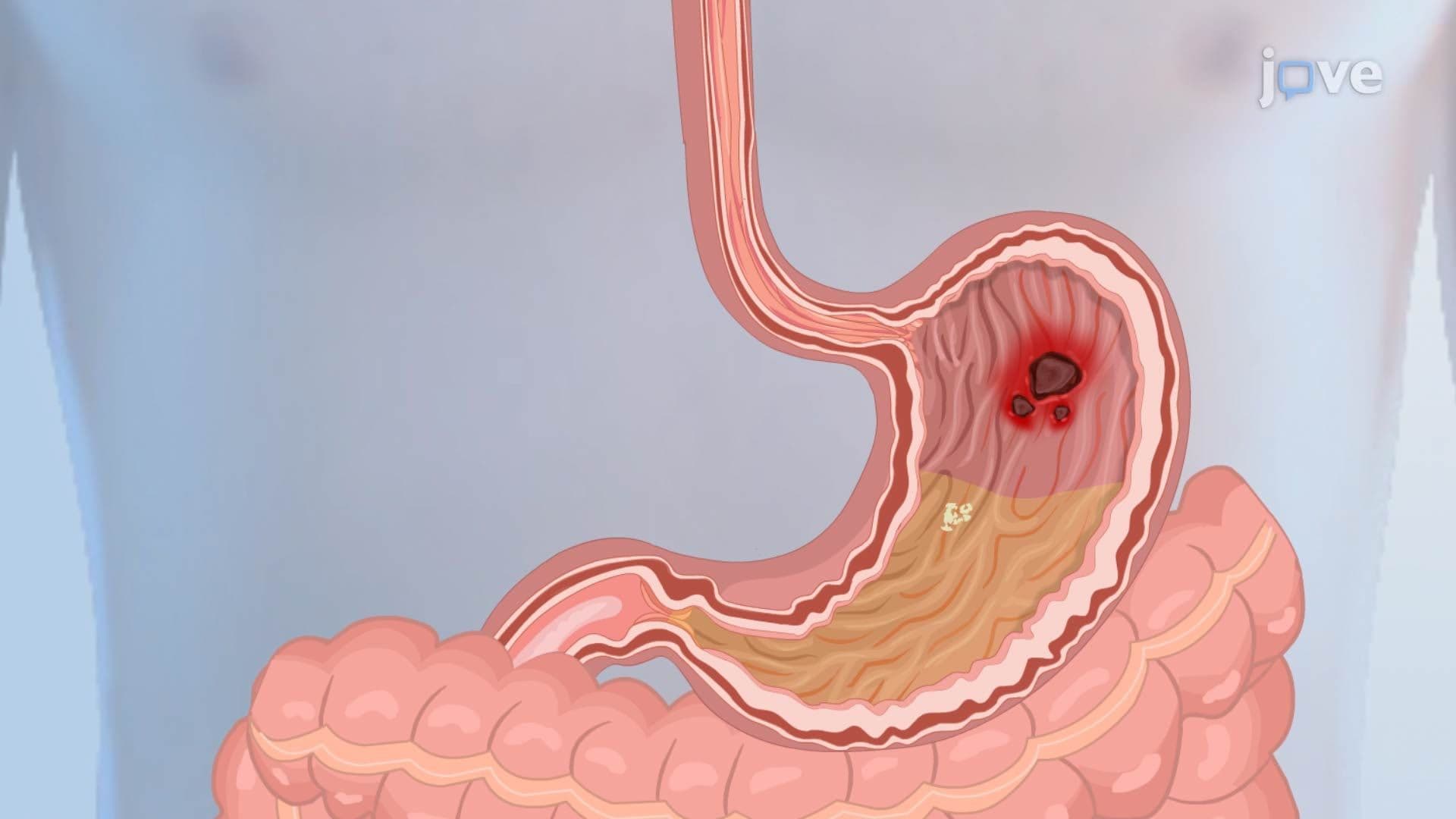
HE rarely occurs in isolation. In clinical settings across the US, it is frequently triggered by identifiable events, including gastrointestinal bleeding (such as from peptic ulcer disease or esophageal varices), systemic infections, electrolyte imbalances like hyponatremia or hypokalemia, and constipation. Notably, the placement of a transjugular intrahepatic portosystemic shunt (TIPS), a procedure used to reduce portal hypertension in cirrhosis, can paradoxically increase the risk of HE by redirecting ammonia-rich blood away from liver processing.
Hepatic encephalopathy is a high-yield topic for USMLE Step 1 and Step 2 CK, NCLEX-RN, and college-level pathophysiology courses. It integrates multiple disciplines: biochemistry (the urea cycle), neuroscience (neurotransmitter systems), and clinical medicine (liver disease management). AP Biology students will recognize connections to enzyme function and cellular homeostasis. For undergraduates in pre-med, nursing, or allied health programs, mastering this concept builds a foundation for understanding broader liver pathology and neurological complications of systemic disease.
Related Micro-courses