Loading video…

 29 Concepts
 4.5K views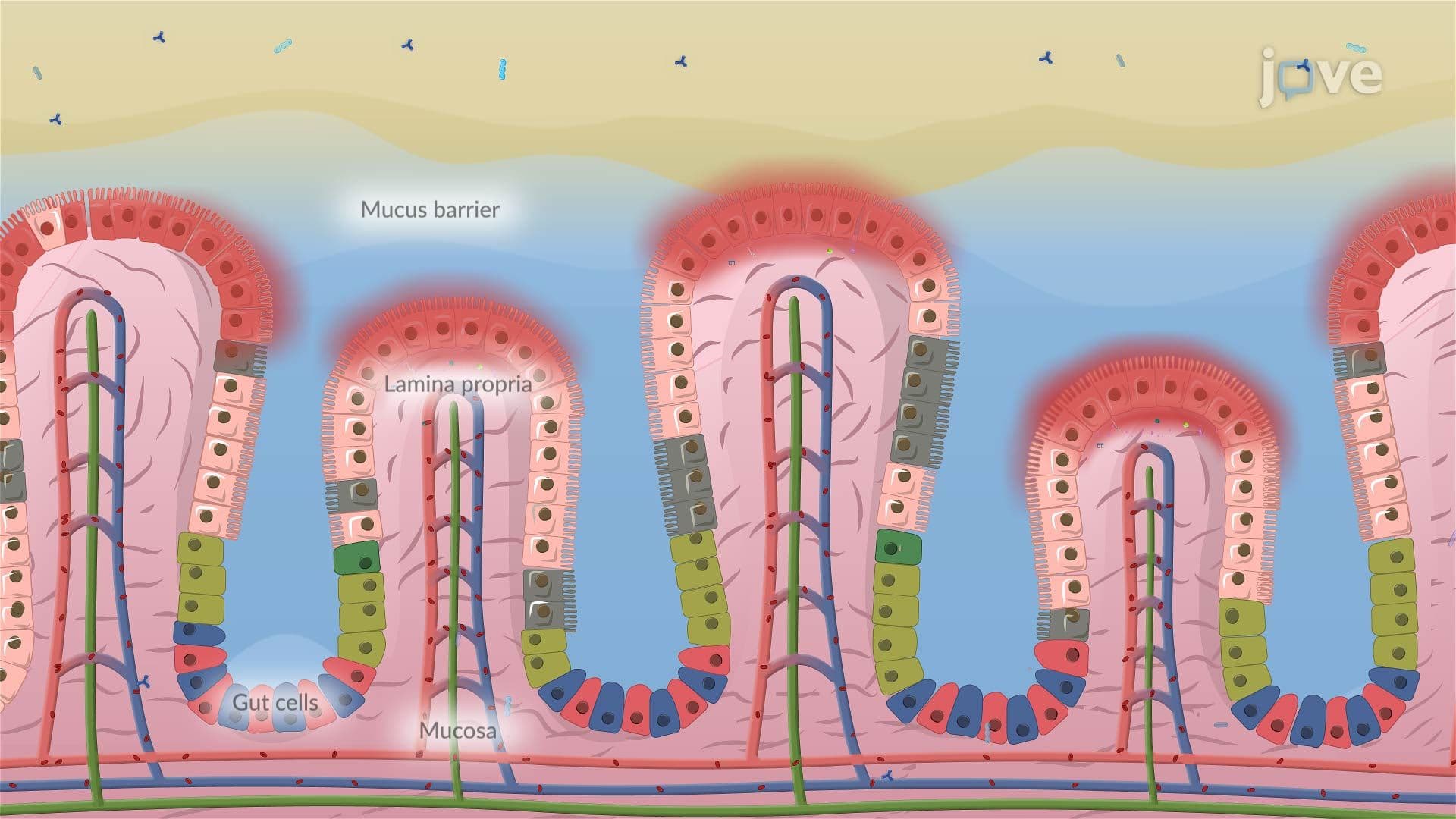

Video Summary: What Is Irritable Bowel Syndrome
Ever wonder why some people experience unpredictable stomach cramps, bloating, and bathroom emergencies before a big exam or stressful event? Irritable Bowel Syndrome is a complex digestive disorder affecting roughly 10-15% of Americans, driven by gut-brain miscommunication, microbial imbalance, and heightened nerve sensitivity in the intestines. What Is Irritable Bowel Syndrome? It's one of the most misunderstood GI conditions in the US today. Watch the full video on JoVE Coach to master this concept with expert-led visuals and step-by-step explanations.
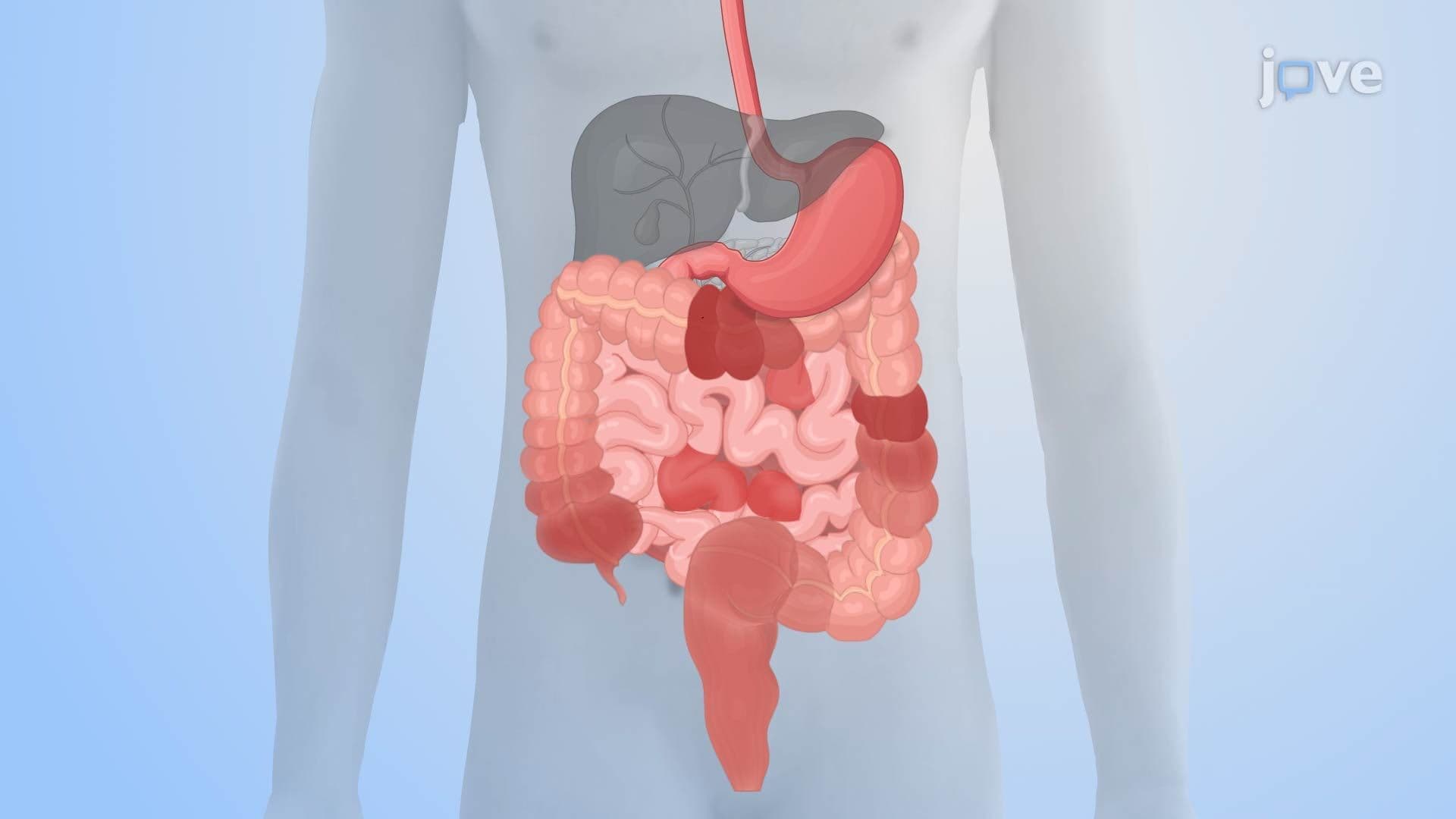
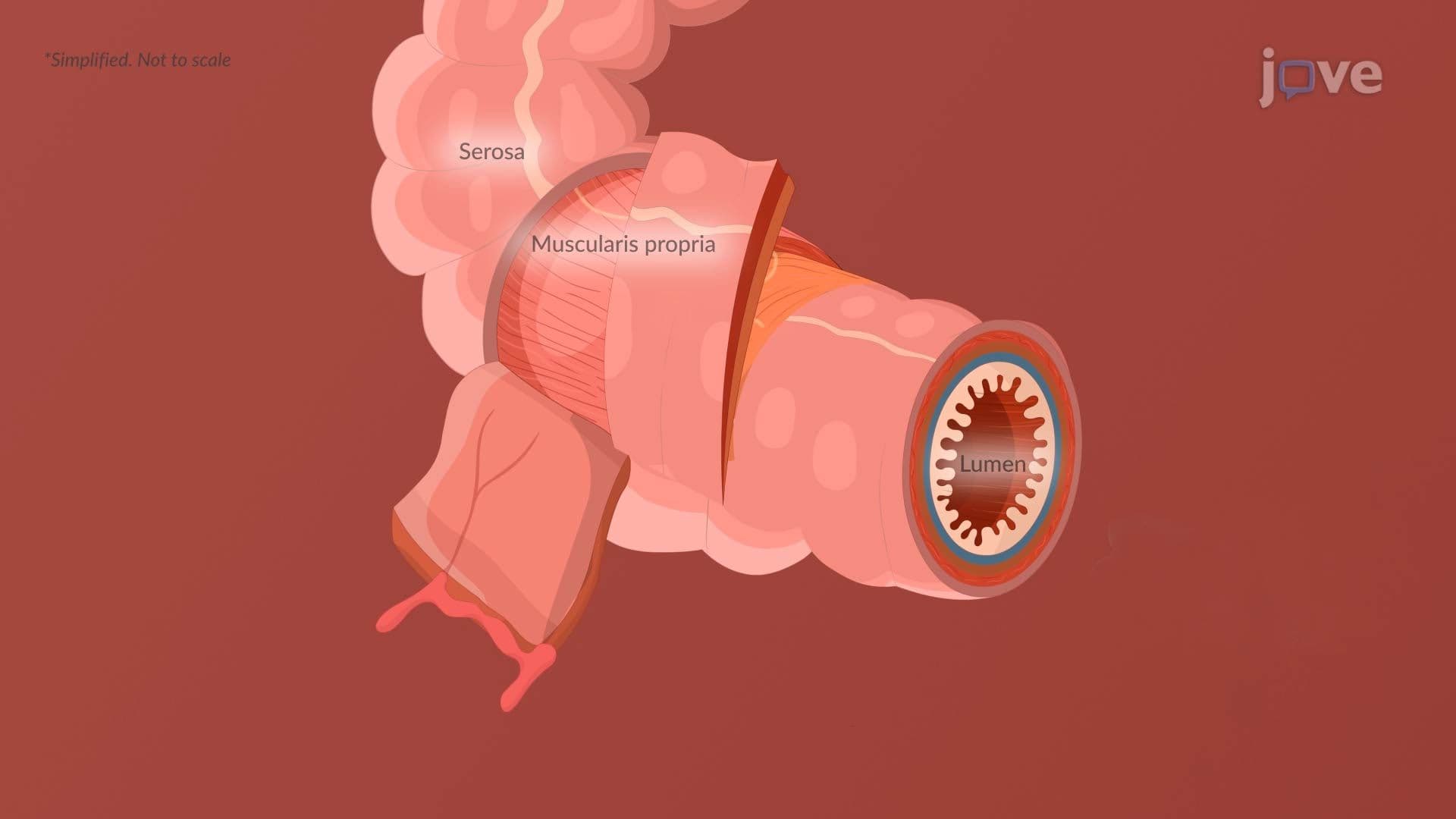
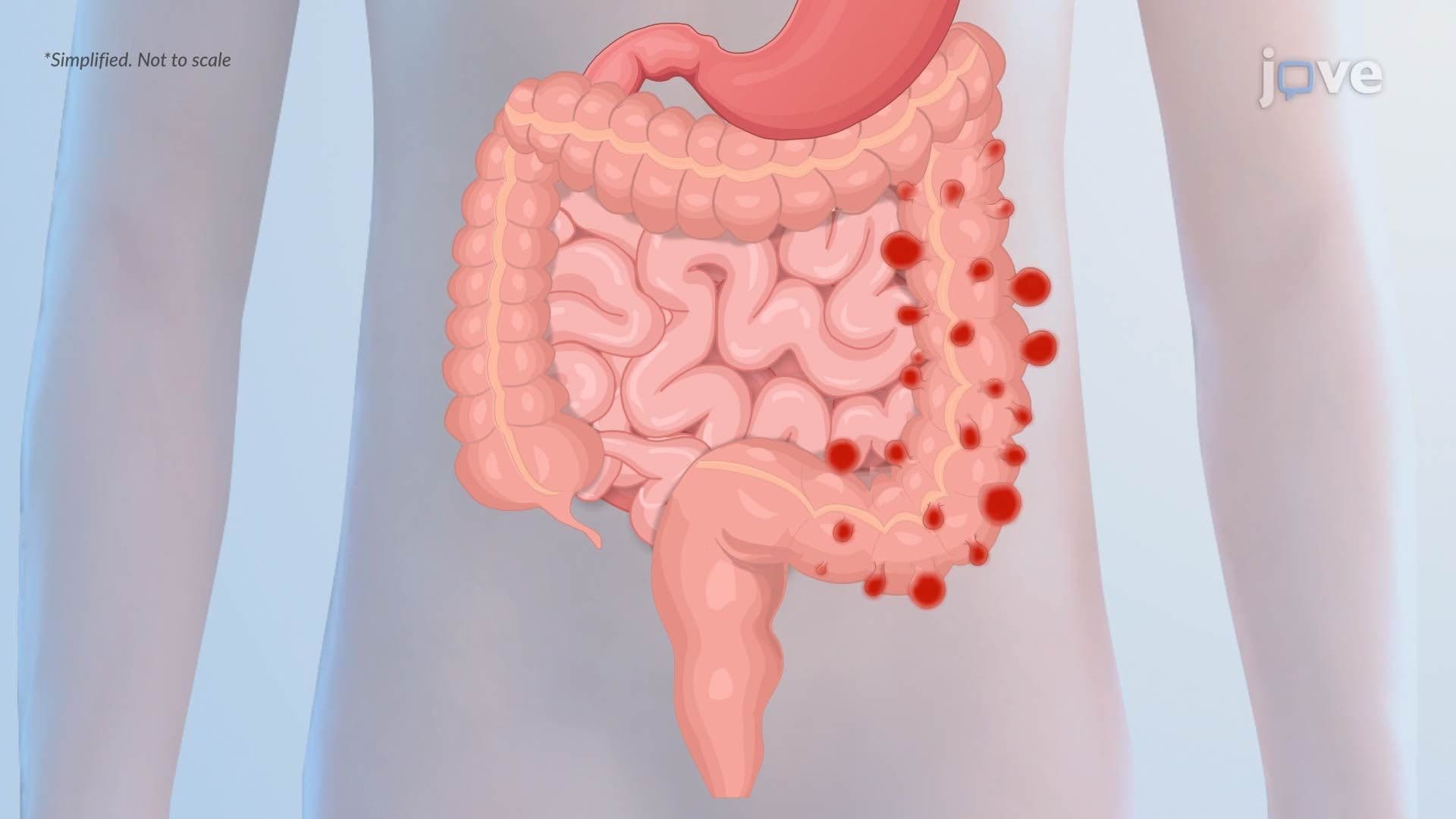
Irritable Bowel Syndrome (IBS) is a chronic functional gastrointestinal disorder, meaning no structural damage to the intestine can be detected, yet patients experience significant, recurring symptoms. It is among the most commonly diagnosed GI conditions in the United States, affecting an estimated 25-45 million Americans, with higher prevalence in women and young adults. Unlike inflammatory bowel disease (IBD), which involves measurable tissue inflammation and damage, IBS is driven by disordered function: how the gut moves, senses, and communicates with the brain.
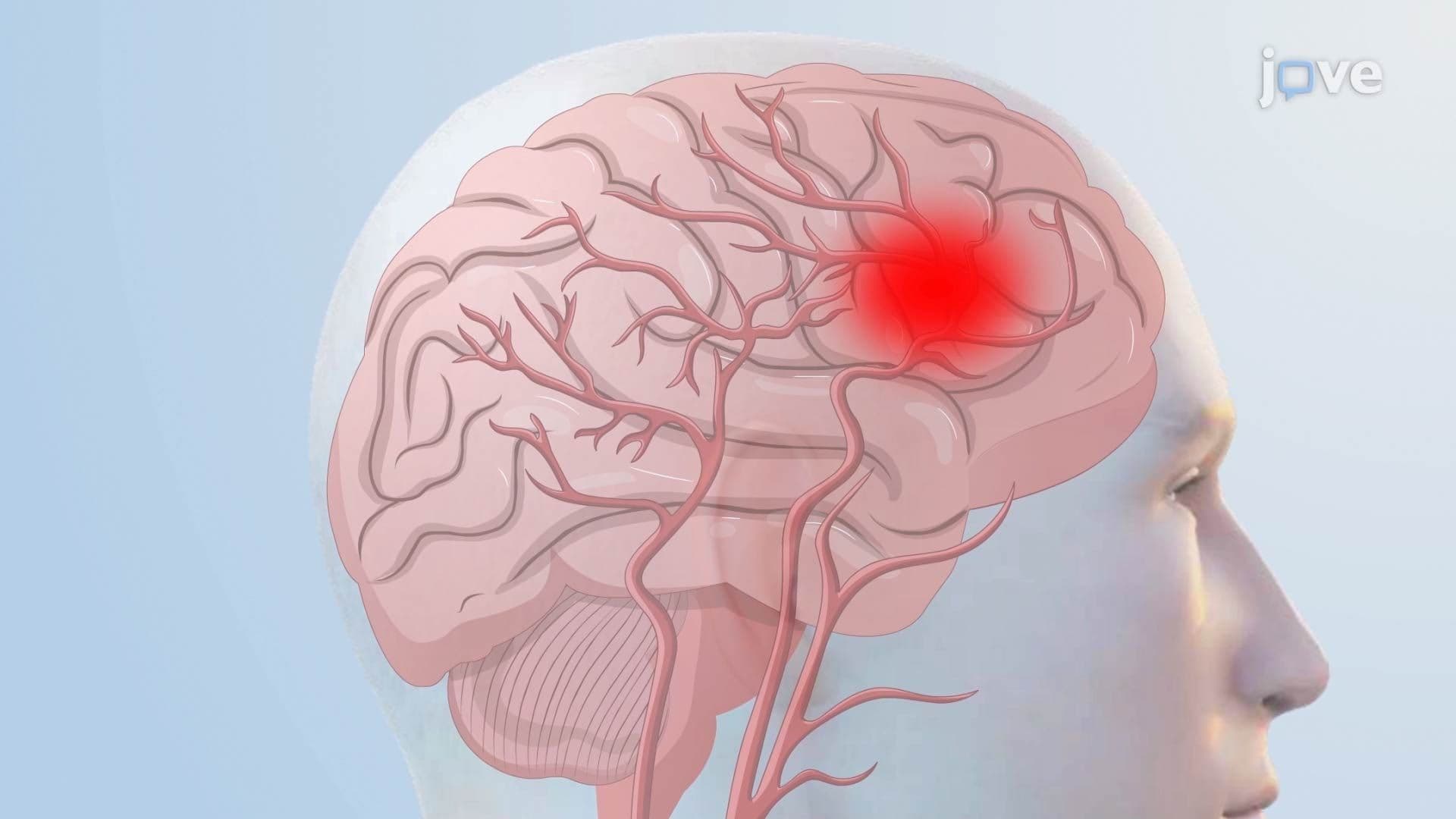
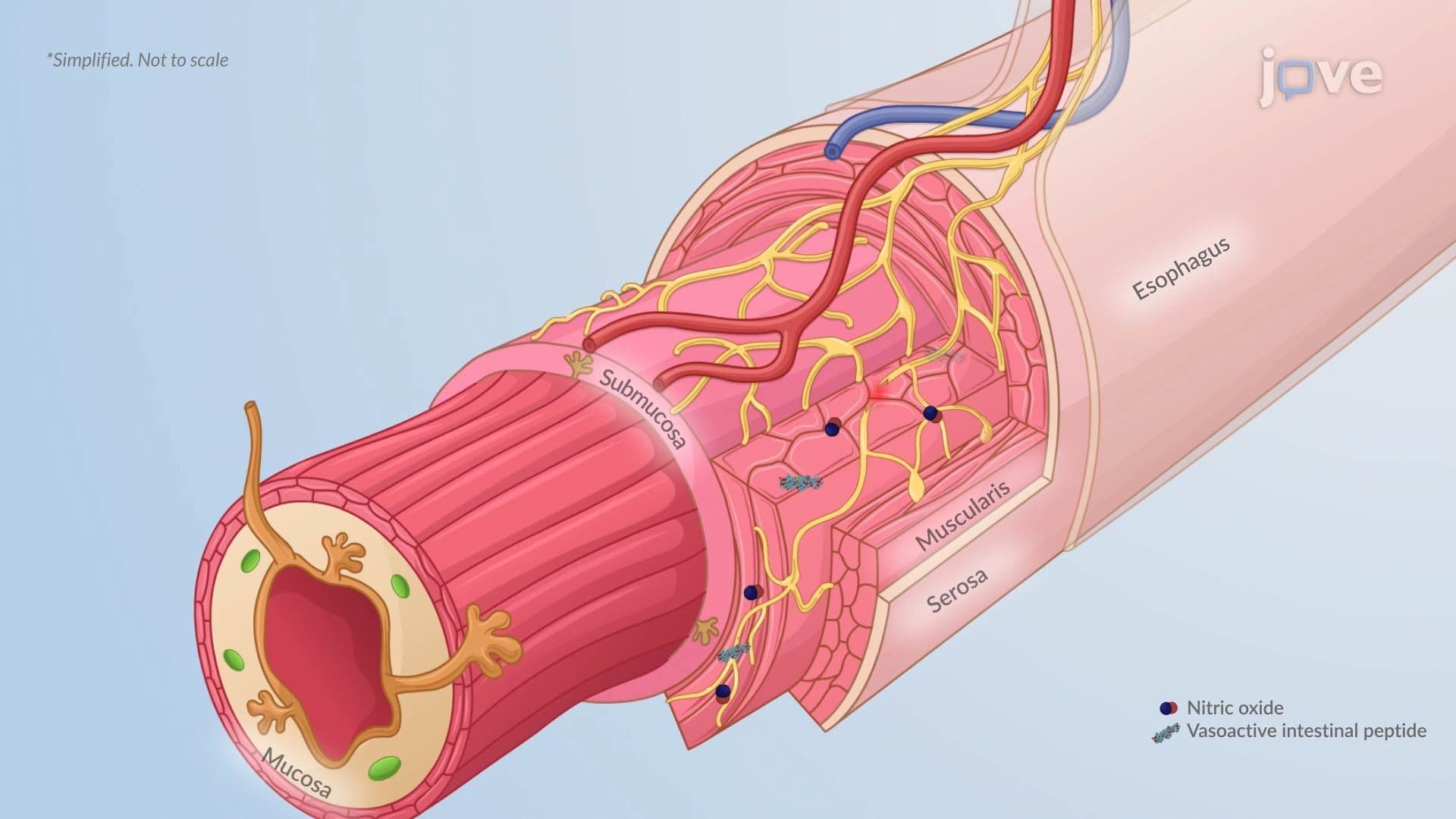
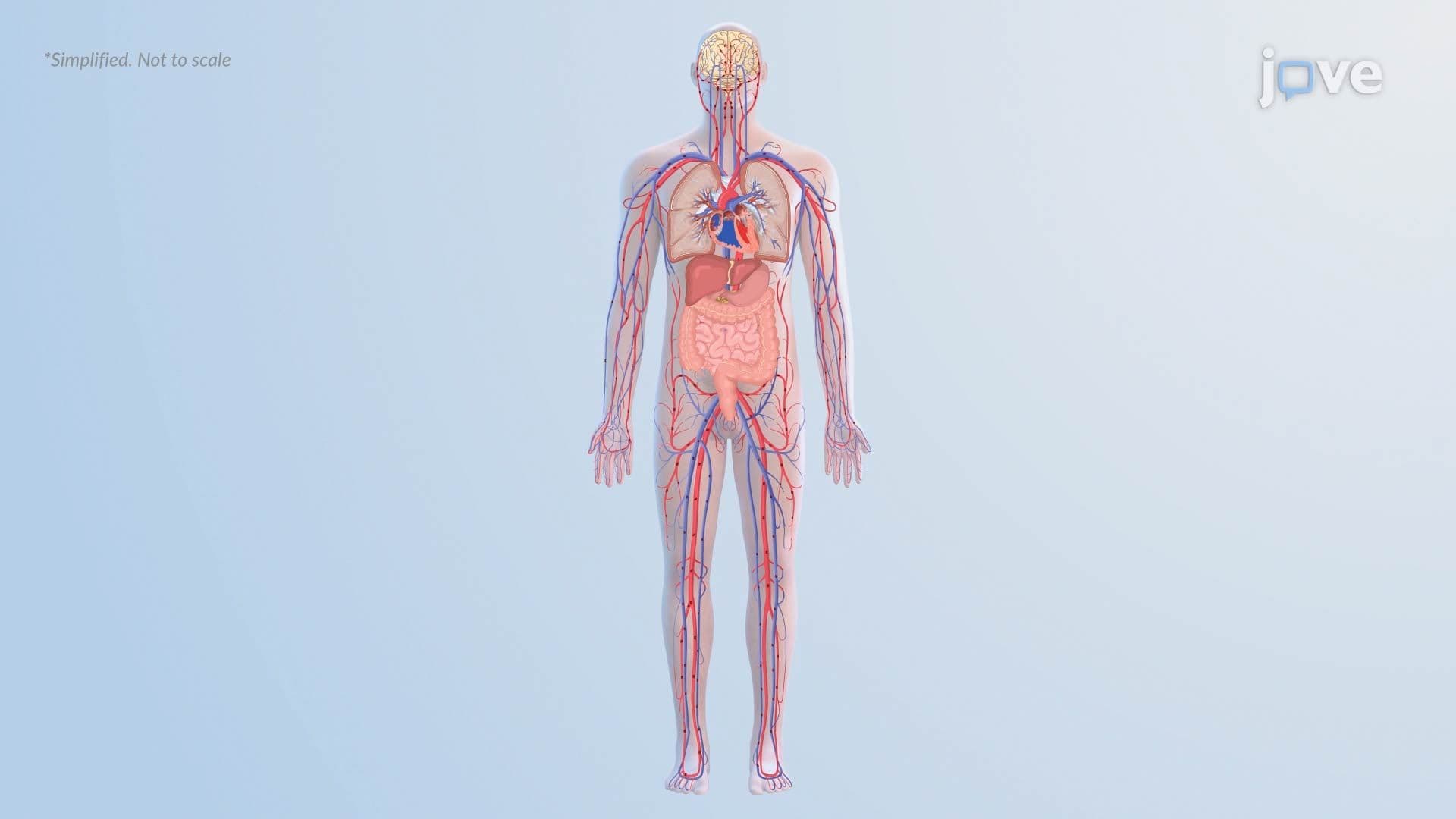
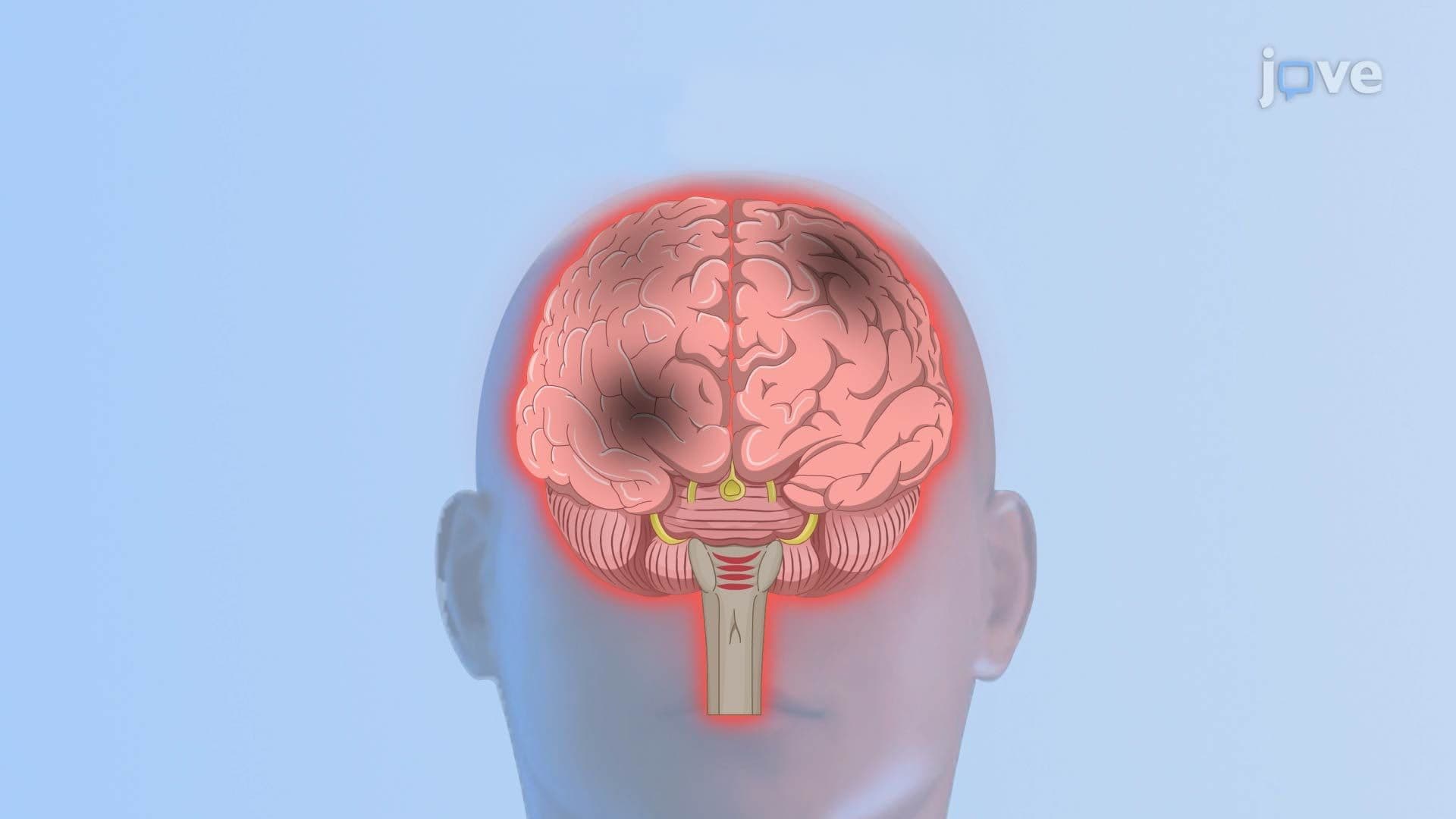
At the core of IBS is dysfunction along the gut-brain axis, a sophisticated bidirectional network linking the central nervous system (CNS) to the enteric nervous system (ENS) of the digestive tract. This connection operates through neural signals (especially the vagus nerve), hormonal messengers, and immune pathways. When this system becomes dysregulated, the brain may misinterpret normal digestive activity as painful, and the gut may respond abnormally to emotional stress. This is why many American college students report IBS flares during finals week, psychological stress directly alters gut motility and sensitivity through this axis.
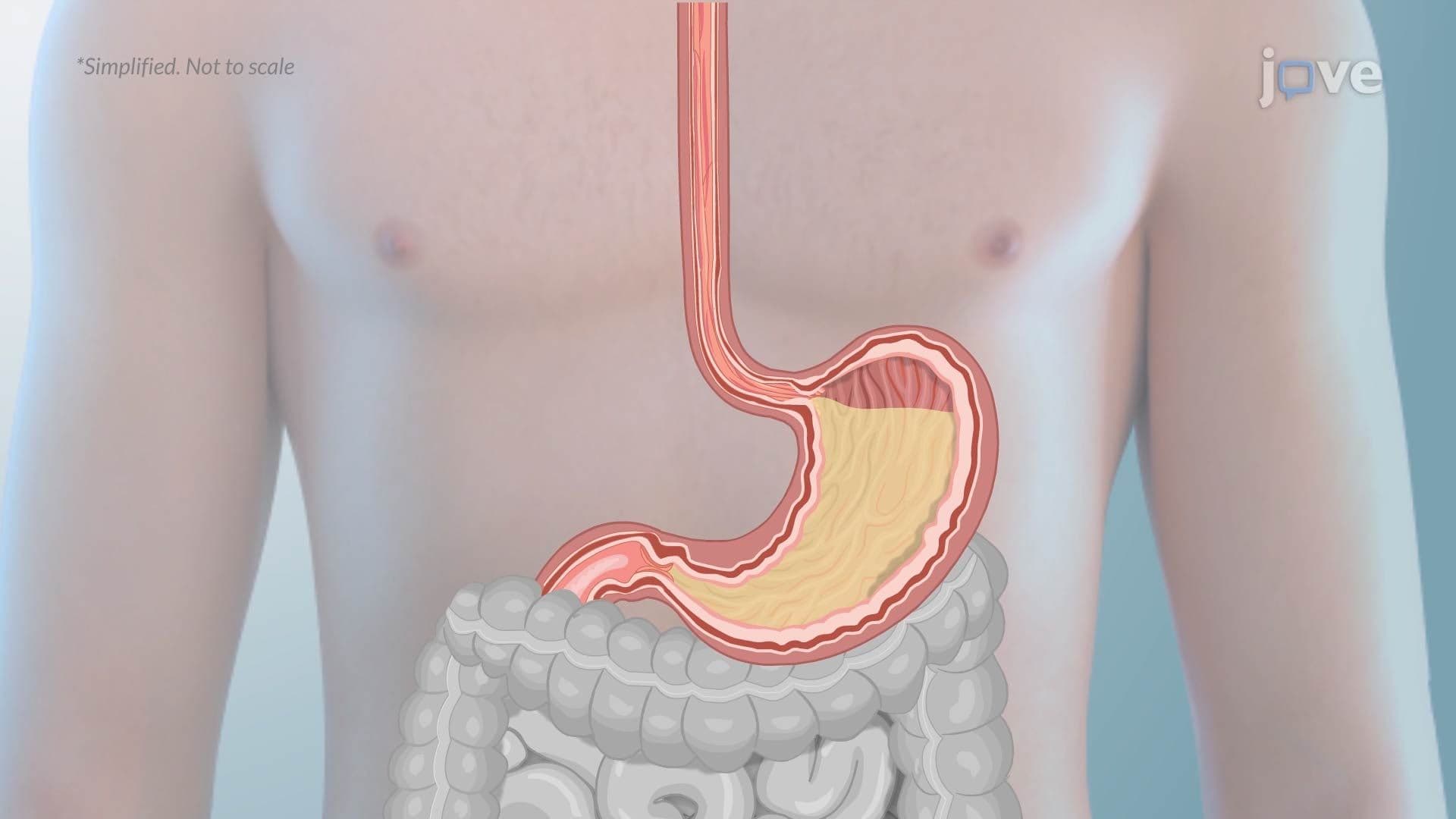
IBS subtypes each reflect a distinct motility pattern. IBS with diarrhea (IBS-D) involves rapid colonic transit, pushing contents through too quickly for adequate water absorption, producing loose stools and urgency. IBS with constipation (IBS-C) features sluggish transit, resulting in hard, difficult-to-pass stools. IBS with mixed bowel habits (IBS-M) alternates between both patterns, often accompanied by bloating and incomplete evacuation.
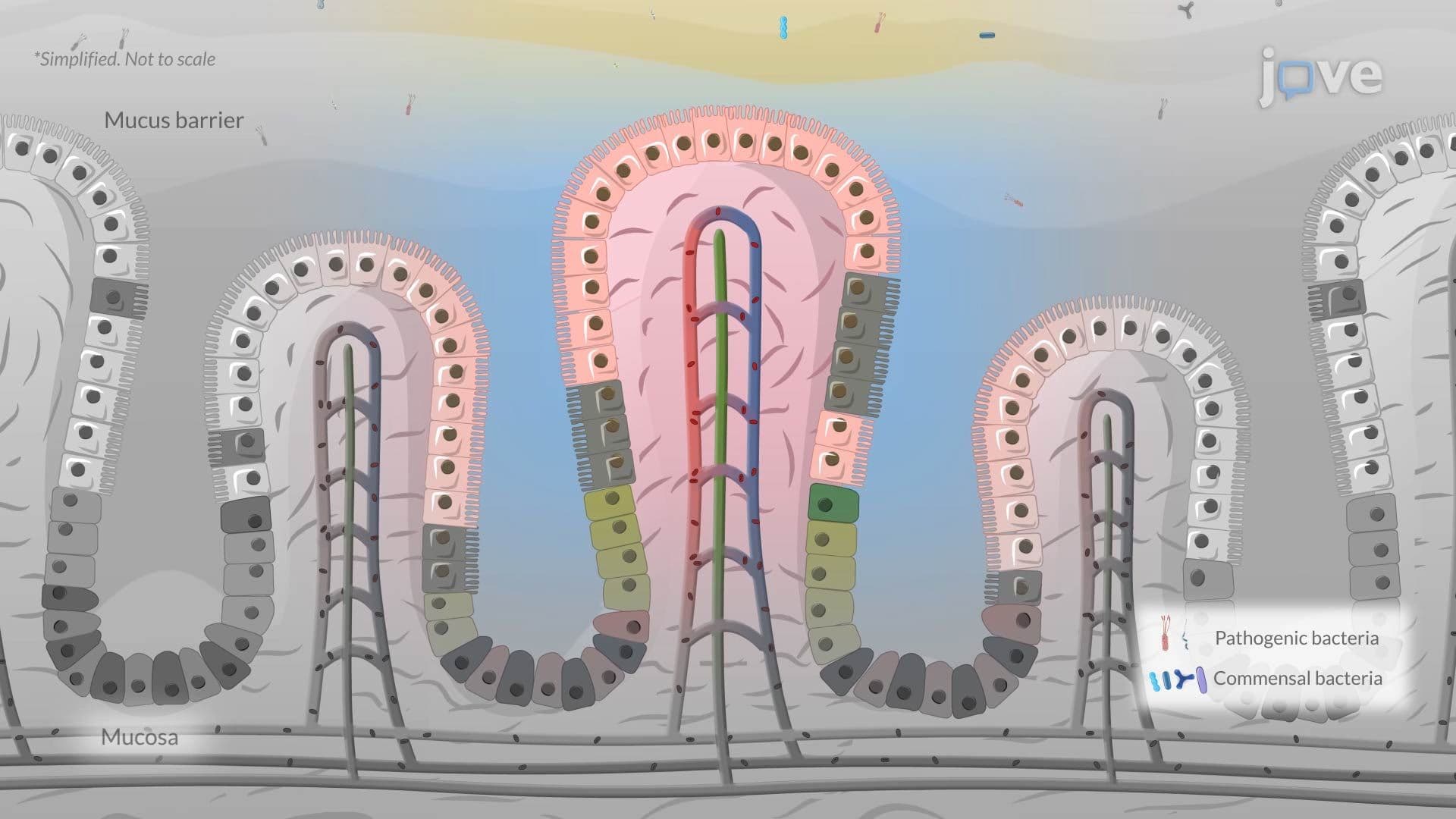
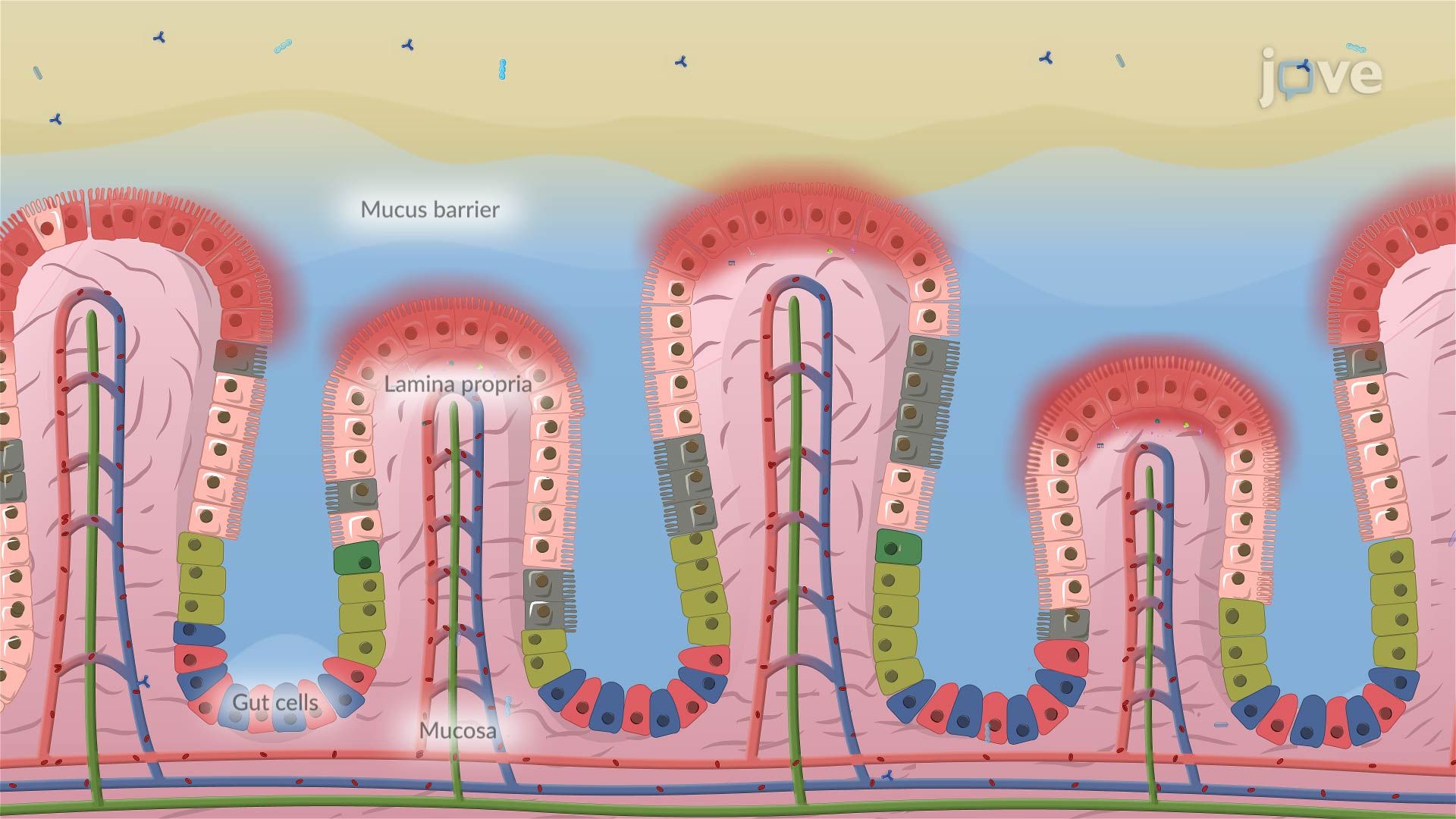
Gut dysbiosis, where harmful bacteria outnumber beneficial species, amplifies these problems. An imbalanced microbiome triggers low-grade immune activation, increases intestinal gas production (causing bloating and cramping), and disrupts normal bowel rhythms. Simultaneously, increased intestinal permeability, sometimes called "leaky gut," allows bacteria and toxins to cross the gut lining, activating inflammatory pathways that further sensitize the gut.
One of the most clinically important features of IBS is visceral hypersensitivity, an exaggerated pain response to stimuli that would be painless or mildly uncomfortable in a healthy individual. Abnormal sensory processing occurs at both the peripheral gut level and within the CNS. This phenomenon explains why IBS patients may experience severe pain from ordinary intestinal gas or minor bowel distension. It also helps distinguish IBS from peptic ulcer disease and celiac disease, where structural or immune damage is directly responsible for pain, rather than amplified sensory processing.
In college biology and pre-med courses, IBS is often introduced when studying the autonomic nervous system, gastrointestinal physiology, or the microbiome. On the MCAT, students are expected to understand gut-brain communication, intestinal absorption, and the physiological basis of functional disorders. Clinically, US healthcare providers use the Rome IV diagnostic criteria to identify IBS, a set of symptom-based standards developed because no biomarker definitively confirms IBS. This makes understanding its mechanisms essential for distinguishing it from IBD, celiac disease, GERD, and gastrointestinal bleeding in both exams and real patient care.
Related Micro-courses