Loading video…

 29 Concepts
 4.5K views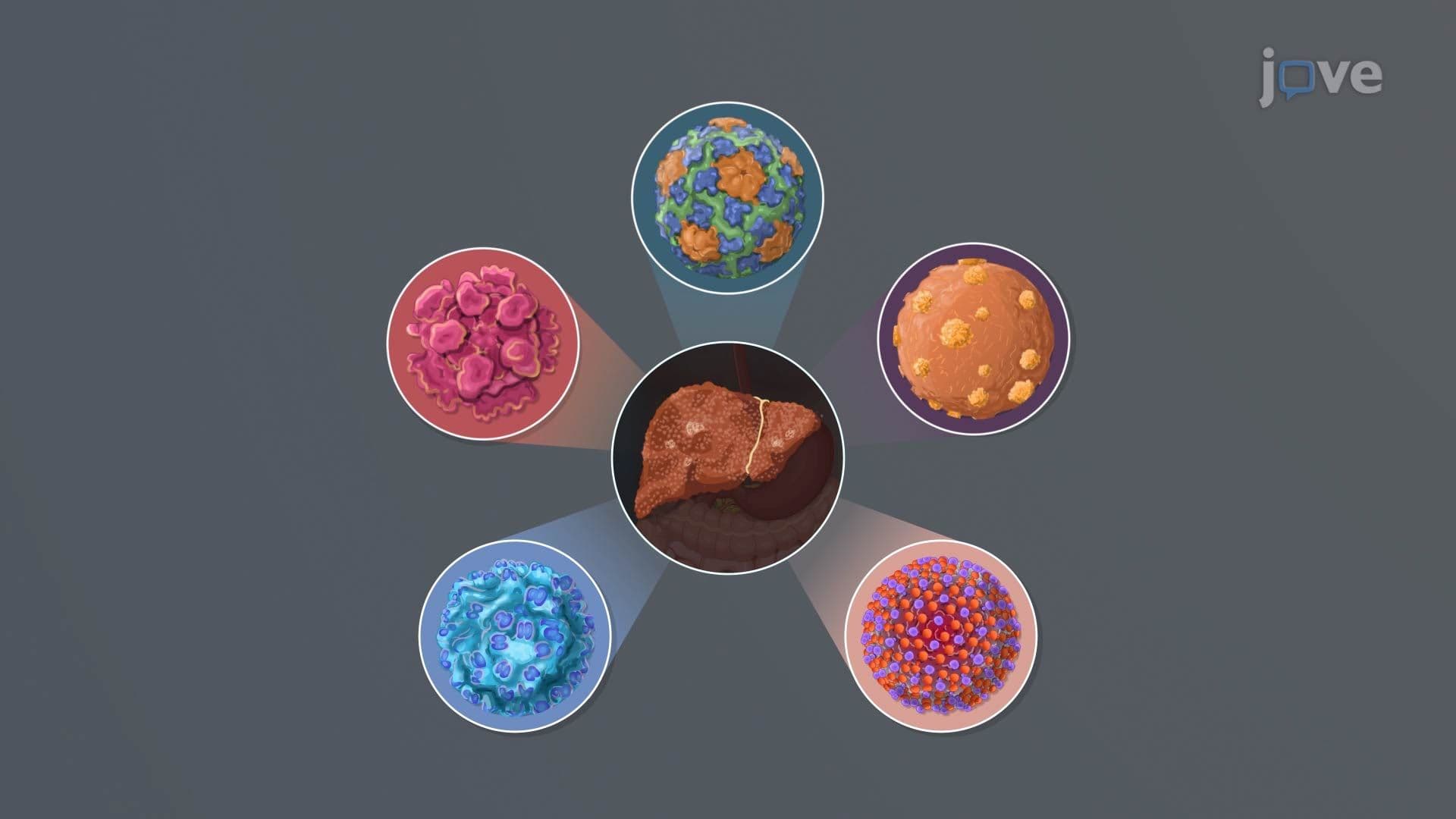

Video Summary: What Is Viral Hepatitis I
Did you know that millions of Americans are living with chronic viral hepatitis without even knowing it? Understanding viral hepatitis I basics starts with recognizing how different viruses attack the liver through distinct transmission routes. For example, Hepatitis C infects roughly 2.4 million people in the US alone, primarily through blood exposure. What is Viral Hepatitis I covers Hepatitis A through E, plus other viral culprits like Epstein-Barr. Watch the full video on JoVE Coach to master this concept with expert-led visuals and step-by-step explanations.
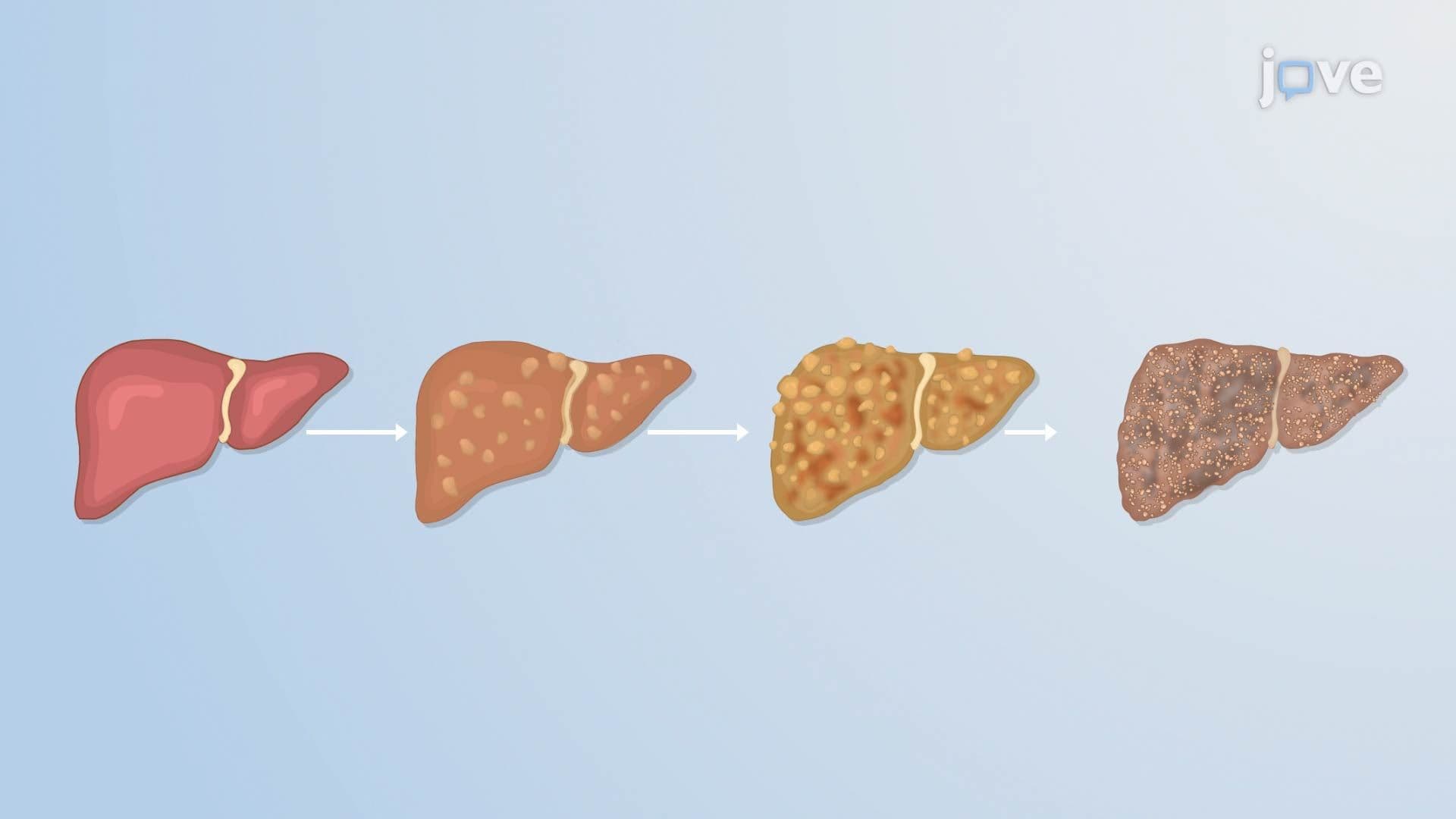
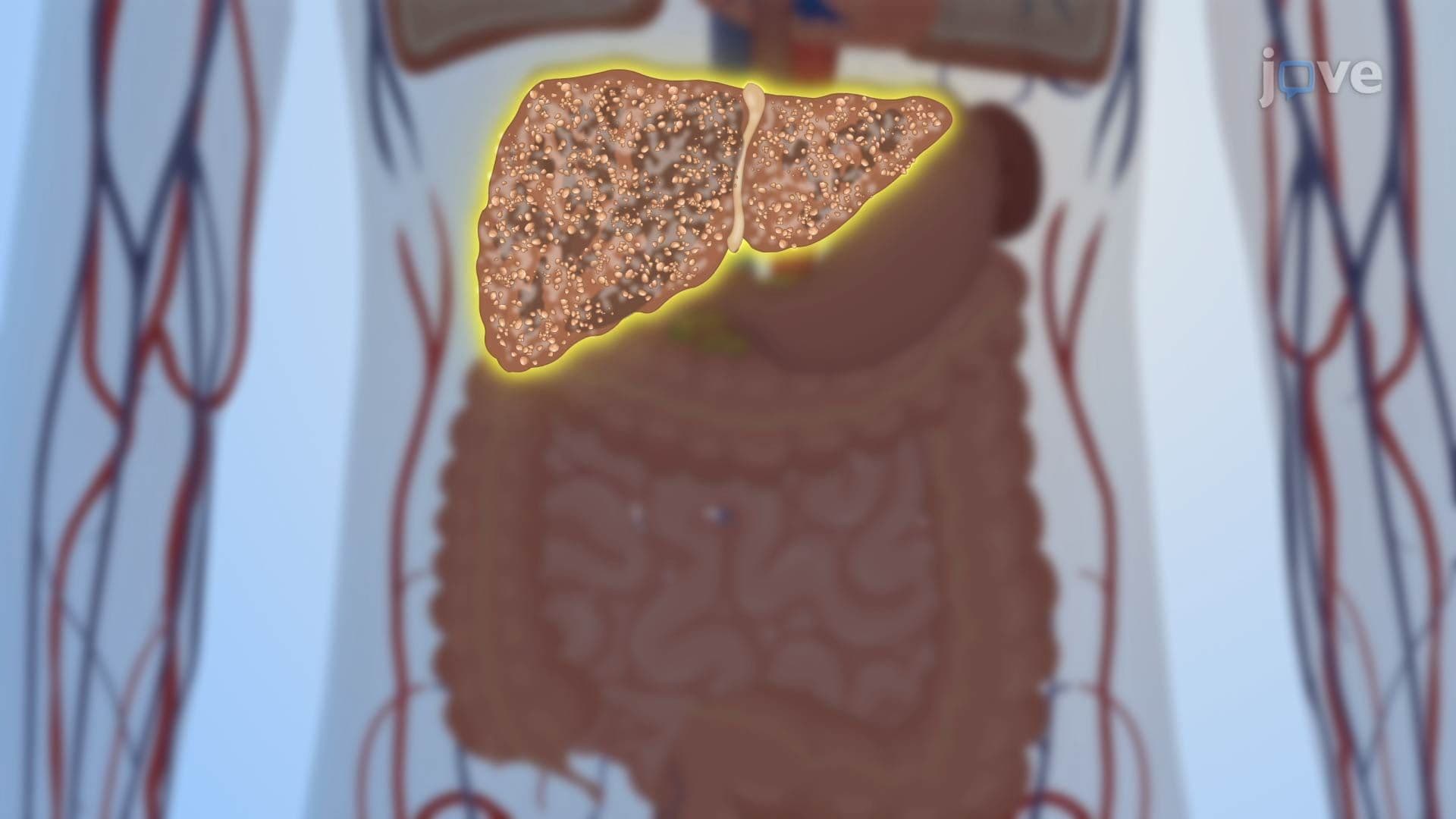
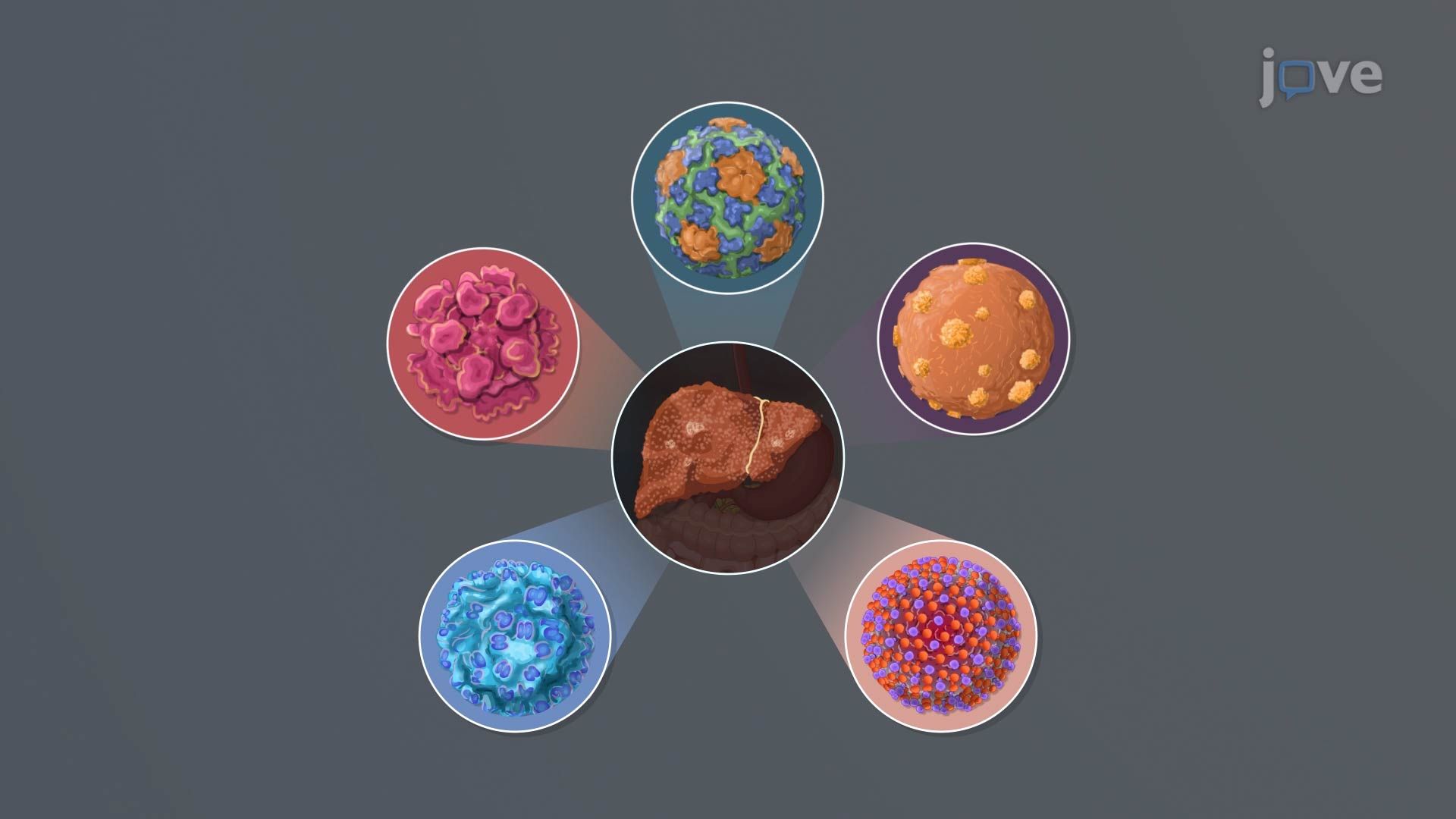
Viral hepatitis refers to inflammation of the liver caused by specific viruses that selectively target hepatic tissue, the specialized cells that perform the liver's critical filtering and metabolic functions. While the liver faces threats from alcohol, medications, and autoimmune conditions, viral hepatitis I basics focus on the five primary hepatitis viruses (A through E) and how each one reaches the liver through a distinct biological pathway. For students in AP Biology, college microbiology, or pre-health tracks, mastering this concept is essential groundwork for understanding infectious disease, immunology, and gastrointestinal health.
Hepatitis A virus (HAV) and Hepatitis E virus (HEV) share a key transmission mechanism: the fecal-oral route. This means the virus is shed in the feces of an infected person and ingested by another through contaminated food or water. In the US, HAV outbreaks are periodically linked to restaurant food handling failures, a notable multistate outbreak in 2016 was traced to contaminated frozen strawberries. HEV, while less common in the US, remains a major concern in regions with inadequate water sanitation. Neither virus typically causes chronic infection, making them acute but usually self-limiting illnesses.
Hepatitis B virus (HBV) is a DNA virus, the only major hepatitis virus with a DNA genome, transmitted through infected blood, sexual contact, and perinatal (mother-to-newborn) pathways. The US Centers for Disease Control and Prevention (CDC) estimates approximately 580,000 Americans are living with chronic HBV. Vaccination is highly effective and is a standard part of the US childhood immunization schedule.
Hepatitis C virus (HCV) is an RNA virus spread almost exclusively through direct blood-to-blood contact. In the US, the opioid crisis significantly amplified HCV transmission through shared injection drug equipment. Unlike HBV, there is no vaccine for HCV, but modern antiviral therapies, called direct-acting antivirals (DAAs), now achieve cure rates above 95%, representing a major breakthrough in American public health.
Hepatitis D virus (HDV) is classified as a defective RNA virus because it lacks the ability to complete its replication cycle without the help of HBV. Specifically, HDV requires HBV's surface antigen (HBsAg) to form new viral particles. This dependency creates two clinical scenarios: coinfection, where a person acquires both HBV and HDV simultaneously, and superinfection, where HDV infects someone already chronically carrying HBV, a scenario that often leads to more severe liver disease. This distinction is a high-yield topic on the USMLE and NCLEX, where exam writers frequently test the difference in outcomes between these two presentations.
It is a common misconception that only hepatitis-named viruses damage the liver. In clinical practice, viruses such as Epstein-Barr virus (EBV), the cause of infectious mononucleosis, prevalent among college students, and cytomegalovirus (CMV) can produce significant liver inflammation. Yellow fever virus, though rare in the US today due to vaccination, historically caused fatal hepatitis. Understanding these secondary causes is critical for AP and college-level exams that test the ability to distinguish between viral etiologies when analyzing patient symptoms or lab results.
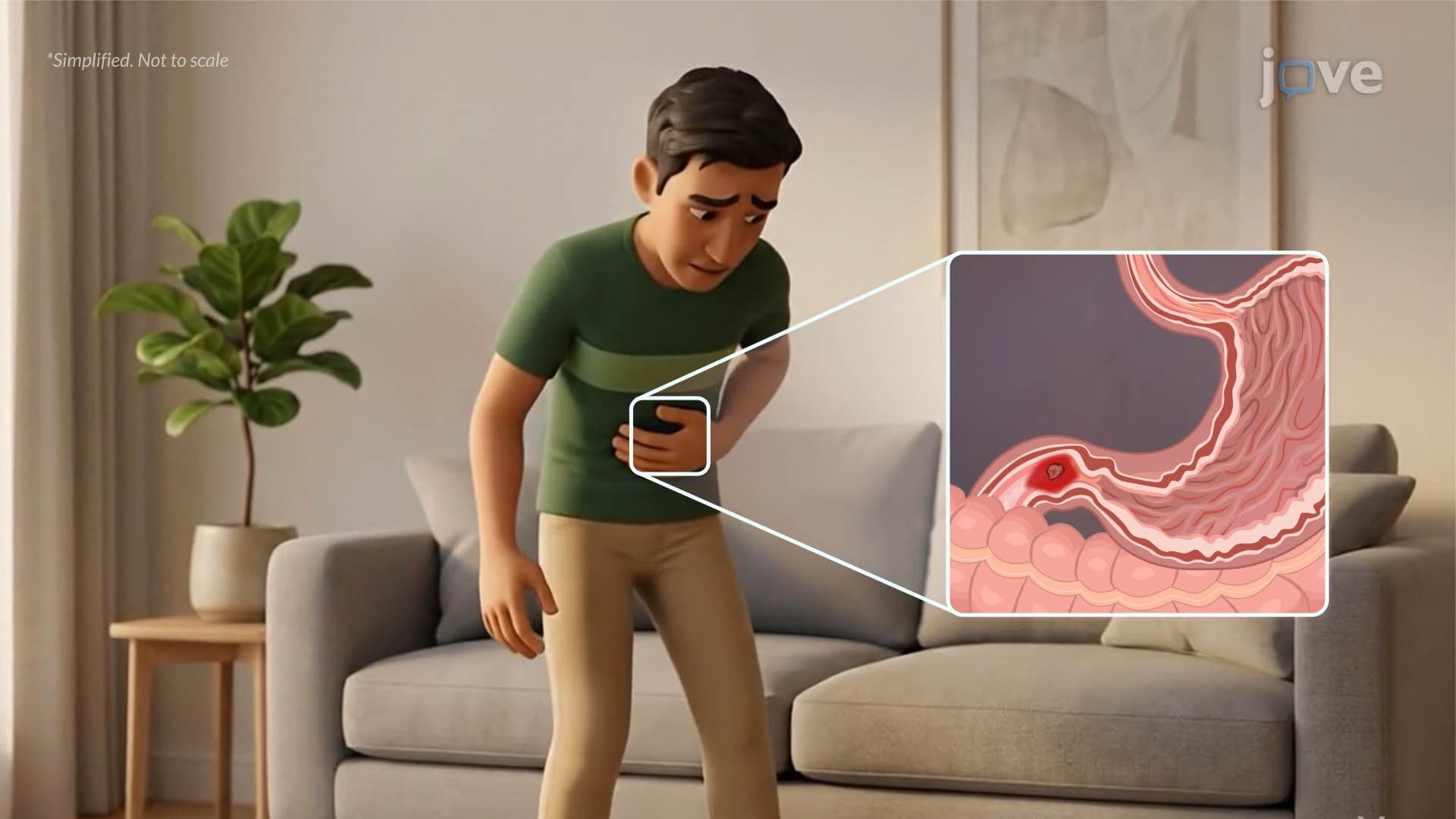
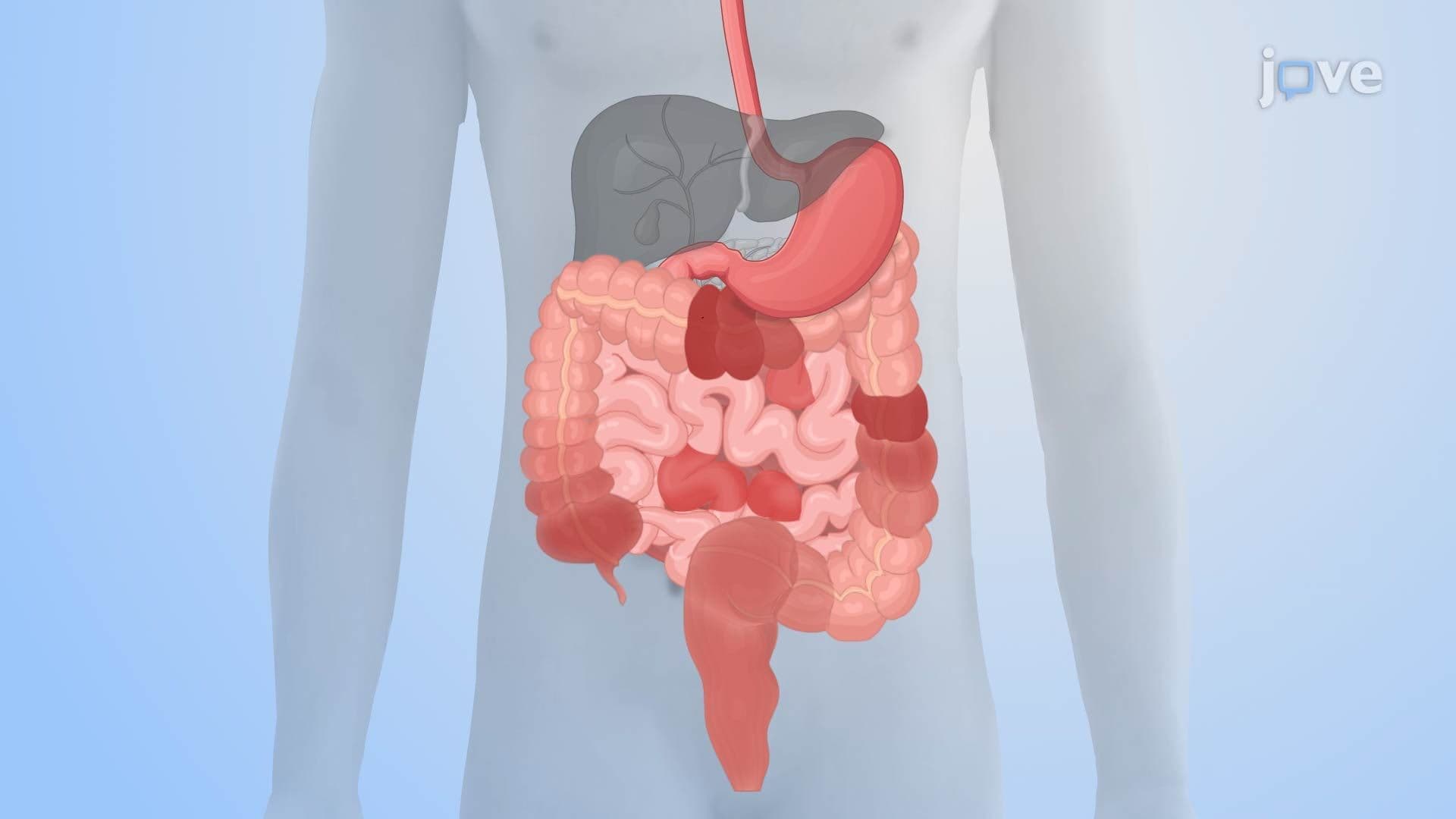
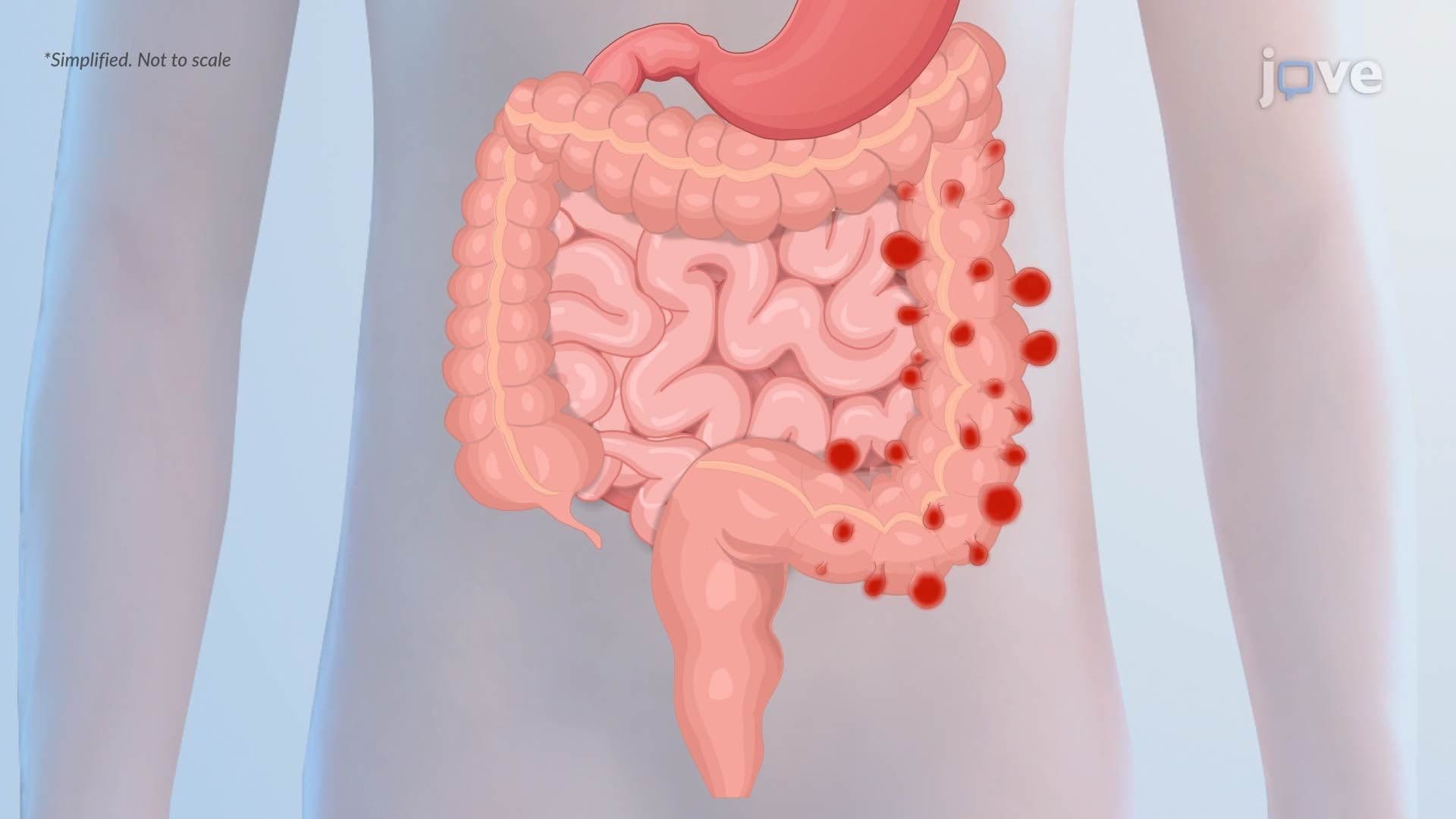
For students exploring broader gastrointestinal health, note that viral hepatitis differs fundamentally from conditions like peptic ulcer disease, inflammatory bowel disease (IBD), GERD, or celiac disease, all of which involve non-infectious or immunologic mechanisms rather than direct viral invasion of hepatic tissue.
Related Micro-courses