Loading video…


 29 Concepts
 4.5K views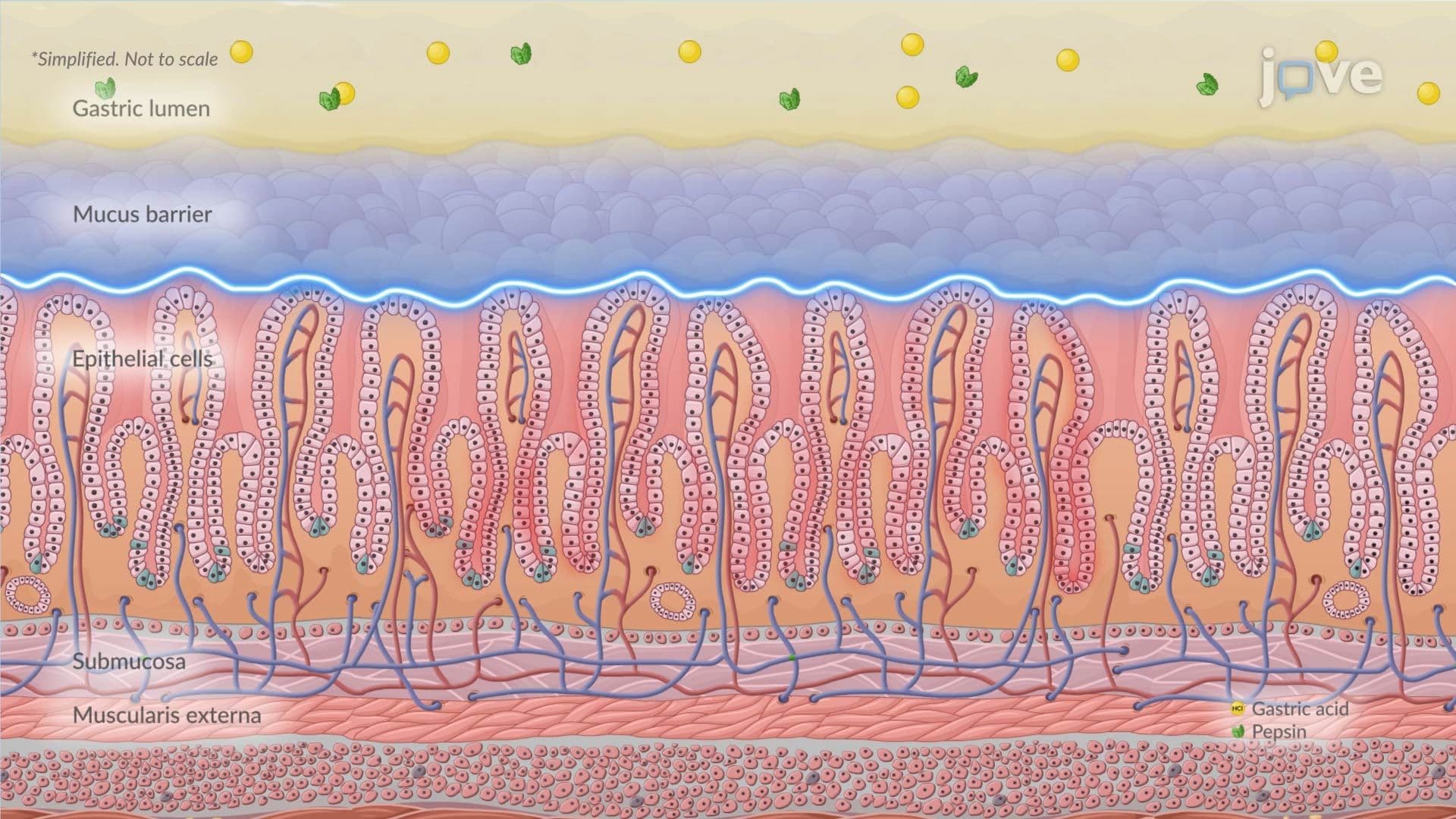

Video Summary: What Is Peptic Ulcer Disease I
Every year, roughly 4.5 million Americans are diagnosed with peptic ulcer disease, yet many mistake its burning stomach pain for simple indigestion. Peptic Ulcer Disease I basics reveal how ulcers form when the stomach's natural defenses break down, often due to *H. pylori* bacteria or NSAID use. Understanding what is peptic ulcer disease I means understanding the fine balance between acid and protection. Watch the full video on JoVE Coach to master this concept with expert-led visuals and step-by-step explanations.
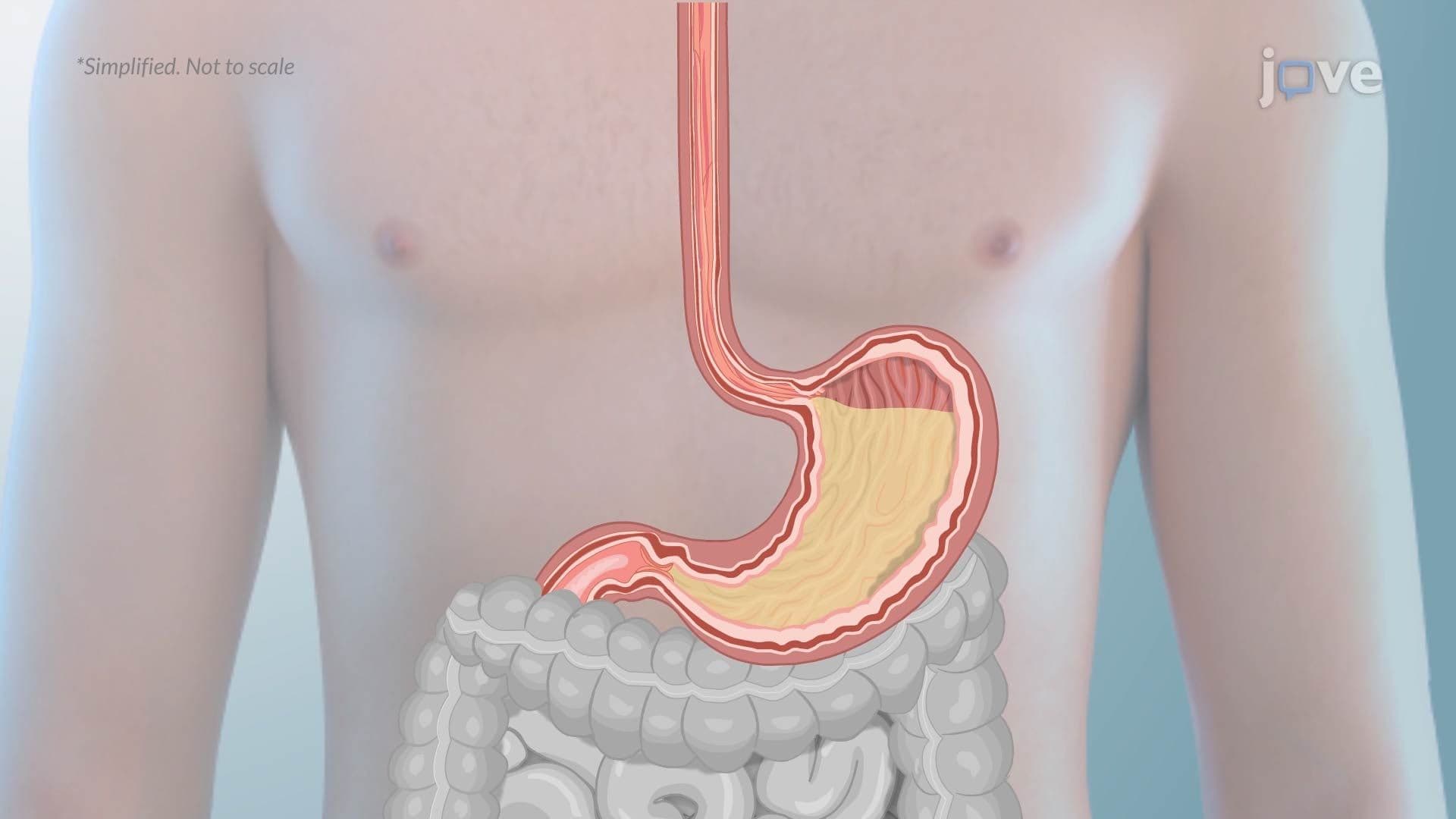
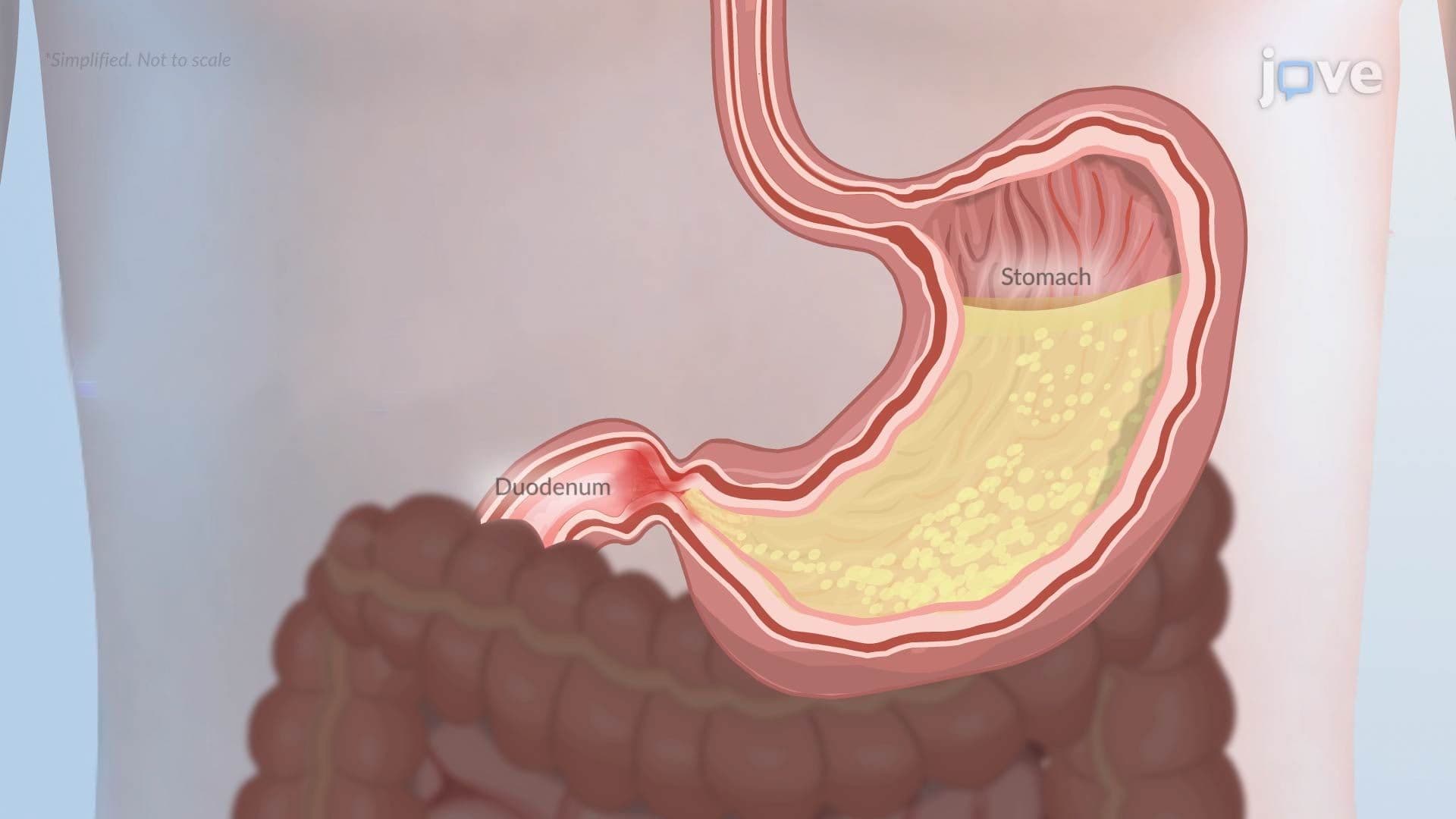
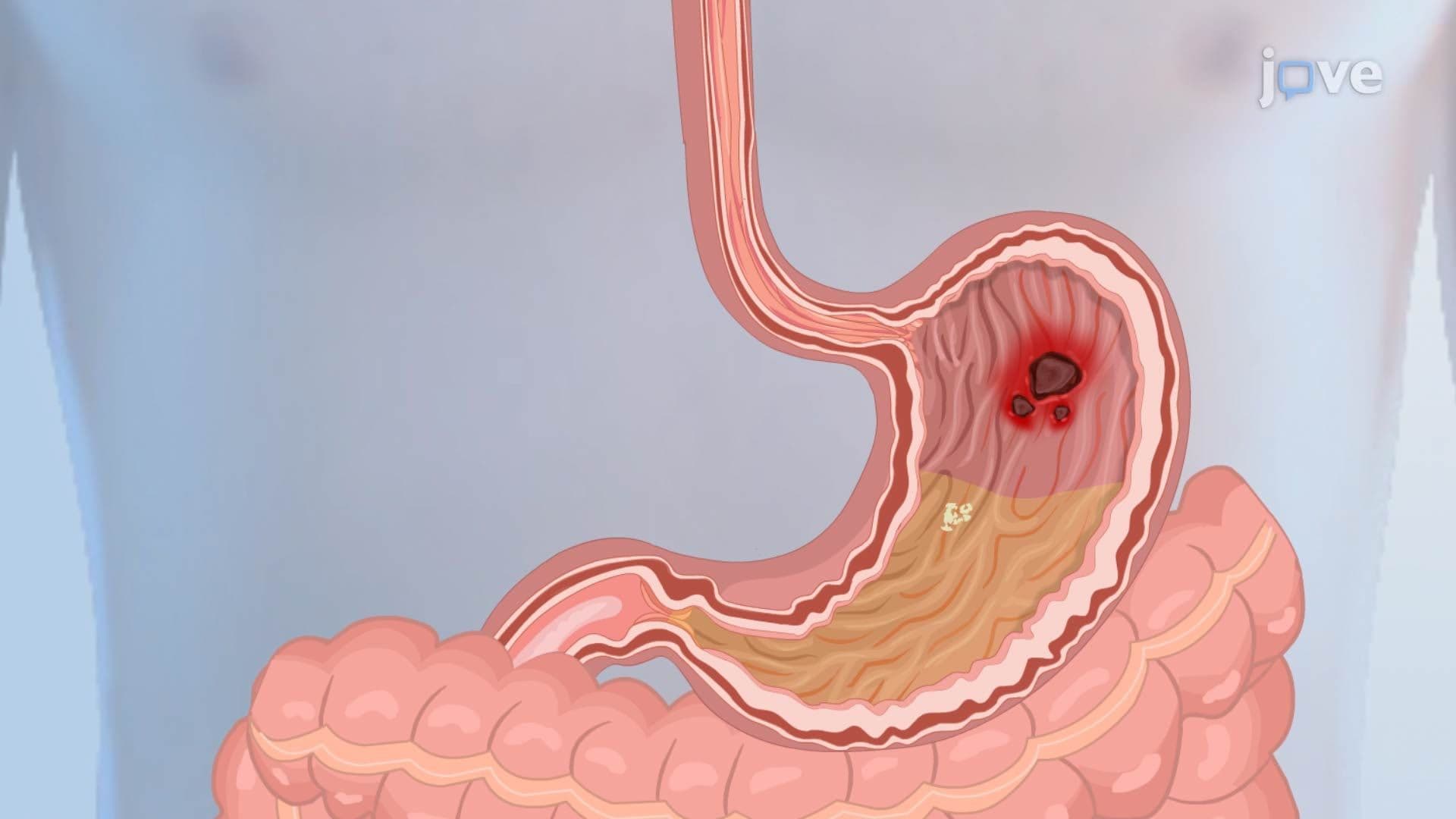
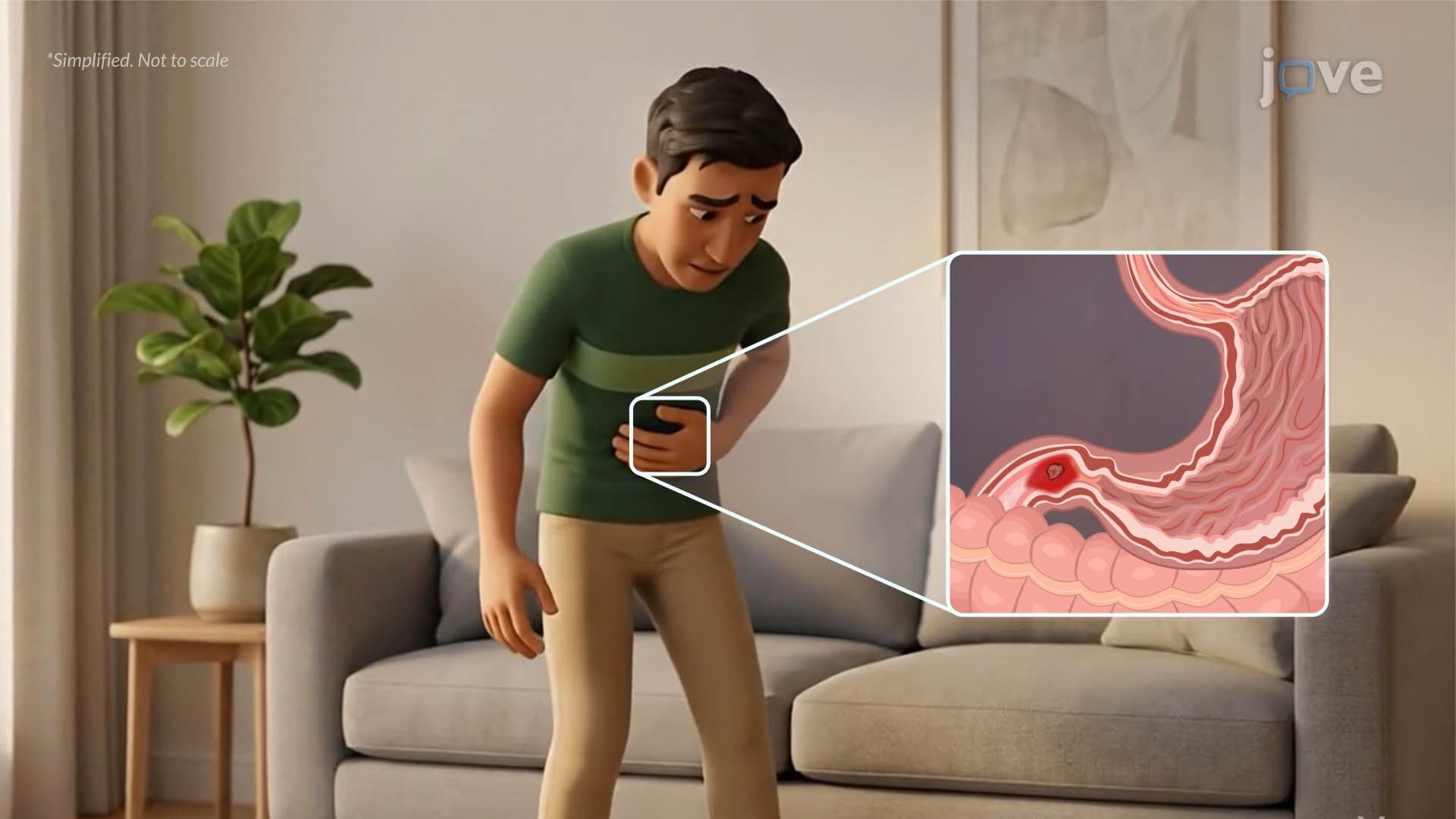
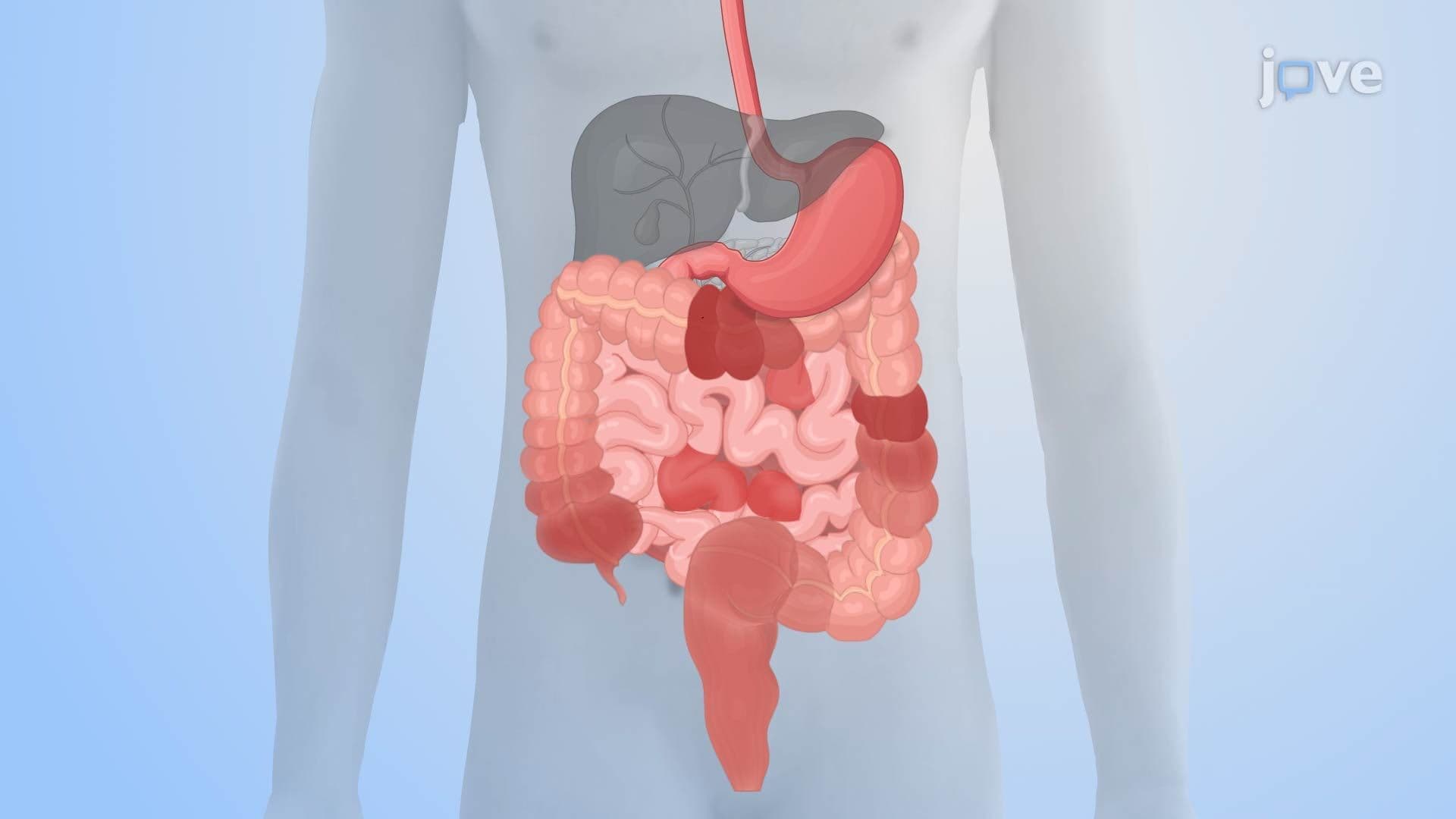
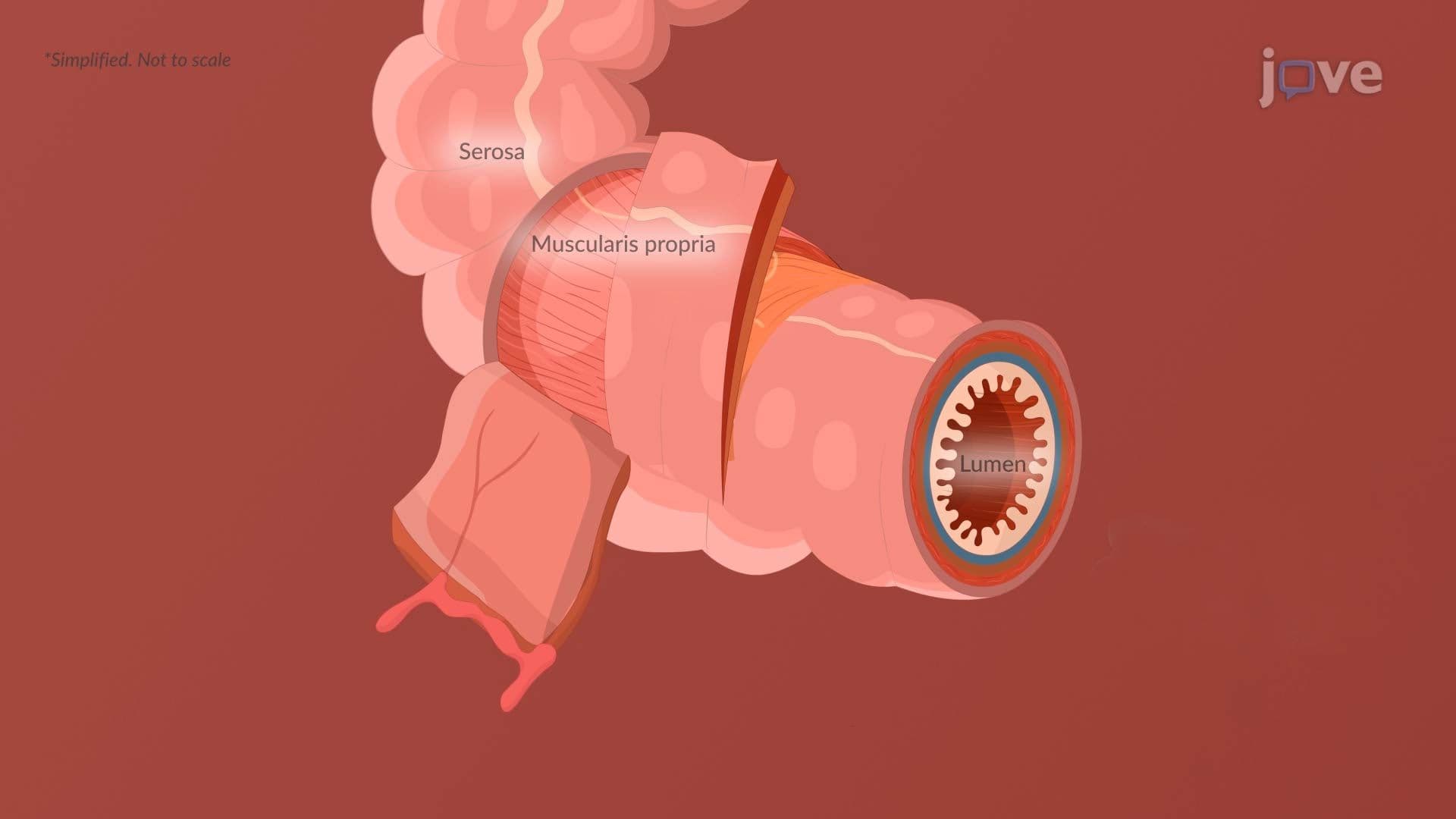
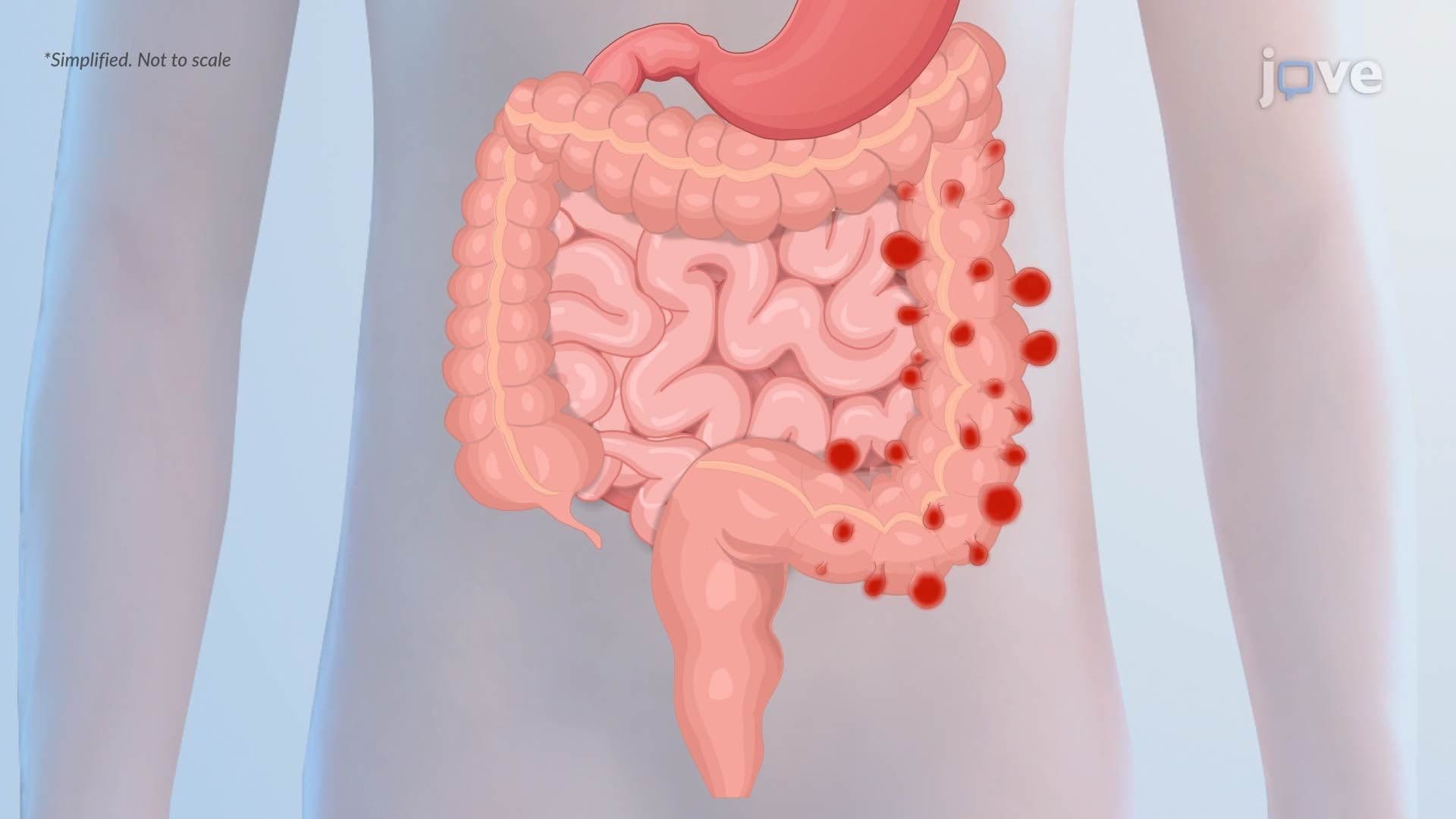
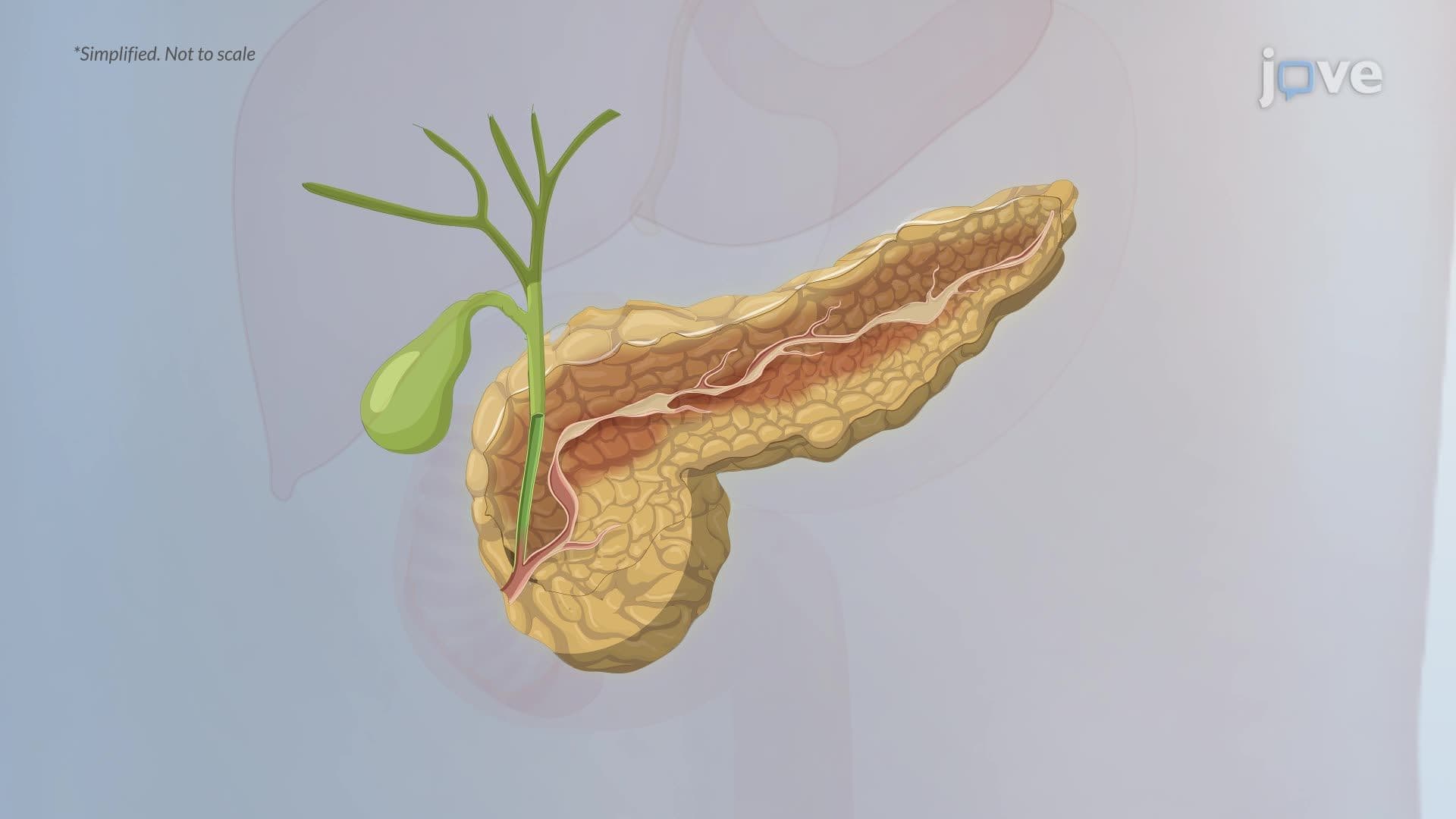
Peptic ulcer disease (PUD) is one of the most clinically significant gastrointestinal conditions in the United States, affecting millions of patients annually and appearing consistently in college-level biology, pathophysiology, and pre-med coursework. At its core, PUD involves open sores, called ulcers, that form in the lining of the stomach or duodenum (the first section of the small intestine). What distinguishes a true peptic ulcer from superficial irritation is its depth: these lesions break through the muscularis mucosae and extend into the submucosa or even deeper tissue layers. That depth is why peptic ulcers can cause serious complications, including gastrointestinal bleeding and life-threatening perforation.
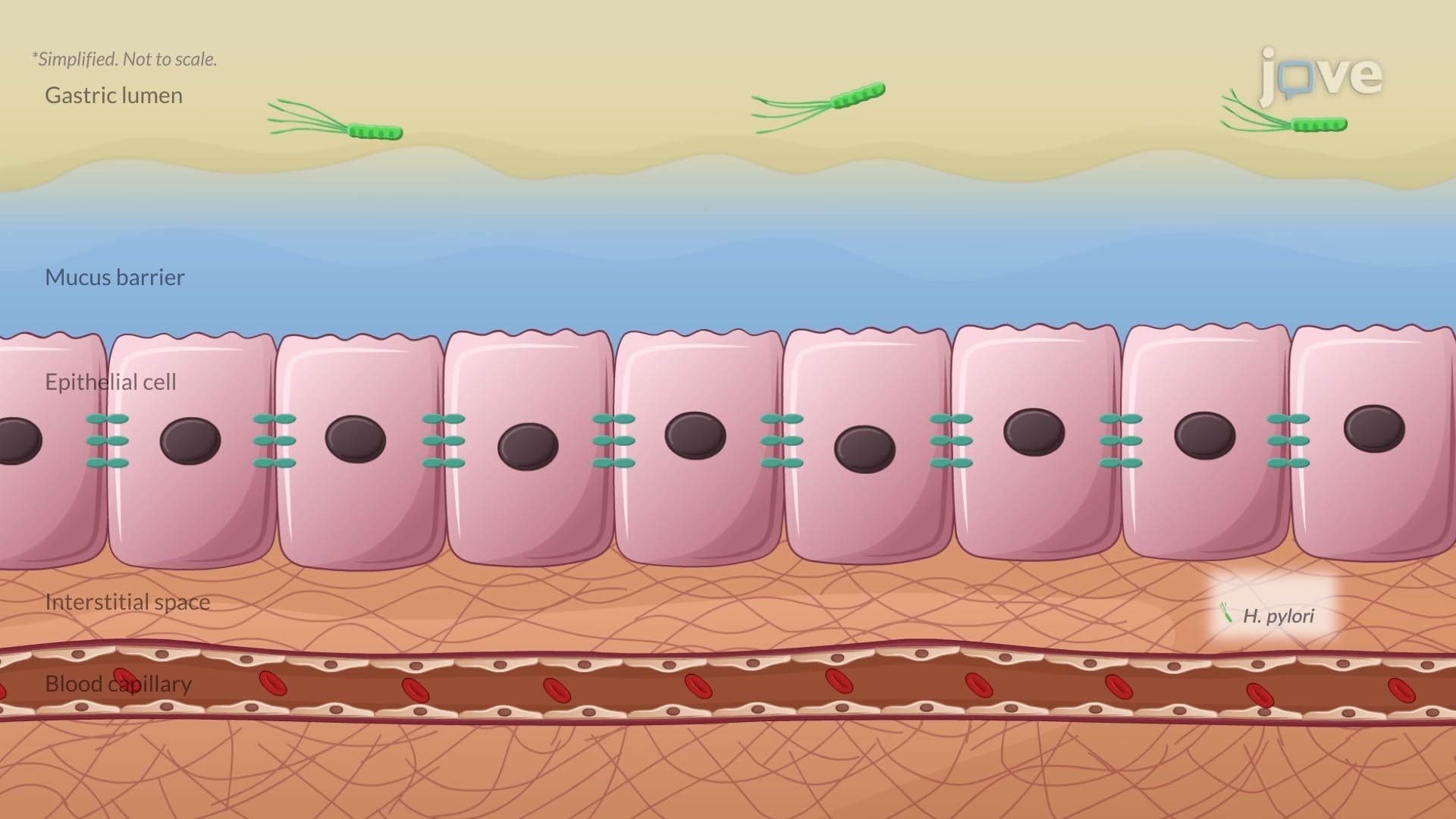
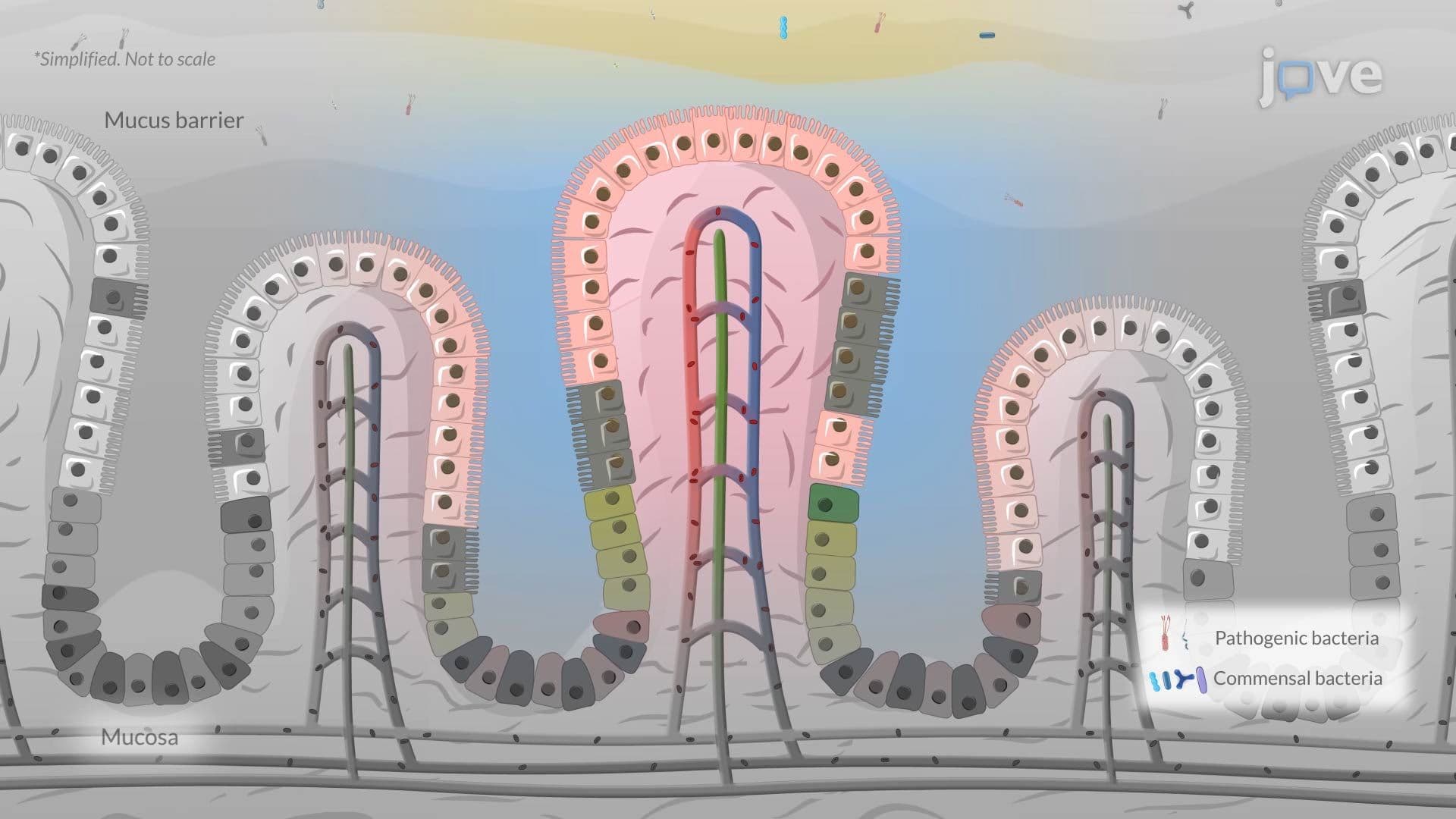
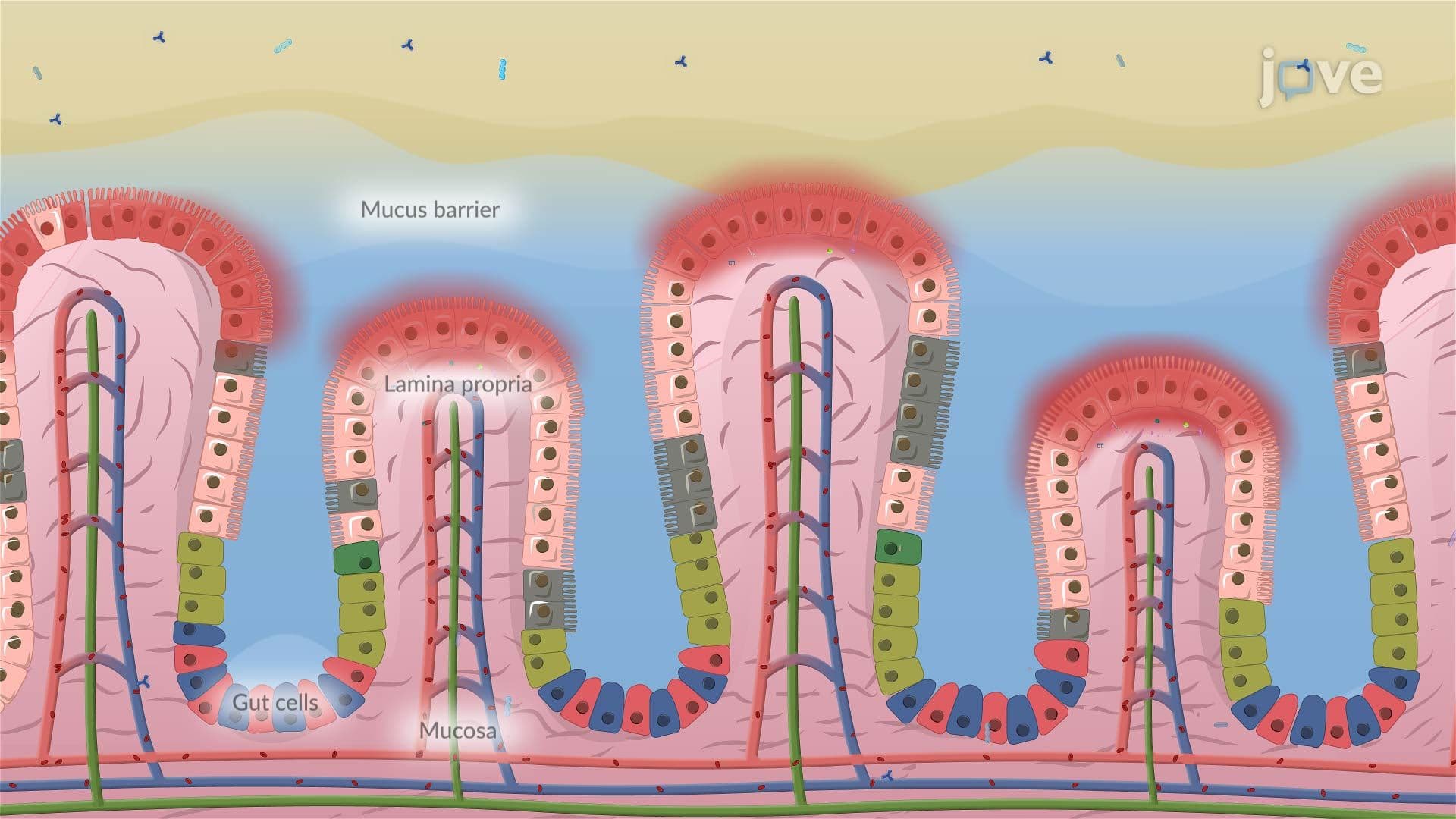
To understand why peptic ulcers form, you first need to appreciate how the stomach normally protects itself. The gastric mucosa faces constant exposure to hydrochloric acid and pepsin, both powerful enough to digest food, and equally capable of damaging the stomach wall if left unchecked. The body counters this with a layered mucosal barrier consisting of three key defenses: a thick coating of bicarbonate-rich mucus that neutralizes acid near the epithelial surface, tightly connected epithelial cells that prevent acid from penetrating deeper, and robust blood flow that delivers oxygen and nutrients to keep those cells healthy and repair minor damage quickly. When any of these layers is compromised, the door opens for ulcer formation.
*Helicobacter pylori* (H. pylori) is a gram-negative bacterium and the most common infectious cause of peptic ulcers worldwide. In the US, it is estimated to be present in roughly 30-40% of the population, though many people never develop symptoms. When H. pylori colonizes the gastric mucosa, it releases urease (which neutralizes local acid to help the bacteria survive), as well as proteases, phospholipases, and cytotoxins that directly degrade the protective mucus layer and trigger an inflammatory response. That inflammation further erodes the epithelium, creating conditions where acid can reach, and destroy, vulnerable tissue.
NSAIDs, including over-the-counter staples like aspirin, ibuprofen (Advil), and naproxen (Aleve), represent the second major cause of peptic ulcers. These drugs work by inhibiting cyclooxygenase (COX) enzymes, which blocks prostaglandin synthesis. Prostaglandins are lipid compounds that play a protective role in the GI tract, they stimulate mucus and bicarbonate secretion, maintain blood flow to the gastric lining, and reduce acid secretion. Without adequate prostaglandin activity, the mucosal barrier weakens significantly, making NSAID users, especially older adults or those taking these drugs long-term, highly susceptible to ulcer formation. This mechanism is a high-yield topic on the MCAT and in college pharmacology courses.
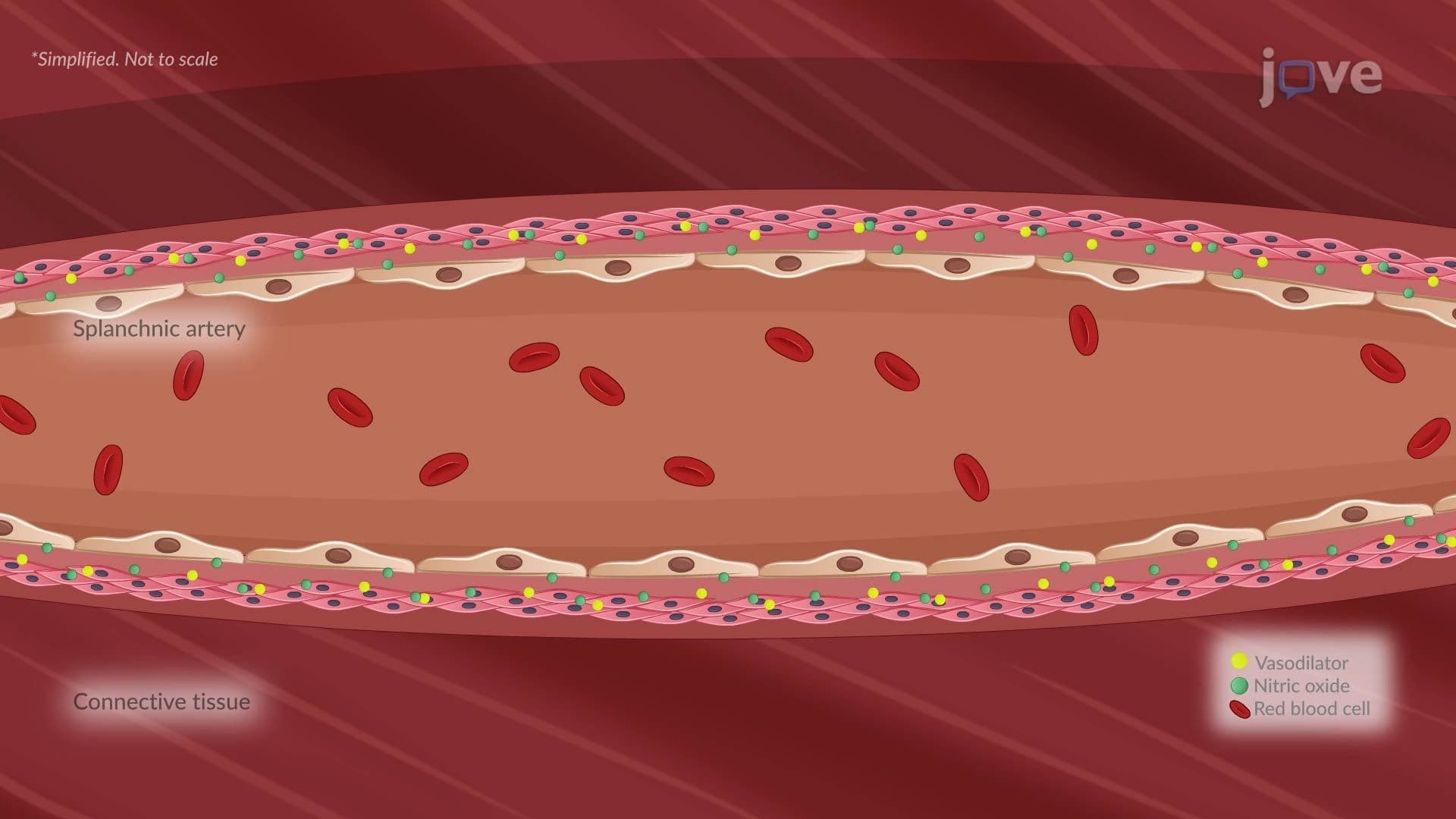
Beyond H. pylori and NSAIDs, several additional factors increase ulcer risk. Alcohol and tobacco are well-documented irritants that impair mucosal defenses. In critically ill patients, such as those in US hospital ICUs following major surgery, trauma, or sepsis, a phenomenon called splanchnic hypoperfusion occurs. Stress triggers widespread vasoconstriction, dramatically reducing blood flow to the gut and stripping away the blood-flow component of the mucosal barrier. This is why stress ulcer prophylaxis (using medications like proton pump inhibitors) is standard care in American ICU protocols.
Understanding peptic ulcer disease I also builds a strong foundation for studying related GI conditions. Conditions like GERD, celiac disease, inflammatory bowel disease (IBD), and gastrointestinal bleeding all involve disruptions along the GI tract, and peptic ulcer disease shares overlapping mechanisms, symptoms, and clinical management strategies with each of them. For students preparing for AP Biology, college pathophysiology, or pre-med prerequisites, mastering peptic ulcer disease I establishes the conceptual framework needed to tackle more advanced GI pathology with confidence.
Related Micro-courses